Quick answer: Reverse sneezing in dogs is a short spasm where your dog sucks air in through the nose in loud, rapid snorts. It can look frightening, but vets describe it as usually harmless and most episodes pass within seconds to minutes. Sudden onset, frequent or severe episodes, or collapse afterwards need a vet.
If you've just watched your dog freeze, stretch their neck out and honk like a goose, this guide explains what was likely going on, what you can do, and which signs mean a vet visit. A honking cough is a different thing, so see our kennel cough guide if that's what you're hearing.
Quick picks
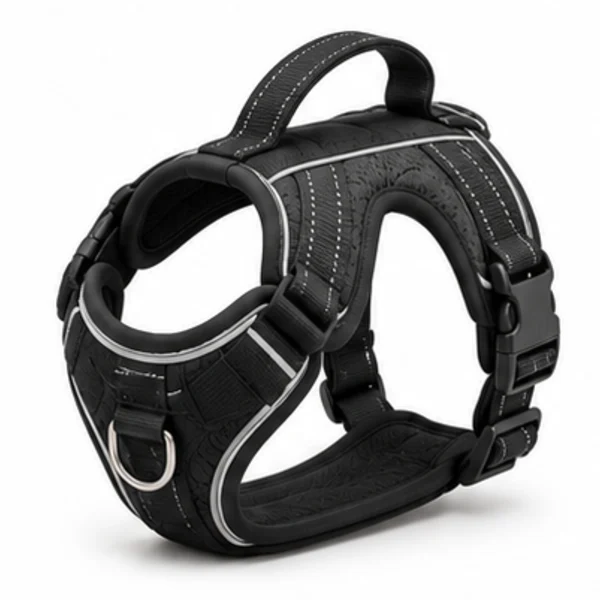
Eagloo No Pull Dog Harness, Large
Dual clip with front and back rings, a handle and four adjustment points.
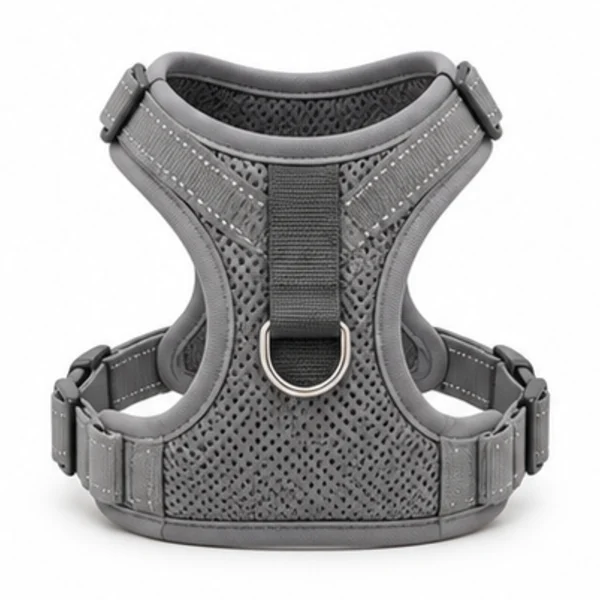
PHOEPET No Pull Dog Harness, Medium
Buckles on, so nothing goes over the head; two metal rings, in five sizes.
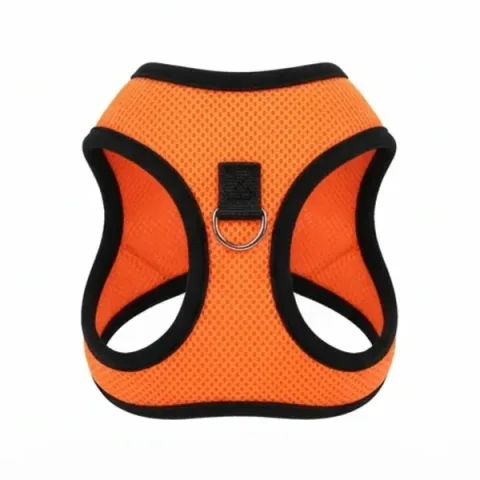
BARKBAY Air no-pull mesh harness
A mesh harness from our French bulldog guide; flat-faced dogs usually suit a different design.
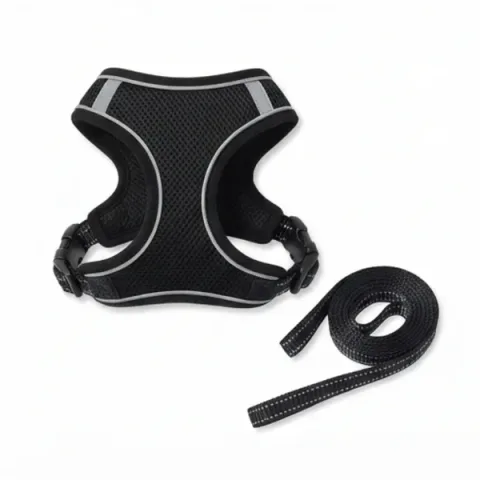
YIMEIS step-in mesh harness and lead set, XS
A step-in option for small dogs; Cornell says reverse sneezing is reported more in dogs under 15 kg.
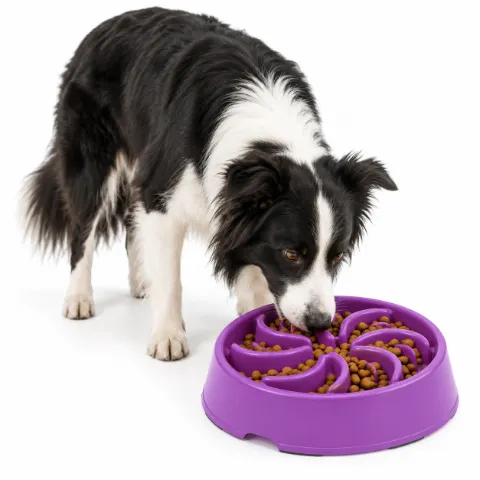
Outward Hound Fun Feeder Slo Bowl
Eating too fast is a listed trigger, and a slow bowl may help slow the pace.
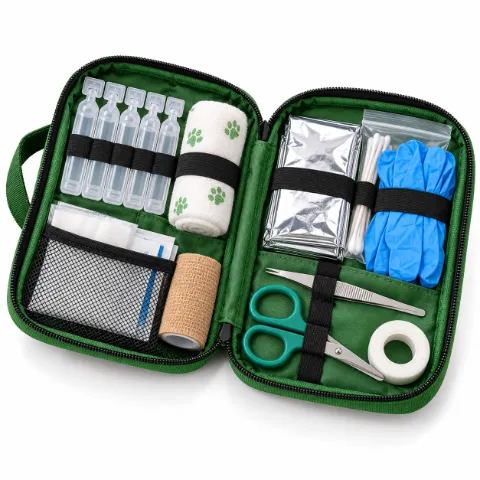
Reliance Medical Pet First Aid Kit
A basic home kit; it doesn't treat reverse sneezing, so ask your vet first.
BARKBAY Air no-pull mesh harness
A mesh harness for flat-faced dogs, who usually suit a different design from a standard front clip.
YIMEIS step-in mesh harness and lead set, XS
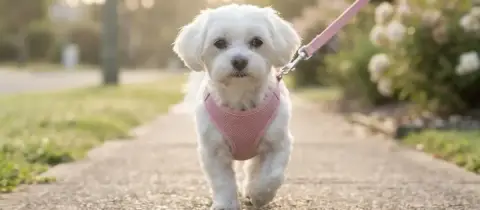
A step-in harness for small dogs, who reverse sneeze more often.
Outward Hound Fun Feeder Slo Bowl
Eating too fast is a listed trigger, and a slow bowl may help slow the pace.
Reliance Medical Pet First Aid Kit
A basic first aid kit to keep at home.
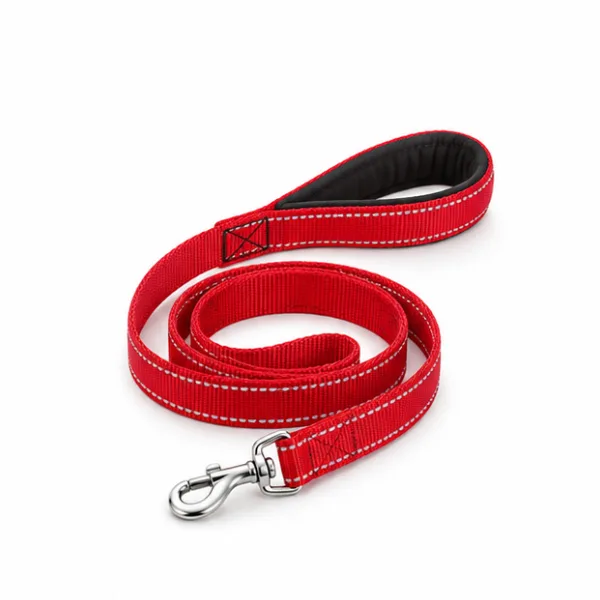
FunTags reflective padded dog lead, 1.8 m
A padded lead for walks, since lead pulling is one of the listed triggers.
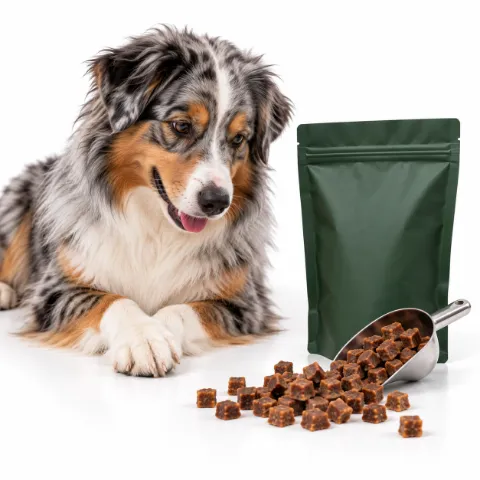
love'em Training Treats, Kangaroo, 400 g x 2
Small rewards for practising calm, loose-lead walking.
Pictures are illustrations, not the actual products.
More detail on the first two is in Useful gear for a dog that pulls on the lead below, and the rest are the "You may also like" cards at the end of the row. None of these treats reverse sneezing, and your vet decides what's going on.
What is reverse sneezing in dogs?
Reverse sneezing is a reflex. Irritation at the back of the throat, behind the nose, sets off a run of loud, rapid breaths drawn inward. Cornell's Riney Canine Health Center calls it paroxysmal respiration and says it is fairly common and can make owners think their dog is struggling to breathe (Cornell).
A normal sneeze blows air out. A reverse sneeze pulls it in. Cornell describes the typical pose: standing, neck stretched out, head tilted back, elbows out and nostrils flared. Many cases have no cause that anyone can find, and any age or breed can be affected.
What does a reverse sneeze sound like, and how long does it last?
It sounds like loud snorting, snuffling or honking, and it can look like choking. PDSA says episodes typically last 30 to 60 seconds, while Cornell says a few seconds to minutes (PDSA). Episodes may come back at unpredictable intervals.
Your dog should be back to normal once it ends. PDSA says to check with a vet if your dog takes a while to recover. Dogs don't catch the human cold, so it's also not a sign your dog has caught yours (Walkerville Vet, South Australia).
What causes reverse sneezing?
Triggers vary and often overlap. The most common ones listed by vets are excitement, pulling on the lead, gulping food or drink, and irritants in the air. Sometimes it points to an underlying problem, which is why a pattern that is new or getting worse matters more than a single episode.
| Trigger | What to try | Source |
|---|---|---|
| Excitement | Calm greetings, a quiet moment before the fun starts | Cornell, PDSA |
| Pulling hard on the lead | Slow down, train loose-lead walking, take pressure off the neck (see the harness section) | Cornell, PDSA |
| Eating or drinking too fast | Smaller portions, a slower pace, rest after a drink | Cornell, PDSA |
| Dust, plant matter, air fresheners | PDSA says air fresheners may irritate. Cut down sprays and dusty spots | Cornell, PDSA |
| Allergies, excess mucus | Tell your vet if it keeps happening | PDSA, Cornell |
| Infections, nasal mites, masses, lower airway disease | Vet exam. Cornell lists these as possible causes of frequent episodes | Cornell |
| A long soft palate (flat-faced breeds) | Ask your vet about your dog's airway | Cornell, PDSA |
| Gut problems such as vomiting | Mention it to your vet | Cornell |
How can I help my dog during a reverse sneeze?
Stay calm, speak softly and keep your dog calm, because panic tends to make breathing feel worse. Both Cornell and PDSA say some owners gently stroke the throat or briefly cover the nostrils to prompt a swallow, but neither says it is required, and most mild episodes pass on their own.
If you try anything, make it gentle. Some vets and owners find a soft stroke down the throat helps. Never force it, never press hard (especially on a small or flat-faced dog) and stop if your dog is upset. Don't give any medicine. Some human medicines are dangerous for dogs, so ask your vet before giving anything.
Film an episode on your phone if you can. PDSA says episodes rarely happen during an appointment, and a video helps your vet see what you saw.
Reverse sneezing or something more serious?
Reverse sneezing usually comes in bursts, with your dog bright and normal before and after. Other problems can look alike, and a vet decides which it is. None of the sources we opened give a reliable sound test, so use the pattern below rather than the noise, and treat breathing trouble as urgent.
| What you notice | What it can be more consistent with | What to do |
|---|---|---|
| Rapid inward snorts, then back to normal in seconds or minutes | Reverse sneezing | Stay calm, film it, mention it at the next check-up |
| Sneezes that blow air out, clear discharge from both nostrils | An ordinary sneeze, perhaps an irritant, which can be set off by dust, smoke, perfumes or cleaning fluids (Walkerville Vet) | Remove the irritant. Vet if it continues |
| Sudden, violent sneezing, pawing at the nose, discharge from one nostril that may turn yellow or bloody | A grass seed or other foreign object in the nose | Same-day vet. Don't try to remove it |
| Dry honking cough, perhaps worse with excitement or pulling | A cough, possibly kennel cough | Phone your vet. See our kennel cough guide |
| Coughing, tiring easily or struggling to breathe, with episodes after exertion | A windpipe, heart or lung problem is possible | Vet check, same day if breathing is hard |
| Gagging, pawing at the mouth, can't breathe | Something stuck in the throat or airway | Emergency vet now |
| Blue or pale gums, or collapse | Emergency | Emergency vet now |
Sneezing with red, weepy eyes can have a different cause, so see our conjunctivitis in dogs guide.
Walkerville Vet says a grass seed can't come back out the way it went in and needs a vet, and that sneezing may ease while the seed is still in there, so easing doesn't mean it's gone.
Which dogs reverse sneeze most?
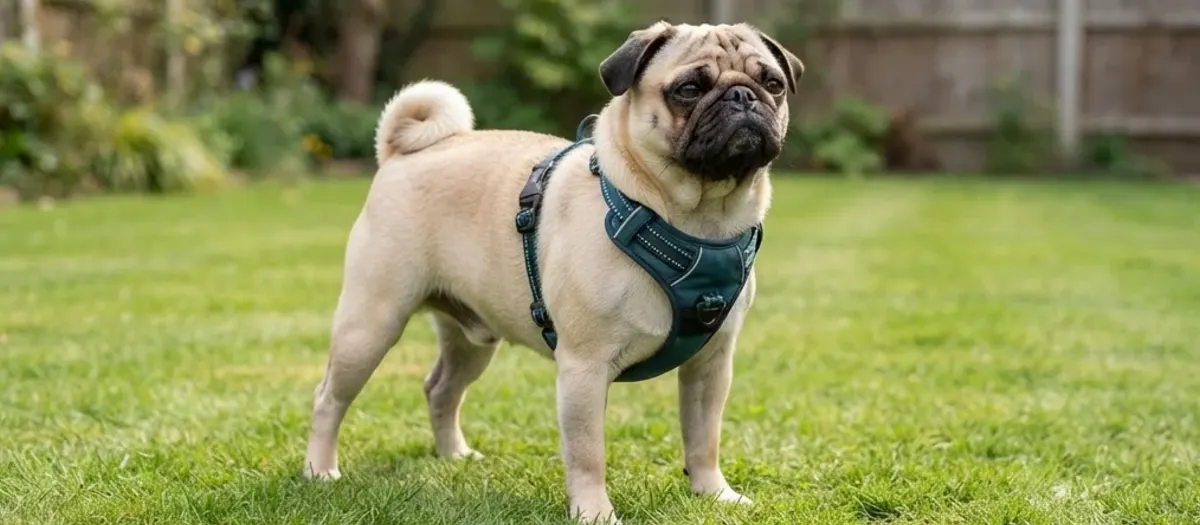
Any dog can, but flat-faced (brachycephalic) breeds and small dogs are most often affected. PDSA names Pugs, Bulldogs, French Bulldogs, Pekingese and Shih Tzus, and says small breeds do it more than large ones. Cornell says it is reported more often in dogs under 15 kg and in short-nosed breeds.
Flat-faced breeds are more prone to several airway problems, so ask your vet about your dog. Cornell says dogs with an elongated soft palate and breathing difficulty may benefit from surgery to shorten it, and that's a vet's decision.
Can a harness help a dog that reverse sneezes?
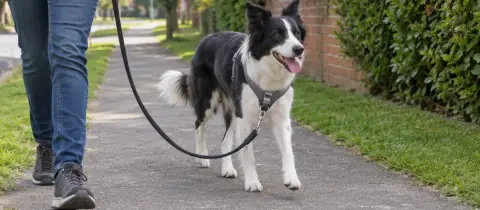
A harness helps in one narrow way. Pulling hard on the lead is a listed trigger, and a collar puts pressure on the throat. VCA says a body harness puts minimal pressure on delicate neck tissue (VCA). It does not treat or stop reverse sneezing, and it won't fix an airway problem.
Fit matters. See our front clip harness guide for how front rings work, and how to put on a dog harness for the two-finger fit check. Flat-faced dogs usually suit a different design, so see our French bulldog harness guide.
Useful gear for a dog that pulls on the lead
A harness is a tool for lead walking, not a cure. These two are on our front clip harness guide, where the full details are. Measure your dog and check the listing's size chart before you order.
- Eagloo No Pull Dog Harness, Large: a dual clip with front and back metal rings that goes over the head, with a handle and four adjustment points. For medium to large dogs. It isn't chew-proof. See our front clip dog harness guide.
- PHOEPET No Pull Dog Harness, Medium: buckles on, so nothing goes over the head, with two metal rings and a soft handle in five sizes. Cornell says reverse sneezing is reported more often in dogs under 15 kg, so a small and medium option is useful. See our front clip dog harness guide and small dog harness guide.
| Harness | Size from our guide | Neck | Chest |
|---|---|---|---|
| Eagloo | Large | 40 to 63 cm | 38 to 90 cm |
| PHOEPET | XS | 25 to 30 cm | 28 to 51 cm |
| PHOEPET | S | 30 to 46 cm | 36 to 61 cm |
| PHOEPET | M | 36 to 51 cm | 41 to 71 cm |
Measure your own dog's neck and chest and compare with the chart on the listing. If you're between sizes, our guides explain how to choose. Harnesses like these are also sold at pet shops and vet clinics, where you can try a fit in person.
What will the vet do?
For a mild, occasional case with a normal exam, PDSA says no treatment is usually needed. For frequent or severe episodes, Cornell says your vet may treat for allergies and mites. If it continues, they may do a sedated oral exam, head X-rays or rhinoscopy (a camera in the nose) to look for a mass or foreign object.
Help your vet by noting:
- how often it happens, and how long each episode lasts
- what came before it (excitement, lead pulling, eating, dust or a new spray)
- your dog's age and breed, and any other signs such as coughing, discharge or tiring
- a video of an episode
When to see a vet
Get to a vet straight away, after hours if needed, if your dog:
- has blue, grey or pale gums, or collapses (during or after an episode)
- can't get their breath, or keeps struggling to breathe after the episode ends
- is gagging, pawing at the mouth or may have something stuck
- has sudden violent sneezing, pawing at the nose, or discharge from one nostril that is yellow or bloody (a possible grass seed)
Book a vet visit soon if episodes start suddenly with no clear reason, happen often or severely, take a while to recover from, come with a cough or nasal discharge, or happen in a puppy (PDSA, Walkerville Vet). Some human medicines are dangerous for dogs. Ask your vet before giving anything.
Frequently asked questions
Is reverse sneezing dangerous for my dog?
Usually not. PDSA calls it nearly always harmless and Cornell says the outlook is very good for most dogs. It's the pattern that matters: frequent or severe episodes, sudden onset, trouble recovering, blue gums or collapse all need a vet.
Why does my dog reverse sneeze when excited or after drinking?
Excitement and drinking or eating too fast are both listed triggers (Cornell, PDSA). Irritation at the back of the throat sets off the reflex. A calmer greeting and slower sips may help, but your vet should know if it happens a lot.
Why is my dog's reverse sneezing happening more often?
More frequent episodes are worth a vet visit. PDSA says check with a vet if it happens often or severely, and Cornell lists allergies, nasal mites, infections and masses as causes of frequent episodes. A video and a note of when it happens will help your vet.
Is reverse sneezing the same as a collapsing trachea?
No, they are different problems, and a vet can tell them apart. We can't give a reliable sound test. Watch the whole pattern instead: ongoing cough, trouble breathing or collapse need a vet. We don't diagnose from a description, so book a check.
Can allergies cause reverse sneezing?
Possibly. PDSA lists allergies as a trigger, and Cornell says frequent episodes may be treated for allergies. Allergies can also show up as itchy skin or licking, so see our dog itchy skin guide and paw licking guide.
Should I take my dog to the vet after one reverse sneezing episode?
Not always. PDSA says a dog with occasional episodes and no underlying problem usually needs no treatment. Go sooner if it began suddenly for no clear reason, your dog is slow to recover, collapses, or you see other signs. Mention it at the next check-up.
Can a grass seed cause sneezing in dogs?
Yes. Walkerville Vet says a grass seed in the nose can cause sudden, violent sneezing and pawing at the nose, with discharge from one side that may turn yellow or bloody. It can't come back out on its own, so see a vet the same day and don't try to remove it.
Can puppies reverse sneeze?
It can happen, but a sneezing puppy is worth a vet check. The Walkerville Vet author, answering a reader, says it's best not to wait before seeing a vet with a sneezing puppy. We haven't found a source giving puppy-specific numbers, so tell your vet what you saw and show them the video.
Related guides
- Kennel cough in dogs: symptoms, treatment and recovery
- Conjunctivitis in dogs: signs, causes and when to see a vet
- Cherry eye in dogs: what it looks like and treatment options
- Front clip dog harness: how it works, front vs back vs dual clip
- Best small dog harness
- Best French bulldog harness
- Dog itchy skin: causes, relief and when to see a vet
- Best dog first aid kits
Sources
- Cornell Riney Canine Health Center: Reverse Sneezing (no date shown, page read 23 November 2026)
- PDSA: Reverse Sneezing in Dogs (April 2022, page read 23 November 2026)
- Walkerville Vet, South Australia: Causes of Sneezing in Dogs (updated 21 March 2021, page read 23 November 2026)
- VCA Animal Hospitals: Collar and Harness Options for Dogs (updated 10 April 2026, page read 23 November 2026)
- Harness details from each linked Amazon Australia listing, checked on 23 Nov 2026.
This guide provides general information and isn't a substitute for veterinary advice. If you're concerned about your dog's breathing, speak with your vet.