Quick answer: Cherry eye in dogs is a smooth red or pink lump at the inner corner of the eye, where a gland of the third eyelid has popped out of place. It needs a vet. The sources we read describe surgery to put the gland back as the usual treatment, and waiting can raise the risk of dry eye.
A red lump on your dog's eye is alarming, but cherry eye is a well-known problem with a well-known fix. This guide covers what it looks like, which dogs get it, how vets treat it and how to look after your dog around surgery. If your dog's eye is red and weepy but there's no lump, our conjunctivitis in dogs guide is the better place to start.
Quick picks
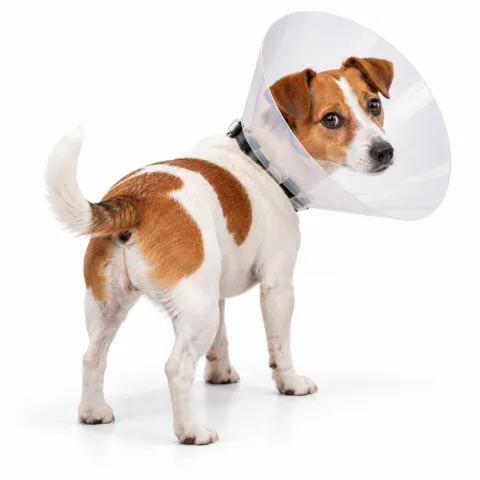
WacHomz Adjustable Plastic E-Collar
A full plastic cone usually protects the face best; fit needs careful measuring
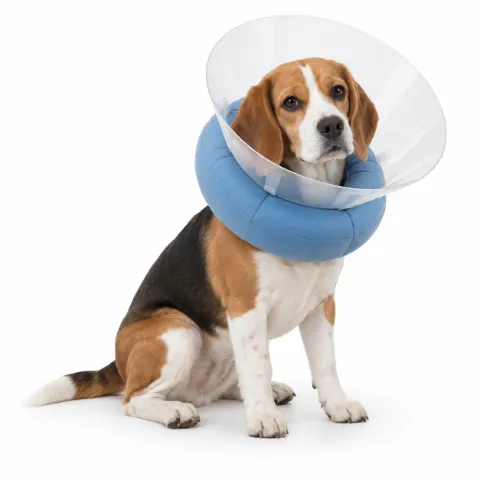
Avont 2-in-1 Inflatable Cone with Clear Shield
Another cone style; ask your vet which type suits this surgery
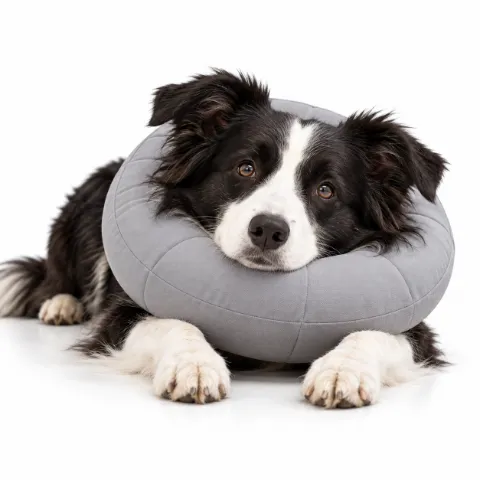
KIKNIN Inflatable Donut Cone
A donut protects the face less than a full plastic cone, so check first
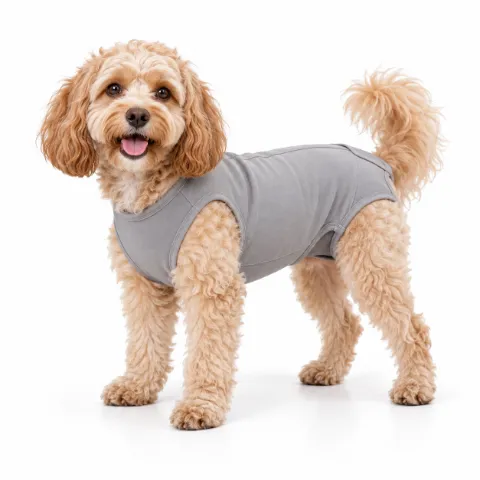
Kuoser Recovery Suit
Covers the body but doesn't protect the face
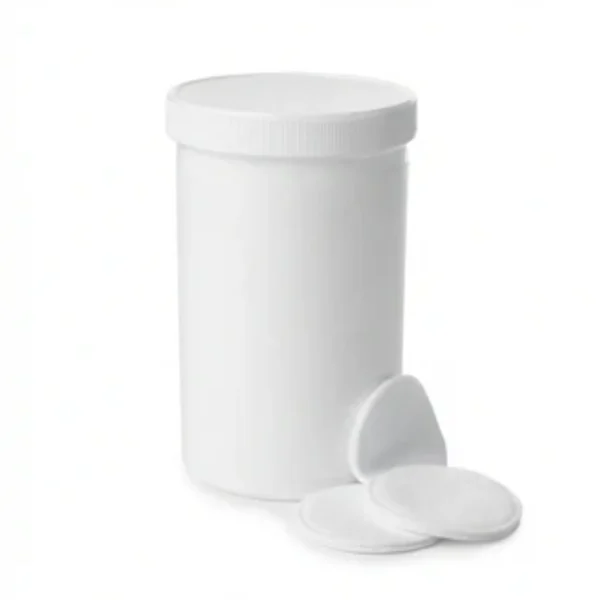
Vet's Best Eye Cleaning Pads, 100 pads
For dried crust on fur and skin, only if your vet says it's fine
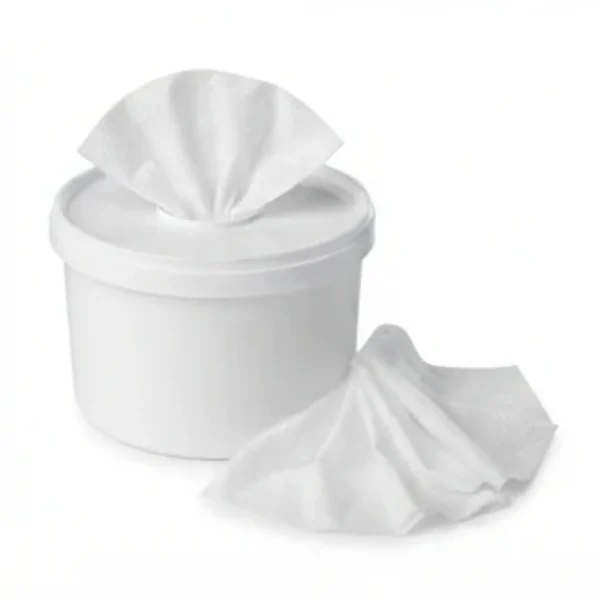
BUGALUGS Dog Eye Wipes, 100 wipes
For wiping around the eye, only if your vet says it's fine
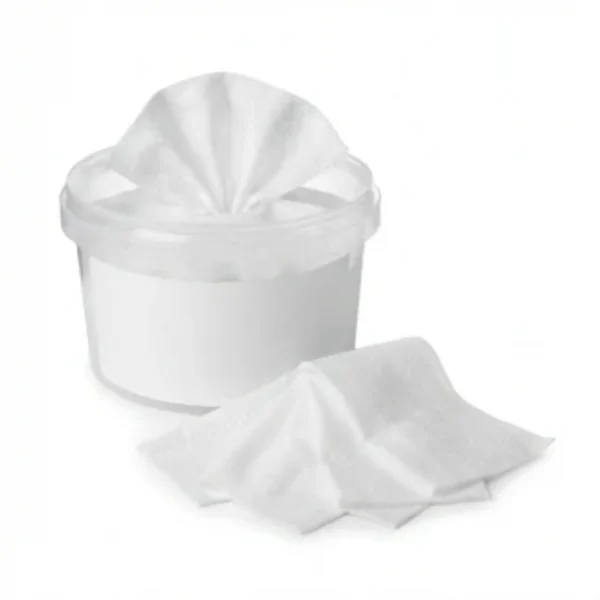
Angels' Eyes Gentle Tear Stain and Pet Eye Wipes, 100 wipes
For fur around the eye, never on a red lump or sore eye
Avont 2-in-1 Inflatable Cone with Clear Shield
Another cone style to stop rubbing while the eye heals.
KIKNIN Inflatable Donut Cone
A soft donut is easier for some dogs to live with, but it protects the face less than a full plastic cone.
Kuoser Recovery Suit
Covers the body but doesn't protect the face, so ask your vet whether it suits this surgery at all.
BUGALUGS Dog Eye Wipes, 100 wipes
For wiping dried crust from the fur around the eye, only if your vet says it's fine during recovery.
Angels' Eyes Gentle Tear Stain and Pet Eye Wipes, 100 wipes
Another option for the fur around the eye, with the same caution: only if your vet agrees, and never on a sore eye.
Pictures are illustrations, not the actual products.
More detail is in Useful gear below. Nothing here treats or prevents cherry eye; it only supports what your vet advises.
What is cherry eye in dogs?
Cherry eye is a prolapsed gland of the third eyelid, the extra eyelid in the inner corner of the eye. The gland is normally held in place by a fibrous attachment, and in cherry eye that attachment lets the gland pop out. VCA Animal Hospitals says it shows as a red, swollen mass near the inner corner of the lower eyelid (VCA Animal Hospitals, updated 10 July 2026).
That gland matters. VCA says it makes up to 50% of the watery part of the tear film, which is why a prolapsed gland can lead to dry eye (a lack of tears). Dry eye can be a cause or a result of eye trouble, and a vet can test for it.
What does cherry eye look like?
Cherry eye usually looks like a smooth, round pink or red lump in the inner corner of the eye. Cornell says discharge and redness can come with it (Cornell University College of Veterinary Medicine, updated 2 December 2025). VCA says the lump may be large enough to cover part of the eye, or small and only visible some of the time.
Other eye problems can look similar, so don't decide for yourself. This table shows patterns, and in every row the next step is a vet.
| What you see | It may be more consistent with | What to do |
|---|---|---|
| Smooth red or pink lump at the inner corner, near the nose | Cherry eye, which a vet confirms by examining the eye | Book a vet visit promptly |
| Lump that comes and goes | A small or intermittent prolapse can behave this way (VCA) | Still book a vet visit, and take a photo when it shows |
| Lump on the eyelid edge or elsewhere around the eye | Another eyelid or eye problem | Vet visit, same day if the eye is sore |
| Swollen, closed or squinting eye, or a known injury | Something more urgent than a gland prolapse | Vet the same day |
| Red, weepy eye with no lump | Several possible causes | See our conjunctivitis guide, and see a vet |
| Dog suddenly rubbing at one eye after time in long grass | A foreign object such as a grass seed is possible | Vet the same day. Never try to remove it yourself |
Which dogs get cherry eye?
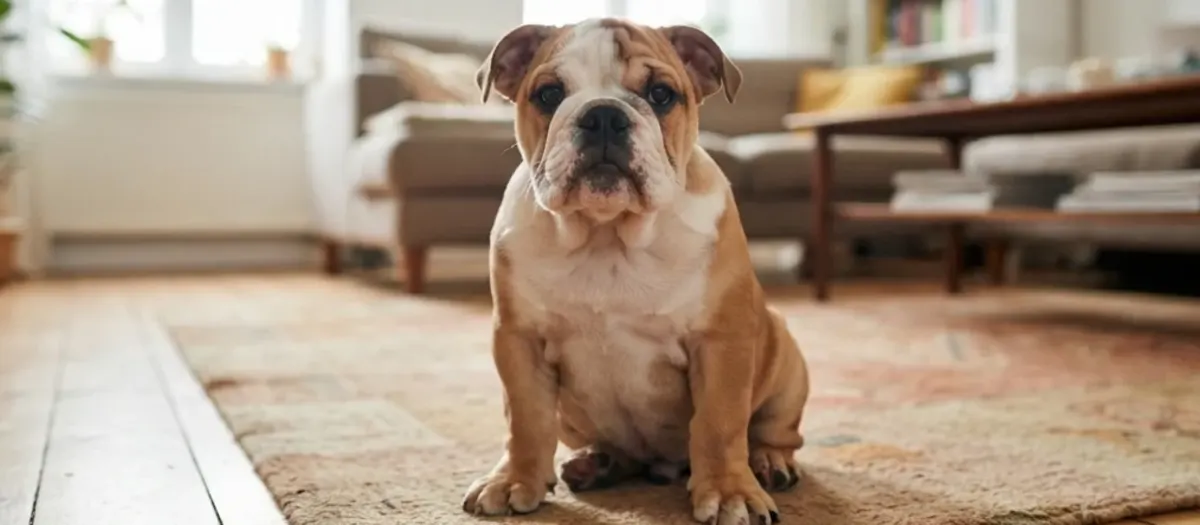
Cherry eye is most often reported in flat-faced (brachycephalic) breeds and a handful of others, but any breed can be affected. Cornell says it is more common in young dogs, often under two, and that genetics likely play a part. Flat-faced breeds are more prone to several eye problems, so ask your vet about your dog.
| Breeds named in the sources | Source |
|---|---|
| Cocker spaniels, Newfoundlands, Neapolitan and Tibetan mastiffs, Great Danes | VCA |
| English and French bulldogs, Boston terriers, pugs, Shih Tzus, Lhasa Apsos | VCA |
| Beagles, bloodhounds | VCA |
| American cocker spaniels, beagles, bulldogs, Pekingese (most commonly affected, in an insurer's health page) | HIF Australia |
| Any other breed, including mixed breeds | HIF Australia says any breed can be affected |
What causes cherry eye?
The exact cause isn't known. HIF Australia says it's thought to come from a weakness at the base of the gland, which lets the gland flip up and show (HIF Australia health hub, published 27 December 2018). VCA describes the fibrous attachment as weak in some breeds, and Cornell points to genetics.
Nothing you did caused it, and no source we opened lists a way to prevent it. If you have a puppy from a breed on the list, it's worth asking your vet to look at the eyes at routine checks.
How do vets treat cherry eye?
Vets usually treat cherry eye with surgery to put the gland back in place. Cornell says several techniques exist and the surgery may be done by a vet or a veterinary ophthalmologist, so your vet may refer you to an eye specialist. Both VCA and Cornell advise against removing the gland, because that raises the risk of dry eye.
| Option | What the sources say |
|---|---|
| Surgery to reposition the gland | The usual treatment. VCA says it's best done as soon as possible to limit lasting damage. Cornell says early surgery gives the best chance of normal function |
| Reshaping abnormal cartilage | Cornell describes scrolled cartilage as a separate problem that can look similar, more common in giant breeds such as Great Danes. Surgery may reshape the cartilage |
| Removing the gland | Not recommended. Cornell describes the resulting dry eye as lifelong, needing daily medication. VCA says removal is not a recommended treatment |
| Short-term medicines | Cornell says dogs may need short-term eye medicines after surgery for infection, pain and inflammation. Your vet decides which |
| Lubricating ointment before surgery | VCA says an artificial tear ointment can keep the eye moist until surgery. Your vet prescribes it. Don't pick one yourself |
| Ointment alone | HIF Australia's featured case used an ointment to reduce swelling, and it didn't work. Surgery followed |
| A repeat operation | VCA says about 5 to 20% of dogs have the gland pop out again and need more surgery |
Cornell says the outlook with surgery is generally very good, and VCA says the gland usually returns to normal within a few weeks. Results vary between dogs, techniques and surgeons. HIF Australia describes its featured case as a day procedure under general anaesthetic with dissolvable stitches, which your own vet will confirm for your dog.
Can cherry eye go away on its own?
No source we opened says cherry eye goes away without treatment. VCA and Cornell both describe surgery by a vet as the treatment, and Cornell says that leaving it can mean ongoing inflammation and a risk of lifelong dry eye. A lump that seems to come and go is still worth a vet visit.
Can I push a cherry eye back in?
Please don't try. None of the vet sources we read gives owners a way to push the gland back, and a swollen gland is easy to irritate or damage. Don't wipe it or touch it either. If your vet thinks there's something you can safely do at home, they can show you in person.
Some human medicines, creams and eye drops are dangerous for dogs. Ask your vet before giving anything. Lort Smith Animal Hospital says not to use human medicines or leftover treatments on a pet's eye, because they can make things worse (Lort Smith Animal Hospital, page read 23 November 2026).
How do I look after my dog before and after surgery?
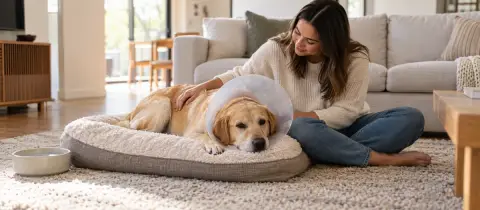
Follow your vet's written instructions, because the plan depends on your dog and the technique used. Before surgery, keep your dog from rubbing the eye on carpet, furniture or paws. Afterwards, a cone is the usual way to stop rubbing while the eye heals. A cone stops rubbing or licking, but it isn't treatment. Your vet decides if you need one, which type, and for how long.
| Job | What can help | Check with your vet |
|---|---|---|
| Stop rubbing and pawing | A cone. A hard plastic cone usually protects the face best (see our dog cone guide) | Which type, and how long |
| Body wounds from other surgery | A recovery suit covers the body but doesn't protect the face (see our recovery suit guide) | Whether it suits this surgery at all |
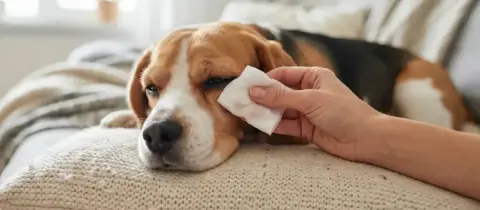
| Crusty fur around the eye | A pad made for the skin around the eye, only if your vet says it's fine during recovery | Whether and when |
| Eye medicines | Only what your vet prescribes, at the timing on the label | Anything you're unsure about |
| Repeat or second-eye signs | A lump in the other eye, or the first one returning | Book a visit promptly |
Keep the cone on as your vet advises, and use a shallow bowl if your dog struggles to eat. Our cone guide covers measuring, eating and sleeping in one.
Useful gear
Gear here only supports what your vet advises. Nothing on this page treats or prevents cherry eye.
- WacHomz adjustable plastic cone: a translucent plastic Elizabethan cone with a hook and loop closure, made for dogs and cats. The listing describes the plastic as soft and flexible with flannel-covered edges. A full plastic cone usually protects the face better than a donut or soft collar, so it suits the job after eye surgery if your vet agrees. Fit depends on careful measuring, and it can bump furniture and doorways. Follow the listing's size chart. See our dog cone guide for how it compares.
- Vet's Best Eye Cleaning Pads, 100 pads: for wiping dried crust from the fur and skin around the eye, only if your vet says that's fine during recovery. The listing says to sweep from the lower eyelid across the face, always away from the eye, and names aloe vera as an ingredient. Never use it on a red lump or a sore eye. Imported, so check the delivery details on Amazon before you order. More options are in our dog eye wipes guide.
Pet shops and vet clinics also sell cones, and your vet may send your dog home with one.
When to see a vet
Book a vet visit promptly if you see a red or pink lump at the inner corner of your dog's eye, even if it comes and goes. Cherry eye isn't usually a middle-of-the-night emergency, but waiting can raise the risk of dry eye.
See a vet the same day if your dog is squinting or holding the eye shut, pawing at it, or the eye is red, cloudy, changing colour or swollen. The same goes for thick yellow, green or bloody discharge, a known injury, or a possible grass seed. Never try to remove one yourself. Lort Smith says to get help sooner if a pet seems to be in pain or the eye can't be opened.
After surgery, call your vet if the eye looks worse, the lump returns, your dog is rubbing at it, or the cone isn't working. For other red or weepy eyes, see our conjunctivitis in dogs guide.
Frequently asked questions
Is cherry eye painful for dogs?
The sources we read don't say how it feels. It may irritate the eye, cause discharge and make your dog rub at it. Squinting, holding the eye shut or pawing are signs of discomfort, and they mean a vet visit the same day, not waiting for a routine appointment.
Is cherry eye an emergency?
Not usually, but it shouldn't wait. VCA says to bring a mass in your dog's eye to your vet's attention immediately, so phone and book as soon as you notice the lump. A squinting, cloudy, swollen or very red eye, or a known injury, is a same-day problem instead.
Will my dog get cherry eye in the other eye?
It's quite possible. VCA says many dogs with a prolapse in one eye eventually develop one in the other. HIF Australia's featured case had the second eye prolapse about a week later. Tell your vet about any new lump early, and ask how they would monitor the second eye.
Can cherry eye come back after surgery?
Sometimes. VCA says about 5 to 20% of dogs have the gland pop out again and need more surgery. Cornell says recurrence is more likely if the prolapse was long-standing, the gland was badly inflamed or abnormal cartilage wasn't corrected. Your vet can explain the technique they would use.
Does cherry eye cause dry eye?
It can contribute. The gland makes up to half of the watery tears, so a prolapse can reduce them. Cornell says leaving it untreated carries a risk of lifelong dry eye, and that removing the gland brings a high risk of dry eye that needs daily medication for life. Early repositioning is how vets try to avoid this.
Can cats get cherry eye?
Yes, although it's reported less often. VCA says Burmese and Persian cats can be affected, and HIF Australia says it occasionally happens in cats. A red lump at the inner corner of a cat's eye needs a vet visit too. This guide focuses on dogs.
Can you prevent cherry eye?
No source we opened lists a way to prevent it. HIF Australia says the cause is unknown and thought to be a weakness at the base of the gland. If your dog is from a breed with a higher risk, ask your vet to check the eyes at routine visits, and report any lump early.
Related guides
- Conjunctivitis in dogs: signs, causes and when to see a vet
- Reverse sneezing in dogs: what it is and when to worry
- Best dog cones: soft, inflatable or hard?
- Best dog recovery suits
- Dog eye wipes: picks for eye gunk and tear-stained fur
- Dog eye drops and eye wash: what you can buy without a vet
- Best dog goggles and sunglasses
Sources
- VCA Animal Hospitals: Cherry Eye in Dogs, updated 10 July 2026, read 23 November 2026
- Cornell University College of Veterinary Medicine: Cherry Eye in Dogs, updated 2 December 2025, read 23 November 2026
- HIF Australia (pet insurer) health hub: Cherry Eye in Dogs, published 27 December 2018, read 23 November 2026
- Lort Smith Animal Hospital: Common eye problems in pets, read 23 November 2026
- Product details from each linked Amazon Australia listing.
This guide provides general information and isn't a substitute for veterinary advice. If you're concerned about your dog's eye, speak with your vet.