Quick answer: Conjunctivitis in dogs is inflammation of the pink tissue around the eye. It can show as redness, swelling, discharge and mild discomfort. Allergies, irritants, dry eye, a grass seed or infection can all cause it, and the look of the eye alone can't tell a vet which. Book a vet promptly, and the same day if your dog is squinting.
A red, weepy eye is easy to put down to dust, but the same signs can sit behind several different problems. This guide covers what conjunctivitis is, what can cause it, which signs need a vet today and what the vet may do. For wipes and rinses, our dog eye wipes guide covers the everyday tidy-up.
Quick picks
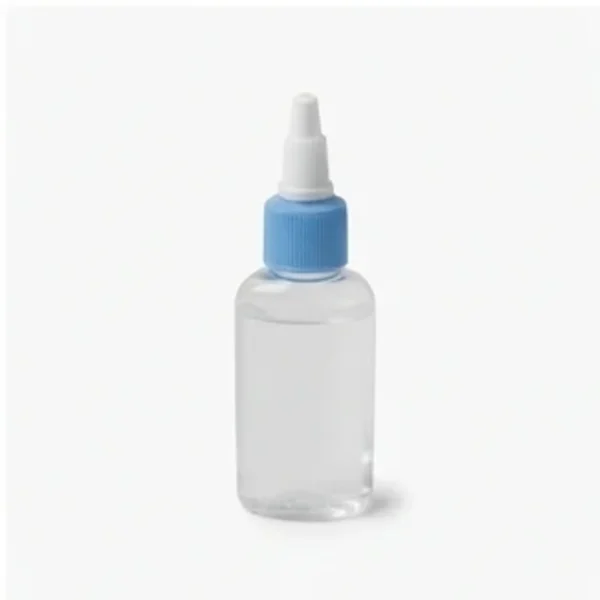
Vetericyn Plus Dog and Cat Eye Wash, 89 ml
For a comfortable eye only, used as the label says. A red or painful eye needs a vet.
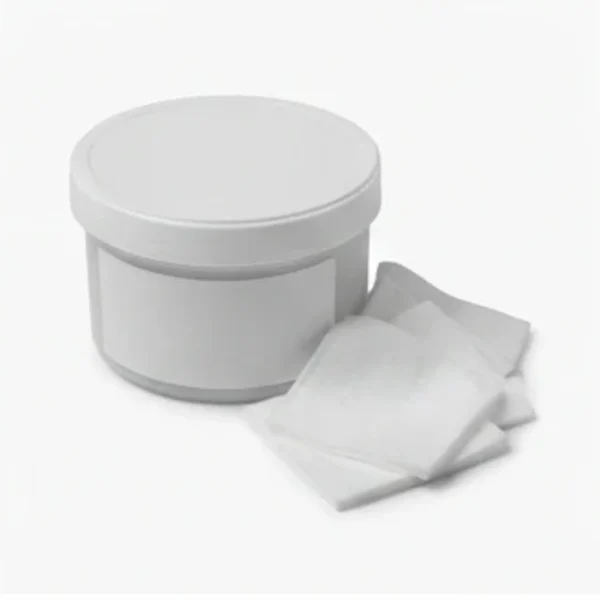
Miracle Care Eye Wash Pads, 90 pads
Sterile single-use pads for gently removing debris, per the listing. Not a treatment.
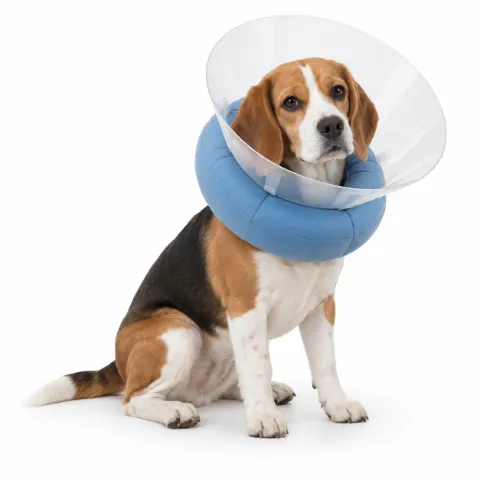
Avont 2-in-1 Inflatable Cone with Clear Shield
Keep the shield on for an eye problem. Ask your vet which cone suits your dog.
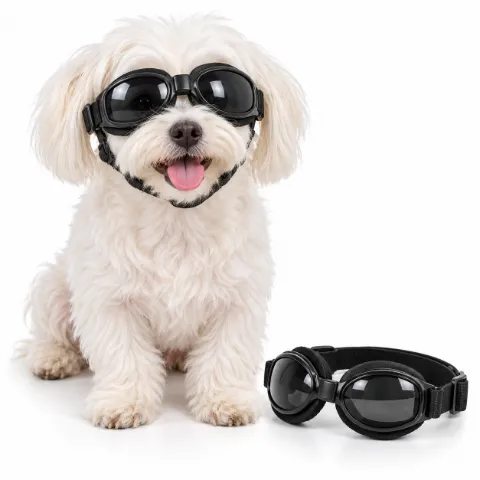
Enjoying Dog Goggles, small, black
Eye protection for dusty or sunny days. Ask your vet before using with a sore eye.
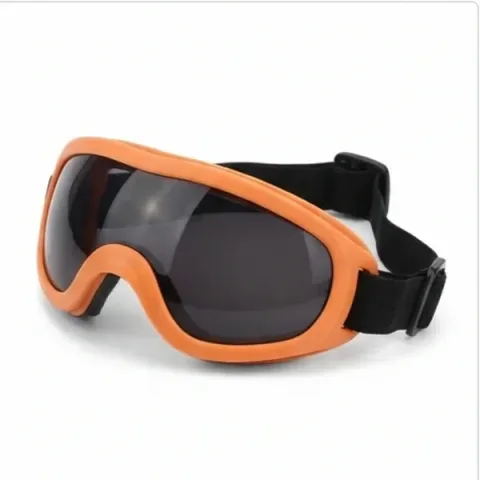
PETLESO Dog Goggles, medium, orange
A medium size from our goggles guide. Ask your vet before using with a sore eye.
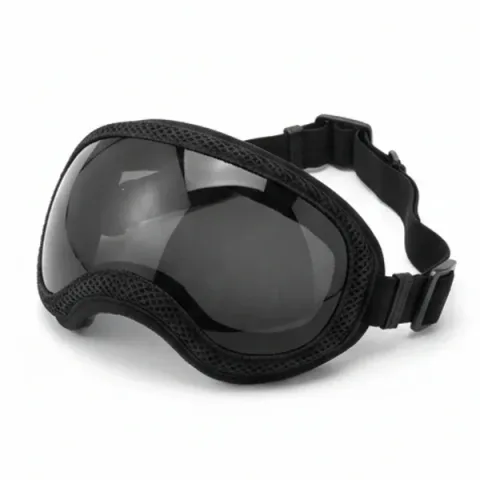
Rex Specs V2 Dog Goggles, X-Large, black
An extra large size from our goggles guide. Ask your vet before using with a sore eye.
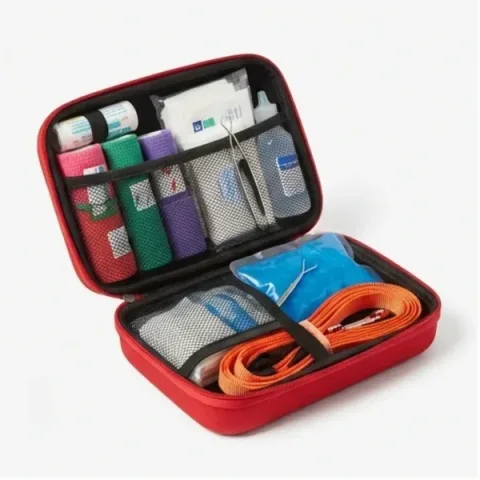
rubyloo Dog First Aid Kit, 53 pieces
A first aid kit to have at home. It doesn't replace a vet for any eye problem.
Enjoying Dog Goggles, small, black
Protection on dusty or sunny days for a dog with comfortable eyes.
PETLESO Dog Goggles, medium, orange
A medium size from the same guide.
Rex Specs V2 Dog Goggles, X-Large, black
An extra large option for big dogs.
rubyloo Dog First Aid Kit, 53 pieces
A kit to have at home for everyday knocks.
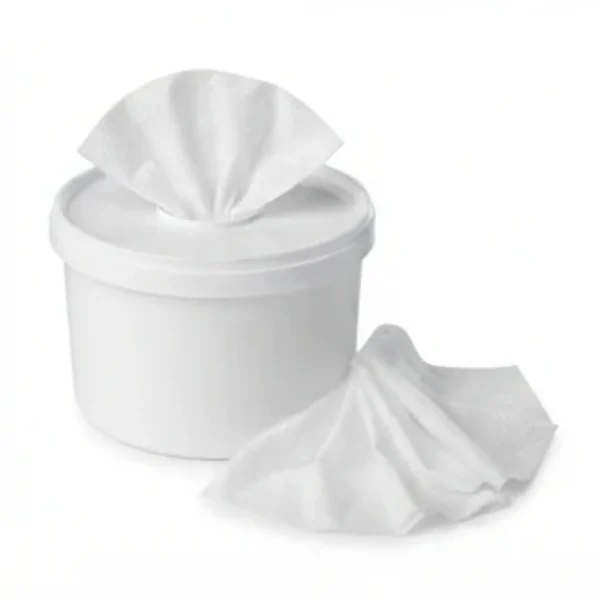
BUGALUGS Dog Eye Wipes, 100 wipes
For wiping everyday discharge from the fur around the eye.
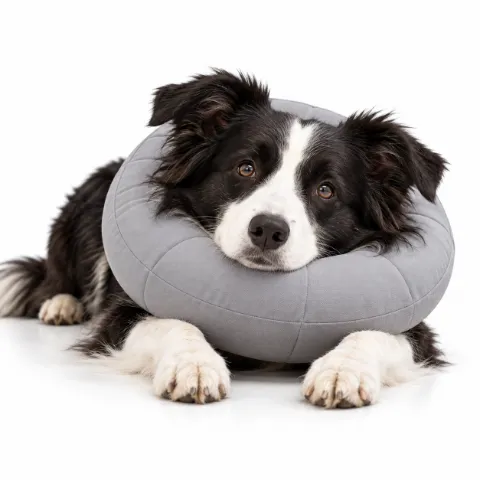
KIKNIN Inflatable Donut Cone
A soft cone some dogs find easier to wear.
Pictures are illustrations, not the actual products.
More detail on each is in Useful gear below. These tidy up and protect; they don't treat conjunctivitis, and your vet decides what your dog needs.
What is conjunctivitis in dogs?
Conjunctivitis is inflammation of the conjunctiva, the thin pink lining around the eyeball and under the lids. MSD Veterinary Manual lists redness, swelling of the tissue around the cornea, discharge and mild discomfort as the main signs. It's often called pink eye, but it is a sign of a problem rather than one disease.
The useful point is that it is a label for what you can see, not an answer. VCA says a vet's exam looks at whether the conjunctivitis is the main problem or a symptom of something else in or around the eye. That's why a medicine that worked last time may not suit this time.
What causes conjunctivitis in dogs?
Many things can. Vet sources list allergies, irritants such as smoke, dust and sand, dry eye, something stuck in the eye, eyelid or eyelash problems and infection. Which one applies is for a vet to work out. Infection is only one possibility, and PDSA says viral causes are rare in vaccinated dogs.
- Allergies and irritants. VCA and PDSA both list allergy and irritants. PDSA names atopic dermatitis, the allergic skin condition, and VCA mentions inhalant and seasonal allergies. If your dog also itches, see our dog itchy skin guide and the paw licking guide.
- Dry eye. Dry eye (a lack of tears) can be a cause or a result, and a vet can test for it.
- Something in the eye. MSD lists a foreign object as a cause when one eye is affected. PDSA names grass seeds.
- Eyelid and eyelash problems. VCA lists eyelid and eyelash abnormalities and blocked tear ducts. PDSA says exposure keratitis, where the lids don't protect the front of the eye, is very common in short-nosed breeds such as the Shih Tzu. Flat-faced (brachycephalic) breeds are more prone to several of these problems, so ask your vet about your dog.
- Infection. VCA lists viral and bacterial causes, and MSD says both eyes affected is commonly infection.
- Other eye problems. VCA also lists corneal ulcers, glaucoma and lumps on the lids, which is part of why a vet checks the whole eye.
A red lump in the inner corner of the eye is a different thing and can be cherry eye, which also needs a vet.
Could it be a grass seed?
It can be. Walkerville Vet in South Australia says a grass seed in the eye can look like a severe infection or conjunctivitis, can seriously damage the cornea if it stays, and should never be removed at home, even if you can grasp it. In southern Australia the season runs roughly October to the end of the year (Walkerville Vet, "Help! My Dog Has A Grass Seed", updated 28 November 2020, page read 24 November 2026). A dog that squints after long grass is a same-day vet case.
What are the signs, and which need a vet today?
Most eye signs are worth a vet visit, and several mean today. Lort Smith Animal Hospital says to see a vet if signs last more than a day, your dog seems in pain, or the eye looks cloudy, is swollen or can't be opened. Use the table as a guide to urgency, not a diagnosis.
| What you see | How soon | Why |
|---|---|---|
| A little clear goo in the corner, dog comfortable | Watch, wipe with a clean pad | Often normal |
| Watery, mildly red eye after a dusty or windy walk, dog comfortable | Watch. Vet if it lasts more than 24 hours | May be an irritant. Lort Smith says to see a vet if signs last more than a day |
| Squinting, holding the eye shut, pawing or rubbing | Vet today | Is more consistent with pain or something in the eye |
| Cloudiness or a colour change | Vet today | Can point to a problem inside the eye |
| Swollen eye, or one that won't open | Vet today | Can be serious |
| Thick yellow, green or bloody discharge | Vet today | Appearance alone usually can't tell the cause, but it needs checking |
| Long grass, a known injury or a possible grass seed | Vet today | Never remove anything yourself |
| Discharge plus nasal discharge, sneezing or coughing | Vet | VCA says conjunctivitis can come with these |
Discharge colour doesn't tell you the cause. MSD says appearance alone usually isn't enough for a diagnosis.
Is it one eye or both eyes?
It's a useful clue for your vet, not a rule. MSD says one affected eye is more often a foreign object, tear sac inflammation or dry eye, while both eyes is commonly a viral or bacterial infection. Irritants and allergens can affect either pattern, so note which eye and tell your vet.
| Pattern | What it is more consistent with (MSD) | Your next step |
|---|---|---|
| One eye | A foreign object, tear sac inflammation or dry eye | Vet, and the same day if squinting or after long grass |
| Both eyes | Commonly a virus or bacteria | Vet |
| Either | Irritants and allergens are also common | Vet, and note anything new (smoke, pollen, cleaning products) |
What will the vet do?
Expect questions, an eye exam and sometimes a few quick tests. MSD says diagnosis may use your dog's history, an exam, tests on conjunctival scrapings, a Schirmer tear test and occasionally a biopsy. PDSA says a dog with repeated conjunctivitis may need swabs, tear measurement or referral to an eye specialist.
| Step | What it is for |
|---|---|
| History | Which eye, how long, long grass, new products, itching elsewhere |
| Eye exam | Looks at the lids, lashes, cornea and the whole eye |
| Schirmer tear test | Measures tear production, to check for dry eye (MSD) |
| Conjunctival scrapings | Looks at cells from the surface of the eye (MSD) |
| Swabs, staining, pressure check | VCA lists cultures, corneal staining and eye pressure checks |
| Referral | Your vet may send you to an eye specialist (PDSA) |
Treatment follows the cause. VCA lists antibiotic drops or ointments, anti-inflammatory medicine, removing allergy triggers, dry-eye treatment and surgery for eyelid or eyelash problems. MSD says a vet may prescribe a topical antibiotic for mucus or pus, which may not heal the eye alone if other factors are involved. Dry eye and some allergy-related causes may need long-term care, as VCA and PDSA both say.
Write down what you saw before the visit. A phone photo of the eye helps if it looks different on the day.
Can dog conjunctivitis go away on its own?
Sometimes a mild irritation, such as a little dust or pollen, may settle, but the vet sources we read don't give a timeframe and signs vary. Because the same red eye can be a grass seed or a painful problem inside the eye, don't wait. See a vet if it lasts more than 24 hours or your dog seems uncomfortable.
PDSA says untreated conjunctivitis can cause serious problems, including loss of an eye, and MSD says some conjunctival problems can lead to blindness if they aren't treated. That's the reason for the short wait, not a reason to panic.
Can I use human eye drops on my dog?
No, not unless your vet says so. Some human medicines, creams and eye drops are dangerous for dogs. Ask your vet before giving anything. That includes redness-relief drops, leftover prescriptions and old animal medicine from a previous problem.
Lort Smith says never to use human medications or leftover treatments, because they can make the condition worse (Lort Smith Animal Hospital, "Common eye problems in pets", page read 24 November 2026). VCA also warns that a medicine that worked last time may not help now and could do harm. Our eye drops guide covers the few animal rinses you can sensibly buy without a vet.
Useful gear
Gear can tidy up and protect while the vet's plan works. None of it treats conjunctivitis.
- Vetericyn Plus Dog and Cat Eye Wash, 89 ml: a bottle rinse for loose grit or pollen in an eye that looks and feels comfortable, used only as the label says. It can't treat conjunctivitis, and a red or painful eye needs a vet. Imported, so check the delivery details on Amazon before you order. See our dog eye drops guide.
- Miracle Care Eye Wash Pads, 90 pads: the listing says these are sterile single-use pads that are safe in and around the eye, for gently removing debris. Imported, so check the delivery details on Amazon. It's the only pad on this page, and our dog eye drops and eye wipes guides show how it compares.
- Avont 2-in-1 Inflatable Cone with Clear Shield: an inflatable donut with a removable clear shield that zips on. For an eye problem keep the shield on, because the donut alone doesn't cover the face. Check the size chart on the listing. A donut may not stop a determined pawer, so ask your vet if a full plastic cone would be safer. See our dog cone guide.
| Item | What it's for | What it isn't |
|---|---|---|
| Eye wash | Tidy a comfortable eye | Never a treatment. A red or painful eye needs a vet |
| Eye pad | Gentle removal of debris and discharge | Never a treatment |
| Cone | Stops rubbing while the vet's plan works | A cone stops rubbing or licking. The vet decides if you need one, which type and for how long. It's not treatment |
For the fur around the eye, see our eye wipes guide. A recovery suit covers the body, not the face, so it won't protect an eye. Our dog goggles guide covers protection on dusty or sunny days. Pet shops and vet clinics also sell animal eye washes, and your vet can say which they'd choose.
When to see a vet
See a vet the same day if your dog is squinting or holding the eye shut or pawing at it, if the eye is very red, cloudy or has changed colour, if it's swollen or won't open, if there's thick yellow, green or bloody discharge, after a known injury, or if a grass seed is possible. Book a vet for any eye problem that lasts more than 24 hours.
If a chemical gets in the eye, phone your vet or an emergency clinic and go now. You can also call the Animal Poisons Helpline on 1300 869 738 (24/7). Some human medicines, creams and eye drops are dangerous for dogs. Ask your vet before giving anything.
See also our dog first aid kit guide, and our cherry eye guide for a red lump in the inner corner.
Frequently asked questions
Is dog conjunctivitis contagious to other dogs or to people?
It depends on the cause. Infection is one possible cause, and PDSA says viral causes are rare in vaccinated dogs, while allergies and irritants don't spread. A vet can say whether your dog should be kept away from others. Wash your hands after touching your dog's face, and if your own eyes are sore, see your GP.
How long does conjunctivitis last in a dog?
It depends on the cause, and the vet sources we read give no timeline. A mild irritant may settle, while allergies, dry eye or eyelid problems can need longer management. Treatment follows the cause, so a vet is the one to work out what to expect for your dog.
What does a dog eye infection look like?
It can look like redness, swelling, squinting and cloudy, yellow or green discharge, often in both eyes (VCA). But allergies, dry eye and a grass seed can look similar, so appearance alone can't say. Our eye wipes guide has a table on everyday discharge and when it needs a vet.
Why is my dog's eye red and weepy but not squinting?
A comfortable, mildly red and watery eye may be an irritant such as dust or pollen. You can wipe away discharge with a clean pad or rinse once as a label says, then watch. If it lasts more than 24 hours, or squinting, cloudiness or swelling starts, see a vet.
Can allergies cause conjunctivitis in dogs?
Yes. MSD says irritants and allergens are common causes, VCA lists immune-mediated causes including allergies, and PDSA names atopic dermatitis. Some allergy-related causes may need long-term management. If your dog also itches or licks paws, see our dog itchy skin and paw licking guides.
Can a dog get conjunctivitis from a grass seed?
A grass seed can cause eye signs that look like conjunctivitis, and Walkerville Vet says it can damage the cornea if it stays. Never try to remove it, even if you can see it. A dog that suddenly squints after long grass needs a vet the same day.
Do dogs need antibiotics for conjunctivitis?
Not always. MSD says a vet may prescribe a topical antibiotic when there's mucus or pus, but it may not heal the eye if other factors are involved. Allergies, dry eye and eyelid problems need different treatment. Your vet decides, so never use leftover antibiotics.
Why does my dog keep getting conjunctivitis?
Repeated conjunctivitis points to an underlying cause. PDSA says a vet should look for it, which may involve swabs, tear measurement or referral to an eye specialist. Dry eye, allergies, and eyelid or eyelash problems are among the causes VCA lists, so keep notes on when it flares.
Related guides
- Cherry eye in dogs
- Reverse sneezing in dogs
- Dog eye drops and eye wash
- Dog eye wipes
- Best dog cones
- Best dog recovery suits
- Best dog goggles and sunglasses
- Dog itchy skin
- Why does my dog keep licking their paws?
- Best dog first aid kits
- Dog guides
Sources
- MSD Veterinary Manual: Disorders of the Conjunctiva in Dogs, last updated September 2024, read 24 November 2026
- VCA Animal Hospitals: Conjunctivitis in Dogs, updated 10 May 2023, read 24 November 2026
- PDSA (UK): Conjunctivitis in dogs, published October 2018, read 24 November 2026
- Lort Smith Animal Hospital: Common eye problems in pets, read 24 November 2026
- Walkerville Vet: Help! My Dog Has A Grass Seed, updated 28 November 2020, read 24 November 2026
- Product details from each linked Amazon Australia listing, checked on 23 Nov 2026.
This guide provides general information and isn't a substitute for veterinary advice. If you're concerned about your dog's eyes, speak with your vet.