
Quick answer: Dog itchy skin is most often caused by fleas, allergies, a skin infection or mites, and it's hard to tell which without a vet check. Start with year-round flea control from your vet, stop your dog licking or chewing the skin raw, and book a visit if the itch is constant or comes with sores, hair loss or a smell.
An itchy dog is miserable to watch, and it's tempting to reach for whatever is in the cupboard. Itching is a sign, not a diagnosis, so the real work is finding the cause. This guide covers the usual causes, what helps at home, what your vet may do, and how our guides to medicated dog shampoo, dog cones, recovery suits and fish oil for dogs fit in.
Quick picks
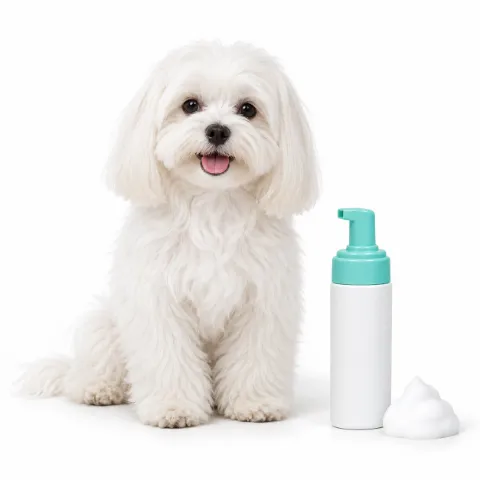
Dermcare Malaseb Medicated Foam Shampoo
Dermcare describes it as an antibacterial and antifungal shampoo, used on your vet's advice
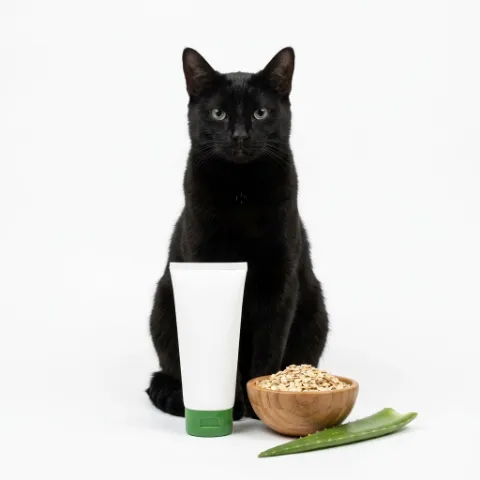
Aloveen Oatmeal Shampoo
Oatmeal, soap free and pH balanced, for everyday washing between vet treatments
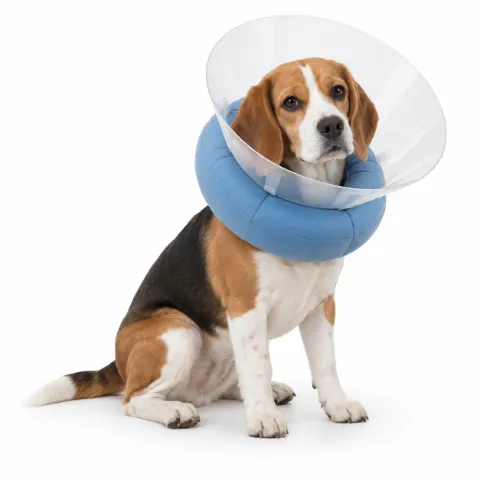
Avont 2-in-1 Inflatable Cone
A soft donut with a removable clear shield, so you can adjust as healing goes on
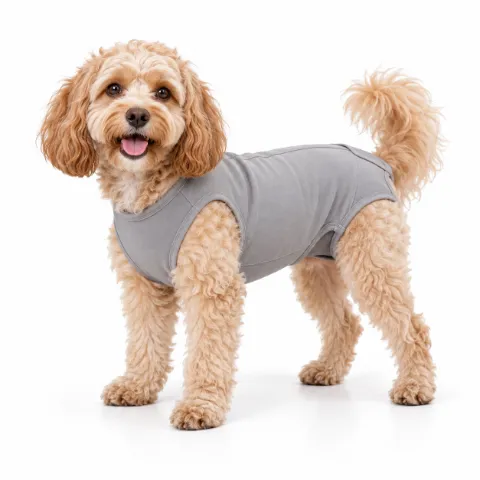
Kuoser Recovery Suit
A soft suit that covers the body, sold in sizes XS to 2XL
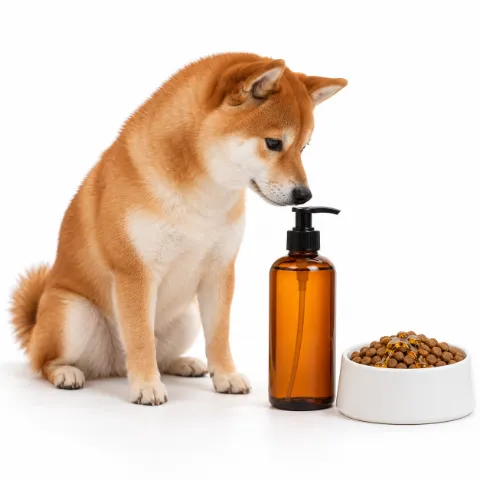
Zesty Paws Omega Boost Salmon Oil
A salmon oil for dogs and cats that names EPA, DHA and ALA; ask your vet about the dose
Pictures are illustrations, not the actual products.
These products are tools within a vet plan. They don't treat the cause of an itch. Each pick has a full guide with pros, cons and who should skip it, linked in the sections below.
Why is my dog so itchy?
Itching has many causes, and several can happen together. VCA Animal Hospitals lists flea allergy, seasonal allergies (atopy), food allergies, contact reactions to products like soaps and perfumes, and sarcoptic mange as common causes (VCA Animal Hospitals, updated 29 May 2026). PDSA also lists bacterial and yeast infections, ringworm and hot spots (PDSA).
Here is a plain-English checklist:
- Fleas and flea allergy: some dogs react strongly to even a few bites, while others show few signs despite a heavy flea load (University of Sydney vet hospital).
- Environmental allergy (atopy): reactions to things like pollen, mould and dust mites, which often show up as itchy feet, face, ears or belly. VCA and PDSA also list allergies among the causes of conjunctivitis in dogs (red, weepy eyes), and PDSA lists them as a possible trigger for reverse sneezing in dogs. If the ears are red, smelly or sore, see your vet rather than cleaning them (our dog ear cleaner guide explains why).
- Food allergy: less common than environmental allergy (Pet Insurance Australia), and only confirmed with a strict diet trial supervised by your vet.
- Skin infections: bacteria or yeast (Malassezia) can take hold, often on skin that is already allergic or damaged. They can make the itch worse.
- Mites and lice: these are found by your vet with skin scrapings or other tests.
- Dry skin: can be a cause, but it can also be a clue to something underneath (see the dandruff section below).
- Contact reactions: to cleaning products, washing powder or some shampoos.
Some breeds are more prone to skin problems, including cocker spaniels, poodles, West Highland white terriers and retrievers, but any dog can be affected (VCA Animal Hospitals, updated 29 May 2026).
Why is my dog itchy but there are no fleas?
You can have an itchy dog and never see a flea. Allergy to flea saliva means even a few bites can set off a big reaction, and fleas are fast and hard to spot. Other common causes are environmental or food allergies, skin infections and mites, so a vet check matters more than a flea comb.
Fleas also spend most of their life cycle in the environment, in bedding, carpet and outdoor areas, rather than on your dog. The University of Sydney vet hospital says prevention is recommended all year in Australia, and that every pet in the household needs treating. Washing bedding and vacuuming help during an established problem. Your vet can recommend a flea product that suits your dog's age and weight.
If you live where paralysis ticks are active, a skin check is also a good time to look for ticks. Our paralysis tick guide explains how.
When is itching more than a little scratch?
Every dog scratches sometimes. PDSA says scratching is more likely to be a problem if it happens more than four or five times a day, or comes with bald patches, pain, self-inflicted wounds, red or rashy skin, saliva-stained fur or dark, thickened skin (PDSA, published August 2020). Some dogs also scratch or lick when you aren't looking.
Look at the pattern, not one sign:
- Is the itch constant, or does it come and go with the seasons?
- Where is it? Feet, ears, belly and armpits point towards different things than the base of the tail.
- Has the skin changed, with redness, scabs, scaling, hair loss or a greasy feel?
- Does it stop your dog sleeping or settling?
Greencross Vets lists ongoing scratching, licking or chewing, redness, bald patches, scabs, repeated ear infections and unusual skin or ear smells as reasons to bring a dog in (Greencross Vets).
How do you treat dog itchy skin at home?
The honest answer is that home care supports vet treatment but can't replace it. PDSA says not to start home treatment before speaking to your vet and finding the cause, because the right treatment depends entirely on what is behind the itch. The steps below are safe supports, not cures. A gentle wash can be part of your vet's plan; our hypoallergenic and oatmeal dog shampoo guides explain what those labels do and don't mean.
What can help alongside your vet's plan:
- Flea control from your vet, kept up all year, for every pet in the house.
- Bathing with the right shampoo. A gentle, dog-safe shampoo can wash off pollen and dirt, but PDSA suggests sticking to water until your vet has recommended a product, because the wrong shampoo can make skin worse (PDSA). A medicated one should be used only on your vet's advice, following the label on contact time and rinsing. See our guide to medicated dog shampoo. A lick mat smeared with something dog-safe, used while you're there supervising, can make bath time calmer.
- Stopping the licking and chewing. A cone or a recovery suit lets damaged skin settle. This protects the skin but doesn't treat the cause.
- Fish oil, if your vet agrees. PetMD, in a piece checked by a vet (PetMD, 25 June 2025), says omega-3s may help reduce itching in dogs with allergies and may ease dry, flaky skin, and that results can take a few weeks. See our fish oil guide.
- Wiping paws after walks with clean water, then drying them well, to remove pollen and irritants (Pet Insurance Australia, medically checked by a SASH veterinary dermatologist).
What not to do:
- Don't use human creams, steroid creams or antihistamines unless your vet says so. VCA warns that many human medications are toxic to dogs.
- Don't use tea tree or other essential oils on your dog's skin.
- Don't add garlic to food as an "itch remedy". Garlic is toxic to dogs. Our toxic foods list has the full list.
- Don't put apple cider vinegar on red, raw or broken skin. It can sting and make things worse.
- Don't give human fish oil capsules. Human products are dosed for people and may contain ingredients such as xylitol, which is toxic to dogs (PetMD, 25 June 2025).
What will my vet do for an itchy dog?
Your vet will take a history, examine your dog head to tail and usually run simple tests. VCA says skin scrapings and skin cytology can check for mites, bacteria and yeast, and treatment depends on the cause. In many cases the condition can be controlled but not cured, and some dogs need ongoing care (VCA Animal Hospitals, updated 29 May 2026).
Depending on the findings, your vet may:
- Treat fleas, mites or infections with the right medicine.
- Suggest medicated shampoos or conditioners to help control symptoms (Greencross Vets).
- Recommend a strict elimination diet trial if a food allergy is possible (see hypoallergenic dog food).
- Prescribe anti-itch medicines for allergic dogs, or allergy desensitisation (allergy shots) for dogs with environmental allergies. VCA mentions options such as Apoquel and corticosteroid injections. These are prescription-only decisions, so ask your vet what suits your dog.
- Refer complex or stubborn cases to a veterinary dermatologist.
What if the itch is mostly in the paws?
Licking paws now and then is normal grooming. Constant licking is more consistent with itch, pain or irritation. A guide medically checked by a veterinary dermatologist at SASH lists environmental allergies as the most common cause, then food allergies, yeast or bacterial infections, grass seeds, cuts, burns from hot pavement, arthritis and, less often, anxiety (Pet Insurance Australia).
Our dog licking paws guide covers the patterns, grass seeds and what to check at home.
See your vet if licking is daily, wakes your dog at night, involves chewing between the toes, or comes with a bad smell, swelling, discharge or limping. A brown stain or musty smell between the toes can suggest a secondary infection, which needs treatment.
What are hot spots on dogs?
Hot spots are red, inflamed, oozing skin sores that can appear quickly, often on the head, legs or hips. VCA says they usually start when a dog licks or scratches an itchy area until it breaks open, which then itches more, the "lick-itch-lick" cycle (VCA Animal Hospitals). They hurt, can spread and most need a vet, so don't wait. Our guide to hot spots on dogs covers the causes, what you can do at home and what the vet does.
What about dog dandruff and dry skin?
A little dandruff can be normal. A lot suggests your dog can't groom properly or has a skin problem. PDSA lists poor grooming (from arthritis, pain or being overweight), fleas, mites, allergies, infections, ringworm and hormone conditions such as hypothyroidism and Cushing's disease (PDSA, published August 2020).
PDSA advises a non-urgent vet appointment for dandruff, and checking with your vet before trying home remedies. Mention any limping, grooming less, rashes, hair loss or a greasy coat. Fish oil is sometimes suggested for dry, flaky skin, but ask your vet first.
Dog itch relief options compared
Use this table to match the tool to the job. No product on it treats the cause of an itch. For sprays, see our dog itch relief spray guide.
| Option | What it's for | Needs your vet first? | Main limit |
|---|---|---|---|
| Dermcare Malaseb | Medicated bath for skin your vet has checked | Yes, diagnosis first | Needs contact time and thorough rinsing |
| Aloveen Oatmeal Shampoo | Gentle everyday bath | Ask, especially if the skin is already red or broken | Soothes and cleans, doesn't treat infection |
| Avont 2-in-1 Cone | Stops licking and chewing | No, but see your vet for the cause | May not suit every dog's reach |
| Kuoser Recovery Suit | Covers skin on the body | No, but see your vet for the cause | Sizing needs care |
| Zesty Paws Salmon Oil | Skin and coat support | Yes, ask about dose | Can upset the stomach |
How we chose
Each product on this page comes from one of our four full guides, where it passed these checks:
- Well rated: a strong average rating with plenty of buyer reviews.
- No red flags: no pattern of poor reviews, safety complaints or listing problems.
- Available on Amazon Australia when we checked.
Each guide adds its own checks, such as a registered vet product for medicated shampoos or a named oil source for fish oil.
Our picks in brief
We researched these from each Amazon Australia listing's specifications, checked on 20 Oct 2026. They are researched picks, not products we have used. No brand paid us or saw this page. The full guide for each has the pros, cons and who should skip it.
Medicated bath. The Amazon listing for Dermcare Malaseb Medicated Foam Shampoo is short, so the details come from Dermcare's own page. Dermcare describes it as an antibacterial and antifungal medicated shampoo for dogs and cats, and says to use it with your vet's advice after tests. Aloveen Oatmeal Shampoo is a soap-free, pH-balanced oatmeal shampoo for dogs and cats. Compare both in our medicated dog shampoo guide.
Stopping the licking. The Avont 2-in-1 pairs an inflatable donut with a removable clear shield. The Kuoser Recovery Suit covers the body for dogs and cats in sizes XS to 2XL. The listing advises measuring and sizing up if your dog sits at the top of a size range. See our cone guide and recovery suit guide.
Skin support. Zesty Paws Omega Boost Salmon Oil is a 250 mL bottle for dogs and cats. The listing says it is 91% French salmon oil plus concentrated fish oil and linseed oil. Check the dose with your vet, and read our fish oil guide.
Does the season change my dog's itch?
Often, yes. Fleas can survive all year in many parts of Australia, and the University of Sydney vet hospital recommends year-round prevention. Pollen and grass seasons differ by region, and VCA lists seasonal allergies as a common cause of itching, so an itch that returns at the same time each year is more consistent with an environmental allergy.
Try keeping a short diary of when and where the itch flares, what changed in food, products or walks, and photos of the skin. Take it to your vet. Grass seeds also turn up in the warmer months and can lodge in paws and ears, so check after walks in long grass. For seasonal care tips, see our Aussie Seasons page.
When to see your vet
See a vet straight away if your itchy dog has swelling of the face, hives, trouble breathing, collapses, seems lethargic or flat, or won't eat. Severe allergic reactions can be emergencies.
Book a vet check soon if your dog has:
- itching that stops them sleeping or settling
- open sores, hot spots, scabs, blood or pus
- hair loss or bald patches
- smelly, greasy, thickened or darker skin
- ear infections, head shaking or pawing at the ears
- itching that hasn't settled in a few days, or keeps coming back
Please don't start human medicines, creams or supplements first. Ask your vet, or see the PDSA guide to itchy skin.
Frequently asked questions
How do you treat itchy skin in dogs?
It depends on the cause, so a vet check comes first. Your vet may treat fleas, infections or mites, suggest medicated baths or a diet trial, or prescribe anti-itch medicine. At home you can support that plan with flea control, gentle bathing and stopping licking. See what helps at home.
What can I use to stop my dog's itch?
Ask your vet before using anything. Safe supports include regular vet-approved flea control, a dog-safe shampoo and a cone or suit to stop licking. Avoid human creams, essential oils and human medicines. If your vet agrees, fish oil made for dogs is sometimes added.
What are the common causes of itchy skin in dogs?
Fleas and flea allergy, environmental allergies, food allergies, skin infections (bacteria or yeast), mites and contact reactions are the common ones. VCA and PDSA both list these. Several can overlap, which is why the tests matter. Use the cause checklist above to look at the pattern.
Why does my dog scratch so much but have no fleas?
Allergy to flea bites, environmental or food allergies, infections and mites can all cause it. You may not see fleas even when they're the problem. Your vet can run simple tests, such as skin scrapings or cytology, to find the cause.
Can I give my dog an antihistamine for itching?
Only if your vet says so and gives the dose. Human antihistamines and combination products can be unsuitable for dogs, and some contain other ingredients that are harmful. VCA's hot spot page says to check with your vet before using any human medicine, because many are toxic to dogs. Your vet may prescribe something suited to your dog.
Is dog dandruff a sign of something serious?
Not always. A little can be normal, but a lot can point to poor grooming, fleas, allergies, infection or a hormone problem. PDSA suggests a non-urgent vet appointment. Mention any limping, grooming less or a greasy coat at the visit. See dandruff and dry skin above.
Can an itchy dog cause hot spots?
Yes. Licking and scratching an itchy area can break the skin and start the lick-itch-lick cycle that leads to a hot spot. Hot spots can be painful and spread fast, so see your vet. A cone or suit helps stop further damage. More in our hot spots guide.
Related guides
- Dog ear wipes
- Why does my dog keep licking their paws?
- Conjunctivitis in dogs
- Reverse sneezing in dogs
- Dog itch relief sprays
- How to get rid of dog smell in the house
- Best oatmeal dog shampoo
- Hypoallergenic dog shampoo
- Hot spots on dogs
- Flea dirt on dogs and cats
- Best flea combs
- Best medicated dog shampoo
- Best dog cones
- Best dog recovery suits
- Best fish oil for dogs
- Paralysis ticks: how to check your dog
- Best lick mats for dogs
Sources
- VCA Animal Hospitals: Pruritus, itching and scratching in dogs (updated 29 May 2026)
- VCA Animal Hospitals: Hot spots in dogs
- PDSA: Itchy skin in dogs (published August 2020)
- PDSA: Dandruff and dry skin in dogs (published August 2020)
- University of Sydney Vet Hospital: Fleas in dogs
- Greencross Vets: Veterinary dermatology
- Pet Insurance Australia: Why is my dog licking their paws? (reviewed by a veterinary dermatologist at SASH)
- PetMD: Fish oil for dogs (25 June 2025, reviewed by a veterinarian)
- Product details from each linked Amazon Australia listing and Dermcare's Malaseb page (dermcarevet.com.au), checked on 20 Oct 2026.
This guide provides general information and isn't a substitute for veterinary advice. If you're concerned about your dog's itchy skin, speak with your vet.