Best dog ear cleaner: how to clean your dog's ears safely
By Anish PuriUpdated 5 Nov 202613 min readResearched, not tested by us
Research guide. WhiskerFinds may earn a commission from links, at no extra cost to you.
Quick answer: The best dog ear cleaner is one made for dogs and used on a healthy ear. Our top pick is Virbac Epi-Otic, with MalAcetic, PAW by Blackmores and Canosept wipes as alternatives. If an ear is sore, red or smelly, skip the cleaner and see your vet first.
Most dogs don't need their ears cleaned often, and a cleaner is the wrong tool for an ear that's already unwell. This guide compares four ear cleaners on Amazon Australia, shows the safe way to use one and lists the signs that mean a vet visit instead. If your dog is scratching all over, not just at the ears, start with our dog itchy skin guide. For the rest of the grooming routine, see our dog grooming kit guide and our sibling guide on dog grooming scissors.
Quick picks
Our top pickBest overall
Virbac Epi-Otic Ear Cleaner, 125 ml
A 125 ml Virbac ear cleaning solution for dogs and cats, also sold by vets and pet shops in Australia
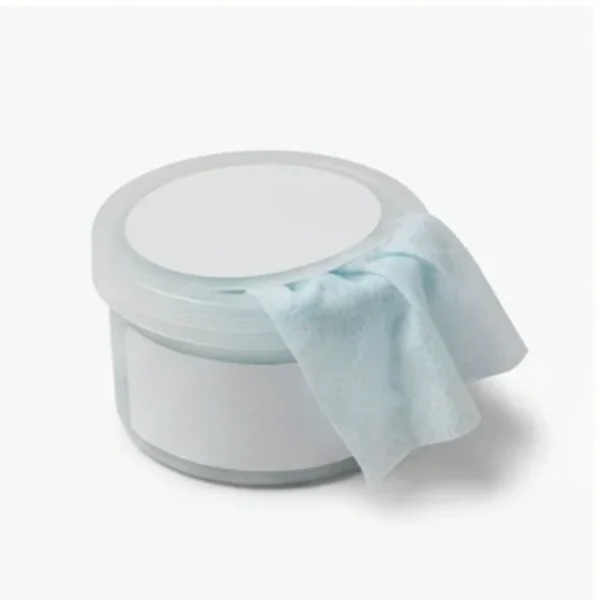
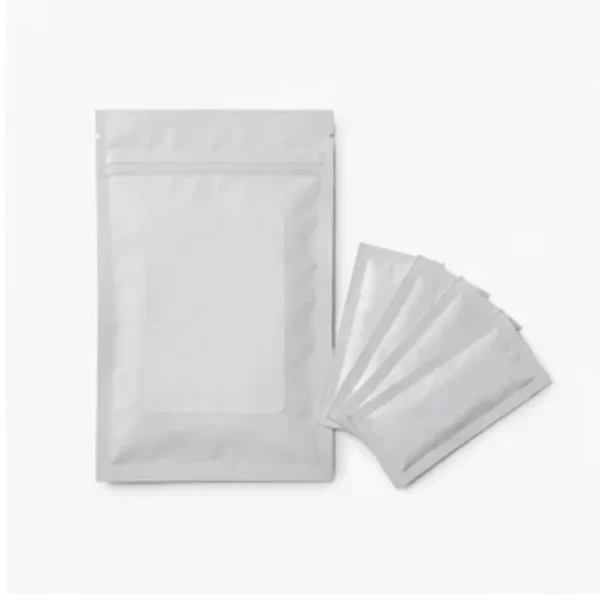
Pictures are illustrations, not the actual products.
Vets and pet shops in Australia also sell ear cleaners, so you can ask your vet which one suits your dog before you order.
How do I clean my dog's ears at home?
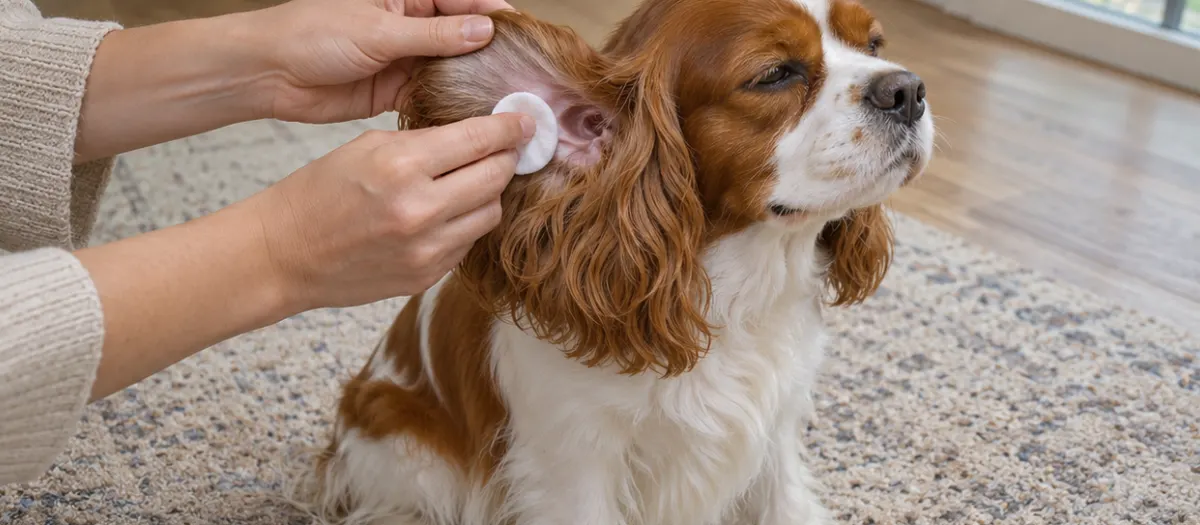
Use a dog ear cleaner, fill the ear as the label says, massage the base of the ear, let your dog shake, then wipe the visible part with cotton wool or gauze. Never push anything deeper into the canal. Skip all of this if the ear looks or smells unwell.
Gather a vet-approved ear cleaner, cotton balls or gauze and a towel, and pick a calm moment. Treats help.
Fill the ear canal with the cleaner, keeping the bottle tip from touching the ear. Massage the base of the ear for about 30 seconds.
Step back and let your dog shake their head. Hold the towel up to protect yourself and wipe their face.
Wipe the visible part of the ear with cotton wool or gauze, going no deeper than one knuckle. Stop and call your vet if your dog seems to be in pain.
Follow the directions on your product's label for how much to use, because we don't have them for every pack on these listings. Give a treat afterwards so your dog links ear care with something good.
How often should you clean a dog's ears?
It depends on the dog, and many dogs rarely need it. The AKC says dogs prone to ear problems and dogs that swim often may need cleaning more often, and that cleaning when you notice a change, rather than by habit, is sensible because over-cleaning can irritate the ear canal (AKC, page read 5 November 2026).
A simple routine is to look at your dog's ears regularly, so you notice a change early. If you aren't sure how often suits your dog, ask your vet at the next check-up. If your dog swims, our dog life jackets guide covers water safety.
Our picks in detail
1. Virbac Epi-Otic Ear Cleaner, 125 ml: best overall
The listing calls this the Epiotic Advanced Formula in a 125 ml bottle, for dogs and cats. It says very little else, and the listing title is garbled, so the pack may not match the one sold by vets and pet shops in Australia. We haven't invented ingredients or directions for it: follow the label on the pack you receive, and ask your vet if you're unsure it suits your dog.
We put it first because it's a Virbac cleaner made for dogs and cats, with a clear size, and because vets and pet shops in Australia also stock Epi-Otic if you'd rather buy it in person or ask your vet about it first.
Pros: made for dogs and cats; 125 ml bottle; also sold by vets and pet shops in Australia
Cons: the listing gives no ingredients or directions; the garbled title and thin text mean the pack may differ from the Australian one, so check the label
Best for: owners who want a straightforward ear cleaner and have asked their vet about ear cleaning
Skip it if: you want a listing that spells out ingredients and directions, or your dog's ear is sore or smelly (see your vet instead)
2. Dechra MalAcetic Ear and Skin Cleaner, 118 ml: best for waxy, crusty ears
The listing says this cleaner is made for dogs and cats, comes in a 118 ml bottle, and helps to remove earwax and crusts. It says the formula supports the skin's natural acid protective coat and is suitable for sensitive animals. The listing also mentions a yeast-related claim. We treat all of this as the listing's wording, not as a promise.
The listing makes bigger claims too, such as wound healing and reduced inflammation. We don't rely on them. An ear that's inflamed or has a sore needs a vet, not a cleaner. The pack may also differ from the Australian one, so read the label.
Pros: aimed at wax and crusts; for dogs and cats; the listing says it suits sensitive animals
Cons: the listing's treatment-style claims shouldn't be relied on; the pack may differ from the Australian one
Best for: dogs with regular wax build-up, with your vet's OK
Skip it if: the ear is red, swollen, smelly or painful, or you were hoping a cleaner would treat an infection
3. PAW by Blackmores Gentle Ear Cleaner, 120 ml, pack of 2: best gentle option
A twin pack of 120 ml ear cleaner for dogs and cats. The listing says it's a natural, gentle, low-irritant formula with purified hydrolysed oats, easy to apply, and suitable for animals of all ages. "Natural" is the brand's word, and it doesn't mean the ear can't be irritated, so watch how your dog responds.
The listing's weight and size details look unreliable (it shows 1 cm in each direction and 2 kg), so go by the volume in the title. Two bottles suit a multi-dog home, or a spare for the car or a second spot.
Pros: gentle, low-irritant formula per the listing; suitable for all ages per the listing; two bottles
Cons: the listing gives no directions; the size details don't add up; a pair is more than a dog who rarely needs cleaning will use
Best for: sensitive dogs, puppies and multi-pet homes, once your vet is happy with ear cleaning
Skip it if: one bottle is plenty for you, or the ear is sore or smelly
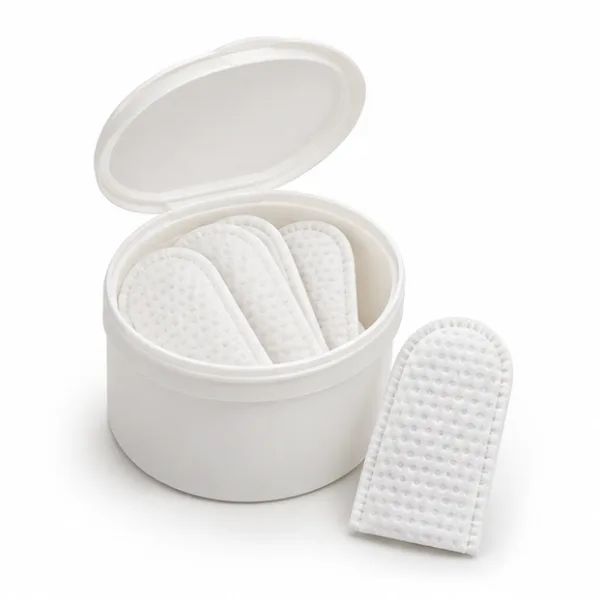
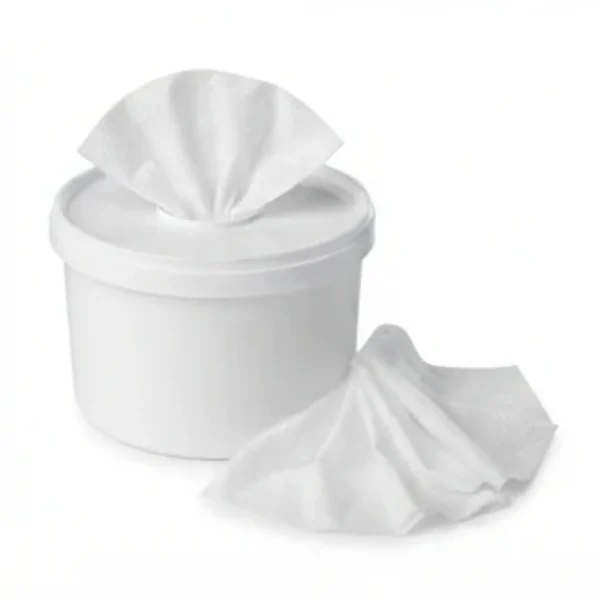
4. Canosept Dog Ear Wipes, 50 finger pads: best wipes
Fifty finger pads for dogs. The listing says they remove dirt and ear wax, have a deodorising effect, and follow the shape of the ear because of the finger-pad design. It adds that regular use keeps ears cared for, and that Canosept's ear cleaner solution is suggested as a supplement. The listing says it's made in Germany and shows the language as German, so the pack text may not be in English.
These are for the visible part of the ear. Don't push a pad into the canal, and see your vet if the ear looks or smells unwell.
Pros: 50 pads in a pack; slips over your finger so you can follow the ear; no liquid to pour
Cons: the pack text may be in German, so you may need to translate the directions; wipes don't reach inside the ear the way a solution can
Best for: a quick tidy between cleans, or a dog who dislikes liquid in the ear
Skip it if: you need directions in English, or you want a solution for a full clean
Don't clean an ear that looks or smells unwell. Redness, swelling, a bad or yeasty smell, discharge or signs of pain are reasons to see your vet first. The AKC says not to clean an ear that looks infected, and VCA says certain medicines can cause hearing loss if the eardrum is ruptured, which is why a vet checks first.
What you notice
What to do
Red or swollen ear
See your vet, and don't clean it first
Bad or yeasty smell
See your vet
Black or yellowish discharge
See your vet
Head shaking or head tilting
See your vet
Scratching at the ear
See your vet, and check for other itchy spots
Pain when you touch the ear
Stop and call your vet
Swollen ear flap
See your vet promptly
Clean ear with a little visible dirt, no smell
A gentle wipe of the visible part may be enough
VCA explains why a vet needs to look: bacteria, fungi, foreign objects and other causes can all be behind an ear problem, and medication alone won't fix some of them (VCA Animal Hospitals, page read 5 November 2026). A deep infection can also damage the eardrum, and some medicines are unsafe if it's ruptured, which is why vets check the ear before choosing treatment. A cleaner is for upkeep, not for treating an infection.
Can I use cotton buds in my dog's ears?
No. The AKC says not to use cotton swabs, because they can push debris further in and injure the delicate structures inside the ear. Use a cotton ball or gauze on the visible part of the ear instead, and go no deeper than one knuckle.
That's why we left cotton buds and ear sticks out of this guide. A pad or a finger wipe, like the Canosept pick below, gives you a safer way to wipe the part you can see.
Dog ear cleaner: solution or wipes?
Solutions loosen wax and debris inside the ear, so they suit a proper clean. Wipes are for the visible part of the ear flap and the entrance, so they suit a quick tidy between cleans. Many owners keep one of each, but you don't need both.
Swipe sideways to see every column
Solution
Wipes
Reaches
Loosens wax and debris in the ear, then you wipe the visible part
The visible part of the ear, not the canal
Best for
A full clean when your vet is happy with ear cleaning
A quick tidy of dirt and wax
Dog's cooperation
A dog who will stand still while you fill the ear and then shake
A dog who dislikes liquid in the ear
Our picks
Epi-Otic, MalAcetic, PAW
Canosept
Dog ear cleaners compared
Details from each Amazon Australia listing, checked on 5 Nov 2026.
We searched Amazon Australia for dog ear cleaners and ear wipes, then shortlisted ones that met all of these checks:
Well rated: a strong average rating with plenty of buyer reviews.
No red flags: no pattern of poor reviews, safety complaints or listing problems.
Available on Amazon Australia when we checked.
Made for dogs (or for dogs and cats).
Volume or count stated on the listing.
No claim to treat infection that we rely on, because a vet diagnoses and treats ear infections.
These are researched picks, not products we've personally tried. We compared the specifications and features shown on each Amazon Australia listing, checked on 5 Nov 2026. We didn't accept payment from any brand, and no brand saw this page before it was published.
Left out this time: cotton buds and ear sticks, which shouldn't go into the canal; ear powders; and home remedies.
Are home remedies safe for dog ears?
We don't recommend them. The AKC says to avoid hydrogen peroxide and homemade cleaning solutions because they can irritate sensitive ear tissue. If you suspect yeast, that needs a vet's diagnosis, because VCA notes several kinds of bacteria and at least one type of fungus can cause ear infections and the right treatment depends on the cause.
If your dog's ear seems sore, red or smelly and you're tempted to try something at home, call your vet first. A sore ear is uncomfortable, and your vet can look at it properly.
Which breeds get ear problems most?
Any dog can get an ear infection, but dogs with large, floppy or hairy ears are more prone. The AKC names long-eared breeds such as Basset Hounds and Cocker Spaniels. VCA lists cocker spaniels, miniature poodles and Old English sheepdogs as examples.
When to see a vet
See your vet if your dog's ear is red or swollen, smells bad or has discharge, or if your dog shakes their head, tilts it, scratches at the ear or flinches when you touch it. Loss of balance or a swollen ear flap are also reasons to call promptly. These signs can have many causes, and a vet can work out which.
If your dog has been swimming and these signs appear, book a visit. If you think something is stuck in the ear, such as a grass seed, call your vet now. Our dog itchy skin guide covers other signs of an itchy dog.
Frequently asked questions
What colour should dog ear wax be?
The AKC describes a healthy ear as pink, odourless and not dirty or inflamed, so go by the whole ear rather than the wax alone. VCA says black or yellowish discharge is common with infection, and the AKC says redness, a yeasty smell or signs of pain point to a vet visit.
What do I do if my dog has an ear infection but I can't afford a vet?
An ear that's sore or smelly still needs a vet, because the right treatment depends on the cause and some drops are unsafe if the eardrum is damaged. Call your vet, explain the situation and ask what options they can offer. Don't use home remedies or leftover medicine in the meantime.
Can I use human ear drops or baby wipes on my dog?
We don't recommend it. Use a cleaner made for dogs, and wipe just the visible part of the ear. The AKC advises against homemade solutions, and VCA says certain medicines can cause hearing loss if the eardrum is ruptured, so a vet needs to look first. If you're unsure, ask your vet which product suits your dog.
Can I clean a puppy's ears?
Ask your vet first. VCA says ear mites are more common in puppies and kittens and can cause signs like those of an infection, so scratching or a dark discharge needs a vet, not a cleaner. PAW's listing says its cleaner suits dogs and cats of all ages, but your vet knows your puppy. For dogs, several monthly chews list ear mites on their labels; see NexGard Spectra vs Simparica Trio.
Is a dog ear cleaner safe for cats?
Some ear cleaners are labelled for dogs and cats and some for dogs only, so check the label for your pet. PDSA advises using a cleaner that's suitable for cats, and says most cats don't need routine ear cleaning. If your cat's ears look dirty or sore, see our cat ear cleaner guide and ask your vet first.
How do I clean my dog's ears if they won't sit still?
Keep it short and calm, and give treats. Do one ear, then take a break. The AKC suggests picking a quiet moment and using treats. If your dog is in pain or fights it, stop and call your vet, because a painful ear is a reason to book a visit.