By Anish PuriUpdated 23 Nov 202611 min readResearched, not tested by us
Research guide. WhiskerFinds may earn a commission from links, at no extra cost to you.
Quick answer: Fish oil for cats is a supplement that vets do use, but it isn't a cure and it isn't right for every cat. Check with your vet first, especially if your cat takes medicine or has a health condition. Of the five oils here, the 250 ml Zesty Paws Omega Boost is our best overall pick: a small bottle that names cats.
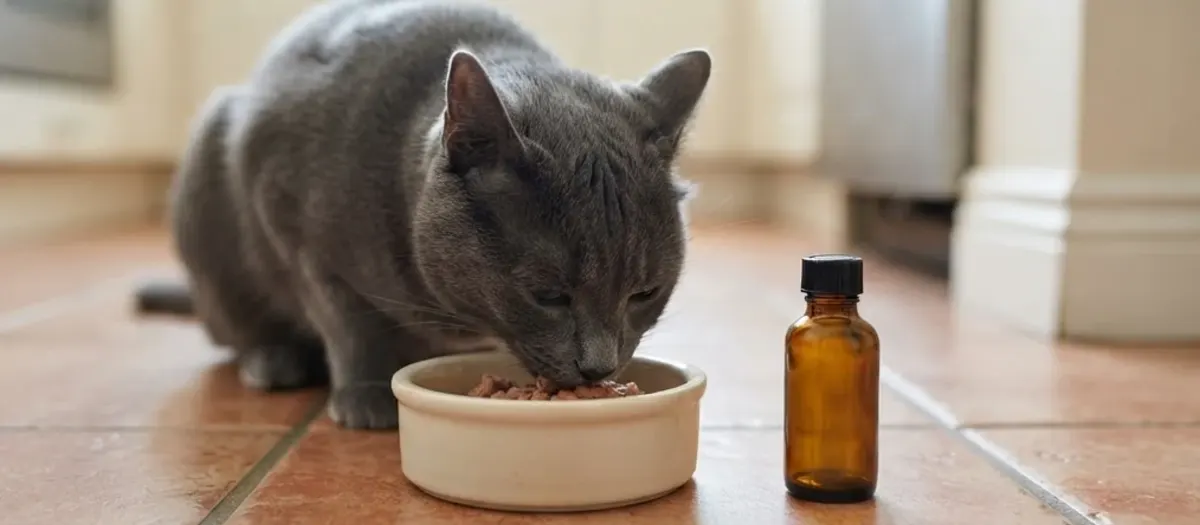
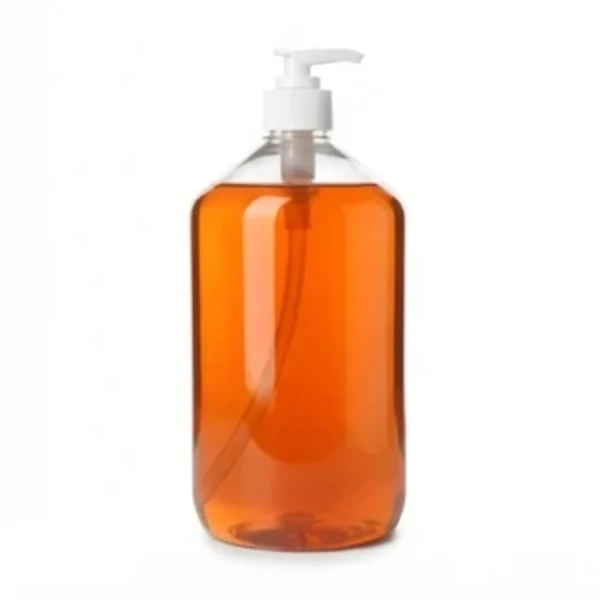
Illustration, not the actual product
Our top pickZesty Paws Omega Boost Salmon Oil for Dogs and Cats, 250 ml
Fish oil sounds simple, and the bottles make big promises. The honest picture is more careful. Cats are not small dogs, vets raise a few cat-specific cautions, and most listings leave out the numbers you'd want. This guide compares five fish and salmon oils on Amazon Australia by what each listing actually states, and shows who should skip fish oil altogether. We don't give amounts, because that's a decision for your cat's vet.
If you're shopping for a dog, that's a different guide: see fish oil for dogs.
Quick picks
Our top pickBest overall
Zesty Paws Omega Boost Salmon Oil for Dogs and Cats, 250 ml
Small bottle for one cat; names cats; Australian-listed
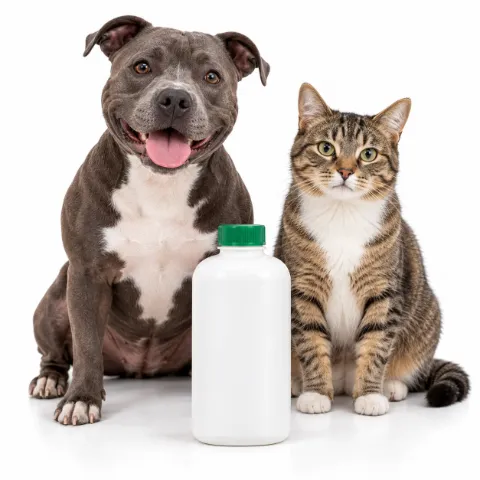
Pictures are illustrations, not the actual products.
Is fish oil good for cats?
It can be, for some cats, when a vet is involved. VCA Animal Hospitals says fish oil is used widely in cats and dogs, and that its EPA and DHA fatty acids are used for conditions such as skin allergies, arthritis, kidney disease, heart disease and inflammatory bowel disease (VCA Animal Hospitals, "Fish Oil", updated 23 January 2026, page read 24 November 2026). Those are vet-managed conditions. A bottle from a shelf isn't treating any of them.
The same page says effects may take several weeks, and gives no amount to use: it says to follow your vet. It also reminds owners that "natural" doesn't mean safe, and that supplements aren't checked by the US regulator before sale. We found no Australian source that says otherwise for our own market, so treat the label with the same care.
Do cats need fish oil, or does their food cover it?
Ask your vet whether your cat's food already covers it. We didn't open a source that gives a figure for how much omega-3 a complete cat food supplies, so we won't guess. A cat eating a complete wet or dry cat food may already be getting some, and diets that already contain EPA and DHA may call for less supplement, not more. A vet nutrition article by Catherine Lenox, DVM, DACVN, makes that point for dogs, and says no safe upper limit has been published for cats at any life stage (Lenox, "Role of Dietary Fatty Acids in Dogs & Cats", Today's Veterinary Practice, 19 August 2016, page read 24 November 2026). That gap is the reason this page doesn't hand out amounts.
Our picks in detail
1. Zesty Paws Omega Boost Salmon Oil for Dogs and Cats, 250 ml: best overall
A small bottle that suits one cat, on an Australian listing. The listing says it's a blend with a base of 91% French salmon oil plus fish oil and linseed oil, with EPA, DHA and ALA named but no amounts. The bottle is 250 ml and weighs 0.28 kg. The directions say only "refer to product label", so the label and your vet set the serve. The skin and coat claims are the maker's own.
The linseed oil is a plant source of ALA, which cats use poorly, so the salmon and fish oils are the part that supplies EPA and DHA.
Pros: small bottle for one cat; names cats and dogs; Australian-listed
Cons: no EPA or DHA amounts and no amount in the listing; includes linseed oil; skin, coat and joint claims are the maker's
Best for: one cat in a small home, once your vet is happy
Skip it if: you want a single-ingredient oil or a printed weight-based amount
2. Pets Purest Salmon Oil, 1 L: best single-ingredient oil
The listing says salmon oil 99.5% with natural tocopherols 0.5%, and that the oil is Scottish. It comes in a 1,000 ml pump bottle, and the text names dogs, cats, horses and ferrets. It's the only listing here with a weight-based amount: the maker says "1 pump per 5 kg of body weight", pumped onto food. That's the maker's figure, not a vet's, so ask your vet what's right for your cat.
Pros: one oil plus vitamin E; pump bottle; a stated amount by weight
Cons: 1 L is a lot for one cat, and oil can go off, so check the pack's storage line; the species fields mention ferret and rabbit although the text names cats; imported, so check the delivery details on Amazon before you order
Best for: a multi-cat or multi-pet home that wants plain salmon oil
Skip it if: you want a small bottle, or your cat's vet hasn't said yes
3. Natural Animal Solutions Omega 3, 6, 9 Oil, 500 ml: best for a printed cat amount
An Australian brand whose listing says the range is made for dogs and cats, with a cat amount shown in the listing image. Follow the pack and your vet. This is the only pick that isn't fish oil alone: the listed ingredients are flaxseed, cod liver, sunflower and extra virgin olive oils plus vitamin E. Flaxseed oil is listed first, so a good part of the omega-3 is likely to be plant ALA, and the cod liver oil is the fish source. The listing doesn't give EPA or DHA amounts. It says the oil isn't suitable for animals with a history of pancreatitis or seafood allergies, and to store it below 25 degrees and refrigerate after opening. The bottle is 500 ml and weighs 0.49 kg.
Pros: Australian brand; cat amount shown; clear warnings about pancreatitis and seafood allergy
Cons: flaxseed oil is listed first, so much of the omega-3 is likely to be plant ALA, which cats use poorly; contains cod liver oil, and Lenox warns that fish oil supplements can supply excess vitamins A and D, so ask your vet before daily use; no EPA or DHA amounts; needs a cool place and the fridge once opened
Best for: an owner who wants a printed cat amount, with the vet's OK
Skip it if: your cat has had pancreatitis, or you want a fish-only oil
4. Nature's Diet Pet Norwegian Salmon Oil, 946 ml: best salmon-only alternative
The listing says 100% Norwegian salmon oil in a pump bottle, with the allergen field reading "fish". It's labelled in imperial units (32 fl oz, which is 946 ml). The directions say "feed daily with meals" and give no amount by weight. The listing's comparisons with other fish oils are marketing, so we haven't repeated them.
Pros: salmon oil only; pump bottle; names dogs and cats in the title
Cons: no amount by weight; no EPA or DHA amounts; the unit count and species fields are inconsistent; imported, so check the delivery details on Amazon before you order
Best for: a home with a couple of cats that wants plain salmon oil
Skip it if: you want a printed weight-based amount
5. Zesty Paws Alaskan Salmon Oil with Hemp, 946 ml: best for a multi-pet home
Wild Alaskan salmon oil blended with hemp seed oil. The listing says the hemp provides SDA, and that the brand is audited by the National Animal Supplement Council, which is the maker's claim. It names cats and dogs, comes in 946 ml (32 fl oz) and gives no amount in its text. The cats-and-dogs wording makes it handy where both pets share a bottle, but check each pet with your vet.
Pros: names cats and dogs; fish oil with the hemp blend stated plainly
Cons: no amounts in the listing text; our sources don't say a cat needs hemp; large for one cat; imported, so check the delivery details on Amazon before you order
Best for: a home with both cats and dogs, with the vet's agreement
Skip it if: you want fish only, or a smaller bottle
Fish oil, salmon oil, flaxseed or omega 3 6 9: what's the difference?
The difference that matters is where the omega-3 comes from. EPA and DHA are the long-chain omega-3s found in fish oil. Plant oils such as flaxseed and linseed supply a different one, ALA. Lenox says cats make virtually no EPA from ALA, so EPA and DHA have to come from the diet or a supplement. In plain terms, flax is not a substitute for fish oil in a cat.
Salmon oil is one kind of fish oil. Its omega-3 content is EPA and DHA, but a listing that doesn't print the amounts can't tell you how much.
"Omega 3, 6, 9" blends often mix fish oil with plant oils. Read the ingredient list, because a good part of the omega-3 may be ALA.
Hemp seed oil isn't fish oil. The Zesty Paws Alaskan listing says its hemp supplies SDA, an omega-3 plant fatty acid. Our sources don't say cats need it.
Cod liver oil comes from fish liver, not the flesh. Lenox warns that fish oil supplements in general can supply excess vitamins A and D, and mercury, so ask your vet before using a cod liver blend every day.
For a cat, we'd look for an oil whose ingredient list is fish first, with a label that names cats.
What to check on a fish oil label
Most listings tell you less than you'd hope, so check these before you buy, and ask your vet about anything missing:
EPA and DHA per serve. A bottle that says "omega-3" without these numbers hasn't told you much.
An amount by body weight. Only one listing here gives one, and you still need your vet's say-so.
Which oils are in it. Fish only, or fish plus flax, linseed, sunflower, olive or hemp.
The species. Pick one that names cats. Fish oil for dogs is not the same product, and the listing's species field can be muddled.
Storage. The Natural Animal Solutions listing says to store below 25 degrees and refrigerate after opening. Oils can go off, so check the pack.
Where the fish comes from. VCA says to avoid a supplement if you can't find a reputable source, because some products carry a heavy-metal risk.
Batch testing. None of the listings gives test results in its text.
Fish oil compared
Details from each Amazon Australia listing, checked on 23 Nov 2026. "Not given" means the listing text doesn't say.
Swipe sideways to see every column
Pick
Oil source, as the listing says
Size
Cats named
Weight-based amount in listing text
EPA and DHA amounts
Zesty Paws Omega Boost
Salmon, fish and linseed oils
250 ml
Yes
Not given ("refer to product label")
Not given
Pets Purest
Salmon oil 99.5%, tocopherols 0.5%
1,000 ml
Yes, in the text; species field says ferret, rabbit
"1 pump per 5 kg of body weight"
Not given
Natural Animal Solutions
Flaxseed, cod liver, sunflower and olive oils, vitamin E
500 ml
Yes
A cat amount is shown in a listing image; follow the pack
Not given
Nature's Diet
Salmon oil, "100% Norwegian"
946 ml (32 fl oz)
Yes, in the title
Not given ("feed daily with meals")
Not given
Zesty Paws Alaskan with Hemp
Alaskan salmon oil plus hemp seed oil
946 ml (32 fl oz)
Yes
Not given
Not given
The finding is in the last two columns: every listing is thin on the numbers a vet would want. That's why your vet's guidance, not the bottle, sets how much your cat gets.
Who should skip fish oil, or ask the vet first?
Ask first if your cat takes any medicine or has a health condition. VCA says to be careful in animals on anticoagulants, with clotting disorders, with diabetes, with a history of pancreatitis, with diarrhoea, or that are pregnant or nursing. It also lists interactions with anticoagulants, doxorubicin and NSAIDs such as meloxicam, robenacoxib and carprofen, and asks you to tell your vet about every medicine and supplement. Lenox adds low platelets, large or non-healing wounds, gut disease and aspirin.
Common side effects VCA lists are mild stomach upset, a fishy smell, delayed wound healing, an oily coat and itchy or flaky skin. The serious ones, where you stop and call your vet, include an allergic reaction, abnormal bruising or bleeding ("especially in cats"), pancreatitis, loss of appetite, and wobbliness or seizures.
Choose by situation
Swipe sideways to see every column
Your situation
What to look for
Our pick
One cat in a small flat
A small bottle that names cats
Zesty Paws Omega Boost (1)
Several cats, or cats and a dog
A larger bottle that names both
Pets Purest (2), Nature's Diet (4) or Zesty Paws Alaskan (5), once the vet is happy
You want salmon oil and nothing else
A short ingredient list
Pets Purest (2) or Nature's Diet (4)
You want a cat amount on the pack
A printed amount, checked with your vet
Natural Animal Solutions (3)
Cat has had pancreatitis
A vet's decision first
None; ask your vet
Cat is allergic to seafood
No fish oil without a vet
None; ask your vet
Cat is on blood thinners or NSAIDs
A vet's decision first
None; ask your vet
How we chose
We searched Amazon Australia for fish, salmon and omega-3 oils that name cats, then shortlisted those that met all of these checks:
Well rated: a strong average rating with plenty of buyer reviews.
No red flags: no pattern of poor reviews, safety complaints or listing problems.
Available on Amazon Australia when we checked.
Fish or salmon oil named as an ingredient on the listing.
Cats named in the listing text or title.
The oil source and bottle size stated, so you can compare them.
Where a listing is imported, mixed with plant oils or missing amounts, we say so in the cons. These are researched picks, not products we've personally tested. We compared the specifications and features on each Amazon Australia listing, checked on 23 Nov 2026, and we didn't accept payment from any brand.
Left out this time: hemp oils sold for calming or pain relief, drops with allergy and anxiety claims, a fish oil made for dogs only, and a joint supplement, a lysine product and a hydration drink, because none of those is a fish oil for cats.
When to see a vet
Before you start, talk to your vet if your cat takes any medicine, is diabetic, has had pancreatitis, has clotting problems, or is pregnant or nursing. Our allergies in cats guide covers when itching needs a vet.
After you start, stop and call your vet if you see abnormal bruising or bleeding, vomiting, diarrhoea, loss of appetite, itching or a rash, or any change in breathing or behaviour.
Frequently asked questions
How much fish oil should I give my cat?
Ask your vet. VCA gives no amount and says to follow the vet's instructions, and Lenox says no safe upper limit has been published for cats. The right amount depends on your cat's weight, diet and health. Don't copy an amount from a dog bottle or a different brand.
Can I give my cat human fish oil capsules?
Ask your vet first. We didn't find a source that supports human capsules for cats, and they're made for people, so ingredients and strength differ. VCA says to avoid any fish oil from a source you can't trust. Pick a product that names cats and let your vet confirm it.
Is salmon oil the same as fish oil for cats?
Salmon oil is a type of fish oil, made from cold-water fish. The difference is in the label: salmon oil may be one ingredient or part of a blend with plant oils. Check the ingredient list and ask whether the listing gives EPA and DHA amounts.
Is flaxseed oil a substitute for fish oil in cats?
No. Flaxseed and linseed oil supply ALA, and Lenox says cats make virtually no EPA from ALA. EPA and DHA need to come from fish oil or the diet. A blend with flax may still contain some fish oil, so read the ingredients.
How long until I see a difference in my cat's coat?
It varies, and some cats show no change. VCA says effects may take several weeks. If you see itching, flaking skin or an oily coat after starting, those are listed side effects, so stop and ask your vet rather than waiting it out.
Can fish oil cause side effects in cats?
Yes. VCA lists mild stomach upset, a fishy smell, an oily coat, itchy or flaky skin and delayed wound healing. Serious ones include an allergic reaction, bruising or bleeding, pancreatitis and loss of appetite. Stop and call your vet if you notice any of the serious signs.
Can cats with allergies take fish oil?
Only with a vet's say-so. Fatty acids may help some atopic cats alongside prescribed medicine, according to VCA, but fish is also one of the foods cats can be allergic to. A cat with a suspected food allergy or seafood allergy shouldn't start fish oil without your vet's advice.
Can I use my dog's fish oil for my cat?
Only if the listing names cats and your vet agrees. Cats make virtually no EPA from plant ALA, carry a higher bleeding concern according to VCA, and have no published safe upper limit. Choose one that names cats, as the picks here do, or see our fish oil for dogs guide for your dog.
Product details from each linked Amazon Australia listing, checked on 23 Nov 2026.
This guide provides general information and isn't a substitute for veterinary advice. If you're concerned about your cat's health or diet, speak with your vet.