Research guide. WhiskerFinds may earn a commission from links, at no extra cost to you.
Quick answer: A dog recovery suit is a snug body suit that covers a wound so your dog can't lick it, and it can work as a cone alternative if your vet agrees. Our pick is the Kuoser Recovery Suit, which comes in XS to 2XL. The Suitical is our premium pick.
A suit only protects the part of the body it covers, so the first step is always to ask your vet whether it suits your dog's wound. This guide compares two suits on Amazon Australia, shows you how to measure, and explains toilet breaks and daily wound checks. If a suit won't cover the wound, see our best dog cones guide, and for the bigger picture on scratching and licking, see dog itchy skin.
Quick picks
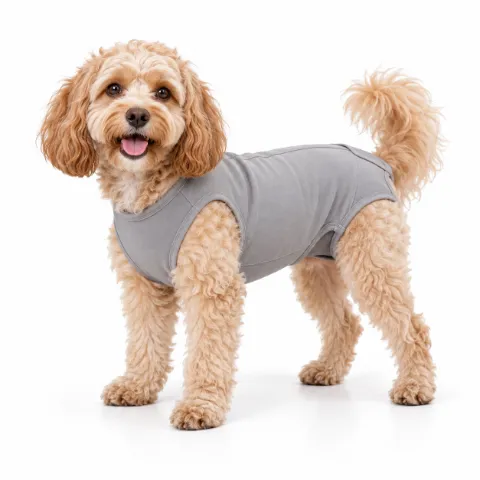
Kuoser Recovery Suit
Six sizes from XS to 2XL, with tapes you undo for toilet breaks
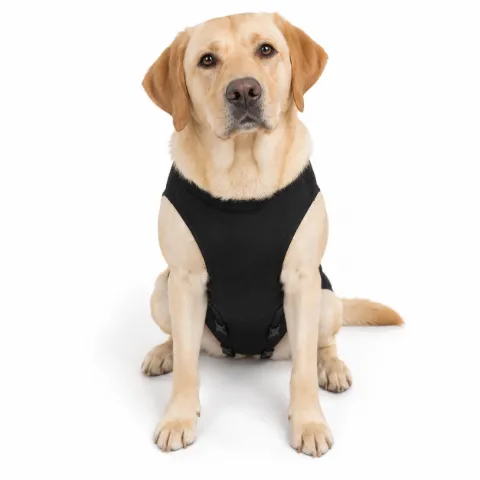
Suitical Recovery Suit
Clip-up system for toilet breaks, cotton and lycra, inner pocket
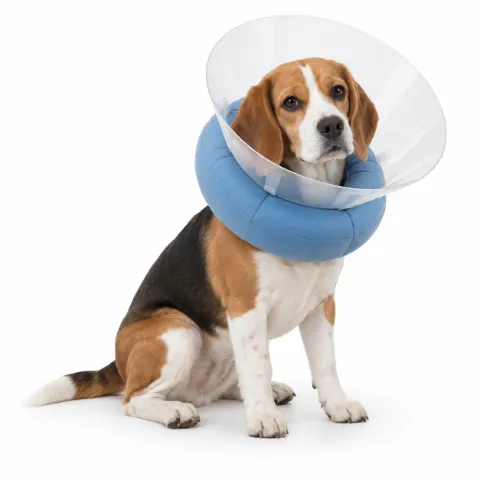
Inflatable cone with clear shield
A backup if your vet says a suit won't cover the wound.
Waterproof sherpa dog blanket
A soft, washable layer for the bed or couch while your dog rests.
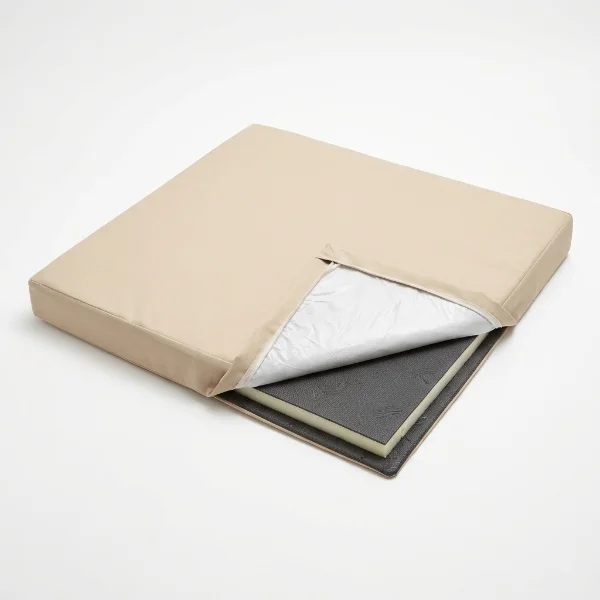
Waterproof dog bed
A bed that's easier to wipe clean if a bandaged or suited dog has an accident.
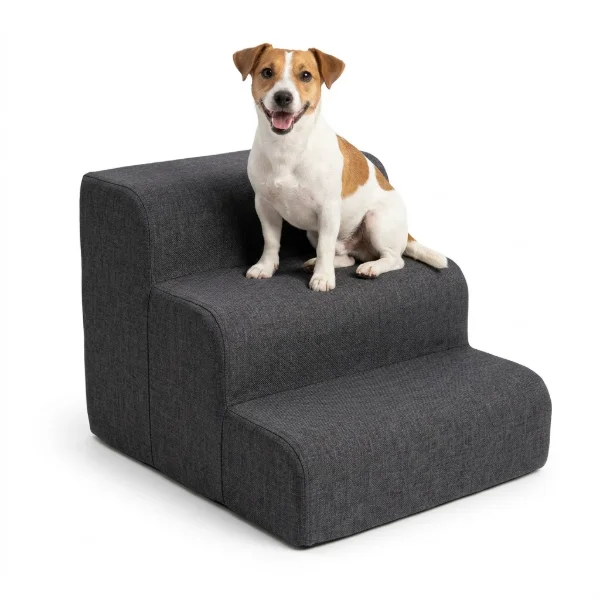
3-step foam dog stairs
If your vet wants less jumping, steps give your dog a gentler way up to the couch or bed.
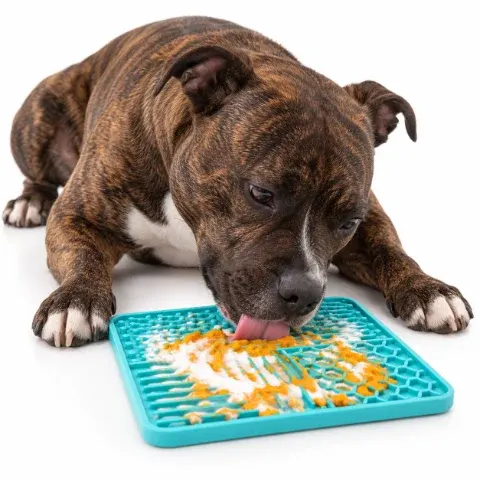
LickiMat Classic Buddy
A calm way to keep your dog occupied while you sit with them, if your vet is happy for them to lick it.
Plastic-free dog wipes
Handy for wiping paws and the coat after toilet breaks.
Pictures are illustrations, not the actual products.
Both are tools to stop licking and chewing. Neither treats a wound, a skin problem or the itch behind it.
What is a dog recovery suit and when does it work?
A recovery suit is a close-fitting garment, a bit like a baby onesie, that covers a dog's body so they can't reach a wound or stitches. VCA Animal Hospitals lists it as one alternative to the Elizabethan collar, with a flap that opens so your dog can toilet on walks (VCA Animal Hospitals).
A suit works best when the wound sits on the belly, chest or back, such as a desexing incision. Dr Debra Eldredge, a vet writing for Whole Dog Journal (updated 23 April 2026), says the suit covers the incision and stops your dog licking or chewing it (Whole Dog Journal).
It won't help much when the sore spot is:
- on a leg, paw, face, ear or tail, which a body suit doesn't cover
- a skin patch your dog scratches rather than licks, where a vet needs to find the cause
- somewhere the suit rubs, such as the armpit or groin
Ask your vet before you buy. Some surgeries need a specific device, and your vet knows where your dog's wound is.
Is a recovery suit better than a cone?
Not always, but many owners find the alternatives easier on their dog. Whole Dog Journal cites a 2020 University of Sydney study in the journal Animals in which over 77% of participants reported a poorer quality of life for their pet while it wore the Elizabethan collar. Comfort isn't the only test, though: the device has to stop your dog reaching the wound.
| Recovery suit | Cone (hard or soft) | Inflatable collar | |
|---|---|---|---|
| Covers | Body, belly and back | Stops the head reaching the body | Stops the head turning towards the body |
| Wound on legs, paws or tail | Usually not covered | Depends on the dog and cone length | A long-nosed dog may still reach |
| Eating and bumping into things | Normal | Can be awkward | Usually easier than a hard cone |
| Toilet breaks | Needs an opening or clip-up flap | Nothing to remove | Nothing to remove |
| Washing | Needs washing, so a spare helps | Wipe clean | Wipe clean |
Your vet may also suggest combining devices for some dogs. See our guide to the best dog cones and cone alternatives for the other side of this comparison.
Our picks in detail
1. Kuoser Recovery Suit: best overall
A body suit for dogs and cats in sizes from XS to 2XL, with a size chart on the listing. The listing describes soft, breathable, elastic fabric that fastens with tapes, which you undo for toilet breaks and secure again, and says it's machine-washable and made to protect abdominal wounds. It says to measure your dog and size up if they're at the higher end of a size, which is worth following.
- Pros: six sizes; tapes undo for toilet breaks; machine-washable
- Cons: the listing's own advice to size up shows fit takes care; covers the body only, not legs, paws, face or tail; as with any suit, your dog may still be able to reach a wound near the edge
- Best for: dogs recovering from a belly or chest wound, such as a desexing incision, whose vet agrees to a suit
- Skip it if: the wound is on a leg, paw or tail, or your dog sits between two sizes and you can't easily measure
2. Suitical Recovery Suit: best premium
A cotton and lycra suit with a clip-up system, so your dog can toilet without the suit coming off. The listing also describes an inner pocket that can hold ice packs or pads, but ask your vet before using ice on a fresh wound.
- Pros: clip-up system for toilet breaks; cotton and lycra fabric; inner pocket; made for dogs
- Cons: premium price; imported, so check the delivery details on Amazon before you order; check the listing's size chart carefully, because you can't try it on before it ships
- Best for: owners who want easy toilet breaks and a soft fabric, and are happy to wait for an import
- Skip it if: you need a suit quickly
How do I measure my dog for a recovery suit?
Measure your dog with a soft tape before you order, then check the size chart on the listing. Most charts use the chest at its widest point and the length from the base of the neck to the base of the tail, so write both down. Always go by the chart, not by the dog's weight alone.
Tips:
- Stand your dog up and keep the tape snug, but not tight. Two fingers should slide under it.
- Check the wound spot. The suit's edges should sit past the incision, not on it.
- Size up if you're at the top of a range. The Kuoser listing says to measure and size up if your dog falls at the top of a size.
- Ask the clinic. Vet nurses fit cones and suits every day, so take the suit to your dog's next visit and ask them to check it.
VCA warns that wraps shouldn't be too tight, because wounds need oxygen to heal and a wrap should fit loosely enough to allow circulation (VCA Animal Hospitals). If the suit leaves marks on the skin, it's too small.
How do dogs go to the toilet in a recovery suit?
Most suits have a flap, clips or tapes that let your dog pee and poo without taking the suit off. Whole Dog Journal says the best suits have snaps near the genital area and anus for this reason (Whole Dog Journal).
Keep things clean:
- Take your dog out on a lead, so they can't run or jump.
- Wipe the edges of the opening if they get wet or dirty.
- Change the suit if it's soiled. A second suit means one can be washed and dried while your dog wears the other, as VCA and Whole Dog Journal both suggest.
How long should my dog wear a recovery suit?
Your vet sets the time, because it depends on the surgery and how the wound heals. As a rough idea, Seattle Animal Shelter's desexing instructions say to keep the cone on for 7 to 10 days, especially when the dog is unsupervised, but that varies between clinics and dogs, so follow your own vet's instructions (Seattle Animal Shelter).
Don't take the suit off early because the wound looks fine. Whole Dog Journal also says you can't leave a dog unattended after surgery and just keep an eye on them. Ask your vet when it's safe to leave your dog alone in the suit.
How do I check the wound under a recovery suit?
Take a quick look at the wound at least once a day, with the suit off or the flap open. Seattle Animal Shelter's advice is to look at the incision daily: mild redness and swelling can be normal, but drainage, discharge or very large swelling should go to the clinic (Seattle Animal Shelter).
Check at the same time each day, in good light. Also look for:
- skin under the suit that looks red, sore or rubbed
- a smell from the suit or the wound
- a dog who keeps nibbling at the edges of the suit
The same shelter advice is to keep the incision dry and clean, with no baths or swimming, for 14 days after desexing. Your vet's advice comes first. If you need to keep your dog calm and occupied, a lick mat used while you're with them can help, as long as your vet is happy for them to lick it.
Can a dog wear a recovery suit in hot weather?
Yes, but watch the heat. A snug suit adds a layer, so check the fit is never tight (see how to measure above). Choose a light, breathable fabric, keep your dog in a cool, shaded room, and give them water.
RSPCA Australia lists heavy panting, drooling, restlessness, very red or pale gums and weakness as signs of heat stress. It says to wet the fur with tepid or cool water, fan your dog and get to a vet quickly, and not to use ice or ice-cold water (RSPCA Australia, 20 January 2021). If your dog shows these signs in a suit, take it off while you cool them down.
Dog recovery suits compared
Details from each Amazon Australia listing, checked on 20 Oct 2026.
| Suit | Made for | Sizing | Toilet access |
|---|---|---|---|
| Kuoser Recovery Suit | Dogs and cats | XS to 2XL, with a size chart; measure and size up if at the top of a range | Undo the tapes |
| Suitical Recovery Suit | Dogs | Several sizes, check the listing's chart | Clip-up system |
How we chose
We searched Amazon Australia for dog recovery suits, then shortlisted suits that met all of these checks:
- Well rated: a strong average rating with plenty of buyer reviews.
- No red flags: no pattern of poor reviews, safety complaints or listing problems.
- Available on Amazon Australia when we checked.
- A clear size chart or sizing advice on the listing.
- Easy toilet breaks: tapes or clips you can undo, so the suit doesn't have to come all the way off.
These are researched picks, not products we've personally tested. We compared the specifications and features shown on each Amazon Australia listing, checked on 20 Oct 2026. We didn't accept payment from any brand, and no brand saw this page before it was published.
Left out this time: a surgical suit that didn't pass our red flags check.
What can a recovery suit not do?
A suit is a barrier, not a treatment. It can't tell you why your dog is licking, it doesn't treat a skin infection, and it doesn't replace the vet's advice. If your dog is licking or scratching without a surgery, the cause could be fleas, allergies, infection or mites, so book a visit.
Our dog itchy skin guide explains the usual causes, and a vet may suggest a medicated shampoo once they know what's going on. For dogs who need extra skin support, ask your vet before trying fish oil.
When to see your vet
Ask your vet first whether a recovery suit suits your dog's wound, and which size to buy. Some wounds need a cone or a specific device.
Call your vet if the wound is red, hot, swollen or oozing, smells, or has opened, or if your dog has rubbing, sores or a rash under the suit. Also call if your dog won't eat or drink, seems in pain, or keeps chewing at the suit. Heavy panting, drooling or weakness in hot weather needs a vet quickly. If you're not sure why your dog is itchy, our tick check guide is a good place to start.
Frequently asked questions
Is a recovery suit better than a cone?
It can be, if the wound is on the body and the suit fits. Many dogs find a suit more comfortable, but a suit doesn't cover legs, paws or tails. Your vet can tell you which suits your dog. The comparison table above shows the differences.
Can a dog wear a recovery suit after desexing?
Often yes. A female dog's incision is on the belly, which a suit covers well. A male dog's incision sits further back, so ask your vet whether the suit covers it or a cone is safer. Have the clinic check the fit, and look at the incision every day for redness, swelling or discharge.
How tight should a recovery suit be?
Snug, but not tight. You should be able to slide two fingers under the edge, and the suit shouldn't leave marks or press on the wound. VCA says wraps that are too tight can restrict circulation, and wounds need oxygen to heal (VCA Animal Hospitals).
Can dogs pee in a recovery suit?
Yes, if the suit has an opening, tapes or clips you can undo. Both suits here do, the Kuoser with tapes you undo for toilet breaks and the Suitical with a clip-up system. Take your dog out on a lead and wipe the edges afterwards. See the section on toilet breaks above.
Can my dog sleep in a recovery suit?
Ask your vet, because many dogs need protection while unsupervised, including overnight. If the suit stays on, check it isn't tight, keep the room cool, and change it if it gets damp or soiled. A spare suit helps. Check the suit and the wound first thing in the morning.
How do I wash a recovery suit?
Follow the care label or listing instructions. The Kuoser listing says it's machine-washable. Wash a soiled suit promptly and let it dry fully before it goes back on, which is easier with two suits. Avoid fabric softener and strong perfumes near a healing wound unless your vet is happy with them.
How long does a dog need to wear a recovery suit?
Your vet decides, based on the surgery and how the wound heals. It can be days to a couple of weeks. Don't stop early because the wound looks good, and don't change devices without asking. The Seattle shelter's desexing advice talks about 7 to 10 days of protection, but your vet's plan comes first.
Related guides
- Hot spots on dogs
- Best cat recovery suits
- Dog itchy skin: causes, relief and when to see a vet
- Best dog cones and cone alternatives
- Cherry eye in dogs
- Best medicated dog shampoo
- Best fish oil for dogs
- Best lick mats for dogs
Sources
- VCA Animal Hospitals: Alternatives to the Elizabethan collar (no publication date shown)
- Whole Dog Journal: Dog cone alternatives for post op, Dr Debra M. Eldredge, published 27 April 2023, updated 23 April 2026
- Seattle Animal Shelter: Post-surgery instructions (no date shown)
- RSPCA Australia: Keeping your pet safe during heat (20 January 2021)
- Product details from each linked Amazon Australia listing, checked on 20 Oct 2026.
This guide provides general information and isn't a substitute for veterinary advice. If you're concerned about your dog's wound or recovery, speak with your vet.