
Quick answer: Is your dog bored? Boredom can show up as chewing, digging, barking, attention-seeking or restlessness, often when a dog doesn't have enough to do. Separation-related anxiety is more closely linked to distress that happens when your dog is left alone, or when they see signs you're about to leave. So look at the context: when it happens, and what happens just before. The two can overlap, and some dogs have both. If the behaviour is sudden, severe or comes with physical symptoms, or your dog seems very distressed, talk to your vet or a qualified behaviour professional.
Your dog can't tell you they're bored, but their behaviour often gives you clues. If you've come home to a shredded cushion, it's natural to wonder whether your dog is bored, upset or just being cheeky. The answer changes what helps, so it's worth looking a little closer.
Quick picks
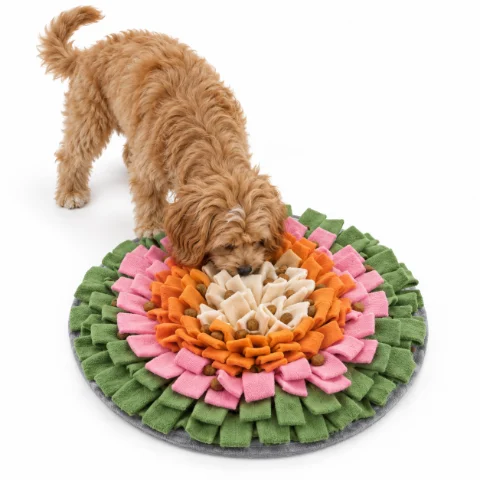
SCHITEC Snuffle Mat
A sniffing game for small to medium dogs; supervise and pick it up afterwards.
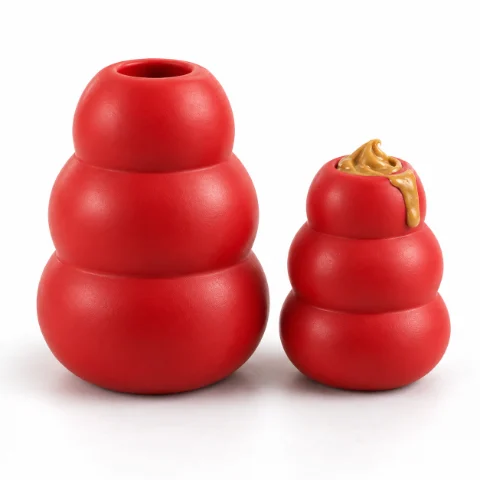
KONG Classic (pick the size for your dog)
Stuff with food and freeze to keep a dog busy longer; supervise at first.
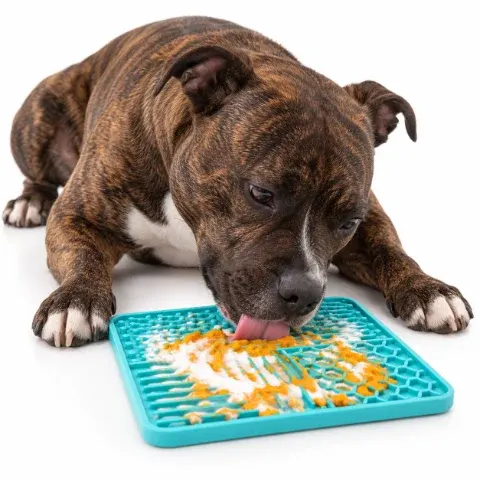
LickiMat Classic Buddy
A slow, calm way to eat while you're nearby; pick it up afterwards.
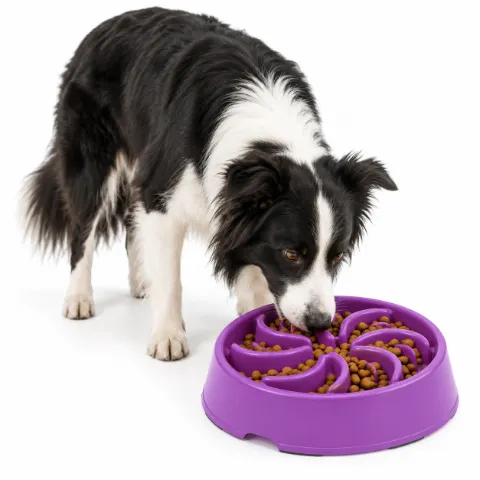
Outward Hound Fun Feeder Slo Bowl
Makes a dog work for part of a meal.
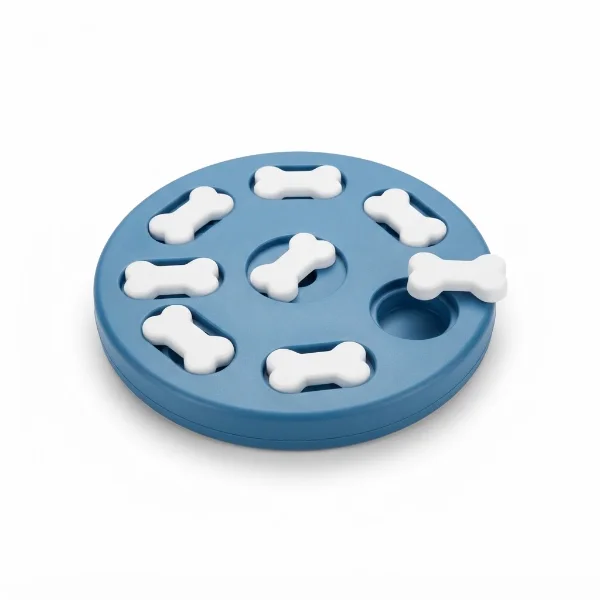
Nina Ottosson Dog Smart (level 1)
A starter food puzzle; start easy, then make it harder if your dog enjoys it.
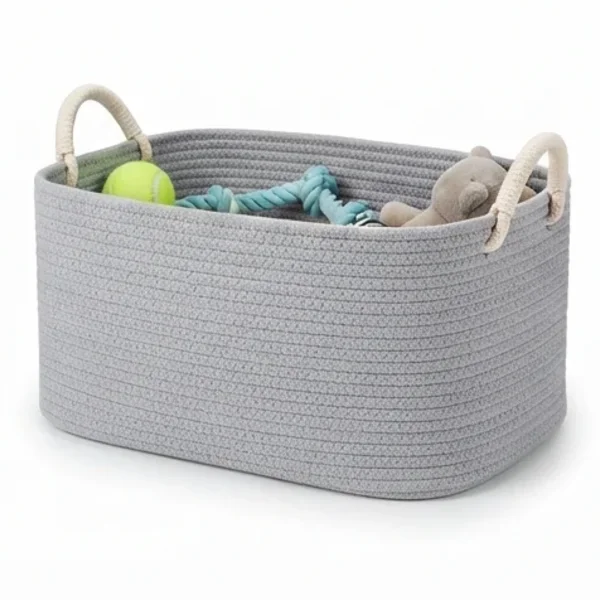
Tidelit large woven cotton rope toy basket, grey
A toy box makes swapping 3 or 4 toys every few days easy.
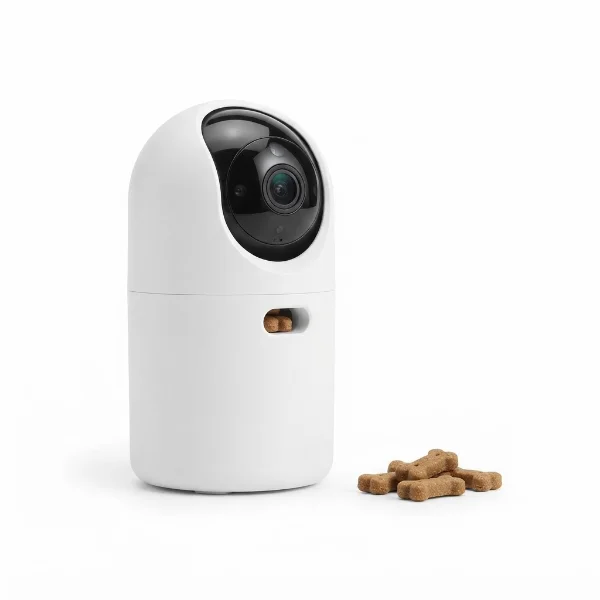
Furbo 360 dog camera
Filming the first part of an absence shows how your dog copes.
LickiMat Classic Buddy
A slow, calm way to eat while you're nearby.
Outward Hound Fun Feeder Slo Bowl
Makes a dog work for part of a meal.
Tidelit large woven cotton rope toy basket, grey
A toy box makes swapping 3 or 4 toys every few days easy.
Furbo 360 dog camera
Filming the first part of an absence shows how your dog copes.
Pictures are illustrations, not the actual products.
More detail on the snuffle mat and KONG is in Boredom busters: toys and games for a bored dog below. These support enrichment; they are not treatments for separation anxiety.
How can I tell if my dog is bored?
Look for a pattern rather than one behaviour: chewing, digging, barking, following you around or pacing that happens when the day has been quiet, and eases after a sniffy walk or a brain game. A dog who seems understimulated often perks up as soon as there's something to do. One sign alone proves nothing, and sudden changes deserve a vet check.
9 signs your dog may be bored
None of these proves boredom on its own. Many are normal dog behaviour, and most can have other causes. What matters is the pattern: how often it happens, when it happens, and whether it eases once your dog has had more to do.
- Chewing things they shouldn't: shoes, cushions, skirting boards. Chewing is also normal for puppies and teething dogs (see puppy teething toys). If chewing is the main problem, our guide to tough, tooth-safe toys can help. Our guide to stopping a dog chewing furniture and everything else works through the causes and fixes.
- Digging holes in the backyard. Some breeds love to dig, and some dogs dig to find a cool spot on hot days (see how to keep your dog cool in summer).
- Barking or whining at small noises, or for no clear reason. Dogs bark for lots of reasons, so look at what sets it off. If it only happens in storms, see our guide for a dog scared of storms or fireworks.
- Following you everywhere and nudging you for attention. This can be normal social behaviour, but constant pestering may mean your dog is looking for something to do.
- Restless pacing or trouble settling after a quiet day, when they'd normally be ready to relax. A short burst of evening zoomies is usually just fun, but a dog who can't seem to switch off may need more to do. Changes in sleep or activity can have many causes, including health problems, so mention big changes to your vet.
- Stealing things like socks or tea towels. This can be rewarding in itself, especially if it starts a chase.
- Raiding the bin or counter-surfing. Food is rewarding for every dog, so this is more telling if it happens alongside other signs.
- Losing interest in their toys. Dogs can get bored of the same toys every day, but losing interest in play can also be a sign your dog is unwell or in pain.
- Extra wound-up on walks, as if they've been saving up energy all day. This can also be excitement, or a lead-walking habit.
Some intelligent, social or high energy dogs need plenty of the right kind of mental and physical activity. Cavoodles are a good example. Greencross Vets notes that they need plenty of stimulation to prevent boredom, and that Cavoodles without enough exercise and enrichment are more likely to develop destructive habits like chewing furniture (Greencross Vets).
Bored or anxious? How to tell the difference
Boredom can happen whether you're home or away, and often eases after exercise, sniffing or a brain game. Separation-related anxiety is tied to being left alone or to departure cues like keys, and exercise alone usually doesn't stop it. The two can overlap, so filming the first 30 to 60 minutes of an absence can help.
Both can look like chewing and barking, so look at when and how it happens. This table shows what's more typical, not a test. Every dog is different, and timing varies.
| More consistent with boredom | More consistent with separation-related anxiety | |
|---|---|---|
| When it happens | Can happen whether you're home or away | Strongly linked to being left alone, or to departure cues like keys, shoes or a bag |
| What seems to drive it | Not enough to do, or too few chances to sniff, play and explore | Distress about being apart from you |
| Timing | Often builds when the day has been quiet | Often begins soon after you leave, sometimes even as you get ready, although timing varies between dogs |
| What you might see | Mischief, playful chewing, attention-seeking | Pacing, barking or howling, escape attempts, drooling, trembling, or toileting inside |
| Damage | Anything interesting: shoes, toys, cushions | Damage around doors and windows can be more suggestive of distress, especially if it only happens while your dog is alone |
| Settling | Usually settles once needs are met | May be unable to settle while alone |
| Food and toys | Often happy to work on a food toy or puzzle | Some anxious dogs are too distressed to eat or touch a food toy while alone |
| After activity | Often improves after a good walk, sniffing or a brain game | Exercise alone usually doesn't stop the distress |
A note on food toys: a dog who happily empties a KONG while you're out is probably coping well in that moment, but it doesn't rule out anxiety. The RSPCA suggests that if your dog enjoys a food toy when you're home but ignores it when you're away, that can be a sign they're worried (RSPCA UK).
RSPCA UK also notes that about half of dogs with separation-related behaviour won't show any obvious signs, so it can be easy for owners to miss (RSPCA UK). That's why seeing what happens while you're out is so useful.
The easiest way to learn more: film your dog. Set up your phone, or a simple pet camera, and record at least the first part of an absence, say 30 to 60 minutes, because separation-related behaviour often starts soon after you leave. Recording can reveal patterns you'd otherwise miss. You may see your dog settle, explore, play or sleep. Or you may see repeated pacing, whining, barking, scratching at exits or other signs of distress. A recording is also very helpful to show your vet or a behaviour professional.
When to see your vet
Behaviour changes can sometimes be caused or made worse by health problems, such as pain, tummy upsets or skin conditions. If a behaviour is sudden, severe or persistent, or comes with physical symptoms, it's worth getting advice rather than assuming boredom. Look out for:
- A sudden change in behaviour, especially in an adult or older dog
- Constant licking or chewing of their own paws, skin or tail
- Toileting inside when your dog is normally house-trained
- Not eating, vomiting, or any sign of pain
- Severe distress when left alone, such as howling, drooling, trembling or trying to escape
Most of the time there's a simple explanation, but ruling out health causes first means you're working on the right problem.
What to do if your dog seems bored
Try a few of these consistently, and watch how your dog responds over the following days and weeks. How much is enough, by age and breed, is in how much exercise a dog needs.
- Make walks sniffy. Give your dog time to sniff and explore, rather than turning every walk into a fast march. Sniffing gives mental stimulation and lets dogs investigate their world. The RSPCA encourages owners to give dogs the chance to sniff.
- Swap the bowl for a game. Serve part of a meal in a snuffle mat while you're home, or in a stuffed, frozen KONG. Use part of their normal food, not extra. Our frozen KONG and lick mat recipes have safe filling ideas.
- Rotate toys. Keep 3 or 4 out and swap them every few days. The RSPCA notes that dogs given the same toys day in, day out can get bored of them. A dog toy box makes the swap easy.
- Play a 5-minute training game most days. Try "find it", "spin" or "touch". For more ideas, see 12 rainy day games for dogs.
- Leave something good as you go. A stuffed KONG of the right size can make leaving feel more positive, once you've watched how your dog uses it at home (KONG advises supervision).
- Break up long days. A friend, neighbour or dog walker visiting at lunchtime can help a lot.
Every dog is different. A food puzzle that keeps one dog happily busy for 15 minutes may frustrate another. Start with something easy, then make it harder if your dog enjoys it.
For many more ideas, including hot days and puppies, see our complete guide to dog boredom and enrichment. If you work full-time, our workday plan for dogs home alone may help too. Barking and digging can have boredom behind them as well, so our guides to how to stop a dog barking and how to stop a dog digging cover what else to check.
What to do if your dog might be anxious
Separation-related anxiety needs a gentler, slower approach. More toys alone won't fix it.
- Keep leaving and arriving calm. Avoid big, emotional goodbyes, and greet your dog quietly when you get home. Stonnington Council suggests waiting until your dog is calm before giving them attention (City of Stonnington).
- Practise departure cues without leaving. Pick up your keys or put on your shoes, then sit back down, so these cues stop predicting that you're going. RSPCA Australia describes this kind of routine change (RSPCA Australia).
- Build up time alone very gradually, at a pace your dog can cope with, ideally with a plan from a professional. Avoid simply leaving your dog for longer and hoping they'll get used to it. The RSPCA advises against letting dogs "cry it out".
- Keep a healthy routine. Exercise and play before you leave can help your dog rest, but exercise on its own doesn't treat separation anxiety.
- Never punish. Telling your dog off for damage, barking or accidents after the fact doesn't teach them what to do instead, and it can add to their fear.
- Talk to your vet. They can check for health causes and may refer you to a behaviour professional who uses humane, reward based methods.
Boredom busters: toys and games for a bored dog
Most of the games above are free, but a few toys can make them easier. Food puzzles, slow feeder bowls and treat dispensing toys make a dog work for part of a meal. Lick mats give a calm, slow way to eat while you're nearby. Snuffle mats let a dog use their nose to find scattered food. Lick mats and snuffle mats are for supervised use, so pick them up afterwards.
These products can support enrichment for a bored dog. They are not treatments for separation anxiety. If you think your dog is anxious, start with the steps above and your vet, and read our guide to dog separation anxiety.
A snuffle mat turns breakfast into a sniffing game while you're home. Our top pick for small to medium dogs is the SCHITEC Snuffle Mat (the listing says it suits small and medium dogs). We compare four options in our best snuffle mats guide. For a calmer option, see our best lick mats.
The KONG Classic is a durable rubber toy you can stuff with food and freeze, which can keep a dog busy for longer than a bowl. Amazon may open the listing on the Small size, so choose the size for your dog's weight from the options on the listing, and supervise at first, as KONG advises. See more options in our best treat dispensing toys guide. Which one and what size: see our KONG dog toys guide.
These are researched picks, not products we've personally tested. We compare the specifications and features shown on each Amazon Australia listing. Availability and prices can change.
Frequently asked questions
Can dogs get bored?
Yes. Dogs are curious animals that like to use their nose and brain. Without enough to do, many find their own entertainment, like chewing or digging.
How can I tell if my dog is understimulated?
Look at the pattern. An understimulated dog may chew, dig, bark, pester you or pace when the day has been quiet, then settle after a sniffy walk, a food puzzle or a training game. If the behaviour doesn't ease with more to do, or it only happens when you're away, look at the other possible causes in this guide.
How can I mentally stimulate my dog?
Give your dog chances to sniff, solve and learn. Let them sniff on walks, serve part of a meal in a snuffle mat or food toy, hide treats for "find it", and teach a new trick in short sessions. Our dog enrichment ideas list has 15 easy options, most of them free.
How often should I play with my dog?
Most days, in short sessions that suit your dog's age and health. A few minutes of play or training here and there, on top of walks, is a good start. There's no set amount, so watch how your dog responds: a dog who settles well afterwards is usually getting about the right mix.
How do I know if my dog is bored or tired?
Look at what happens after activity. A tired dog will often settle and rest after a good walk or game. A bored dog may keep looking for something to do, even after resting. It's a clue, not a test, and if your dog seems tired all the time, check in with your vet.
Can a dog be bored and anxious at the same time?
Yes. The two aren't either-or, and some dogs have both. If your dog's distress mainly happens when you leave, get help for the anxiety first, with your vet, and add enrichment alongside it.
How long can I leave my dog alone?
There's no single number that suits every dog. It depends on their age, health, temperament and training, whether they can get to a toilet spot, and whether they have water, shade and something to do. Puppies, older dogs and anxious dogs usually cope with much less time alone. If your dog is alone for a full workday, a midday visit or dog walker can make a big difference. Going away for longer? See your dog care options compared.
Will a second dog fix boredom?
Not necessarily. A second dog is a big, long-term commitment, not a boredom cure. Some dogs enjoy company, but a second dog can also double the problems, and it won't fix separation anxiety, which is usually about being apart from you. Get your current dog's routine right first.
What's the quickest fix for a bored dog?
There isn't one guaranteed quick fix. A good starting point is a mix of suitable exercise, time to sniff, short training sessions and food-based enrichment. Then watch how your dog responds, and adjust.
Can dogs get bored of their food?
Some dogs do seem to lose interest in the same food, and a food puzzle or scatter feeding can make mealtimes more interesting. But a dog who suddenly stops eating, eats much less, or loses weight should see a vet, because appetite changes can be a sign of illness or dental pain. Change foods gradually, and only after ruling out a health cause.
Is my dog bored if they sleep all day?
Not necessarily. Adult dogs sleep a lot, and plenty of sleep is normal. Look at the rest of the picture: a dog who's bright and playful when they're awake, and settles well, is probably fine. A dog who sleeps all day and then chews, barks or paces may need more to do. Sudden changes in sleep are worth a vet check.
Do dogs get bored when I'm at work?
Some do, especially young, active or very social dogs. Most adult dogs rest for much of the day, so the aim is a routine that helps them settle: exercise before you leave, something safe to do, and a midday visit on long days. See how to keep your dog busy while you're at work.
Sources
- RSPCA UK: Separation-related behaviour in dogs
- RSPCA Australia: Is your dog anxious when you're not at home?
- RSPCA Australia: The importance of enrichment for dogs
- Greencross Vets: Cavoodle owner's guide
- City of Stonnington: Separation anxiety
This guide provides general information and isn't a substitute for veterinary advice. If you're concerned about your dog's behaviour, health or safety, speak with your vet.