Quick answer: To stop a dog digging, work out why they dig first, because digging is normal behaviour. Meet their exercise, company and shade needs, give them a sand dig pit with toys buried in it, and praise them for using it. Never punish digging, and fix the fence line if they're escaping.
Digging is something dogs do, not a sign of a bad dog. The goal is to meet the need behind it and point it at a spot you're happy with. This guide helps you read the holes, set up a dig pit, deal with fence-line digging and avoid the garden hazards that matter. Dogs that bark at the fence often dig there too, so our barking guide is worth a look as well.
Quick picks
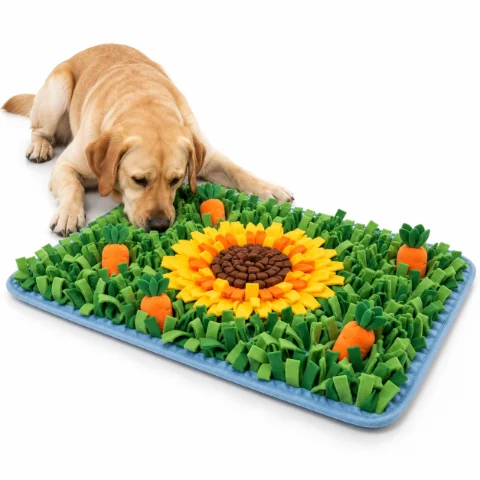
ZMUBB Large Snuffle Mat
A polar fleece sniffing job for big, busy diggers; check the size on the listing.
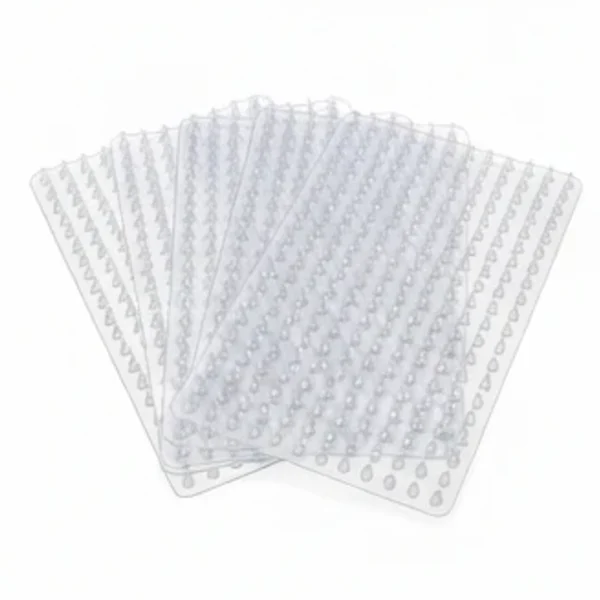
Petfolio Extra Large Cat Scat Mat, grey
Plastic spike mats for one bed only, never over the dig pit; always pair with a dig pit.
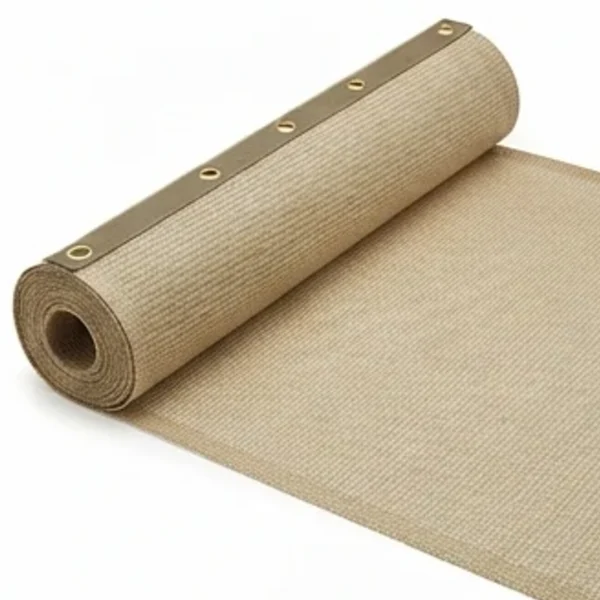
Sunnyglade Privacy Screen, 6 x 50 ft (sand)
Blocks sight through the fence, which helps with fence-line frustration.
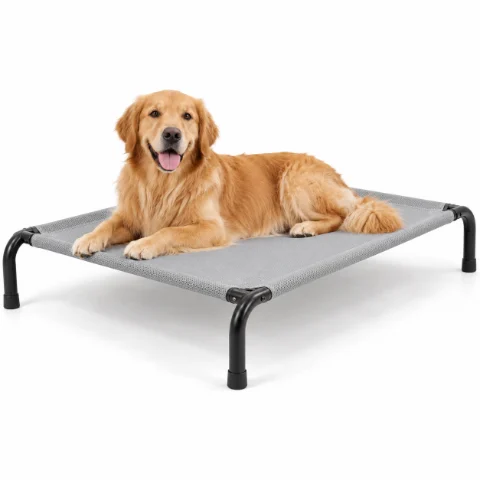
Amazon Basics Cooling Elevated Dog Bed
Gives a hot dog somewhere cool to rest instead of digging for cool soil.
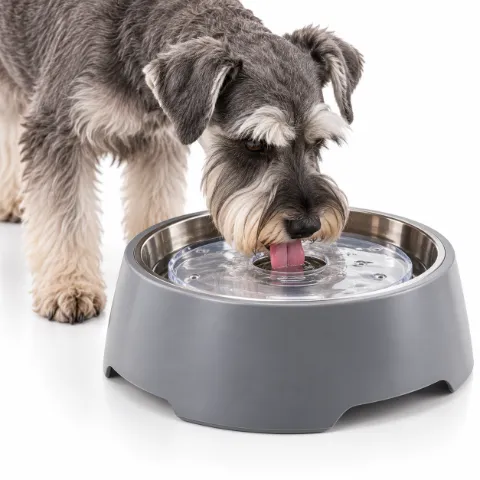
Decflow 3 L No-Spill Dog Water Bowl
Fresh water is part of covering your dog's basic needs outside.
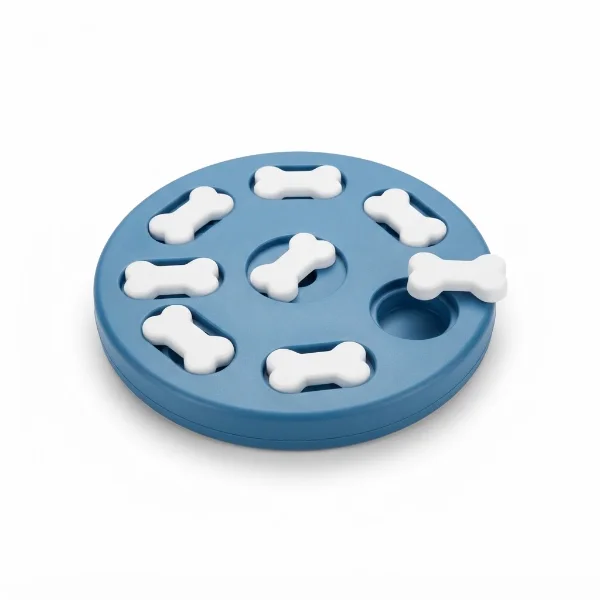
Nina Ottosson Dog Smart (level 1)
Problem-solving uses up energy that might otherwise go into the garden.
Sunnyglade Privacy Screen, 6 x 50 ft (sand)
Blocks sight through the fence, which helps when digging is frustration at what's on the other side.
Amazon Basics Cooling Elevated Dog Bed
A cool place to rest for a dog that digs to cool off.
Decflow 3 L No-Spill Dog Water Bowl
Fresh water is part of covering your dog's basic needs outside.
Nina Ottosson Dog Smart (level 1)
Problem-solving uses up energy that might otherwise go into the garden.
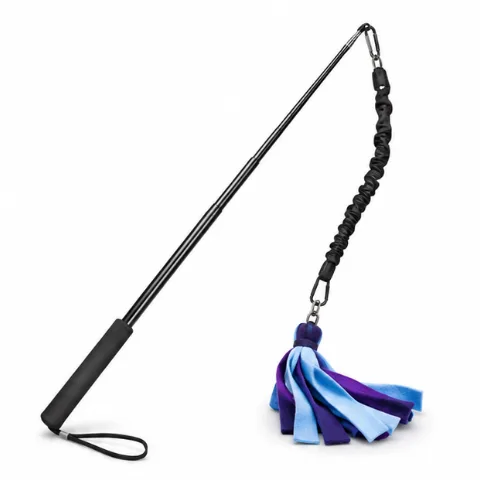
DIBBATU Flirt Pole for Dogs
A chase-and-grab game that burns off energy in a short session, for dogs that dig from boredom.
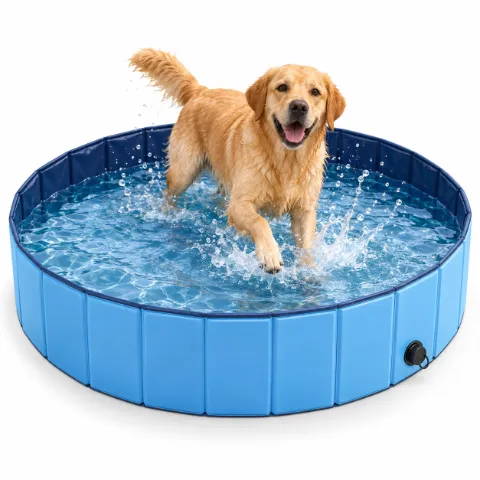
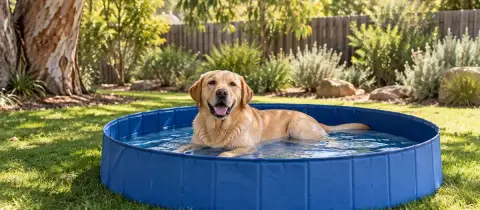
Jasonwell Foldable Dog Pool (Large, 122 cm)
A shallow pool in the shade, for a dog that digs to cool off.
Pictures are illustrations, not the actual products.
More detail on the mats is in Useful gear for diggers below. Gear is a support; the dig pit, shade, exercise and company do the real work.
Why do dogs dig?
Dogs dig for several reasons: boredom, frustration, loneliness, anxiety or pent-up energy, cooling off or sheltering, trying to escape, or following a scent. RSPCA Australia says digging is normal dog behaviour, and the first step is to work out why your dog is doing it (RSPCA Australia Knowledgebase, updated 8 February 2023, page read 21 November 2026).
The RSPCA lists a few patterns that make digging more likely:
- Long stretches alone in a dull yard, without company, mental stimulation or exercise.
- Heat or weather. A dog may lie in cool dirt on a hot day, or dig for shelter.
- Escape. Digging along a fence line can be an attempt to get out.
- Scent. Compost and blood and bone fertiliser can draw a dog in.
Any dog can dig, whatever the breed, so look at your own dog and the context. If you're not sure whether boredom is the cause, our is my dog bored guide lists the signs and how to tell them apart from anxiety.
How do I read what the hole is telling me?
Where and how your dog digs points to the likely reason. A shallow scrape in the shade is more consistent with cooling, a trench along the fence with escape, and holes while you're out with boredom or anxiety. These are patterns, not diagnoses, so note when, where and what was happening.
| What you see | More consistent with | What to try first |
|---|---|---|
| Shallow scrape in the shade, or under a tree or the house | Cooling off or seeking shelter | More shade and fresh water, a cool spot to lie. See our summer cooling guide |
| Trench along the fence or at the gate | Escape, or frustration at what's on the other side | Block the view, fix the base of the fence, more exercise. See the fence section below |
| Holes in garden beds, near compost, or in a line | Scent, small animals, or fertiliser | Fence off or avoid fertilised areas, store fertiliser away, offer a dig pit |
| Holes appearing while you're out | Boredom, loneliness or anxiety | More exercise and enrichment before you leave. See keeping a dog busy at work |
| Digging with pacing, drooling or panic at doors | Distress when left alone, which may be separation-related | See our separation anxiety guide and talk to your vet |
| Burying toys or chews, then guarding the spot | Storing | Offer a dig pit and swap the toy rotation |
How do I stop my dog digging?
Meet the need first, then offer a better place to dig. The RSPCA suggests making sure your dog gets enough exercise, company and mental stimulation, has shelter, water and a comfy spot, and has an approved digging area with safe items buried in it. Praise digging there, and never punish.
In practice, that looks like this:
- Check the basics. How long is your dog alone outside? Is there shade, water and somewhere comfortable to rest? Our guide to how much exercise a dog needs helps you check you're in the right range.
- Add jobs for the brain. Sniffing and problem-solving use up energy that might otherwise go into the garden. Our dog enrichment ideas and puzzle toy guide are good places to start. A dog who chews as well as digs may benefit from our chewing guide.
- Limit access to the spots you want to protect. The RSPCA says to keep your dog away from areas where scented fertilisers are used. A temporary barrier around a veggie patch is a simple fix.
- Offer a dig pit and make it the most interesting spot in the yard (next section).
- Ask for help if it persists. The RSPCA says ongoing digging may point to an underlying issue and suggests a veterinary behaviour specialist.
Results vary from dog to dog, and some dogs need more time and a steady routine before the habit settles.
How do I set up a dig pit?
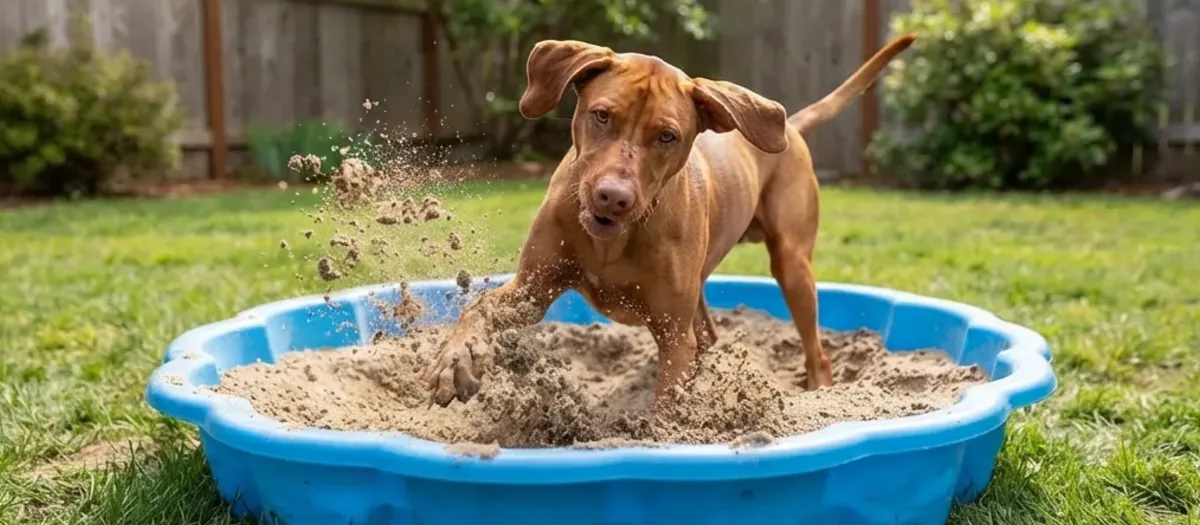
A dig pit is a dedicated spot where digging is allowed and rewarded. Build a box or shallow frame, fill it with clean play sand, put it in the shade, and bury toys or chews just under the surface. Praise your dog when they dig there. The RSPCA calls this an approved digging area.
The sizes below are our suggestions, not a standard. Make it big enough for your dog to turn around in, and deep enough that they can dig without reaching the base.
| Dog size | Suggested pit footprint (our suggestion) |
|---|---|
| Small | about 60 x 60 cm |
| Medium | about 90 x 90 cm |
| Large | about 120 x 120 cm |
A few set-up tips:
- Container. A rigid plastic shell pool or a timber sandpit frame both work. Our dog pool guide has a section on hard plastic pools from hardware stores, which can double as a dig zone when you fill them with sand instead of water.
- Sand. Choose clean play sand, and keep it damp enough to hold a hole but not soggy.
- Shade. A hot pit won't get used, and a hot dog needs somewhere cool to rest.
- Seed it. Bury a few safe toys or chews that your dog can't swallow whole, leave a corner showing, and let them find the rest. Supervise at first.
- Redirect, don't scold. If your dog starts digging elsewhere, calmly lead them to the pit and reward them there.
- Cover it when it's not in use if neighbourhood cats visit. Our cat repellent guide has humane deterrents for cat visitors.
How do I stop my dog digging under the fence?
Fence-line digging is usually escape or frustration, so you need to block the view and make the base harder to dig. Common fixes are a buried mesh footer or an L-shaped mesh apron along the base, plus a screen so your dog can't see what's on the other side. Work on exercise too.
| Cause | Fix | Our guide |
|---|---|---|
| Watching people, dogs or traffic through the fence | Block the view with a fence privacy screen, and move your dog's lounging spots away from the boundary | Fence privacy screens for dogs |
| Trying to reach something on the other side | Add a base barrier, such as a buried mesh footer or an L-shaped apron along the bottom of the fence | Dog fence fixes |
| Barking and running the fence line | Limit time in the yard unsupervised, reward calm, add enrichment | How to stop a dog barking |
| Wants to get out and meet people | More walks and social time, and a secure area to play | Exercise needs |
A footer or apron should be fully buried or fixed so there are no sharp edges or gaps where a paw or collar could catch. Check the fence is sound before adding anything, and talk to your neighbour first if it's a shared boundary. A screen blocks sight only, not sound or smell, and neither a screen nor a footer replaces exercise or company.
If your dog keeps getting out or you can't find a fix, treat it as a safety issue. A dog that escapes can be injured, lost or hit by a car. Our dog fence guide covers pens and fence fixes in more detail.
What should I never do about digging?
Never punish your dog, including after the fact. The RSPCA says punishing or stopping a dog without understanding why it digs can harm its welfare and create further problems. Skip home tricks too: filling holes with dog poo or chilli can upset your dog and does nothing about the reason they dig.
Here's the short list of what to avoid, and why:
- Punishment of any kind. A dog can't connect a telling-off with a hole they dug hours ago, and fear can make some behaviours worse.
- Poo or chilli in holes. It's unpleasant, can upset your dog's stomach or irritate their eyes and nose, and doesn't address boredom, heat or escape.
- Leaving your dog outside all day with nothing to do. That's the situation the RSPCA names as a common cause.
- Ignoring heat. A dog digging a cool hole is telling you they need more shade and water.
- Using garden chemicals where your dog can reach. See the next section.
Are snail bait and fertiliser a risk for diggers?
Yes. A dog digging in a garden can find snail bait, blood and bone, and compost, and some are dangerous if eaten. Don't put snail bait where your dog can reach, and store fertiliser away. If your dog may have eaten any, call your vet or the Animal Poisons Helpline (1300 869 738, 24/7) straight away, even if your dog seems well.
VetVoice, an Australian vet-run source, says iron EDTA snail baits that are marketed as "pet-friendly" can still be dangerous if a pet eats large amounts (VetVoice, 14 January 2020, page read 21 November 2026). It lists drooling, panting and anxiety, muscle tremors and restlessness, a rapid heart rate, vomiting and diarrhoea, and seizures as signs. It advises getting veterinary advice immediately if your dog has eaten snail bait or you suspect it, and bringing the packaging if you can.
So don't treat any garden chemical as dog-safe. If you suspect your dog has eaten snail bait, fertiliser, blood and bone or compost, don't wait for signs, and don't try to make your dog vomit at home. Call for advice. Compost can also hold food scraps that are toxic to dogs; our toxic foods list covers them.
Useful gear for diggers
Gear is a support, never the fix. The dig pit, shade, exercise and company do the real work. These two products help in particular situations.
- ZMUBB Large Snuffle Mat: a nose-work job for big, busy diggers on wet days or before you head out. The listing's details give the size as about 102 x 70 cm, but its title says 31 x 19 inches (about 79 x 48 cm), so check the size on the listing before you order. It's made of polar fleece. Use it supervised, and see our snuffle mat guide for sizes and how to use one.
- Petfolio Extra Large Cat Scat Mat, grey: a pack of 10 plastic spike mats, each about 42 x 34 cm with 2.5 cm spikes, that you can connect or cut to size. The listing says they can be used as a dog digging deterrent, and describes the plastic as non-toxic and the spikes as not intended to hurt pets. Lay them over one garden bed you want to protect, never over the dig pit, never where your dog needs to walk or rest, and stop if your dog seems bothered. Always pair them with a dig pit. See our cat repellent guide for the full details.
Pet shops and vet clinics also stock enrichment toys, and hardware and garden centres sell sand, mesh and timber for a dig pit.
When to see a vet
Call your vet or the Animal Poisons Helpline (1300 869 738, 24/7) now if your dog may have eaten snail bait, fertiliser, blood and bone or compost, even if they seem fine, or shows any of these:
- Drooling, panting, tremors, restlessness or a racing heart
- Vomiting or diarrhoea, or seeming flat or unwell
Book a vet visit for:
- Digging with destruction, escape attempts or distress when your dog is alone
- Sudden new digging, or digging that comes with other changes in behaviour
- Paws that are bleeding, raw or worn from digging
Don't try to make your dog vomit. A vet can work out what's going on and, if needed, refer you to a veterinary behaviourist. For summer heat, see our guide to keeping your dog cool, and for separation-related digging, our separation anxiety guide.
Frequently asked questions
Why does my dog dig more in summer?
Hot dogs often dig to reach cooler soil and lie in it. The RSPCA lists heat and seeking shelter as a cause. If your dog digs shallow scrapes in the shade, give them more shade, fresh water and a cool place to rest, and check for signs of overheating on hot days.
Should I fill my dog's holes with poo to stop them digging?
No. It's an old tip with no good source behind it, and it can upset your dog's stomach and spread germs through your garden. It also ignores the reason they dig. Fill holes with soil, offer a dig pit, and meet the need behind the digging.
What sand should I use in a dig pit?
Clean play sand is the usual choice, as it's soft on paws and holds a hole when slightly damp. Avoid sand with sharp bits, and don't use builder's mixes with cement or additives. Check it regularly and top it up. If your dog starts eating the sand, stop using the pit and talk to your vet, as swallowed sand can cause a blockage.
Why does my dog dig at the carpet or their bed?
Indoors, scratching at a bed or carpet may be nesting, settling, cooling or boredom, and the patterns are similar to outdoor digging. Look at when it happens and whether it's tied to rest, heat or being left. Our chewing and bed guide covers bed-related habits.
Will my dog grow out of digging?
Maybe, but there's no guarantee. Some dogs dig less as they mature, others keep digging because it's rewarding or tied to a need that isn't being met. Meeting exercise, company and shade needs and offering a dig pit gives you the best chance. Results vary, so watch how your dog responds.
Why does my dog dig at night?
Night digging can be the same set of causes as daytime digging, such as boredom, a scent, cool soil or noises that excite them. Look at what's happening in the garden after dark, and whether your dog has had enough exercise. If it's new or comes with distress, ask your vet.
Do spike mats hurt dogs?
The listing for the mat we mention says the spikes aren't intended to hurt pets, but that's the maker's claim. Use mats only on a small area you want protected, keep them away from where your dog needs to walk or rest, and stop if your dog seems bothered. A dig pit should always come first.
Related guides
- How to stop a dog barking
- Dog fences and fence fixes
- Fence privacy screens for dogs
- Best dog pools
- Best snuffle mats
- Cat repellents
- Dog enrichment ideas
- Is my dog bored?
- Dog separation anxiety
- How to keep your dog cool in summer
- How to stop a dog chewing
Sources
- RSPCA Australia Knowledgebase, My dog is digging up the garden, what should I do? (updated 8 February 2023, page read 21 November 2026)
- VetVoice, Snail bait poisoning and pets: what to do (14 January 2020, page read 21 November 2026)
This guide provides general information and isn't a substitute for veterinary advice. If you're concerned about your dog's digging, speak with your vet.