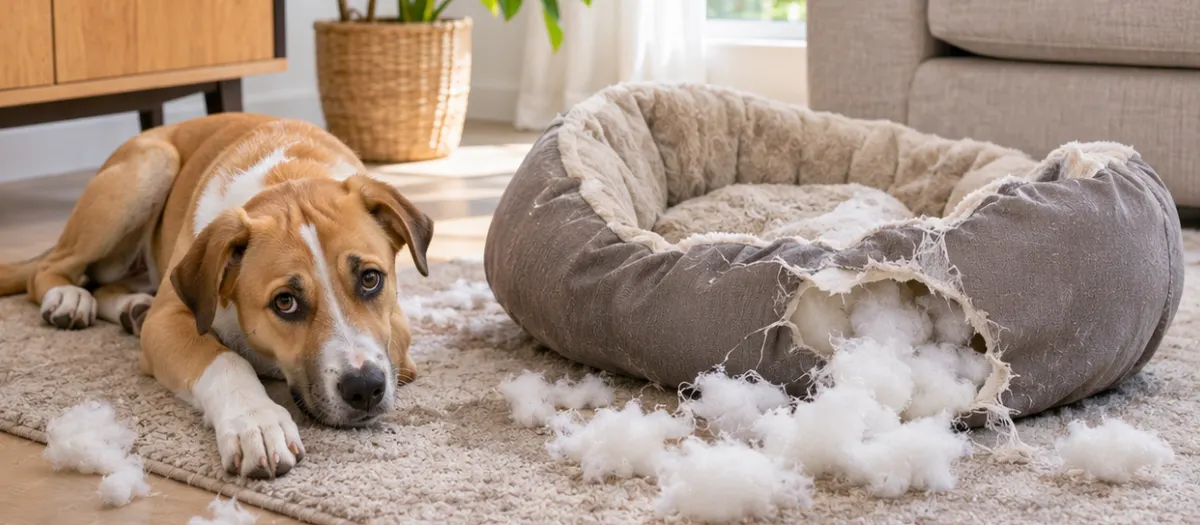
Quick answer: Why does my dog chew their bed? Usually it's exploring, play or teething (about 3 to 6 months) in a dog with little else to do, or digging and nesting. Chewing that only happens when you're out, or after a fright, is more consistent with anxiety, so ask your vet or a behaviourist rather than buying a tougher bed.
Waking up to a shredded bed and a lounge room full of stuffing is frustrating, and it can be costly. This guide helps you work out which kind of chewing you're dealing with, what to change, and what to do with the bed in the meantime. For chewing on furniture, shoes and everything else, see our general guide on how to stop a dog chewing.
Quick picks
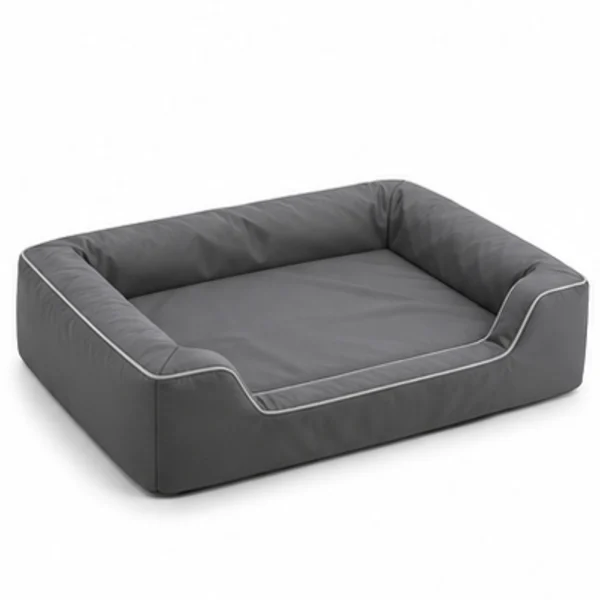
Sunheir orthopaedic dog mattress
Flat, with a removable waterproof cover and no loose rim stuffing. Supervise.
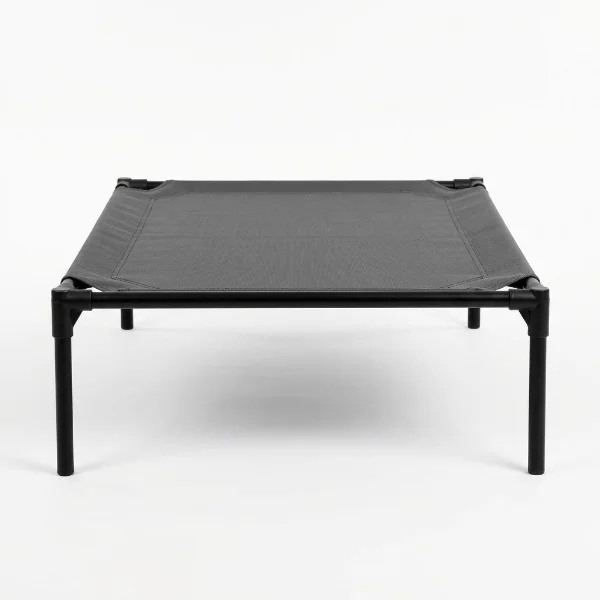
DOPEDIO raised dog cot for medium dogs
A raised cot has replaceable fabric and air flow underneath. Dogs can still chew it.
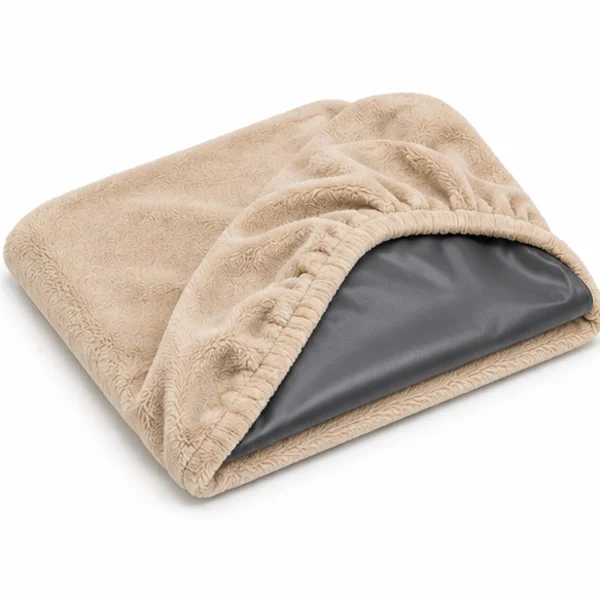
Sunheir waterproof plush cover, 111.8 x 81.3 x 7.6 cm
A replacement cover is cheaper than a whole new bed. Check the size first.
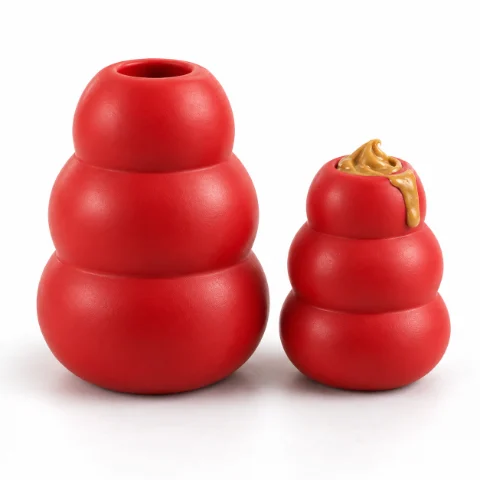
KONG Classic (pick the size for your dog)
Stuffed and frozen, it can keep a dog busy. KONG advises supervision.
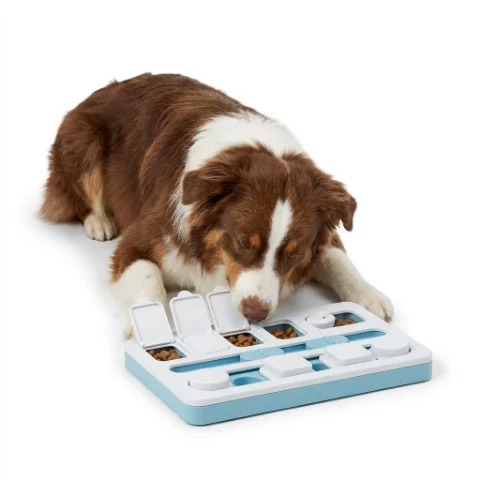
Nina Ottosson Dog Brick
A food puzzle adds thinking time, which a walk alone doesn't give.

Chuckit Ultra Ball medium, 2 pack
Daily exercise is part of what helps. Supervise play with any ball.
DOPEDIO raised dog cot for medium dogs
A raised cot has fabric that can be replaced and air flow underneath, though dogs can still chew the fabric and frame edges.
Sunheir waterproof plush cover, 111.8 x 81.3 x 7.6 cm
A replacement cover costs less than a new bed after a chewed one.
KONG Classic (pick the size for your dog)
Stuffed and frozen, it can keep a dog busy.
Nina Ottosson Dog Brick
A food puzzle adds thinking time to a walk.
Chuckit Ultra Ball medium, 2 pack
For daily exercise, which is part of meeting the need behind the chewing.
Pictures are illustrations, not the actual products.
More detail on the bed is in Useful gear below. Gear supports what you change and doesn't fix the cause, and chewing only when you're out is a reason to ask your vet.
Why do dogs chew or rip up their beds?
Most bed chewing starts as normal behaviour. The Merck Veterinary Manual describes chewing, stealing and digging as normal exploring in unsupervised dogs with nothing more appealing to do. VCA Animal Hospitals lists play, teething, attention, a natural need to gnaw, and anxiety or confinement stress as other motives (Merck Veterinary Manual, updated April 2026; VCA Animal Hospitals, edited 9 July 2019).
VCA suggests keeping a short diary of when and where the chewing happens and what came just before it. That pattern usually tells you more than the damage does.
Is my puppy chewing the bed because of teething?
Probably, if your puppy is about 3 to 6 months old. VCA says teething dogs of that age chew on household objects, and puppies in general explore with their mouths. Edges, zips and cover seams are the first things to go.
Puppies need chew outlets that suit sore gums. Our puppy teething toys guide covers options. VCA also says a chew item should have some give, so that you can dent it with a fingernail, because very hard items can fracture teeth (VCA Animal Hospitals). That rules out nylon bones, antlers, hooves and real bones. While teething lasts, supervise, or put the bed away when you can't watch.
Why does my dog dig and scratch at the bed before lying down?
Many dogs scratch, paw and circle before they settle, and the cause isn't fully known. It's usually harmless, and it's different from tearing the bed apart. A dog that digs for a minute and then settles is simply arranging things.
Digging gets destructive when it turns frantic or goes on and on. Then it may be more consistent with excess energy, discomfort or stress. A bed that is too thin or too slippery can also make a dog keep rearranging it. If your dog is a curler who likes a nest, a round bed with a deep well can suit, and our round dog bed guide shows how to size one by the curl.
Why does my dog only destroy the bed when I'm out?
Destruction that happens only when you're gone, especially if it starts as you leave or soon after, is more consistent with separation anxiety. VCA says other signs include howling, soiling, drooling, shaking and refusing food, and that the damage often targets your belongings or doorways (VCA Animal Hospitals, page read 19 November 2026).
Here is the VCA test. Record your dog on video while you're out, because a recording is the best way to see whether the behaviour is tied to your departure. If the chewing also happens when you're home, VCA says to look at other causes first, including boredom, confinement stress and fear of outside events such as storms.
A tougher bed won't treat anxiety. Treatment is behaviour retraining, sometimes with medication from a vet, so see your vet or a qualified behaviourist. Our separation anxiety guide covers the signs, and our storm and fireworks guide helps if the damage follows a fright.
What are the likely causes by situation?
Matching what you see to a pattern is the quickest way to pick a sensible first step. This table is a guide to what each pattern is more consistent with, not a diagnosis, and a vet can work out what's really going on.
| What you see | More consistent with | What helps | Which bed meanwhile |
|---|---|---|---|
| Puppy under 7 months chewing edges and zips | Teething and exploring | Dent-test chews, supervision, short sessions of play | A plain mat, or put the bed away when unsupervised |
| Adult tearing the bed while you're home and watching | Boredom, play or attention | More exercise, food toys, calm redirection to a toy | A flat mattress with a zip cover |
| Stuffing pulled out and scattered only when you're out | Possible separation anxiety | Record a video, then see your vet or a behaviourist | Nothing loose, a bare floor or a simple mat |
| Frantic digging, then settling | Nesting, restlessness | Check the temperature and the bed's thickness | A thicker flat bed or a deep-walled round bed |
| Bed shredded after a storm or fireworks | Fear | A safe room, and a vet if it's a pattern | Nothing loose until the fear is managed |
| Chewing the mat inside the crate | Crate stress, or boredom | Check the crate set-up, go back a step in crate training | A bare crate tray, or a firm crate pad you've inspected |
How do I stop my dog chewing the bed?
Meet the need behind the chewing, and limit what your dog can reach when you can't watch. VCA suggests a predictable routine, daily exercise, varied toys including food-stuffed ones, supervision, and confining your dog to a dog-proofed space that they're comfortable in (VCA Animal Hospitals). Results vary from dog to dog.
- Exercise and thinking time. A walk plus a short training session or a food puzzle tires a dog differently from a walk alone. Our dog boredom guide lists signs, and our treat dispensing toys guide compares food toys.
- Chew outlets. Offer chews with some give. For a strong chewer, see our tough dog toys guide. KONGs stuffed and frozen can keep a dog busy, though the brand advises supervision; see our KONG guide.
- Redirect, don't punish. VCA says punishing your dog after the fact increases anxiety and teaches nothing. If you catch your dog chewing the bed, calmly offer a chew, and praise when they take it.
- Control access. Put the bed away when nobody's watching. VCA also mentions taste deterrents; we treat them as a small extra, not the fix, and our general chewing guide covers them.
- Confine only if your dog is comfortable. If your dog chews more when confined, the space may be the problem. VCA cautions that crates can set off intense escape attempts in an anxious dog and cause injury. Time limits and set-up are in our crate training guide.
What should I do with a bed my dog has already chewed?
Check how far the damage goes, then decide between a mend, a new cover and a new bed. Swallowed fabric, foam and stuffing can block a dog's gut, so remove anything torn or loose before your dog finds it, and keep the bed out of reach until it is repaired or replaced.
| Damage | What to do |
|---|---|
| Small nibble on the cover or a seam | Remove stray threads, supervise, and mend or replace the cover. See bed replacement covers |
| Cover torn, foam or filling showing | Take the bed away and replace the cover or the bed |
| Stuffing out and scattered | Bin the loose filling, check the room, and watch your dog for the signs in the vet box |
What bed should a dog that chews have?
No bed is chew proof, so pick for the damage you can live with and the risk you can't. A flat mattress with a zip cover has no loose rim stuffing to pull, and a raised cot has fabric that can be replaced. Avoid bolster or beanbag styles with loose filling while the habit is active.
| Option | Pros | Cons |
|---|---|---|
| Flat mattress with a zip cover | No rim stuffing; the cover is cheaper to replace than a whole bed | Foam is exposed once the cover tears |
| Raised cot | Fabric is replaceable; air flow underneath | Dogs can still chew the fabric and frame edges |
| Crate mat | Fits a crate, easy to lift out | A chewer can swallow pieces, so check it often |
| No bed for now | Nothing to swallow | A hard floor, so keep it short while you fix the cause |
A stiff or older dog still needs comfort. VCA lists soft padded bedding and non-skid floors for arthritic dogs, and a vet diagnoses arthritis (VCA Animal Hospitals, updated 31 March 2026). So don't leave a senior on a bare floor; ask your vet and choose a bed you can supervise. Our dog mattress guide, elevated dog bed guide and crate bed guide compare options in detail, and our dog bed guide covers other types.
If you're thinking of a heated bed for a chewer, be careful, because cords are a hazard. Our heated dog bed guide covers self-warming options and cord safety. If your dog tears up bedding in the car, our dog car bed guide explains why a car bed is comfort, not a restraint.
Useful gear
Gear supports what you change; it doesn't fix the cause. One flat option, then guides that compare the rest:
- Sunheir orthopaedic dog mattress: a plain flat mattress, 88.9 x 55.9 x 7.6 cm, with a removable waterproof cover, according to the listing. A chewed cover is cheaper to replace than a whole bolster bed, and there's no loose rim stuffing to pull. The listing doesn't call it chew resistant, so supervise. See our dog mattress guide.
- Puppy teething toys and tough dog toys for chew outlets.
- Treat dispensing toys and KONG toys for food-based enrichment.
When to see a vet
Call your vet if your dog has swallowed bedding, or if the chewing comes with any of these:
- vomiting, not eating, a painful belly, or straining or passing no stool after swallowing stuffing, foam or fabric (possible blockage)
- chewing that starts suddenly in an adult dog
- drooling, pawing at the mouth, or a broken or loose tooth
- destruction with howling, soiling, shaking or refusing food when alone
- eating bedding or other non-food items regularly
Swallowed foam or fabric that is causing vomiting or a hard belly needs a vet straight away, day or night, and don't try to make your dog vomit at home. Ask a vet before giving any human medicine, as many are dangerous for dogs. For anxiety, see a vet or a qualified behaviourist. See our separation anxiety guide.
Frequently asked questions
Why does my dog chew the bed at night?
Night chewing often happens when a dog is restless, hasn't had enough exercise or is bored in a dark, quiet house. It can also come from teething or from discomfort in an older dog. If it's new, or comes with panting or pacing, mention it to your vet.
Should I take the bed away if my dog keeps destroying it?
Yes, for now, if your dog is swallowing pieces or the bed is already torn. Put it away when you can't watch, and give your dog a comfortable alternative such as a plain mat. Work on the cause, then bring a bed back and supervise at first.
Why does my dog chew the bed but not other things?
A bed is soft, smells strongly of your dog and is always in reach, so it's an easy target. It can also suit one particular motive, like nesting or comfort chewing. Look at when it happens. Only when you're out is more consistent with anxiety; see a vet or behaviourist.
Is it dangerous if my dog eats the stuffing from a bed?
It can be. Stuffing, foam and fabric can block a dog's gut. Watch for vomiting, no appetite, a painful belly, or straining or no stool, and call your vet straight away if you see any of them. Even if your dog seems well, ring your vet for advice after a large amount.
Will my puppy stop chewing the bed when teething finishes?
Often the teething chewing eases once the adult teeth are through. VCA puts the teething chewing stage at about 3 to 6 months, but timing varies and habits can stick. Keep offering dent-test chews, supervise and put the bed away when you can't watch. Chewing that carries on may have another motive.
Should I crate my dog to stop them chewing the bed?
A crate can be a safe space for a dog who is comfortable in it, but it is never punishment. If your dog chews the crate mat or panics, they may be anxious in there; go back a step and see your vet or behaviourist. Time limits are in our crate training guide.
Can I put a blanket in with a dog who chews bedding?
Only if you can watch. A blanket is easy to shred and swallow, and loose threads can be a problem. If your dog is actively chewing bedding, leave it out until the habit settles, or use a bed you've inspected and are supervising. Remove anything torn straight away.
Related guides
- How to stop a dog chewing furniture and everything else
- Dog separation anxiety: signs and what helps
- Is my dog bored? 9 signs
- Best dog mattresses
- Best round dog beds
- Best heated dog beds
- Best dog car beds
- Best elevated dog beds
- Best dog crate beds
- Tough dog toys for heavy chewers
Sources
- VCA Animal Hospitals: Dogs and Destructive Chewing, edited 9 July 2019, read 19 November 2026
- VCA Animal Hospitals: How To Handle Destructive Behavior In Puppies, read 19 November 2026
- VCA Animal Hospitals: Separation Anxiety in Dogs, read 19 November 2026
- Merck Veterinary Manual: Behavior Problems in Dogs, updated April 2026, read 19 November 2026
- VCA Animal Hospitals: Arthritis in Dogs, updated 31 March 2026, read 19 November 2026
This guide provides general information and isn't a substitute for veterinary advice. If you're concerned about your dog's chewing, behaviour or health, speak with your vet.