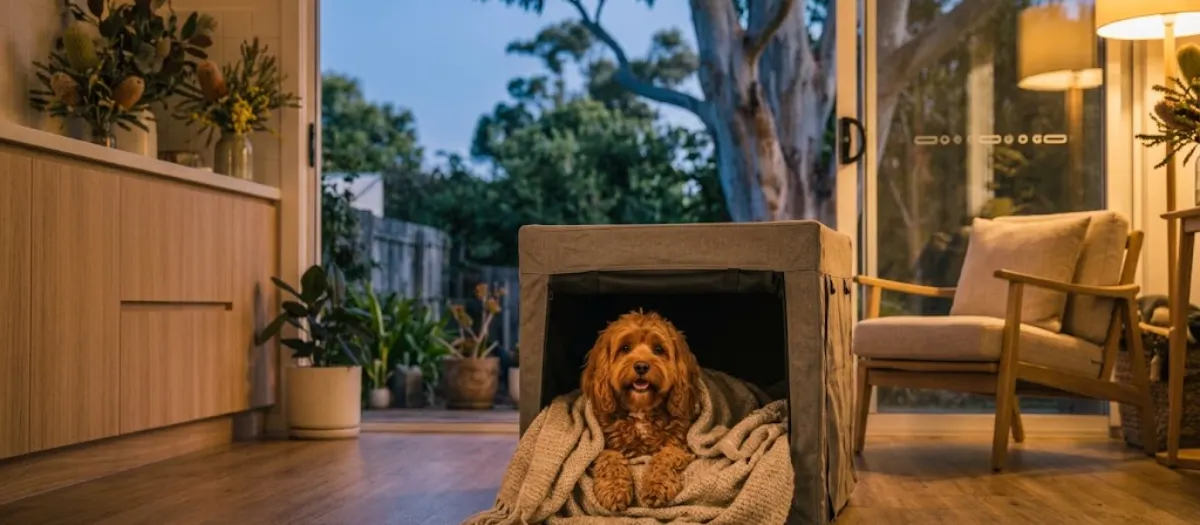
Quick answer: Bring your dog inside, shut the doors, windows and blinds, and set up a quiet hiding spot like a covered crate. Turn on music or the TV, stay home if you can, and calmly comfort your dog if they want you. Never punish fear. Check their microchip and ID tag, and see your vet early if your dog panics.
Thunder, storm season and fireworks can turn a relaxed dog into a trembling, pacing, hiding mess. Noise fear is common, it can get worse each time if nothing changes, and it's not something your dog can control. The good news is that a few simple steps help many dogs, and your vet can help with the rest.
Quick picks
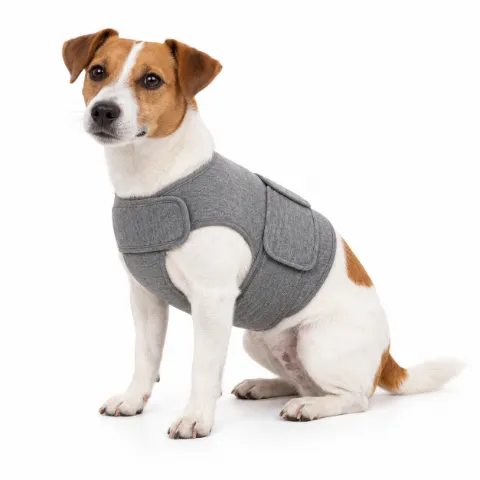
Thundershirt
A snug wrap some dogs seem calmer in; research shows only weak evidence.
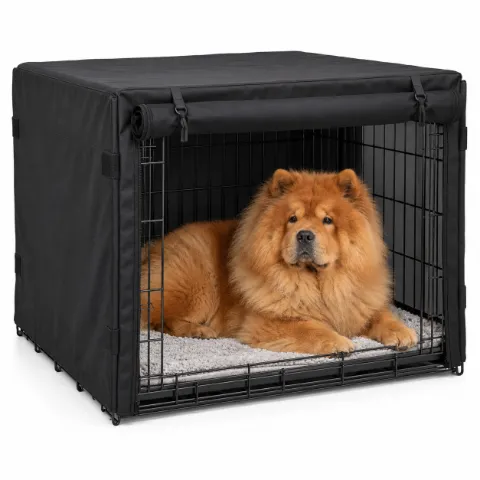
MidWest 36" crate cover
Turns an open wire crate into a den and leaves the doors accessible.
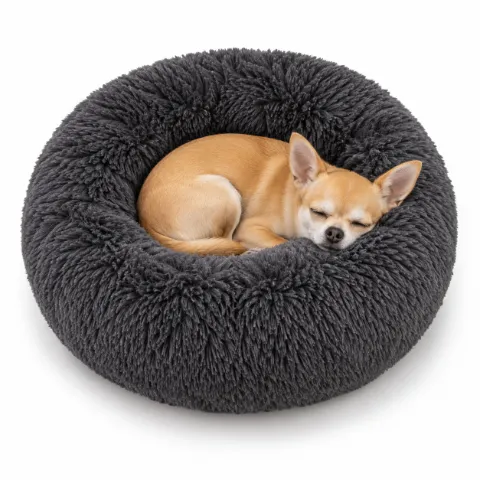
Feandrea Fluffy Dog Bed
Raised sides and a removable, washable cushion; the 60 cm size suits dogs up to about 11 kg.
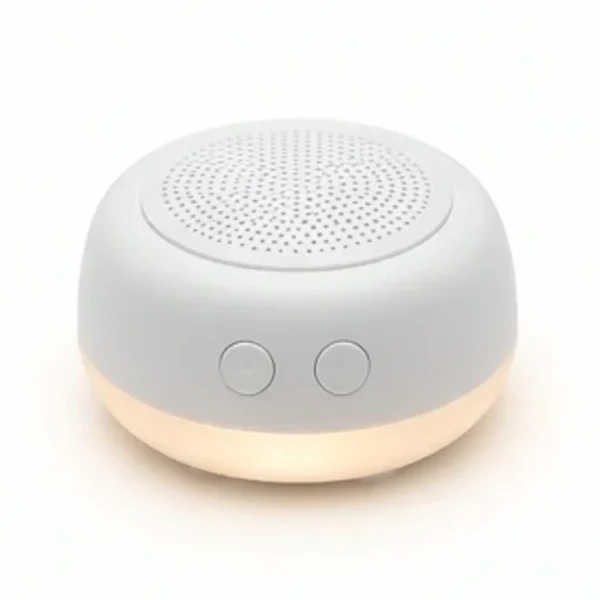
Easysleep IS05 White Noise Machine
Plays continuously, so it doesn't switch off mid-storm.

Nanaki dog head cover, size L
A soft cover to try on a quiet day with treats; check the size first.

KONG Classic
Stuff and freeze it, though many frightened dogs won't eat; KONG advises supervision.
Easysleep IS05 White Noise Machine
Plays continuously, so it keeps masking sudden bangs for the whole storm.
Nanaki dog head cover, size L
A soft cover to introduce on a quiet day with treats, taking it off if your dog paws at it.
KONG Classic
Stuff it with part of a meal and freeze it, for a dog who will eat during the noise.
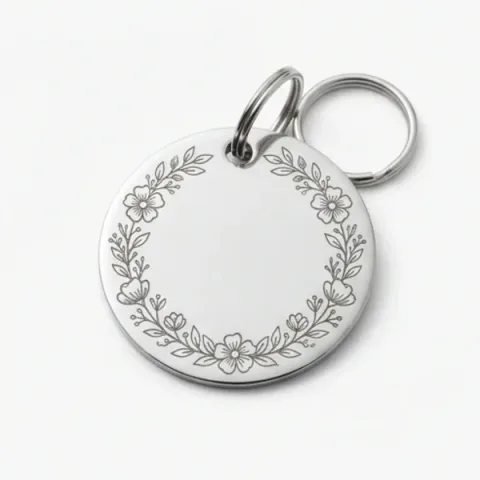
Meow the Woof deep-engraved stainless steel tag
Frightened dogs sometimes bolt, so current ID on the collar is worth having before storm season.
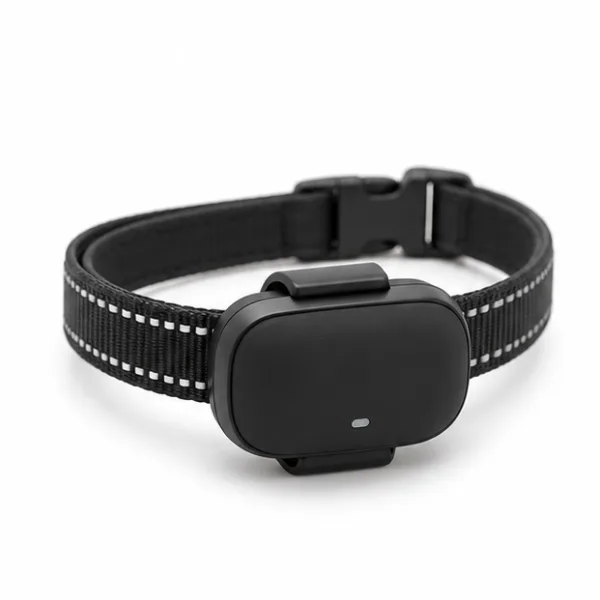
Tractive XL Smart Dog Tracker, 2026 edition
A GPS tracker to help find a dog who has escaped in a panic.
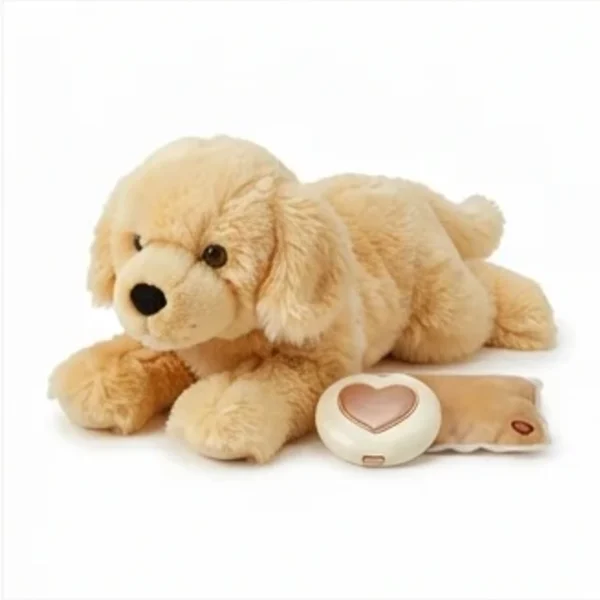
SmartPetLove Snuggle Puppy, original size
A plush with a heartbeat-style insert that some dogs like to snuggle on a noisy night.
Pictures are illustrations, not the actual products.
More detail on the first three is in Gear that can help below, and the rest are the "You may also like" cards at the end of the row. These support the steps on the night; they don't cure noise fear, so see your vet early if your dog panics.
Signs your dog is scared of thunder or fireworks
Look at the pattern. A dog who is frightened by loud noises may:
- tremble, pant or drool when it isn't hot
- pace, whine or follow you closely
- hide under furniture, in the bathroom or behind the toilet
- try to dig, chew or escape, especially at doors, windows and fences
- go off their food, or have toileting accidents
- start reacting before you can hear anything, as the air pressure drops or the sky darkens before a storm
Some dogs show only one or two signs. Others panic. If your dog's fear seems to be getting worse each season, that's a reason to act early rather than wait. Our dog body language guide shows the quieter stress signals to watch for.
Why storms and fireworks are so hard on dogs
Dogs hear more than we do, and a storm or fireworks display comes with sudden bangs, flashes and, for storms, changes in air pressure. Your dog can't predict when the next bang will come or escape it. Some dogs learn to fear the warning signs too, which is why they may start pacing well before the storm arrives.
How to help your dog on the night
Bring your dog inside, close the doors, windows and blinds, and set up a quiet hiding spot such as a covered crate or a small room with blankets. Add music or the TV to soften the bangs, walk your dog well before it starts, and stay with them. Never punish fear or tie your dog up.
Most of this is free, and works best set up before the noise starts.
- Exercise earlier in the day. RSPCA Australia suggests a good long walk before fireworks start (RSPCA Australia). Walk in daylight, well before any display.
- Bring your dog inside. Close the doors, windows and blinds to muffle the noise and hide the flashes.
- Give them a safe space. A covered crate, a cardboard box with blankets inside, or a small inner room with their bed works well (RSPCA Australia). Let your dog choose where to hide, and don't pull them out.
- Add some background noise. Music, the TV or a fan can soften sudden bangs.
- Stay home if you can. Dogs are usually less anxious with their people nearby. RSPCA Australia encourages owners to stay home to comfort and supervise their pets.
- Offer something calming to do. A frozen KONG or lick mat gives some dogs something to focus on. Many very frightened dogs won't eat, so don't worry if they ignore it. KONG advises supervision, and our KONG size guide helps you pick the right one.
- Stay calm yourself. Speak normally, sit with your dog if they want you, and carry on as usual.
Is it OK to comfort a scared dog?
Yes. Calmly comforting a frightened dog won't "reward" the fear. If your dog wants to sit close to you, let them. Just keep your own voice and movements relaxed, and don't force a cuddle on a dog who wants to hide. Being home and nearby usually helps more than leaving a frightened dog on their own, which is why RSPCA Australia encourages owners to stay home on fireworks nights.
Calming music, white noise and ear covers
Background sound can help cover sudden bangs. Music, the TV, a fan or a white noise machine all work the same way, and RSPCA NSW suggests leaving the TV or radio on to mask the noise (RSPCA NSW). Set it up before the noise starts, at a comfortable volume. Our white noise machine guide compares machines that play continuously, so they don't switch off mid-storm.
Some dogs will wear ear covers made for dogs, and VCA Animal Hospitals notes that many dogs tolerate them (VCA Animal Hospitals). If you'd like to try them, introduce them on a quiet day with treats, keep the first sessions short, and take them off if your dog paws at them or seems upset. Never force them on a dog who is already frightened. We compare hard-cup muffs and soft ear covers, with sizes in cm and how to introduce them, in our dog ear muffs guide.
What not to do
- Don't punish or tell your dog off. Fear isn't bad behaviour, and punishment adds to it. Council pet advice is clear that dogs shouldn't be punished for things they do when stressed (City of Whitehorse).
- Don't tie your dog up or leave them on a chain. A panicking dog can be badly hurt fighting a tether (RSPCA Australia).
- Don't take your dog to watch fireworks. Even a calm dog can bolt when the first rocket goes up.
- Don't leave a scared dog outside. Frightened dogs can dig under or jump over fences they'd never normally try.
- Never use a choke, prong or shock collar, for this or anything else.
Planning for New Year's Eve
Check that your dog's microchip details are current and that they wear an ID tag, because frightened dogs can bolt and end up several kilometres from home. Fix gaps in fences, latch gates, book a vet visit early if your dog has panicked before, and set up the safe space before the evening.
Fireworks are predictable, so plan ahead:
- Check ID now. Make sure your dog is microchipped, the details on the microchip register are current, and they wear a collar with an ID tag. RSPCA Australia warns that frightened dogs can end up several kilometres from home.
- Walk the fence line. Fix gaps and loose palings before the night, and check gates are latched.
- Talk to your vet early if your dog has panicked before. December is busy, so book well before New Year's Eve.
- Keep festive food out of reach when visitors come, too: see can dogs eat ham.
- Make a plan for the evening. Feed and walk your dog earlier, set up the safe space, and decide who'll be home.
- If your dog goes missing, call local vets, your council pound and animal shelters straight away, and post on local lost-pet pages.
The same steps work for storm season: keep the safe space set up from spring through summer, so it's ready when a storm rolls in.
Helping your dog cope better next time
For dogs who are mildly worried, a gradual sound program can help. You play recordings of storms or fireworks very quietly, so quietly that your dog stays relaxed, while you give treats or play a game. Over many short sessions you slowly turn the volume up, always staying below the point where your dog gets worried. If your dog becomes anxious, go back a step.
This takes patience, and it works best well before the season, not the night before. For dogs with strong fears, ask your vet to refer you to a veterinary behaviourist or a qualified reward based trainer who can guide you.
How to start a sound program
This is a simple version of the desensitisation plan VCA Animal Hospitals describes (VCA Animal Hospitals):
- Teach a settle first. Reward your dog for lying calmly on a mat or bed.
- Start barely audible. Play a recording of storms or fireworks so quietly your dog hardly notices, while they get treats or a chew on their mat.
- Go up slowly. Only turn the volume up a little after your dog has stayed relaxed for a couple of sessions at that level.
- Go back if they worry. If your dog stops eating, looks worried or leaves the mat, turn it down to the last level they were happy with.
- Practise often. Most days, if you can. Reaching full volume can take several weeks, and results vary from dog to dog.
- Keep it going. Once your dog is relaxed at full volume, an occasional session through the year helps keep it that way.
The same slow, step-by-step approach can help dogs who dread the car: see slow practice for car trips.
What can a vet prescribe for noise fear?
Your vet can check for pain or other health problems that make noise fear worse, and may suggest medication for stressful nights or a longer plan with a veterinary behaviourist. A University of Sydney vet explains that medication can lower fear enough for other steps, like a safe space, to work (University of Sydney). Some medicines need to start before the season, so book early. Never give human medicines.
Pheromone diffusers and calming supplements are also sold for noise fear. Ask your vet before buying, because they don't suit every dog and some can interact with other medicines (VCA Animal Hospitals). We look at the evidence in does Adaptil work?
When to see your vet
Talk to your vet if your dog panics during storms or fireworks, hurts themselves trying to escape, or their fear is getting worse each season. Your vet can check for medical problems that can make noise fear worse, such as pain, and may suggest medication for stressful nights or a longer-term plan with a behaviour professional. Never give your dog human medicines or anything not prescribed for them by a vet.
Go to a vet straight away if your dog is injured after trying to escape, or if they've eaten something they shouldn't while frightened.
Gear that can help
Products won't cure noise fear, but some can make your dog's safe space more comfortable, alongside the steps above. We compared these on specs and listings; we haven't used them ourselves.
A pressure wrap is a snug vest that applies gentle, constant pressure, a bit like swaddling. Some owners find their dog seems calmer in one. A 2024 review of the research found only weak and limited evidence that pressure wraps reduce anxiety in dogs (Mathis and others, Animals, 2024), so treat one as something to try, not a fix. The Thundershirt is a well-known option. Try it on a calm day first, choose the size from the brand's chart, and never leave it on unsupervised for long periods. Our Thundershirt guide covers sizing and alternatives.
A crate cover turns an open wire crate into a den. The MidWest 36" crate cover leaves the doors accessible. Check it fits your crate size. Only use a crate if your dog already likes it; never shut a panicking dog in.
A snug bed with raised sides gives some dogs a place to curl up. The Feandrea Fluffy Dog Bed has a removable cushion for washing. This 60 cm size suits small dogs up to about 11 kg.
Our picks are research based, not products we've personally tested. We compare the specifications and features on each Amazon Australia listing, checked on 13 Oct 2026. Availability and prices can change.
Frequently asked questions
Why are dogs so scared of fireworks and storms?
Because the noise is loud, sudden and impossible for them to predict or escape. Dogs hear more than we do, and storms also bring flashes, wind and changes in air pressure. Some dogs learn to fear the signs that come before a storm, so they start pacing or hiding before you hear anything.
Should I cuddle my dog during fireworks or a storm?
If your dog wants to be close, yes. Calm comfort won't make the fear worse. Keep your voice and movements relaxed, sit with them if they come to you, and let your dog hide if they'd rather. Don't pull a frightened dog out of their hiding spot for a cuddle.
How do I calm a dog terrified of fireworks or thunder?
Bring them inside, close the doors, windows and blinds, set up a quiet hiding spot, add music or the TV, and stay with them. Walk them earlier in the day. For dogs who panic, your vet can help with medication for stressful nights and a longer-term plan.
What can I give my dog for fireworks anxiety?
Only what your vet prescribes. Vets can suggest medication or other treatments for noise fear, and the right choice depends on your dog's health. Some medicines need to start before the season, so book early. Never give human medicines or sleeping tablets, and ask before buying calming supplements.
What dog breed is most scared of fireworks?
Any dog can be scared of fireworks. A University of Bristol study found some breeds were less likely than crossbreeds to show noise fear, and that fear became more likely with age (University of Bristol). Early life experiences seem to matter too, so watch your own dog rather than going by breed.
Do ear covers or dog headphones help with fireworks?
They can help some dogs, alongside a safe space and background noise. Many dogs tolerate ear covers made for dogs, but introduce them on a quiet day with treats, keep sessions short, and take them off if your dog paws at them. Never force them on a dog who is already frightened. See our dog ear muffs guide.
Do Thundershirts and other thunder jackets actually work?
A pressure wrap may help some dogs a little, but a 2024 review found only weak and limited evidence that pressure wraps reduce anxiety. Use one alongside a safe space and your vet's advice, try it on a calm day first, and don't expect it to fix strong fear on its own.
Will my dog grow out of being scared of fireworks?
Many dogs don't, and noise fear can get worse over time without help. Starting early, with a safe space, calm nights and a gradual sound program, gives your dog the best chance.
Are cats scared of fireworks too?
Yes. Keep cats inside, close windows and lock cat flaps, and give them high or hidden places to retreat to. See our cat enrichment guide for creating safe spots.
Related guides
- Dog side eye and whale eye: reading dog body language
- Dog ear muffs: do they work for fireworks and thunder?
- Is my dog bored, or is it something else?
- Frozen KONG and lick mat recipes
- Going on holiday? Your dog care options
- Aussie Seasons: seasonal care for dogs and cats
Sources
- RSPCA Australia: Caring for animals during fireworks displays
- RSPCA Australia: Caring for your pets during fireworks displays
- City of Whitehorse: Dogs, fireworks and thunderstorms
- RSPCA NSW: Fireworks and storms
- VCA Animal Hospitals: Treating fear of storms and fireworks in dogs
- University of Sydney: Dogs, thunderstorms and fireworks: the fear is real
- University of Bristol: New insight into dogs' fear responses to noise
- Mathis and others (2024): A systematic review of the efficacy of compression wraps as an anxiolytic in domesticated dogs, Animals
- Product details from each linked Amazon Australia listing, checked on 13 Oct 2026.
This guide provides general information and isn't a substitute for veterinary advice. If you're concerned about your dog's fear of storms or fireworks, speak with your vet.