Research guide. WhiskerFinds may earn a commission from links, at no extra cost to you.
Quick answer: Dogs with pale or exposed skin may need extra UV protection, especially on the nose, ear tips and belly. Shade and limiting sun exposure come first. Dog-specific sunscreens and properly rated protective clothing may provide additional protection, but ingredient safety, suitability and application instructions should be checked carefully.
Australia's sun is strong for most of the year, and vets see sun damage in dogs here often. This guide covers which dogs need protection, which dog sunscreens we checked ingredient by ingredient, and the sun shirts, suits and shade that do the rest.
Quick picks
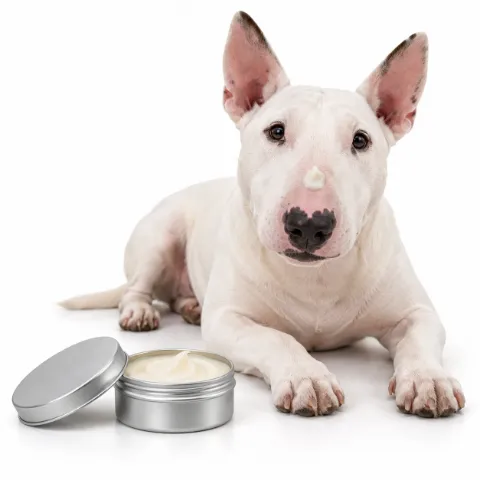
Noseprint Pet Sun Protection Balm (30 ml)
Titanium dioxide is the only UV filter; short ingredient list with no fragrance
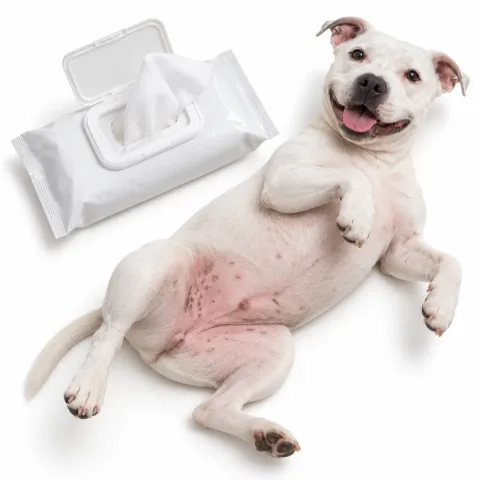
Petkin Doggy Sunwipes (20 pack)
Easy to wipe on the belly and bare patches
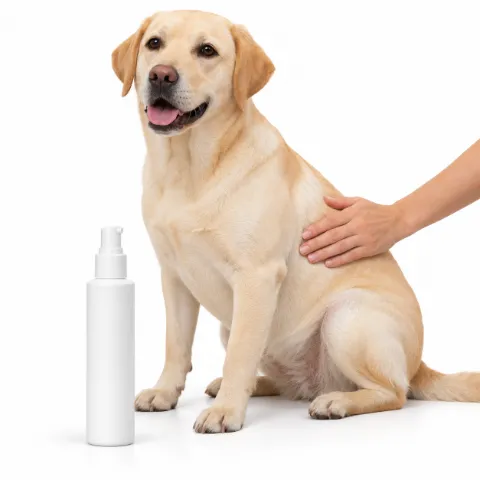
My Dog Nose It Coat and Body Spray
Non-aerosol, water resistant, no zinc or salicylates
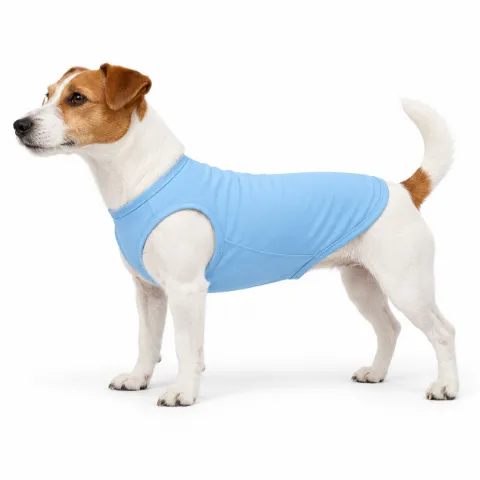
Goldpaw Dog Sun Shirt (UPF 50+)
Covers the back and chest with no licking risk; sized by back length
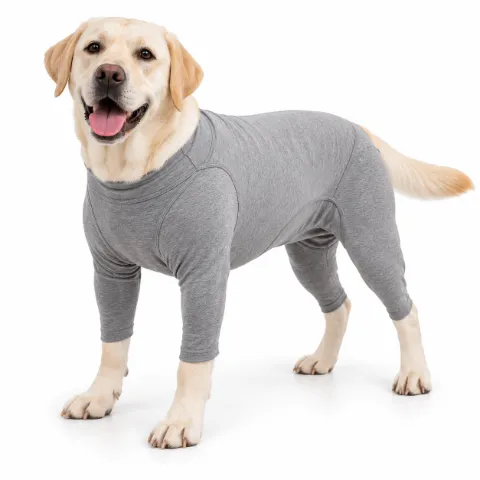
LovinPet Dog Bodysuit
Covers the belly and groin, where big dogs who sunbake burn
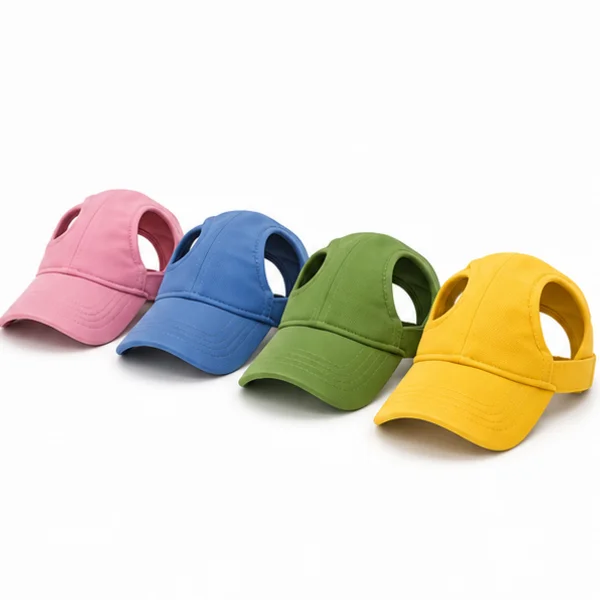
FILOEEX dog sun hat, pack of 4
Some dogs tolerate a hat for short outings in the sun.
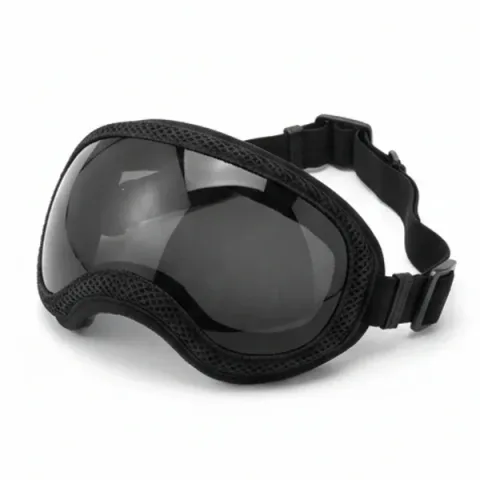
Rex Specs V2 dog goggles
Eye protection for dogs who spend time in bright sun, wind or dust.
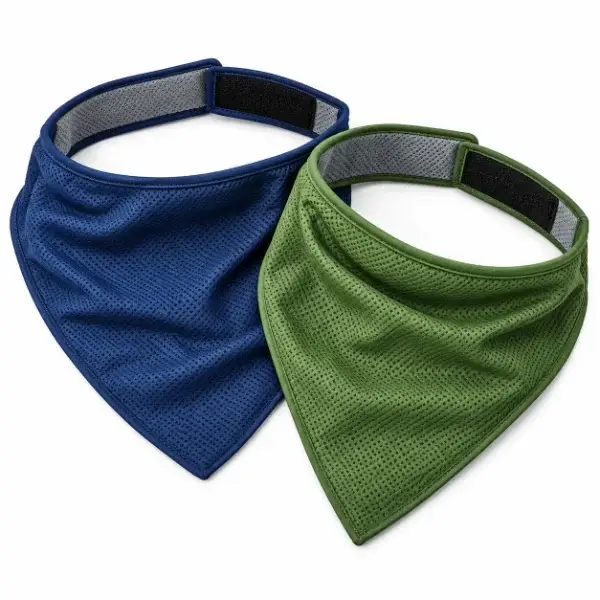
EXPAWLORER cooling bandana, 2 pack
A damp bandana is another summer option alongside shade.
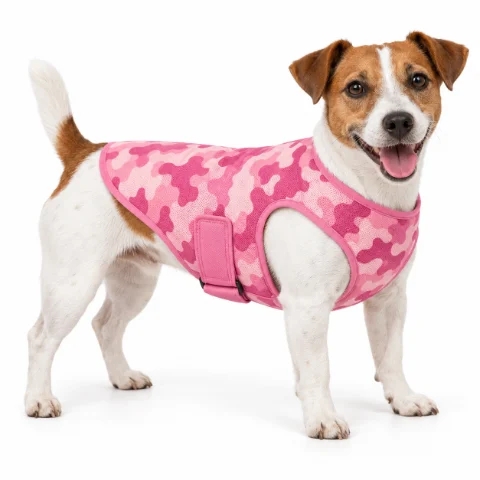
LUCOLOVE 2-layer microfibre cooling vest
A wearable way to help your dog stay cooler on warm outings.
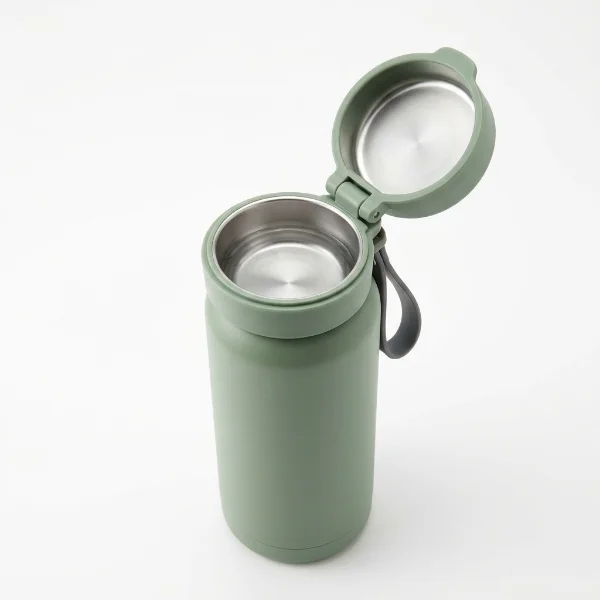
LumoLeaf insulated dog water bottle, 800 ml
Keeps water on hand when you're out in the sun.
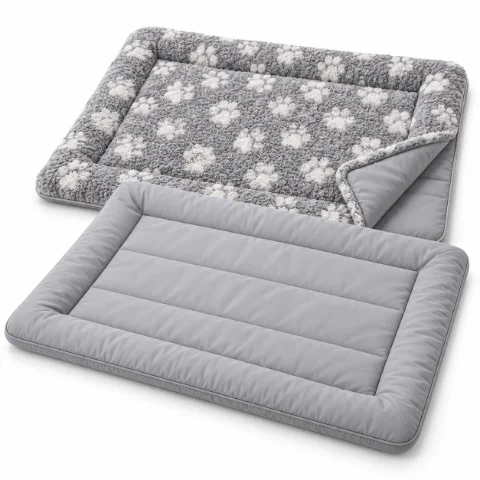
KROSER reversible warm and cool mat
A spot to rest indoors out of the sun.
Pictures are illustrations, not the actual products.
Also in this guide: a shade cot, and see our dog goggles guide.
Do dogs need sunscreen?
Some do. Dogs can get sunburnt, and repeated sunburn can lead to skin cancer, particularly in white-haired dogs (RSPCA Australia). The most common skin cancer seen in pets in Australia is squamous cell carcinoma, and it tends to start on thinly furred skin such as the nose, ears, belly and groin (Dr Anne Quain, Sydney School of Veterinary Science).
Sunscreen is the last layer, not the first. Dr Quain's advice is that the best protection is shade, and keeping pets in it during the hottest part of the day. An Adelaide vet clinic suggests keeping susceptible dogs in the shade or inside whenever the UV index is 3 or higher (Walkerville Vet). In much of Australia that's most of the day for much of the year, so check the daily UV index in the forecast (Cancer Council).
Which dogs are most at risk?
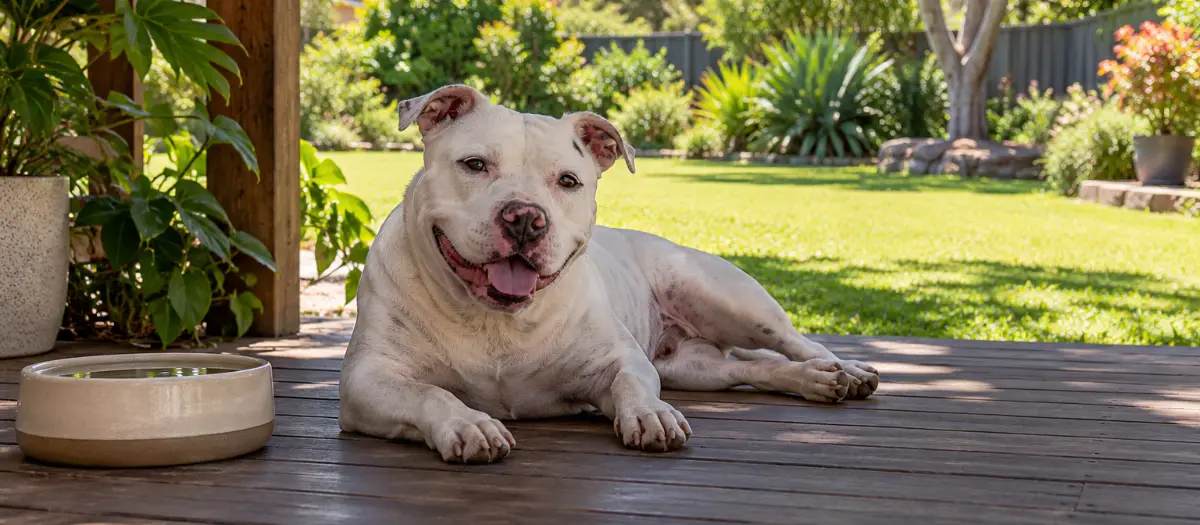
- Dogs with pink skin or white fur. Any dog with areas of pink skin lacking pigment is at risk; common examples include Staffordshire Bull Terriers and American Staffies, Bull Terriers, Boxers, Dalmatians, Jack Russells and Border Collies with pink noses (Walkerville Vet).
- Dogs with pink noses or eyelids, hairless breeds and thin coats (American Kennel Club).
- Sunbakers. Dogs who lie on concrete or light surfaces, and especially dogs who lie on their backs, can burn on the belly (American Kennel Club).
Dog sunscreens compared
We only shortlisted sunscreens whose full ingredient list we could check, with no zinc oxide and no salicylates. Ingredient lists are from each brand or an Australian stockist, checked on 17 Oct 2026.
| Sunscreen | Type | UV filter | Zinc oxide | Salicylates | Fragrance | Best for | Price band |
|---|---|---|---|---|---|---|---|
| Noseprint Balm | Balm (tin) | Titanium dioxide | No | No | No | Nose, ear tips | Budget |
| Petkin Sunwipes | Wipes | Octinoxate, oxybenzone, titanium dioxide | No | No | Lightly scented (coconut and vanilla, per the listing) | Belly, bare patches | Budget |
| My Dog Nose It Spray | Non-aerosol spray | Ensulizole, sulisobenzone, bisdisulizole disodium | No | No | None listed | Coat and larger areas | Premium |
SPF figures on pet sunscreens are the maker's own claims; pet products aren't tested and listed by the TGA like human sunscreens. Price bands compare these three sunscreens with each other, based on prices on 17 Oct 2026.
Our picks in detail
1. Noseprint Pet Sun Protection Balm: best sunscreen for noses and ear tips
A small tin of balm made from shea butter, coconut oil, hemp oil, beeswax and titanium dioxide, according to the brand's ingredient list (Noseprint). Titanium dioxide is its only UV filter, and there's no fragrance or essential oil. A balm stays put on a nose better than a lotion, and the tin fits in a walk bag. It's a UK brand.
- Pros: short, simple ingredient list; no zinc, salicylates or fragrance; easy to apply to a nose or ear tips
- Cons: the listing is inconsistent about its strength (it mentions both SPF 50 and SPF 15), so treat the SPF as unconfirmed; titanium dioxide is widely used but less studied in pets who lick it; the listing itself says to patch test first
- Best for: pink noses and ear tips
- Skip it if: you need to cover a large area like the belly or back (a sun shirt or the spray suits that better)
2. Petkin Doggy Sunwipes: best sunscreen wipes
Pre-soaked wipes that you rub over the belly, the inner thighs or a bare patch, which is quicker than a lotion on a wriggly dog. The ingredient list we read on a stockist's product page named octinoxate, oxybenzone and titanium dioxide as the UV filters, with no zinc and no salicylates listed. That page has since been taken down, so check the ingredients on the pack before you buy. The Amazon listing describes the wipes as coconut and vanilla scented, so they aren't fragrance-free. Petkin says they compare to an SPF 15 sunscreen for people.
- Pros: quick and tidy; no zinc or salicylates listed
- Cons: lightly scented (coconut and vanilla, per the listing), so skip it for a dog with sensitive skin or one who reacts to fragrance; SPF 15 is lower than the SPF 30 the AKC suggests; uses chemical UV filters, which are less studied in pets, so stop your dog licking until it's dry; wipes can dry out once the pack is open
- Best for: bellies, groins and bare patches on short walks
- Skip it if: your dog is out in strong sun for hours (shade and a sun shirt do more)
3. My Dog Nose It Coat and Body Spray: best sunscreen spray
A non-aerosol pump spray for the coat and larger areas of skin, which the brand says is water resistant and should be reapplied about every 2 hours when your dog is playing outside or in water. Its UV filters are ensulizole, sulisobenzone and bisdisulizole disodium, and it has no zinc oxide, titanium dioxide, salicylates or fragrance listed (a stockist's product page).
Some vets discourage spray-on sunscreens (Dr Anne Quain), so spray it onto your hand and rub it in, and never spray near your dog's face.
- Pros: covers bigger areas than a balm; non-aerosol; water resistant according to the brand
- Cons: premium price; imported, so check the delivery details on Amazon before you order; chemical UV filters are less studied in pets; the listing calls it "all natural", which doesn't match its synthetic filters
- Best for: dogs with thin coats on the back or sides, and beach days
- Skip it if: you only need to protect a nose (the balm is simpler)
4. Goldpaw Dog Sun Shirt: best sun shirt
A close-fitting pullover that the listing says is UPF 50+, with the protection built into the yarn so it lasts through washing. Clothing protects without any risk from licking, and the American Kennel Club suggests sun shirts as an alternative to covering your dog in sunscreen (American Kennel Club). The listing sizes by back length (measure from the base of the neck to the start of the tail), so check the size chart rather than going by weight.
- Pros: UPF 50+ according to the listing; no licking risk; also works as a light cover for hot spots or after surgery
- Cons: premium price; imported, so check the delivery details on Amazon before you order; doesn't cover the belly fully, the nose or the ears; a shirt can be warm on very hot days, so watch for overheating
- Best for: small to medium dogs with thin or white coats, especially sunbakers
- Skip it if: your dog's back length is bigger than the largest size on the listing's size chart (see the bodysuit below)
5. LovinPet Dog Bodysuit: best full cover for big dogs
A full-body suit for large dogs that covers the chest, belly, groin and legs. Shirts fit the groin poorly (Walkerville Vet), and a suit covering the belly and groin is what dogs who sunbake on their backs need most. It's sold as pyjamas and a recovery suit; the listing title mentions UV but gives no UPF rating, so we can't tell you how much UV it blocks. Sizes run from medium to XXX-large.
- Pros: covers the belly and groin; sizes for large breeds; also useful as a recovery suit
- Cons: no UPF rating stated; cotton-knit fabric is warmer than a mesh shirt, so use it for sunbaking in mild weather, not on hot days; imported, so check the delivery details on Amazon before you order
- Best for: large dogs with pink bellies who lie on their backs in the sun
- Skip it if: it's a hot day (keep your dog in the shade instead)
Where and how to put sunscreen on a dog
- Where: the bridge of the nose, the ear tips, the skin around the lips, the groin and inner thighs, and anywhere the skin is pale or the fur is thin (American Kennel Club).
- When: about 20 minutes before going out, then every 4 to 6 hours in the sun and after a swim (American Kennel Club).
- Patch test first on a small area and watch for a reaction (American Kennel Club).
- Stop the licking. Distract your dog with a walk, a chew or a game until the sunscreen has soaked in.
- Shade still comes first. Keep susceptible dogs in the shade or inside when the UV index is 3 or more (Walkerville Vet).
What to avoid in a dog sunscreen
- Zinc oxide. Vets advise against it because dogs lick it off, and swallowing it can make them sick (American Kennel Club; ASPCA).
- Salicylates such as octyl salicylate (octisalate), homosalate and trolamine salicylate. They're related to aspirin and can cause vomiting, fever, breathing problems and stomach ulcers if licked (Pet Poison Helpline).
- PABA (American Kennel Club).
- Fragrance and essential oils. The AKC suggests an unscented product, and some essential oils aren't safe for pets.
- Human or baby sunscreen, unless your vet says yes (PetMD). Many human sunscreens contain zinc oxide or salicylates.
Related gear: shade
Sun can also affect dogs' eyes: it may worsen pannus (chronic superficial keratitis), and vet eye specialists say protective eyewear is often recommended for dogs with it (PetMD). Our best dog goggles and sunglasses guide covers fit, training and picks, and goggles don't replace the treatment your vet prescribes.
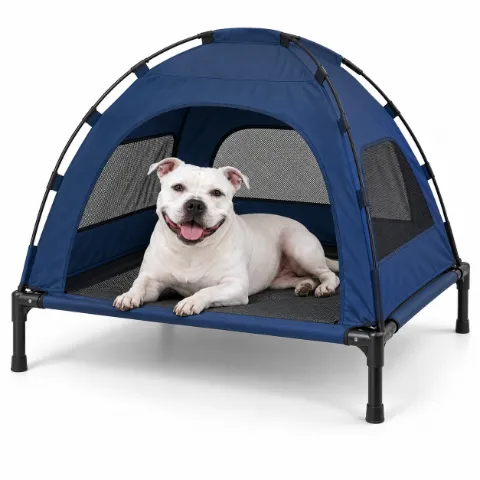
K&H Pet Cot Tent (shade)
A raised cot with a removable canopy that makes its own shade in the backyard, at the beach or when camping. The listing says it holds up to about 90 kg (200 lb), and the mesh centre lets air move underneath. Shade is the best sun protection of all (Dr Anne Quain).
- Pros: portable shade wherever you go; raised bed keeps your dog off hot ground; washable cover
- Cons: premium price; still needs a shady spot on very hot days, as a canopy in full sun gets warm underneath
- Skip it if: your yard already has good all-day shade
How we chose
We searched Amazon Australia for dog sunscreens, sun shirts, suits and shade, then shortlisted products that met all of these checks:
- Well rated: a strong average rating with plenty of buyer reviews.
- No red flags: no pattern of poor reviews or safety complaints.
- Available on Amazon Australia when we checked.
- Full ingredient list checked: for sunscreens, a complete ingredient list from the brand or an Australian stockist, with no zinc oxide and no salicylates.
- Clear about coverage: a stated UV rating for clothing where available, and honest notes where it isn't.
These are researched picks, not products we've personally tested. We compared the specifications, ingredients and features shown on each listing and brand page, checked on 17 Oct 2026. Availability and prices can change. We didn't accept payment from any brand, and no brand saw this page before it was published.
Left out this time: popular dog sunscreens that contain a salicylate, zinc oxide, fragrance (apart from the lightly scented Petkin wipes, flagged above) or essential oils, or whose full ingredient list we couldn't confirm; dog hats and visors, which now have their own dog hats guide with the honest limits of what a hat covers.
When to see your vet
Call your vet straight away if your dog:
- has eaten or licked off a lot of sunscreen, or chewed the tube or tin, especially one containing zinc oxide or salicylates (take the pack with you)
- is vomiting, has a fever, is breathing heavily, is weak or seems unwell after getting into sunscreen
- has blistered, weeping or very painful sunburn, or seems lethargic after time in the sun
- shows signs of heatstroke, such as heavy panting, drooling, weakness, vomiting or collapse
Book a check-up if you notice red, flaky or crusting skin on the nose, ear tips or belly; a scab that keeps coming back in the same place; a sore that doesn't heal; or a new lump on sun-exposed skin. Skin cancers can start out looking like small sores or scabs, and only your vet can check them properly (Dr Anne Quain; Walkerville Vet).
A note for cat owners
Cats are even more sensitive to salicylates than dogs (Pet Poison Helpline), and white cats with pale ears and noses are at high risk of skin cancer. Only use a sunscreen labelled for cats, and ask your vet first. See how to keep your indoor cat cool and sun-safe in summer.
Frequently asked questions
Can I put human sunscreen on my dog?
Not unless your vet says it's OK. Many human sunscreens contain zinc oxide or salicylates, which can make dogs sick if they lick them off. Use a sunscreen made for dogs and check the ingredients.
Where should I put sunscreen on my dog?
On the bridge of the nose, the ear tips, around the lips, the belly, groin and inner thighs, and anywhere with pale skin or thin fur. Avoid the eyes.
How often should I reapply dog sunscreen?
About every 4 to 6 hours while your dog is in the sun, and after a swim. Put the first layer on around 20 minutes before going out.
Is zinc safe for dogs' noses?
Most vet sources say to avoid zinc oxide on dogs, because dogs lick their noses and swallowing zinc can make them sick. Choose a zinc-free product instead.
Can dogs get sunburnt in Australia?
Yes, especially dogs with pink skin, pink noses, white fur or thin coats, and dogs who sunbake on their backs. Keep susceptible dogs in the shade or inside when the UV index is 3 or more.
Do dog sun shirts work?
A shirt with a stated UPF rating blocks UV on the skin it covers, with no licking risk. It won't protect the nose, ears or, usually, the groin, so use sunscreen on those spots too.
What does sunburn look like on a dog?
Red, warm or tender skin, often on the nose, ear tips or belly. Later it can turn flaky or crusty. Repeated burns are a skin cancer risk, so see your vet if the skin doesn't settle or keeps scabbing.
Is dog sunscreen safe for cats?
Not necessarily. Cats are more sensitive to salicylates, so only use a product labelled for cats, and ask your vet first.
Related guides
- Dog-friendly beaches in Australia
- Dog hats guide
- How to keep your dog cool in summer
- Best dog cooling mats and beds
- Best dog pools by size
- Best dog goggles and sunglasses
- How to keep your indoor cat cool in summer
Sources
- RSPCA Australia: Keeping your pet safe during the heat
- Dr Anne Quain, The Canberra Times: Our sun-worshipping pets can suffer from the commonest cancer
- Walkerville Vet: Dog skin cancer types
- Cancer Council: UV Index
- American Kennel Club: Do dogs need sunscreen?
- PetMD: Can dogs wear sunscreen? and Eye protection for dogs
- ASPCA: Pets and sunscreen
- Pet Poison Helpline: Sunscreen toxins
- Ingredient lists: Noseprint, Stockist product page (My Dog Nose It spray)
- Product details, and sizes from each linked Amazon Australia listing, checked on 19 Nov 2026.
This guide provides general information and isn't a substitute for veterinary advice. If you're concerned about your dog's skin, eyes or sun exposure, speak with your vet.