Best probiotics for dogs: when they help and how to choose
By Anish PuriUpdated 25 Nov 202613 min readResearched, not tested by us
Research guide. WhiskerFinds may earn a commission from links, at no extra cost to you.
Quick answer: Probiotics for dogs are live bacteria or yeast added to food, and most healthy dogs on a complete diet don't need them. A vet may suggest one for some bouts of diarrhoea or during antibiotics. Our pick is Petz Park probiotic powder, which names its strains and gives a weight-based serve.
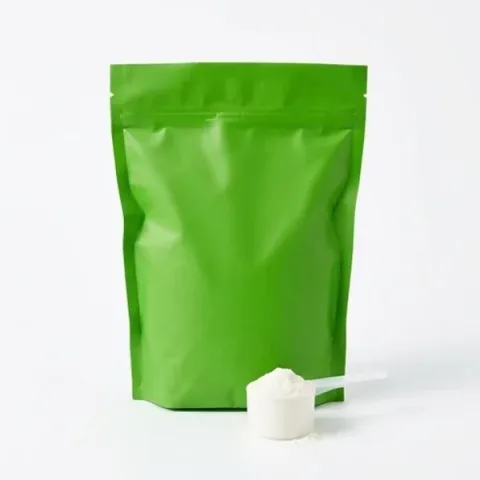
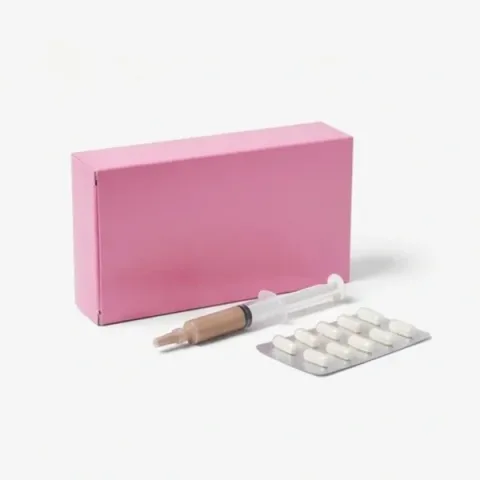
Pictures are illustrations, not the actual products.
Does my dog need a probiotic?
Most healthy dogs eating a complete diet don't need one. A vet may suggest a probiotic for specific situations, such as some diarrhoea or a course of antibiotics. VCA Animal Hospitals lists diarrhoea linked to inflammatory bowel disease, antibiotics or stress as the main uses (VCA Animal Hospitals, updated 1 May 2026).
Loose stools, vomiting or a drop in appetite can have many causes, so the vet comes first and the probiotic second, if at all. Wondering the same about vitamins? See our guide on whether dogs need a multivitamin.
Do probiotics work for dogs?
The evidence is thin. A 2019 analysis pooling 17 dog studies (12 on acute and 5 on chronic gut disease) found a very limited and possibly clinically unimportant effect for acute disease, and no clear added benefit in chronic disease where diet is the main treatment. The authors judged the risk of bias as generally moderate to high, with small samples (Jensen and Bjørnvad, 2019).
Our picks in detail
1. Petz Park probiotic powder, 90 scoops: best overall
A shelf-stable powder you sprinkle on food. The listing names Bacillus subtilis, Bacillus coagulans and Saccharomyces boulardii, plus inulin and green banana fibre, and says it's made in Australia with no wheat, gluten or meat. The pack's daily serve is by weight: up to 11 kg half a scoop, 11 to 27 kg one scoop, 27 to 36 kg two, over 36 kg three, with one level scoop about 1.7 g. First-time users start at a quarter scoop.
Pros: three named strains; weight table; no pills; no fridge needed per the listing
Cons: the 2.3 billion CFU has no stated unit; safe use in pregnant or breeding animals hasn't been proven (label); the listing's itchy skin and paw licking claims are the maker's, and we don't treat them as a benefit
Best for: a vet-suggested trial, or an owner who wants a clear serving guide
Skip it if: your dog is pregnant or breeding, or you want a CFU figure with a clear unit
2. Petz Park probiotic powder, 45 scoops: starter size
FortiFlora is a probiotic supplement vets often keep on hand, and the listing says to sprinkle one sachet daily on your dog's usual food. It says it can be used during stress from a new household, travel, antibiotic therapy, appetite loss or loose stools. Those are the maker's claims.
Pros: a name your vet will probably recognise; one sachet a day; tasteless per the listing
Cons: the listing names no strain and no CFU (its ingredients read meat and animal by-products, minerals), so check the box; the listing contradicts itself, calling the item 30 bags in the title but describing drops in its details
Best for: owners whose vet has already suggested FortiFlora by name
Skip it if: you want the strain and count confirmed on the page before you order
4. Nutramax Proviable-KP kit, small dogs and cats: short-term kit for small dogs
A kit for a short bout of loose stools: a 15 ml kaolin and pectin paste plus 10 capsules of probiotic powder to sprinkle on food. It's the clearest label on this page. The listing gives seven strains with NCIMB codes (Enterococcus faecium, Bifidobacterium bifidum, Streptococcus thermophilus, Lactobacillus acidophilus, L. bulgaricus, L. casei and L. plantarum), 5 billion CFU per capsule, and 0.5 billion CFU per gram in the paste. It's labelled for small dogs and cats, and isn't a daily supplement. For cats, see our cat probiotics guide.
Pros: strains with codes and a stated count; kit covers a short course; suits small dogs and cats per the listing
Cons: imported, so check the delivery details on Amazon before you order. Dosing is in pounds (1 kg is 2.2 lb). Check the expiry date and that the pack arrived sealed, and store it below 30°C out of the sun. Small dogs and cats only. The listing shows no directions, so the dose comes from the pack insert and your vet. The capsule contains gelatin and titanium dioxide, and the paste lists artificial beef flavour, sugars and soybean oil
Best for: a small dog with mild loose stools that your vet has checked
Skip it if: your dog is medium or large, or the diarrhoea comes with vomiting, blood or lethargy
5. Pet Naturals Daily Probiotic chews, 60: best chew with a stated strain
A duck-flavoured chew for dogs that won't take powder. The listing names Bacillus coagulans GBI-30 (GanedenBC30) and states 120 million CFU per chew, plus 200 mg of fructooligosaccharides (a prebiotic) and 6 kcal per chew. It gives one chew per 25 lb (about 11 kg) of body weight.
Pros: strain and count stated per chew; easy to give; calories stated
Cons: imported, so check the delivery details on Amazon before you order; dosed in pounds and with the same expiry, seal and storage checks as the kit. The count is far lower than the capsules above. The chew contains dried skim milk and oat, barley, rice and rye flours, so it suits neither dairy- nor grain-sensitive dogs. The listing gives the count as 120 million per chew in some places and 100 million per gram or 100 million in others, so check the pack
Best for: a dog who accepts chews and has no dairy or grain issues
Skip it if: your dog has food sensitivities, is on a weight plan, or your vet wants a higher count
6. Zesty Paws Pre, Post and Probiotic chews, pumpkin, 50 pieces: best Australian-made chew
A soft pumpkin chew that the listing says is made in Australia. It combines 48 mg of Bacillus subtilis, 150 mg of inulin from chicory root (a prebiotic fibre) and 105 mg of EpiCor, which the listing describes as a fermented yeast product (a postbiotic). The flavour is pumpkin and pea protein, and the listing says it's for dogs with food sensitivities or meat allergies, which is the maker's claim. A larger 90-piece jar is sold in the same Zesty Paws range if your dog stays on it long term.
Pros: made in Australia per the listing; no dairy named in the listing's feature points; a pumpkin and pea protein flavour for dogs that refuse powder
Cons: the probiotic is given in milligrams, not CFU, with no strain code, and the listing doesn't say whether the 48 mg is per chew, so it can't be compared with the picks above; the listing doesn't give a daily amount by weight, so read it from the jar; "immune support" and "easy on sensitive stomachs" are the maker's claims; calories per chew aren't stated, and chews count as treats; a newer listing than the others here
Best for: a dog that refuses powder, or one avoiding meat flavourings, where your vet is happy with a daily chew
Skip it if: you or your vet want a CFU count and strain code on the label, or your dog is on a weight plan
What the research says
The trials are small. Beyond the 2019 analysis above, VCA says few supplements have been through rigorous scientific trials, and that the US regulator doesn't check these products for safety or effectiveness before sale (VCA, updated 1 May 2026). Some dogs may improve, which can't be told apart from a gut that was settling anyway.
Labels can't be taken on trust. A Canadian study looked at 25 commercial veterinary probiotics. Just 2 had both an acceptable label and viable counts that met the claim, and the authors said vets and owners should scrutinise products and ask for evidence of quality control (Weese and Martin, Canadian Veterinary Journal, 2011). It's a 2011 study of products sold then, so it doesn't describe any pick below. It's why we favour listings that name strains and counts.
How do I read a dog probiotic label?
Look for three things: the strain names (genus, species and ideally a strain code), a count in CFU (colony-forming units) stated per serve, and a serving guide by weight. "Contains probiotics" alone tells you very little.
Strains: a strain code, like the NCIMB numbers on Proviable, lets a vet look up exactly what you're giving.
CFU: check whether the number is per scoop, per chew, per capsule or per gram. Petz Park's listing says 2.3 billion CFU without saying per what, so check the pack. Zesty Paws gives its probiotic in milligrams instead, which can't be compared with a CFU count.
Extras: chews can carry dairy, grains or flavours. Check them against your dog's diet.
Probiotic chews or powder: which is better for a sensitive dog?
For a dog with a sensitive stomach or food sensitivities, a plain powder is usually the simpler choice, because the label tends to carry fewer extra ingredients. Chews are easier to give but bring flours, flavours and sometimes dairy. Neither form is medically better, so ask your vet first.
Swipe sideways to see every column
Form
Picks here
Extras on the label
Count stated?
Dose unit
Powder
Petz Park
Inulin and green banana fibre; no wheat, gluten or meat per the listing
2.3 billion CFU, unit not stated
Scoops by kg
Sachet
FortiFlora
Animal by-products and minerals per the listing
Not stated
One sachet a day
Capsule and paste
Proviable-KP
Gelatin in the capsule; flavour, sugars and soybean oil in the paste
5 billion per capsule
Pounds
Chew
Pet Naturals
Dried skim milk and oat, barley, rice and rye flours
Yes, 120 million per chew
Chews by weight (1 per 11 kg)
Chew
Zesty Paws
Inulin and a fermented yeast product; pumpkin and pea protein flavour
No, 48 mg of Bacillus subtilis
Not stated on the listing
If you're after a dog probiotic powder, the one you sprinkle on food avoids the flours and flavourings the chews carry, and Petz Park is the pick that gives its dose in kilograms.
Can I give my dog Greek yoghurt as a probiotic?
If you offer yoghurt at all, make it plain and unsweetened, and treat it as a weak substitute. AKC says some yoghurt cultures are used to make the product but aren't probiotics (AKC, updated 5 March 2026).
Many dogs don't digest lactose well, so yoghurt can itself upset a tummy. Never give flavoured or sweetened yoghurt, because some sweeteners, including xylitol, are dangerous for dogs (Pet Poison Helpline, page read 9 November 2026). See our toxic foods list.
Probiotics compared
Details from each Amazon Australia listing, checked on 25 Nov 2026.
We searched Amazon Australia for dog probiotics, then shortlisted products that met all of these checks:
Well rated: a strong average rating with plenty of buyer reviews.
No red flags: no pattern of poor reviews, safety complaints or listing problems.
Available on Amazon Australia when we checked.
Strains and CFU: stated on the listing, or the gap is printed in the cons.
Form and dosing: given on the listing, or the gap is printed in the cons.
Who it's made for: the species is clear, and a missing size guide is printed in the cons.
Australian labelling where available. Imports are included with the limitation stated.
These are researched picks, not products we've personally tested. We compared the specifications on each Amazon Australia listing, checked on 25 Nov 2026. We didn't accept payment from any brand.
Left out this time: NaturVet and VetIQ chews (unclear strain or CFU labelling on the listings), unbranded chew listings that name only "natural ingredients" and make fast-relief claims, powders whose titles make treatment claims, human probiotics, and any product making treatment claims.
Choose by situation
Your situation
What to consider
Vet suggested a probiotic for diarrhoea
Ask which strain and form they prefer. FortiFlora if they name it; Petz Park if they're happy with a powder
Dog on antibiotics
Ask your vet how to space it from the dose. VCA says antibiotics may reduce a probiotic's effect
Fussy eater
A sachet or powder on wet food, or the Pet Naturals chew if no dairy or grain issue
Dog who only takes chews and you want Australian made
Zesty Paws, with the label gap in mind (milligrams, no CFU)
Small dog
Petz Park 45 scoops, or the Proviable-KP kit if your vet agrees
Healthy dog, no symptoms
May not need one. Ask your vet before starting
Diarrhoea with blood, vomiting or lethargy, or a puppy
Vet now, not a probiotic
Can I give a probiotic with antibiotics?
Ask your vet first. VCA says antibiotics and antifungals may reduce a probiotic's effectiveness (VCA, updated 1 May 2026). The right gap, if any, depends on the product. Never stop a prescribed course.
Are there side effects?
Usually mild. VCA lists gas or stomach discomfort as the expected side effect. It says to stop the product and contact your vet for signs of an allergic reaction, and advises caution in sick, debilitated or immunocompromised pets (VCA, updated 1 May 2026). The signs to watch for are in the vet box below.
Can dogs take human probiotics?
It's safer to choose a product made for dogs. Human products are dosed for people, and some contain xylitol, which Pet Poison Helpline says is found in chewable vitamins and other supplements and can cause low blood sugar and liver failure in dogs (Pet Poison Helpline, page read 9 November 2026). If your dog has eaten one, call your vet.
Where else can I buy dog probiotics?
Vet clinics and pharmacies also sell these products, and your vet can advise on which suits your dog and whether it's needed at all.
When to see a vet
See your vet before a probiotic, not after, if your dog has diarrhoea with blood or black stools, vomiting, lethargy or a swollen, sore belly. Also book a visit for a dog that won't eat, a puppy or older dog with diarrhoea, or any dog whose loose stools last more than a day or two. If your dog is straining or passing hard, dry stools instead, see our dog constipation guide. Our dog diarrhoea guide covers home care and when it's a vet visit.
Ask your vet first if your dog is seriously ill, has a weak immune system, takes antibiotics or other medicines, or is pregnant or nursing. Stop the product and call your vet for breathing changes, a rash, fever or facial swelling. See our itchy skin guide if the signs are on the skin, and the toxic foods list if your dog may have eaten something unsafe.
Frequently asked questions
How do I tell if my dog needs a probiotic?
You can't tell from symptoms alone, because loose stools and gas have many causes, some of them serious. If your dog has ongoing tummy trouble or is starting antibiotics, ask your vet whether a probiotic is worth trying.
What is the best probiotic to give a dog?
The best probiotic is one your vet suggests for your dog, made for dogs, with strain names, a CFU count and a weight-based serve on the label. Our overall pick is Petz Park probiotic powder, and FortiFlora is the name many vets stock.
What is the best probiotic for dogs in Australia?
Our overall pick is the Petz Park powder, which the listing says is made in Australia and gives a serving guide by weight in kilograms. FortiFlora is another name Australian vets commonly stock. Zesty Paws is the chew its listing says is made in Australia. The imported options use pounds.
How long do probiotics take to work in dogs?
VCA Animal Hospitals gives no fixed time. It says a probiotic may take several days to show its full effect, and results vary from dog to dog. Ask your vet when to review it and how long to continue, and go back sooner if the tummy trouble gets worse or doesn't settle.
Is Greek yoghurt a probiotic for dogs?
Not reliably. AKC says some yoghurt cultures aren't probiotics, and advises plain, unsweetened yoghurt if you offer any. Many dogs also struggle with lactose. Never give sweetened or flavoured yoghurt, as it can contain xylitol.
Do probiotics help dogs with allergies?
Listings often make allergy or itchy skin claims, but those are the makers' words. The research we found looked at gut disease, not allergies. For itching, see your vet and our itchy skin guide.
Can I give my dog a probiotic every day?
Some products are labelled for daily use, but a healthy dog may not need one at all. If your vet suggests a daily probiotic, follow their instructions and ask for a review of whether it's still needed.
Do probiotic chews count as treats?
Yes. Chews add calories, so count them within your dog's treat allowance, as in our dog treats guide. Pet Naturals lists 6 kcal per chew, and the Zesty Paws listing doesn't state calories.
Product details from each linked Amazon Australia listing, checked on 25 Nov 2026.
This guide provides general information and isn't a substitute for veterinary advice. If you're concerned about your dog's tummy, stools or appetite, speak with your vet.