Best probiotics for cats: when they help and which form to choose
By Anish PuriUpdated 25 Nov 202616 min readResearched, not tested by us
Research guide. WhiskerFinds may earn a commission from links, at no extra cost to you.
Quick answer: Probiotics for cats are supplements of live bacteria, and the evidence for them in cats is still limited. For a cat-only daily powder you stir into food, our top pick is the Petz Park Cat Probiotic Powder. Chews suit cats that skip powder. A probiotic supports a routine and never replaces a vet visit for ongoing diarrhoea or vomiting.
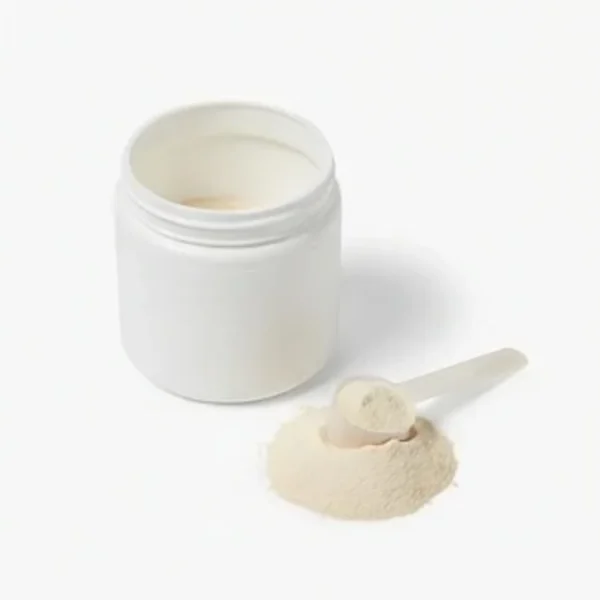
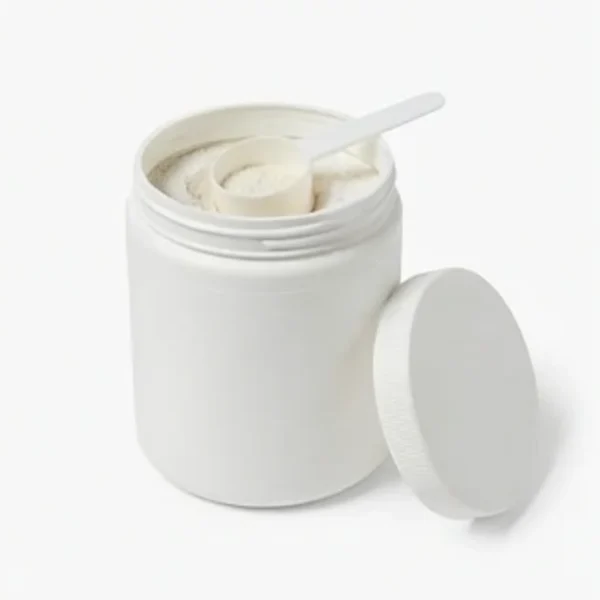
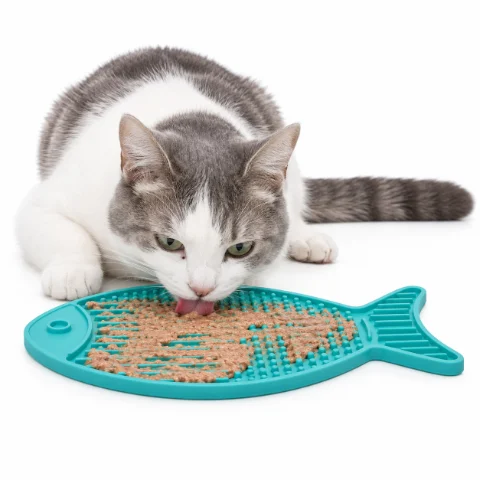
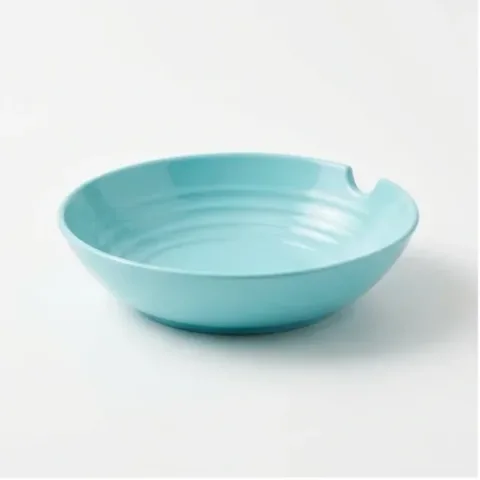
Illustration, not the actual product
Our top pickPetz Park Cat Probiotic Powder, 60 scoops (66 g)
If your cat has had soft stools after a diet change, boarding or a course of antibiotics, a probiotic is one of the first things people reach for. This guide compares six probiotics sold on Amazon Australia by form, strains, CFU and pack size, and explains when a probiotic is reasonable and when your cat needs a vet. Our cat vomiting guide covers the other half of the tummy-upset picture.
Two honest points up front. The research on probiotics in cats is thin, and the listings here differ a lot in how much they tell you. Four of the six are imports.
Quick picks
Our top pickBest overall
Petz Park Cat Probiotic Powder, 60 scoops (66 g)
Cat-only daily powder, Australian made per the listing, stirs into wet, dry or raw food
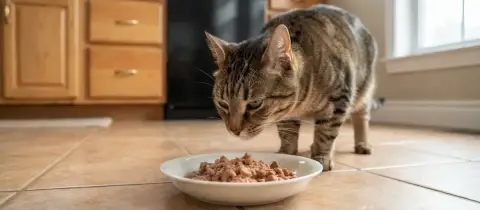
Pictures are illustrations, not the actual products.
What do probiotics actually do for cats?
A probiotic is a supplement containing live microorganisms, usually bacteria, that may help restore the balance of gut bacteria after something upsets it. VCA Animal Hospitals lists medicines, diet changes, illness and stress as examples, and says they are mostly used for the gut (VCA Animal Hospitals, "Probiotics", page read 25 November 2026).
When might a probiotic help, and when is it the wrong tool?
A probiotic is most reasonable for a short patch of soft stools in an otherwise bright, eating cat, for example after a food change, boarding, travel or antibiotics, with your vet's agreement. VCA names medicines such as antibiotics, diet changes, illness and stress as the things that upset gut bacteria. It also says to use caution in pets that are sick, weakened or immunocompromised.
Never reach for human anti-diarrhoea products. Some human medicines are dangerous for cats, so ask your vet before giving anything. If constipation rather than loose stools is the problem, see our cat laxative guide, and for the food side, our sensitive stomach food guide.
A cat-only powder meant to be stirred into wet, dry or raw food every day. The listing says it is Australian made, fish flavoured and grain-free, for kittens to seniors, with micro-encapsulated cultures plus inulin and green banana fibre as prebiotics. The pack is 66 g, about 60 scoops.
The catch is the label. The listing text says "probiotics and prebiotics" but doesn't name the strains or give a CFU figure, so read the label image before you buy and ask your vet if you want to know what's in it. The listing also makes hairball, immune and allergy claims. We don't repeat them as fact.
Pros: cat-only; works with wet, dry or raw food; Australian made per the listing; grain-free per the listing
Cons: strains and CFU not stated in the listing text; works only if your cat eats the whole meal; fish flavour
Best for: owners who want a cat-only daily powder to stir into food
Skip it if: you want strains and CFU in front of you before buying, or your cat refuses fish flavour
2. VetriScience Gut Health chews for cats: best chew
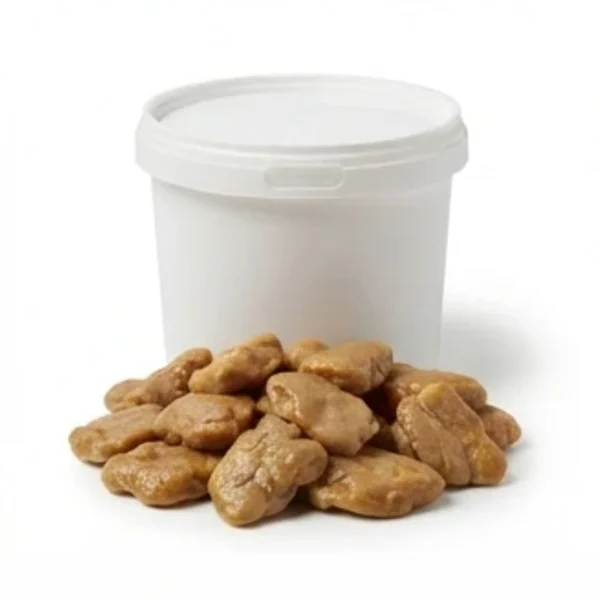
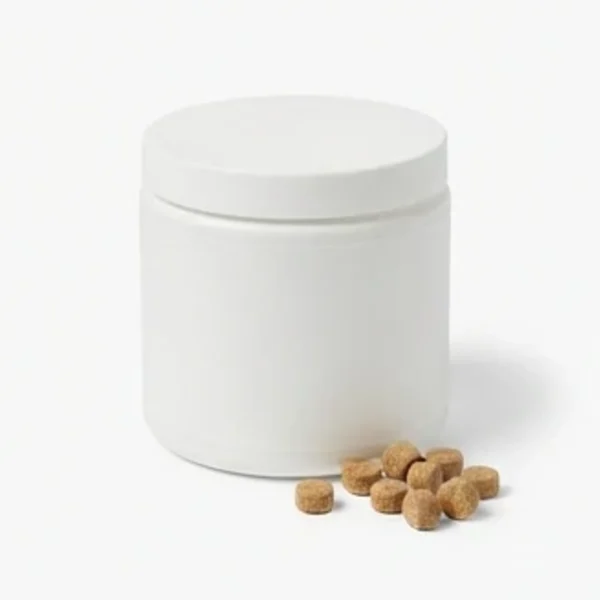
A soft duck-flavoured chew, one a day per the listing's directions, with Bacillus coagulans and 200 milligrams of FOS prebiotic per chew. The listing gives two counts: 120 million CFU per chew in the title and ingredients, and 100 million in another field. So the safest reading is about 100 to 120 million CFU per chew, and the pack will settle it. It lists "cats of all ages" and says its supplements are certified by the National Animal Supplement Council.
It is a single-strain product. The listing says the chews soothe diarrhoea. We'd treat that as the maker's claim, not a reason to skip the vet.
Pros: one chew a day; CFU stated; no mixing
Cons: single strain; two different counts on the listing; imported, so check the delivery details on Amazon before you order; full ingredient list is not in the listing
Best for: cats that take treats more easily than powder
Skip it if: your cat is fussy about soft chews, or you want a multi-strain product
3. Nutramax Proviable kit for cats and small dogs: best short course for loose stools, with your vet's OK
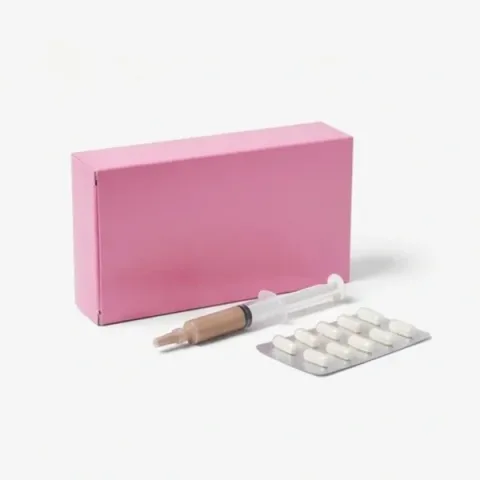
A small kit: 10 capsules plus a 15 ml syringe of paste. Each capsule has 5 billion CFU from seven named strains (Enterococcus faecium, Bifidobacterium bifidum, Streptococcus thermophilus, Lactobacillus acidophilus, L. bulgaricus, L. casei and L. plantarum) plus FOS. The capsules can be opened onto food. The paste has 0.5 billion CFU per gram, plus kaolin and pectin, and an artificial beef flavour. The listing calls it "clinically researched", which is the maker's claim, and it is made for small dogs and cats. VCA lists Proviable among the brand names of probiotics it describes. Our probiotics for dogs guide covers the same kit for dogs.
This is a short course, not an everyday product. Ask your vet before you use it, and don't use it if your cat is vomiting or unwell.
Pros: seven named strains and counts stated; capsules can be opened onto food; short-course format
Cons: small kit that runs out quickly; the paste goes in by mouth, which some cats fight; imported, so check the delivery details on Amazon before you order
Best for: a short bout of soft stools after a diet change, boarding or antibiotics, once a vet has ruled out anything serious
Skip it if: you want an everyday probiotic, or your cat is vomiting or unwell
4. Vetafarm Synbiotic 180-S powder: best for multi-pet homes
A powder from an Australian brand with nine named strains at 180 million CFU per gram (L. acidophilus, L. casei, L. salivarius, L. plantarum, L. rhamnosus, L. brevis, Bifidobacterium bifidum, B. lactis and S. thermophilus), inulin as the prebiotic and digestive enzymes including bromelain. The listing says it is for use in all animals in times of stress, illness, injury or after antibiotics.
It isn't a cat product. The listing's item type reads "Bird Aid" and gives no cat amount, so follow the pack and ask your vet how much suits your cat.
Pros: strains and count both stated; Australian brand; one tub for several species
Cons: sold for all animals, with no cat feeding amount on the listing; the item type reads "Bird Aid"
Best for: households with several species that want one powder with the strains and count stated
Skip it if: you want cat-specific directions on the listing
5. Pet Naturals Daily Probiotic for Cats: best small pack to try
A 30-chew pack, each 1.2 g chew carrying 100 million CFU of Bacillus coagulans and 200 milligrams of FOS, duck flavoured, one a day per the listing. It comes from the same maker family as pick 2, but it has fewer chews, a lower stated count and a much fuller ingredient list. That list includes oat, barley, rice and rye flours, dried skim milk and aloe vera gel concentrate. Ask your vet about the aloe, and about any cat that reacts to grains or dairy. The listing's safety line says to contact a health professional if your cat gets into too many by accident.
Pros: small pack to test acceptance; count stated; one a day
Cons: only 30 chews; single strain; long ingredient list with grains, dairy and aloe vera gel concentrate; imported, so check the delivery details on Amazon before you order
Best for: testing whether your cat will eat a probiotic chew before buying a bigger tub
Skip it if: your cat reacts to grains or dairy
6. Purina Pro Plan FortiFlora for cats: best sachet
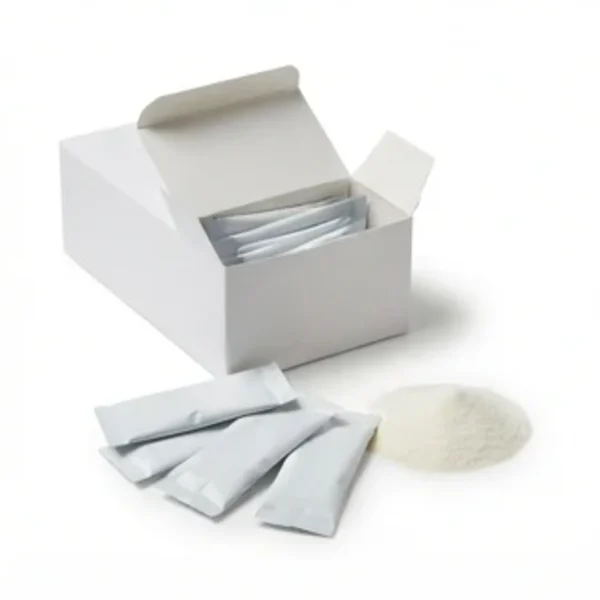
A box of 30 single-serve powder sachets (the listing gives 1.06 ounces, about 30 g). The active strain is Enterococcus faecium SF68, with taurine and vitamins, a liver flavour, and microencapsulation per the listing. Directions say to feed one packet daily or as your vet directs. The listing describes it as for the dietary management of cats with diarrhoea. That is the maker's wording, so talk to your vet before using it that way.
The listing text doesn't give a CFU figure. The ingredient list includes brewers dried yeast and salt, so ask your vet if your cat is on a restricted diet.
Pros: single-serve sachets; one named strain; suitable for kittens and adult cats per the listing
Cons: CFU not stated in the listing text; a liver-flavoured powder some cats ignore; imported, so check the delivery details on Amazon before you order
Best for: owners whose vet suggests a daily sachet
Skip it if: you want a multi-strain product or the CFU figure before buying
Which form should you choose: powder, chew or sachet?
Choose the form your cat will actually finish, because a probiotic only works if it is eaten. Powders suit cats on wet food, chews suit cats that take treats, sachets keep portions fixed, and a capsule and paste kit suits a short course your vet has agreed to.
Powder stirs into wet food, which suits cats on wet cat food. It fails if your cat eats around the topping or refuses the flavour.
Chews are given by hand like a treat, so no mixing. They can contain flours or dairy that powders skip.
Sachets are single servings, which keeps handling simple and portions fixed, and they are one-packet-a-day products.
Capsules and paste, as in the Proviable kit, give a larger count over a short course. The capsules can be opened onto food, and the paste goes in by mouth. Our how to give a cat a pill guide helps if your cat resists.
Probiotics compared
Details from each Amazon Australia listing, checked on 25 Nov 2026. "Not stated" means the listing text doesn't give it, so check the label image on the listing.
Swipe sideways to see every column
Probiotic
Form
Strains named
CFU as stated
Pack
Cat-only?
Daily or short course
Petz Park
Powder
Not stated in the listing text
Not stated
60 scoops, 66 g
Cat
Daily topper
VetriScience
Chew
One: Bacillus coagulans
About 100 to 120 million per chew, check the pack
60 chews
Cat
Daily
Nutramax Proviable
Capsule and paste
Seven (see below)
5 billion per capsule; 0.5 billion per gram of paste
10 capsules, 15 ml paste
Small dogs and cats
Short course
Vetafarm 180-S
Powder
Nine (see below)
180 million per gram
150 g
All animals
Not stated for cats
Pet Naturals
Chew
One: Bacillus coagulans
100 million per chew
30 chews
Cat
Daily
FortiFlora
Powder sachet
One: Enterococcus faecium SF68
Not stated in the listing text
30 sachets
Cat
Daily, or as your vet directs
CFU stands for colony-forming units, a count of live organisms. A bigger number isn't automatically better. A count tells you nothing about whether a particular strain suits cats.
How do you read a probiotic label?
Look for four things: the strain names, a CFU count, the serving size, and whether the product is made for cats. A label that says only "probiotics" can't tell you much.
VCA warns that in the US supplements aren't checked for safety or effectiveness before sale, and that makers are responsible for accurate labelling. It adds that "natural" doesn't mean safe. Quality can vary between brands, so in practice a product that names its strains and counts is easier to judge than one that doesn't. Also check the ingredient list for anything your cat reacts to, such as dairy, grains or fish flavours.
Can you give a probiotic with antibiotics, and how long does it take?
Ask your vet first. VCA says antibiotics and antifungals may reduce a probiotic's effectiveness, so timing is a vet question. We don't give feeding amounts or timelines. Follow the pack, ask your vet for the right amount for your cat, and watch how your cat responds, because results vary.
Where else can you buy cat probiotics?
Vet clinics and pet shops sell cat probiotics too, including sachets and powders you can ask your vet about. A vet can also tell you which strain suits your cat's situation, which a shelf can't. Pharmacies may stock some veterinary supplements as well. Whichever you choose, check that the label is for cats, because some products are for other species.
Choose by situation
Swipe sideways to see every column
Your situation
What to look for
Our pick
Cat eats wet food and doesn't mind a topper
A cat-only powder you can stir in
Petz Park (1)
Cat refuses powder but takes treats
A soft chew given by hand
VetriScience (2), or Pet Naturals (5) to trial
Soft stools after a diet change or boarding, and your vet agrees
A short course with named strains
Nutramax Proviable (3)
Several species at home
One powder with strains and count stated
Vetafarm 180-S (4), with your vet's cat amount
Want to see if your cat takes a chew first
A small pack
Pet Naturals (5)
Vet suggests a sachet
A single-strain daily sachet
FortiFlora (6)
Cat reacts to grains or dairy
A short, plain ingredient list; ask your vet
Check each label; Pet Naturals (5) lists grains and dried skim milk
Cat is vomiting, off food or lethargic
Nothing from this page
Vet first
How we chose
We searched Amazon Australia for cat probiotics and shortlisted those that met all of these checks:
Well rated: a strong average rating with plenty of buyer reviews.
No red flags: no pattern of poor reviews, safety complaints or listing problems.
Available on Amazon Australia when we checked.
Made for cats, or clearly labelled for cats and other species.
What's inside: strains and CFU named where the listing gives them, with "not stated" where it doesn't.
Claims kept in the maker's voice: we dropped products whose titles promise to cure diarrhoea, allergies or bad breath, or whose numbers contradicted themselves.
Where a listing is imported, has a limit or leaves out a detail, we say so in the cons. These are researched picks, not products we've tested. We compared the specifications and features on each Amazon Australia listing, checked on 25 Nov 2026, and we didn't accept payment from any brand.
Left out this time: dog probiotics, a cat multivitamin, chews with no strains or CFU on the listing, and products with broad claims or inconsistent CFU numbers.
When to see a vet
Book a vet visit if your cat has diarrhoea or vomiting that lasts more than a day or two, keeps coming back, or comes with weight loss, poor appetite, lethargy, belly pain or a big change in thirst. Kittens, senior cats and cats with long-term illness should be seen sooner. A probiotic doesn't treat any of these, and a vet can work out the cause.
Go to a vet or emergency clinic straight away if you see blood, dark tarry stools, pale gums, vomiting with blood or dark "coffee-ground" material, repeated straining in the tray, or if your cat may have swallowed string, thread or a toy part. If string is showing, don't pull it. See our cat vomiting guide, and ask your vet before giving any human medicine.
Frequently asked questions
Are probiotics good for cats?
They can be, but the evidence in cats is limited. A 2024 review describes cat research as preliminary, with much of it drawn from dog or human studies. Treat a probiotic as something to discuss with your vet for a specific situation, not a daily must-have.
Can I give my cat a human probiotic?
Ask your vet first. Human products are made for people, may include ingredients that don't suit cats, and don't state a cat amount. Cat-labelled products at least say who they're for. Never give human medicines to a cat without your vet's say-so, because some are dangerous.
Can I give my cat a dog probiotic?
Some products cover both, such as the Proviable kit and Vetafarm powder here, and the listings say so. A dog-only product doesn't tell you it is made for cats. Check the species on the label and ask your vet, which is why we left dog probiotics out.
What probiotic is best for a cat with diarrhoea?
A vet should look first, because diarrhoea can have many causes. Cornell says diarrhoea lasting more than a day or two with other signs needs prompt care. If your vet agrees a probiotic is reasonable, a named-strain product such as Proviable (3) or a sachet your vet suggests (6) are options.
Can probiotics help with hairballs or over-grooming?
Some listings say so, but we couldn't find a vet source for it, so we don't claim it. Hairballs are better handled with brushing and the options on our hairball remedy guide and hairball treats guide. Frequent hairballs are worth a vet check.
Can kittens have probiotics?
Several listings say kittens are fine, but Cornell says kittens may be at higher risk of diarrhoea while their digestive systems adjust to solid food, so a kitten with loose stools needs a vet. Ask your vet before giving any supplement to a kitten, and see our cat milk guide for what's safe to offer.
Do probiotics have side effects?
Mild gas or an upset stomach is possible, according to VCA. Stop the product and call your vet if you see signs of an allergic reaction, such as swelling, a rash or trouble breathing. Check ingredient lists for dairy, grains or flavours your cat reacts to; our cat allergies guide and hypoallergenic cat food guide have more.
How do I get my cat to eat a probiotic?
Start with the form your cat likes. Mix powder into a small amount of wet food first, offer a chew by hand like a treat, and only increase the portion once it's accepted. Don't force it. If your cat refuses, ask your vet about another form.
Product details from each linked Amazon Australia listing, checked on 25 Nov 2026.
This guide provides general information and isn't a substitute for veterinary advice. If you're concerned about your cat's digestion or health, speak with your vet.