Best cat food for a sensitive stomach: wet and dry picks compared
By Anish PuriUpdated 25 Nov 202614 min readResearched, not tested by us
Research guide. WhiskerFinds may earn a commission from links, at no extra cost to you.
Quick answer: The best cat food for a sensitive stomach in this guide is Royal Canin Sensible dry, an adult food that publishes its protein, fat and fibre and is made for digestive sensitivity. Food is only one possible cause of an upset tummy, so see your vet if the problem keeps coming back, and switch foods slowly over about 7 to 10 days.
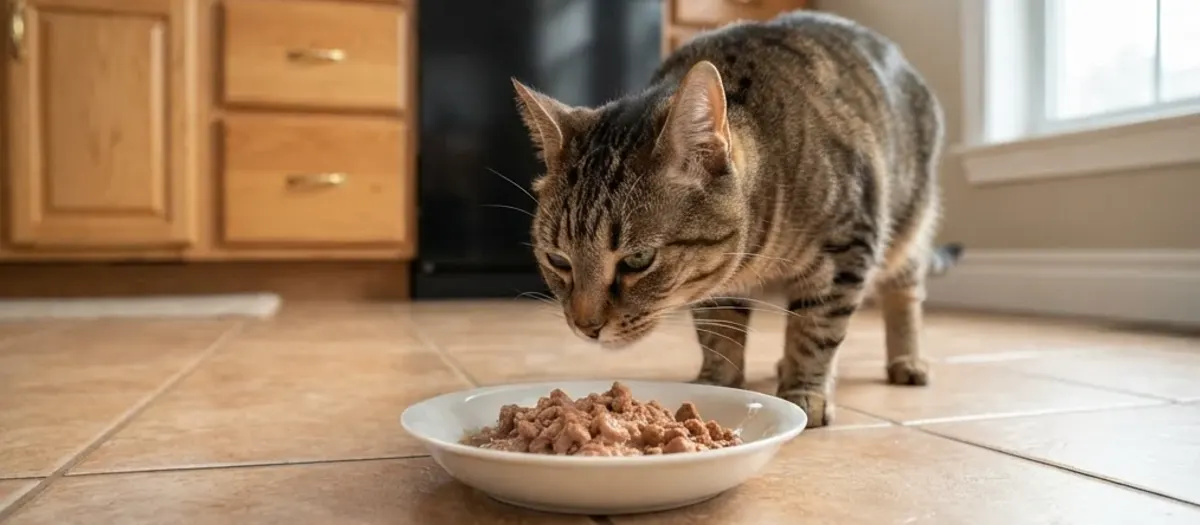
Soft stools, the odd vomit and a fussy appetite often get blamed on the food, and sometimes that's fair. Sometimes it isn't, which is why this page starts with the vet question and then compares five foods, two dry and three wet, on what each Amazon Australia listing actually states. For vomiting itself, start with our cat vomiting guide.
None of these is a veterinary diet, and none is a treatment. They're ordinary shop foods marketed for digestive sensitivity, to use within a routine your vet is happy with. If your cat has a long-term condition, a vet may prescribe a specific diet instead.
Quick picks
Our top pickBest overall
Royal Canin Sensible adult dry, 2 kg
Made for digestive sensitivity; protein, fat and fibre all published
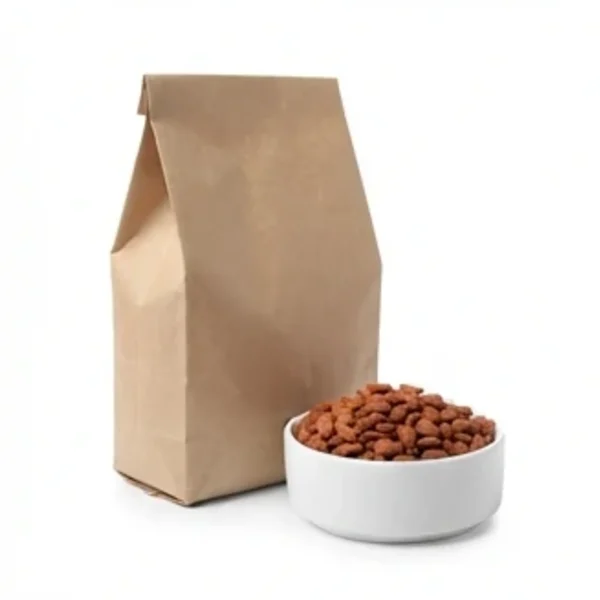
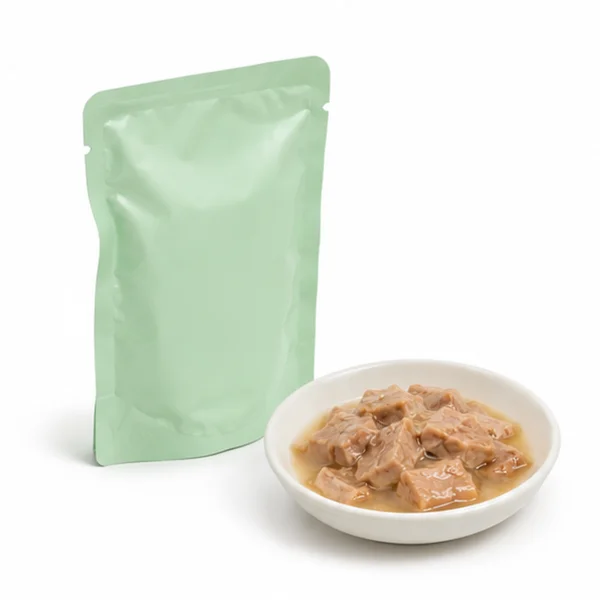
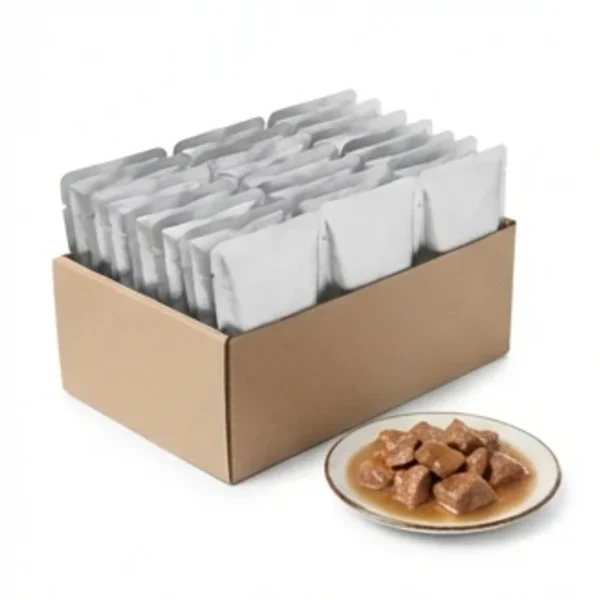
Pictures are illustrations, not the actual products.
Cat foods for sensitive stomachs compared
Details from each Amazon Australia listing, checked on 25 Nov 2026. "Not on the listing" means the listing doesn't say, so check the pack. Wet and dry figures aren't comparable with each other, because wet food is mostly water.
Swipe sideways to see every column
Food
Type
Protein / fat / fibre
Pack
Age on listing
Royal Canin Sensible
Dry
33% / 22% / 1.6%
2 kg
Adult, 1 to 7 years
Hill's dry
Dry
Not on the listing
3.17 kg (7.03 kg is a separate listing)
Adult
Royal Canin Digest Sensitive
Wet, gravy
9.5% / 4% / 0.5%
12 x 85 g (1,020 g)
Adult
Hill's pouches
Wet, chunks
Not on the listing
12 x 80 g
Adult, 1 to 6 years
Wellness CORE Tiny Tasters
Wet, pate
Not on the listing
12 x 50 g (600 g)
Adult
What does a sensitive stomach mean for a cat?
It's a label, not a diagnosis. Owners and pet food makers use it for cats with soft stools, occasional vomiting or a touchy appetite, and a vet can work out whether food, a long-term illness or something else is behind it. Cornell's feline health centre says vomiting more than once a week deserves a prompt visit, even though a hairball every week or two is not uncommon (Cornell Feline Health Center, "Vomiting", page read 25 November 2026).
So the order matters: ask the vet first, then try a food. VCA Animal Hospitals says liquid or semi-liquid stools lasting more than two days need a call to your vet, and bloody or severe diarrhoea, weakness, vomiting, pain or appetite loss need care as soon as possible (VCA Animal Hospitals, "Diarrhea in Cats", page read 25 November 2026). A food change on its own can't sort out a problem that isn't about food.
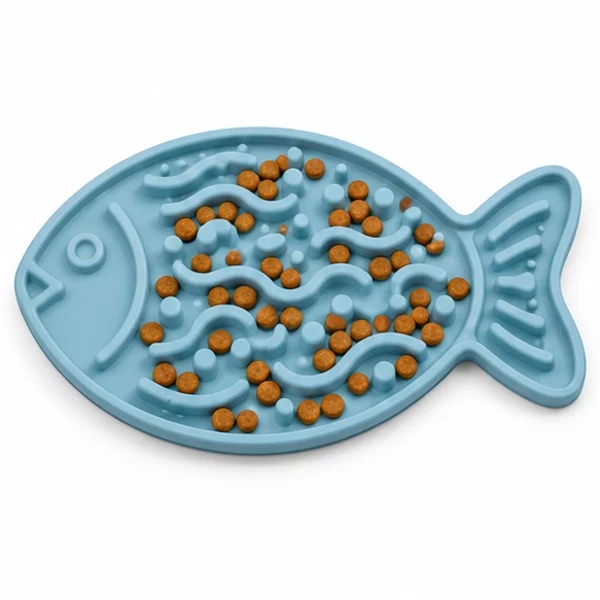
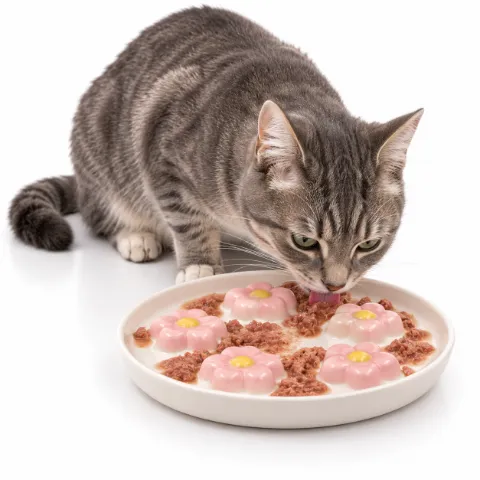
Two nearby causes are worth ruling out before you buy anything. A cat that gulps and brings the meal straight back may do better from a shallow, slower bowl, which our slow feeder cat bowl guide covers. Itchy skin alongside the tummy trouble points towards our hypoallergenic cat food guide and a vet-run food trial.
Our picks in detail
1. Royal Canin Sensible adult dry, 2 kg: best overall
The one dry food here that publishes its numbers and is made for digestive sensitivity. The listing gives protein 33%, fat 22%, crude fibre 1.6% and ash 7.5%. It says the recipe uses highly digestible "L.I.P." protein and FOS prebiotics, comes in three kibble shapes, and is energy dense so meals can be smaller. The listing says these smaller meals decrease digestive workload, which is the maker's claim. Ingredients start with dehydrated poultry protein, animal fats, rice and maize, and the directions say to introduce it gradually.
The listing's age range is adult cats aged 1 to 7 years. Our Royal Canin cat food guide covers the rest of the range. Royal Canin is also sold through vet clinics and pet shops.
Pros: protein, fat and fibre stated; prebiotic FOS per the listing; three kibble shapes; small portions suit a measured routine
Cons: 22% fat and a high energy density mean portions must be measured; the recipe includes grains (rice, maize, wheat) and fish oil
Best for: adult cats with soft stools or a fussy appetite
Skip it if: your cat is under 1 or over 7, needs to lose weight, or reacts to poultry, fish, wheat or maize
2. Hill's Science Diet Adult Sensitive Stomach and Skin dry, 3.17 kg: best for stomach and skin together
A dry food that pairs digestion with skin and coat. The listing says it's a source of prebiotic fibre, with vitamins C and E, easy-to-digest ingredients and no artificial colours. The 7.03 kg listing adds that the food is highly digestible. Hill's says its dry range is not artificially flavoured or preserved, and its switching advice is a 7-day mix of old and new.
The listing has no protein or fat figures and doesn't name the protein. It flags egg as an allergen, and the larger 7.03 kg listing is the chicken and rice recipe, so read the bag if your cat reacts to anything. The 7.03 kg bag is a separate Amazon listing if you have several cats. Hill's is also sold through vet clinics and pet shops.
Pros: prebiotic fibre per the listing; skin nutrients (vitamin E and omega-6 on the 7.03 kg listing); 7-day switch advice from the maker; two bag sizes
Cons: no protein, fat or fibre figures on the listing; contains egg per the listing
Best for: adult cats with a touchy tummy and a dull or flaky coat, and multi-cat homes
Skip it if: your cat reacts to chicken or egg, or you want the numbers before buying
3. Royal Canin Digest Sensitive in gravy, 12 x 85 g: best wet food
The best wet food on the page for anyone who wants numbers. The listing gives protein 9.5%, fat 4%, crude fibre 0.5% and ash 1.3%, thin slices in gravy, and says the food is highly digestible and helps reduce faecal odour (the maker's claims). Serve at room temperature and refrigerate leftovers, per the listing. It's also covered on our Royal Canin cat food guide and wet cat food guide, and it pairs well with pick 1.
The ingredients are written as "meat and animal derivatives", cereals, vegetable protein extracts and sugars, so you can't tell which meats are in it. The listing's allergen field says fish.
Pros: analysis stated; 85 g pouches; made for adult digestive sensitivity
Cons: generic ingredient wording; thin slices in gravy don't suit cats that only eat pate
Best for: cats that do better on wet food, or a wet and dry mix with pick 1
Skip it if: you need to know the exact proteins, or your cat reacts to fish
4. Hill's Science Diet Adult Sensitive Skin and Stomach pouches, 12 x 80 g: best wet variety pack
Two recipes in one pack, Chicken and Beef, and Salmon and Tuna, which keeps mealtimes varied. The listing says each is easy to digest, works as a balanced meal or a kibble topper, and has no synthetic colours, artificial flavours or artificial preservatives. Ingredients include FOS, oat fibre and beet pulp. Chicken, pork liver, egg whites, beef, salmon and tuna all appear between the two recipes, and the ingredient list includes carrageenan.
The listing's age range is adult cats 1 to 6 years. Ignore the "hypoallergenic" in Amazon's allergen field: with that many proteins, it isn't a food for tracking down a trigger.
Pros: two recipes; works as a meal or a topper per the listing; fibre sources named
Cons: several proteins in each pouch; carrageenan is in the ingredient list; no protein or fat figures on the listing
Best for: cats that tire of one flavour
Skip it if: you're trying to find which protein upsets your cat, or your cat is 7 or older
5. Wellness CORE Tiny Tasters tuna and salmon pate, 12 x 50 g: best grain-free pate
A smooth pate in 50 g pouches, so there's little to refrigerate. The listing says grain-free, no added carrageenan, corn, wheat, soy, artificial colours or preservatives, and "complete and balanced". The pouches are single-serve.
This is the pick that isn't built as a digestive diet, which is why it comes last. The ingredient list and analysis aren't in the listing text, and the listing's own first line calls it a topper, so follow the pack's feeding guide if you want to use it as a main meal. It's a fish-only range, so it isn't for a cat that reacts to fish.
Pros: grain-free; no added carrageenan per the listing; smooth texture
Cons: 50 g is small for a main meal; fish only; no ingredient list or analysis on the listing
Best for: cats that only eat smooth pate
Skip it if: your cat reacts to fish, or you want a recipe made for digestion with stated fibre and fat
Is wet or dry food better for a sensitive stomach?
Neither wins on its own. What matters is a food your cat digests well, eats reliably and gets in measured amounts. Wet food is mostly water and comes in small portions, while dry food is compact, keeps well and suits a measured routine.
Some practical differences from the listings:
Dry (picks 1 and 2): easy to measure, and Royal Canin Sensible is energy dense by design, so portions are small.
Wet (picks 3 to 5): useful for a cat that picks at kibble. Wet food at room temperature is the listing's own serving advice, and leftovers go in the fridge.
Mix the new food into the old over about 7 days, raising the share of the new food each step. Hill's says to mix increasing amounts of new food with decreasing amounts of the old over a 7-day period, and VCA suggests going back to regular food over seven to ten days after a bout of diarrhoea. Slow down if your cat objects.
Days 1 and 2: about three-quarters old food, a quarter new.
Days 3 and 4: half and half.
Days 5 and 6: about a quarter old food, three-quarters new.
Day 7: all new food.
If your cat hesitates, Royal Canin suggests staying on one stage for longer, serving the new food in its own bowl, and warming wet food a little to lift the smell. It says some cats need 10 to 14 days. Don't let your cat go hungry in protest. Cornell warns that a mature cat can be seriously harmed after as little as 24 hours without eating (Cornell Feline Health Center, "Anorexia", page read 25 November 2026), so ring your vet instead of waiting it out.
Vomiting or diarrhoea during a switch is a reason to pause and call your vet, not to push on. Foods that are toxic to cats are listed on our what can cats eat guide, which is worth a look if table scraps are part of the picture.
Choose by situation
This is our reading of the listings, not a veterinary recommendation.
Swipe sideways to see every column
Your situation
What to look for
Our pick
Adult cat with soft stools or a fussy appetite
A food made for digestive sensitivity with stated analysis
Royal Canin Sensible (1)
Touchy tummy and a dull or flaky coat
Prebiotic fibre plus skin nutrients, and a bigger bag for several cats
We searched Amazon Australia for cat foods made or marketed for digestive sensitivity, then shortlisted those that met all of these checks:
Well rated: a strong average rating with plenty of buyer reviews.
No red flags: no pattern of poor reviews, safety complaints or listing problems.
Available on Amazon Australia when we checked.
Made for adult cats with the age range stated on the listing.
A named food form and pack size in grams or kilograms.
Ingredients and analysis shown where the listing gives them, with gaps flagged.
Where an ingredient list or analysis is missing, we say so in the cons. These are researched picks, not products we've personally tested. We compared the specifications and features on each Amazon Australia listing, checked on 25 Nov 2026, and we didn't accept payment from any brand.
Left out this time: prescription and veterinary diets (a vet decides those), standard adult and indoor recipes with no digestive claim, kitten and senior foods, and soup-style toppers that aren't shown as complete meals.
When to see a vet
Book a vet visit if your cat has vomiting or diarrhoea lasting more than a day, any blood in the vomit or stool, weight loss, or an upset tummy that keeps coming back despite a food change. Vomiting more than once a week is worth a visit even if your cat seems well in between. Kittens and senior cats should be seen sooner, and a food change won't fix an illness that isn't about food.
Call your vet the same day if your cat stops eating, is hiding, weak or flat, or can't keep water down. Cornell warns a mature cat can be harmed after as little as 24 hours without eating. Any chance your cat has eaten a poison or swallowed string, thread or a toy part is an emergency: ring your vet, and see our cat vomiting guide.
Frequently asked questions
What's the best cat food if my cat keeps vomiting?
See a vet first, because vomiting has many causes and food is only one. If your vet is happy, a food made for digestive sensitivity can be a reasonable next step, introduced slowly. Our cat vomiting guide covers causes and warning signs, and a slower bowl may help a cat that gulps.
Can I mix wet and dry food?
Yes, many owners do. Hill's listing text recommends feeding wet and dry, and the Royal Canin wet listing says to follow the feeding guidelines for both. Count the two together so your cat isn't overfed: follow each pack's guide and adjust with your vet.
Do probiotics help a cat with a sensitive stomach?
Some vets suggest them, but they're a supplement and not a treatment, and the evidence in cats is limited. Ask your vet before starting one. Our cat probiotics guide compares powders, chews and sachets and explains what the labels do and don't tell you.
Is a hairball causing my cat's upset stomach?
It may be. Cornell says a hairball every week or two is not uncommon, but vomiting more than once a week needs a vet visit. Brushing can help, and our cat hairball remedy guide covers gels and when to worry.
Could my cat be constipated rather than having a food problem?
Possibly. Straining, small hard stools or no stool for a day or two can be constipation, which has different causes and a different approach. Straining in the litter tray can also be a urinary emergency, especially in male cats, so see a vet. Our cat laxative guide explains the options.
Can my kitten or senior cat eat these foods?
The listings are for adults: Royal Canin Sensible says 1 to 7 years and the Hill's pouches say 1 to 6 years. None of these is a senior or kitten formula. For a kitten, see our kitten food guide, and for a senior cat, ask your vet what suits their health.
How much should I feed?
Follow the pack's feeding guide and adjust with your vet. Amounts depend on your cat's age, weight and activity, and Royal Canin Sensible is energy dense, so its portions are small. Weigh the food rather than guessing, and ask your vet if your cat is gaining or losing weight.
Product details from each linked Amazon Australia listing, checked on 25 Nov 2026.
This guide provides general information and isn't a substitute for veterinary advice. If you're concerned about your cat's digestion or health, speak with your vet.