Hypoallergenic cat food: what it really means and the options you can buy
By Anish PuriUpdated 25 Nov 202616 min readResearched, not tested by us
Research guide. WhiskerFinds may earn a commission from links, at no extra cost to you.
Quick answer: Hypoallergenic cat food, in the vet's sense, is a hydrolysed or novel protein diet fed in a vet-run food trial, and your vet chooses those, so none are picks here. Without a prescription, Hill's Science Diet Adult Sensitive Stomach and Skin is our best overall pick for adult cats with sensitive skin or a touchy tummy.
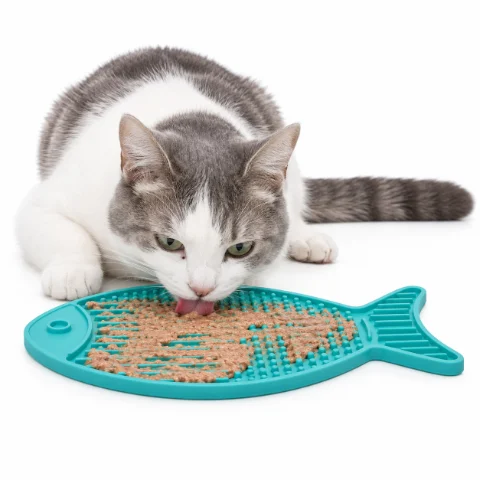
Illustration, not the actual product
Our top pickHill's Science Diet Adult Sensitive Stomach and Skin dry, 3.17 kg
The word "hypoallergenic" on a bag is a marketing term, not a promise that your cat won't react. This guide explains what vets mean by it, how a food trial works, and which foods you can buy without a prescription for a cat with sensitive skin or a suspected intolerance, or for after your vet has finished the trial. For the bigger picture on itching and allergy types, start with our allergies in cats guide. If vomiting is the main sign, read our cat vomiting guide first.
Five foods made the list, and none of them is a true novel protein diet. Three are fish-based, one is a raw freeze-dried food, and only one has its full ingredient list on the listing.
Quick picks
Our top pickBest overall
Hill's Science Diet Adult Sensitive Stomach and Skin dry, 3.17 kg
Made for sensitive skin and digestion, with the maker's 7-day switch advice on the listing
Pictures are illustrations, not the actual products.
What does hypoallergenic cat food really mean?
It means a diet built to avoid triggering an immune reaction, and for vets that is a hydrolysed or novel protein diet. A hydrolysed diet has its proteins broken into pieces too small for the immune system to recognise. A novel protein diet uses a protein your cat has never eaten (VCA Animal Hospitals, "Food Allergies in Cats", page read 25 November 2026).
Hydrolysed diets are prescription foods sold through vets. Brands such as Royal Canin and Purina Pro Plan make veterinary hydrolysed and anallergenic ranges, and your vet may prescribe one. We don't pick them because the diet should come with a vet's plan, and we leave the product choice to the vet. Our Royal Canin cat food guide covers the over-the-counter range from that maker.
Everything else, including foods whose listings say "sensitive", "limited ingredient" or "grain free", is an ordinary food. Some contain common proteins. They can suit a cat with a dull coat or a sensitive tummy, but they are not a way to diagnose or treat a food allergy.
How does a vet-run food trial work?
Your vet first rules out fleas and other causes of itching, then picks a diet your cat hasn't eaten before and has you feed only that for at least eight weeks. MSD says blood and skin tests aren't reliable for food allergy, so the trial is how the cause is found.
The rules below come from the three sources we opened. Your vet sets the plan, and the details vary a little between sources.
Step
What the sources say
Rule out other causes
Cornell says other causes such as flea bites are ruled out first, and VCA lists external parasites, infections and other allergies
Choose the diet
A hydrolysed prescription diet, or a complete and balanced food with proteins your cat has never eaten (MSD)
Feed only that
No treats, snacks or flavoured medicines. VCA says even licking a plate clean could affect results
Length
VCA says at least eight weeks, Cornell at least eight to 10 weeks, and MSD up to about three months, with improvement taking one to nine weeks to appear
Challenge
If signs clear, old foods go back one at a time to find the trigger (MSD says up to 14 days each)
A dry food for adult cats made for both skin and digestion. The listing says it is a source of prebiotic fibre, comes with vitamins C and E, has no artificial colours, and is meant to help nourish an adult cat's skin. It describes the recommended use as maintaining digestive and skin health in adult cats with sensitive stomachs and skin. Its allergen field says eggs, and the listing gives no ingredient list or analysis numbers, so read the bag before you buy for a cat with a known trigger.
A bigger 7.03 kg bag is listed separately as the chicken and rice recipe, which is why chicken is in our skip list. Amazon tags this food "limited ingredient", but that is Amazon's field, not a claim we repeat, and it isn't a hypoallergenic diet in the veterinary sense.
Pros: made for sensitive skin and digestion; maker's 7-day switch advice on the listing; no artificial colours per the listing
Cons: not a hypoallergenic diet in the veterinary sense; contains common proteins; no ingredient list or analysis on the listing
Best for: adult cats with a dull coat, flaky skin or a touchy tummy where the vet hasn't found a true food allergy
Skip it if: your cat is on a vet-run food trial, or is known to react to chicken or egg
2. Feline Natural Beef and Hoki freeze-dried, 100 g: best chicken-free, short ingredient list
The only pick here with every ingredient written out. The listing says beef, beef heart, hoki, beef tripe, kidney, liver, lung and New Zealand green mussel, then sunflower oil, kelp, taurine, flaxseed flakes, vitamins and minerals. It says no grains, all life stages, complete and balanced, made in New Zealand. The directions read only "use as directed", so follow the pack for adding water.
Freeze-dried food is raw, so wash your hands and bowls after handling it. The listing's bullet points mention lamb, but the ingredient list doesn't, so check the bag. Don't confuse it with the larger "Beef" listing, whose ingredients differ from this one.
Pros: full ingredient list on the listing; no chicken; no grains; complete and balanced per the listing
Cons: only 100 g, so a trial bag more than a staple; the listing's bullets mention lamb while the ingredients don't; raw food needs hygiene care
Best for: cats that seem to react to chicken, where you want every ingredient named
Skip it if: your cat reacts to beef, fish or shellfish, you don't want to handle raw food, or you need a big bag
3. Fussy Cat Grain Free Adult dry, salmon, whitefish and olive oil, 2.5 kg: best Australian fish dry food
An everyday dry food in a 2.5 kg bag. The listing says salmon and whitefish as the main proteins, which it calls Australian, grain-free, with omega 3 and 6, and complete and balanced nutrition for adult cats. Amazon files it under limited ingredient, but the listing doesn't give the full ingredient list, so we can't confirm fish is the only animal protein.
Fish is itself a common trigger in cats, as MSD and VCA both say, so this suits a cat that hasn't had much fish, not one that has. A 10 kg bag is listed separately.
Pros: named fish proteins; grain-free; complete and balanced per the listing; larger bag than most trial foods
Cons: grain-free isn't the same as hypoallergenic; fish is a common trigger; full ingredient list isn't on the listing
Best for: owners who want a fish recipe the listing calls Australian as an everyday food for a cat with mild skin or tummy sensitivity
Skip it if: you need to avoid a specific protein, or your cat reacts to fish
4. Wellness CORE Tiny Tasters tuna and salmon pate, 12 x 50 g: best wet option
A smooth pate in single-serve 50 g pouches, which suits cats that eat wet food and don't finish a big can. The listing says grain-free, with no added carrageenan, wheat, wheat gluten, corn, soy, artificial colours or preservatives, complete and balanced for adults, and to serve at room temperature and refrigerate the unused part. Its "sensitive stomach formula" tag is the listing's own wording, not something we can confirm.
It isn't a digestive diet, and the ingredient list isn't on the listing.
Pros: smooth pate; small pouches mean little waste; no corn, wheat, soy or carrageenan per the listing
Cons: 50 g is small for a main meal, and the listing's first line calls it a topper, so follow the pack's feeding guide; fish only; no ingredient list on the listing
Best for: cats that need wet food and do well on fish
Skip it if: your cat reacts to fish, or you need the full ingredient list before buying
5. Purina Pro Plan Adult Sensitive Skin and Stomach, salmon and tuna, 1.5 kg: best small bag to try
A dry food for adult cats in a 1.5 kg bag, handy for seeing whether your cat will eat it before buying more. The listing says the recipe is formulated with sensitive skin or digestion in mind, has live probiotics and prebiotics, omega 3 fatty acids and no added artificial colours, flavours or preservatives, and is made in Australia. Its allergen field reads "fish may contain", and the listing gives no ingredient list.
The probiotic claim is the maker's. Our probiotics for cats guide explains what the evidence does and doesn't support.
Pros: small bag; Australian made per the listing; sensitive skin and stomach recipe
Cons: a salmon and tuna recipe, so not for a fish-sensitive cat; no ingredient list on the listing
Best for: trying a sensitive-skin dry food in a small bag
Skip it if: your cat reacts to fish, or you need the protein list before buying
Which proteins most often cause a reaction in cats?
The sources agree on chicken and beef, then differ a little. MSD names fish, beef, chicken and dairy. VCA names beef, fish, chicken and dairy. Cornell doesn't rank triggers. It names the protein sources most used in cat food (beef, pork, lamb, chicken, turkey and eggs) and plant ingredients such as wheat, barley and corn.
The takeaway is practical. A cat can react to almost any ingredient it eats often, so a "novel" protein is one your cat hasn't had, not a particular meat. That is why a trial food is chosen from your cat's history, and why a fish-based food isn't automatically gentler.
Is grain-free cat food hypoallergenic?
No. Grain-free only means the recipe has no grains. Cornell mentions wheat, barley and corn, but all three sources also name animal proteins, and a grain-free food can still be built on chicken, beef or fish.
We don't think a grain-free label should decide which food you buy. Check the protein, and treat the label as one fact about the recipe. Our grain free cat food guide covers those foods in their own right.
The foods compared
Details from each Amazon Australia listing, checked on 25 Nov 2026. "Not on the listing" means we couldn't find it in the listing text.
Swipe sideways to see every column
Food
Form and pack
Protein named on the listing
Grains
Full ingredient list on the listing
Hill's Sensitive Stomach and Skin
Dry, 3.17 kg (7 lb)
Not named; allergen field says eggs
Not on the listing
No
Feline Natural Beef and Hoki
Freeze-dried raw pellets, 100 g
Beef, beef heart, hoki, tripe, kidney, liver, lung, New Zealand green mussel
None
Yes
Fussy Cat Grain Free
Dry kibble, 2.5 kg
Salmon and whitefish
None (grain-free)
No
Wellness CORE Tiny Tasters
Wet pate pouches, 12 x 50 g (600 g)
Tuna and salmon
None (grain-free)
No
Purina Pro Plan Sensitive Skin and Stomach
Dry, 1.5 kg
Salmon and tuna (in the title); allergen field says "fish may contain"
Not on the listing
No
Choose by situation: what has your cat already eaten?
Pick from what your cat has already eaten, and let your vet decide anything in a trial. If a food on this table shares a protein with something your cat eats daily, it isn't a different food for your cat.
Swipe sideways to see every column
Your cat has mostly eaten
Look at
Check or skip
Chicken-based dry or wet food
Feline Natural (no chicken in its ingredient list)
Fussy Cat, Wellness and Purina name fish but don't show full ingredients, so read the pack for chicken. Hill's: the bigger bag is the chicken and rice recipe
Beef-based food
Fussy Cat, Wellness or Purina, if fish is new to your cat and the pack shows no beef
Feline Natural (it is mostly beef)
Fish-based food
Nothing here is confirmed fish-free and chicken-free, so ask your vet
Fussy Cat, Wellness, Purina and Feline Natural (hoki) all contain fish
Dry food only, and wet food is needed
Wellness
Check the pouch for your cat's usual protein
A mix of everything
Ask your vet about a trial food
A shop-bought food is unlikely to give a clean answer
Eggs known to upset your cat
Feline Natural (no egg in its ingredient list)
Hill's listing flags eggs; the other three don't show full ingredients, so read the pack
How do you switch cat food safely?
Change over gradually. Hill's listing says to mix increasing amounts of the new food with decreasing amounts of the old over a 7-day period, and the same approach suits the other foods here. If your vet runs a trial, they will tell you how to move to the trial food.
Keep the old food available in case your cat refuses the new one. MSD warns that a prolonged poor appetite can lead to serious liver damage, and Cornell says a mature cat can be harmed after as little as 24 hours without eating, so a cat that won't eat needs a vet rather than a longer wait. Our cat food for sensitive stomachs guide has more on switching when the problem is digestion rather than skin. If the trouble is hard stools or straining, our cat laxative guide explains when that needs a vet.
Where else can you buy these foods?
Hill's and Purina Pro Plan foods are sold through vet clinics and pet shops, and so are the prescription hypoallergenic diets, which need your vet's say-so. Raw and freeze-dried foods and fish-based dry foods are mostly found in pet shops. If you buy elsewhere, compare the ingredient panel on the bag with the table above, because recipes and pack sizes change.
How we chose
We searched Amazon Australia for cat foods that suit a sensitive skin or a suspected intolerance, then shortlisted those that met all of these checks:
Well rated: a strong average rating with plenty of buyer reviews.
No red flags: no pattern of poor reviews, safety complaints or listing problems.
Available on Amazon Australia when we checked.
Made for cats, not a dog food or a supplement.
Proteins named where the listing gives an ingredient list or a named protein, with the gaps said plainly.
Not sold as prescription, so your vet can still choose a trial diet.
Where a listing is missing a detail, we say so in the cons. These are researched picks, not products we've personally tested. We compared the specifications and features on each Amazon Australia listing, checked on 25 Nov 2026, and we didn't accept payment from any brand.
Left out this time: veterinary hypoallergenic diets (they belong with your vet), Hill's pouches with several proteins, a wet variety pack, an indoor-cat recipe built on chicken and turkey, a lamb tripe supplement, and a freeze-dried listing whose ingredient list didn't match its product.
When to see a vet
Book a vet visit before changing food if your cat has any of these:
constant scratching, or open sores or hair loss from scratching
swelling of the face or ears
vomiting or diarrhoea together with weight loss (see our cat vomiting guide)
a cat that stops eating a new food, because cats shouldn't go without food and a long loss of appetite can damage the liver (MSD Veterinary Manual)
a kitten, because kittens need a complete kitten food and a vet's guidance
Itching can have several causes, such as fleas, which vets rule out first. Our allergies in cats guide covers the full picture.
Frequently asked questions
Can I run an elimination diet at home?
It's better to let your vet plan it. MSD says a trial works best when planned with a vet, and any earlier ingredient, treat or snack can spoil the result. A vet can also rule out fleas first and choose a diet that is complete and balanced.
Is "limited ingredient" the same as hypoallergenic?
No. Limited ingredient is a loose label, and on Amazon it is a listing field that we don't treat as a claim. A food with few ingredients can still contain the protein your cat reacts to. Check the protein against what your cat has eaten, and ask your vet for a trial.
Can cats be allergic to chicken?
Yes. Chicken is among the proteins the sources list most often, alongside beef, fish and dairy. Many cats eat chicken without trouble, so a reaction isn't certain. Only a vet-run trial can show whether chicken is the cause for your cat.
How long until my cat improves on a new food?
It varies. MSD says improvement on a trial diet can take one to nine weeks to appear, and the sources give trial lengths of eight weeks to about three months. Watch your cat, note any change, and talk to your vet before switching again.
Can I give treats during a food trial?
VCA says no other treats, supplements or edible products during the trial, and MSD says only the food and treats your vet recommends. VCA says even licking a plate clean could affect results. Ask your vet about trial-safe rewards. Our treats guide covers the everyday 10% rule outside a trial.
Is raw or freeze-dried food better for allergies?
The sources we opened don't say so. Raw food isn't a way around a food trial, and it needs hygiene care. Choose it only if the protein suits your cat and you're comfortable handling it, and ask your vet first for a cat with health problems.
What if my cat won't eat the new food?
Go back to the old food while you call your vet. MSD warns that a cat going off its food for a prolonged time can cause serious liver damage, and says not to force a switch. A cat that refuses a trial diet needs a vet, not a longer wait.
Does wet food help a cat with food allergies?
Not by itself. Wet or dry matters less than the protein. Wet food can suit a cat that won't eat kibble, and our wet cat food guide and dry cat food guide compare both. A food trial uses whichever form your vet chooses.
Product details from each linked Amazon Australia listing, checked on 25 Nov 2026.
This guide provides general information and isn't a substitute for veterinary advice. If you're concerned about your cat's skin, food reactions or health, speak with your vet.