Quick answer: Cat vomiting once, followed by normal eating, drinking and behaviour, is often a hairball, eating too fast or a food change. Vomiting that repeats within a day, keeps coming back, or comes with blood, lethargy, pain or not eating needs a vet. The colour gives clues, but it can't name the cause on its own.
Almost every cat vomits now and then, and it's hard to know when to relax and when to ring the clinic. This guide covers the common causes, what different vomit can mean, safe things to do at home and the red flags. If hair is the main issue, our cat hairball remedies guide goes into more detail.
Quick picks
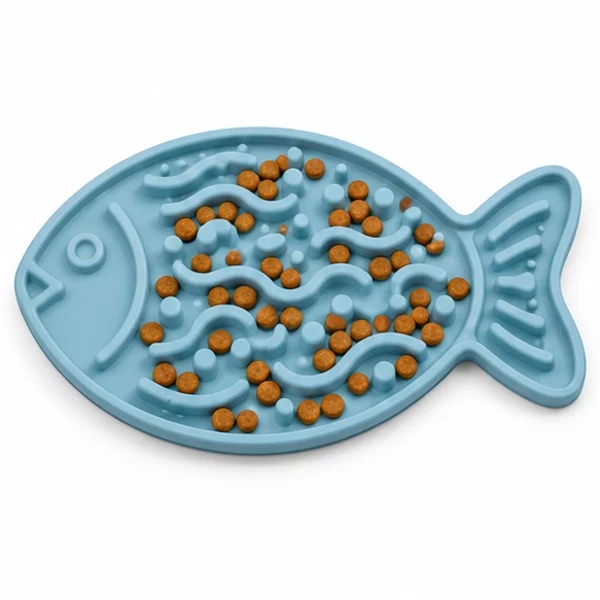
Catstages Fishie Fun Feed Mat
Spreads a meal out so a fast eater can't gulp it all at once
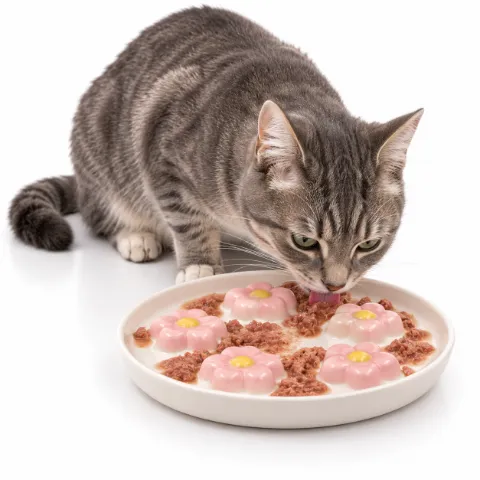
PTOBER ceramic flower maze plate
A maze plate for wet food that slows a fast eater down

Catit Pixi fountain
Running water gives your cat another place to drink
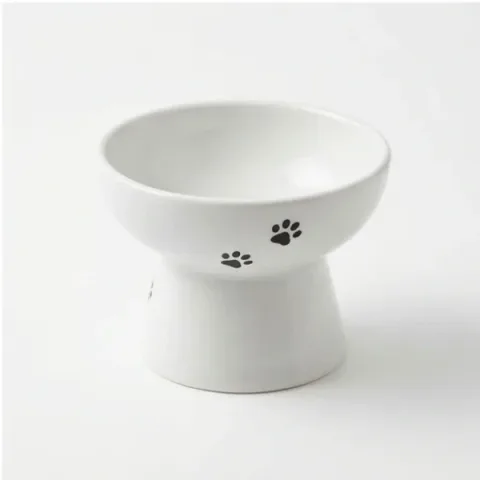
necoichi Happy Dining Cat Water Bowl with stem, Regular
A roomy bowl gives fresh water in another spot
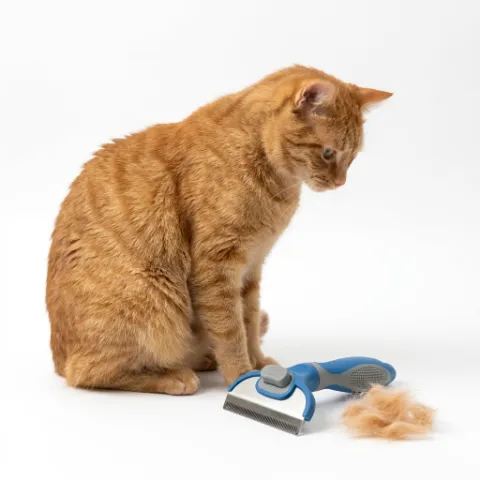
FURminator Undercoat deShedding Tool, Short Hair Cats
Regular brushing takes loose hair off before your cat swallows it
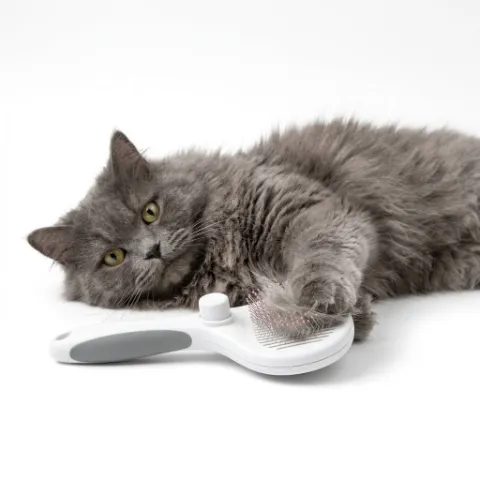
aumuca Self-Cleaning Slicker Brush
Another brush to lift loose hair, which is a common hairball cause
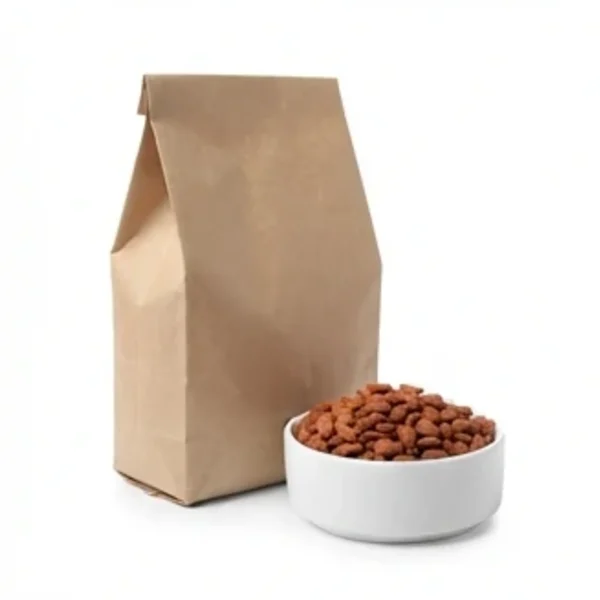
Royal Canin Sensible adult dry food, 2 kg
A food to ask your vet about, not a treatment
A slow feeding mat for wet or dry food
It spreads a meal out so a fast eater can't gulp it all in one go.
A compact cat water fountain
Running water gives your cat another place to drink, which is handy if you want fresh water in a few spots.
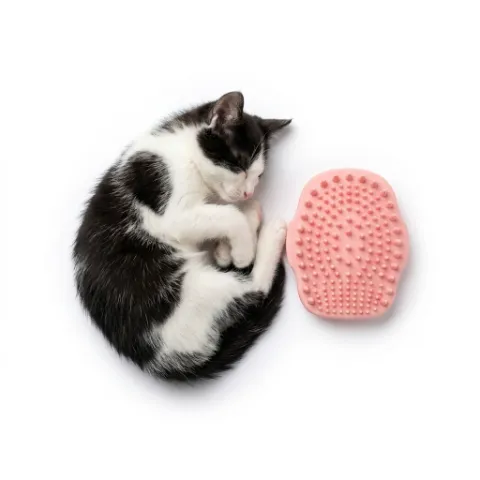
A rubber grooming brush for short coats
Regular brushing takes loose hair off before your cat swallows it.
A ceramic maze plate for wet food
The maze slows down a cat who gulps wet food.
A wide cat water bowl on a stem
Another easy place for fresh water.
A deshedding tool for short coats
Brushing takes loose hair off before your cat can swallow it.
A self-cleaning slicker brush
Another way to lift loose hair, and it's quick to clear between brushing sessions.
Pictures are illustrations, not the actual products.
More detail on each is in Useful gear for cats that gulp, shed or have a touchy tummy below. These are tools within a routine; they don't treat vomiting, and your vet comes first.
Why is my cat throwing up?
Cats throw up for many reasons, from harmless to serious. Common ones include hairballs, eating too fast, a food change or something unsuitable swallowed. Less often it points to parasites, a blockage, poisoning, or kidney, thyroid or other disease. A vet works out which one applies.
Here's how the sources group the causes:
- Often minor: hairballs, dietary indiscretion (plants, scraps, spoiled food), intestinal parasites, and food intolerance or allergy (VCA).
- Swallowed things: string or yarn, small objects, human medicines, poisonous plants and some human foods such as chocolate and onions (Cornell). Lilies are a particular danger to cats, so read our lilies guide.
- Illness: constipation, inflammatory bowel disease, a blockage, diabetes, kidney disease and an overactive thyroid (Cornell), plus pancreatitis and liver or kidney disease (VCA, Merck) and urinary tract blockage (VCA).
Our list of safe and toxic human foods is worth keeping handy if your cat has been near the kitchen.
What does the colour of cat vomit mean?
Colour can give a clue, but it can't tell you the cause. Clear liquid or white foam is more consistent with an empty or irritated stomach, yellow or green with bile, and dark brown or black with digested blood. Red or dark material needs a vet straight away, whatever else is going on.
| What you see | What it can mean | What to do |
|---|---|---|
| Clear liquid | Can be stomach fluid, or water your cat has just drunk. If your cat is bringing up everything and can't keep water down, that needs a vet right away | One-off: watch. Can't keep water down: vet now |
| White foam | Can happen when the stomach or small intestine is irritated. Foam alone can also come from coughing (see below) | Once and your cat is well: watch. Repeated: vet |
| Yellow or green liquid | Can be stomach acid or bile, which cats may bring up when the stomach is empty | Once and your cat is well: watch. Repeated, or your cat is off food: vet |
| Undigested food | Can be eating too much or too fast. Food that comes up without effort may be regurgitation rather than vomiting | See the sections below |
| A tube-shaped wad of hair | Can be a hairball, more likely in long-haired cats or cats that groom a lot | Occasional is common. See our hairball guide |
| Red streaks or blood | Can come from irritation of the stomach or food pipe, or from ulcers | Vet straight away |
| Dark brown or black, sometimes grainy like coffee grounds | Can be digested blood, which may go with ulcers, foreign objects or bowel inflammation | Vet straight away |
| Worms | Can mean roundworms, which need vet treatment | Vet |
Colour descriptions paraphrased from PetMD (updated 8 October 2026, vet checked), except the coffee-grounds description of digested blood, which is from the Merck Veterinary Manual. Sources vary on how much weight to give colour, so treat the pattern and your cat's behaviour as more important than any single shade.
Is it vomiting, regurgitation or a hairball?
Vomiting is active: your cat retches, their belly heaves and they look unwell. Regurgitation is passive, quick and usually happens soon after eating or drinking. Hairballs are a wet, tube-shaped wad of hair. Telling these apart helps your vet, so note which one you saw.
VCA says vomiting involves abdominal contractions and visible effort, while regurgitation happens quickly, without them, often straight after eating or drinking. Merck says regurgitated food tends to be undigested and can look cylindrical, because it reflects the shape of the oesophagus.
A cough can look like vomiting or a hairball. VCA says a cat that coughs up foam may swallow it again, and coughing usually means crouching with the neck stretched out. Our hairball guide has the full cough versus hairball section, so we won't repeat it here. A short phone video of an episode is gold for your vet.
Why does my cat vomit straight after eating?
A cat that brings up food soon after a meal may have eaten too much or too quickly, PetMD says, or the food may have come back up without true vomiting, which is regurgitation. One gulped meal isn't a pattern. If it happens often, a vet should check, because other causes need ruling out.
Cornell advises a vet visit if a normally fastidious cat frequently gags and throws up what they've just eaten. A single gulped meal is a different matter from a pattern. Smaller, more frequent meals are worth talking through with your vet. A shallow slow feeder can help some gulpers, and it's covered in the gear section below.
Is cat vomiting normal, and how often is too often?
Occasional vomiting is common, but it isn't automatically normal. Cornell says bringing up a hairball every week or two is not uncommon and usually causes no lasting problems. It says to see a vet promptly if a cat vomits more than once a week, or has other signs such as lethargy or blood.
Other sources draw the line in slightly different places, which is why we point to the pattern rather than a single number:
- Merck: vomiting more often than once or twice a day, or vomiting that goes on long term, needs a detailed vet exam. It calls vomiting that lasts under a day or two with no other signs short-term.
- PetMD: vomiting more than two or three times in a row needs a vet.
- VCA: a cat that seems well but keeps vomiting for more than a day or two should be seen.
Vomiting that returns every week or two, even if your cat seems fine in between, is still worth a vet chat. A cat that is otherwise well can still have an underlying issue such as a food intolerance, parasites or a metabolic disease. Hairball frequency is covered in our hairball guide.
What can I do at home after a one-off vomit?
After a single episode in a cat who seems well, keep fresh water available, watch closely and offer small meals once your cat is interested in food. Don't give human medicines, and never try to make your cat vomit. If your cat vomits again, stops eating or seems unwell, ring your vet.
A few practical points:
- Water: Merck says not to withhold water unless a vet is giving fluids, because dehydration can make things worse. Fresh water in a few spots, or a cat water fountain, makes drinking easy.
- Food: sources differ here. Merck describes resting the gut with no food for a set period, while VCA describes small, frequent portions of an easily digested diet at a vet's direction. Because kittens, seniors and cats with long-term illness may not suit fasting, phone your clinic for advice on your cat instead of guessing.
- Medicines: human medicines can be dangerous for cats, so don't give anything without asking your vet. Anti-nausea medicines used for cats are prescribed by a vet after an exam (Merck).
- Pick up risks: put away string, thread, hair ties, tinsel, medicines and lilies so the cause isn't repeated.
- Keep notes: time, what it looked like, what your cat ate and any changes in thirst, litter tray use or energy.
Don't leave it too long. Vomiting that continues or gets worse is a vet visit, not a wait-and-see.
When is cat vomiting an emergency?
Treat it as an emergency if your cat vomits blood or dark grainy material, keeps retching with nothing coming up, has a tight or painful belly, is very flat or weak, can't keep water down, or may have swallowed poison or an object. Straining in the litter tray is also an emergency, especially in a male cat.
VCA lists urinary tract blockage among the serious causes of vomiting, which is why litter tray changes matter. If you can't reach your regular clinic, an after-hours emergency vet is the right call. Don't wait until morning.
When to see a vet
Ring your vet or an emergency clinic now if your cat has any of these:
- blood in the vomit, or dark brown or black grainy material
- vomiting several times in a day, or vomiting that keeps happening over more than a day
- not eating, hiding, very flat or weak, or can't keep water down
- a sore, tight or swollen belly, or retching again and again with nothing coming up
- any chance of poison or a swallowed object, such as lilies, human medicines, string, thread, ribbon, hair ties or toy parts. If string is visible in the mouth or under the tail, do not pull it
- straining in the litter tray, or going in and out with little or no wee, especially a male cat. Treat this as an emergency
For a possible poisoning, you can also call the Animal Poisons Helpline on 1300 869 738 (24/7). Read our lilies guide if your cat has been near lilies.
Book a vet visit soon if your cat has:
- vomiting together with diarrhoea, weight loss or a big change in thirst
- vomiting that comes back every week or two, even if your cat seems fine in between
Call sooner for kittens, senior cats and cats with diabetes, kidney disease, an overactive thyroid or other long-term illness. PetMD says repeated vomiting in a cat with these conditions needs immediate care because of the risk of fast dehydration.
Can changing food stop a cat vomiting?
Sometimes, but not always, and only once a vet has checked your cat. A food change can help when vomiting is linked to an intolerance or a sensitive stomach, but vomiting has many causes that no food will fix. Switch slowly, never suddenly, and stop and call your vet if vomiting continues.
VCA lists food intolerance and allergy among the causes of vomiting, so a change of diet is a reasonable thing to discuss with your vet. Introduce any new food gradually, as the listing for the Royal Canin Sensible below says. Our guide to the best cat food for a sensitive stomach sets out a 7-day switch, and our hypoallergenic cat food guide explains why a true food trial is run by a vet. A cat that stops eating the new food needs a vet.
Useful gear for cats that gulp, shed or have a touchy tummy
These are tools within a routine, not fixes for vomiting. Check with your vet first if your cat vomits often.
- Royal Canin Sensible adult dry food, 2 kg: the listing says it is for adult cats aged 1 to 7 showing signs of food sensitivity, with highly digestible protein and prebiotics. It's a food to ask your vet about, not a treatment. See our sensitive stomach guide and Royal Canin cat food guide.
- A shallow slow feeder or feeding mat for cats that gulp and bring food straight back up. Our slow feeder cat bowl guide compares the options by size.
- Brushing and a hairball gel for cats that bring up hair. See our hairball remedies guide for what helps and when to see a vet. For constipation, read our cat laxative guide.
- A probiotic is only something to ask your vet about. Our probiotics for cats guide explains what the evidence does and doesn't show.
Frequently asked questions
Why is my cat vomiting white foam?
White foam can come up when the stomach or small intestine is inflamed, according to PetMD. Foam can also come from coughing, which VCA says cats may swallow again, so note whether your cat retched or coughed. Once in a well cat, watch closely. Repeated foam, or a cat that's off food or flat, needs a vet.
Can I give my cat anything for vomiting from my medicine cabinet?
No. Human medicines can be dangerous for cats, so never give one without asking your vet. Anti-nausea medicines for cats are prescribed by a vet after finding out why your cat is vomiting. Ring your vet for advice, and never try to make your cat bring anything up.
Can a hairball gel or laxative stop a cat vomiting?
It may help with hair, but vomiting has many causes, and Cornell advises against giving a laxative without veterinary approval. A cat that is vomiting often needs an exam first. Read our hairball guide and cat laxative guide for details.
What if my cat may have eaten something poisonous?
Ring your vet or the Animal Poisons Helpline on 1300 869 738 (24/7) straight away, even if your cat seems fine. Common risks include lilies, human medicines, onion, garlic and chocolate. Don't wait for signs, and don't try to make your cat vomit.
Is vomiting more serious in older cats?
It can be. Cornell lists kidney disease, diabetes and an overactive thyroid among the causes of vomiting. PetMD says repeated vomiting in a cat with these conditions needs immediate care. Call your vet sooner for seniors.
What should I tell the vet about my cat's vomiting?
Say when it started, how many times, what it looked like, what your cat ate and any change in thirst, wee, poo or energy. Photos or a short video help. Mention anything your cat might have swallowed, such as string, plants or medicines.
Why does my cat bring up yellow liquid first thing in the morning?
Yellow liquid can be stomach acid or bile, which PetMD says cats may bring up when the stomach is empty. A one-off before breakfast in a cat who is otherwise well may not mean much. If it keeps happening, or your cat seems off, ask your vet to check.
Related guides
- Cat hairball remedies: what works and when to see a vet
- Best cat food for sensitive stomachs
- Hypoallergenic cat food
- Probiotics for cats
- Cat laxatives
- Slow feeder cat bowls
- Are lilies poisonous to cats?
- What can cats eat?
- Best cat water fountains
Sources
- Cornell Feline Health Center: Vomiting (page last updated 2021, read 25 November 2026)
- VCA Animal Hospitals: Vomiting in Cats (updated 14 August 2026, read 25 November 2026)
- Merck Veterinary Manual: Vomiting in Cats (page read 25 November 2026)
- Cornell Feline Health Center: The Danger of Hairballs (read 25 November 2026)
- Merck Veterinary Manual: Disorders of the Stomach and Intestines in Cats (page read 25 November 2026)
- PetMD: Why Is My Cat Vomiting? (updated 8 October 2026)
- Royal Canin Sensible details from the Amazon Australia listing, checked on 25 Nov 2026.
This guide provides general information and isn't a substitute for veterinary advice. If you're concerned about your cat's vomiting, speak with your vet.