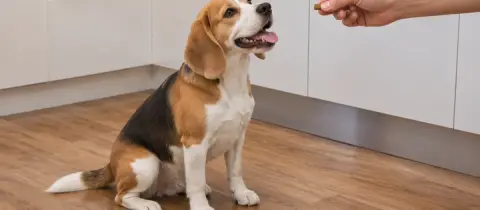
Quick answer: To give a cat a pill, first ask your vet whether it can go in food. If so, hide it in a small soft treat. If not, tuck your cat against you, place the tablet far back on the tongue, close the mouth, then follow with a little water. Never scruff.
Pilling a cat feels like a wrestling match you're destined to lose, but a calm routine and the right order of methods makes it far easier. This guide covers food, the hand method, the towel wrap and the water chaser, plus when to ask your vet for a different form. For the soft pocket treats themselves, see our pill pockets guide. Giving a dog a tablet? See how to give a dog a pill.
One rule sits above everything else: only give what your vet prescribed, at the amount and timing on the label. Check with your vet or pharmacist before crushing, splitting, opening a capsule or using food, because some medicines must be given whole or on an empty stomach.
Quick picks
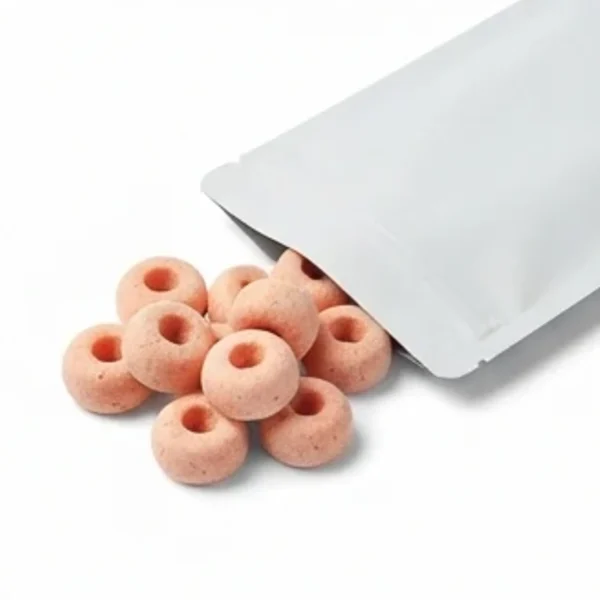
Feline Greenies Pill Pockets, salmon
A soft cat-formula pocket to wrap a small tablet; check the ingredients for allergies.
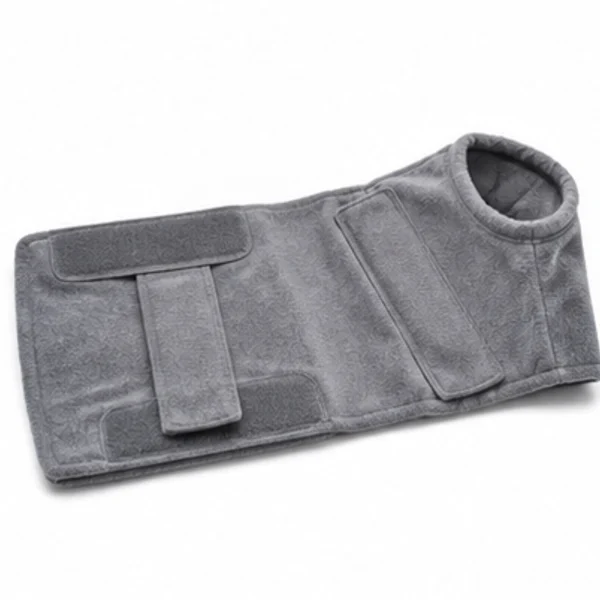
Cat grooming wrap, L
A washable, reusable alternative to a towel, with the head left out.
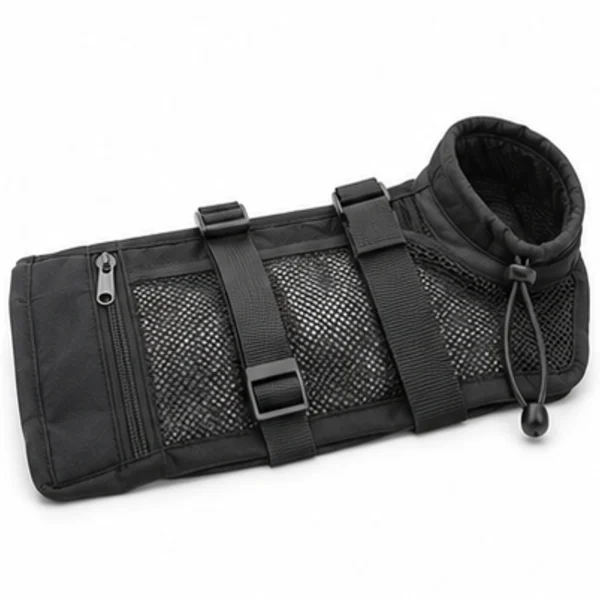
Cinf cat grooming restraint bag, size M
Keeps paws tucked away for a short job; our guide covers sizes and signs to stop.
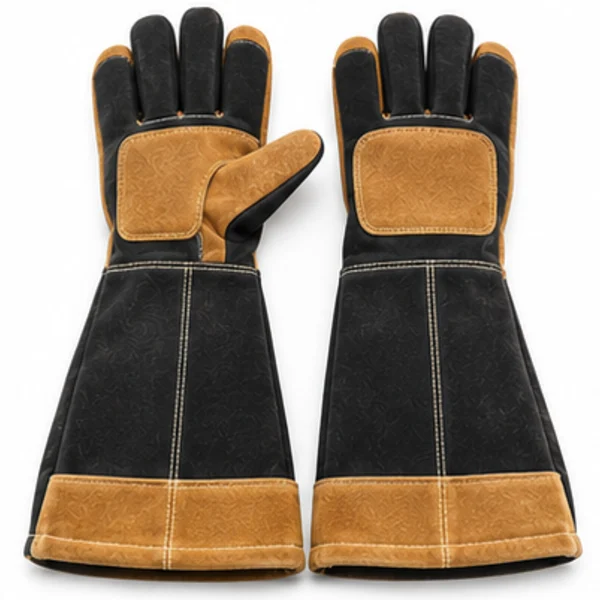
WZQH leather animal handling gloves, 60 cm
For your protection, never a reason to hold your cat tighter.
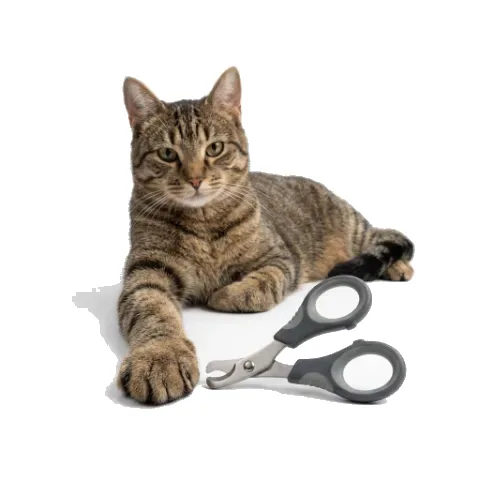
Pet Republique cat nail clipper
Kept-short nails help when front paws get in the way of handling.
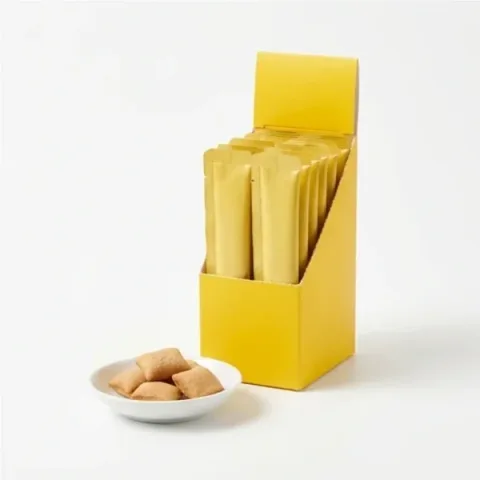
INABA Churu Bites, chicken, 18 tubes
A small treat straight after the pill; count it in your cat's daily allowance.
Cinf cat grooming restraint bag, size M
Another way to keep paws tucked away for a short job.
WZQH leather animal handling gloves, 60 cm
Protect your hands during handling, but never a reason to hold your cat tighter.
Pet Republique cat nail clipper
Shorter nails mean fewer scratches when front paws get in the way.
INABA Churu Bites, chicken, 18 tubes
A small reward straight after the pill.
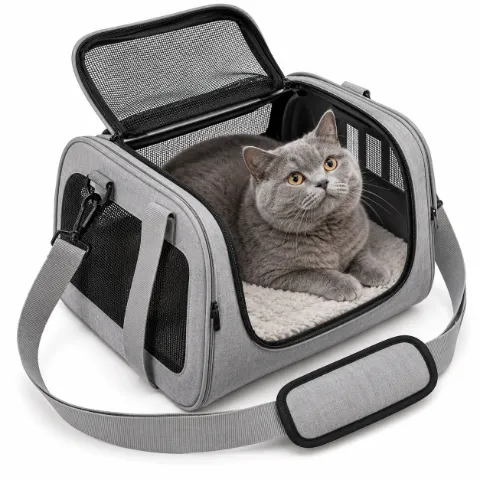
BELLA & PAL Cat Carrier, large
A secure carrier makes the trip to the vet for a follow-up less stressful.
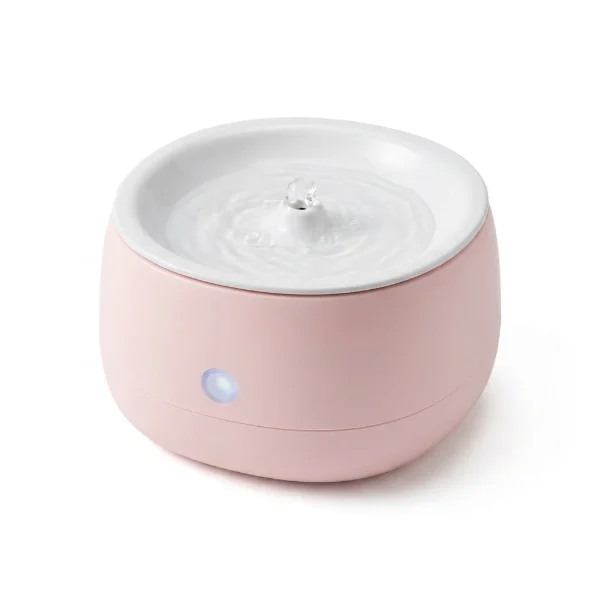
Catit Pixi fountain
Fresh, moving water is handy for a cat who tends to drink after a treat.
Pictures are illustrations, not the actual products.
More detail on the pill pockets and wrap is in Useful gear below. These help with the routine; only give what your vet prescribed, and ask your vet if your cat keeps refusing.
Which method should you try first?
Start with the gentlest method your vet agrees to, and move down the list only when it fails. If you reach the bottom, the answer is usually a different form of the medicine, not a harder grip.
| Step | Method | Best for | Needs | Stop if |
|---|---|---|---|---|
| 1 | Hidden in food or a pill pocket | Cats who eat treats readily | Vet OK for food, a tiny treat | Your cat bites into it and goes off the treat |
| 2 | By hand, then water | Cats who refuse food or need an empty stomach | Non-slip surface, syringe of water | Your cat struggles hard or the mouth won't stay closed |
| 3 | Towel or wrap, plus a helper | Cats whose front paws get in the way | Towel or wrap, calm helper | Your cat pants, yowls or won't settle |
| 4 | Pill popper | Owners shown how by the vet | A popper, a vet demo | Anything feels rough or unsure |
| 5 | Ask the vet for another form | Any cat that keeps winning | A phone call | Not applicable |
Can you hide a cat's pill in food?
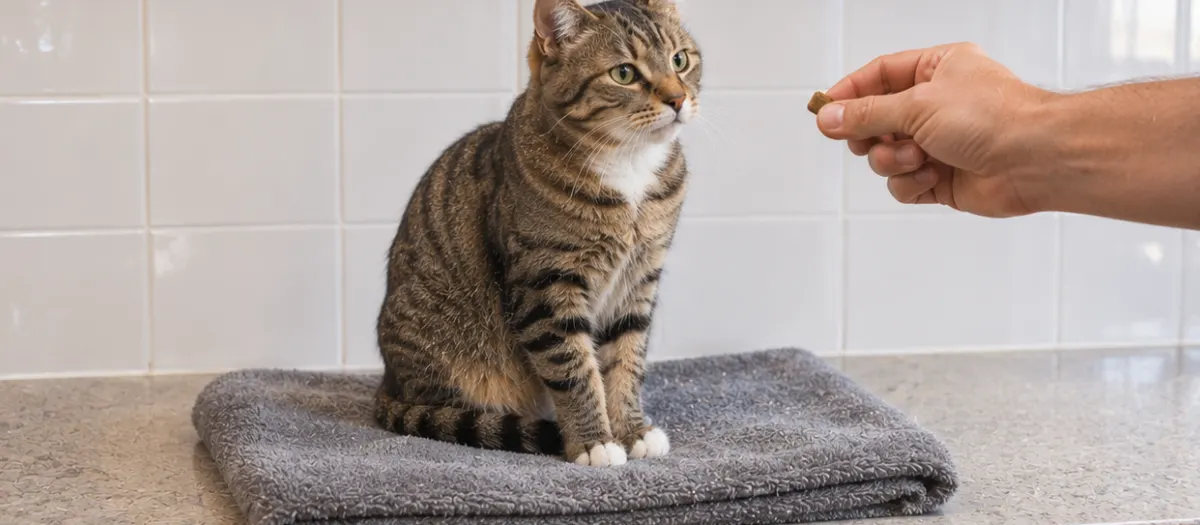
Sometimes, but ask your vet first. Some medicines must be given whole or on an empty stomach, and PDSA says to check before using food. If the vet agrees, wrap the tablet in a treat no bigger than a large pea, or give it in a small portion before the main meal while your cat is hungry.
Size matters. Auburn University's vet school warns that a bigger ball lets your cat bite into the pill and may put it off that treat in future. Make sure your cat eats the whole thing.
Soft pocket treats are made for this. Our pill pockets guide compares sizes by tablet and capsule. Because they are treats, count them in your cat's daily allowance; our cat treats guide explains the 10% rule. Fatty or seasoned human foods aren't a good swap, and never hide a pill in anything containing onion, garlic, chocolate, grapes or raisins. Our toxic foods list has the full picture.
How do you give a cat a pill by hand?
Put your cat on a non-slip surface, with a helper holding the front legs or your cat facing away from you. Tilt the nose up, place the tablet as far back on the tongue as you can, close the mouth, then squirt a little water into the side. Praise and reward.
Here is the order, following PDSA and Auburn:
- Have the tablet out of its packaging and a small syringe of water ready before you pick your cat up.
- Approach from behind and rest a hand over the top of the head, between the eyes and ears.
- Tilt the head so the nose points up, and gently lower the jaw with your other hand.
- Place the tablet far back on the tongue. Move quickly and gently, and don't drop it from a height, which can cause gagging.
- Close the mouth, give a little water into the side of the mouth, and stroke the throat.
- Offer a treat, play or a cuddle straight away.
Wash your hands afterwards, and wear gloves if your vet or the packet says to. Gloves for medicine are a different job from handling gloves; see pet handling gloves for the protective kind, which are for your safety and never a reason to hold your cat tighter.
Why give water after a cat's pill?
A dry pill can stick in a cat's oesophagus instead of reaching the stomach. Auburn University's vet school advises at least 4 ml of water, tuna water or some food straight after, or coating the pill with butter. Auburn says this helps stop the pill sticking on the way down.
Researchers have studied this in a small group of eight healthy cats (Bennett and colleagues, Journal of Feline Medicine and Surgery, 2010), looking at how pills travel down the oesophagus. It compared pills given in a soft pill treat with pills given in a slippery flavoured coating, and both reached the stomach in about a minute or less on average. It didn't test a water chaser and it's a small study, so treat it as background rather than proof that a treat or coating helps a pill go down.
| Source | What it says to follow a pill with |
|---|---|
| Auburn University | At least 4 ml of water, tuna water or some food, or coat the pill with butter |
| PDSA | A little water from a syringe into the side of the mouth |
A tuna-water chaser (the water from tuna canned in springwater, not brine or oil) can suit cats who hate plain water. Use a narrow-tip syringe and go slowly, a little at a time.
How do you towel-wrap a cat for medicine?
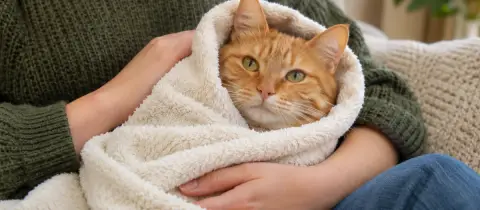
Wrap your cat snugly in a towel with the head left out, then hold the bundle in your lap, as Merck Animal Health describes. PDSA suggests a towel when front paws keep getting in the way. Keep it to a few minutes, just for the job, and release your cat if it panics.
Lay a large towel flat, place your cat in the middle facing you, and fold the sides over the body one at a time. Leave the head and neck free so your cat can breathe easily and you can reach the mouth. A cat grooming wrap does the same job with a closure that sticks to itself, and our restraint bag and wrap guide covers sizes by cat weight and the signs to stop.
Never scruff your cat, even gently. International Cat Care opposes scruffing as a restraint method because it can cause real stress and distress, and a stressed cat is harder to pill next time. A wrap or a calm helper is kinder. If your cat is tense, stop, let it go, and try again later.
Do pill poppers help?
They can, in the right hands. A pill popper (or pill gun) is a plastic plunger that places the tablet at the back of the mouth, keeping your fingers out of the way. Ask your vet to show you first, because used wrongly it can hurt the mouth or throat.
Auburn University describes tipping the head up, sliding the popper in from the side of the mouth behind the canine teeth, pushing it to the back of the tongue and releasing the pill. Merck Animal Health says to then hold the mouth closed with the head tilted up and massage the neck. Still follow with water, which PDSA says helps the tablet clear the throat. We don't link a popper product here: a vet demo matters more than the model.
What if your cat still won't take it?
Don't keep escalating. If food fails, hands fail and the wrap fails, ring your vet and say so plainly. Vets can often offer another form, such as a liquid, a flavoured version or sometimes a different medicine, and Merck Animal Health notes it's worth asking.
If your cat foams, vomits or spits the pill out, stop. Some medicines taste bitter and can make a cat drool or foam. Don't give a second dose without asking your vet, and call them if it doesn't settle quickly or your cat seems unwell.
Useful gear
Gear supports the routine; it doesn't replace your vet's advice. Two things are worth a look, plus a few guides:
- Feline Greenies Pill Pockets, salmon: a soft cat-formula pocket to wrap a small tablet. It's salmon flavoured, but the listing's ingredients start with chicken and include wheat flour and wheat gluten, so skip it for a cat with a chicken or wheat allergy. Our pill pockets guide compares sizes and flavours, and notes which cats should skip them.
- Cat grooming wrap, L: a washable, reusable alternative to a towel. The listing says it is a 70 x 70 cm sheet that sticks to itself, for cats up to 15 lb (about 6.8 kg). Wrap it like a towel, with the head left out. See our cat restraint bag guide for how it compares.
- Pet handling gloves: for your protection, not for holding your cat tighter.
Pet shops and vet clinics also sell pill pockets and wraps, and many vets will show you how to wrap a cat.
When to see a vet
Call your vet if your cat:
- keeps refusing the medicine after a couple of gentle tries
- foams, drools heavily or vomits after a tablet and doesn't settle quickly
- seems to cough, gag or keep swallowing, or won't eat or drink after a pill
- spits out a pill and you're unsure whether to repeat it
- breathes with an open mouth, pants or seems in distress while being held
If your cat may have swallowed something toxic, such as a human medicine or a food from our toxic list, call your vet now and the Animal Poisons Helpline on 1300 869 738 (24/7). Don't try to make your cat vomit.
Frequently asked questions
Can I crush my cat's tablet and mix it into food?
Only if your vet or pharmacist says it is fine. Some tablets don't work properly crushed or split, and some taste bitter enough to put a cat off the whole meal. Ask first, and if a crushed version is allowed, use a very small amount of strong-smelling food so your cat eats all of it.
Can I just put the pill in my cat's food bowl?
Not safely. Your cat may eat around it, leave part of the meal, or a second pet may eat it. Check with your vet whether food is allowed, then hide the pill in a small portion served before the main meal, and watch until it's gone.
What should I do if my cat foams at the mouth after a pill?
Stop and stay calm. Some medicines taste bitter and can make a cat drool or foam. Wipe the mouth gently, don't give a second dose without asking your vet, and ring them if it doesn't settle quickly or your cat seems unwell.
How do I know my cat has swallowed the pill?
Watch for swallowing and lip licking, then check that the pill isn't tucked in the cheek. Offering a small treat or water afterwards helps. If you're unsure whether it went down, don't repeat it. Call your vet and ask what to do.
My cat spat the pill out: should I give another one?
Not without asking your vet. If you find the whole pill, your vet may say to try again, but if it's soggy, broken or you can't tell how much went in, a repeat could mean too much. Phone first, and mention if your cat vomited or foamed.
How do I give a cat liquid medicine with a syringe?
Use a narrow-tip syringe and give it slowly. Auburn University says adult cats swallow only about 0.5 ml at a time, and Merck Animal Health says to aim between the cheek and back teeth, never straight down the throat. Pause between small squirts so your cat can swallow.
Is it easier with two people?
Often, yes. PDSA suggests a helper gently holding the front legs while you place the tablet. Pick a calm helper your cat trusts, and agree the plan before you start, so one person holds and the other gives the pill quickly. Never let the helper restrain harder if your cat panics.
How can I give my cat a pill without getting scratched?
Wrap your cat in a towel or wrap with the head out so the front paws are tucked away, and keep nails trimmed (see our cat nail clippers guide). Handling gloves protect your hands but reduce your feel, so go gently. Stop if your cat is panicking, and book your vet to demonstrate.
Related guides
- How to give a dog a pill
- Pill pockets for dogs and cats
- Cat restraint bags and wraps
- Pet handling gloves
- How to get a cat into a carrier for the vet
- Best cat nail clippers
- Greenies cat treats
- How many treats can a cat have a day?
Sources
- Bennett, MacPhail, Gibbons and Lappin, Journal of Feline Medicine and Surgery, 2010: oesophageal transit time in eight healthy cats pilled with a pill glide versus pill delivery treats
- Auburn University College of Veterinary Medicine: Cats and Medications, page read 23 November 2026
- PDSA: How to give your cat a pill, May 2023, page read 23 November 2026
- Merck Animal Health: How to give your pet medication, page read 23 November 2026
- International Cat Care: Scruff-free pledge, page read 23 November 2026
This guide provides general information and isn't a substitute for veterinary advice. If you're concerned about your cat's health or how they take medicine, speak with your vet.