Quick answer: To give a dog a pill, check with your vet first, then hide the tablet in a small piece of soft food, such as a pill pocket or a little plain cheese, and use the three-treat decoy so it goes down without a fuss. If that fails, place it at the back of the tongue by hand.
Pill time can turn into a stand-off, especially with a dog who sniffs out every hidden tablet. This guide covers food hiding, the decoy game, the hand method and what to do after a spit-out. If you're after sizes and flavours of pill pockets, see our pill pockets guide. Giving a cat a tablet is a different job, so it has its own guide: how to give a cat a pill.
Quick picks
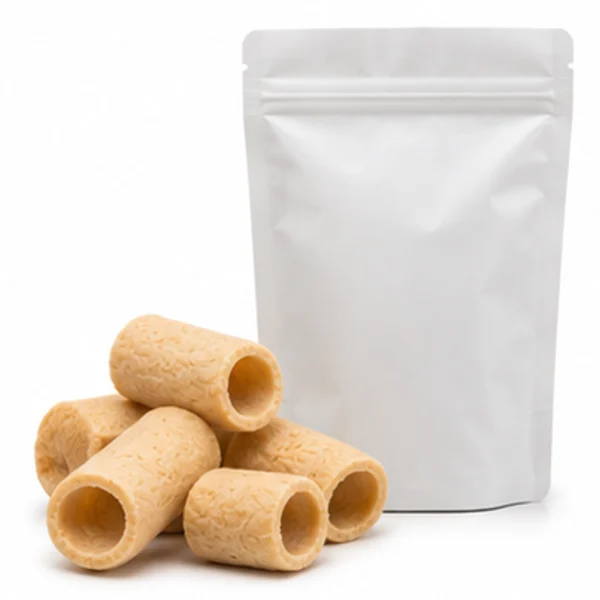
GREENIES Pill Pockets, capsule size, chicken
The larger pocket for medium and large dogs, or for capsules and large tablets.
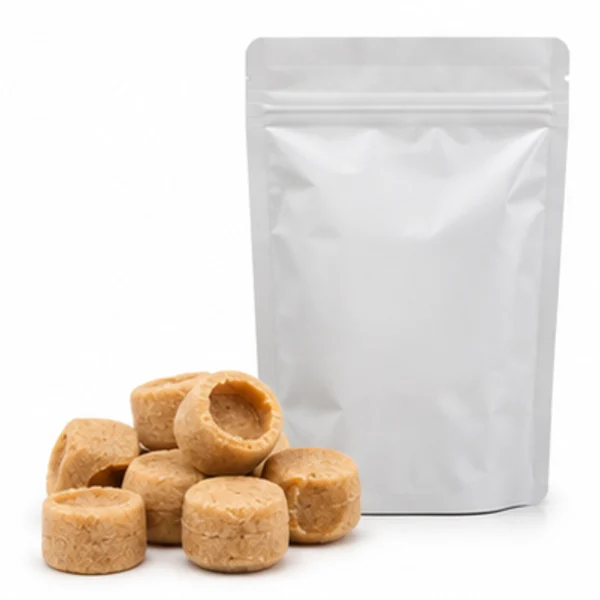
GREENIES Pill Pockets, tablet size, chicken
A smaller pocket, so less treat per pill, for small dogs and small tablets.
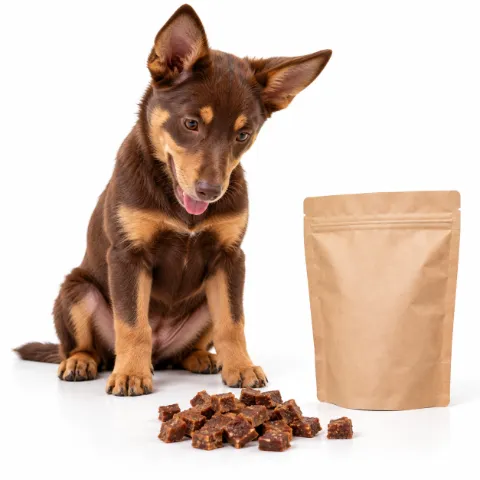
SavourLife Dog Training Treats, Australian Kangaroo, 165 g
Small treats of the same size and smell for the three-treat decoy game.
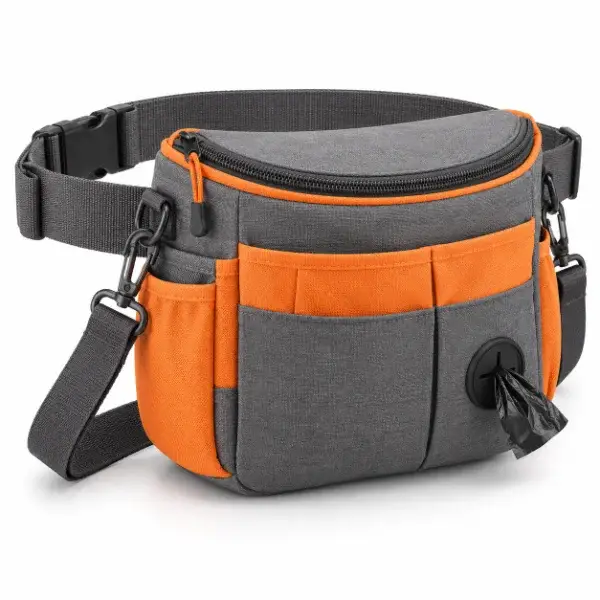
Gobeigo treat pouch
Keeps decoy and reward treats within reach so pill time stays quick and calm.
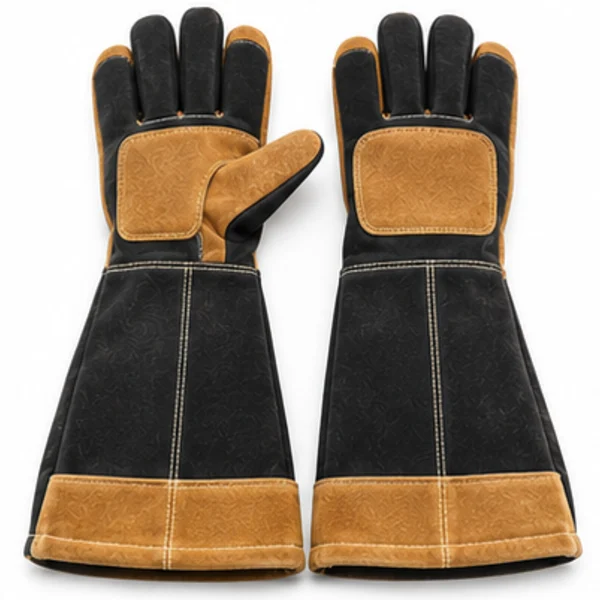
WZQH leather animal handling gloves, 60 cm
Protect your hands, but they aren't a training tool.
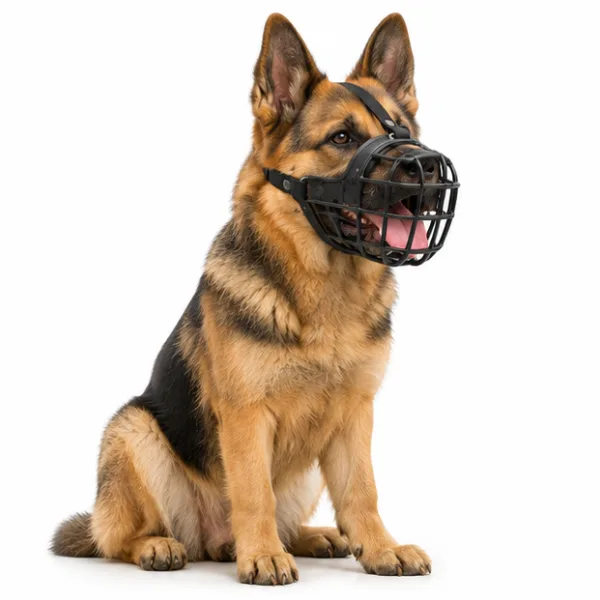
Baskerville Ultra Muzzle, Size 3
A basket muzzle, only with a vet or behaviour professional's guidance, so ask your vet.
SavourLife Dog Training Treats, Australian Kangaroo, 165 g
Small treats of the same size and smell for the plain treats in the three-treat decoy.
Gobeigo treat pouch
Keeps decoy and reward treats within reach so pill time stays quick.
WZQH leather animal handling gloves, 60 cm
Protect your hands, but they aren't a training tool.
Baskerville Ultra Muzzle, Size 3
A basket muzzle for a dog that snaps.
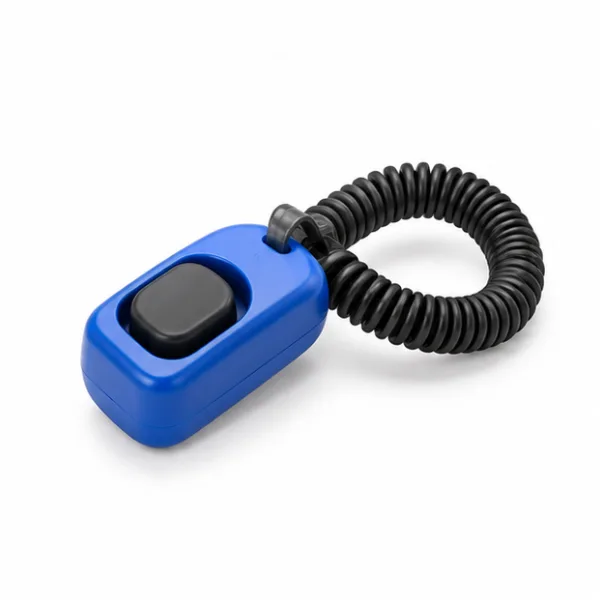
PetSafe Clik-R Training Clicker
A clicker marks the moment your dog accepts the treat, which helps build a calm routine around handling.
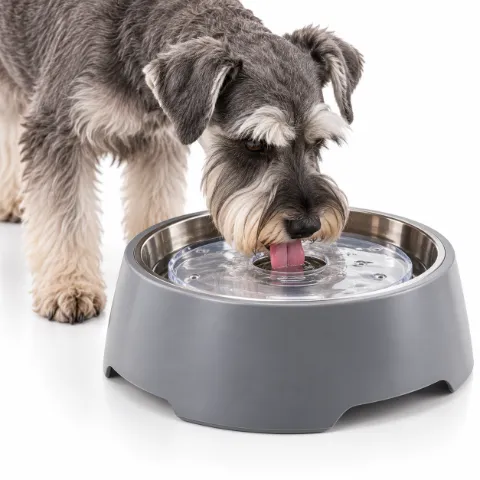
Decflow 3 L No-Spill Dog Water Bowl
Fresh water should be within reach after a tablet.
Pictures are illustrations, not the actual products.
More detail on the pill pockets is in Useful gear for pill time below. These help with the routine; check with your vet before using food for any medicine.
Check this before you start
Only give the medicine your vet prescribed, as written on the label. Before using food, crushing, splitting or opening a capsule, ask your vet or pharmacist, because some medicines must be given whole or on an empty stomach (PDSA, page read 23 November 2026). Human medicines can be dangerous for dogs, so never give anything your vet hasn't prescribed.
PDSA also says not to stop a course early just because your dog seems better, and to wash your hands afterwards, or wear gloves if the vet or packet says to.
What can you hide a dog's pill in?
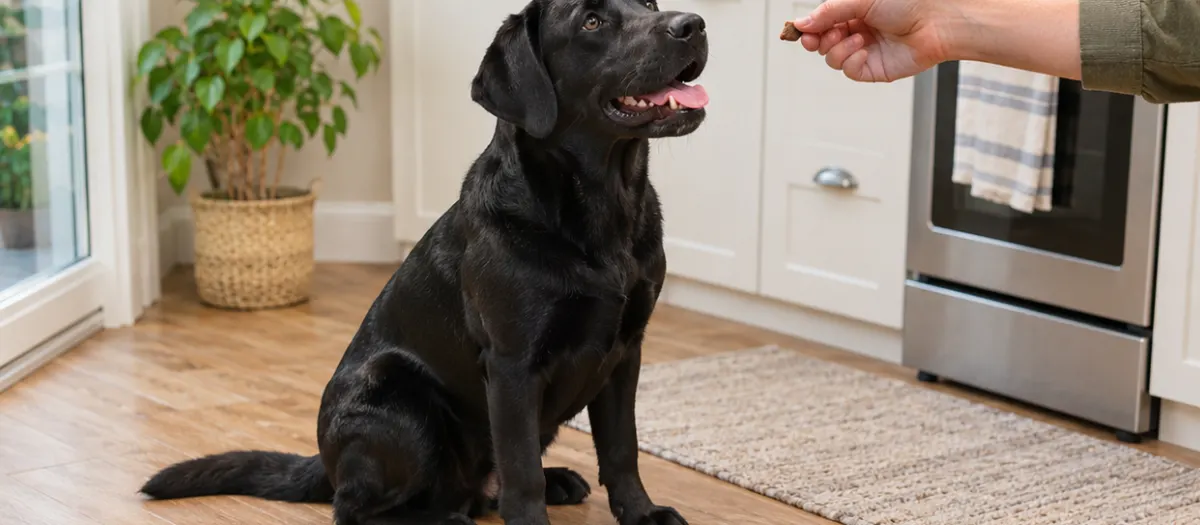
Soft, strong-smelling food that you can mould around the tablet. Cornell's vet college names soft treats such as pill pockets, plus cheese, cream cheese, yoghurt, canned chicken and cooked sweet potato. Use only enough to cover the pill, and check with your vet that the food suits your dog's diet.
Cornell (College of Veterinary Medicine, page read 23 November 2026) gives a few tricks that make hiding work better:
- Use just enough to cover the pill. A bigger blob lets your dog chew around the tablet, and it adds calories.
- Hide it with one hand and seal it with the other. That keeps the smell of medicine off the outside.
- Watch until it's swallowed. Some dogs spit the pill out a moment later.
- Offer the same food at other times so it doesn't turn into "the bitter one".
- One medicine per treat.
PDSA adds that giving it in a small portion before a meal, while your dog is hungry, helps make sure the whole thing goes down.
Whatever you use counts towards the 10% treat allowance we explain on our dog treats guide. On a long course, a smaller pocket or smaller piece of cheese adds up to a lot less. Our cheese guide covers which types and amounts suit most dogs.
Which foods should you never use?
Never hide a pill in anything toxic to dogs: xylitol products, chocolate, onion, garlic, chives, grapes, raisins or macadamias. Also skip fatty meats such as sausage and bacon, because fatty food can trigger pancreatitis. Check the label of anything you use.
| Food | Hide the pill in it? | Why |
|---|---|---|
| Soft pill pocket | Yes | Made for the job; Cornell names them. Count it in the treat allowance. |
| Plain cheese or cream cheese | Yes, a small amount | Named by Cornell and PDSA. Mould just enough to cover the pill. |
| Plain chicken (canned or cooked), cooked sweet potato | Yes, small pieces | Cornell names canned chicken and cooked sweet potato. Plain only, no seasoning. |
| Peanut butter | Only if the label has no xylitol | PDSA and Merck both stress checking. See peanut butter for dogs. |
| Sausage, bacon, fatty meat | No | Fatty food can trigger pancreatitis. |
| Anything with onion, garlic or chives | No | Toxic to dogs, and hidden in many deli meats and sauces. |
| Chocolate, grapes, raisins, macadamias | No | Toxic to dogs. |
| Cooked bones | No | Never safe for dogs. |
The full list lives in our toxic foods list. If your dog does eat something from it, call your vet or the Animal Poisons Helpline (1300 869 738, 24/7) straight away.
How does the three-treat decoy work?
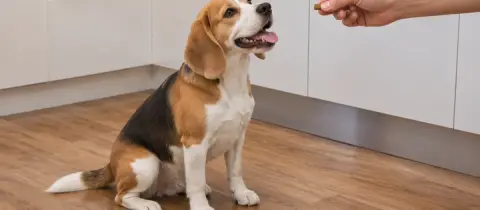
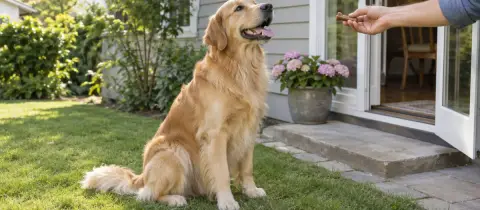
You hand over a few plain treats, then the one with the pill, then another plain one, so your dog gulps them all without checking. Cornell describes it as a game, and says to vary the order and number so your dog never knows which one is the medicated treat.
Here's how to run it:
- Prepare the pill treat out of sight, using the one-hand, two-hand trick above.
- Prepare two or three plain treats of the same size and smell.
- Give a plain treat, then the pill treat, then a plain one, quickly and in a cheerful voice.
- Next time, change the order: pill treat first on Monday, in the middle on Tuesday.
- Finish with praise, a pat or a short game.
The aim is that dinner-bowl excitement outweighs suspicion. If your dog starts refusing every treat, the pill smell may have rubbed off, so wash your hands between steps.
How do you give a dog a pill by hand?
Keep your dog steady, tilt their head up, gently open the lower jaw, and place the tablet as far back on the tongue as you can. Close the mouth, stroke the throat and watch for a lick of the lips. PDSA says a lick of the lips is a good sign it's been swallowed.
PDSA's steps:
- Sit a small dog on a non-slip surface with a helper holding them from behind. Sit a large dog with their bottom against a wall.
- Hold the tablet between your thumb and first finger.
- Tilt the head up and gently open the lower jaw.
- Put the tablet far back on the tongue, but don't drop it down the throat, which can make your dog gag.
- Hold the mouth closed and stroke the throat.
- A little water from a small syringe into the side of the mouth can help.
- Praise and reward.
Merck Animal Health suggests getting down on the floor with your dog, or putting them on a table with a non-slip top (Merck Animal Health, page read 23 November 2026). Cornell suggests holding the muzzle behind the canine teeth.
| Dog size | Hold | Pocket size | Liquid tip |
|---|---|---|---|
| Toy and small | On a non-slip table with a helper, or held against you | Tablet size, about 3 g a pocket | Small syringe, a little at a time |
| Medium | Sitting on the floor against your legs | Tablet size for small tablets, capsule size for capsules | Tip between cheek and back teeth |
| Large and giant | Sitting beside you against a wall, helper at the shoulder | Capsule size, about 7.5 g a pocket | Slow pushes, let your dog swallow between |
The pocket sizes come from the pack weight on each listing divided by the 30 pockets, so they are our own "about" figures. The tablet pack's feeding guide says 2 pockets for every 10 lb (about 4.5 kg) of body weight for a tablet and 1 for every 15 lb (about 7 kg) for a capsule. Follow the pack and ask your vet if you're unsure.
What if your dog keeps spitting the pill out?
First, don't give a second tablet to make up for it. Ask your vet what to do, because the answer depends on the medicine. Then change one thing at a time: a smaller piece of food, a better decoy, a hungrier moment before dinner, or the hand method.
The reasons dogs spit pills usually come down to bitterness, too much chewing room or a smell they've learned to spot. Try these in order:
- Use less food around the pill so there's no space to chew around it.
- Switch the food, and use the decoy so it isn't always the same one.
- Give it before a meal, when your dog is hungry (PDSA).
- Hold the mouth closed and stroke the throat for a few seconds after a hand-placed pill, then look for the lip lick.
- If it's still hard, ask your vet about another form. Cornell says to ask your vet about alternatives, such as switching from a liquid to a pill or a compounded version with added flavouring.
If your dog foams, vomits or refuses it, stop. Some medicines taste bitter and can make a dog drool or foam. Don't give a second dose without asking your vet, and call them if it doesn't settle or your dog seems unwell.
Should you use a pill popper?
Only if your vet recommends one and shows you how. PDSA says a pill popper, also called a pill gun, can help with very bitter tablets because it limits how long the pill touches the tongue, but used wrongly it can hurt the mouth or throat, so ask your vet to show you first.
Cornell also lists a pilling gun as an alternative to using your fingers. It has a rubber tip that holds the pill and a plunger that releases it near the back of the throat, which keeps your fingers out of your dog's mouth. We don't link to a product here: ask your vet which one to buy and have them show you on your own dog first.
Useful gear for pill time
Tablets can go down much more easily with the right pocket. These two are the picks from our pill pockets guide, which compares every flavour and size.
- GREENIES Pill Pockets, capsule size, chicken: the larger pocket for medium and large dogs, or for capsules and large tablets. Pinch it smaller for a smaller pill. The listing's ingredients start with chicken and include wheat flour, wheat gluten and dried cultured skim milk, so skip it with a chicken, wheat or dairy allergy.
- GREENIES Pill Pockets, tablet size, chicken: a smaller pocket, so less treat per pill. It suits small dogs and small tablets, and it has the same ingredient list.
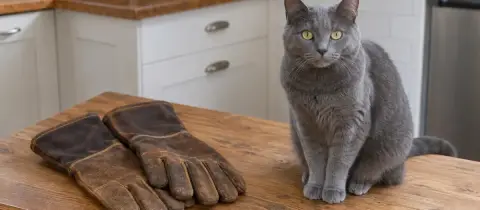
Pill pockets aren't right for every medicine, so check with your vet first, particularly for tablets that must go down on an empty stomach. For a dog that has snapped during handling, pet handling gloves protect your hands but aren't a training tool; a vet or a qualified behaviour professional should help (see the last FAQ).
When to see a vet
Call your vet before using food or crushing anything, and if your dog shows any of these after medicine:
- Foaming at the mouth, repeated vomiting or drooling that doesn't settle
- Refusing the medicine and food more than once in a row
- Coughing, gagging or struggling to breathe after a liquid or pill
- Swelling of the face, hives or any sign of an allergic reaction
- A dog who growls or snaps when you try to give medicine
If your dog may have eaten something from the toxic list, such as xylitol, chocolate, grapes or onion, call the Animal Poisons Helpline (1300 869 738, 24/7) or an emergency vet now. Don't make your dog vomit at home. See our toxic foods list and peanut butter guide.
Frequently asked questions
Is peanut butter safe for hiding my dog's pill?
Only plain peanut butter with no xylitol, which is toxic to dogs. PDSA and Merck both say to check the label first. A small smear is enough, and it counts as a treat. If you can't read the ingredients, use a different food. Our peanut butter guide explains which jars to avoid.
Can I hide my dog's tablet in cheese?
Usually, yes, in a small amount, if your vet says food is fine for this medicine. Cornell and PDSA both name cheese and cream cheese. Mould just enough to cover the pill. Dogs with a dairy problem or a vet diet should skip it. See can dogs eat cheese.
Does it matter if my dog's medicine is meant for an empty stomach?
Yes. PDSA says some medicines must be given on an empty stomach or whole, so hiding them in food can change how they work. Ask your vet or pharmacist which applies, and follow the label. If food isn't allowed, use the hand method, then offer a treat afterwards if your vet is happy with that.
Can I break my dog's tablet in half to make it easier?
Not unless your vet or pharmacist says so. PDSA says to ask before crushing or splitting, because some tablets need to be given whole. If your dog can't manage a large tablet, ask your vet about a smaller strength, a chewable or a liquid instead.
What if my dog vomits soon after the pill?
Don't give another one straight away. Call your vet, tell them what your dog took and when, and follow their advice, because the right move depends on the medicine and how long ago it was given. If your dog keeps vomiting or seems unwell, go to the vet.
What if I miss a tablet?
PDSA says to check the medicine packet or ask your vet. Don't double up to make up for it unless the packet or your vet says to. If you often forget, set a phone alarm or tie the tablet to a daily habit, like breakfast. Keep going for the full course unless your vet says to stop.
How do I give my dog liquid medicine?
Use the syringe the vet gave you. Cornell says to lift the lip and place the tip behind the canine teeth, aimed to the back of the mouth, then push slowly. Merck says to place it between the cheek and back teeth and never squirt it down the throat. Fast squirting can cause coughing or inhaling the liquid.
How do I give a pill to a dog that snaps?
Stop and ask your vet. Don't force the jaw open on a dog that is growling or snapping. A vet or a qualified behaviour professional can help, and a vet may suggest another form of the medicine or a vet-guided basket muzzle. Handling gloves can protect your hands, but they aren't a training tool.
Related guides
- Pill pockets for dogs and cats: which size and flavour
- How to give a cat a pill
- Pet handling gloves: bite- and scratch-resistant picks and their limits
- Cat restraint bags and wraps
- Dog muzzles: basket muzzles that let dogs pant and drink
- Can dogs eat cheese?
- Can dogs eat peanut butter?
- Best dog treats: healthy and natural picks
- Foods you must never use: the toxic foods list
- All our dog guides
Sources
- Cornell University College of Veterinary Medicine, Riney Canine Health Center: How to medicate your dog, page read 23 November 2026
- PDSA: How to give your dog a pill, May 2023, page read 23 November 2026
- Merck Animal Health: How to give your pet medication, page read 23 November 2026
This guide provides general information and isn't a substitute for veterinary advice. If you're concerned about your dog's medicine or how they're taking it, speak with your vet.