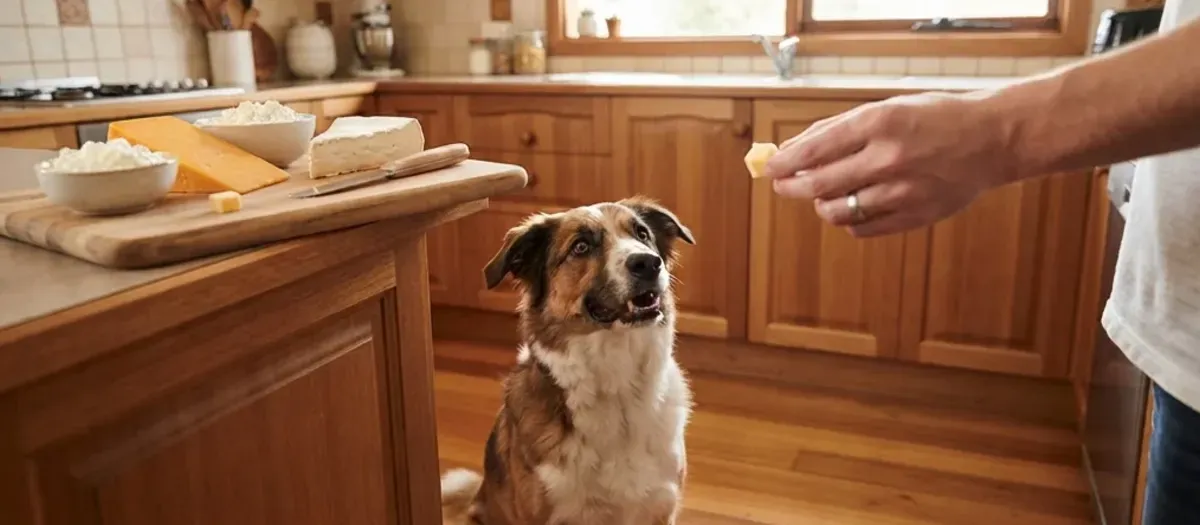
Quick answer: Can dogs eat cheese? Most can have a small amount of plain cheese now and then. Lower-fat types like mozzarella and cottage cheese are the better choices. Skip blue cheese and any cheese with garlic, onion or chives, and keep portions tiny, because cheese is high in fat and many dogs struggle with lactose.
Cheese is the treat most dogs will do anything for, and it turns up at barbecues, on cheese boards and in the pill routine. This guide covers which cheeses suit dogs, which to avoid, how much to give by size and better ways to hide a tablet. For the rest of the barbecue spread, see our guides to ham, pork, corn and tomatoes.
Quick picks
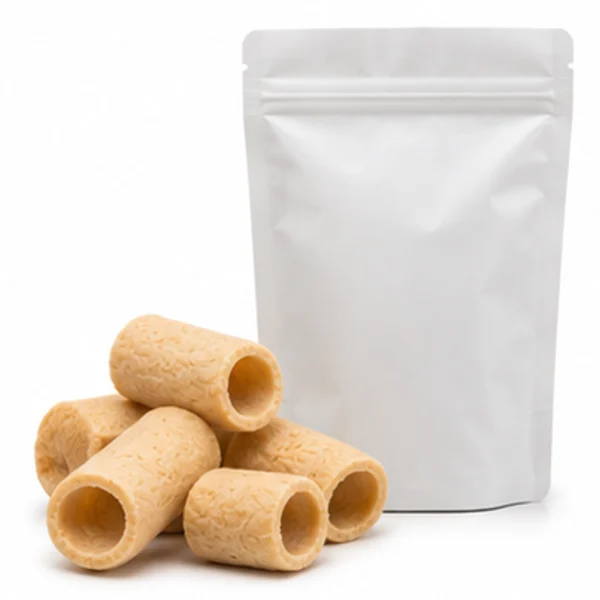
GREENIES Pill Pockets, capsule size, chicken
Drop the capsule in and pinch it closed; contains wheat and chicken. Ask your vet first.
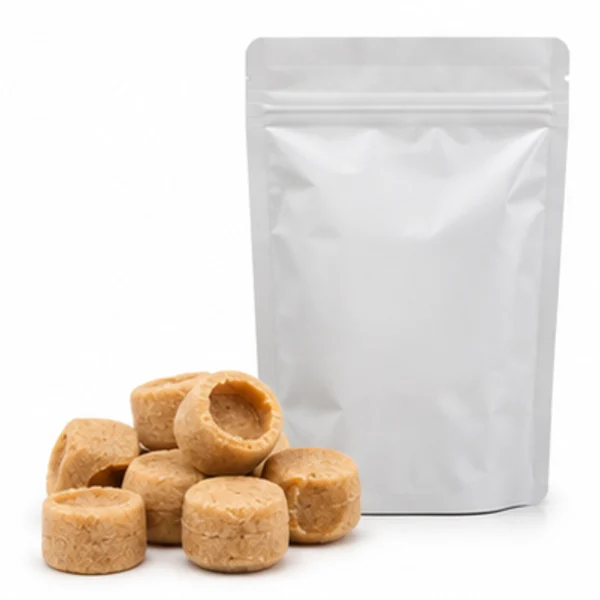
GREENIES Pill Pockets, tablet size
The tablet size for small pills, so you don't need a daily cube of cheese.
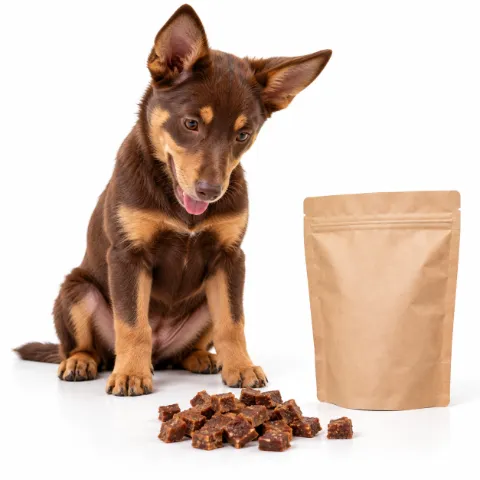
SavourLife Dog Training Treats, Australian kangaroo
Small meaty chunks made for training and rewards.
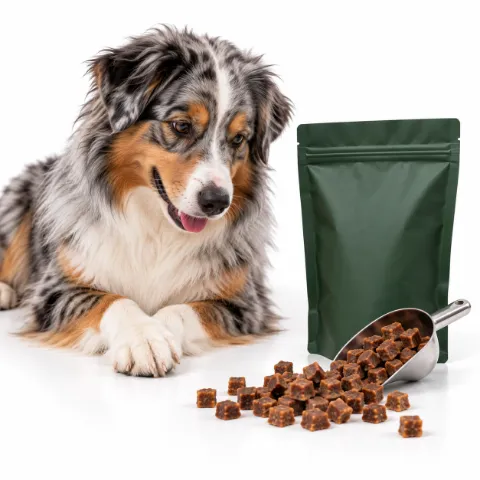
love'em Training Treats, Kangaroo, 400 g x 2
From our dog training treats guide, for sessions where you'd feed cheese bits.
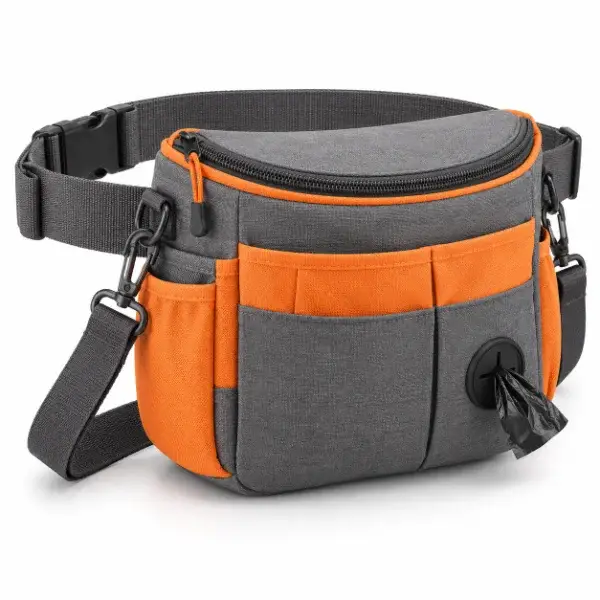
Gobeigo treat pouch
Keeps small training treats handy so cheese isn't the default reward.
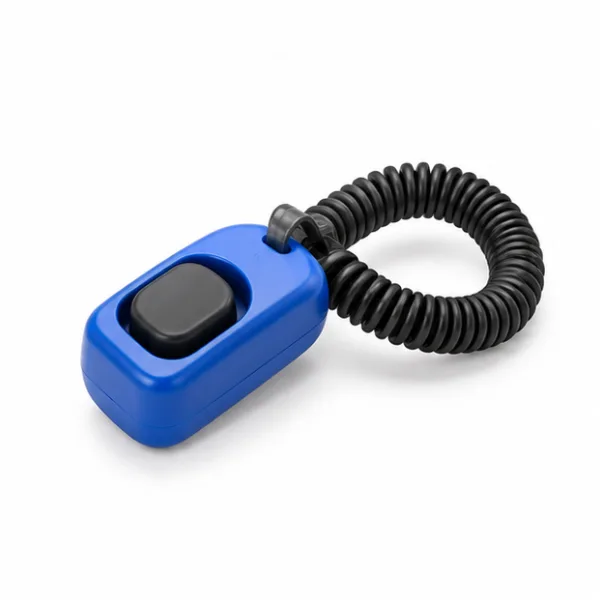
PetSafe Clik-R Training Clicker
A clicker from our guide, so each reward can be a tiny treat.
love'em Training Treats, Kangaroo, 400 g x 2
Another treat for training sessions where you'd otherwise feed bits of cheese.
Gobeigo treat pouch
Keeps small training treats within reach on a walk or in a session.
PetSafe Clik-R Training Clicker
A clicker pairs with small rewards, so each one can stay tiny.
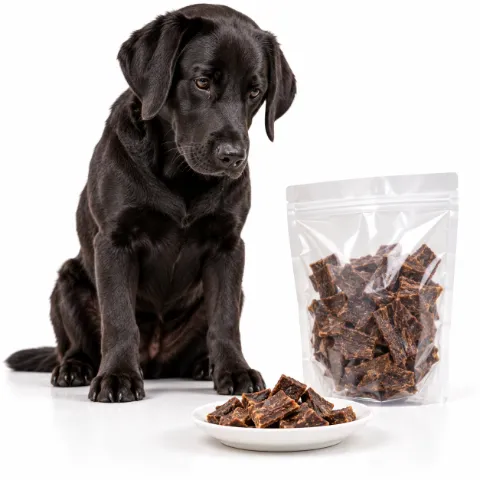
BLACKDOG Beef Liver, 150 g
A small training treat to use in place of cheese.
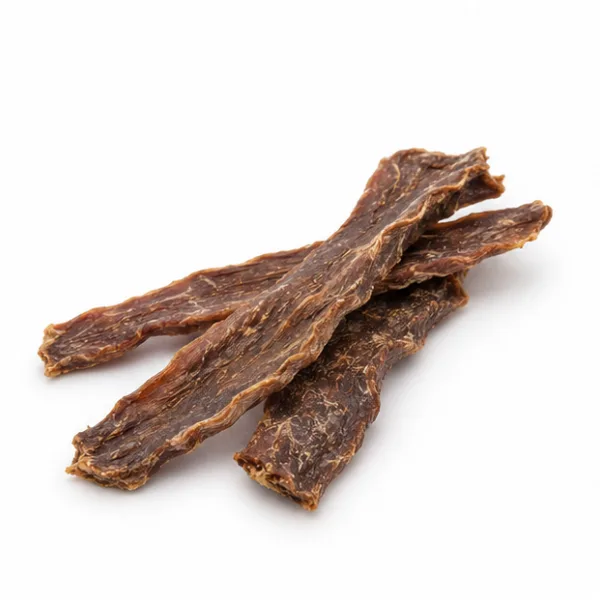
SavourLife Australian lamb strips, 165 g
A meaty option you can break into small pieces.
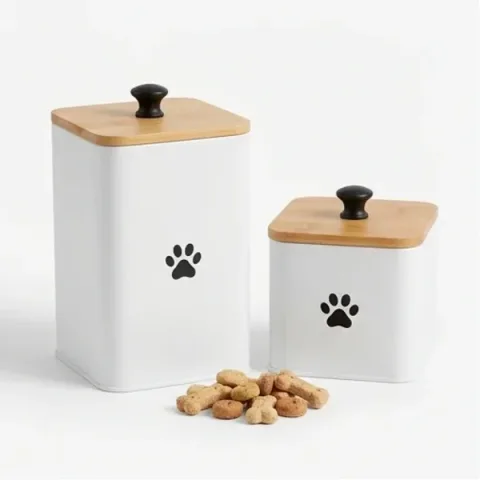
PERFNIQUE airtight dog treat jars, set of 2
Keeps treats stored and out of a dog's reach.
Pictures are illustrations, not the actual products.
More detail on the first three is in Useful gear for cheese-free pills and training below. These help with the routine; they don't replace your vet.
Can dogs eat cheese?
Yes, in small amounts. Plain cheese isn't toxic to most dogs, but it's high in fat and many dogs are lactose intolerant to some degree. Treat it as an occasional extra, choose lower-fat types, and check the label for onion, garlic and chives.
PetMD says most dogs are lactose intolerant, so small amounts may be fine but too much can cause diarrhoea or other tummy upset (PetMD, reviewed by Teresa Manucy, DVM, updated 28 August 2025). The AKC says cheese is high in fat, and regular overfeeding can lead to weight gain and may contribute to pancreatitis (AKC, updated 19 August 2025). If you're ever unsure about a food, our Can my pet eat this? checker gives a quick answer.
Which cheeses are better for dogs, and which should they skip?
Mozzarella, cottage cheese and soft goat cheese are the lower-fat choices, according to the AKC. Hard, salty and rich cheeses like cheddar, parmesan, feta, brie and cream cheese are occasional-only. Blue cheese is the one to avoid completely, because of its mould.
The table below pulls together what PetMD and the AKC say about each type. "Not given" means neither source comments on it, so we haven't guessed.
| Cheese | Fat | Salt | Lactose | Verdict | Watch for |
|---|---|---|---|---|---|
| Cottage cheese | Lower (AKC) | Lower (AKC) | Still some | Fine in small amounts | Flavoured tubs with chives or fruit |
| Mozzarella | Lower saturated fat, especially part-skim | Not given | Lower | Fine in small amounts | Garlic or herb versions |
| Goat cheese (soft) | Lower saturated fat | Not given | Lower | Fine in small amounts | Herb coatings, garlic |
| Cheddar | High saturated fat | High | Not given | Occasional only | Tasty cheese on a snack plate |
| Parmesan | High saturated fat | High | Not given | Occasional only | Garlic blends |
| Cream cheese | High saturated fat | Not given | Not given | Occasional only | Garlic, onion or chive spreads |
| Feta | Not given | High | High | Occasional only | Marinated feta with garlic |
| Brie | High saturated fat | Not given | High | Occasional only | Rind and rich baked versions |
| Blue cheese | Not given | Not given | Not given | Avoid | Mould that carries roquefortine |
The "Watch for" column matters. Onion, garlic, leek and chives are toxic to dogs and can damage red blood cells, and the AKC says some cheeses contain them, so read the label on any herb, garlic or chive cheese. PDSA adds that severe cases can lead to anaemia (PDSA). Our toxic foods list has the full rundown.
Why is blue cheese dangerous for dogs?
Because of its mould. PetMD says blue cheese contains roquefortine, which is toxic to dogs, so keep it away from your dog entirely. PDSA says the mould in blue cheese can cause vomiting, diarrhoea, fever and seizures. If your dog eats some, call your vet straight away.
Mouldy food is on our toxic foods list, and blue cheese mould carries its own risk. Pet Poison Helpline explains that mouldy food, including mouldy cheese, can contain tremor-causing mycotoxins, with signs such as vomiting, drooling, agitation, wobbliness, tremors and seizures (Pet Poison Helpline). Bins and compost heaps are the usual way dogs get into this, so keep lids on, especially over the holidays when the fridge clear-out begins.
How much cheese is too much for a dog?
Very little. PetMD's guide runs from one or two pea-sized pieces for the smallest dogs to seven or eight small cubes for the biggest, a few times a week at most. The AKC says a small cube or a few shreds is usually enough.
PetMD's amounts are for healthy-weight dogs and are given in pounds and quarter-inch cubes, so we've converted them. A cube is about 6 mm on each side. We're showing their table, not setting our own rule, and your vet may set lower amounts for your dog (PetMD, updated 28 August 2025).
| Dog size | Weight | Cheese (a few times a week at most) |
|---|---|---|
| Extra small | 0.9 to 4.5 kg | 1 to 2 pea-sized pieces |
| Small | 5 to 9 kg | 1 to 2 cubes, about 6 mm |
| Medium | 9.5 to 23 kg | 3 to 4 cubes |
| Large | 23 to 41 kg | 5 to 6 cubes |
| Extra large | Over 41 kg | 7 to 8 cubes |
That's a ceiling, not a target. Treats of every kind should stay under about 10% of your dog's daily calories (VCA Animal Hospitals), and PetMD gives the same 90 to 10 split. Cheese counts toward that 10%, so trim other treats on cheese days.
Is cheese bad for dogs with pancreatitis or weight problems?
Cheese is a poor fit for both. The AKC says its high fat content can lead to weight gain and may contribute to pancreatitis. PetMD says dogs with pancreatitis shouldn't eat cheese. If your dog is overweight or has had a tummy flare-up, ask your vet first.
Fatty food can trigger pancreatitis in some dogs (VCA Animal Hospitals, edited 6 February 2026). Signs can include vomiting, low energy, belly pain, diarrhoea and not eating; see a vet. A dog that's already on a vet diet, or that is overweight or has a history of food sensitivities, should have cheese only on the vet's say-so (AKC).
What's a better way to hide a pill than a cube of cheese?
A pill pocket or a small training treat does the job without a daily helping of fat. PetMD says cheese can hide a pill for dogs that spit tablets out, and mentions cheese-flavoured pill pockets as an alternative. Ask your vet first, because some medicines shouldn't be given with food.
PetMD adds that some vets may approve a lower-sodium, lower-fat, lower-lactose cheese for daily medication, so check before you start. If a tablet is needed every day, a cheese cube each time adds up quickly.
| Option | How it works | Worth knowing |
|---|---|---|
| Small cube of plain, lower-fat cheese | Press the tablet into the middle and offer it by hand | Adds fat and lactose every day. Check with your vet first |
| Pill pocket | Drop the tablet in, pinch it closed | The product we list below contains wheat and chicken |
| Training treat wrapped around a tablet | Use a soft, bite-sized treat | Only suits tablets your vet says can be given with food, and the pill needs to be well covered |
Useful gear for cheese-free pills and training
If cheese is mainly your pill helper or your training reward, these two swaps are worth a look. Products are tools within a routine, not a substitute for your vet's advice.
- GREENIES Pill Pockets, capsule size, chicken: made to wrap a tablet or capsule so you don't need a daily lump of cheese. The listing says to drop the tablet in and pinch it closed. It contains wheat and chicken, so skip it for dogs with those allergies. There's also a tablet size for small pills. For sizes, flavours and other options, see our pill pockets guide and how to give a dog a pill.
- SavourLife Dog Training Treats, Australian kangaroo: small meaty cubes for training sessions where you'd otherwise be feeding bits of cheese. The listing describes them as bite-size meaty chunks made for training and rewards. More in our dog training treats guide.
When to see a vet
If your dog has eaten blue cheese, a lot of cheese or a cheesy dish that may contain garlic or onion, call your vet or the Animal Poisons Helpline (1300 869 738, 24/7) straight away, don't wait for signs, and don't make your dog vomit at home unless a vet tells you to.
- Vomiting or diarrhoea that keeps going
- Low energy, belly pain or not eating
- Drooling, agitation, wobbliness, tremors or seizures (these can follow mouldy food)
- Pale gums, weakness or a fast heartbeat after garlic or onion
- Repeated tummy upset after cheese, which can mean lactose or a food sensitivity
Pancreatitis can be serious, so don't wait it out. See our toxic foods list for other foods to keep out of reach.
Frequently asked questions
Can dogs eat cottage cheese?
Yes, in small amounts. The AKC says cottage cheese is lower in fat and sodium than many cheeses, and PetMD says it still has enough lactose to cause trouble in large amounts. Choose plain, check the label for chives or flavourings, and keep it to a spoonful for most dogs.
Can dogs eat blue cheese?
No. PetMD says blue cheese contains roquefortine, which is toxic to dogs, and PDSA says it can cause vomiting, diarrhoea, fever and seizures. If your dog eats some, call your vet or the Animal Poisons Helpline on 1300 869 738 straight away. Don't make your dog vomit at home.
Can dogs eat cream cheese or Philadelphia?
Only a lick, now and then. PetMD says cream cheese is high in saturated fat, and flavoured spreads can contain garlic, onion or chives, which the AKC says are toxic to dogs. Check the label, choose plain, and don't use it daily to hide a tablet.
Can dogs eat cheddar or parmesan?
Occasionally, in tiny amounts. PetMD says both are high in sodium and saturated fat. A small cube of plain cheddar is a once-in-a-while treat for a healthy dog, and parmesan is best as a pinch. Skip garlic or herb blends and don't offer either to dogs with pancreatitis.
Can dogs eat feta, brie or camembert?
They're occasional extras at most. PetMD says feta is high in sodium and lactose, and brie is high in saturated fat and lactose. Marinated feta often has garlic, and rich baked brie adds more fat. Camembert isn't covered by our sources, so treat it like brie and keep it tiny.
Can puppies eat cheese?
A little, yes. PetMD says puppies can have cheese but it should be introduced in small amounts to check for a reaction. Use pea-sized pieces as a training reward, one new food at a time. Stop and call your vet if you see vomiting or diarrhoea, especially in a young puppy.
How much cheese can a dog have?
Very little. PetMD's table runs from one or two pea-sized pieces for the smallest dogs to seven or eight small cubes for the largest, a few times a week at most. Treats of every kind should stay under about 10% of daily calories. Your vet may set a lower amount.
Can dogs eat mac and cheese or cheese slices?
Best not. Mac and cheese is rich in fat and salt and may contain garlic or onion, and cheese slices vary by brand. A small piece of plain slice is a rare treat for a healthy dog. Read the label for garlic, onion and chives, and skip it for dogs with pancreatitis.
Related guides
- Best dog treats
- Best dog and puppy training treats
- Can dogs eat pork?
- Can dogs eat ham?
- Can dogs eat peanut butter?
- Can dogs eat ice cream?
- Frozen KONG and lick mat recipes
- Can my pet eat this? checker
- All our dog guides
Sources
- PetMD, Can dogs eat cheese? reviewed by Teresa Manucy, DVM, updated 28 August 2025, page read 11 November 2026 (https://www.petmd.com/dog/nutrition/can-dogs-eat-cheese)
- American Kennel Club, Can dogs eat cheese? updated 19 August 2025, page read 11 November 2026 (https://www.akc.org/expert-advice/nutrition/can-dogs-eat-cheese/)
- PDSA, Poisons and hazards for your pets, page read 11 November 2026 (https://www.pdsa.org.uk/pet-help-and-advice/looking-after-your-pet/all-pets/poisons-and-hazards-for-your-pets)
- Pet Poison Helpline, Moldy food (mycotoxins), page read 11 November 2026 (https://www.petpoisonhelpline.com/poison/mycotoxin/)
- VCA Animal Hospitals, Dog treats, updated 26 September 2024, page read 11 November 2026 (https://vcahospitals.com/know-your-pet/dog-treats)
- VCA Animal Hospitals, Pancreatitis in dogs, edited 6 February 2026, page read 11 November 2026 (https://vcahospitals.com/know-your-pet/pancreatitis-in-dogs)
This guide provides general information and isn't a substitute for veterinary advice. If you're concerned about your dog's diet or what they've eaten, speak with your vet.