Pill pockets for dogs and cats: which size, which flavour and when not to use them
By Anish PuriUpdated 23 Nov 202611 min readResearched, not tested by us
Research guide. WhiskerFinds may earn a commission from links, at no extra cost to you.
Quick answer: Pill pockets are soft treats with a built-in pouch for a tablet or capsule, and for most dogs our top pick is the GREENIES capsule-size chicken pack, which also holds large tablets. Small dogs suit the tablet size, cats need the cat formula, and medicine meant for an empty stomach shouldn't go in one.
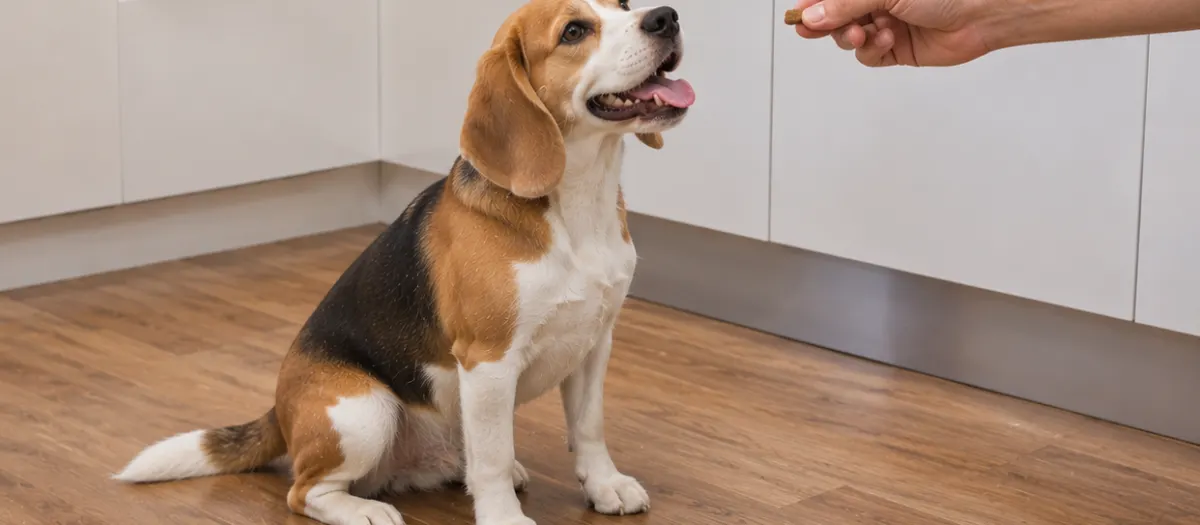
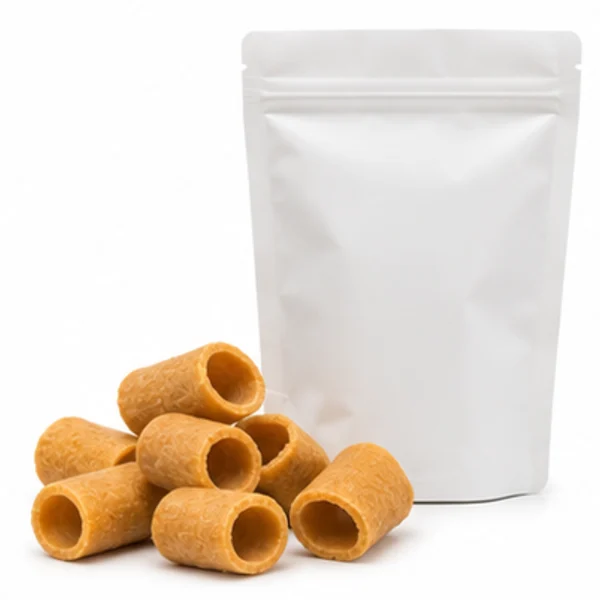
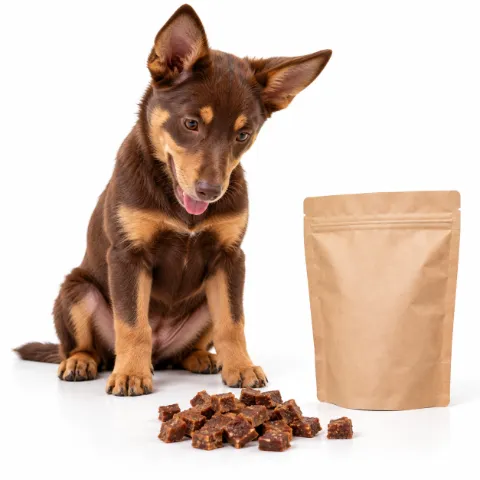
Illustration, not the actual product
Our top pickGREENIES Pill Pockets for Dogs, capsule size, chicken, 30 pack
A pill pocket is a treat with a hole in it: drop the pill in, pinch it shut, and your pet eats it like a snack. This guide compares six options on Amazon Australia by size in grams, species and ingredients, and says when a vet will want the pill given another way.
The honest picture of the range: five of the six picks are one brand, because most of the pill pockets we found on Amazon Australia are Greenies. So we sort them by size, species and flavour rather than by brand, and the sixth pick is a different kind of product, a mouldable paste. Every Greenies flavour we found contains chicken and wheat.
Quick picks
Our top pickBest overall
GREENIES Pill Pockets for Dogs, capsule size, chicken, 30 pack
The larger pocket takes a capsule or a big tablet, and you can pinch it smaller
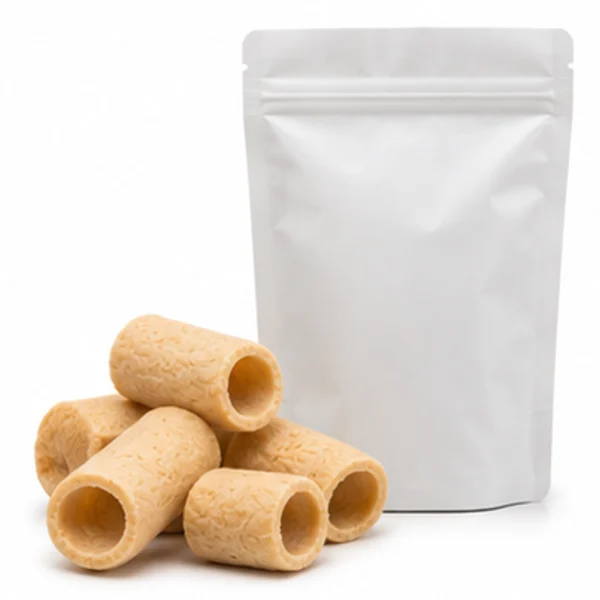
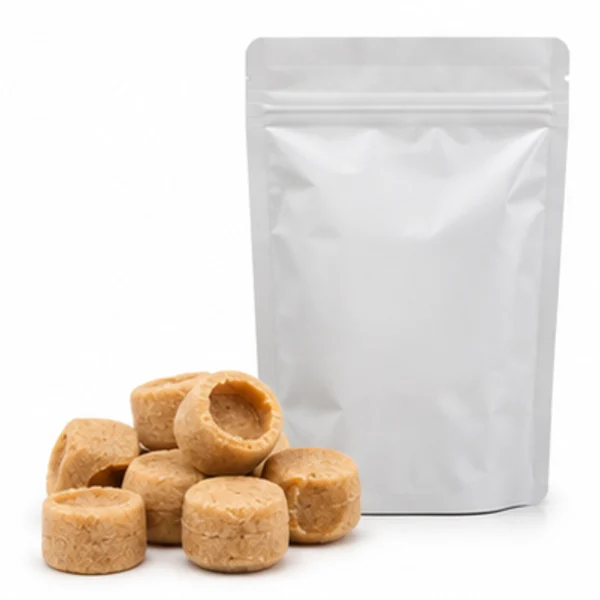
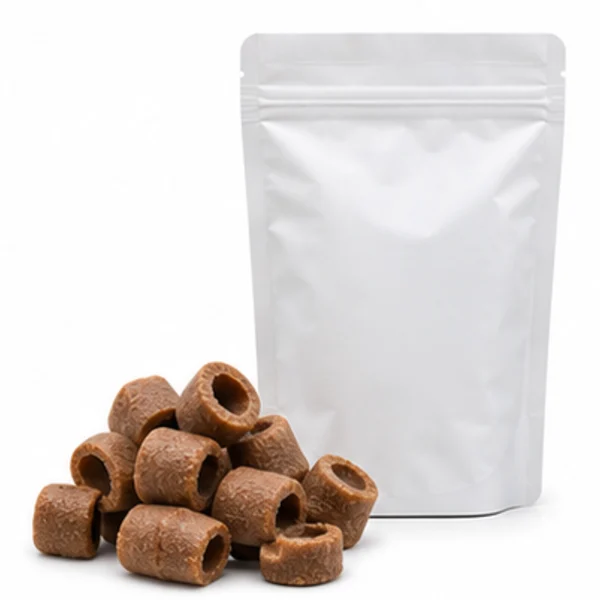
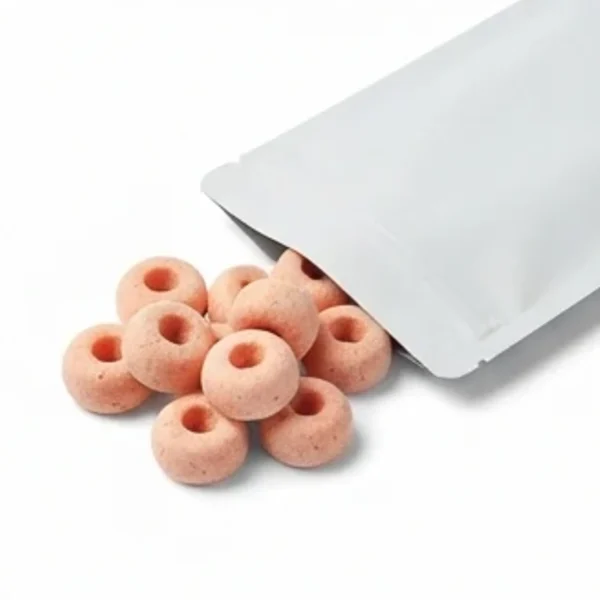
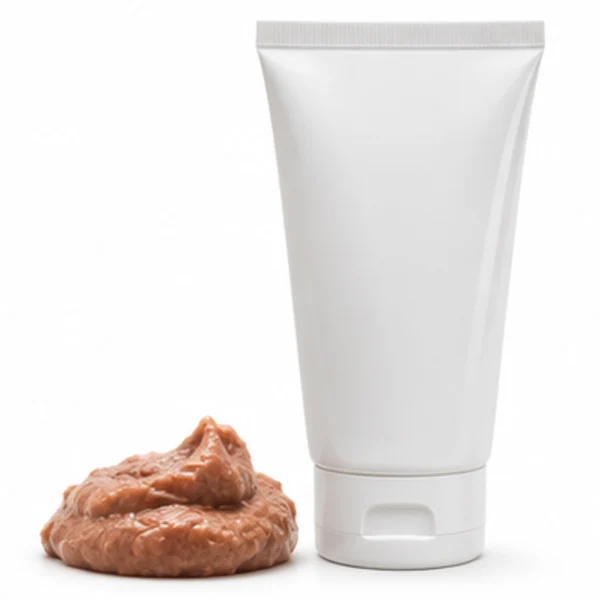
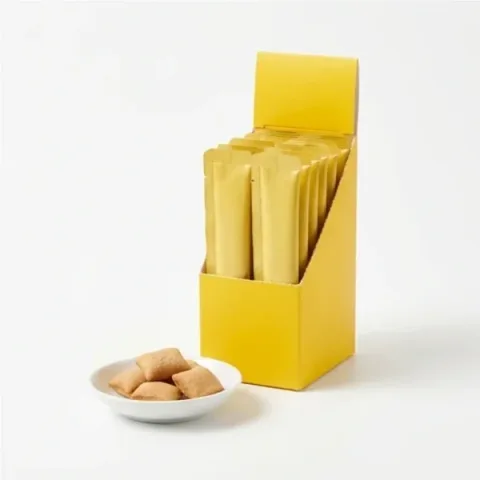
Pictures are illustrations, not the actual products.
Pill pockets compared
Details from each Amazon Australia listing, checked on 23 Nov 2026. "About g per pocket" is our own sum: pack weight divided by the number of pockets.
Swipe sideways to see every column
Product
For
Pockets and pack weight
About g per pocket
Allergens to note
Capsule size, chicken
Dogs
30 pockets, 224 g (7.9 oz)
7.5 g
Chicken, wheat, milk
Tablet size, chicken
Dogs
30 pockets, 90 g (3.2 oz)
3 g
Chicken, wheat, milk
Small (tablet) size, hickory smoke
Dogs
30 pockets, 90 g
3 g
Chicken, wheat, milk
Capsule size, peanut butter
Dogs
30 pockets, 224 g
7.5 g
Chicken, wheat, milk, peanut
Feline, salmon
Cats
85 pockets, 85 g (3 oz)
1 g
Chicken, wheat, salmon flavour
TOMLYN Pill-Masker, bacon
Dogs and cats
One 4 oz tub (about 113 g)
You mould it
Wheat, soy (soybean oil), bacon fat
The chicken capsule pack also comes in bigger packs on other listings, and there's a hickory capsule size too. We haven't picked those, because they're the same product as our picks in a different pack size.
Tablet or capsule size: which pill pocket do you need?
Choose by the size of the pill, not the size of your dog. A capsule-size pocket is about 7.5 g and holds a capsule or a large tablet. A tablet-size pocket is about 3 g, so it suits small tablets and small dogs, and gives less treat for every pill.
The size name is the maker's. If your pill is a capsule that won't fit the small pocket, go up a size. If a pocket is bigger than the pill needs, pinch it smaller rather than leaving a thick wall of treat. Cornell's vet school says to use only enough treat to cover the pill, because extra lets a dog chew around it and adds calories (Cornell University College of Veterinary Medicine, "How to medicate your dog", page read 23 November 2026).
The tablet-size chicken pack's feeding guide goes by body weight: one treat for every 15 lb (about 7 kg) for a capsule, and two for every 10 lb (about 4.5 kg) for a tablet. Treat those as the pack's own guide, and let your vet's plan come first.
Our picks in detail
1. GREENIES Pill Pockets for Dogs, capsule size, chicken: best overall
The larger of the two chicken packs: 30 pockets in a 224 g pack, so about 7.5 g each. The listing says to drop the tablet in and pinch the pocket closed. It's the capsule size, so in our view it should also take a big tablet, and you can pinch it smaller. Ingredients start with chicken, glycerin and wheat flour. The listing's "448 gram" unit count doesn't match its 7.9 oz pack weight, so we've used the pack weight. The directions say to store it in a cool, dry place.
It's our top pick because it fits the widest range of pills and the same pack suits most dogs, and a large pocket can always be pinched down.
Pros: takes capsules and large tablets; chicken flavour; bigger packs on other listings if you need a long course
Cons: large for a small dog; contains chicken, wheat and milk; the listing gives no calories
Best for: medium and large dogs, or any capsule
Skip it if: your dog is small, or has a wheat, chicken or dairy allergy
2. GREENIES Pill Pockets for Dogs, tablet size, chicken: best for small dogs and small tablets
The same chicken recipe in a smaller pocket: 30 in a 90 g pack, about 3 g each. That's less treat for every pill, which matters for a small dog or a long course. This is the listing with the feeding guide quoted above.
Pros: less treat per pill; same ingredient list as pick 1; a useful size for small tablets
Cons: too small for capsules or big tablets; contains chicken, wheat and milk
Best for: small dogs and small tablets
Skip it if: your pill is a capsule or a large tablet
3. GREENIES Pill Pockets for Dogs, small (tablet) size, hickory smoke: best flavour switch
A flavour change for dogs who learn that the chicken pocket means medicine. It's the tablet size again: 30 pockets, 90 g. The ingredients still start with chicken and include wheat and skim milk, plus caramel colour. A hickory capsule size exists too, if your dog needs the bigger pocket.
Pros: a different flavour, same small size; useful for rotating if your dog gets wary
Cons: not chicken-free; adds caramel colour; small, so not for capsules
Best for: a dog who has stopped trusting the chicken pocket
Skip it if: your dog has a chicken allergy, because this isn't a chicken-free flavour
4. GREENIES Pill Pockets for Dogs, capsule size, peanut butter: best for peanut-butter fans
The only peanut flavour here: 30 pockets, 224 g, about 7.5 g each. Ingredients start with chicken, glycerin and wheat flour, and also include peanut butter and peanut oil. Xylitol isn't in the listed ingredients, but check the pack you receive. The listing's "liquid" item form and its liquid-medication line don't fit a soft pocket, so we've ignored them.
Pros: peanut flavour for dogs who like it; capsule size
Cons: contains chicken, wheat, milk and peanut; large pocket for small dogs
Best for: a dog that loves peanut butter and takes capsules or large tablets
Skip it if: your dog has a chicken or wheat allergy, or is small
5. Feline Greenies Pill Pockets, salmon: best for cats
An 85-pocket bag weighing 85 g, so about 1 g a pocket, the smallest pocket here and made as a cat formula. Ingredients start with chicken, glycerin and wheat flour, with natural salmon flavour and caramel colour further down. The listing's "1 to 2 sachets a day" doesn't fit a pocket product, so follow the pack and your vet, as on our Greenies cat treats guide. Follow the pill with a little water or food, as Auburn advises.
Pros: small, cat-sized pocket; many pockets per bag
Cons: contains chicken and wheat, so it isn't a fish-only treat; some cats bite into it or refuse it, so watch that the whole pocket goes down
Best for: cats who take tiny tablets
Skip it if: your cat is on a vet diet or an allergy elimination trial
6. TOMLYN Pill-Masker, bacon flavour paste: best mouldable option for dogs and cats
A tub of paste rather than a pocket. The listing says you mould it around a pill of any shape, and it's labelled for cats and dogs, so one tub can serve one of each in the same house. The listed ingredients are corn syrup, soybean oil, wheat flour and bacon fat preserved with BHA and BHT. That makes it fatty and sweet, and fatty food can trigger pancreatitis. The listing's safety box names a different product, so go by the label on the tub.
Pros: mould exactly as much as the pill needs; one tub for dogs and cats
Cons: fatty, sweetened; contains wheat; a mismatched safety box on the listing; you have to count it in the treat allowance
Best for: a pet who rejects pockets, or one dog and one cat on the same medicine routine
Skip it if: your dog is on a low-fat diet or has had pancreatitis, or has a wheat allergy
Cats have one more risk. A dry pill can stick in the oesophagus, which is why Auburn's advice is to follow a pill with at least 4 ml of water, tuna water or some food. A small study of eight healthy cats found that tablets and capsules given in Pill Pockets reached the stomach, in about a minute or less on average (Bennett and colleagues, Journal of Feline Medicine and Surgery, 2010). It was one small study, so it's background, not proof that a pocket will work for your cat. Our how to give a cat a pill guide covers the water chaser and the towel wrap, and Greenies cat treats shows where Pill Pockets sit among the other Greenies cat products.
What's in pill pockets?
Every Greenies pocket on this page lists chicken first, followed by glycerin and wheat flour. They all contain wheat gluten and, apart from the cat pack, dried cultured skim milk as well. So a flavour switch changes the taste, not the allergens. The salmon and peanut packs contain chicken too: the listing for the salmon pack names "natural salmon flavor" further down its ingredients, and the peanut pack lists chicken before the peanut butter.
The listings say these are made with natural ingredients and that they mask the smell and taste of medicine. Those are the maker's claims, and so is the "vet recommended" wording, so treat them as marketing. What we can say from the ingredient lists is that none of the Greenies packs is chicken-free or wheat-free, and all the dog packs contain milk, and xylitol isn't in the listed ingredients of the peanut pack. Check the pack you actually receive, because xylitol in peanut butter is dangerous for dogs. Our toxic foods list is the place to check anything else.
When shouldn't you use a pill pocket?
Skip the pocket when your vet says the medicine must be given a particular way, when your pet has an allergy or a diet restriction, or when the pocket is making your pet refuse food. PDSA says to check with your vet before giving medicine in food, because some medicines only work if they're given whole or on an empty stomach (PDSA, "How To Give Your Cat A Pill", May 2023, page read 23 November 2026).
Empty-stomach medicine. A pocket is a meal, so no pill pocket suits a medicine labelled for an empty stomach. Ask your vet or pharmacist what to do instead.
Crushing, splitting or opening capsules. Only if your vet or pharmacist says it's fine. Some medicines don't work properly broken up.
Allergies and vet diets. Cornell advises asking your vet first if you're unsure a treat suits your dog, or your dog has a dietary restriction from a health condition. That includes dogs on an elimination diet.
Pancreatitis or a low-fat diet. Fatty food can trigger pancreatitis (see our pancreatitis in dogs guide), so ask your vet before using the TOMLYN paste or any rich pill hider.
Pets who learn the trick. If your pet starts picking the pocket apart, try a different flavour or hide the pill with another method; our how to give a dog a pill guide has the three-treat decoy game.
Pill pockets are for medicine a vet prescribed. They don't change what the medicine does, and they're not a way to hide supplements or anything you haven't checked with your vet.
If food hiding isn't working at all, don't escalate. Ask your vet whether the medicine comes as a liquid, a different tablet or a flavoured compounded version, as Cornell suggests. A vet can also show you how to give a pill by hand, and a cat restraint wrap or handling gloves can help in a short, calm handling session; gloves protect you, and they're never a reason to hold harder.
For a long course, a small dog's pockets can add up. That's one reason to pick the tablet size for a small dog, and to trim the main meal a little if the course is long. Our best dog treats guide and cat treat allowance table show how to work out the budget. If your dog is on several tablets, give each in its own pocket rather than stacking them, a point Cornell makes about the three-treat decoy method.
Where else can you buy pill pockets?
Pet shops and vet clinics also sell pill pockets and pill pastes, and a vet can tell you which suits your pet's medicine. If your dog's tablets are wormers or heartworm chews, our dog wormer guide compares the products.
Choose by situation
Swipe sideways to see every column
Your situation
What to look for
Our pick
Small dog with a small tablet
Tablet-size pocket, about 3 g
Tablet chicken (2)
Large dog with a capsule
Capsule-size pocket, about 7.5 g
Capsule chicken (1)
Dog who refuses the chicken pocket
Another flavour, same size
Hickory (3), peanut (4)
A cat
Cat formula, about 1 g
Feline salmon (5)
One dog and one cat, one tub
A paste you mould, if the fat is OK for both
TOMLYN (6)
Chicken allergy or a vet diet
No pocket here is chicken-free except the paste, which has wheat and fat; ask your vet
Ask your vet
Medicine for an empty stomach
No pocket suits it
Ask your vet
How we chose
We searched Amazon Australia for pill pockets, pill treats and pill-masking pastes, then shortlisted those that met all of these checks:
Well rated: a strong average rating with plenty of buyer reviews.
No red flags: no pattern of poor reviews, safety complaints or listing problems.
Available on Amazon Australia when we checked.
Made for hiding medicine and labelled for the right species.
Size matched to the pill: tablet or capsule size stated on the listing.
Full ingredient list on the listing, with allergens flagged.
Grams per pocket worked out from the pack weight and count.
Where a listing is missing a detail or contradicts itself, we say so in the cons. These are researched picks, not products we've personally tested. We compared the specifications and features on each Amazon Australia listing, checked on 23 Nov 2026, and we didn't accept payment from any brand.
Left out this time: duplicate pack sizes of the chicken capsule pocket, a hickory capsule listing that matches pick 3, an older cat listing with a different ingredient list and extra claims, a dental chew that isn't a pill pocket, and a toy-stuffing paste that isn't made for medicine.
When to see a vet
Call your vet before you use a pill pocket if the medicine must be given whole or on an empty stomach, or if your pet has a food allergy, is on a prescription diet or has had pancreatitis. Also call if your pet keeps refusing the pocket, or if you're not sure how the medicine should be given.
If your pet foams, vomits or refuses it, stop, don't give a second tablet without asking your vet, and call your vet if it doesn't settle or your pet seems unwell. Some medicines taste bitter and can make a pet drool or foam.
Ring the Animal Poisons Helpline on 1300 869 738 (24/7) or a vet straight away if your pet has eaten xylitol, chocolate, grapes or raisins, or if someone hid a pill in a food from our toxic foods list. Take the packet with you.
Frequently asked questions
Do pill pockets work with capsules?
Yes, if you choose a capsule-size pocket. The capsule packs are about 7.5 g a pocket and are built for capsules and large tablets. A tablet-size pocket, about 3 g, may be too small. Check with your vet first that the capsule can go in food, because some must be given on an empty stomach.
How many pill pockets can a dog have a day?
Give only as many as the medicine needs, one pill per pocket. The tablet-size pack's own guide goes by body weight, but your vet's instructions come first. Pockets are treats, so keep all treats to about 10% of daily calories, as VCA says.
Can I cut a pill pocket in half for a small dog?
It's better to buy the tablet size than to cut a capsule one, since the pocket needs a closed pouch around the pill. If you pinch a larger pocket smaller, use just enough to cover the pill, as Cornell advises. Don't split or crush the pill unless your vet says to.
Are pill pockets OK for a dog with a chicken allergy?
Not the Greenies ones. Every flavour on this page lists chicken and wheat, and the dog packs also contain milk. Ask your vet what suits your dog. The TOMLYN paste has no chicken in its listed ingredients but contains wheat and bacon fat, so it isn't a safe default either.
How should I store an open pack of pill pockets?
The capsule-size listing says to store them in a cool, dry place, and the cat listing says to keep them dry and cool after opening. Close the bag tightly, keep it out of reach of pets and children, and check the pack for any expiry or storage advice.
Why won't my cat eat the pill pocket?
Cats can be wary of a pocket that smells of medicine, and some bite into it, find the pill and go off the treat. Try offering the plain pocket first on other days, keep the pill small, or ask your vet about a liquid or flavoured version. Our cat pill guide lists other methods.
What can I use instead of pill pockets?
Cornell lists cheese, cream cheese, yoghurt, canned chicken and cooked sweet potato for dogs, in the smallest amount that covers the pill. Never use xylitol products, chocolate, onion, garlic, chives, grapes, raisins or macadamias (see our toxic foods list), or fatty meats. For cats, ask your vet first, and follow with water or food.
Are pill pockets fattening?
They can be if they pile up. The listings give no calories, so we can't say how many a pocket holds. Count them in the 10% treat allowance, use the smallest size that fits the pill, and ask your vet if your pet is overweight or on a long course.
Bennett, MacPhail, Gibbons and Lappin, "A comparative study evaluating the esophageal transit time of eight healthy cats when pilled with the FlavoRx pill glide versus pill delivery treats", Journal of Feline Medicine and Surgery, 2010 (https://pmc.ncbi.nlm.nih.gov/articles/PMC11135597)
Product details from each linked Amazon Australia listing, checked on 23 Nov 2026.
This guide provides general information and isn't a substitute for veterinary advice. If you're concerned about your dog's (or cat's) medicine or health, speak with your vet.