Anal gland supplements for dogs: Glandex and other fibre picks compared
By Anish PuriUpdated 25 Nov 202617 min readResearched, not tested by us
Research guide. WhiskerFinds may earn a commission from links, at no extra cost to you.
Quick answer: An anal gland supplement for dogs is a fibre product that aims to firm and bulk stools so the glands empty on their own, and Vetnique Glandex soft chews are our top pick for most dogs. A supplement doesn't treat an infection or an impaction, so see your vet before you start.
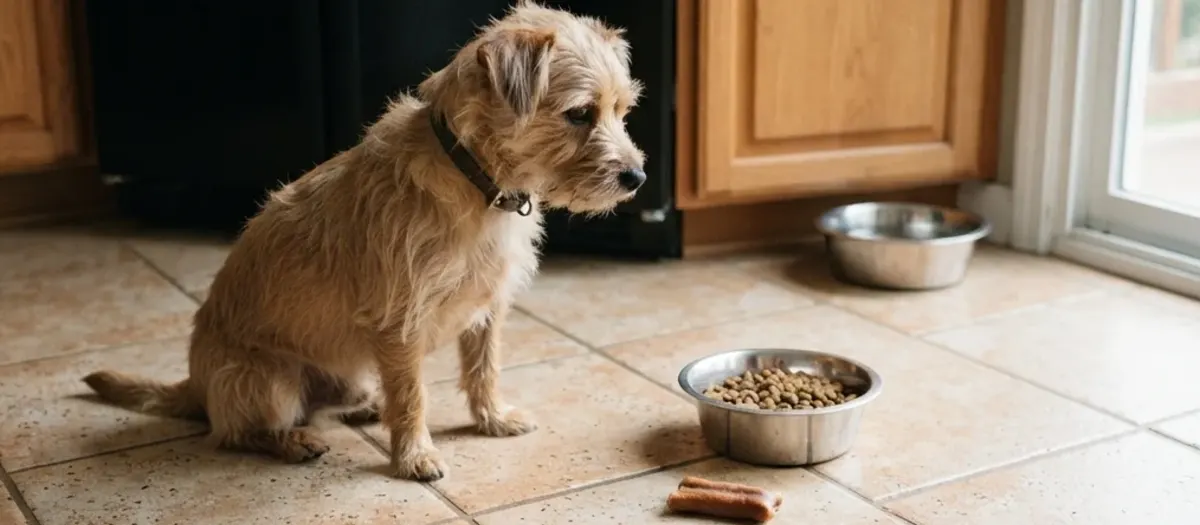
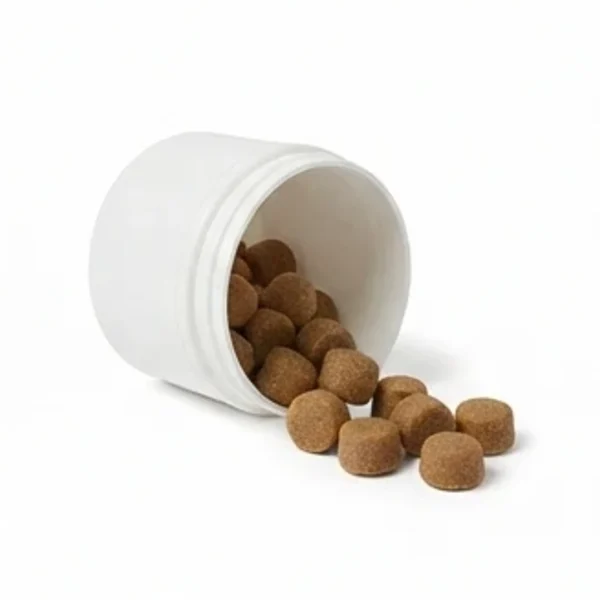
Illustration, not the actual product
Our top pickVetnique Glandex soft chews, peanut butter, 60 count
Scooting makes owners reach for a tub of chews fast. This guide compares six products on Amazon Australia by fibre source, form and the amounts each listing gives by dog weight, then helps you match one to your dog. For what the glands do, why they block and who should empty them, read our dog anal glands guide, which we won't repeat here. If stools are the other half of the problem, our dog constipation guide and dog diarrhoea guide are the companions.
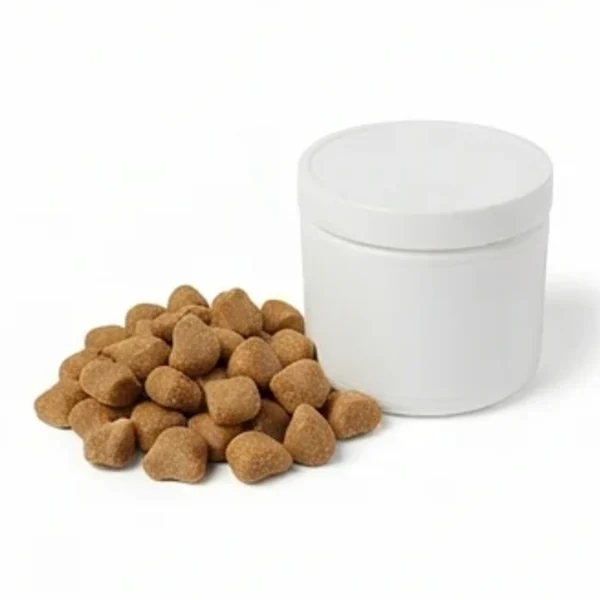
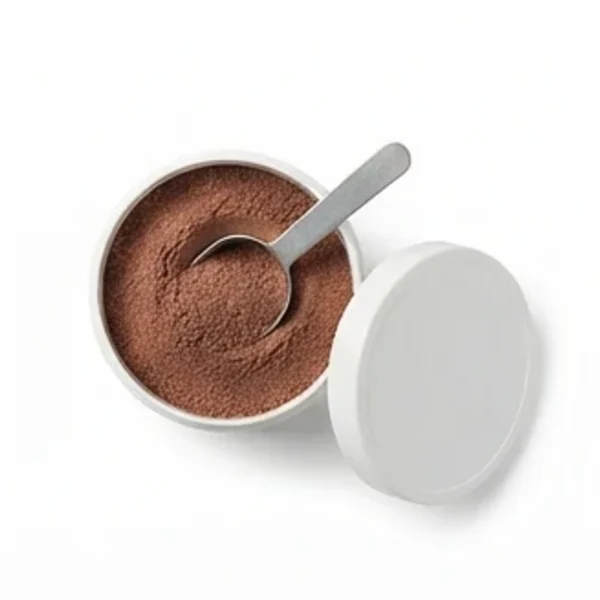
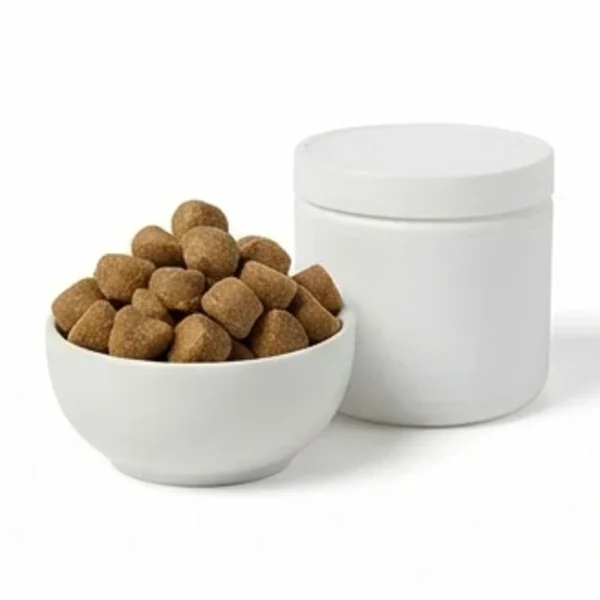
Pictures are illustrations, not the actual products.
Anal gland supplements compared
Details from each Amazon Australia listing, checked on 25 Nov 2026. "Not stated" means the listing doesn't say. The wipes aren't a supplement, so they're not in these tables.
Swipe sideways to see every column
Product
Form
Fibre source
Listed fibre amount
How often
Glandex chews
Soft chew
Pumpkin seed powder, granulated pumpkin seed, apple pectin
Not stated per chew
Once daily by weight
Glandex powder
Powder
Pumpkin seed powder, granulated pumpkin seed, apple pectin
1,025 mg per teaspoon
Daily on food, by weight
Glandex Advanced Strength
Soft chew (4 g)
MegaFiber blend (miscanthus grass, green bean powder, flaxseed meal, pumpkin seed), apple pectin cellulose
616 mg blend and 115 mg apple pectin cellulose per chew
Once daily, per the description
NaturVet No Scoot
Soft chew
Beet pulp and psyllium husk blend, pumpkin powder
1,000 mg blend per 2 chews
Twice daily
Natural Animal Solutions
Powder
Psyllium husk and inulin
Not stated
Daily on food; full rate first, then half for ongoing use, as the pack directs
Swipe sideways to see every column
Product
Other listed ingredients
Allergen line or notes
Minimum age
Glandex chews
Lactobacillus acidophilus, bromelain, quercetin, vitamins E and C
Peanuts and pork on the 60 count listing
Not stated
Glandex powder
L. acidophilus (1.9 billion CFU), bromelain, quercetin 100 mg, vitamin E 70 mg, vitamin C 40 mg
Beef
Not stated
Glandex Advanced Strength
Fructooligosaccharide (FOS), enzyme blend, probiotic blend (3 billion CFU), quercetin, bromelain, vitamins E and C
Listed as vegan and gluten free
Not stated
NaturVet No Scoot
Dandelion root; inactive ingredients include canola oil, dried potato product and sunflower oil
No allergen line; check the pack for the flavouring
They may help some dogs, but they're a support, not a fix. The idea is simple: glands empty when your dog passes a firm stool, so a fibre supplement tries to bulk the stool. Have your vet check the glands before you start.
MSD Veterinary Manual says supplemental fibre may be recommended to add bulk, and PDSA says loose stools often don't press on the glands hard enough to empty them, and that adding sugar-free bran flakes or bran powder can help firm them up. PDSA adds that you should ask your vet for specific advice (MSD Veterinary Manual, page read 25 November 2026; PDSA, page read 25 November 2026).
What the sources don't say is that any one brand works. The "boot the scoot" and "guaranteed in 3 to 5 weeks" lines on the Glandex listings are Vetnique's words, not ours, and results vary. A supplement also does nothing for a sac that is already impacted, infected or abscessed. MSD lists vet expression, medication and sometimes surgery for those.
Weight matters too. MSD mentions weak muscle tone in obese dogs as a trigger, and PDSA says extra weight can weaken the muscles around the anus. Brunker Road Veterinary Centre says many affected dogs are overweight. If your dog is carrying extra kilos, a diet plan from your vet may do more than a tub of chews.
The one to start with for a dog that takes a treat easily. The listing says once-daily soft chews with pumpkin seed powder, granulated pumpkin seed and apple pectin cellulose, plus Lactobacillus acidophilus, bromelain, quercetin and vitamins E and C. It says for dogs only and to keep it away from children and other pets. It also says to start at half the labelled amount for 5 to 7 days and give plenty of fresh water. The same chew comes in 30 and 120 count tubs.
We left the probiotic count off: the figure on this listing differs from the 120 count listing of the same chew, so check the pack.
Pros: one chew a day; fibre sources named; start-low plan on the listing; three tub sizes
Cons: no per-chew fibre figure; imported, so check the delivery details on Amazon before you order; contains peanut and pork per the allergen line
Best for: a dog that takes treats easily, after your vet's OK
Skip it if: your dog reacts to peanut or pork, or you need a vegan or single-protein option
2. Vetnique Glandex powder, beef liver, 70 g: best for small dogs and fussy eaters
The only powder here that states its fibre amount: 1,025 mg of pumpkin seed powder, granulated pumpkin seed and apple pectin per teaspoon, with weight bands from 1/8 teaspoon for tiny dogs (see the table on this page). It sprinkles on food, so it suits small dogs, seniors and dogs that turn their nose up at a chew. The listing also names L. acidophilus (1.9 billion CFU), bromelain, quercetin and vitamins E and C.
The title says "dogs and cats" but the listing names dogs as the target species, and we've written it up for dogs only. A bigger 4 oz (about 113 g) tub of the same formula is available.
Pros: fibre amount per teaspoon stated; easy to measure for small dogs; mixes into food
Cons: 70 g is a small tub for a big dog; needs mixing into food every day; imported; beef allergen line
Best for: small dogs, seniors and dogs that won't take a chew
Skip it if: your dog can't have beef, or you want a chew you can hand over
3. Vetnique Glandex Advanced Strength chews, vegan duck and bacon flavour, 60 count: best for dogs with protein allergies
A stronger formula for dogs whose vet has already ruled out infection but whose problem keeps coming back. The listing says each 4 g chew carries a MegaFiber blend of 616 mg (miscanthus grass, green bean powder, flaxseed meal, pumpkin seed powder and granulated pumpkin seed) plus 115 mg of apple pectin cellulose, and that it's vegan, gluten free and has no animal protein.
One thing to know: the listing's own numbers don't agree (see the cons), so follow the pack, not the listing text.
Pros: vegan with no animal protein per the listing; the listing says higher levels of fibre, probiotics and enzymes than the standard formula; once daily
Cons: the listing contradicts itself on the fibre amount, and its directions field has spray text; imported
Best for: dogs with food sensitivities, and dogs whose vet has already ruled out infection but the problem keeps returning
Skip it if: this is your dog's first fibre product, since the standard chew or powder is the gentler start
4. NaturVet No Scoot soft chews with pumpkin, 60 count: best peanut-free chew
A different fibre approach for owners who'd rather not use a pumpkin seed blend. The listing says each two chews carry 1,000 mg of a beet pulp and psyllium husk blend, 50 mg of dandelion root and 16 mg of pumpkin powder. That's mostly beet pulp and psyllium, with very little pumpkin. It lists no peanut among its ingredients, says wheat free, and says for dogs over 12 weeks.
The catch is the schedule: one chew per 9 kg (20 lb), twice daily. For a big dog that's a lot of chews. NaturVet says to make sure your dog drinks plenty of water.
Pros: psyllium and beet pulp fibre; no peanut in the ingredients; weight guide on the listing; minimum age stated
Cons: twice-daily chews add up for big dogs; the pumpkin amount is tiny; imported
Best for: owners who want a psyllium and beet pulp chew rather than pumpkin seed
Skip it if: your dog is under 12 weeks, or you want a once-a-day product
5. Natural Animal Solutions Anal Gland Support fibre powder, 120 g: best Australian-made powder
The only Australian-made option here. The listing says it's a fibre-rich powder with psyllium husk and inulin, plus goat's milk, postbiotic yeast, bromelain, turmeric and quercetin, that mixes into food. It says to use the full daily rate when extra support is wanted, then half long term, as directed on the pack. The scoop guide by dog weight is in the table on our dog anal glands guide; follow the pack and ask your vet about the amount.
It's a newer product with little history, and the extras (goat's milk, turmeric) are worth running past your vet, especially if your dog has a dairy sensitivity or takes regular medicine. Psyllium also appears in our psyllium guide.
Pros: Australian made per the listing; psyllium and inulin fibre; mixes into food
Cons: newer product with little history; several extras beyond fibre, including goat's milk
Best for: owners who want an Australian-made psyllium and inulin powder
Skip it if: you want a long track record, or your dog can't have dairy
6. Vetnique Glandex pet wipes, 75 count: handy extra, not a supplement
Cleaning, not treatment. The listing says 75 cloth wipes with aloe, vitamin E and skin conditioners, a "DeoPlex" enzyme deodoriser (the maker's term) and a fresh scent, for dogs and cats of all ages. It also says the wipes are gentle enough for daily use. A wipe cleans smell and mess; it doesn't touch the glands. Our dog wipes guide has fragrance-free options.
Pros: thick cloth wipes; handy after a vet or groomer visit or a leak
Cons: scented ("Fresh Scent"); cleans only, nothing for the glands; imported
Best for: cleaning the back end after a vet or groomer has emptied the glands, or after a leak
Skip it if: your dog has broken, red or weeping skin there (see the vet first), or you want fragrance-free
Is scooting always the glands?
No. Brunker Road says impacted or infected sacs are the most common cause, but fleas, allergies, itchy skin and occasionally worms can also make a dog drag their bottom (Brunker Road Veterinary Centre, page read 25 November 2026). Giving a fibre supplement for scooting that is really fleas wastes weeks. Have your vet check first, then decide.
VCA says diarrhoea or constipation can also trigger anal sac disease (VCA Animal Hospitals, page read 25 November 2026). If stools are the trouble, ask your vet about the cause before adding fibre.
How much does each listing say by dog weight?
Three of these products give amounts by weight in the listing text. These are the makers' figures converted to kilograms, not our advice. Follow the pack and your vet. The Glandex chew figures come from the 120 count listing of the same chew; the 60 count listing says "once daily based on your pet's weight" and points to the pack.
Swipe sideways to see every column
Dog weight (listing's pounds in brackets)
Glandex chews
Glandex powder
NaturVet No Scoot
Under about 7 kg (under 15 lb)
Half a chew
1/8 teaspoon
Not stated under 9 kg (20 lb)
About 7 to 11 kg (15 to 25 lb)
1 chew at about 11 kg (25 lb)
1/4 teaspoon
1 chew twice daily at about 9 kg (20 lb)
About 12 to 23 kg (26 to 50 lb)
2 chews at about 23 kg (50 lb)
1/2 teaspoon
2 chews twice daily at about 18 kg (40 lb)
About 23 to 34 kg (51 to 75 lb)
3 chews at about 34 kg (75 lb)
3/4 teaspoon
3 chews twice daily at about 27 kg (60 lb)
Over 34 kg (over 75 lb)
4 chews
1 teaspoon
4 chews twice daily at about 36 kg (80 lb)
The Glandex chew listing gives set weights, not ranges, and NaturVet's listing gives one rule: 1 chew per 9 kg (20 lb), twice daily. For a dog in between, follow the pack and ask your vet.
The Advanced Strength listing doesn't give a weight table, so follow the pack. For the Natural Animal Solutions scoop guide, see our dog anal glands guide.
Choose by situation
Swipe sideways to see every column
Your situation
What to look for
Our pick
First fibre product, after a vet check
A single daily chew or powder with a start-low plan
Glandex chews (1)
Small dog, senior, or won't take a chew
A powder you sprinkle and a fibre figure you can see
Glandex powder (2)
Peanut or protein sensitivity
A listing that says which proteins it leaves out
Advanced Strength (3), listed as vegan with no animal protein
Peanut-free chew
No peanut in the ingredients
NaturVet No Scoot (4)
Wants an Australian-made product
Local maker and a scoop guide on the pack
Natural Animal Solutions (5)
Dog already on a vet-prescribed fibre diet
Ask your vet before adding anything
None, ask first
Cleaning up after the glands are emptied
A wipe, not a supplement
Glandex wipes (6)
Do you need a Glandex-style product, or is plain fibre enough?
Plain fibre may be enough for some dogs, and your vet can tell you. PDSA mentions sugar-free bran flakes or bran powder, and Brunker Road mentions bran or grated carrot. Our pumpkin guide covers plain pumpkin, and our psyllium husk guide covers psyllium on its own. The case for a branded product is convenience: a chew or scoop is easier to measure than a tablespoon of pumpkin.
Gland products also add extras, such as probiotics, bromelain and quercetin. We found nothing in the sources above on whether those extras help glands, so weigh them as a bonus. If gut health is your real concern, our probiotics guide compares dedicated products.
How do you start a fibre supplement safely?
Get a vet check first, then go slow. The larger Glandex powder listing warns that fibre can cause temporary constipation or diarrhoea at first, which is why the Glandex listings say to start at half the labelled amount. Keep fresh water available, add one new thing at a time, and watch the stools.
Stop and call your vet if stools turn very loose, your dog strains, or the signs get worse.
Check with your vet if your dog takes regular medicines or is on a prescription diet, since your vet knows what fits.
Keep it for dogs. Some of these products mention cats on the listing, but this guide is only for dogs. Ask your vet about a cat.
Where else can you buy anal gland supplements?
Vet clinics and pet shops sell fibre products for glands, and your vet can suggest one that suits your dog's size and diet. Plain fibre such as bran or pumpkin comes from the supermarket. Whichever route you take, check the pack for the allergen line and the amounts by weight.
How we chose
We searched Amazon Australia for anal gland supplements, fibre chews and powders for dogs, then shortlisted those that met all of these checks:
Well rated: a strong average rating with plenty of buyer reviews.
No red flags: no pattern of poor reviews, safety complaints or listing problems.
Available on Amazon Australia when we checked.
Fibre source named on the listing.
Form and how often stated, so you can compare chews and powders.
Allergen line or ingredients shown where the listing gives one.
Where a listing is new, imported or has errors, we say so in the cons. These are researched picks, not products we've personally tested. We compared the specifications and features on each Amazon Australia listing, checked on 25 Nov 2026, and we didn't accept payment from any brand.
Left out this time: fish oil, melatonin, probiotic-only and pumpkin-only products (wrong job for this search; see our probiotics guide and pumpkin guide), and a herbal liquid with no fibre listed.
When to see a vet
Contact a vet as soon as possible, the same day if you see a red, hot, swollen patch beside the anus, blood or pus, or your dog is in obvious pain or won't let you near their back end. VCA describes an abscess as a painful, hot, red swelling beside the anus that can burst and release pus (VCA Animal Hospitals).
Book a vet visit if your dog:
scoots repeatedly or keeps licking or biting at their bottom
strains or cries when they poo, or sits suddenly
has a smell around the back end that doesn't go away
has had blocked glands before and the signs are back
is eating less, flat or lethargic
Stop the supplement and call your vet if stools turn very loose or your dog strains. Don't squeeze the glands yourself, and never give human medicines unless your vet has told you to and given the amount, because many are dangerous for dogs. Our dog anal glands guide has the full list of signs, and our dog cone guide covers a cone for licking.
Frequently asked questions
Should I express the glands myself instead of using a supplement?
No. PDSA says never to empty your dog's glands yourself unless your vet has shown you how and you're confident. A vet, vet nurse or trained groomer does it. Our anal glands guide explains who should do it and how often.
How long does Glandex take to work?
The listings say 3 to 5 weeks, but that's the maker's claim and results vary. Some dogs may not respond at all if the cause is something else, such as fleas, allergies or an infected sac. If scooting continues after a few weeks, go back to your vet rather than adding more products.
Can puppies have anal gland supplements?
Check with your vet first. NaturVet's listing says its chews are for dogs over 12 weeks. The Glandex listings don't state a minimum age, so follow the pack and ask your vet before giving any fibre product to a puppy.
Can I give an anal gland supplement with other medicines?
Ask your vet. We can't tell you how fibre or the extras in these products interact with a particular medicine, and our sources don't say. Your vet knows your dog's history and can tell you whether the timing or the product needs to change.
Will a supplement mean my dog never needs their glands emptied?
Not necessarily. VCA says some dogs have repeated episodes, and that routine gland expression by a vet or vet team may be considered for them. MSD says surgery may be considered when treatment fails or the problem recurs. A supplement may help some dogs, but your vet decides what your dog needs.
Are Glandex powders safe for cats?
This guide is written for dogs only. The Glandex powder title mentions cats and the wipes say dogs and cats, but we haven't researched cats, and cats have different needs. If your cat is scooting, see your vet.
Should I use a gland supplement while my dog has soft stools?
Ask your vet first. PDSA lists soft stools and chronic diarrhoea as common reasons glands don't empty, so the stools may need sorting out before fibre is added. Our diarrhoea guide covers when loose stools need a vet.
Product details from each linked Amazon Australia listing, checked on 25 Nov 2026.
This guide provides general information and isn't a substitute for veterinary advice. If you're concerned about your dog's anal glands or scooting, speak with your vet.