Turmeric for dogs: does it help, is it safe and what to buy
By Anish PuriUpdated 25 Nov 202615 min readResearched, not tested by us
Research guide. WhiskerFinds may earn a commission from links, at no extra cost to you.
Quick answer: Turmeric for dogs is a supplement with limited evidence: small trials hint at some comfort for sore joints, but the results are mixed and it isn't a replacement for vet pain relief. If you want to try one, our top pick is the Zesty Paws Turmeric Curcumin chew. Check with your vet first, especially if your dog takes medicine.
Most people searching this want two answers: does it work, and is it safe. This page gives the honest version first, then compares the few turmeric products for dogs we could stand behind on Amazon Australia. The range is small, so the product section is short on purpose. If your real goal is stiff joints, the joint supplements guide is the better starting point.
It might help a little for some dogs, but the evidence is thin and mixed. The same Veterinary Practice News article says studies of turmeric for arthritis in dogs were disappointing, with some owner and investigator reports of benefit that objective measures didn't confirm, and concludes that no research in dogs or cats justifies routine clinical use.
Two small trials show why vets stay cautious:
A 2017 trial of 42 dogs gave a diet with turmeric curcuminoids, collagen and green tea extract for three months. Owner pain scores held steady in the supplement group while they worsened in the control group, and vets found less pain on manipulation, but lameness, joint mobility and objective gait measures didn't differ. The diet's maker funded the trial, and the authors said a larger study was needed (BMC Veterinary Research, 2017, page read 25 November 2026).
A 2022 pilot study enrolled 24 dogs and tested a proprietary herbal blend for eight weeks. The blend was well tolerated, but a post-hoc analysis found no observable benefit over placebo at any time point (Canadian Veterinary Journal, 2022, page read 25 November 2026). Neither trial studied turmeric on its own.
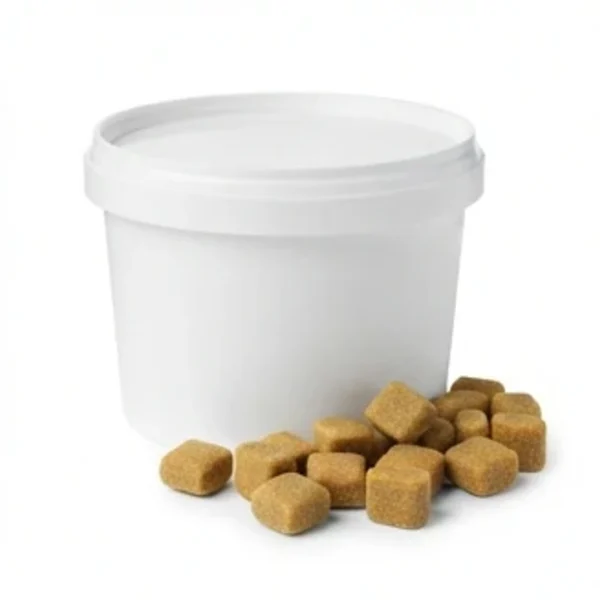
A turmeric-first soft chew from a well-known pet supplement brand. The title says turmeric curcumin with BioPerine (black pepper extract) and coconut oil, bacon flavour, 90 chews, and the listing names dogs as the target species. The pack weighs about 360 g (12.7 oz).
The listing is thin: no description, and spec fields that don't match a chew (it lists the form as "oil"). The listing doesn't give a per-chew turmeric amount, so we can't tell you how much curcumin is in each chew; check the pack. No age or weight limits appear on the listing, so ask your vet before giving it to a puppy or a small dog. It is also not a joint treatment, whatever its "joint supplement" wording suggests.
Pros: turmeric-first; black pepper extract and coconut oil already included; soft chew form; 90 chews a pack
Cons: thin listing with no per-chew amounts shown; imported from the USA, so check the delivery details on Amazon before you order; bacon flavour may not suit a dog with a sensitive stomach
Best for: owners whose vet has said turmeric is fine and who want a turmeric-first chew
Skip it if: your dog takes anti-inflammatory or blood-thinning medicine and your vet hasn't cleared it, or your dog has a sensitive stomach
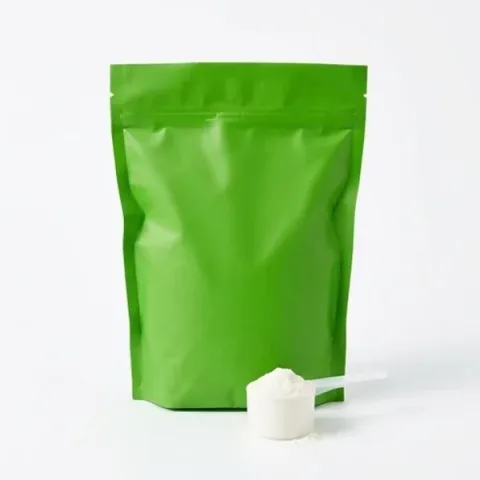
2. Petz Park dog multivitamin powder with turmeric, roast beef, 45 scoops: best Australian-made powder with turmeric
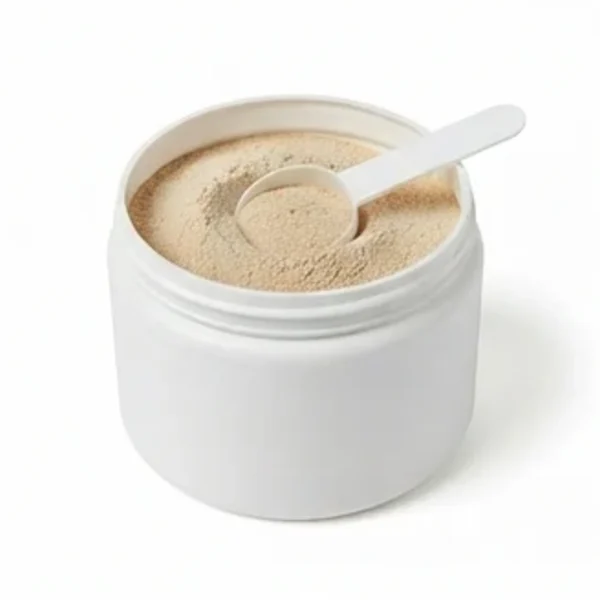
This is not a turmeric supplement as such. It's an all-round powder, and turmeric is one ingredient among more than 20. The listing says it adds more than 20 vitamins, minerals and nutrients to wet, dry or raw meals, with green banana powder, glucosamine, omega 3 and "turmeric for overall wellbeing". It lists vitamins A, D3, E, K1 and the B group, plus calcium, magnesium, zinc, iron, selenium and iodine. Grain free, roast beef flavour, made in Australia, and the listing says it is for dogs of every age and breed.
The listing says 45 scoops lasts about 13 weeks for dogs up to 11 kg, and gives no turmeric amount. Because it holds fat-soluble vitamins and minerals, don't double up with another multivitamin. Our dog multivitamin guide explains when those help and when they can harm.
Pros: made in Australia; sprinkles on food, handy for fussy dogs; one scoop covers many nutrients
Cons: turmeric amount isn't stated, so it is a minor ingredient, not a meaningful turmeric amount; contains vitamins A and D3 and minerals, so doubling up matters; needs mixing in daily
Best for: owners who want a little turmeric inside a daily all-round powder rather than a turmeric-only product
Skip it if: you want a meaningful, stated turmeric amount, or your dog already gets another vitamin or mineral supplement
3. Zesty Paws Hip and Joint chews, kangaroo flavour, 90 pieces: joint alternative with stated amounts, no turmeric
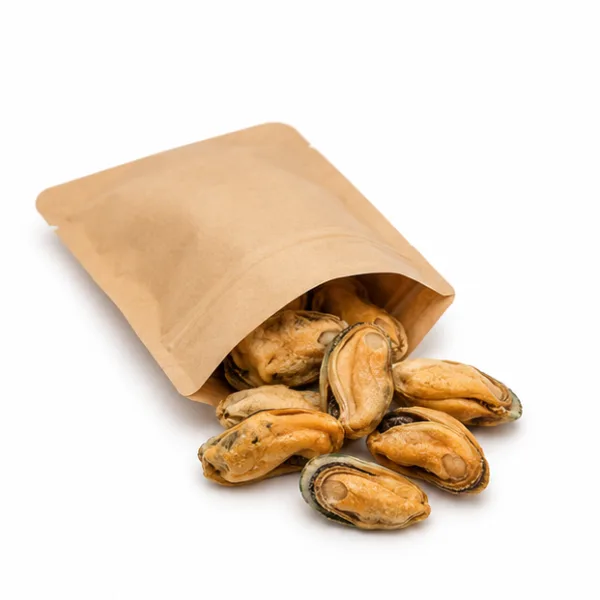
Include this one for owners who came for sore joints rather than turmeric itself. The listing gives amounts per chew: 375 mg of green-lipped mussel (the maker's Biolane extract, which it calls "clinically researched"), 300 mg of glucosamine sulfate, 105 mg of chondroitin sulfate, and 110 mg of vitamins C and E combined. It's kangaroo flavoured, made in Australia, 90 chews, and the listing says it is for dogs of all ages.
Be realistic about the evidence. Our joint supplements guide ranks omega-3 first, green-lipped mussel second with some trial support, and glucosamine and chondroitin a distant third, and the Illinois article says none of the three in this chew has strong evidence of reliable benefit. So this isn't a proven fix, just a joint product with its amounts stated. Our green-lipped mussel guide goes deeper, and fish oil is the better-supported choice.
Pros: amounts per chew stated; made in Australia; kangaroo flavour
Cons: contains no turmeric; a supplement is still not pain relief; contains shellfish-derived mussel
Best for: owners whose main concern is stiff joints and who want stated amounts
Skip it if: you specifically want turmeric, or your dog has a shellfish sensitivity
Is turmeric safe, and who should check with the vet first?
Side effects look uncommon, but safety isn't settled. The MSD Veterinary Manual lists diarrhoea, wind and bloating with high amounts, and says turmeric may raise the risk of bleeding when combined with anti-inflammatory medicines (NSAIDs) (MSD Veterinary Manual, "Herbal Medicine in Veterinary Patients", page read 25 November 2026). Veterinary Practice News adds that safety can't be assumed without better research in dogs. Ask your vet before starting, and don't start without a chat if any of these apply:
Your dog takes an anti-inflammatory (NSAID) or any other regular medicine, including steroids, blood thinners or diabetes medicine.
Your dog has a bleeding problem or an ongoing illness, or is booked for surgery.
Your dog is a puppy, pregnant, or already on other supplements.
Your dog has a sensitive stomach or food allergies. Check the listing's flavour and ingredients.
Apart from the NSAID point, the sources we opened don't set out interactions with specific medicines, so we won't make claims either way. Your vet knows your dog's medicines and can say whether a supplement fits. If your dog is limping or stiff, don't treat it with a supplement first. See our dog limping guide and book a visit.
Never give a dog human painkillers or human turmeric tablets. Some human medicines are dangerous for dogs, and human supplements are made and labelled for people.
Why do dog turmeric chews add black pepper and oil?
Because curcumin is poorly absorbed on its own. The Today's Veterinary Practice article says curcumin is poorly absorbed in its natural form and that traditional use pairs turmeric with fat to help. The Veterinary Practice News article also says oral absorption is poor, which makes it hard to reach meaningful levels in the body.
Makers often add black pepper extract (the Zesty Paws listing names BioPerine, the maker's brand of it) for the same reason. We didn't find a vet source we could open that confirms what black pepper does for dogs, so treat it as a maker's claim.
What is golden paste for dogs?
Golden paste is a home mix of turmeric, oil and black pepper, usually cooked into a paste and stirred into food. We don't give a recipe or amounts, because we found no veterinary source we could open that sets a safe homemade amount. The Today's Veterinary Practice article shows how widely published amounts vary with the form of turmeric used, and advises those less experienced to stick with veterinary-specific products and label directions.
If you do go the kitchen route with your vet's OK, keep onion and garlic out of anything you stir in, as both are toxic to dogs. Our frozen KONG recipes guide has the full toxic foods list. Some foods already contain a little turmeric, such as certain broths and toppers; see our bone broth guide and food toppers guide.
Kitchen turmeric or a dog supplement?
A dog-labelled supplement is the easier choice because it comes with label directions and a set pack size. The Today's Veterinary Practice article notes that dosing depends on the form and that kitchen turmeric and absorption-boosted products are measured very differently, so a spoonful from the spice rack isn't a stand-in for a chew. The MSD Veterinary Manual also notes that reports of fraudulent or lead-contaminated ground turmeric spice have increased in recent years.
Where else you can buy: vet clinics and pet shops stock dog joint and turmeric supplements, and your vet can suggest a veterinary-specific product. We link Amazon Australia here because it's where we checked the listings.
How much turmeric can I give my dog?
Follow the label on the product and what your vet says. We don't give amounts of our own. The turmeric chew's listing doesn't spell out its per-chew amounts, which is another reason to read the pack and ask your vet before starting.
Turmeric, green-lipped mussel, fish oil or vet treatment?
Match the supplement to the reason you're considering it, and keep your vet in the loop.
Swipe sideways to see every column
Your situation
What to try first
Where to read more
Limping, stiffness or trouble rising for more than a day or two
Details from each Amazon Australia listing, checked on 25 Nov 2026. "Not stated" means the listing doesn't say.
Swipe sideways to see every column
Product
Form
Turmeric or curcumin amount stated
Black pepper or oil
Other actives listed
Made in
Pack
Zesty Paws Turmeric Curcumin
Soft chew
No
Black pepper extract (BioPerine) and coconut oil, per the title
Not stated
Not stated (a US import)
90 chews, about 360 g
Petz Park multivitamin powder
Powder
No, turmeric is one of 20+ nutrients
No
Glucosamine, omega 3, magnesium, zinc, vitamins and minerals
Australia
45 scoops, 125 g
Zesty Paws Hip and Joint
Soft chew
No turmeric
No
Green-lipped mussel 375 mg, glucosamine sulfate 300 mg, chondroitin sulfate 105 mg, vitamins C and E 110 mg
Australia
90 chews, 330 g
Choose by situation
Swipe sideways to see every column
Your situation
What to look for
Our pick
Vet says turmeric is fine and you want a turmeric-first chew
A dog-labelled turmeric chew
Zesty Paws Turmeric Curcumin (1)
Fussy dog, or a small dog, and you want a daily powder
A powder that mixes into food
Petz Park (2)
Your dog already has another multivitamin
Don't stack vitamins A and D
Not Petz Park (2); ask your vet
You came for stiff joints, not turmeric
A joint formula with listed amounts
Zesty Paws Hip and Joint (3)
Shellfish or mussel sensitivity
Avoid mussel
Pick 1 or a vet's advice
Dog on anti-inflammatories, steroids or blood thinners
A vet's go-ahead first
None until your vet says so
How we chose
We searched Amazon Australia for turmeric and curcumin products made for dogs, then shortlisted those that met all of these checks:
Well rated: a strong average rating with plenty of buyer reviews.
No red flags: no pattern of poor reviews, safety complaints or listing problems.
Available on Amazon Australia when we checked.
Made for dogs, not a human supplement.
Main ingredients named in the listing or its title, so we can say what's in it.
Where a listing is thin or imported, we say so in the cons. These are researched picks, not products we've personally tested. We compared the specifications and features on each Amazon Australia listing, checked on 25 Nov 2026, and we didn't accept payment from any brand.
Left out this time: a turmeric tablet whose listing shows no ingredient list and whose title claims it "eliminates joint pain" (no supplement can promise that), human turmeric tablets (not for dogs), mussel products with no turmeric that duplicate our joint guide, and generic multi-claim chews with little detail.
When to see a vet
Book a vet visit if your dog has limping, stiffness or trouble rising that lasts more than a day or two, or if you're thinking of starting turmeric for any health reason. Tell your vet about every medicine and supplement your dog takes, including anti-inflammatories, steroids, blood thinners and diabetes medicine, and ask before any planned surgery.
Go to a vet the same day if your dog yelps, won't put weight on a leg, licks a joint constantly, or starts vomiting, has diarrhoea or goes off food after a new supplement. Stop the supplement and call. If your dog may have eaten a lot of a supplement tub, call the Animal Poisons Helpline on 1300 869 738 (24/7). Our dog poisoning guide covers the first steps.
Frequently asked questions
Can I give my dog the turmeric tablets I take?
No. Human turmeric tablets are made for people and often carry extra ingredients. Some human medicines and supplements are dangerous for dogs, so ask your vet before giving anything. A dog-labelled product with label directions is the safer route.
Can puppies have turmeric?
Ask your vet first. The picks here don't state a minimum age on the listings we checked, and the research we read is in adult dogs with arthritis. A puppy with sore joints or a limp needs a vet check, not a supplement.
Can cats have turmeric?
Don't assume so. Veterinary Practice News notes that cats are more vulnerable to plant toxicosis, so safety can't be assumed for them. Everything on this page is for dogs, so never give a dog product to a cat. Ask your vet.
How long does turmeric take to work in dogs?
Results vary, and some dogs may notice nothing. The trials we read ran for eight weeks and three months, with mixed outcomes. Watch your dog's comfort and mobility, and talk to your vet if there's no change or if signs get worse.
Can I give turmeric with my dog's arthritis medicine?
Only if your vet says so. The MSD Veterinary Manual says turmeric may raise the risk of bleeding when combined with anti-inflammatory medicines (NSAIDs), which many dogs with arthritis take. Your vet knows the medicine and your dog's health and can tell you whether a supplement fits.
What are the side effects of turmeric in dogs?
Side effects appear uncommon. Today's Veterinary Practice lists stomach upset and an itchy allergic skin reaction as rare ones, and the MSD Veterinary Manual lists diarrhoea, wind and bloating with high amounts. Stop the supplement and call your vet if your dog vomits, has diarrhoea or goes off food.
Is turmeric good for things other than joints, like digestion or cancer?
The research is preliminary. Veterinary Practice News says lab and animal studies hint at possible anti-inflammatory and anti-cancer effects, but results are inconsistent and no dog research justifies routine use. A dog with a health problem needs a vet, not a supplement.
Is turmeric better than fish oil for a sore dog?
Per the Illinois article, omega-3 fatty acids are the best-supported supplement for joints, while turmeric-derived polyphenols lack strong evidence. Fish oil still needs a vet's input on amount and suitability. See our fish oil guide.
Veterinary Practice News, Brennen McKenzie, "Turmeric: Golden spice or fool's gold?", 24 November 2020, page read 25 November 2026 (https://veterinarypracticenews.com/?p=36075)
BMC Veterinary Research, 2017, randomized trial of curcuminoids, hydrolyzed collagen and green tea extract in dogs with osteoarthritis, page read 25 November 2026 (https://pmc.ncbi.nlm.nih.gov/articles/PMC5738810)
University of Illinois College of Veterinary Medicine, Monica Chen, "Osteoarthritis: Management Options", 27 October 2025, page read 25 November 2026 (https://vetmed.illinois.edu/?p=42601)
Product details from each linked Amazon Australia listing, checked on 25 Nov 2026.
This guide provides general information and isn't a substitute for veterinary advice. If you're concerned about your dog's joints or health, speak with your vet.