Psyllium husk for dogs: is it safe, how to give it and which to buy
By Anish PuriUpdated 25 Nov 202615 min readResearched, not tested by us
Research guide. WhiskerFinds may earn a commission from links, at no extra cost to you.
Quick answer: Psyllium husk for dogs is a soluble fibre that vets sometimes suggest to add bulk to stools, and plain, unflavoured powder is the kind to look at. Never feed it dry, and let your vet set the amount. For a single-ingredient powder, our top pick is NOW psyllium husk powder.
Plain psyllium is simple, but it swells a lot in liquid, and most of what is sold in Australia is made for people, with no directions for dogs. This guide explains what it does, how to give it safely and where it doesn't belong, then compares five products on Amazon Australia by what's in them and pack size. If your dog is straining right now, start with our dog constipation guide.
The honest picture of the range: two of the five are plain human powders, one is a human capsule, and the two dog-labelled products are blends that contain psyllium rather than psyllium alone. Four of the five are imports.
Quick picks
Our top pickBest overall
NOW psyllium husk powder, 340 g
One ingredient, psyllium husk powder, with a clear choking warning on the listing
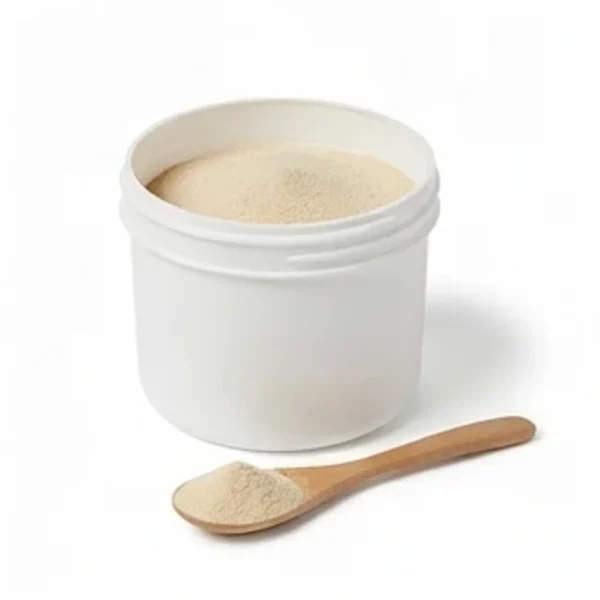
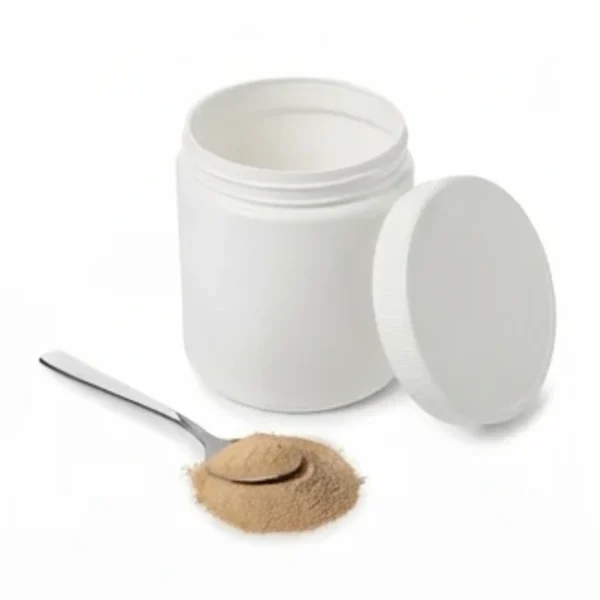
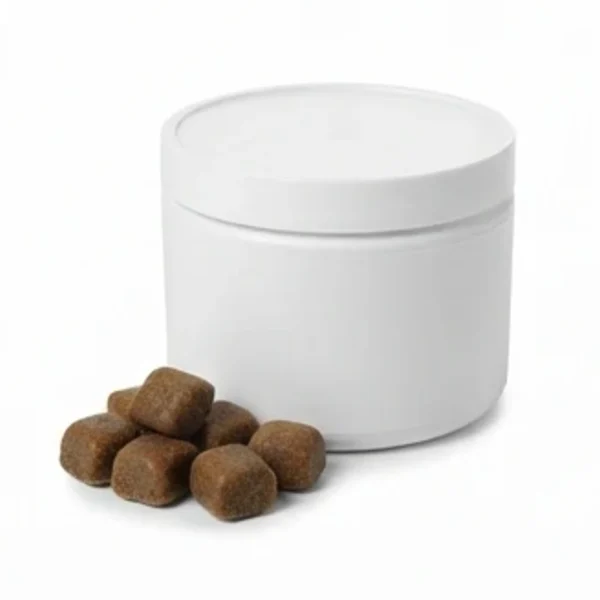
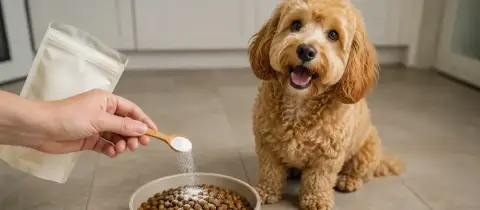
Pictures are illustrations, not the actual products.
Is psyllium husk safe for dogs?
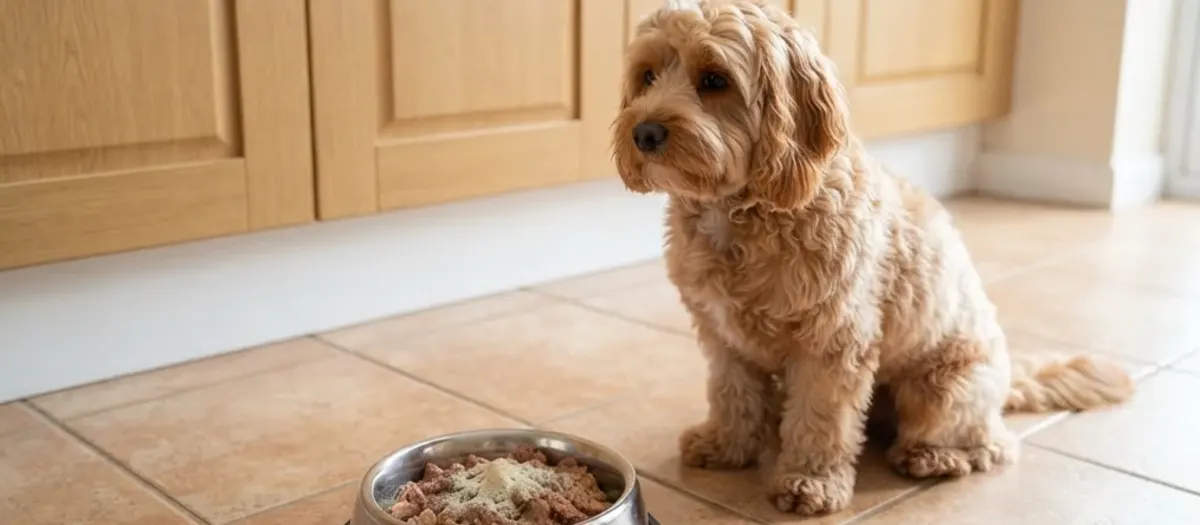
Plain psyllium can be safe for many dogs when a vet has suggested it, it's given with plenty of liquid and the dog has no blockage or swallowing problem. The risks are choking or a blockage in the throat if it's dry or too thick, and hidden sweeteners in flavoured products.
VCA Animal Hospitals' page on a psyllium product for dogs and cats says not to use it in a pet that may have an intestinal blockage or has difficulty swallowing. It warns that mixing the contents with thickened liquids or food may lead to choking, and says to always provide fresh water (VCA Animal Hospitals, "Psyllium", page read 25 November 2026). Allergic reactions are rare, but facial swelling, a rash or trouble breathing needs a vet straight away.
The NOW listings say the same thing about people: without enough liquid, the powder may swell in the throat and cause blockage or choking, and anyone with a narrowed oesophagus or swallowing trouble should avoid it. That's a good reason never to scoop it onto dry kibble.
What does psyllium husk do for a dog?
It adds soluble fibre, which absorbs water and makes stools bulkier and softer. That's why vets sometimes suggest it for stools that are too hard or too loose, and for dogs whose stools are too soft to empty the anal sacs. MSD Veterinary Manual says supplemental fibre may be recommended to increase stool bulk, which helps the anal sacs compress and empty (MSD Veterinary Manual, "Disorders of the Rectum and Anus in Dogs", page read 25 November 2026).
Two limits matter. MSD doesn't name psyllium on that page, so the claim is about fibre in general. And fibre is a tool within the vet's plan: it doesn't treat an impacted or infected gland, and VCA says a low-fibre or high-fibre diet may be right, depending on the cause of constipation, which is the vet's decision (VCA Animal Hospitals, "Constipation in Dogs", page read 25 November 2026). Our dog anal glands guide covers scooting and what a vet does.
The simplest option here. The listing gives one ingredient, psyllium husk powder, unflavoured, in a 340 g (12 oz) bottle. It's a human supplement, so the pack has no amount for dogs.
The listing's safety text matters most for dogs. Without enough liquid the powder may swell in the throat, causing blockage or choking, so never feed it dry. It's also labelled to United States standards.
Pros: single ingredient; unflavoured; clear choking warning on the listing; 340 g pack
Cons: no directions for dogs; never feed it dry; the listing's allergen field says wheat, so check the pack if your dog is wheat sensitive; imported, so check the delivery details on Amazon before you order
Best for: owners whose vet has suggested plain psyllium and given an amount
Skip it if: you want directions written for dogs on the pack, or your dog eats only dry food and won't take a liquid mix
2. NOW organic psyllium powder, 340 g: best organic
The same plain idea with a certified organic label. The listing carries the same choking warning as the standard powder. Its figures (a 9 g serving, about 38 to a pack) are for people and only tell you the pack size.
Its direction to start with smaller amounts and build up over several weeks is advice for people, but it fits the go-slow approach to fibre.
Pros: organic per the listing; same plain powder; 340 g pack
Cons: no dog directions; never feed it dry; imported
Best for: owners who want organic
Skip it if: organic doesn't matter to you, since the standard powder does the same job
3. NaturVet No Scoot soft chews, 120 count: best dog-made psyllium chew
The only dog-labelled product here that names psyllium. Per 2 soft chews, the listing gives a beet pulp and psyllium husk blend of 1,000 mg, dandelion root and pumpkin powder, with canola oil, glycerin and natural flavouring among the other ingredients. It says one chew per 9 kg (20 lb) twice daily, and to make sure your dog drinks plenty of water. The listing says it's for dogs over 12 weeks.
The listing doesn't say how much of the 1,000 mg blend is psyllium, so it isn't a plain psyllium substitute. "Veterinarian approved" is the maker's wording, not ours.
Pros: dog-labelled; directions by weight; no measuring a powder
Cons: psyllium amount not stated; twice-daily chews add up for big dogs; imported
Best for: owners who'd rather give a chew than measure a human powder
Skip it if: your dog is under 12 weeks, or you want plain psyllium only
4. Natural Animal Solutions Anal Gland Support powder, 120 g: best Australian-made dog powder
An Australian-made fibre powder for dogs. The listing says psyllium husk and inulin for firmer, well-formed stools, with goat's milk, postbiotic yeast, bromelain, turmeric and quercetin as well, and that it mixes into food. It says to use the full daily rate, then half for ongoing use, as directed on the pack.
Those extras mean it isn't psyllium alone, and "supports" wording on the listing is the maker's. It's a newer product with a short history. Our anal gland supplement guide and dog anal glands guide have more on its use.
Pros: Australian made; dog-labelled; scoop guide on the pack
Cons: newer product; several extras beyond fibre; small 120 g pack
Best for: owners who want psyllium in a dog-labelled Australian powder
Skip it if: you want psyllium alone
5. NOW psyllium husk capsules, 500 count: best for measuring tiny amounts
Each capsule holds a fixed 0.5 g of psyllium husk, so a vet can name a small number. The listing says psyllium can swell up to 50 times its volume in liquid, which is exactly why it must never go in dry. The listing says the capsules are vegetarian and gives 3 capsules as a serving for a person.
VCA's page on a vet psyllium capsule says that if you open one, mix the contents with liquid, not with thickened liquids or food, because of the choking risk. Ask your vet how they want it given.
Pros: fixed amount per capsule; vegetarian capsules; very long-lasting pack
Cons: fiddly to open; human product with no dog directions; 500 capsules is a lot for one small dog; imported
Best for: small dogs whose vet has named a small amount
Skip it if: you planned to give the capsule whole and dry
How do you give psyllium husk to a dog safely?
Only after your vet has said yes, and only in the amount they give you. The sources we opened agree on the same handful of habits, so these are the ones to build around.
Ask your vet first, and ask how to prepare it. Sources differ on mixing with wet food versus pre-mixing with water. VCA warns against thickened mixes, so follow your vet's method.
Never feed it dry. Don't sprinkle it on kibble, and don't give a capsule whole and dry.
Keep fresh water down all day. VCA says to always provide fresh water.
Start low on the vet's amount and watch the stools. The NOW organic listing says people should start with smaller amounts and build up over several weeks. A gradual start is the usual approach with fibre.
Stop and call your vet if stools change to very hard, very loose, or your dog strains, vomits or goes off food. VCA says to stop the supplement and contact the vet if something abnormal appears.
Tell your vet about every medicine. VCA says to use psyllium with caution alongside diabetes medicines and some others, so the timing is theirs to set.
Results vary between dogs. VCA says the vet psyllium capsule on its page should take effect within 1 to 2 days, though the change may not be obvious at first. That's for a vet-supplied product given at the vet's directions, not a promise for a kitchen powder.
How much psyllium can a dog have?
Ask your vet. The amount depends on your dog's size, the reason for fibre and the product, and we won't print one. The directions on the NOW packs are written for adults and shouldn't be scaled down by guesswork.
Dog-labelled products are the only ones where the maker gives a dog amount. The NaturVet listing says one soft chew per 9 kg (20 lb) of body weight, twice daily, and the Natural Animal Solutions pack has a scoop guide by dog weight. Follow the pack and check with your vet before starting either.
Psyllium, pumpkin or a gland chew: which suits your dog?
Whichever your vet suggests. As a rough guide, plain pumpkin is a food, plain psyllium is a concentrated fibre powder that swells a lot in liquid, and a gland chew is a convenience product for dogs whose vet has already checked the glands.
Swipe sideways to see every column
Your situation
What may suit
What to know
Occasional hard stools, no other signs
Plain pumpkin with plenty of water, if your vet agrees
Ask your vet, as there can be underlying causes; see our pumpkin guide
Vet suggests psyllium and gives an amount
Plain psyllium powder (picks 1 and 2) or capsules for small amounts (pick 5)
Human products with no dog directions; never dry
You'd rather follow dog directions on the pack
NaturVet chews (pick 3) or the NAS powder (pick 4)
Blends, not plain psyllium; check the other ingredients
Scooting, with a vet check done first
A fibre product your vet is happy with, or a gland chew
Plain psyllium is the active ingredient, but we leave flavoured and sweetened human fibre drinks out. They carry added flavours and sweeteners and have no directions for dogs. Some products contain xylitol, a sweetener that is dangerous to dogs.
ASPCA's list of foods to avoid says xylitol is found in gum, candy, baked goods and toothpaste, and that early signs include vomiting, lethargy and loss of coordination, with liver damage possible later (ASPCA, "People Foods to Avoid Feeding Your Pets", page read 25 November 2026). Check the ingredient list of any human product, and if your dog may have eaten xylitol, call your vet or the Animal Poisons Helpline on 1300 869 738 (24/7) straight away. Our toxic foods list has the full set of foods to avoid.
When shouldn't a dog have psyllium husk?
Skip it, and see a vet, if your dog may have a blockage, has trouble swallowing, is straining, vomiting, off their food or has a swollen belly. Straining can also be a blocked bladder. VCA says to call the vet if a dog fails to pass stool within 48 to 72 hours of the last one (VCA, constipation).
Also skip it for a dog on regular medicines until your vet has checked the timing, and for any dog that is allergic to an ingredient. Fibre is no use for a swallowed toy, bone or corn cob.
Psyllium products compared
Details from each Amazon Australia listing, checked on 25 Nov 2026. "On the pack" means the listing points to pack directions we couldn't see.
Swipe sideways to see every column
Product
Form
What's in it
Made for
Pack size
Dog directions
NOW psyllium powder
Powder
Psyllium husk powder, unflavoured
People
340 g (12 oz)
No
NOW organic psyllium
Powder
Psyllium, certified organic per the listing
People
340 g (12 oz)
No
NaturVet No Scoot
Soft chew
Beet pulp and psyllium blend (1,000 mg per 2 chews), dandelion root, pumpkin powder
Vet has suggested plain psyllium and given an amount
A single-ingredient powder
NOW powder (1)
You want organic
Certified organic psyllium
NOW organic (2)
You want directions for dogs on the pack
A dog-labelled product
NaturVet (3) or NAS (4)
You want an Australian-made powder
Made in Australia, dog-labelled
NAS (4)
Small dog, vet has named a small amount
A fixed amount per capsule
NOW capsules (5), opened and mixed as your vet directs
Dog eats only dry food
Ask your vet; fibre is never fed dry
None, see your vet
Plain psyllium husk is also sold in supermarkets, chemists and health food shops, and vets sell fibre products made for dogs. Check any product's ingredients for flavours and sweeteners, and ask your vet what they'd suggest.
How we chose
We searched Amazon Australia for psyllium husk powders, capsules and dog fibre products, then shortlisted those that met all of these checks:
Well rated: a strong average rating with plenty of buyer reviews.
No red flags: no pattern of poor reviews, safety complaints or listing problems.
Available on Amazon Australia when we checked.
Plain or clearly listed ingredients, with no flavours or sweeteners.
Safety wording on the listing (choking, swelling) where it exists, and pack size in grams.
Where a product is made for people, imported or a blend, we say so in the cons. These are researched picks, not products we've personally tested. We compared the specifications and features on each Amazon Australia listing, checked on 25 Nov 2026, and we didn't accept payment from any brand.
Left out this time: whole psyllium husks (that listing carries an extra health warning the powders don't show), flavoured and sweetened human fibre drinks, and products for adults only.
When to see a vet
See the vet before starting if your dog is straining, vomiting, off their food, has blood in the stool or a swollen belly. These need a check, not a fibre powder. Our dog constipation guide lists the signs.
Go to a vet or emergency clinic the same day if your dog strains with little or nothing coming out, passes only drops of wee, may have swallowed a bone, toy or corn cob, or chokes, gags or struggles to swallow.
Stop the supplement and call your vet if constipation or diarrhoea appears, or if your dog is on regular medicines (the timing is the vet's call). If your dog may have eaten a product with xylitol, call the Animal Poisons Helpline on 1300 869 738 (24/7).
Frequently asked questions
Does psyllium husk help dog anal glands?
It may, indirectly. MSD says supplemental fibre may be recommended to add stool bulk so the sacs empty, but it doesn't treat an impacted or infected gland. Have your vet check first. See our anal gland supplement guide for products made for this.
Can psyllium husk help dog diarrhoea?
Only a vet can say. Fibre is sometimes suggested for loose stools, but diarrhoea can have many causes, and a puppy, or any dog that is lethargic, vomiting or passing blood, needs a vet visit first. Read our dog diarrhoea guide before giving anything.
Is psyllium the same as pumpkin for dogs?
No. Both add soluble fibre, but psyllium is a concentrated powder that swells a lot in liquid, while plain pumpkin is a food. Either way, ask your vet about mild constipation. Our pumpkin guide covers plain pumpkin and powders.
Can I mix psyllium into my dog's food?
Only as your vet directs. VCA warns that mixing psyllium with thickened liquids or food may lead to choking, while other sources suggest wet food, so prepare it the way your vet says. Never put it on dry kibble, and keep water available all day.
Can puppies or senior dogs have psyllium?
Ask your vet first for both. Puppies are more fragile and can dehydrate quickly if stools change. Older dogs are more likely to take regular medicines, and VCA says to check psyllium with some of them. NaturVet's listing says its chews are for dogs over 12 weeks.
Is organic psyllium better for dogs?
Not necessarily. Organic is a farming label, so it may matter to you, but both NOW powders are the same plain idea with the same choking warning. Pick on what your vet suggests, then price and pack size.
Can I give my dog the psyllium I bought for myself?
Only if your vet agrees and the ingredient list is just psyllium husk. Avoid flavoured, sweetened or added-ingredient versions, since some contain xylitol, and don't give your dog human medicines for the bowel. Ask your vet for the amount.
How long can a dog stay on psyllium?
That's your vet's decision. VCA says to continue a prescribed course for as long as the vet directs, and to report anything unusual. If stools stay hard or loose, or your dog seems unwell, book a visit rather than raising the amount.
Product details from each linked Amazon Australia listing, checked on 25 Nov 2026.
This guide provides general information and isn't a substitute for veterinary advice. If you're concerned about your dog's bowel habits or health, speak with your vet.