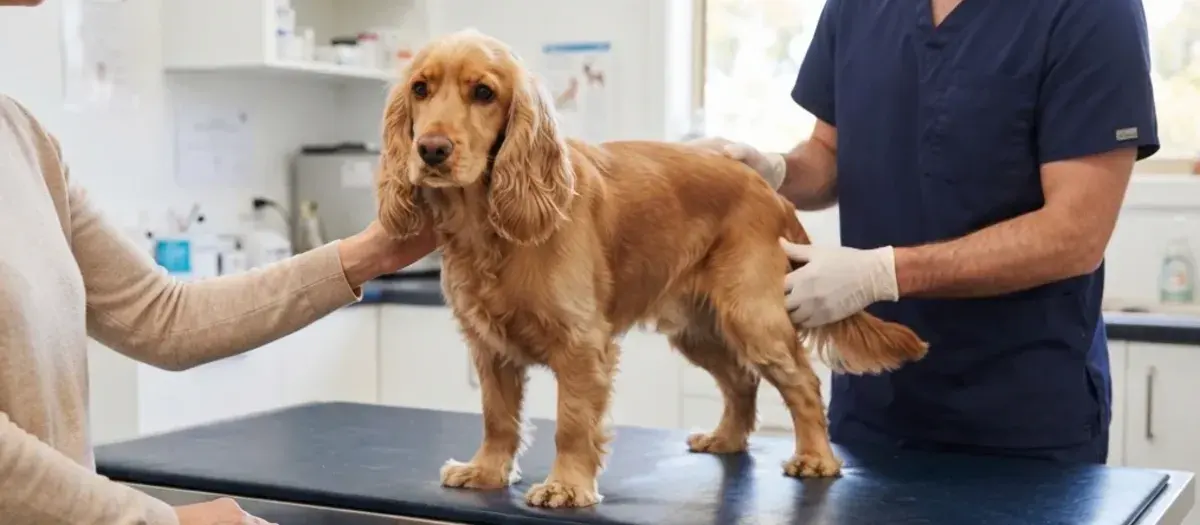
Quick answer: Dog anal glands are two small scent sacs either side of the anus that normally empty when your dog does a firm poo. Scooting, licking the area or a fishy smell can mean they're blocked or infected, but a vet needs to check. Don't squeeze them yourself. A red, hot swelling needs a vet quickly.
This guide covers what the glands do, what the signs can mean, who should empty them, and what helps stools (and so the glands) work normally. If soft stools are part of the picture, our dog diarrhoea guide is a good companion.
Quick picks
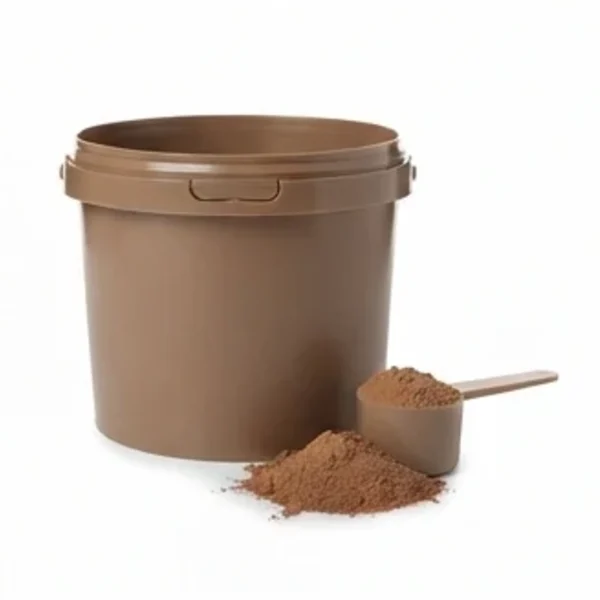
Natural Animal Solutions Anal Gland Support Fibre Powder, 120 g
Psyllium and inulin powder with a scoop guide by dog weight. Ask your vet first.
Vetnique Glandex gland soft chews, peanut butter, 120 count
A pumpkin-seed fibre chew. Contains peanut, so ask your vet first.
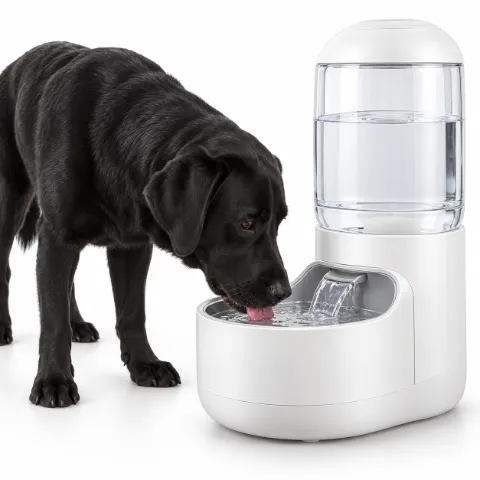
PETLIBRO Capsule Dog Water Fountain, 8 L
Fresh, moving water, as the page says to give plenty of water with fibre.
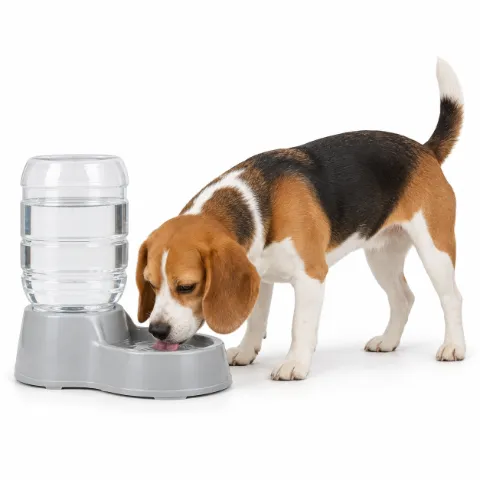
Amazon Basics Gravity Pet Waterer, 3.78 L
A simple, no-power extra water spot in another room.
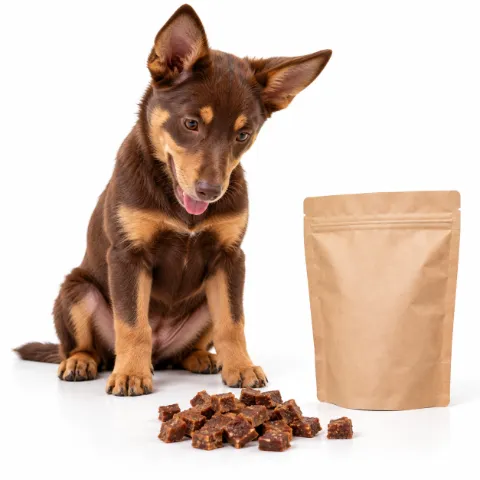
SavourLife Dog Training Treats, Australian Kangaroo, 165 g
Small treats that are easier to keep within the 10% daily allowance.
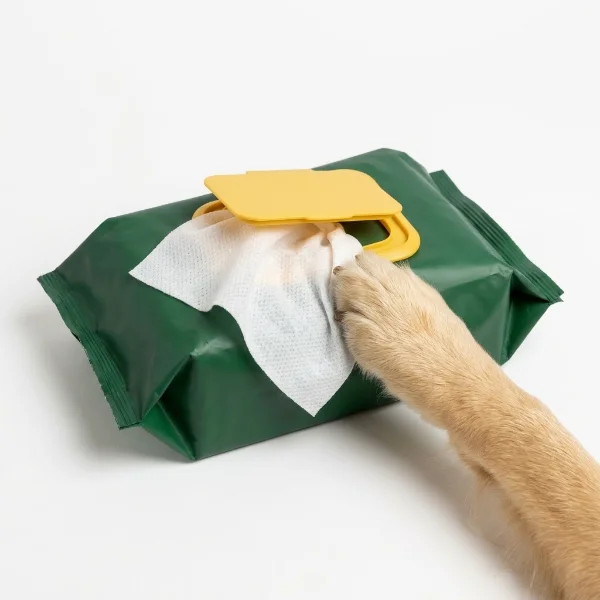
Earth Rated unscented dog wipes, 100
For wiping the coat after a messy poo. Skip on a sore or open area.
PETLIBRO Capsule Dog Water Fountain, 8 L
The page says to give plenty of water with any fibre product, and a fountain keeps fresh, moving water in front of dogs that like it.
Amazon Basics Gravity Pet Waterer, 3.78 L
A no-power way to add another water spot in a different room.
SavourLife Dog Training Treats, Australian Kangaroo, 165 g
Small treats make it easier to keep to about 10% of daily calories, which helps with a healthy weight.
Earth Rated unscented dog wipes, 100
Useful for wiping the coat after a messy poo.
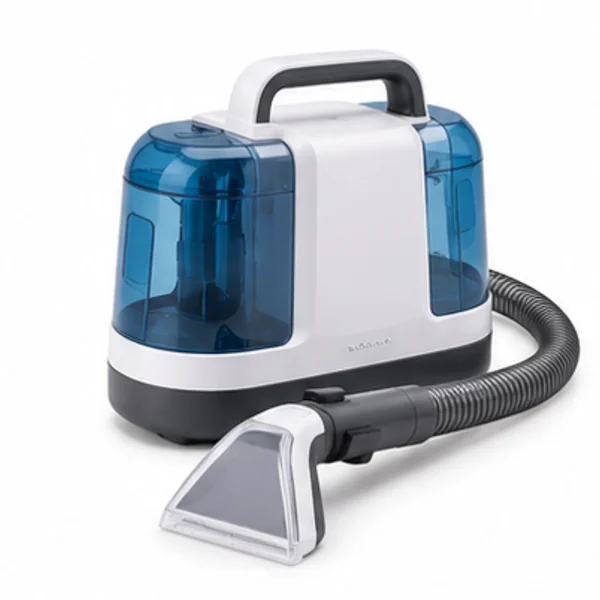
Bissell SpotClean Pro 1558E
For cleaning scoot marks and smells off the carpet.
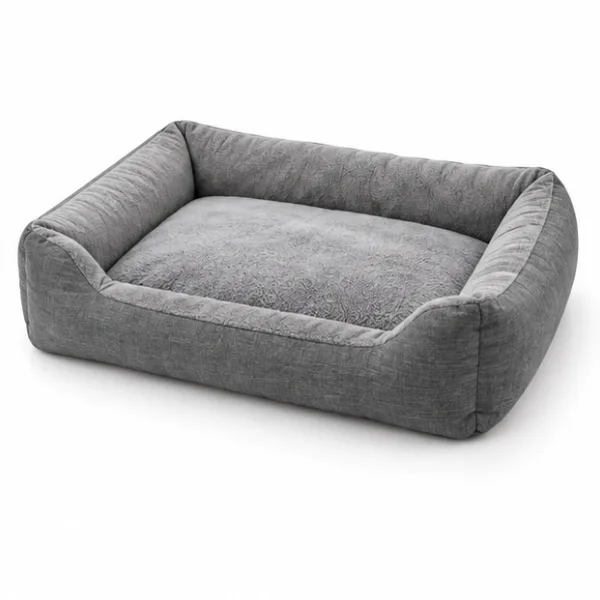
INVENHO washable rectangle bed
A washable bed is easier to freshen up when your dog has been licking or scooting.
Pictures are illustrations, not the actual products.
More detail on the fibre products is in Useful gear for a dog with anal gland trouble below. These support your vet's plan, and they don't treat blocked glands.
What are dog anal glands and what do they do?
Anal glands, also called anal sacs, are two small pouches either side of the anus. They make a strong-smelling fluid that is normally squeezed out when your dog does a poo. VCA says the fluid works as a scent marker, which is why dogs sniff each other's droppings (VCA Animal Hospitals).
Both male and female dogs have them. PDSA explains that when a dog poos, the glands empty on their own, so healthy glands don't need any help (PDSA). Trouble starts when the glands don't empty well. The fluid thickens, the sac swells, and bacteria can multiply.
How do I know if my dog's anal glands are blocked?
The most common first sign is scooting, where a dog drags their bottom along the floor. Other signs include licking or biting at the area, straining or pain when pooing, sudden sitting, or flinching when the back end is touched. These signs are more consistent with a gland problem, but a vet needs to confirm it (PDSA, VCA).
VCA describes the usual progression: the sac becomes blocked (impacted), then infected, and an infected sac can become an abscess, which is a painful, red, hot swelling on one or both sides. PDSA adds that a foul fishy smell can go with an abscess. A fishy smell on its own isn't proof of infection, so treat it as a reason to have your dog checked rather than a diagnosis.
Normal, book the vet, or emergency?
This table is a rough guide to the pattern, not a diagnosis. It draws on VCA and PDSA.
| What you see | What it can mean | What to do |
|---|---|---|
| One scoot after a soft or messy poo, then your dog carries on happily | A bit of irritation that may settle once the stool firms up | Watch for a day or two and check the next few poos |
| Repeated scooting, licking or biting at the bottom, straining, a smell that doesn't go away | More consistent with blocked glands, or another cause of itch | Book a vet visit |
| Sudden sitting, flinching, snapping when touched near the tail | Pain, which can go with a blocked or infected sac | Book a vet visit soon |
| A red, hot, swollen patch beside the anus, a foul fishy smell, blood or pus | More consistent with an abscess, which PDSA says is extremely painful and can burst | Contact your vet as soon as possible, the same day |
| Your dog is also off their food, flat or lethargic | Could be a more serious infection | Same-day vet, after hours if needed |
Why do dogs get blocked anal glands?
Blocked glands usually happen when the glands don't empty well. The common reasons are soft stools, being overweight, narrow gland openings and skin allergies. PDSA lists soft stools, chronic diarrhoea, allergic skin disease and being overweight among the risk factors, and says one-off blockages are common but some dogs get them again and again (PDSA).
| Possible cause | Why it matters for the glands | Where to read more |
|---|---|---|
| Soft stools or diarrhoea | Loose stool may not press firmly enough to empty the sacs (PDSA) | Dog diarrhoea guide |
| Constipation | VCA says diarrhoea or constipation can lead to disease | Your vet |
| Being overweight | VCA says overweight dogs' sacs don't empty well, and MSD mentions poor muscle tone | Dog treats guide for the 10% treat rule |
| Allergic skin disease | PDSA lists it as a risk factor, and VCA says allergies are theorised | Dog itchy skin guide |
| Narrow gland openings | PDSA lists these as a risk factor | Your vet |
| Fleas or worms | They can cause scooting without a gland problem (Brunker Road) | Flea dirt guide |
Who should express a dog's anal glands?
A vet, vet nurse or trained groomer, and we don't recommend doing it yourself. PDSA says never to empty your dog's glands yourself unless your vet has shown you how and you feel confident, because squeezing the wrong way can cause serious problems. A vet can use pain relief or sedation if the area is sore, which is one reason this guide doesn't include a how-to. If you'd like to learn, ask your vet to show you at an appointment; they can check whether your dog really needs it first.
What helps stools and weight so the glands can work?
Firm, bulky stools and a healthy weight are the two things that help most. MSD says supplemental fibre may be recommended to add bulk, which helps the sacs compress and empty (MSD Veterinary Manual). PDSA says to ask your vet which fibre suits your dog.
Brunker Road mentions bran or grated carrot as fibre options, and weight-reduction diets for overweight dogs, on your vet's advice. PDSA also lists keeping your dog a healthy weight as a way to lower the risk. Keep treats to about 10% of daily calories, as our dog treats guide explains, and ask your vet before changing your dog's diet. Prescription weight or fibre diets are your vet's call.
Soft stools are worth chasing down first. If they're a regular thing, see our dog diarrhoea guide and probiotics guide for the gut side.
Do fibre supplements for anal glands work?
A fibre supplement may help firm up stools so the glands empty with a motion (MSD, PDSA). It doesn't treat an impaction, infection or abscess, and it's a tool to start after your vet has checked your dog. Results vary, and no product is a cure. Plain pumpkin may help some dogs, so ask your vet, and see our pumpkin guide for plain pumpkin and pumpkin powders.
The two products below are compared on what their listings say, not on how they work for your dog. Brand claims such as "supports healthy glands" or "boot the scoot" are the makers' words.
| Natural Animal Solutions Anal Gland Support Fibre Powder | Vetnique Glandex soft chews, peanut butter | |
|---|---|---|
| Form and size | Powder, 120 g | Soft chews, 120 count |
| Origin | Australian made, the listing says | Made in the USA, imported |
| Fibre sources | Psyllium husk, inulin | Pumpkin seed powder, granulated pumpkin seed, apple pectin |
| Other listed ingredients | Goat's milk, postbiotic yeast, quercetin, turmeric, silica, bromelain | Lactobacillus acidophilus (480 million CFU), bromelain, quercetin, vitamins E and C |
| Amount by weight | 1 scoop is about 3 g. Dogs 1 to 10 kg, 2 scoops; 11 to 25 kg, 4 scoops; large dogs, 6 scoops; half the amount for ongoing use | "Once daily based on your pet's weight" per the pack |
| Adjustment warning | None on the listing; fibre can change stools at first, so start with your vet's OK | Start at half the amount for 5 to 7 days; the listing warns of temporary constipation or diarrhoea |
| Allergen note | None listed | Contains peanut |
Always follow the pack and your vet's advice, and give plenty of water with any fibre product. Don't use these instead of a vet visit.
What happens if an anal gland abscess bursts?
A burst abscess usually drains by itself and may be less painful afterwards, but it still needs your vet. PDSA says a burst abscess drains pus, the area needs to be kept clean as your vet advises, and the dog should wear a buster collar (cone) so they can't lick it (PDSA).
You might see a wet, open sore beside the anus with blood or pus. PDSA says never to try to treat an abscess yourself, and that squeezing the glands wrongly can cause serious problems. For sizing and fit, see our dog cone guide. Constant licking can also set off other skin trouble, as our hot spots guide explains.
What if the problem keeps coming back?
Your vet can look for the cause and may suggest regular checks. VCA says the reasons for recurrence aren't always clear, and MSD says surgery to remove the sacs is considered if treatment fails, the problem keeps recurring or a tumour is present.
Surgery isn't a quick fix. VCA describes it as delicate, with a risk of loose stools or loss of bowel control for one to three weeks, and a rare risk of lasting nerve damage. PDSA also warns of a risk of faecal incontinence. VCA adds that older dogs can develop a cancer of the anal sac that looks like an infection, which is another reason to get any ongoing signs checked.
Useful gear for a dog with anal gland trouble
These are tools to support your vet's plan, not treatments. Start only after your vet has checked your dog and said yes to fibre.
- Natural Animal Solutions Anal Gland Support Fibre Powder, 120 g: an Australian-made psyllium and inulin fibre powder with a scoop guide by dog weight on the listing (see the table above). A newer product with little history; stop and call your vet if stools change.
- Vetnique Glandex gland soft chews, peanut butter, 120 count: a US-made pumpkin-seed fibre chew with a start-at-half-amount plan on the listing. Imported, so check the delivery details on Amazon before you order. The maker's "3 to 5 weeks" promise is theirs, not ours. Skip it if your dog has a peanut sensitivity.
For the gut side, see our probiotics guide. For after an abscess bursts, see our dog cone guide. Vet clinics and pet shops also sell fibre products, so ask your vet what they'd suggest.
When to see a vet
Contact a vet as soon as possible, the same day if you see a red, hot, swollen patch beside the anus, blood or pus, a foul fishy smell with obvious pain, or your dog won't let you near their back end. PDSA says an abscess is extremely painful and can burst if not treated quickly (PDSA).
Book a vet visit if your dog:
- scoots repeatedly or keeps licking or biting at their bottom
- strains or cries when they poo, or sits suddenly
- has a smell around the back end that doesn't go away
- has had blocked glands before and the signs are back
- is eating less, flat or lethargic
Don't squeeze the glands yourself, and never give human medicines unless your vet has told you to and given the amount, because many are dangerous for dogs. Our dog diarrhoea guide covers when loose stools need a vet too.
Frequently asked questions
Can I express my dog's anal glands at home?
We don't recommend it. PDSA says never to empty your dog's glands yourself unless your vet has shown you how and you're confident, as squeezing wrongly can cause serious problems. A vet, vet nurse or trained groomer does it. If you want to learn, ask your vet to show you.
How often should a dog's anal glands be expressed?
Only when there's a problem. PDSA says healthy glands don't need routine emptying, and that groomer emptying without a problem is unnecessary. VCA says some dogs with repeat trouble do well with routine expression by veterinary professionals. Ask your vet if your dog is one of them.
Why does my dog smell fishy?
The glands make a strong-smelling fluid, and a fishy smell can come from the sacs, which PDSA links with abscesses. It can also come from skin, ears or elsewhere. A smell that doesn't go away, or comes with scooting or pain, is a reason to book your vet.
What can I feed my dog to help their anal glands?
Firm, bulky stools help the glands empty. MSD says extra fibre may be recommended, and PDSA says to ask your vet which fibre suits your dog. Brunker Road mentions bran or grated carrot. Keep your dog a healthy weight too, and check with your vet before changing food.
Can blocked anal glands clear on their own?
Sometimes. PDSA says blockages are often one-off and glands usually empty with a poo. But if your dog is in pain, keeps scooting or the area is swollen, it may be infected, and waiting can make it worse. Get your vet to check rather than hoping it passes.
Is a swollen anal gland an emergency?
A red, hot, swollen patch beside the anus is more consistent with an abscess, and PDSA says to contact your vet as soon as possible because it's extremely painful and can burst. Call the same day. If it's after hours, ring an emergency vet clinic.
Does scooting always mean anal gland problems?
No. Blocked or infected glands are the most common cause, but Brunker Road says scooting can also come from fleas, allergies, itchy skin or occasionally worms. If scooting keeps happening, a vet can check the glands and look for other causes.
Related guides
- How to get rid of dog smell in the house
- Dog diarrhoea: bland diet, home care and when to see a vet
- Best probiotics for dogs
- Dog itchy skin: causes, relief and when to see a vet
- Hot spots on dogs
- Best dog cones
- Flea dirt on dogs and cats
- Best dog treats
Sources
- VCA Animal Hospitals: Anal sac disease in dogs (last updated 26 May 2025, page read 11 November 2026)
- MSD Veterinary Manual: Disorders of the rectum and anus in dogs (page read 11 November 2026)
- PDSA: Blocked anal glands in dogs (page read 11 November 2026)
- PDSA: Anal gland abscesses in dogs (page read 11 November 2026)
- Brunker Road Veterinary Centre: Anal gland disease and its treatment (page read 11 November 2026)
- Product details from each linked Amazon Australia listing, checked on 11 Nov 2026.
This guide provides general information and isn't a substitute for veterinary advice. If you're concerned about your dog's anal glands, speak with your vet.