Quick answer: Dog constipation means straining to pass small, hard, dry stools, or passing nothing at all. Mild cases may ease with fresh water, wet food and short walks, but VCA says to call your vet if there's no bowel movement 48 to 72 hours after the last one. Straining with vomiting, pain or a swollen belly needs a vet the same day.
Constipation is common, and the cause is often simple, but it can also point to a swallowed object or a problem with the gut, prostate or hips. This guide covers the signs, the causes, what's safe to try at home and what only a vet should do. If your dog has been scooting as well, our anal glands guide covers that side.
Quick picks
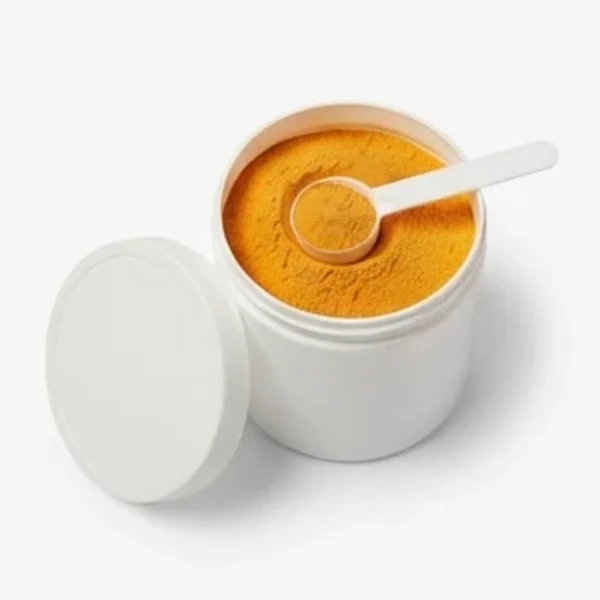
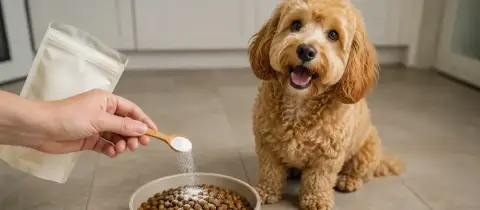
Hatton Hill pumpkin powder, 250 g
Pumpkin is the only ingredient. Ask your vet before using it.
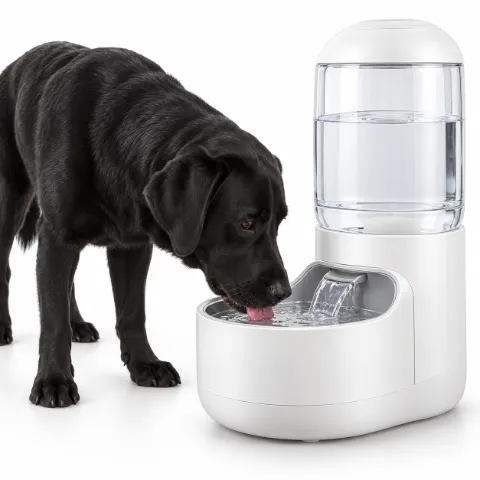
PETLIBRO Capsule Dog Water Fountain, 8 L
A large, filtered fountain for dogs that drink more from moving water.
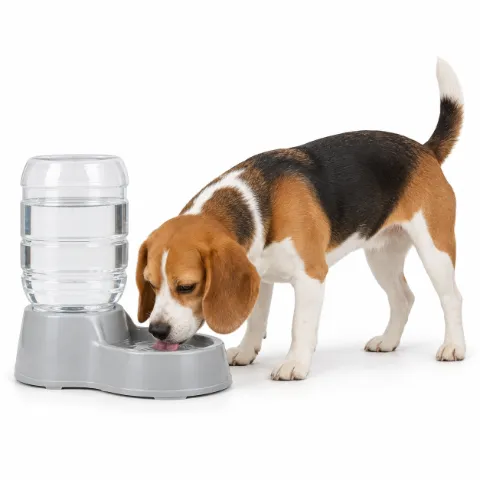
Amazon Basics Gravity Pet Waterer, 3.78 L
A no-power extra water spot in another room or outside.
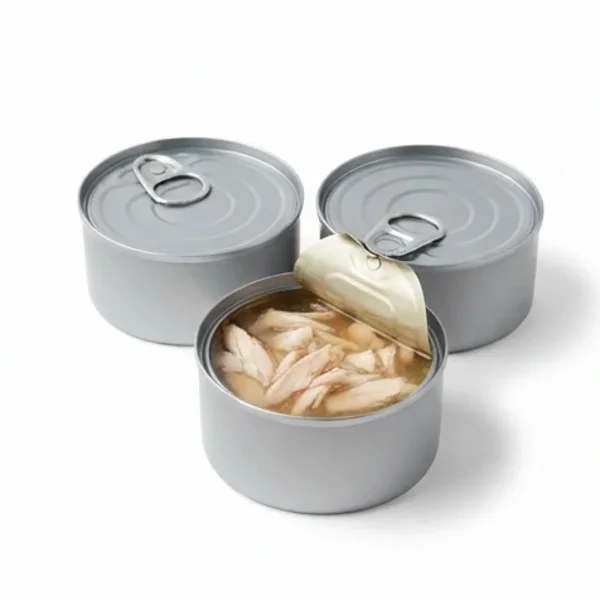
Applaws Taste Toppers, chicken breast in broth
A spoonful adds a bit of moisture and flavour. Check with your vet first.
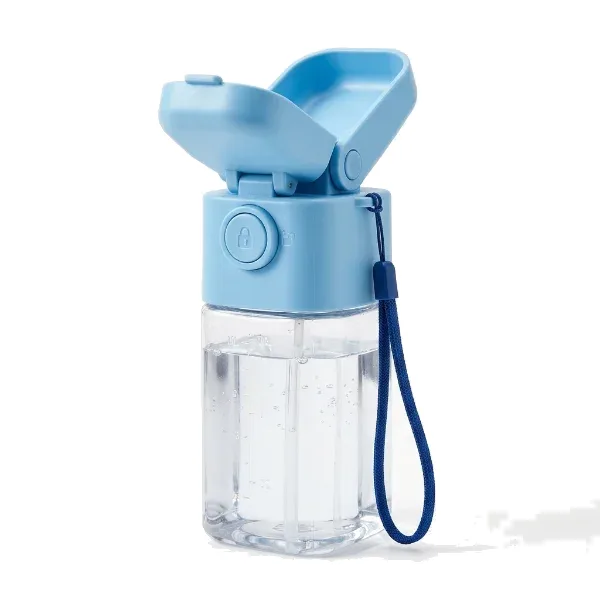
Cibaabo dog water bottle 300 ml
Regular walks help, and water on the go keeps your dog drinking.
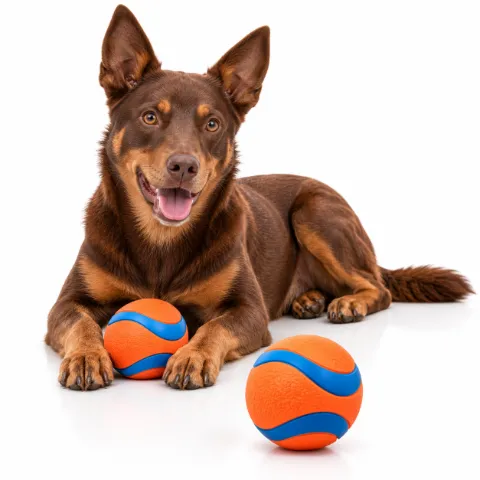
Chuckit Ultra Ball medium, 2 pack
The Royal Kennel Club suggests walks or games as part of the routine.
A large dog water fountain
A big, filtered fountain keeps fresh, moving water in front of dogs that like it.
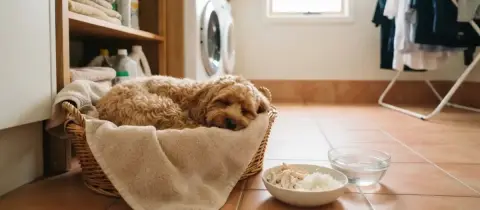
A gravity pet waterer
A simple, no-power way to add an extra water spot in another room or outside.
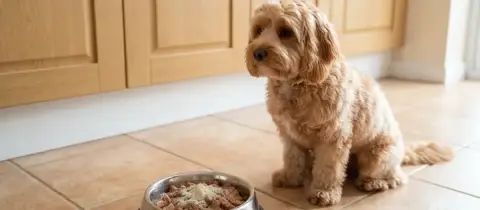
A chicken-in-broth meal topper
A spoonful on top of a meal adds a bit of moisture and flavour.
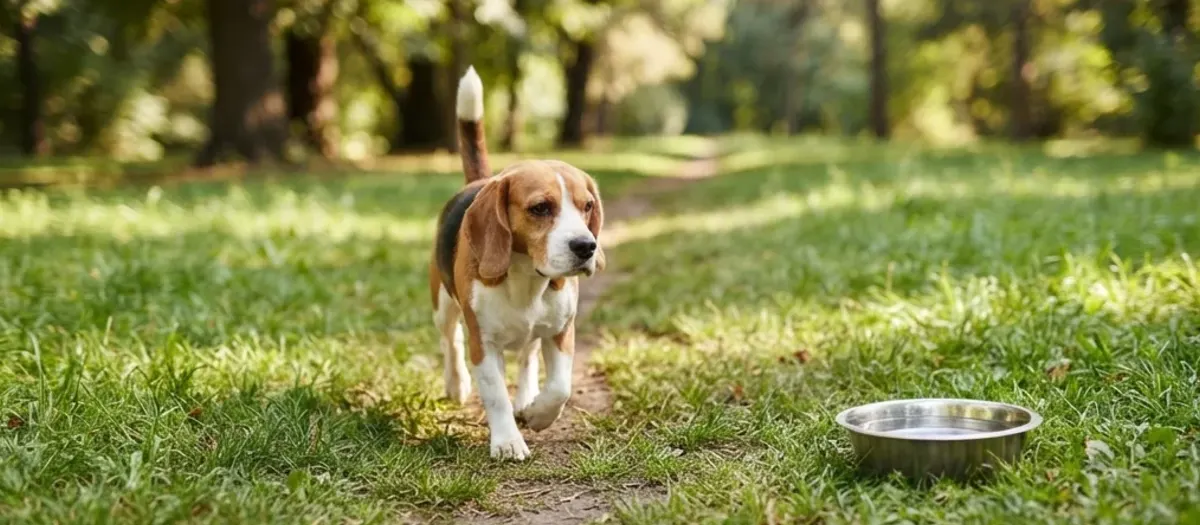
A dog water bottle
Cibaabo dog water bottle 300 ml, for offering water on the go during regular walks.
Pictures are illustrations, not the actual products.
More detail on each is in Useful gear below. These support your vet's plan and don't treat constipation.
What are the signs of constipation in dogs?
A constipated dog usually strains, squats again and again, or produces small, hard, dry stools. Some pass only a little mucus or watery stool. Others cry out, lose their appetite or vomit. The pattern matters more than any single sign, and a vet can work out the cause.
VCA lists repeated unsuccessful attempts to poo, circling, scooting, frequent squatting, a tense or painful belly, vomiting and weight loss with longer-running problems (VCA Animal Hospitals, last updated 30 July 2025, page read 25 November 2026). PDSA adds whining while pooing, blood on the stool, thin ribbon-like stools and over-grooming the back end (PDSA, published June 2023, page read 25 November 2026).
Normal, book the vet, or emergency?
This table is a rough guide to the pattern, not a diagnosis. It draws on VCA, PDSA and the Royal Kennel Club.
| What you see | What it can mean | What to do |
|---|---|---|
| One firm, slightly dry poo after a hot day or a missed walk, and your dog is bright and eating | A mild, short-lived dip in water or exercise | Offer fresh water, a short walk, and check the next poos |
| No poo 48 to 72 hours after the last one, repeated straining, thin ribbon-like stools, pain when squatting | More consistent with constipation that needs a cause found (VCA, PDSA) | Book a vet visit |
| Straining with nothing passed, plus vomiting, a hard or sore belly, blood, or your dog is flat and off food | Could be a blockage or a more serious problem | Same-day vet, after hours if needed |
| Straining to wee, or only drops coming out | A urinary problem, which can be an emergency | Emergency vet now (see below) |
| Your dog may have swallowed a bone, toy, corn cob or other object | Possible obstruction | Call your vet straight away |
What causes constipation in dogs?
The most common cause VCA names is eating things that are hard to digest, such as plant matter or bones. Other causes include too little water or exercise, too much or too little fibre, pain when squatting, prostate trouble in entire males, some medicines and underlying disease.
| Possible cause | What the sources say | Where to read more |
|---|---|---|
| Swallowed bones, plant matter or objects | VCA lists these as the most common cause, and PDSA lists swallowed bones or sharp objects | Natural dog chews guide |
| Not enough water, or too little exercise | Royal Kennel Club lists low water intake and too little exercise | Dog water fountains |
| Too much or too little fibre | Royal Kennel Club mentions an unbalanced fibre intake | Can dogs eat pumpkin? |
| Sore hips, back legs or pelvis | PDSA says pain can make it hard to get into the poo position | Arthritis in dogs |
| Enlarged prostate in entire male dogs | Listed by VCA and PDSA | Your vet |
| Blocked anal glands | Royal Kennel Club lists them; VCA lists diarrhoea or constipation as leading to anal sac disease | Dog anal glands |
| Some medicines | VCA names antihistamines, diuretics, some strong pain relievers and sucralfate | Your vet |
| Being overweight, matted fur around the anus | PDSA lists both | Your vet or groomer |
| Anxiety, a sudden diet change or new foods | VCA lists fear and anxiety, and sudden diet changes | Dog diarrhoea guide |
Older dogs are more prone to it, according to the Royal Kennel Club (Royal Kennel Club, page read 25 November 2026). If your dog is on regular medicine, ask your vet whether it could be involved rather than stopping it yourself.
How long can a dog go without pooing?
Most vet sources say to call once a dog goes 48 to 72 hours past their usual poo, or sooner if they're straining or unwell. VCA gives that window. The Royal Kennel Club says no poo within 24 hours may be a sign of constipation. Dogs differ, so know your dog's normal pattern.
Don't wait if your dog is also vomiting, has a sore or swollen belly, or may have swallowed something. PDSA says the problem can get worse the longer it goes untreated. Your vet can tell you over the phone whether to watch at home or come in.
What can I give my dog for constipation at home?
For an otherwise bright, eating dog, the safe basics are fresh water, wet food, regular walks and a steady routine. Royal Kennel Club suggests wet food, walks or games, and a balanced diet suited to your dog's size and life stage. Phone your vet before trying anything beyond that.
If you change food, the Royal Kennel Club says to mix the new food in gradually over 7 to 10 days.
Water is the easy one to improve. Extra bowls around the house, a fresh bowl each day and a water fountain for dogs that like moving water can all help, and wet food adds moisture to meals. In an Australian summer, check shade and water more often, because dehydration is one of the things VCA lists as a cause.
Is pumpkin or psyllium husk good for a constipated dog?
Plain pumpkin and plain psyllium are both soluble fibre that can add bulk and hold water in the stool, so vets sometimes suggest them for mild cases. They are tools, not treatments, and the amount should come from your vet, not from us.
Our pumpkin guide covers which forms are safe (plain cooked or pure canned, never pie filling) and says to ask your vet about constipation, as there can be underlying causes. Our psyllium husk guide explains why a plain powder must never be fed dry and why the way you prepare it is your vet's call: it swells, and one plain-powder listing warns it can cause choking without enough liquid. VCA's psyllium page says not to use it in a pet that may have an intestinal blockage, which is another reason to check with your vet first (VCA Animal Hospitals, "Psyllium", page read 25 November 2026). Don't use flavoured or sweetened human fibre drinks. Some products contain sweeteners, and xylitol is dangerous for dogs (see our toxic foods list).
Can I give my dog a human laxative or an enema?
No. Laxatives and enemas should only be used if your vet prescribes them. The Royal Kennel Club says never to give an enema, milk or a laxative unless a vet prescribes it, and PDSA says dog laxatives should only be used on your vet's advice, because the cause may need investigating first.
Some human medicines are dangerous for dogs, and PDSA's reason for the vet-only rule is that the cause may need to be found and treated first. Mineral oil and other home remedies are vet only too. Ask your vet before giving anything.
Is my dog constipated or straining to wee?
The two can look alike, because a dog hunches and pushes for both, and posture alone won't tell you which it is. Watch what comes out: a dog straining to wee may pass only drops or a weak stream. If you're not sure, or only drops of urine come out, treat it as a urinary emergency until a vet says otherwise.
The MSD Veterinary Manual says a complete urethral blockage is an emergency, that male dogs are affected more often, and that early signs can be straining with only drops or a weak stream (MSD Veterinary Manual, page read 25 November 2026). Signs it lists include a painful or swollen belly, vomiting, weakness and loss of appetite. Go to an emergency vet now rather than waiting for a regular appointment.
How do vets treat constipation in dogs?
Vets first work out why. They take a history, examine your dog and may do a rectal exam, X-rays, blood tests or an ultrasound. Treatment can include fluids, laxatives, diet changes, an enema or removing hard stool under sedation, with surgery only for severe or unresponsive cases.
PDSA says mild cases may be treated with a laxative, diet and water changes and a small enema, while severe cases may need an anaesthetic so the stool can be removed with a larger warm-water enema. VCA says some dogs stay in hospital for repeated enemas or for fluids to correct dehydration. It also describes obstipation, a severe form where stool can't be passed at all and which is often linked to a serious or long-term condition, and megacolon, a stretched, weakened colon that can't push stool out well. Both are serious but VCA says megacolon is uncommon, and a vet can talk through the options.
Useful gear
These are tools to use only after your vet has checked your dog and said yes to fibre. They support your vet's plan and don't treat constipation.
- Plain psyllium husk, see our psyllium husk guide: compares plain powders and dog-made fibre chews, and covers how to give psyllium safely. Your vet sets the amount.
- Hatton Hill pumpkin powder, 250 g: the listing shows pumpkin as the only ingredient and a maximum daily serving by dog weight (the same figures are in our pumpkin guide). It's an import, so check the delivery details on Amazon before you order. The listing's digestive claims are the maker's words. Skip it if you'd rather use plain cooked or canned pumpkin.
- Dog water fountains and dispensers: for dogs that drink more when water is moving, and a way to keep fresh water in front of them.
Vet clinics and pet shops also sell fibre products, so ask your vet what they'd suggest. For gut support after a bout, see our probiotics guide, and for fibre aimed at the glands, see our anal gland supplement guide.
When to see a vet
See a vet the same day, or an emergency vet after hours, if your dog:
- strains with nothing passing and is also vomiting, has a painful or swollen belly, has blood in the stool, is flat or won't eat
- strains to wee, or passes only drops of urine (call an emergency vet now, especially a male dog)
- may have swallowed a bone, toy, corn cob or another object. If it could be a toxin, call the Animal Poisons Helpline on 1300 869 738 (24/7)
- is a puppy or an older dog and seems unwell
Book a vet visit if there's no poo 48 to 72 hours after the last one, if it keeps happening, if your dog cries or whines when squatting, if stools are thin and ribbon-like, or if scooting comes with the constipation.
Never give human laxatives, enemas or other medicines unless your vet has told you to and given the amount. See our anal glands guide and dog diarrhoea guide for related signs.
Frequently asked questions
Can constipation in dogs go away on its own?
Sometimes a mild case settles with water, wet food and a walk, but it's not safe to just wait. PDSA says constipation can get worse the longer it goes untreated, so call your vet if there's straining, no poo for 48 to 72 hours or any other worrying sign.
Is it normal for my dog to strain a bit when pooing?
A little effort with a hard poo can happen, but repeated straining, crying out, blood or tiny amounts is not something to watch for days. PDSA lists straining for longer than usual and trying several times in a row as signs, so ring your vet.
Can milk or oil help a constipated dog?
No. The Royal Kennel Club says never to give milk, because many dogs are lactose intolerant, and never an enema or laxative unless a vet prescribes it. Oils and other home remedies can cause harm too, so ask your vet before giving anything.
Can dry food cause constipation in dogs?
The sources we read don't name dry food itself as a cause, but low water intake is listed, and the Royal Kennel Club says wet food may help. Keep fresh water available, and talk to your vet before changing your dog's diet.
Can constipation cause scooting?
Yes, VCA lists scooting among the signs. Scooting can also come from blocked anal glands, fleas or itchy skin. If it keeps happening, a vet can check the glands and look for other causes. Our anal glands guide covers what to look for.
Why is my older dog constipated?
The Royal Kennel Club says older dogs are more prone to it. VCA and PDSA also list painful joints, prostate problems in entire males, some medicines and underlying disease. A new problem in an older dog deserves a vet check.
Can puppies get constipated?
Yes. A puppy that is straining, off food or vomiting, or that may have swallowed a toy or sock, should see a vet the same day. Young dogs can go downhill quickly, so don't wait and see.
Related guides
- Dog anal glands: scooting, smell and when to see the vet
- Dog diarrhoea: bland diet, home care and when to see a vet
- Can dogs eat pumpkin?
- Psyllium husk for dogs
- Anal gland supplement for dogs
- Best probiotics for dogs
- Dog multivitamins: do dogs need vitamins?
- Turmeric for dogs
- Best dog water fountains
- Natural dog chews: which are safe and which to skip
- Foods you must never use: the toxic foods list
Sources
- VCA Animal Hospitals, Constipation in dogs, last updated 30 July 2025, page read 25 November 2026 (https://vcahospitals.com/know-your-pet/constipation-in-dogs)
- PDSA, Dog constipation, published June 2023, page read 25 November 2026 (https://pdsa.org.uk/pet-help-and-advice/pet-health-hub/conditions/dog-constipation)
- Royal Kennel Club, Constipation in dogs, undated, page read 25 November 2026 (https://www.royalkennelclub.com/constipation)
- MSD Veterinary Manual, Urinary emergencies in dogs, page read 25 November 2026 (https://www.msdvetmanual.com/dog-owners/kidney-and-urinary-tract-disorders-of-dogs/urinary-emergencies-in-dogs)
- VCA Animal Hospitals, Psyllium, page read 25 November 2026 (https://vcahospitals.com/know-your-pet/psyllium)
- Amazon Australia listing for the pumpkin powder, checked 25 November 2026
This guide provides general information and isn't a substitute for veterinary advice. If you're concerned about your dog's bowel habits or digestion, speak with your vet.