
Quick answer: If your dog is stung by a bee, scrape the sting out with the edge of a card rather than squeezing it, then cool the spot with a wrapped cold pack and watch closely. Go to a vet at once for face, mouth or throat swelling, breathing trouble, vomiting or collapse.
Dogs sniff and snap at bees in clover, so warm-weather stings are common. This guide covers the first few minutes, how to tell a mild sting from an emergency, and mouth stings, paws and wasps. For ticks, see our paralysis tick guide.
Quick picks
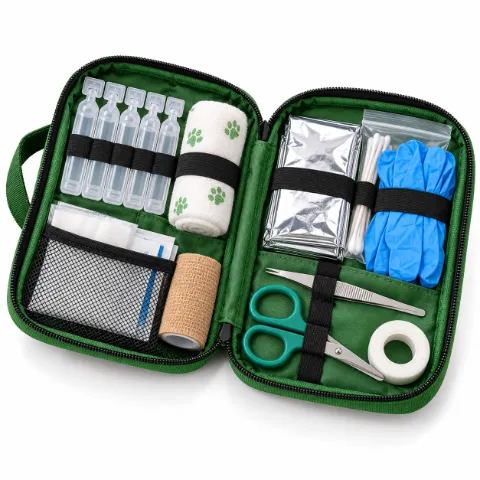
Reliance Medical Pet First Aid Kit
Saline pods, gauze swabs, a bandage and gloves to rinse and cover a sore spot

Avont 2-in-1 inflatable cone
Soft donut collar with a clear shield, for a dog that licks or chews a sting site
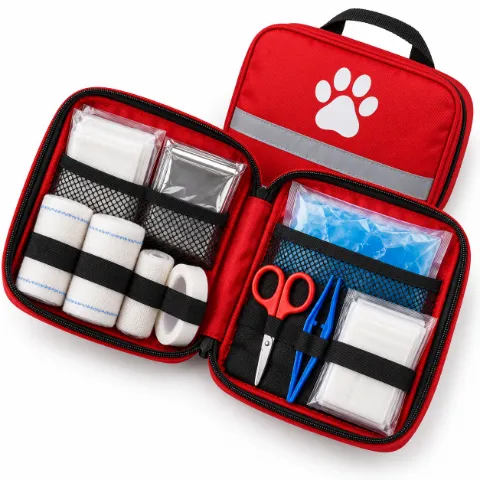
ARCA PET Dog First Aid Kit, 35 pieces
The lightest full kit in our guide at 275 g, with a reflective pouch
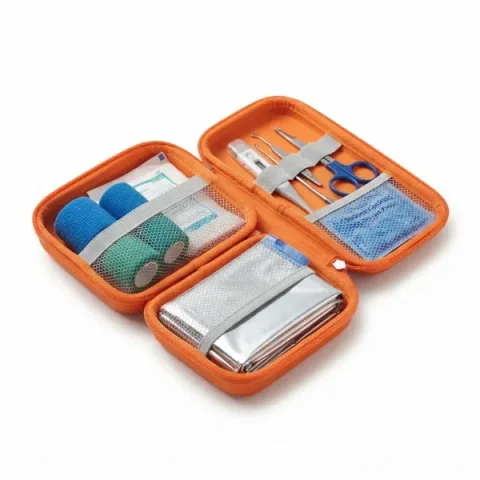
EVERLIT Pet Medic First Aid Kit, 95 pieces
Includes a thermometer, cold pack, tick remover, shears and slip leash in a hard case

KIKNIN Inflatable Donut Cone
Simple inflatable collar in sizes small to extra large
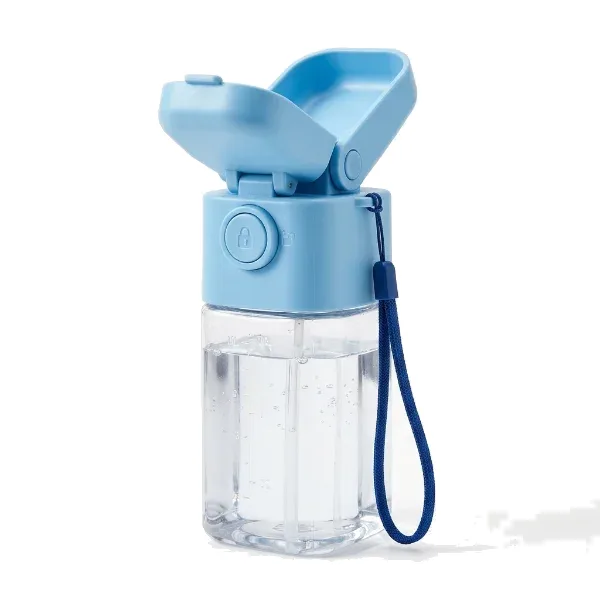
Cibaabo dog water bottle 300 ml
One-hand lock and a built-in bowl for offering fresh water on walks
ARCA PET Dog First Aid Kit, 35 pieces
The lightest full kit in our first aid guide at 275 g, with a reflective pouch, so it's easy to carry on outings.
EVERLIT Pet Medic First Aid Kit, 95 pieces
A fully stocked kit that includes a thermometer, cold pack, tick remover, shears and slip leash in a hard case.
KIKNIN Inflatable Donut Cone
A simple inflatable collar in sizes small to extra large, if your dog keeps licking the spot.
Cibaabo dog water bottle 300 ml
A one-hand lock and a built-in bowl, handy for offering fresh water on walks.

Kuoser Recovery Suit
A soft cover for a dog who keeps licking or scratching a sting site and hates a cone, sized by chart.

Aonkey collapsible bowls with bottle carrier, 2 pack
Fold-flat bowls for offering water on garden days and walks where bees are about.
Pictures are illustrations, not the actual products.
More detail on the first two is in Useful gear below. These support the first aid steps; they don't treat an allergic reaction, so go to a vet for that.
What should I do if my dog is stung by a bee?
Scrape the sting out with a card edge rather than squeezing it with tweezers, cool the spot, and go to a vet at once for face, mouth or throat swelling, breathing trouble, vomiting or collapse. A bee's sting stays in the skin and keeps releasing venom, so it's best removed quickly (Animal Emergency Service).
- Look for the sting. Greencross Vets describe a small brown, soft venom sac with a tiny black stinger, which can hide in swollen skin.
- Scrape it out with a fingernail or the edge of a card. PDSA suggests sliding a card edge under the venom sac. Pinching with tweezers or fingers can squeeze more venom in (PDSA, Greencross Vets).
- Cool the area. Animal Emergency Service says a cold wet towel over the site may help reduce some swelling and pain. A cold pack wrapped in a thin towel works too, and Greencross Vets suggest 1 to 5 minutes at a time, repeated every 10 to 15 minutes over the first 1 to 2 hours. A bag of frozen peas in a tea towel will do.
- Keep your dog calm and offer fresh water. Try to stop your dog scratching at the spot; Black Hawk's animal behaviourist notes that scratching can lead to infection, and Animal Emergency Service also says to stop the licking and scratching.
- Stay close for the next few hours and keep your dog out of the garden where the bees are.
Vinegar and bicarbonate soda paste are harmless but may not help as much as people hope (PDSA), so don't waste time on them if your dog is in distress.
Mild sting or allergic reaction: how can I tell?
Allergic signs include severe swelling, hives, vomiting, diarrhoea, pale gums, disorientation, trouble breathing and collapse. Animal Emergency Service says reactions usually start within 10 minutes but can be delayed by hours. Greencross Vets say most come within 20 minutes. Any of these signs means a vet straight away.
| Mild sting (watch at home) | Emergency (vet at once) | |
|---|---|---|
| Skin | Redness, a small swelling, a visible sting | Severe or fast-spreading swelling, hives over the body |
| Behaviour | Yelping, licking the spot, limping, pawing at it | Disorientation, weakness, collapse, loss of consciousness |
| Breathing and gums | Normal breathing, normal gum colour | Trouble breathing, pale gums |
| Tummy | Normal | Vomiting or diarrhoea |
| Mouth or face | A little drooling | Swelling of the face, neck, mouth or throat |
Lists from Animal Emergency Service, Greencross Vets and PDSA. PDSA says mild signs can usually be managed at home as long as you watch closely for allergic signs.
The first 20 minutes
- Minutes 0 to 5: stay calm, check for the sting and scrape it out, count how many stings you can see.
- Minutes 5 to 20: cool the spot, keep your dog quiet and watch breathing, gums and swelling. Most allergic reactions show up in this window (Animal Emergency Service, Greencross Vets).
- Hours 1 to 4: keep watching. Reactions can come later, and Greencross Vets describe a delayed reaction around 3 to 4 hours after the sting, though it's less common.
If you're unsure, ring your vet or an after-hours emergency clinic and describe what you can see. Phone ahead so they're ready for you.
Why is a sting in the mouth or throat an emergency?
A sting in or near the mouth is the one to treat as an emergency, because swelling can block the airway. Animal Emergency Service and Black Hawk both warn it can be life threatening. Go to a vet immediately, and don't put your fingers inside a distressed dog's mouth (Greencross Vets).
Stings on the face and muzzle are common because dogs sniff and snap at insects. Pawing at the mouth, drooling and a swollen lip or gum can all follow a mouth sting. Call the clinic while you're on your way.
What if my dog is stung near the eye?
A sting on the eyelid or beside the eye is a same-day vet call. PDSA says to contact a vet for swelling around the face, neck or throat, and none of the sources we read covers eye stings, so we'd play it safe. Don't scrape or pick near the eye, and don't put anything in it, including drops or creams. Try to stop your dog rubbing it, and phone the clinic.
Dog bee sting treatment: what does the vet do?
Your vet will examine your dog and decide on treatment. Greencross Vets say a clinic can promptly give medications to treat stings, that anaphylaxis needs urgent vet treatment, and that pets with serious reactions can need hospitalisation and intensive monitoring. Don't try to copy this at home with human medicines.
Dog bee sting on the paw or foot: why is my dog limping?
Check the paw for a sting, scrape it out, then cool the paw with a wrapped cold pack for short spells. Limping, licking and a little swelling can happen with a paw sting (Animal Emergency Service). Keep your dog resting and call your vet if the limp or swelling gets worse.
Dogs often lick or chew a sore paw, which can irritate it further. If your dog won't leave it alone, a cone can stop the licking (see Useful gear below). A paw sting can still cause a full body reaction, so keep an eye on breathing, gums and energy as well as the paw. Puppies are small, so we'd ring the vet for advice even after a single sting.
Is it a bee or a wasp sting?
The main difference is the sting. A bee leaves its sting in the skin and dies, so a bee stings once. A wasp doesn't leave its sting behind and can sting several times, so a wasp encounter more often means multiple stings (PDSA, Greencross Vets, Black Hawk).
| Bee | Wasp | |
|---|---|---|
| Sting left in the skin | Yes | No |
| Can sting again | No, the bee dies | Yes, can sting several times |
| Where dogs get stung | Face, muzzle, mouth, paws, often outdoors in warmer months | Same, often when the wasp is provoked or disturbed |
| First aid difference | Scrape the sting out, then cool the spot | No sting to remove, so cool the spot |
| When to worry | Face, mouth or throat swelling, allergic signs | Same, and sooner if there are several stings |
Built from PDSA, Greencross Vets and Black Hawk. Greencross Vets note that wasp reactions are generally more likely to be severe because of the multiple stings.
What if my dog was stung several times?
Multiple stings need a vet. Venom can add up, and Animal Emergency Service says repeated stings have caused deaths. PDSA also lists multiple stings as a reason to contact your vet. If your dog disturbed a nest or swarm, get them away from it and go straight to a clinic, even if they seem fine.
Can I give my dog an antihistamine for a bee sting?
Only if your vet says so and gives you the dose. Don't give any medication, including antihistamines, without asking a vet first, because the wrong amount can be dangerous (Animal Emergency Service). PDSA says the vet confirms the right drug and dose. Some human products also contain other ingredients that harm dogs.
Never give human medicines, including antihistamines, paracetamol, ibuprofen or anti-diarrhoea tablets, unless your vet has told you to and given the dose. Many are toxic to dogs (VCA). Ring your vet or an after-hours clinic for advice instead of guessing.
Useful gear
These two items can help with the first aid steps above. They support what your vet advises and don't treat an allergic reaction.
- Reliance Medical Pet First Aid Kit: the listing says it includes two 20 ml saline pods, gauze swabs, a conforming bandage and gloves, which help you rinse and cover a sore spot. The sting itself comes out with a card edge, not the kit's tweezers. See our dog first aid kit guide for the full comparison.
- Avont 2-in-1 inflatable cone: a soft donut collar with a clear shield, useful if your dog keeps licking or chewing a sting site. Compare options in our dog cone guide.
For a cold pack, a bag of frozen peas wrapped in a tea towel does the job. Pet shops and vet clinics also sell first aid kits and cones.
When to see a vet
Go to a vet straight away if your dog has any of these after a sting:
- swelling of the face, mouth, neck or throat
- trouble breathing, noisy breathing or constant gagging
- pale gums, weakness, disorientation or collapse
- vomiting or diarrhoea
- severe swelling or hives spreading over the body
- several stings, or a sting inside the mouth
Phone ahead so the clinic is ready. Allergic signs can start within minutes or be delayed by hours, so don't wait to see if they pass.
Book a vet visit if swelling or limping gets worse, or your dog keeps chewing the spot. Don't give any human medicine, including antihistamines, unless your vet has told you to and given the dose.
Sources: Animal Emergency Service and PDSA.
Frequently asked questions
How do I know if my dog is allergic to bee stings?
Signs include severe swelling, hives, vomiting, diarrhoea, pale gums, trouble breathing, disorientation and collapse. Animal Emergency Service says reactions usually start within 10 minutes but can be delayed by hours. A dog who has been stung before can still react differently next time, so go to a vet at once if you see any of these.
My dog is tired after a bee sting: is that normal?
Go to a vet now if your dog is weak, wobbly, flat or hard to rouse. Weakness, disorientation and collapse are on the allergic signs list above, so tiredness like this may be a sign of a reaction, not just soreness. A dog that is only a little quiet, breathing normally with pink gums, may simply be sore, but keep watching for the next few hours.
Can a dog die from a bee sting?
Yes, it can happen, though PDSA says mild stings can usually be managed at home with close watching. Greencross Vets say an anaphylactic reaction can be life threatening, and Animal Emergency Service warns that mouth and throat stings can be too, and that repeated stings have caused deaths. Swelling of the face or throat, trouble breathing, pale gums, vomiting or collapse mean a vet straight away.
My dog got stung and seems fine: how long should I watch?
Greencross Vets say most allergic reactions start within about 20 minutes, and Animal Emergency Service says some can be delayed by hours. Greencross describe a less common delayed reaction around 3 to 4 hours after the sting. Stay close and watch breathing, gums, swelling and energy during that time.
What if I can't find the stinger?
Don't dig for it. The sting may be hidden in swollen skin, or it may have been a wasp, which doesn't leave a sting behind. Cool the spot and watch for allergic signs. If the swelling grows, your dog is in pain or you're worried, a vet can check safely.
How long does bee sting swelling last in dogs?
The sources we read don't give a fixed time, so we can't promise one. Mild stings usually settle, and PDSA says mild signs can be managed at home with close watching. Call your vet if swelling grows or spreads, your dog seems worse, or any allergic signs appear.
What do I do if my dog is stung by a wasp?
There's no sting to remove, because wasps don't leave one behind and can sting more than once. Move your dog away, cool the spot and watch for allergic signs. Contact a vet if there were several stings or swelling around the face, neck or throat (PDSA).
What if my dog ate a bee?
A bee can still sting the mouth or throat on the way down. Watch for drooling, pawing at the mouth, swollen lips or tongue and trouble breathing. Any of these means a vet straight away, because swelling in the mouth or throat can block the airway. If your dog seems fine, keep watching for a few hours.
Related guides
- Snake bite in dogs: symptoms and first aid
- Cane toad poisoning in dogs
- Best dog first aid kits
- Best dog cones: soft, inflatable or hard?
- Paralysis ticks: how to check your pet
- How to keep your dog cool in summer
- Hiking with a dog
- Camping with a dog
- Hot spots on dogs
- Dog guides
Sources
- Animal Emergency Service, Has Your Dog Been Stung By A Bee? (updated 29 April 2026; page read 11 November 2026) (https://animalemergencyservice.com.au/blog/dog-stung-by-bee/)
- Greencross Vets, Wasp and Bee Stings On Dogs (page read 11 and 25 November 2026) (https://www.greencrossvets.com.au/pet-library/articles-of-interest/wasp-and-bee-stings/)
- PDSA, Insect bites and stings in dogs (page read 11 and 25 November 2026) (https://www.pdsa.org.uk/pet-help-and-advice/pet-health-hub/conditions/insect-bites-and-stings-in-dogs)
- Black Hawk, Bee and Wasp Stings on Dogs (page read 11 November 2026; a pet food brand page, used only for where dogs are stung and for wasp facts) (https://www.blackhawkpetcare.com/au/articles/bee-and-wasp-stings-on-dogs-what-to-look-out-for/)
- VCA Animal Hospitals, Ibuprofen Poisoning in Dogs (page read 11 November 2026) (https://vcahospitals.com/know-your-pet/ibuprofen-poisoning-in-dogs)
- Product details from the linked Amazon Australia listings, checked on 25 Nov 2026.
This guide provides general information and isn't a substitute for veterinary advice. If you're concerned about your dog after a sting, speak with your vet.