Best cat worming tablets, and what to use if your cat won't take one
By Anish PuriUpdated 25 Nov 202616 min readResearched, not tested by us
Research guide. WhiskerFinds may earn a commission from links, at no extra cost to you.
Quick answer: The best cat worming tablets are Milbemax Allwormer, our top pick, because one small beef-flavoured tablet covers roundworm, hookworm and tapeworm, and the label says monthly use also prevents heartworm. Pick the tablet by your cat's weight, not age. If your cat won't take tablets, a spot-on is the alternative.
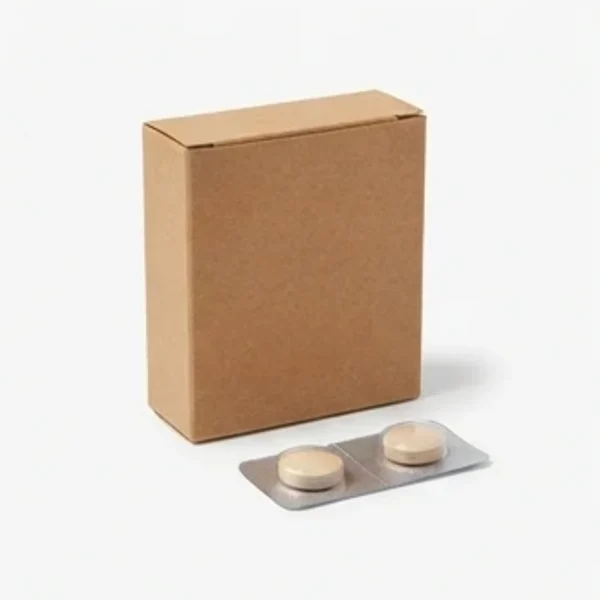
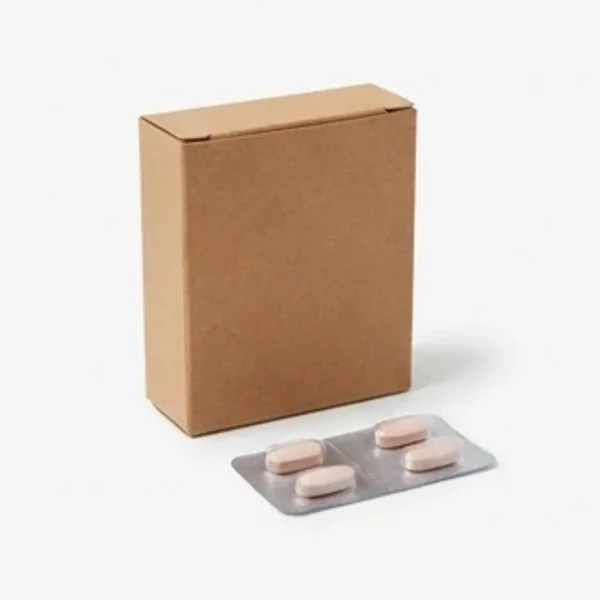
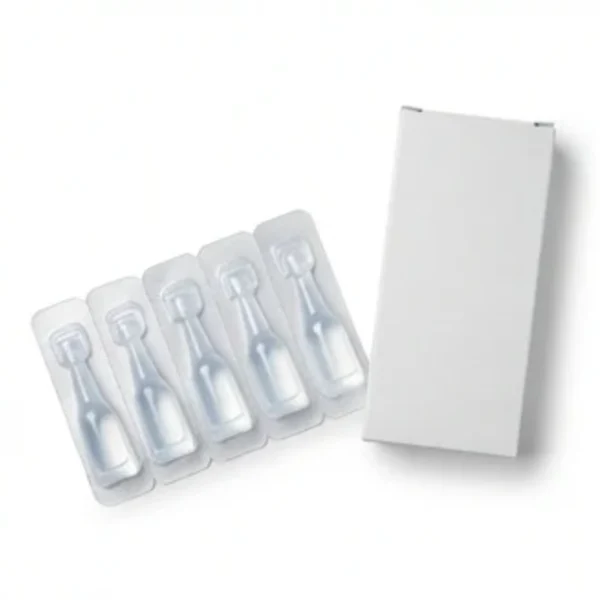
Illustration, not the actual product
Our top pickMilbemax Allwormer tablets for cats 2 to 8 kg, 2 pack
Worming a cat comes down to three checks: the right product for a cat, the right weight band, and the worms on the label. This guide compares the cat worming tablets we could confirm on Amazon Australia, then shows two spot-ons for cats that fight pills. For flea-first products, see our flea treatment for cats guide. For kittens under 2 kg, see our kitten wormer guide.
The honest picture of the range: both tablets here are the same Milbemax product in two sizes. We couldn't confirm another cat tablet listing on Amazon Australia when we checked, so the other two picks are spot-ons, labelled as such.
Quick picks
Our top pickBest overall
Milbemax Allwormer tablets for cats 2 to 8 kg, 2 pack
One small tablet lists roundworm, hookworm and tapeworm; monthly use also covers heartworm
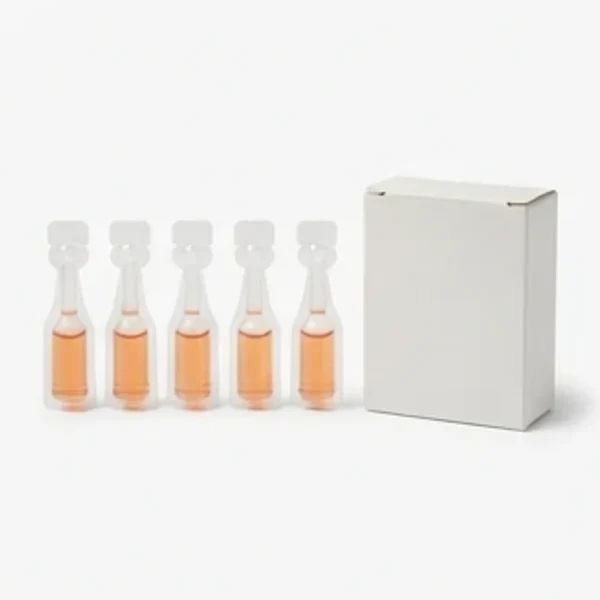
Pictures are illustrations, not the actual products.
Cat worming tablets and spot-ons compared
Details from each Amazon Australia listing, plus the maker's Australian page where the listing is silent, checked on 25 Nov 2026. "Not named" means the listing and maker page don't say.
Swipe sideways to see every column
Product
Form
Weight band
Roundworm and hookworm
Tapeworm
Heartworm
Fleas
Ticks
Milbemax 2 to 8 kg
Tablet
2 to 8 kg
Yes
Yes
Yes, if given monthly
No
No
Milbemax 0.5 to 2 kg
Tablet
0.5 to 2 kg
Yes
Yes
Yes, if given monthly
No
No
NexGard Spectra, large
Spot-on
2.5 to 7.5 kg
Yes
Yes
Yes
Yes
Yes, including paralysis ticks
Advocate, over 4 kg
Spot-on
Over 4 kg
Yes
Not named
Yes
Yes
Not named
What worms do cats get, and do these products cover them?
Cats mainly get roundworm, hookworm and tapeworm. The University of Sydney vet hospital says roundworm can cause a pot belly, poor growth in kittens, vomiting or diarrhoea, hookworm can cause diarrhoea and anaemia, and tapeworm is usually linked to swallowing fleas or hunting (University of Sydney Vet Hospital, "Cat parasite prevention", page read 25 November 2026).
Signs overlap with other problems, and many cats show none, so a vet's faecal check is the only way to know which worm is involved.
Tapeworm is the gap in many wormers, and the table above shows which picks name it. Because cats catch tapeworm from fleas, the Merck Veterinary Manual says flea control is critical for tapeworm control, even for indoor cats, which is why a flea product and a wormer often work as a pair (Merck Veterinary Manual, "Gastrointestinal parasites of cats", page read 25 November 2026). Our flea comb guide covers checking for fleas.
Our picks in detail
1. Milbemax Allwormer tablets for cats 2 to 8 kg: best overall
The only tablet here sized for a typical adult cat, and the one to start with for most households. The listing says it is a small beef-flavoured tablet, given every three months to treat and control roundworm and hookworm and adult tapeworm, with monthly use on the same date also protecting against heartworm. It lists milbemycin oxime and praziquantel, and says it is safe in breeding, pregnant and lactating cats. Elanco's page says the same.
One listing trap: a bullet mentions "kittens from 6 weeks and 0.5 kg", but that is range text. This pack is for 2 to 8 kg. Use the small-cat tablet below for lighter cats.
Pros: names roundworm, hookworm and tapeworm; monthly option for heartworm; small flavoured tablet
Cons: only 2 tablets in the pack; no flea or tick cover; a tablet still has to go down
Best for: most adult cats that will take a tablet
Skip it if: your cat is under 2 kg (use pick 2), or can't be pilled at all (use pick 3 or 4)
2. Milbemax Allwormer tablets for kittens and small cats 0.5 to 2 kg: best for small cats and kittens
The same cover in the small size. The listing says it is safe for small cats and kittens from 6 weeks and 0.5 kg, with the same three-monthly worm cover and monthly heartworm prevention, and the same instruction to confirm with your vet that your cat doesn't have heartworm first. The listing's active ingredients match pick 1.
A growing kitten leaves this band quickly, so weigh before each treatment. Elanco's page gives the kitten schedule as 6, 8 and 12 weeks, then every three months. Our kitten wormer guide goes deeper.
Pros: the lowest weight band here, from 0.5 kg; names tapeworm; same flavour as pick 1
Cons: 2 tablets in the pack; a kitten outgrows the band; no flea cover
Best for: kittens from 6 weeks and 0.5 kg, and small adults under 2 kg
Skip it if: your cat is over 2 kg, because it is the wrong band
3. NexGard Spectra Spot-On for cats, large pack: best if your cat won't take a tablet
This is a spot-on, not a tablet. The listing says it is monthly and kills fleas, paralysis ticks, bush ticks and ear mites, and covers heartworm, roundworm, hookworm, lungworm and tapeworms, including flea and cat tapeworms. For heartworm that means prevention, not treatment of an infection. Its actives are esafoxolaner, eprinomectin and praziquantel. It is for cats and kittens from 8 weeks and more than 0.8 kg.
The listing doesn't give the weight band, but the NexGard Australia page says the large pack (yellow) is for 2.5 to 7.5 kg and the small pack for 0.8 to 2.4 kg. Check the pack matches your cat's weight. It is far more cover than a plain wormer, so it suits cats that need fleas or ticks handled too.
NexGard Spectra is an isoxazoline. The FDA says these products have been linked to tremors, loss of coordination and seizures in some animals, that most cats don't react, and that owners should talk to their vet before starting (US FDA, isoxazoline fact sheet, page read 25 November 2026).
Pros: no pilling; names tapeworm and heartworm; also fleas and paralysis ticks; 6 monthly applications in the pack
Cons: not a tablet; monthly; this listing is the large pack only (2.5 to 7.5 kg, per the maker); much more cover than a plain wormer; isoxazoline class
Best for: cats that fight tablets, where fleas, ticks and tapeworm are wanted on one label
Skip it if: you only want a wormer every few months, or your vet has advised against the isoxazoline class
4. Advocate spot-on for cats over 4 kg: best spot-on wormer with flea cover
Another spot-on, for the bigger cat. The listing says it is monthly and treats and controls adult and juvenile roundworms and hookworms, prevents heartworm, and handles fleas, lungworms and mites. Its actives are imidacloprid and moxidectin. The safety text says it is harmful if swallowed, to avoid contact with the eyes and to wash your hands after use.
The listing doesn't claim tapeworm or ticks, so it isn't the answer if tapeworm is the worry. One image description on the listing calls it a "tapeworm dewormer", but the bullets and the maker's page don't, so we ignore it. For a cat of 4 kg or less, the pack is Advocate for kittens and small cats up to 4 kg, so check the weight on the pack.
Pros: no pilling; names heartworm, roundworm and hookworm; also fleas
Cons: not a tablet; no tapeworm or tick claim on the listing; monthly
Best for: a cat over 4 kg that needs fleas, roundworm, hookworm and heartworm handled without pilling
Skip it if: tapeworm is the worry, or your cat is 4 kg or under
How often should you worm a cat?
It depends on your cat's risk and the product, and your vet confirms the schedule. The University of Sydney describes a strictly indoor cat that doesn't hunt as low risk, an occasional outdoor cat or one in a home with other pets as moderate, and hunting cats or homes with young children as higher risk, with wormer needed less or more often to match.
The Elanco label for Milbemax says every three months for intestinal worms, or monthly, on the same date each month, if you also want heartworm prevention. Elanco's page adds that indoor cats should be wormed too. Follow the leaflet on your pack, and ask your vet which schedule fits.
What age and weight can have which product?
Choose by weight first, then check the minimum age on your pack. Weigh your cat before each treatment, because kittens move up a band within weeks. Elanco's page says Milbemax is for kittens from 6 weeks and 0.5 kg, with treatments at 6, 8 and 12 weeks, then every three months, or monthly if heartworm prevention is wanted.
Swipe sideways to see every column
Product
Weight band
Minimum age and weight
Schedule from the maker
Milbemax small cat tablet
0.5 to 2 kg
6 weeks and 0.5 kg
Kittens at 6, 8 and 12 weeks, then every 3 months; monthly for heartworm
Milbemax regular tablet
2 to 8 kg
6 weeks and 0.5 kg is the range minimum; this tablet is for 2 to 8 kg
Every 3 months; monthly for heartworm
NexGard Spectra, large (yellow pack)
2.5 to 7.5 kg
8 weeks and 0.8 kg for the range
Monthly
Advocate, over 4 kg
Over 4 kg
Elanco's Advocate page gives kittens from 9 weeks; check your pack
Monthly
Two things in the table to watch. A cat between 2 and 2.5 kg fits the Milbemax tablets but not the NexGard large pack, whose small pack is 0.8 to 2.4 kg and isn't one of our picks. And over 8 kg, Elanco says to combine tablets, so ask your vet.
Elanco's label sets the amount by weight inside each band, and for some weights that is part of a tablet. Follow the table on your pack's leaflet for your cat's weight today, and ask your vet if you're unsure.
What can you use if your cat won't take a tablet?
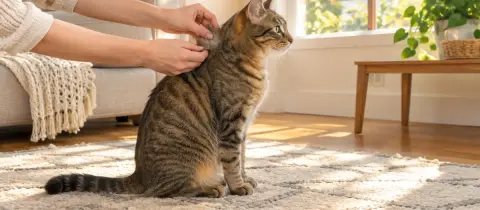
A spot-on, a pill pocket or a different technique. A spot-on goes on the skin at the back of the neck, so nothing is swallowed, but it is monthly and covers different worms. Try the tablet routine first, since a three-monthly tablet is fewer fights per year than a monthly spot-on.
Some practical options, in the order we'd try them:
Hide the tablet in a pill pocket if the label allows food with the tablet. Elanco says Milbemax can be given with or without food. Our pill pockets guide compares sizes, and the Greenies guide covers the cat version.
Use a wrap if your cat scratches. A cat restraint bag keeps both of you safer.
Switch to a spot-on (picks 3 and 4) and ask your vet which one suits.
A worming paste is a gel squeezed into the mouth or onto food. None of our picks is one. Vet clinics and pet shops sell cat pastes, so ask there if that suits your cat better.
Can you use a dog wormer or dog flea product on a cat?
No. Use only products labelled for cats, in the right weight band. International Cat Care explains that a cat's liver can't break down permethrin, an ingredient in many dog flea products, so it can build up and cause serious illness or death. Cats can also be affected by contact with a recently treated dog (International Cat Care, "Permethrin poisoning", page read 25 November 2026).
Often yes, and the vet decides. The Merck Veterinary Manual says mosquitoes spread heartworm to cats, indoor cats can be infected, and it recommends prevention for all cats, usually monthly. Signs such as coughing can look like asthma, so diagnosis is hard (Merck Veterinary Manual, "Heartworm disease in cats", page read 25 November 2026).
The Milbemax listings say to confirm with your vet that your cat doesn't have heartworm before starting. They also say monthly use prevents heartworm. Merck says if a monthly treatment is missed, call your vet, as your cat may need retesting.
Choose by situation
Swipe sideways to see every column
Your situation
What to look for
Our pick
Healthy adult cat, 2 to 8 kg
One tablet with roundworm, hookworm and tapeworm
Milbemax 2 to 8 kg (1)
Kitten from 6 weeks, or small adult under 2 kg
The small-cat tablet; weigh first
Milbemax 0.5 to 2 kg (2)
Cat that fights tablets, wants fleas and ticks too
A monthly spot-on that names tapeworm
NexGard Spectra (3)
Cat over 4 kg, flea problem, no pilling
A monthly spot-on; tapeworm handled separately
Advocate over 4 kg (4)
Tapeworm is the worry
A product that names it
Milbemax (1 or 2), or NexGard Spectra (3)
Cat under 0.5 kg or under 6 weeks
Vet only
See the vet box
Where else can you buy cat wormers?
Vet clinics sell cat wormers and can match the band and schedule to your cat. Pet shops stock some brands, and some supermarkets and pharmacies carry cat tablets. Wherever you buy, check that the product says "cat", the weight band, and the worms it lists.
How we chose
We searched Amazon Australia for cat worming tablets and the closest alternatives, then shortlisted products that met all of these checks:
Well rated: a strong average rating with plenty of buyer reviews.
No red flags: no pattern of poor reviews, safety complaints or listing problems.
Available on Amazon Australia when we checked.
Made for cats with a stated weight band, not a shared dog and cat product.
Worm cover stated on the listing or the maker's Australian page.
Minimum age from the label or the maker's page where the listing is silent.
These are researched picks, not products we've personally tested. We compared the specifications on each Amazon Australia listing, checked on 25 Nov 2026, against the maker's Australian pages, and we didn't accept payment from any brand.
Left out this time: spot-ons with unverified listing details, flea and tick products with only a partial worm claim, a tablet sold as both a dog and cat wormer, and cat products whose listings we couldn't confirm.
When to see a vet
Book a vet visit if you see worms or rice-like segments in your cat's poo or around the tail, a pot belly, diarrhoea, vomiting, weight loss or a dull coat, or a kitten that isn't growing well. A vet can work out which worm it is, and worming kittens under the label minimum, or sick cats, is a vet job.
Go to a vet or emergency clinic straight away if your cat is drooling, twitching, trembling or wobbly after any parasite product, or if a dog product has touched your cat. Call the Animal Poisons Helpline (1300 869 738, 24/7). See the International Cat Care page on permethrin poisoning. A cat that is coughing, struggling to breathe, or is very lethargic with pale gums also needs prompt care.
Frequently asked questions
Which cat worming tablet covers tapeworm?
Both Milbemax tablets on this page list tapeworm, along with roundworm and hookworm. The NexGard Spectra spot-on also names it. The Advocate listing doesn't claim tapeworm. Because cats catch tapeworm from fleas, flea control matters too, so ask your vet about both together.
How long do cat worming tablets take to work?
Elanco's Milbemax FAQ doesn't give a timeframe, and results vary, so we won't promise one. You may see worms in the poo afterwards. If your cat seems unwell after a tablet, call your vet or Elanco's consultants on 1800 995 709, as the FAQ advises.
Milbemax or Drontal for cats?
Both are cat allwormers from different makers. We haven't checked a Drontal cat listing for this guide, so we can't compare them here. Compare the worms on each label, the weight band and the schedule, and ask your vet which suits your cat.
Can I give worming tablets to a pregnant or nursing cat?
Elanco's page says Milbemax is safe for breeding, pregnant and lactating cats, and the listings say the same. Still, tell your vet before giving any product, and ask about the kittens too: Elanco says nursing cats are treated at the same time as their kittens, and this tablet's label starts at 6 weeks, so younger kittens need a vet's product.
Do indoor cats need worming?
Yes, usually less often. The University of Sydney notes that indoor cats can still be exposed through fleas brought into the home or new pets, and Elanco recommends worming indoor cats. Your vet sets the schedule for your cat's risk.
Can cats pass worms to people?
Some worms can. The University of Sydney says roundworm and hookworm can infect people, children especially. Pick up faeces promptly, wash your hands after handling litter and gardening, and discuss a stricter plan with your vet if the household includes young children, a pregnant person or someone immunocompromised.
What is the difference between a worming tablet and a spot-on?
A tablet is swallowed and works inside the gut. A spot-on goes on the skin at the back of the neck and is absorbed. The tablets here are three-monthly for worms, while the spot-ons are monthly and add flea or heartworm cover. Which one suits depends on your cat and your vet's advice.
Can I crush the tablet into food?
Only if the label allows it. Elanco says Milbemax can be given with or without food, but it doesn't say to crush it, so don't. Give whole or part tablets only as the leaflet's weight table says. Try a pill pocket or the technique in our how to give a cat a pill guide, or ask your vet about a spot-on.
Product details from each linked Amazon Australia listing, checked on 25 Nov 2026.
This guide provides general information and isn't a substitute for veterinary advice. If you're concerned about your cat's worms or parasite protection, speak with your vet.