Best kitten wormer: what you can use, by age and weight
By Anish PuriUpdated 25 Nov 202617 min readResearched, not tested by us
Research guide. WhiskerFinds may earn a commission from links, at no extra cost to you.
Quick answer: The best kitten wormer from 6 weeks is the Milbemax tablet for kittens and small cats, 0.5 to 2 kg, which the listing says covers roundworm, hookworm and tapeworm. Under 6 weeks or 0.5 kg, only a vet should choose and give a wormer. Spot-ons start later, so weigh your kitten first.
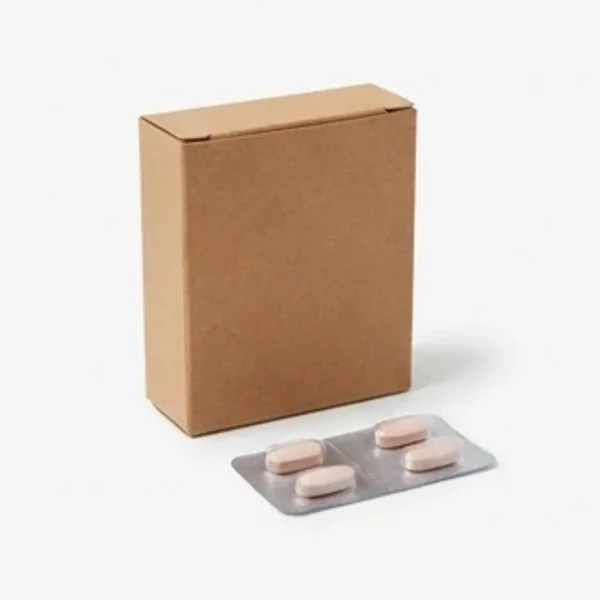
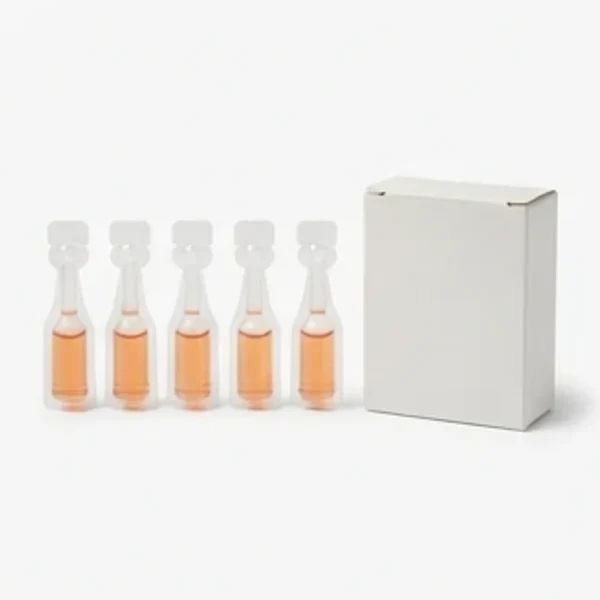
Illustration, not the actual product
Our top pickMilbemax Allwormer tablets for kittens and small cats 0.5 to 2 kg, 2 pack
A kitten's worming plan runs on two numbers, age and weight, and both change fast. This guide matches four wormers on Amazon Australia to what their labels allow, shows what each one covers, and says what to do when your kitten is too young or too light for any of them. Adult cats are covered on our cat worming tablets guide.
An honest note on the range: two of the four picks are the same tablet in two sizes, and none is a liquid or paste. Kittens under 6 weeks fall outside every label here, so that stage is a vet job.
Quick picks
Our top pickBest overall
Milbemax Allwormer tablets for kittens and small cats 0.5 to 2 kg, 2 pack
From 6 weeks and 0.5 kg; names roundworm, hookworm and tapeworm
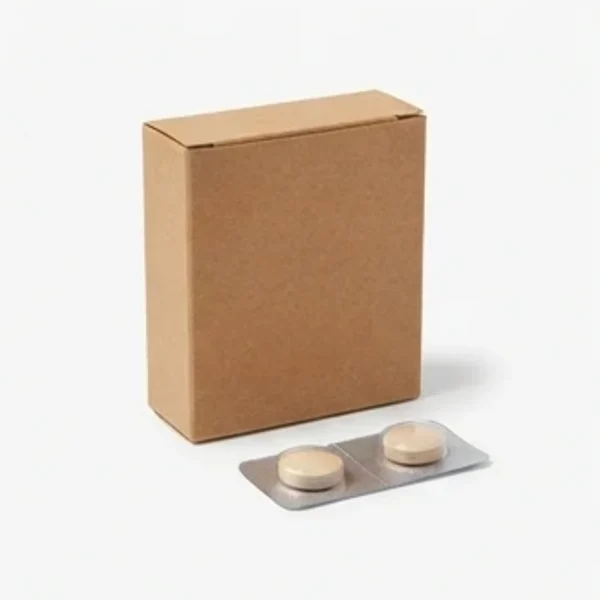
Pictures are illustrations, not the actual products.
What can you use on a kitten, by age and weight?
Under 6 weeks old or under 0.5 kg, none of these products is for your kitten, and your vet should choose the wormer and the amount. From 6 weeks and 0.5 kg the small Milbemax tablet applies. Spot-ons start later, at 8 or 9 weeks, and every label has a weight band, so weigh before each treatment.
Kittens can be wormed far earlier than 6 weeks, but with products a vet supplies. The Merck Veterinary Manual says kittens should be dewormed from 3 to 4 weeks of age (Merck Veterinary Manual, "Gastrointestinal parasites of cats", page read 25 November 2026). The reason is that roundworm can pass from the mother to her kittens through her milk. That is why a litter's first wormer usually comes from the vet, not a tablet from a shelf.
Swipe sideways to see every column
Kitten's age and weight
What the labels here allow
What to do
Under 6 weeks, or under 0.5 kg
None of these four products
Vet only. Ask about a wormer made for very young kittens
6 weeks or older and 0.5 to 2 kg
Milbemax kitten and small cat tablet
Weigh, then follow the leaflet and your vet
8 weeks or older and 0.8 kg or more
NexGard Spectra for cats (small pack for 0.8 to 2.4 kg, large pack for 2.5 to 7.5 kg, per the maker)
Pick the pack by weight. The pick here is the large pack only
9 weeks or older
Advocate spot-on for cats (Elanco says kittens can start from 9 weeks)
One trap on the 2 to 8 kg tablet's listing: it carries a bullet saying "safe for kittens from 6 weeks and 0.5 kg". That line is range-wide text. The 2 to 8 kg tablet is for cats over 2 kg, so a young kitten gets the small tablet.
How often should you worm a kitten?
More often than an adult cat, and your vet sets the schedule. Two vet sources give a general pattern: every 2 weeks until 12 weeks of age, then monthly until 6 months, then every 3 to 6 months for life (Fitzroy Vet). Merck gives a similar pattern, to 3 months and then monthly to 6 months. Product labels can differ, so follow the leaflet and ask your vet.
For Milbemax, Elanco says kittens are treated at 6, 8 and 12 weeks of age, then every three months, or monthly if the tablet is also the heartworm prevention (Elanco Australia, Milbemax for cats, page read 25 November 2026). That is less often than the fortnightly vet pattern for the first weeks, so ask your vet which product to use at which age. A kitten with a heavy worm burden may need a vet's plan.
The only pick here that covers roundworm, hookworm and tapeworm at kitten size. The listing says it is a small beef-flavoured tablet, safe for small cats and kittens from 6 weeks and 0.5 kg, and that monthly use also prevents heartworm disease. It says to confirm with your vet that your cat doesn't have heartworm before starting, and to read the leaflet.
The pack holds two tablets, and a growing kitten leaves the band quickly, so weigh before each treatment. Where a kitten has fleas, a tablet doesn't touch them, and fleas are how tapeworm arrives.
Pros: names roundworm, hookworm and adult tapeworm; from 6 weeks and 0.5 kg; small flavoured tablet
Cons: 2 tablets only; pilling a kitten takes practice; no flea cover
Best for: a kitten from 6 weeks and 0.5 kg that will take a tablet
Skip it if: your kitten is under 6 weeks or 0.5 kg (vet only), or already over 2 kg
2. Milbemax Allwormer tablets for cats 2 to 8 kg: best once your kitten passes 2 kg
The same two actives and the same cover, in the band your kitten moves into. The listing is for cats over 2 kg, with a small flavoured tablet and the same heartworm wording. The "from 6 weeks and 0.5 kg" bullet on the listing is range text and doesn't apply to this tablet. It is also the tablet they stay on as adults, which is why our cat worming tablets guide leads with it.
Pros: the next band up; same cover as pick 1; adult-size tablet
Cons: 2 tablets only; no flea cover
Best for: an older kitten over 2 kg
Skip it if: your kitten is under 2 kg
3. Advocate spot-on for kittens and small cats up to 4 kg: best spot-on wormer with flea cover
For a kitten that can't be pilled. The listing says it is a monthly spot-on that treats and controls adult and juvenile roundworms and hookworms and prevents heartworm, and it also lists fleas, lungworms and mites. The active ingredients are imidacloprid and moxidectin. The listing's safety text says it is harmful if swallowed, will damage the eyes, and to wash your hands after use.
The listing gives no minimum age or weight. Elanco says kittens can start monthly Advocate from 9 weeks, so a kitten of 6 to 8 weeks goes to the tablet or your vet. One of the listing's images calls it a "tapeworm dewormer", but the written claims don't include tapeworm, so we haven't.
Pros: no pilling; flea cover; roundworm, hookworm and heartworm on the listing
Cons: no tapeworm or tick claim; monthly; the listing gives no minimum age
Best for: a kitten of 9 weeks or more that fights tablets, where fleas also need handling
Skip it if: tapeworm is the worry, or your kitten is younger than 9 weeks
4. NexGard Spectra Spot-On for cats, large, 6 pack: broadest cover for older kittens
One monthly applicator that, per the listing, covers fleas, paralysis and bush ticks, ear mites, heartworm, roundworm, hookworm, lungworm and tapeworm, including flea and cat tapeworms. It is for cats and kittens from 8 weeks weighing more than 0.8 kg, and the maker puts the large pack at 2.5 to 7.5 kg. Most young kittens are lighter than that, which is why it sits last.
The maker also sells a small-cat pack (purple) for 0.8 to 2.4 kg, which suits more kittens. It isn't one of our checked picks, so ask your vet clinic or a pet shop about it. Esafoxolaner is an isoxazoline, so see the FDA note on this page.
Pros: the broadest cover here; includes tapeworm; one monthly product for fleas, ticks and worms
Cons: this is the large pack, and a 6 pack is a long commitment for a growing kitten; isoxazoline class
Best for: a kitten of 8 weeks or more already in the 2.5 to 7.5 kg band, in a tick area
Skip it if: your kitten is under 2.5 kg (you need the small pack), or you only want a worm tablet
Which kitten wormer covers which worms?
The Milbemax tablet covers roundworm, hookworm and adult tapeworm. The two spot-ons cover roundworm and hookworm, and only NexGard Spectra names tapeworm. Heartworm prevention is on all of them if given monthly. "No claim" means the listing or maker page doesn't say it, which isn't the same as "doesn't work".
Swipe sideways to see every column
Cover
Milbemax kitten tablet
Milbemax 2 to 8 kg tablet
Advocate small cat
NexGard Spectra large
Roundworm
Yes
Yes
Yes
Yes
Hookworm
Yes
Yes
Yes
Yes
Tapeworm
Yes, adult worms
Yes, adult worms
No claim
Yes, flea and cat tapeworms
Heartworm
Yes, monthly use
Yes, monthly use
Yes
Yes
Lungworm
No claim
No claim
Yes, per listing
Yes
Fleas
No
No
Yes
Yes
Ticks
No
No
No claim
Yes, paralysis and bush ticks
How often
Every 3 months for worms; monthly for heartworm
Same
Monthly
Monthly
Roundworm is the one to watch in kittens. Merck says infections often show no obvious signs at first, and the first clue is often poor growth, sometimes with a dull coat and a pot belly. Tapeworm is different: the usual cat tapeworm comes from swallowing fleas, so flea control is part of tapeworm control, even for indoor cats. That is why a tapeworm-only wormer is only half the job. Our kitten flea treatment guide covers what's safe by age, and the flea treatment for cats page covers adult cats.
Kitten wormers compared
Details from each Amazon Australia listing, checked on 25 Nov 2026, with age and weight bands added from the makers' pages where the listing is silent. "Not on listing" means we took nothing from it.
Swipe sideways to see every column
Wormer
Form
Weight band
Minimum age
Active ingredients
Pack
Milbemax kitten and small cat
Beef-flavoured tablet
0.5 to 2 kg
6 weeks
Milbemycin oxime, praziquantel
2 tablets
Milbemax cat 2 to 8 kg
Beef-flavoured tablet
2 to 8 kg
Not for young kittens
Milbemycin oxime, praziquantel
2 tablets
Advocate small cat
Spot-on tube
Up to 4 kg
9 weeks (Elanco)
Imidacloprid, moxidectin
3 tubes
NexGard Spectra cat large
Spot-on applicator
2.5 to 7.5 kg (maker)
8 weeks
Esafoxolaner, eprinomectin, praziquantel
6 applicators
Choose by situation
Swipe sideways to see every column
Your situation
What to look for
Our pick
Kitten 6 weeks or older, 0.5 to 2 kg, will take a tablet
A tablet made for the weight band
Milbemax kitten tablet (1)
Kitten under 6 weeks or under 0.5 kg
A vet's choice of wormer
None here. Call your vet
Kitten has passed 2 kg
The next band up
Milbemax 2 to 8 kg (2)
Kitten fights tablets, 9 weeks or older
A spot-on, with flea cover
Advocate small cat (3)
Kitten 2.5 kg or more, in tick country, fleas to cover too
One monthly product with the broadest cover
NexGard Spectra large (4), after asking your vet
Kitten under 2.5 kg and you want NexGard Spectra
The small-cat pack (purple, 0.8 to 2.4 kg, per the maker)
Not one of our picks: ask your vet clinic or a pet shop
Kitten has fits, tremors or seizures
A vet's advice before any isoxazoline
Ask your vet
Pregnant or nursing queen
A vet's advice
Ask your vet first
How do you give a kitten a worming tablet?
Gently, with the kitten held safely, and only as the leaflet says. Never crush or split a tablet unless the label allows it, and never use part of an adult tablet. Our how to give a cat a pill guide walks through the towel wrap and the water chaser.
Three kitten-sized tips:
Weigh first. A kitchen scale and a small box work well. Put the box on, set the scale to zero, then add the kitten. A kitten can leave the 0.5 to 2 kg band in a few weeks.
A pill pocket is worth a try for a kitten that takes treats, but only where your vet or the label is happy with the tablet going in food. Our pill pockets guide covers sizes.
If your kitten is wriggly, a cat restraint bag can help with a calm, safe hold.
A spot-on avoids the pill altogether, but it still needs the kitten kept from licking the spot until it dries. Apply it where the kitten can't reach, on the skin at the back of the neck, as each leaflet shows.
Is there a kitten wormer liquid, paste or syrup?
Yes, but none of our four picks is one. Vet clinics and pet shops sell kitten worming pastes and syrups, and a vet may choose one for a very young kitten. Because a kitten under 6 weeks is below every label here, a vet should pick the product and the amount, and weigh your kitten first.
Are the spot-ons safe for kittens?
They are labelled for kittens from the ages above, used as the leaflet says. NexGard Spectra contains esafoxolaner, an isoxazoline. The US FDA says isoxazoline flea and tick products have been linked to tremors, ataxia and seizures in some dogs and cats, and that most pets haven't had these reactions (US FDA, fact sheet on isoxazoline flea and tick products, content current 8 August 2023, page read 25 November 2026). It says to talk to your vet about your pet's history first, which matters if a kitten has ever had a seizure.
Vet clinics are the first stop, especially for kittens under 6 weeks or under 0.5 kg. Pet shops and some pharmacies also sell cat wormers, in packs that vary by brand. Wherever you buy, check the weight band and the minimum age on the pack against your kitten's weight today.
How we chose
We searched Amazon Australia for kitten and small-cat wormers, then shortlisted those that met all of these checks:
Well rated: a strong average rating with plenty of buyer reviews.
No red flags: no pattern of poor reviews, safety complaints or listing problems.
Available on Amazon Australia when we checked.
Made for cats: a cat product, never a dog product or a shared one.
Weight band and minimum age stated by the listing or the maker's Australian page.
Worm cover named on the listing, and nothing printed that the listing or maker doesn't say.
Where a listing is thin, we say so and take the missing facts from the maker's page. These are researched picks, not products we've personally tested. We compared the specifications and features on each Amazon Australia listing, checked on 25 Nov 2026, and we didn't accept payment from any brand.
Left out this time: a kitten spot-on whose listing gives no minimum age and little label detail, adult-band spot-ons, dog products, and a flea and tick product that names only roundworm and hookworm.
When to see a vet
Book a vet visit for a kitten under 6 weeks or under 0.5 kg, visible worms in poo or vomit, rice-like segments around the tail or on bedding, a pot belly, poor growth, a dull coat or diarrhoea. These can have many causes, and a vet can test a fresh poo sample to find out which. Take the sample with you.
Go to a vet or emergency clinic straight away if your kitten is weak, cold, pale in the gums, won't feed, has bloody or repeated diarrhoea, vomits repeatedly, or has tremors, twitching or a seizure after any parasite product. Never use a dog product on a cat. If a dog product touches your kitten, call your vet or the Animal Poisons Helpline (1300 869 738, 24/7). Our kitten proofing guide and kitten food guide cover the rest of the early weeks.
Frequently asked questions
Can I use dog wormer on a kitten?
No. A dog wormer is made and sized for dogs, and some dog products can be toxic to cats, as the University of Sydney Vet Hospital says. Use only a product labelled for cats, in your kitten's weight band, and ask your vet if you're unsure which one.
Can I cut an adult cat tablet for a small kitten?
Not unless the label says you can. A 2 to 8 kg tablet isn't made for a kitten under 2 kg, and a half tablet is a guess. The small Milbemax tablet exists for kittens from 6 weeks and 0.5 kg, and for younger kittens your vet chooses the product.
How do I know if my kitten has worms?
Often you can't tell. Merck says roundworm infections frequently show no obvious signs, and poor growth, a pot belly, a dull coat, vomiting or diarrhoea can be clues. A vet can confirm with a fresh poo sample. Seeing worms, or rice-like segments near the tail, is a reason to book a visit.
Can kittens pass worms to people?
Roundworm can infect people, especially children, according to Merck and the University of Sydney Vet Hospital. Pick up poo promptly with a litter scoop, wash hands after handling kittens or litter, and keep young children away from the tray. Our kitten litter guide covers setting one up.
What if my kitten vomits after a tablet?
Call your vet for advice, because what to do depends on the product and how long ago it was given. Don't give a second tablet without asking. Keep the pack and leaflet handy when you call, and note your kitten's weight.
Do indoor kittens need worming?
Usually yes. Merck says flea control is essential for tapeworm control, even in indoor cats, and kittens can pick up roundworm from their mother before they ever come home. Your vet can tell you what suits your kitten and where you live.
Is the same tablet safe for the mother cat?
The Milbemax listings say the tablets are safe in breeding, pregnant and lactating cats, which is the listing's own claim. Elanco's FAQ says nursing cats are treated at the same time as their kittens. Because roundworm can pass through the milk, ask your vet about wormers for both the mother and the litter before treating anyone.
Product details from each linked Amazon Australia listing, checked on 25 Nov 2026.
This guide provides general information and isn't a substitute for veterinary advice. If you're concerned about your cat's worms or health, speak with your vet.