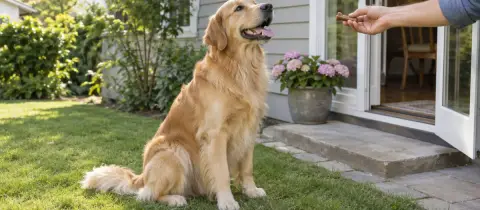
Quick answer: Worms in dogs are common in Australia: roundworm, hookworm, whipworm and tapeworm live in the gut, and heartworm lives in the heart and lungs. Many dogs show no signs, so a regular worming plan from your vet matters more than waiting for symptoms. Visible worms, a pot belly, scooting or weight loss mean a vet visit.
This guide covers the types, what you might see, how dogs catch worms and what to do next. If you're comparing products, our best dog wormer guide sets out the options side by side.
Quick picks
Milbemax Allwormer tablets for dogs 5 to 25 kg
Ask your vet first: 5 to 25 kg band only, with a heartworm check before starting
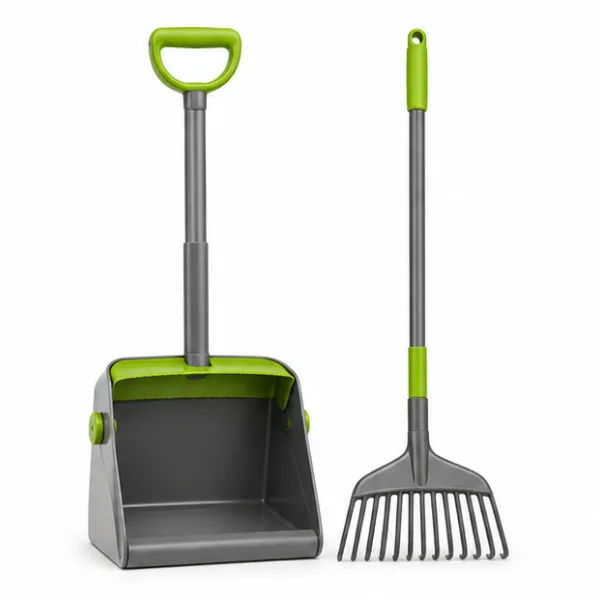
Arm & Hammer Swivel Bin and Rake Pooper Scooper
Picks up in the yard without bending, so eggs don't linger on the lawn
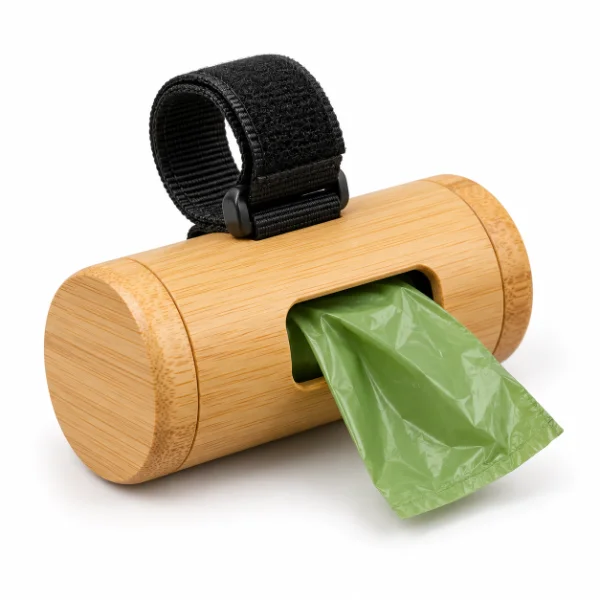
Tuff Pets bamboo poop bag holder
Velcro strap fits any lead and feeds one bag at a time
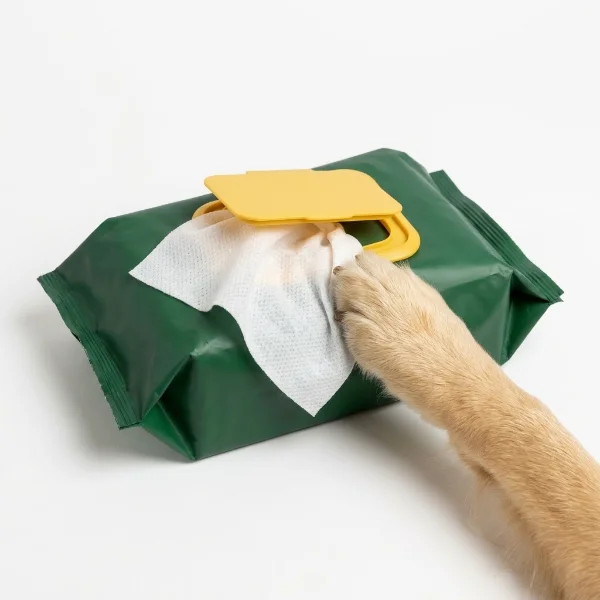
Earth Rated unscented dog wipes, 100
Alcohol-free wipes for paws, body and bottom after messy moments
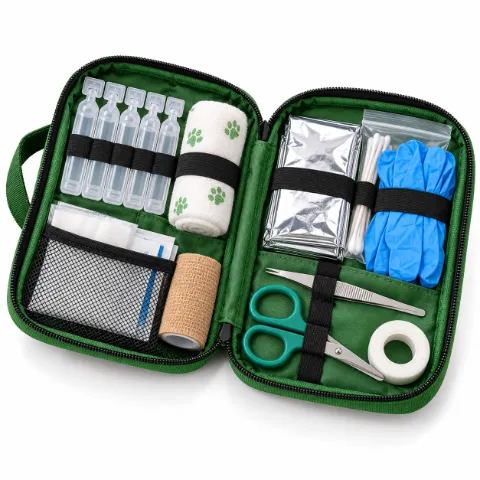
Reliance Medical Pet First Aid Kit
Itemised basics with no medicines; it doesn't replace a vet visit
Simple Solution Dog Stain and Odour Remover
An enzyme cleaner for carpet accidents, handy after a vomit or messy poo.
Arm & Hammer Swivel Bin and Rake Pooper Scooper
A scooper for picking up in the yard without bending, which keeps eggs from lingering on the lawn.
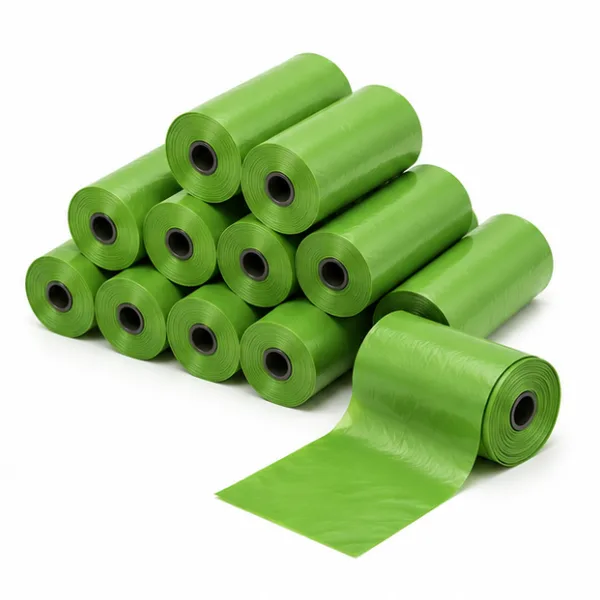
Earth Rated dog poop bags value pack
A big stash of bags for walks and the backyard bin.
Tuff Pets bamboo poop bag holder
A holder with a velcro strap that fits any lead and feeds one bag at a time, so a bag is always handy on walks.
Earth Rated unscented dog wipes
Alcohol-free wipes for paws, body and bottom, handy for a quick clean-up after a messy moment.
Reliance Medical Pet First Aid Kit
A basic home kit with itemised contents and no medicines, so it doesn't replace your vet.
Simple Solution Dog Stain and Odour Remover
An enzyme cleaner for carpet accidents, handy after a vomit or messy poo.
Pictures are illustrations, not the actual products.
More detail on each is in Useful gear and guides below. These help with hygiene; they don't replace your vet's worming plan.
What are the signs of worms in dogs?
Many dogs with worms look completely normal. When signs do show up, they can include diarrhoea, poor growth, a pot belly, weight loss, a dull coat or scooting, and none of them proves worms on its own. A vet can work out the cause with a faecal test.
Patterns tell you more than single signs. The Merck Veterinary Manual says roundworms often cause no signs, but may cause diarrhoea, poor growth and a potbellied look in puppies. Hookworms can cause anaemia, which can be fatal in puppies, and heavy whipworm burdens can cause weight loss and fresh blood in the poo (Merck Veterinary Manual, "Gastrointestinal parasites of dogs", page read 25 November 2026).
Scooting has other causes too, such as full anal glands, so see our dog anal glands guide. Loose poo has plenty of causes as well: our dog diarrhoea guide covers when it needs a check.
What do worms look like in dog poo and vomit?
Most infections can't be seen at all. Roundworms can look like pale spaghetti, and tapeworm segments can look like small grains of rice. Hookworms and whipworms are usually too small to spot, and heartworm never shows in poo. Only a vet's faecal test can say which worm is involved.
The Merck manual says roundworms may be vomited or passed in the faeces, and that tapeworm segments may be seen in the faeces or on the hair around the anus. Other worm eggs are found under a microscope. The table sums up what you may notice, using the same source.
| Worm | Where it lives | What you might see | How a vet confirms it |
|---|---|---|---|
| Roundworm | Gut | Spaghetti-like worms in poo or vomit; pot belly and poor growth in puppies | Eggs under the microscope |
| Hookworm | Gut | Often nothing; in puppies, pale gums from anaemia; dark, tarry poo in severe cases | Eggs in fresh poo |
| Whipworm | Gut | Often nothing; heavy burdens may cause weight loss and bloody poo | Eggs in fresh poo |
| Tapeworm | Gut | Rice-like segments in poo or around the tail | Segments or eggs |
| Heartworm | Heart and lungs | Nothing early on; later coughing and tiring easily | Blood test from a vet |
Please don't poke about in poo or vomit for long. Take a clear photo if you see something, keep a fresh sample in a sealed bag, and wash your hands.
How do dogs get worms?
Dogs pick up worms from their mother, from soil and poo, from fleas, and from eating prey or raw offal. Mosquitoes spread heartworm. Each worm has its own route, which is why one product doesn't always cover everything.
- Mother to pup: Merck says puppies can get roundworm before birth or while nursing, and hookworm through milk. The University of Sydney Vet Hospital says roundworm, hookworm and whipworm are common in puppies.
- Soil, poo and other dogs: Dogs can swallow worm eggs or larvae from contaminated ground. Merck says whipworm eggs become infective about 4 to 8 weeks after they are passed, so a dirty yard can stay a source for a while.
- Fleas: A dog that swallows an infected flea can get tapeworm. Merck says flea control matters even for indoor dogs. Our flea treatment for dogs guide covers the options, and flea dirt is a quick way to check.
- Prey and offal: Tapeworm can come from eating infected prey or offal, according to the University of Sydney Vet Hospital and Merck.
- Mosquitoes: Heartworm larvae are spread by mosquitoes. Merck says indoor dogs can be infected too.
Source: University of Sydney Vet Hospital, "Parasite prevention for dogs", page read 25 November 2026.
Can I catch worms from my dog?
Yes, some can spread to people, and young children are more likely to be infected. The University of Sydney says some intestinal worms can pass to people, particularly children. Hydatid tapeworm is the one to know in rural areas. Picking up poo promptly and washing your hands are the main steps.
The Victorian Department of Health says people catch hydatid disease by swallowing tapeworm eggs, typically by hand to mouth from dog faeces, and that it doesn't pass from person to person. Dogs get hydatid tapeworm by eating raw offal, such as liver and lung, from infected sheep or wild animals like kangaroos. For dog owners, it suggests regular worming, keeping dogs off raw offal, and washing hands with soap after gardening or handling dogs (Victorian Department of Health, "Hydatid disease (echinococcosis)", page read 25 November 2026).
Merck adds that roundworm larvae can, rarely, reach the eye, and that a tapeworm spread by fleas can infect someone who accidentally swallows an infected flea. A good pooper scooper or a roll of dog poop bags makes quick pick-up easier. If a family member is unwell and you're worried about worms, mention your dog to your own doctor too.
How do you treat worms in dogs?
Treatment depends on the worm, your dog's weight and age, and what your vet finds. Registered worming products for dogs treat intestinal worms, and a separate heartworm preventative or a combination product handles heartworm. Pick the right weight band from the label, and ask your vet before giving anything.
A faecal test shows what you're dealing with. Merck says several dewormers are available, and some monthly heartworm preventives also control certain intestinal worms. Merck also says puppies are typically treated from about 2 weeks of age, and repeatedly until 6 months old.
Here is how the main product types fit together.
| Type | What it generally does | Watch for |
|---|---|---|
| All-wormer (tablet or chew) | Treats intestinal worms, often including tapeworm | Doesn't prevent heartworm on its own |
| Combination all-wormer with heartworm cover | Treats worms and prevents heartworm when given monthly | Heartworm test comes first; read which worms the label lists |
| Flea, tick and heartworm chew | Prevents heartworm, treats some intestinal worms | May not cover tapeworm, so ask your vet |
| Vet's yearly heartworm injection | Heartworm prevention given at the clinic | Doesn't replace an intestinal wormer; see our heartworm prevention guide |
Always pick the right weight band, follow the pack, and weigh a growing puppy before every treatment. For worm treatments by life stage, see our puppy wormer guide. If your dog spits tablets out, our how to give a dog a pill guide has tricks that work.
My dog vomited a worm: what should I do?
Stay calm, take a photo, and call your vet. Seeing a worm in vomit is more consistent with roundworm, but only a vet can confirm that. Keep the worm in a sealed container if you can, wash your hands, and don't give any human worming product or try to make your dog vomit.
A dog that is otherwise bright, eating and drinking can usually wait for a normal appointment. Book the same day if your dog keeps vomiting, seems flat, or has a swollen belly. Puppies with vomiting or diarrhoea need same-day advice because they can go downhill quickly. Our dog vomiting yellow bile guide covers other reasons dogs vomit.
How often should I worm my dog?
It depends on the product, where you live and how your dog lives, so your vet sets the schedule. Some chews are monthly and some tablets are given every few months. Puppies need treatment more often than adults. Follow the label and your vet's advice rather than a fixed calendar.
The University of Sydney says most dogs are treated monthly, and that some longer-acting products can last up to 12 months for certain parasites, including heartworm. For hydatid areas, the Victorian health page suggests praziquantel about every 6 weeks, alternating with a broad-spectrum wormer. That is a general public health suggestion, so ask your vet what suits your dog. Puppy timing is in our puppy wormer guide, and puppy vet visits are in the puppy vaccination schedule.
Is heartworm the same as intestinal worms?
No. Heartworm lives in the heart and lungs, is spread by mosquitoes and can cause serious disease. Most all-wormers don't prevent it, and heartworm preventatives don't kill adult worms. You need a product that lists heartworm, and a vet's test first if your dog hasn't been on regular prevention.
Greencross Vets says testing is recommended before starting a preventative, and may be needed after a missed treatment, because preventatives can't kill adult worms and giving them to an infected dog can cause dangerous reactions (Greencross Vets, "How Do You Test for Heartworm in Dogs?", page read 25 November 2026). Merck says dogs aged 7 months or older should have a negative test before starting, and lists coughing, tiring easily and fainting among the signs of heartworm disease (Merck Veterinary Manual, "Heartworm disease in dogs", page read 25 November 2026). If you miss a monthly treatment, call your vet. Our heartworm prevention guide compares the formats.
Useful gear and guides
Prevention is mostly a vet plan, so gear plays a small part. Here is where products and guides fit.
- Pooper scooper guide and dog poop bags guide: prompt pick-up is the simplest hygiene step.
- Flea treatment for dogs: fewer fleas means fewer flea tapeworms.
- Milbemax Allwormer tablets for dogs 5 to 25 kg: the listing says give every 3 months for roundworm, hookworm, whipworm and tapeworm, and monthly to prevent heartworm, with a vet check that your dog doesn't have heartworm first. Weight band 5 to 25 kg only. See best dog wormer for the full comparison.
Vet clinics and pet shops also sell worming products, and your vet can advise on which suits your dog.
When to see a vet
Book a vet visit if you see worms or rice-like segments in poo or vomit, or if your dog has a pot belly, scoots, has diarrhoea or vomiting, is losing weight, has a dull coat, or is a puppy that isn't growing well. Take a fresh poo sample in a sealed bag.
Go to a vet or emergency clinic straight away if your dog has pale gums, weakness or collapse, bloody diarrhoea, a swollen belly with repeated vomiting, or a persistent cough with tiring easily. Puppies with diarrhoea or vomiting need same-day advice.
Never give human worm medicines or cat products, and never guess the weight band. Ask your vet before giving anything. If your dog may have eaten something toxic, call the Animal Poisons Helpline (1300 869 738, 24/7).
Frequently asked questions
Can worms in dogs go away on their own?
Not reliably. Worms generally need proper treatment, and an untreated infection can keep shedding eggs and harm your dog. Ask your vet about a faecal test and a registered product for your dog's weight. Home remedies are not a substitute, and some foods that get mentioned as natural wormers can be harmful.
Is garlic or pumpkin seed a natural wormer for dogs?
No. Garlic is toxic to dogs and should never be used as a wormer. We haven't found a vet source we trust that shows pumpkin seed can treat a worm infection. See our toxic foods list, and ask your vet about a registered wormer instead.
Can puppies be born with worms?
Yes. Merck says puppies can get roundworm through the placenta or while nursing, and hookworm through their mother's milk. That is why puppies are treated early and repeatedly, and why Merck says mothers should be treated before giving birth. Your vet can set a plan for the litter.
Do indoor dogs get worms?
Yes, they can. Fleas that hitch a ride inside can carry tapeworm, and Merck says flea control matters even for indoor dogs. Mosquitoes can also bite indoor dogs, so heartworm is possible. Dogs that visit parks, yards or boarding kennels can pick up eggs from soil and poo too.
What does a faecal test involve?
A vet looks at a fresh poo sample under a microscope for worm eggs, and Merck says this is how roundworm, hookworm and whipworm are usually confirmed. Collect a recent sample in a sealed bag and bring it along. Tapeworm may need segments or eggs, and heartworm needs a blood test.
Can I use my dog's wormer on my cat?
No. Use only a product labelled for cats, in your cat's weight band. International Cat Care says never to use a dog product on a cat, because some dog flea products contain permethrin, which a cat's liver can't break down (International Cat Care, "Permethrin poisoning", page read 25 November 2026). For cats, see our cat worming tablets guide and kitten wormer guide.
Does a monthly flea chew mean my dog doesn't need a wormer?
Not always. Some flea, tick and heartworm chews list certain intestinal worms but not tapeworm. Check which worms the label names, and ask your vet whether your dog needs an extra product. Our NexGard Spectra vs Simparica Trio guide shows what each covers.
Related guides
- Best dog wormer
- Best puppy wormer
- Heartworm prevention for dogs
- Best flea treatment for dogs
- Dog diarrhoea
- Dog anal glands
- How to give a dog a pill
- Puppy vaccination schedule
- Best pooper scooper
- How we research
Sources
- Merck Veterinary Manual, "Gastrointestinal parasites of dogs", page read 25 November 2026
- Merck Veterinary Manual, "Heartworm disease in dogs", page read 25 November 2026
- University of Sydney Vet Hospital, "Parasite prevention for dogs", page read 25 November 2026
- Victorian Department of Health, "Hydatid disease (echinococcosis)", page read 25 November 2026
- Greencross Vets, "How Do You Test for Heartworm in Dogs?", page read 25 November 2026
- International Cat Care, "Permethrin poisoning", page read 25 November 2026
This guide provides general information and isn't a substitute for veterinary advice. If you're concerned about your dog's worms, speak with your vet.