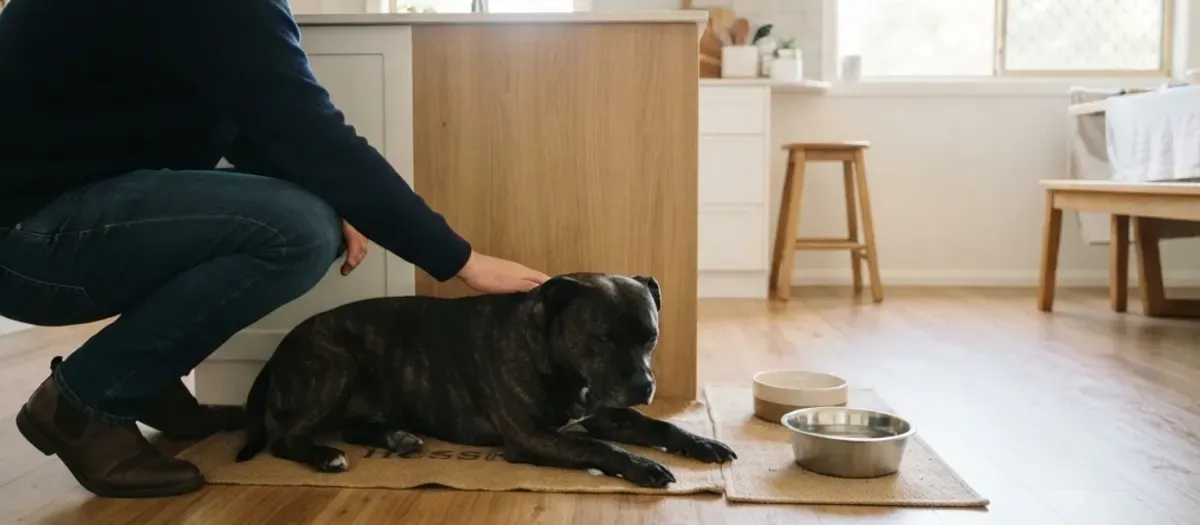
Quick answer: Dog vomiting yellow is usually bile, a digestive fluid that can come up when the stomach has been empty for a while, often early in the morning. One episode in an otherwise bright dog can be watched at home. More than one vomit in 24 hours, or any other signs, means a call to your vet.
Finding yellow puddles on the floor is worrying, but the pattern matters far more than the colour. This guide explains what yellow vomit may mean, how to tell a watch-at-home morning vomit from a vet-now situation, and why puppies need help sooner. If diarrhoea is part of the picture, see our dog diarrhoea guide as well.
Quick picks
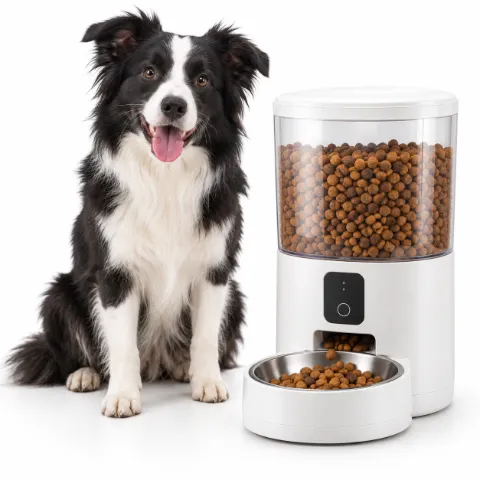
Nityers automatic feeder, 8 L
Schedules up to 6 meals a day, so a late-evening meal can land at the same time
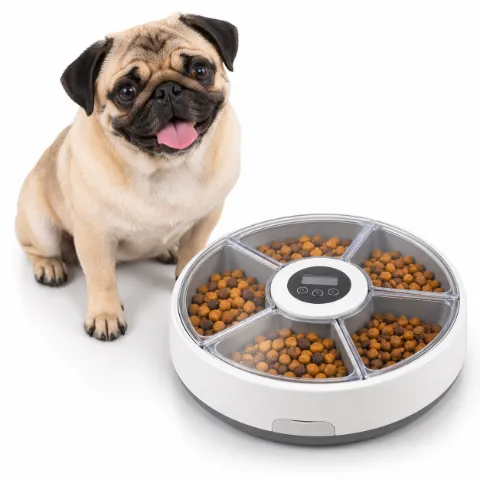
PetSafe 5 Meal Automatic Feeder
Up to 5 timed meals, with 1 cup per compartment
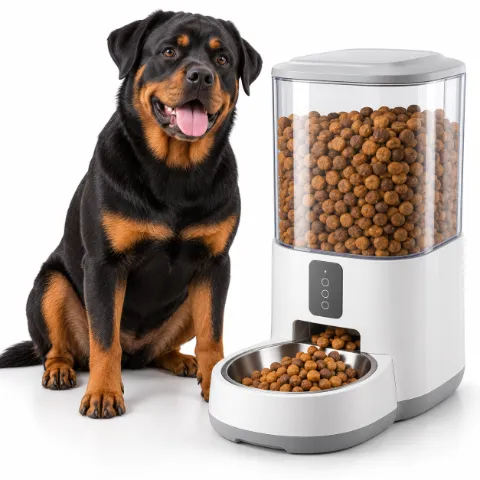
MOLLY&CODY 14 L Automatic Dog Feeder
A 14 L hopper with button programming and battery backup
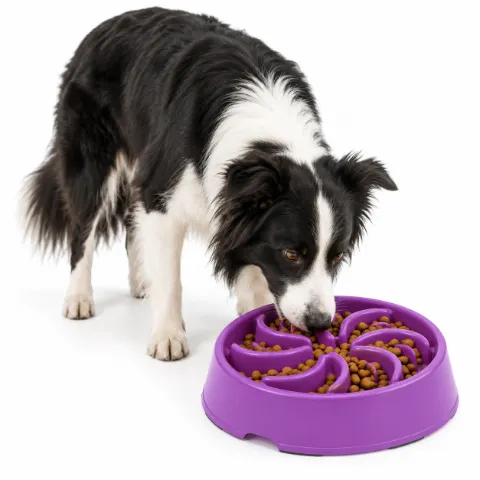
Outward Hound Fun Feeder Slo Bowl
Maze-like ridges, a non-slip base and top rack dishwasher safe
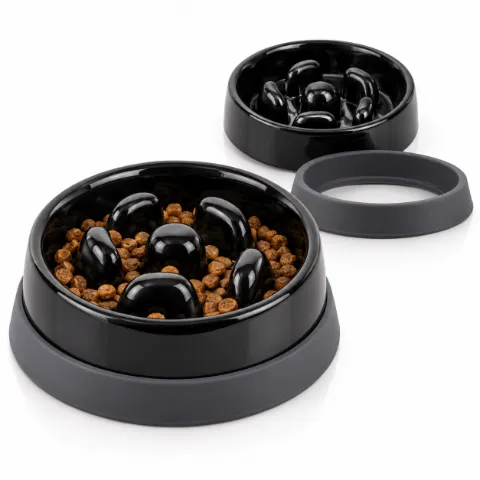
Sted Ceramic Slow Feeder
Food grade ceramic with a removable silicone base, heavy so it stays put
Simple Solution Dog Stain and Odour Remover, 4 L
An enzyme cleaner the listing says is for urine, faeces and vomit on carpet.
PetSafe 5 Meal Automatic Feeder
Up to 5 timed meals with 1 cup per compartment, which suits small dogs and portion control.
MOLLY&CODY 14 L Automatic Dog Feeder
A 14 L hopper with button programming and battery backup, for large breeds on timed meals.
Outward Hound Fun Feeder Slo Bowl
For dogs that gulp, with maze-like ridges and a non-slip base.
Sted Ceramic Slow Feeder
A food grade ceramic slow bowl with a removable silicone base, heavy enough to stay put.
Simple Solution Dog Stain and Odour Remover, 4 L
An enzyme cleaner for carpet accidents, which the listing says is for urine, faeces and vomit.
Pictures are illustrations, not the actual products.
More detail on the first is in Useful gear below. None of these treat vomiting, so ask your vet about meal timing first.
Dog vomiting yellow bile: what does it mean?
Yellow vomit is commonly bile, a fluid made by the liver that helps digest fat. It often turns up when a dog hasn't eaten for a while, such as early morning before breakfast. It can also come from other causes, so a vet should rule those out if it keeps happening (PetMD, updated 25 June 2024, page read 11 November 2026).
PetMD calls the empty-stomach pattern bilious vomiting syndrome and says it is not typically life-threatening, but other causes still need to be ruled out.
Other causes a vet may consider include:
- a tummy upset from eating something unusual, such as table scraps, rubbish, spoiled food or plants (VCA calls this dietary indiscretion)
- intestinal parasites, or a food intolerance
- infections, pancreatitis, a blockage, liver or kidney disease, a toxin, or other serious illness (VCA Animal Hospitals, page read 11 November 2026)
Fatty food can trigger pancreatitis in some dogs (VCA), though PetMD says most cases have no identified cause. Signs can include vomiting, low energy, belly pain, diarrhoea and not eating; see a vet.
What do the colour and type of vomit tell me?
Colour alone can't tell you the cause, and no colour is a reliable sign of one condition. The pattern around it is more useful: how often, how your dog is acting, and what else you can see. This table pulls together what the sources we read say, and it is a guide to the questions to ask, not a diagnosis.
| What you see | What it is more consistent with | Home watch or vet? | Source |
|---|---|---|---|
| Yellow liquid, once, dog bright and eating | Bile on an empty stomach | Home watch. Call your vet if it happens again | PetMD |
| Yellow or white foam, once | Gas, acid and saliva in an empty stomach | Home watch for a few hours. Vet if repeated | AKC |
| Foam after a cough | Can follow coughing, for example kennel cough | Ask your vet, especially if the cough lingers | AKC |
| Chunks of food | May follow a dietary upset, such as scraps or rubbish | Watch closely. Vet if it repeats | VCA |
| Grass or plant matter | May follow eating plants | Vet if repeated or your dog is flat | VCA |
| Red, or like coffee grounds | Blood in the vomit | Vet now | VCA, AKC |
| Retching but nothing comes up, swollen belly | Possible bloat | Emergency vet now | VCA, AKC |
| Yellow, with diarrhoea | More consistent with a tummy upset, but the same signs appear in pancreatitis and poisoning | Call your vet the same day | PetMD, VCA |
Dog vomited once: when is it a vet visit?
If your dog vomits bile once and otherwise acts normally, PetMD says to monitor at home. A vet visit is advised if your dog vomits more than once in 24 hours, shows other signs, or brings up bile regularly over time (PetMD).
Here is a simple way to sort it:
| Your dog | What to do |
|---|---|
| Vomited once, bright, wants to eat and drink, normal poo | Watch at home. The AKC suggests watching for 2 to 3 hours after a first episode (AKC, updated 28 October 2025) |
| Vomited more than once in 24 hours | Call your vet the same day (PetMD) |
| Otherwise well, but vomiting goes on for more than one to two days | See your vet (VCA) |
| Low energy, fever, not eating, belly pain, diarrhoea, signs of dehydration | See a vet immediately (VCA) |
| Blood in the vomit, or a toxin or object may have been swallowed | See a vet immediately (VCA) |
| Puppy, or an unvaccinated dog | Call your vet the same day, even after one vomit (PetMD) |
VCA says many brief episodes in a healthy dog settle within 24 hours, but ongoing vomiting can lead to dehydration. Results vary, so trust your gut: if your dog seems off, ring the clinic.
Why does a vomiting puppy need a vet sooner?
A puppy that vomits yellow bile or white foam needs a vet sooner than an adult dog. PetMD says a puppy that isn't fully vaccinated and vomits bile can be showing parvovirus. Animal Emergency Service says very young dogs can become extremely unwell quickly, which is why vets want to see them sooner. Call your vet the same day rather than waiting.
The AKC explains that foam forms when gas, stomach acid and saliva mix in an empty stomach, that parvovirus mainly affects puppies and unvaccinated dogs, and that foam can also follow coughing, for example kennel cough.
Colour can't tell you if it's parvovirus. Never fast a puppy without asking your vet, and keep water available. Also see our new puppy checklist for vaccination and vet-visit basics.
Can a late-evening meal stop morning bile vomiting?
It can help some dogs. PetMD says feeding a late-evening meal frequently relieves bilious vomiting, and that an automatic feeder can keep the night-time schedule consistent. The key word is "after": ask your vet to rule out other causes first, then talk to them about the timing of meals.
If your dog only vomits bile first thing and is bright and hungry afterwards, mention the pattern to your vet, who may suggest a later last meal or more small meals. VCA also lists feeding one meal a day as a bloat risk factor.
What can I do at home when my dog is vomiting?
Keep it simple: stay with your dog, keep water available, and watch the pattern. PetMD says small amounts of water are fine a few hours after vomiting, and VCA says water should be available. Some vets suggest resting the stomach for a short time; never fast a puppy, an older dog or an unwell dog without asking, and always keep water down (PDSA, VCA).
If your vet advises it, VCA says a bland diet in small, frequent portions can follow, with the normal diet returning gradually over several days. Our dog diarrhoea guide covers bland diet basics. Ask your vet about amounts, because they vary by dog.
Never give human medicines, including antihistamines, paracetamol, ibuprofen or anti-diarrhoea tablets, unless your vet has told you to and given the dose. Many are toxic to dogs (VCA). PetMD says to consult your vet before giving anything for an upset stomach, including a probiotic; our probiotics guide explains the options.
Could it be something my dog ate or swallowed?
Yes, and that is worth checking before anything else. Think back over the last day: bones, corn cobs, socks, toys, rubbish, plants, human food. If your dog may have eaten a toxin, call your vet or the Animal Poisons Helpline (1300 869 738, 24/7) straight away, don't wait for signs, and don't make your dog vomit at home unless a vet tells you to.
A blockage is an emergency. Signs can include repeated vomiting, not eating, a sore or swollen belly, straining or no poo, and low energy (VCA). Time matters, so call now rather than wait. Our can dogs eat corn guide explains why cobs are a particular worry, and our toxic foods list covers the foods to avoid.
What if my dog is retching but nothing comes up?
Treat it as an emergency. Bloat, where the stomach fills with gas and can twist, can cause unproductive retching, heavy drooling, restlessness, a swollen belly and, later, trouble breathing and collapse. VCA calls it immediate and life-threatening, and says large, deep-chested dogs are most at risk, though any dog can be affected (VCA, page read 11 November 2026).
VCA lists eating quickly as a risk factor. If your dog gulps food and brings it straight back up, our slow feeder bowls guide compares bowls that slow mealtime. A slow feeder doesn't treat any cause of vomiting, so tell your vet about the gulping.
Useful gear
Gear can't treat vomiting. Once your vet has ruled out other causes, one tool helps if they suggest a later, steadier meal schedule.
- Nityers automatic feeder, 8 L: the listing says it holds 8 litres, lets you schedule up to 6 meals a day, and sets portions of about 7 g each, from 1 to 50 per meal. It runs on a Type-C adapter or 4 AA batteries (not included), per the listing. It can serve a late-evening meal at the same time each night, which is what PetMD describes. Check our automatic dog feeders guide for how it compares.
Vet clinics and pet shops also sell automatic feeders if you'd rather see one in person.
When to see a vet
Go to a vet straight away if your dog has:
- blood in the vomit, or vomit that looks like coffee grounds
- repeated retching with nothing coming up, a swollen belly, heavy drooling or restlessness (possible bloat, an emergency)
- lethargy, fever, belly pain, diarrhoea, not eating or signs of dehydration
- signs of a blockage: repeated vomiting, not eating, a sore or swollen belly, straining or no poo
Call your vet the same day if your dog has vomited more than once in 24 hours, vomits bile regularly, is a puppy or unvaccinated dog, or has been vomiting for more than one to two days even if otherwise well (PetMD, VCA).
Call your vet or the Animal Poisons Helpline (1300 869 738, 24/7) straight away if your dog may have eaten a toxin or a foreign object. Don't wait for signs, and don't make your dog vomit at home unless a vet tells you to. See our toxic foods list.
Never give human medicines unless your vet has told you to and given the dose. Many are toxic to dogs.
Frequently asked questions
Why is my dog vomiting yellow bile in the morning?
Bile can come up when a dog's stomach has been empty for hours overnight. PetMD calls this bilious vomiting syndrome and says it's not typically life-threatening, but other causes still need ruling out. If it happens regularly, ask your vet about meal timing, including a later evening meal.
Should I withhold food after my dog vomits?
Some vets suggest resting the stomach for a short time, but never fast a puppy, an older dog or an unwell dog without asking, and always keep water down. VCA says food is withheld only briefly until vomiting seems controlled, then bland food follows. Ask your vet what suits your dog.
Why is my puppy vomiting white foam?
White foam forms when gas, stomach acid and saliva mix, often in an empty stomach. The AKC says causes also include kennel cough, bloat and parvovirus. Because puppies can dehydrate fast and parvovirus is a risk if they aren't fully vaccinated, call your vet the same day.
What colour is parvo vomit?
Colour can't tell you. PetMD says a puppy that isn't fully vaccinated and vomits bile can be showing parvovirus, but vomit of any colour in an unvaccinated puppy is a reason to call. Phone your vet the same day, and don't wait to see what colour comes next.
My dog is vomiting yellow bile and not eating, what should I do?
Call your vet. VCA lists loss of appetite alongside vomiting as a reason to seek care immediately, and says vomiting that goes on for more than one to two days needs a vet even in an otherwise well dog. Keep water available, and don't give any medicine without veterinary advice.
Dog vomiting yellow bile and diarrhoea: is it an emergency?
It's more consistent with a tummy upset, but the same signs appear in pancreatitis and poisoning, so call your vet the same day. VCA says diarrhoea with vomiting is a reason to seek care straight away. Keep water available, and see our dog diarrhoea guide.
What does blood or specks of blood in dog vomit mean?
Blood can come from several places in the gut, and you can't tell the cause at home. VCA lists blood in the vomit as a reason to see a vet immediately, and the AKC includes blood or coffee-ground vomit in its emergency signs. Take a photo of the vomit for your vet.
Can I give my dog something at home for vomiting?
Not without asking your vet first. PetMD says to always consult your vet before giving your dog anything to treat an upset stomach, and the AKC says not to give medications unless they've been prescribed. Many human medicines are toxic to dogs, so always call before you reach for the cupboard.
Related guides
- Dog diarrhoea: bland diet, home care and when to see a vet
- Best probiotics for dogs
- Best automatic dog feeders
- Best slow feeder dog bowls
- Can dogs eat corn?
- Frozen KONG recipes and the toxic foods list
- Dog car sickness: signs, fixes and when to see a vet
- Dog guides
Sources
- PetMD, Why Is My Dog Throwing Up Yellow? Is It an Emergency? (reviewed by a veterinarian, updated 25 June 2024; page read 11 November 2026) (https://www.petmd.com/dog/general-health/why-my-dog-throwing-bile)
- VCA Animal Hospitals, Vomiting in Dogs (page read 11 November 2026) (https://vcahospitals.com/know-your-pet/vomiting-in-dogs)
- American Kennel Club, Why Is My Dog Throwing Up White Foam? (updated 28 October 2025; page read 11 November 2026) (https://www.akc.org/expert-advice/health/dog-throwing-up-white-foam/)
- VCA Animal Hospitals, Bloat: Gastric Dilatation and Volvulus in Dogs (page read 11 November 2026) (https://vcahospitals.com/know-your-pet/bloat-gastric-dilatation-and-volvulus-in-dogs)
- VCA Animal Hospitals, Pancreatitis in Dogs, page read 11 November 2026 (https://vcahospitals.com/know-your-pet/pancreatitis-in-dogs)
- VCA Animal Hospitals, Ingestion of Foreign Bodies in Dogs, page read 11 November 2026 (https://vcahospitals.com/know-your-pet/ingestion-of-foreign-bodies-in-dogs)
- Animal Emergency Service, Why does my dog have diarrhoea, page read 11 November 2026 (https://animalemergencyservice.com.au/blog/why-does-my-dog-have-diarrhoea/)
- PDSA, Dog Diarrhoea, page read 11 November 2026 (https://www.pdsa.org.uk/pet-help-and-advice/pet-health-hub/symptoms/diarrhoea-in-dogs)
- Product details from the linked Amazon Australia listing, checked on 11 Nov 2026.
This guide provides general information and isn't a substitute for veterinary advice. If you're concerned about your dog's vomiting, speak with your vet.