Research guide. WhiskerFinds may earn a commission from links, at no extra cost to you.
Quick answer: The best kitten litter for the first weeks is a non-clumping one, such as recycled paper pellets, because young kittens explore by tasting. Our top pick is Breeders Choice recycled paper litter. Once your kitten uses the tray reliably and has stopped tasting the litter, you can move gradually to a clumping litter.
Litter is one of the first things to sort out before a kitten comes home, and it is easy to get wrong because adult cat litter is not always the right match for a baby. This guide compares three litters on Amazon Australia, explains the clumping question, and covers trays, training, switching and flushing. If you're still setting up the house, start with our kitten proofing checklist. If a kitten that was using the tray starts going elsewhere, see our guide on cats peeing outside the litter box.
Quick picks
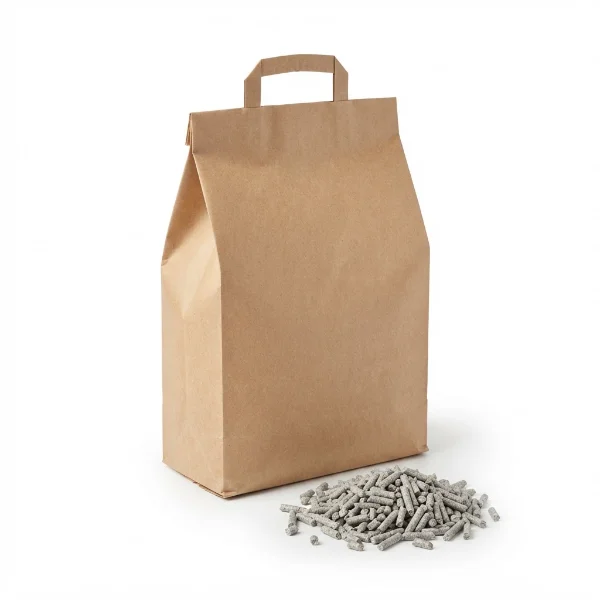
Breeders Choice recycled paper cat litter, 15 L
Non-clumping recycled paper pellets, listed as virtually dust free
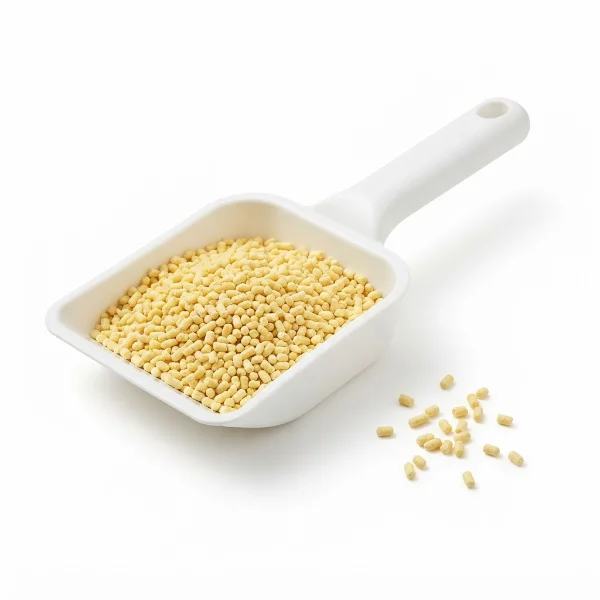
Rufus & Coco Wee Kitty clumping corn litter, 9 kg
Corn-based clumping pellets, listed as unscented
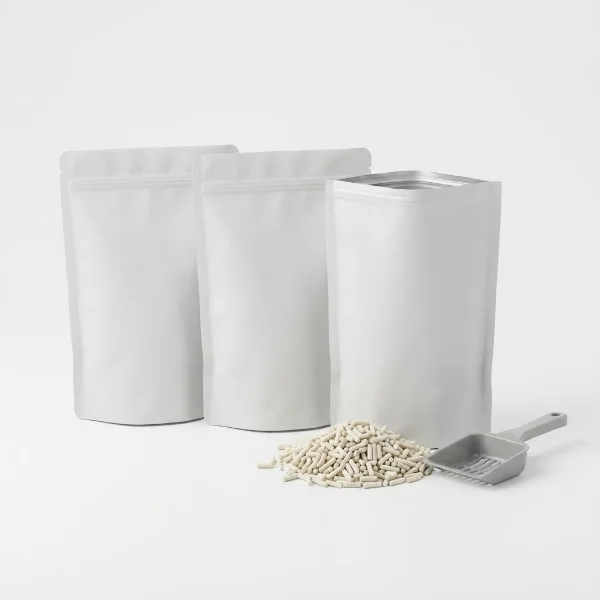
FUKUMARU tofu cat litter, 8.1 kg
Fine 2 mm tofu pellets that clump, listed as 99.9% dust free
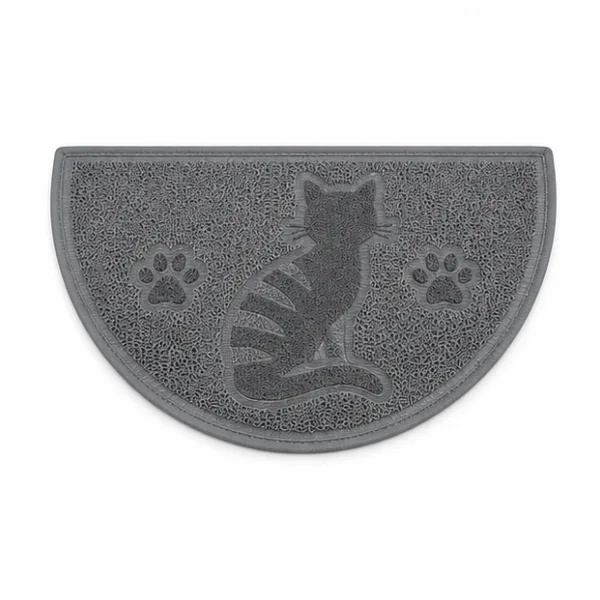
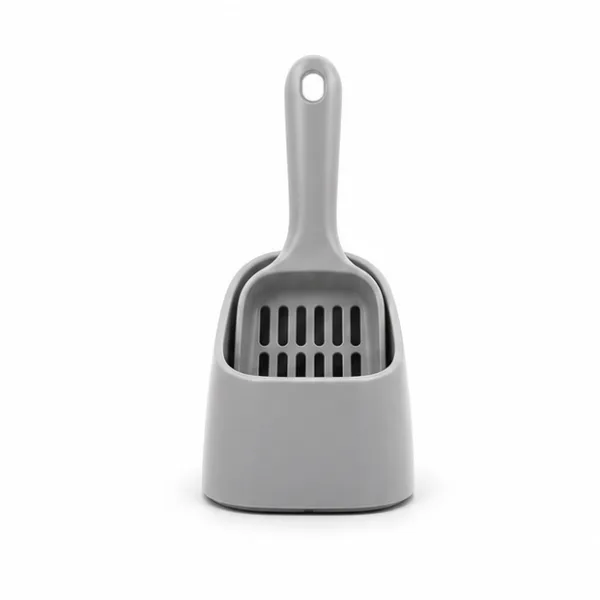
Lukamoo cat litter mat (XL)
Sits outside the tray to catch scattered litter before it travels through the house.
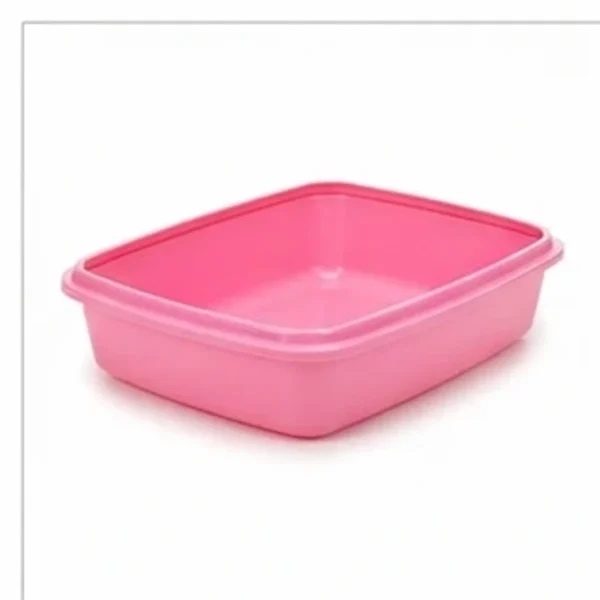
Scream rectangle litter tray
An open rectangular tray, handy as a second tray.
Enzyme stain and odour remover
Helps clean up an accident outside the tray.
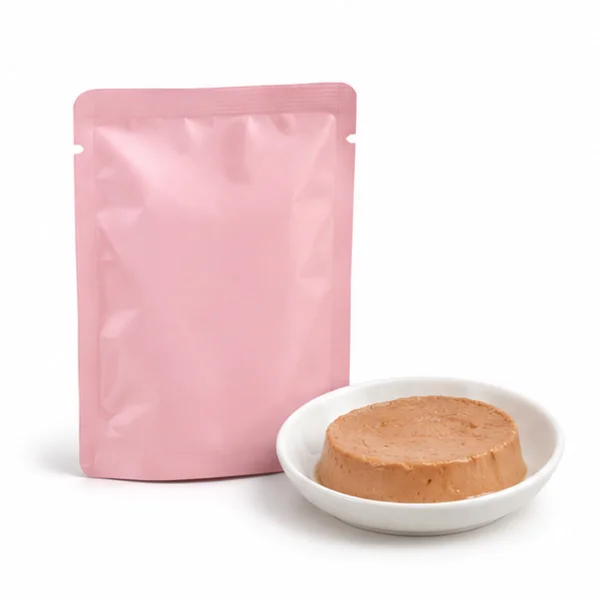
Royal Canin Kitten loaf
A pate-style wet food made for kittens, for once your kitten is eating solids.
Pictures are illustrations, not the actual products.
The first pick is for the early weeks. The other two are clumping litters, so keep them for later, once your kitten has stopped tasting the litter. The next section explains why.
Is clumping litter safe for kittens?
Many vets and shelters suggest a non-clumping litter for very young kittens, because kittens explore by tasting and may swallow clumping litter. There is no strong evidence either way, so this is a sensible precaution rather than a proven rule. Move to clumping litter gradually once your kitten is reliably using the tray and has stopped tasting the litter.
RSPCA Victoria says clumping litter is suited to adult cats only, and lists crystals, clay and recycled paper as non-clumping options (RSPCA Victoria, page read 30 October 2026). Found Animals, a pet charity, says clumping litter can cause intestinal blockages if a kitten eats it and suggests non-clumping litter for kittens under four months, then mixing in clumping litter gradually from about four months (Found Animals, 6 March 2020). That is one organisation's suggestion, and kittens mature at different speeds, so watch your own kitten rather than the calendar.
What matters is behaviour. If your kitten still pats, tastes or nibbles the litter, stay with a non-clumping type. If you see your kitten eating litter, mention it to your vet.
Two other points apply to any litter you choose:
- Unscented only. Choose an unscented litter. RSPCA Australia's knowledgebase advises an unscented litter (RSPCA Australia, updated 30 May 2024). Never add essential oils, and skip perfumed deodorisers and sprays.
- Stick with what works. RSPCA Victoria says not to change the litter type or brand once your kitten likes one, because sudden changes may cause rejection.
What kind of litter tray does a kitten need?
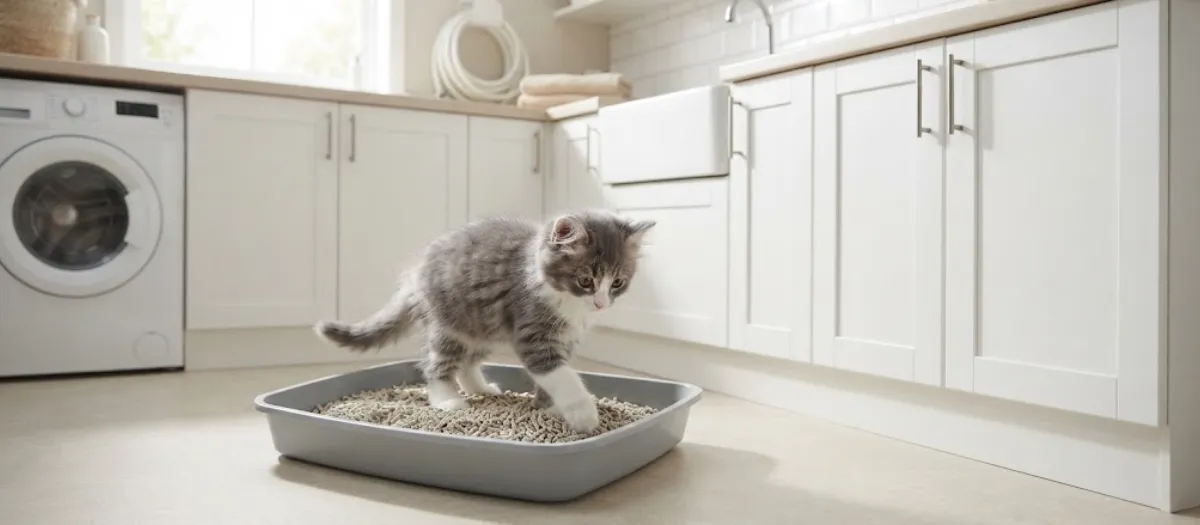
A kitten needs an open tray with a low, easy step in, big enough to turn around in, placed in a quiet spot away from food and water. RSPCA Australia suggests a tray at least 1.5 times the cat's length and says to adjust the box height for kittens.
RSPCA Victoria recommends uncovered trays for kittens because they're easy to get into, and notes that covered trays can be hard for a small kitten (RSPCA Victoria). RSPCA Australia suggests about 3 to 4 cm of litter and a mat or towel under the tray to stop slipping (RSPCA Australia).
In practice, that often means starting with a shallow tray and moving to a larger one as your kitten grows. A tray big enough for an adult cat is fine, as long as your kitten can step in without a struggle. Our cat litter box and tray guide compares open, hooded and top-entry trays for when your kitten grows. Keep it away from noisy appliances and busy walkways. Laundries are common, but washing machines can startle a small kitten.
When your kitten is older, a larger tray, including a stainless steel litter box, is an option. For smell control in warm weather, see our litter box smell guide.
Our picks in detail
1. Breeders Choice recycled paper cat litter, 15 L: best for young kittens
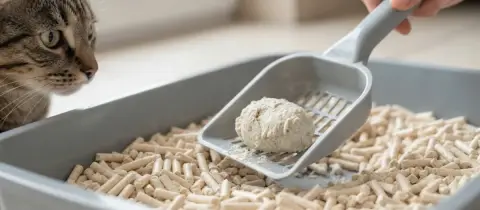
An Australian brand of non-clumping litter made from 99% recycled paper pellets, in a bag of about 8.1 kg (15 L). The listing says it is virtually dust free, with natural odour control, and that it is biodegradable. A non-clumping litter is the kind that many vets and shelters suggest for very young kittens, and recycled paper is one of the types RSPCA Victoria names.
One listing detail to check: the scent field says "Fresh", but the bullet points don't mention any added fragrance. If you want none, check the pack says unscented before you buy. Because it doesn't clump, you'll scoop the solids and tip out the wet pellets more often. For larger bags and other recycled paper litters, see our paper cat litter guide.
- Pros: non-clumping; recycled paper; listed as virtually dust free; Australian brand
- Cons: the scent field says "Fresh" (check the pack); needs more frequent changing than clumping litter; pellets can feel different underfoot from sandy litter
- Best for: young kittens in their first weeks, and any kitten who still tastes the litter
- Skip it if: your kitten is older and already used to a clumping litter
2. Rufus & Coco Wee Kitty clumping corn litter, 9 kg: best plant-based clumping for older kittens
An Australian-brand corn litter in clumping pellets. The scent field says "Unscented". The listing says it clumps, absorbs 5 times its weight, has low tracking, is biodegradable and is free from chemicals or additives.
The listing also says "safe to flush". Please don't flush cat litter or cat poo, even when a pack says so (see the flushing section below). If you use an automatic litter box, check which litter types its maker recommends first.
- Pros: unscented per the listing; plant-based; clumps for easy scooping; Australian brand
- Cons: clumping, so not for very young kittens; pellets rather than fine sand, which some kittens may need time to get used to; the "safe to flush" claim is not advice we follow
- Best for: older kittens who are reliably using the tray and have stopped tasting the litter
- Skip it if: your kitten is still mouthing the litter, or your automatic litter box's maker recommends a different litter type
3. FUKUMARU tofu cat litter, 8.1 kg: best low-dust clumping for older kittens
Plant-based tofu pellets of 2 mm that clump quickly. The listing says it is 99.9% dust free, the title says 100% natural ingredients, and the scent field says "Naturally Fresh Scent" with no added fragrance listed. The listing says it works best in moderate climates and that the brand suggests a different blend for hot, humid conditions, which is worth knowing in a humid part of Australia. We cover tofu litter in more detail in our best tofu cat litter guide.
The listing calls it flushable but says not to flush too much at once. We say don't flush it at all.
- Pros: fine pellets; clumps quickly; listed as 99.9% dust free; plant-based
- Cons: clumping, so not for very young kittens; the listing says it suits moderate climates best; the scent field says "Naturally Fresh Scent", so check the pack if you want no scent at all
- Best for: older kittens, in cooler or drier conditions, who have moved on from tasting litter
- Skip it if: your kitten is young, or you live somewhere hot and humid and can't get the blend the brand suggests for it
Kitten litter compared
Details from each Amazon Australia listing, checked on 30 Oct 2026.
| Litter | Type | Clumping | Scent per listing | Best stage |
|---|---|---|---|---|
| Breeders Choice recycled paper, 15 L | Recycled paper pellets | No | Scent field says "Fresh"; no added fragrance in the bullets | Young kittens |
| Rufus & Coco Wee Kitty, 9 kg | Corn pellets | Yes | Unscented | Older kittens |
| FUKUMARU tofu, 8.1 kg | Tofu pellets, 2 mm | Yes | "Naturally Fresh Scent"; no added fragrance listed | Older kittens |
How we chose
We searched Amazon Australia for kitten-suitable cat litters, then shortlisted ones that met all of these checks:
- Well rated: a strong average rating with plenty of buyer reviews.
- No red flags: no pattern of poor reviews, safety complaints or listing problems.
- Available on Amazon Australia when we checked.
- No added fragrance listed, and no essential oils.
- Low dust per the listing.
- A non-clumping option for young kittens.
These are researched picks, not products we've personally used. We compared the specifications and features shown on each Amazon Australia listing, checked on 30 Oct 2026. We didn't accept payment from any brand, and no brand saw this page before it was published.
Left out this time: scented and lavender litters, crystal (silica) litters, clay litters that didn't pass our red flags check, and any litter that claims to fix toileting problems.
How to litter train a kitten
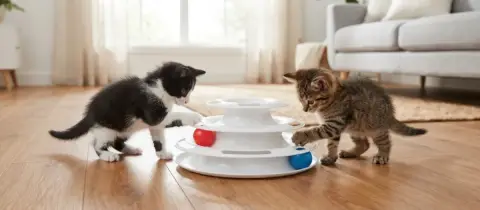
Most kittens learn quickly, often without help. For the first few days, place your kitten in the tray after meals, naps and play, and whenever it starts sniffing or crouching. Praise quietly when it uses the tray, or follow up with a short game using one of the kitten toys you keep for that room. Never punish accidents.
RSPCA Australia says most cats can learn to use a tray from an early age, and suggests placing the kitten in the tray within about 30 minutes of feeding and encouraging it to dig (RSPCA Australia). RSPCA Victoria suggests keeping the kitten in a small area with the tray at first, taking it to the tray after meals, sleeps and play, and only opening up the house once it is relaxed, eating well and reliably using the tray (RSPCA Victoria).
A simple routine:
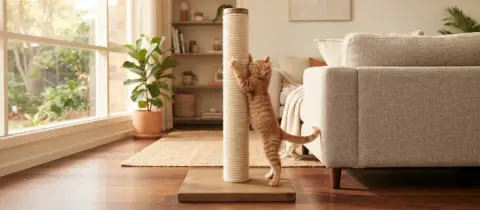
- Set up one room (a bathroom or laundry works well) with the tray, food, water, bed and a scratcher, with the tray well away from the food and water. Our kitten scratching post guide covers what to put in there.
- Place your kitten in the tray after each meal, nap and play session.
- If your kitten starts to toilet elsewhere, calmly pick it up and put it in the tray.
- Scoop waste daily and keep the tray clean. Cat Protection Society of NSW advises against perfumed cleaning products on the tray, because the smell can linger in the plastic and put a cat off (Cat Protection Society of NSW).
- Open up more of the house gradually, with another tray in each area.
Accidents are normal. Don't rub your kitten's nose in it, scold it or drag it to the tray. RSPCA Victoria says this teaches fear of you rather than where to toilet, and RSPCA Australia says punishment can make a cat anxious about toileting. Clean accidents with an enzyme-based cleaner. RSPCA Victoria suggests an enzyme-based product to remove the smell, and the Cat Protection Society of NSW says to use an enzyme odour neutraliser and not bleach-based products, because bleach attracts the cat back to the same spot. The Society also notes that cat urine is high in ammonia, so skip ammonia-based cleaners as well.
If a kitten that was using the tray stops, or still isn't getting it after a few days, RSPCA Australia advises seeing a vet to rule out medical causes. Our guide to cats peeing outside the litter box covers the next steps.
When and how to switch litter
Switch slowly, once your kitten is reliably using the tray and has stopped tasting the litter. Mix a little new litter into the old, then add more over several weeks, keeping the old tray available. If your kitten starts going elsewhere, go back a step.
Found Animals suggests starting the move to clumping litter at about four months by mixing a small amount into the non-clumping litter and increasing it gradually over several weeks, and warns that an abrupt switch may make a kitten reject the litter (Found Animals). Your kitten's own habits matter more than its age, so there is no fixed date.
A gentle way to do it:
- Put the new litter in a second tray beside the old one first, and see which your kitten uses.
- Then mix a small amount of the new litter into the old, and increase it a little at a time.
- Leave one tray of the old litter out until you're sure the change is working.
- Don't rush if your kitten is stressed, unwell or has just moved house.
How many litter trays does a kitten need?
A common guideline is one tray per cat plus one extra, in different places. For one kitten, that means two trays. In a multi-cat home, spread the trays around the house so no cat has to pass another to reach one.
RSPCA Australia advises at least two trays in separate spots, and one per cat plus one extra in multi-cat homes (RSPCA Australia). RSPCA Victoria gives the same formula and says that for a single kitten that is two trays (RSPCA Victoria). Kittens can be overwhelmed by large spaces, so keep trays easy to see. If you're planning to bring a second cat home, see our guide to introducing a kitten to an older cat.
Can you flush kitten litter?
No. Don't flush cat litter or cat poo, even if the packet says "flushable". Cat poo can carry Toxoplasma, which can harm people and wildlife in waterways, and litter can block pipes and septic systems. Put used litter in a bag in the bin instead.
Dr Ian Wright of Western Sydney University notes that cat poo can carry Toxoplasma, asked five large Australian water authorities and reported that most said pet waste should not go down the toilet, and says bentonite clay litter can swell and block pipes (Western Sydney University, 8 June 2021). He advises putting cat litter and cat poo in the rubbish bin.
That is why we don't follow the "safe to flush" and "flushable" wording on some listings, including the Rufus & Coco and FUKUMARU pages above. For more on tofu litter, see our tofu cat litter guide. Wash your hands after scooping.
When to get help
See a vet promptly if your kitten stops eating, is very sleepy or weak, vomits repeatedly, has diarrhoea for more than a day, or strains in the tray. Very young kittens can go downhill fast.
A cat straining to pee with little or nothing coming out is an emergency. The University of Illinois veterinary college calls a urinary blockage a true emergency. Go to a vet or after-hours emergency vet straight away.
Suspected poisoning (lilies, medicines, chemicals) is an emergency: call your vet or after-hours emergency vet straight away.
If your kitten has eaten litter, or keeps eating litter, talk to your vet.
Frequently asked questions
What happens if a kitten eats clumping litter?
Clumping litter is designed to swell and stick together, so Found Animals warns that a kitten that swallows it can end up with an intestinal blockage. A nibble isn't always a problem, but if your kitten eats litter or seems unwell afterwards, call your vet. Stay with a non-clumping litter while your kitten still tastes the tray.
When can kittens use clumping litter?
There is no fixed date. Found Animals suggests starting a gradual mix at about four months, while RSPCA Victoria says only that clumping litter is suited to adult cats. Watch your kitten: if it still tastes or nibbles the litter, wait. Mix the clumping litter in slowly over several weeks.
What is the best litter for a kitten?
For young kittens, a non-clumping, unscented litter such as recycled paper pellets is a sensible start. Our top pick is the Breeders Choice paper litter. For older kittens who have stopped tasting the litter, plant-based clumping litters such as corn or tofu are good options. The best one is the one your kitten uses reliably.
Is paper litter good for kittens?
Recycled paper pellets are a non-clumping option RSPCA Victoria names for kittens. They suit young kittens who explore by tasting, though they need changing often. Check the pack says unscented if you want no fragrance. See our pick in detail.
My kitten won't use the litter tray. What should I check?
Check the basics first: an open tray with low sides, placed away from food in a quiet spot, with unscented litter and daily scooping. Kittens can be overwhelmed by a big house, so keep them near the tray at first. If the problem continues, RSPCA Australia advises a vet check. Our training section has the routine.
How often should I change kitten litter?
Scoop waste daily, as RSPCA Australia advises, and empty and wash the tray regularly with an unperfumed cleaner. Non-clumping paper pellets need changing more often than clumping litter, which you can scoop in clumps. Follow the pack, and change sooner if the tray smells. See our litter box smell guide. Our how often to change cat litter guide has the routine by litter type.
Can kittens use scented litter?
We'd avoid it. Choose unscented litter, as RSPCA Australia advises, and never use essential oils, perfumed deodorisers or sprays around the tray. Cat Protection Society of NSW notes that perfumed cleaning products can leave a smell in the plastic that puts cats off the tray.
Related guides
- How often to change cat litter
- Best paper cat litter
- Best cat litter by type
- Kitten proofing your home: a room-by-room checklist
- Best kitten scratching post
- Best kitten toys for teething and play
- How to introduce a kitten to an older cat
- Best tofu cat litter
- Litter box smell: how to fix it
- Best stainless steel litter box
- Cat peeing outside the litter box
Sources
- RSPCA Australia knowledgebase, How do I encourage my cat to use a litter tray?, updated 30 May 2024 (https://kb.rspca.org.au/knowledge-base/how-do-i-encourage-my-cat-to-use-a-litter-tray/), read 30 October 2026
- RSPCA Victoria, Learning to use kitty litter (https://rspcavic.org/learn/learning-to-use-kitty-litter/), read 30 October 2026 (no update date shown)
- Cat Protection Society of NSW, Factsheet: litter training (https://catprotection.org.au/cat-care-factsheets/factsheet-litter-training/), read 30 October 2026 (no update date shown)
- Found Animals, Best litter for kittens, 6 March 2020 (https://www.foundanimals.org/news/best-litter-for-kittens), read 30 October 2026
- Western Sydney University (Dr Ian Wright), Can I flush cat poo down the toilet?, 8 June 2021 (https://www.westernsydney.edu.au/news-centre/stories/2021/opinion-ive-always-wondered-can-i-flush-cat-poo-down-the-toilet), read 30 October 2026
- University of Illinois College of Veterinary Medicine, Blocked cats: an emergency for male cats, 10 July 2025 (https://vetmed.illinois.edu/pet-health-columns/blocked-cats-an-emergency-for-male-cats/), read 30 October 2026
- Product details from each linked Amazon Australia listing, checked on 30 Oct 2026.
This guide provides general information and isn't a substitute for veterinary advice. If you're concerned about your kitten's toileting, speak with your vet.