Quick answer: Litter box smell usually comes from waste left sitting or a box that has soaked up urine. Scoop at least twice a day, wash the box weekly with mild detergent and use unscented litter. Skip perfumes and essential oils. Our top pick is the suzzipaws stainless steel box.
Most smell problems come down to a short list of habits, and they are easy to fix once you know which one applies. This guide covers why the smell builds up, a simple scooping and washing routine, litter and box choices, where to put the box, what to avoid around cats and when a change in smell is worth a vet visit. If your cat has started going outside the box, start with our guide on why cats pee outside the litter box.
Quick picks
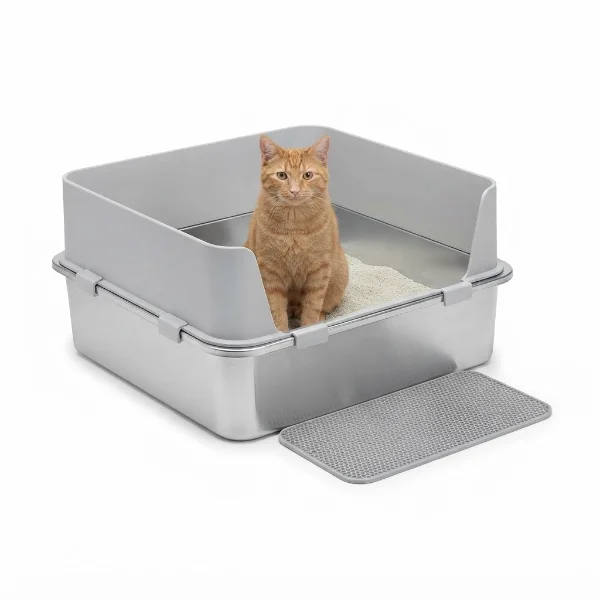
suzzipaws XL Stainless Steel Litter Box
Stainless tray with high clip-on sides
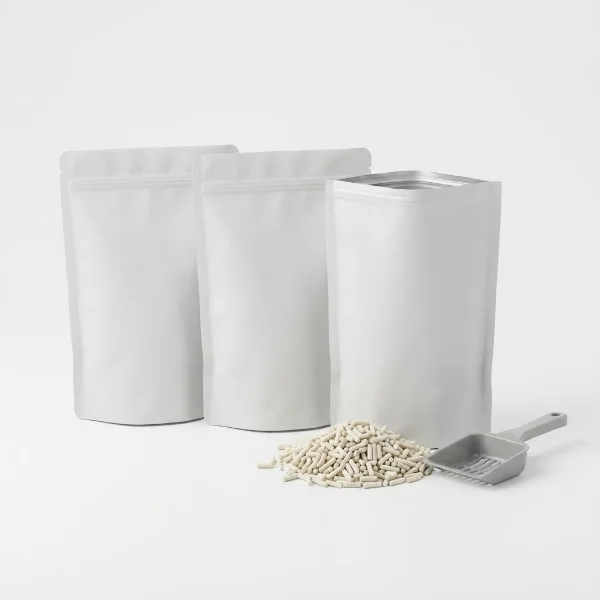
FUKUMARU Tofu Cat Litter, unscented, 8.1 kg
Plant-based and unscented, in three 2.7 kg packs
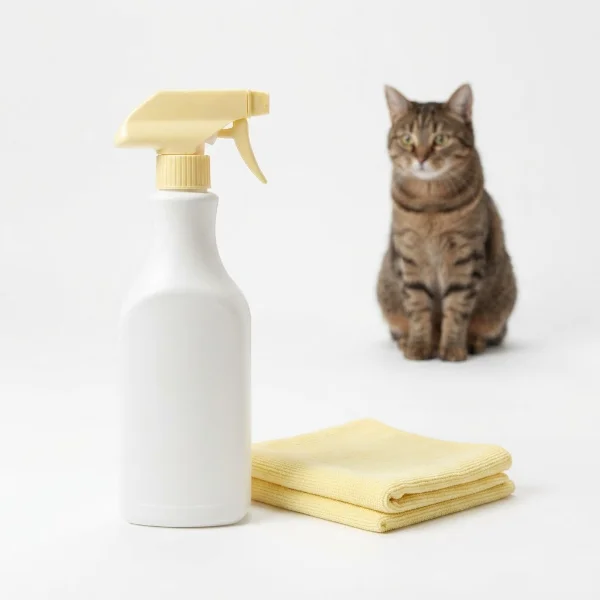
Nature's Miracle Advanced Cat Stain and Odour Eliminator, 946 ml
Enzymatic cleaner for urine and vomit; has a lemon fragrance
Pictures are illustrations, not the actual products.
The stainless box suits cats that are happy with an open tray, and the litter and cleaner work with any box. If you would rather have a machine do the scooping, see our best automatic litter box guide. Products help a routine, they do not replace one.
Why does my litter box smell so bad?
Smell builds up when urine and faeces sit in the box, when litter is not changed or topped up often enough, or when the box itself has soaked up odour. Heat and humidity make it stronger. Too few boxes, or a box that is too small, can also make a mess that is hard to keep on top of.
Cats are usually fussier than we are. International Cat Care (page updated 26 September 2025) advises removing solids and clumps at least twice a day, topping up with fresh litter daily and cleaning the whole tray at least weekly (International Cat Care). Here are the usual causes:
- Waste left too long. Urine soaks down into the litter and the box. Once it has soaked in, scooping alone may not be enough.
- Not enough boxes. The RSPCA Australia knowledgebase (30 May 2024) says each cat should have at least two trays in separate places, and in a multi-cat home one tray per cat plus one extra (RSPCA Australia knowledgebase).
- A small box. The same page says a large open tray, at least 1.5 times your cat's length, is the guide. A cramped box tends to get soiled around the edges. Our litter boxes for large cats guide has a chart by cat length.
- Old, scratched plastic. Scratches can be hard to clean, so odour may linger even after a wash. If a plastic box still smells after a thorough wash, replacing it may be easier than scrubbing.
- Warm, closed-up rooms. In a hot Australian summer, a laundry or bathroom with no airflow will hold smell. Keep the room ventilated.
- Diet or health. A sudden, much stronger smell can be a health clue (see the section on health below).
How often should you clean a litter box?
Scoop solids and clumps at least twice a day, top up litter daily and wash the whole box at least weekly. International Cat Care gives these figures. The RSPCA Australia knowledgebase says waste should come out daily and the tray be emptied and cleaned regularly, so twice daily is the stronger target.
For the weekly wash, International Cat Care suggests mild detergent and hot water, or a disinfectant recommended for trays, rinsed thoroughly (International Cat Care). It warns against disinfectants that turn cloudy in water, because these usually contain phenols, which are toxic to cats. It also says not to use polythene liners, as they can catch in claws. If you still want one, our litter tray liner guide covers drawstring liners and the cats who claw through them.
A simple routine looks like this:
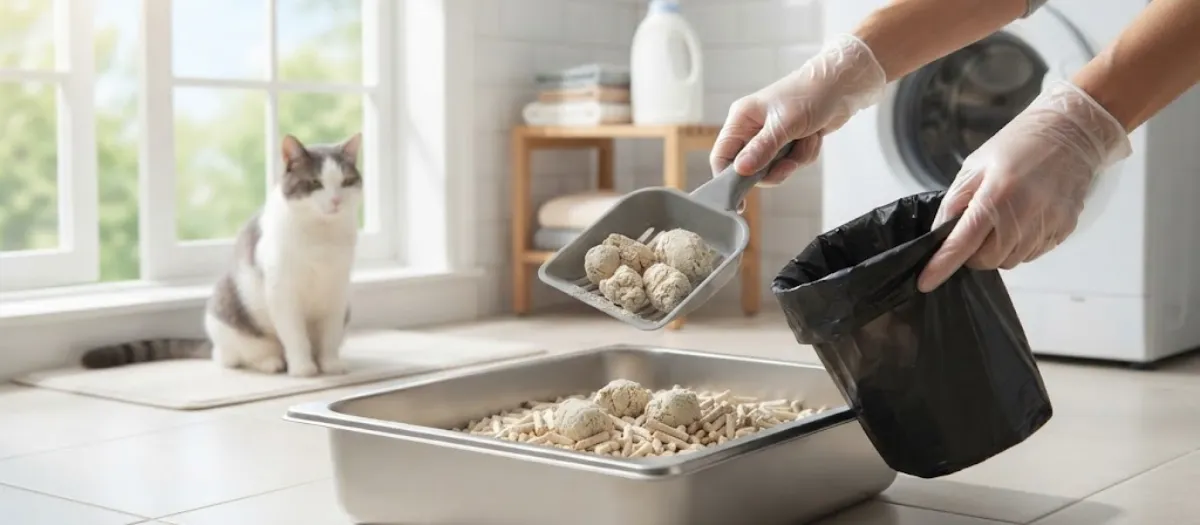
- Morning and evening: scoop clumps and poo into a bag and bin it. A good litter scoop makes this quicker, and a litter disposal bin is an optional extra.
- Daily: top up the litter to a steady depth. The RSPCA suggests about 3 to 4 cm of unscented litter.
- Weekly: empty the box, wash it with mild detergent and hot water, rinse well, dry it and refill.
- Every few months: look at the box. If it is scratched, stained or still smells after a wash, replace it.
Don't flush cat litter or cat poo, even if the packet says "flushable". Cat faeces can carry Toxoplasma, which standard wastewater treatment doesn't remove, and the New Zealand Department of Conservation links it to deaths of dolphins and other marine mammals (NZ Department of Conservation). Western Sydney University's Dr Ian Wright says the five Australian water authorities he asked all advised against flushing litter, which can swell and block pipes, including the ones inside your home (Western Sydney University, 8 June 2021). It can clog a septic system too. Bag it, bin it, and check your council's rules. For a full-change schedule by litter type, see how often to change cat litter.
Which litter is best for smell?
Most cats prefer unscented litter, and a fine, clumping litter is a common choice for adult cats because it makes daily scooping easier. Scented litter can put cats off the box, so it may cause more problems than it solves. If your cat is happy with its litter, avoid switching suddenly.
The RSPCA Australia knowledgebase suggests unscented litter, and International Cat Care warns that scented litters, deodorants and strongly scented disinfectants may put a scent-sensitive cat off the tray. RSPCA Victoria says clumping litter is for adult cats only, not kittens, and that sudden changes of type or brand can lead to rejection (RSPCA Victoria). If you want to change, mix the new litter in gradually or put a second box beside the old one and watch which your cat chooses.
Tofu litter is made from plant fibre and many types are unscented, so it suits cats that prefer a soft, fine texture. Check the label for the word "unscented", because the same brand often sells scented versions. The FUKUMARU listing says it is quick clumping and 99.9% dust free, which are the maker's claims. It also says it works best in moderate climates and suggests a different blend for hot, humid conditions, so keep humidity in mind in a steamy laundry. We cover this in our tofu cat litter guide. If dust is your worry rather than smell, see low-dust cat litter.
Even with the right litter, a clumping litter only helps if you scoop. Fine litter cannot make up for waste left in the box for days. Our clumping cat litter guide and crystal cat litter guide compare the two main choices.
Do covered litter boxes stop smell?
Not reliably. A lid keeps odour in the box, which means it also keeps it in front of your cat's nose, and a covered box tends to need more frequent cleaning. Some cats like the privacy, but many do not, especially larger or older cats that need room to turn and an easy step in. If you'd rather hide the tray than cover it, our litter box enclosure guide covers furniture that keeps airflow and access in mind. Our cat litter box and tray guide compares open, hooded and top-entry trays by size.
RSPCA Victoria says covered trays give privacy and suit timid cats, but they need more frequent changing, may be hard for kittens and older cats to enter and may not suit larger cats that need room to turn around, dig and scratch (RSPCA Victoria). If you use a lid, check the smell inside it every day, because you are less likely to notice it from across the room.
If you try one, keep a normal open tray nearby until you know your cat accepts it. For cats that are older or stiff, an open box with a low entry is usually easier, and our best litter box for senior cats guide covers those.
Where should you put the litter box?
Put it in a quiet, private, easy-to-reach spot, away from food and water, and try not to move it around. In a small home that can be hard, so use a spot with some airflow, such as a laundry with a window or a quiet stretch of hallway that is not a thoroughfare.
The RSPCA Australia knowledgebase recommends a quiet, private, accessible spot away from food and water, and says trays should not be moved often. RSPCA Victoria adds that corners and spots under low objects are poor choices because the cat's way in and out can be obstructed, and that trays should be away from appliances that might startle a cat (RSPCA Victoria). A few extras for small flats and warm weather:
- Not next to the kitchen or where you eat. It is better for you and your cat.
- Ventilate. Open a window or use a fan in the room if it is safe for your cat to be there.
- Spread boxes out. With two boxes, put them in different places, not side by side, so they count as separate options.
- Keep it cool in summer. Heat speeds up smell, so avoid a spot in direct afternoon sun. Our keep your cat cool in summer guide has more on hot weather.
- Pick a surface that wipes clean. A mat under the box catches litter tracked on paws, as the RSPCA suggests.
What not to use around cats
Skip essential oils, perfumes, scented crystals, plug-in fresheners and strong-smelling cleaners near the box. Cats have a strong sense of smell, and scents can put them off the box. Avoid ammonia-based cleaners on urine, because they smell like urine and may encourage cats to go there again.
International Cat Care advises avoiding ammonia-based products for this reason, and says scented litters, deodorants and strongly scented disinfectants may put a scent-sensitive cat off the tray (International Cat Care). RSPCA Victoria says scents from room deodorisers and air fresheners may deter some cats. We also do not recommend essential oils in any form around cats, whether in litter, sprays, diffusers or cleaners. Our pet odour eliminator guide lists which sprays print their ingredients and which contain essential oils.
What to do instead:
- For accidents, use an enzyme-based cleaner made for cat urine and faeces. International Cat Care recommends this for soiled areas, and RSPCA Victoria also recommends an enzyme-based cleaner to remove odour. Our best enzyme cleaner for cat urine guide compares options in more depth.
- Blot first, then clean, rinse and let it dry. Keep your cat away until the area is dry and the room is aired.
- Do not punish your cat or rub their nose in a mess. It does not help and can make things worse.
- For the box itself, use mild detergent and hot water, and rinse well.
When can litter box smell mean a health problem?
A sudden change in smell, such as much stronger urine, or smelly or loose poo, can be a sign something is wrong, especially alongside other changes. It can have many causes, and only a vet can tell. If it lasts more than a day or two, or your cat seems unwell, book a check.
Look at the whole pattern, not the smell alone. International Cat Care says urinary tract disease or diarrhoea can cause soiling, and that diabetes and hyperthyroidism can also cause house soiling, while painful joints can make the tray hard to reach (International Cat Care). Things worth noting for your vet:
- much stronger or different smelling urine, or clumps that are bigger or more frequent
- loose, very smelly or bloody poo, or poo that has changed for more than a day or two
- straining, going to the box often or crying in the box
- going outside the box
- drinking much more than usual, or losing weight
A cat that drinks more can have more urine and bigger clumps, which is one reason to see your vet. Our cat water fountain guide covers water intake. For the full list of possible causes of toileting outside the box, see our litter box hub.
Smell fixes compared
Details from each Amazon Australia listing, checked on 30 Oct 2026.
| Product | Type | Helps with |
|---|---|---|
| suzzipaws XL Stainless Steel Litter Box | Open stainless box, high sides | Easy wash, no plastic scratches |
| FUKUMARU Tofu Cat Litter, unscented | Plant-based, clumping litter | An unscented option |
| Nature's Miracle Stain and Odour Eliminator | Enzymatic cleaner | Accidents and spills |
How we chose
We searched Amazon Australia for litter boxes, litters and cleaners that fit a smell routine, then shortlisted products that met all of these checks:
- Well rated: a strong average rating with plenty of buyer reviews.
- No red flags: no pattern of poor reviews, safety complaints or listing problems.
- Available on Amazon Australia when we checked.
- No essential oils listed: the litter is unscented, and we left out anything that lists essential oils or perfume as a selling point.
These are researched picks, not products we've personally tested. We compared the specifications and features shown on each Amazon Australia listing, checked on 30 Oct 2026. We didn't accept payment from any brand, and no brand saw this page before it was published.
Left out this time: scented litters, deodoriser crystals and sprays, products that list essential oils or perfume, and covered boxes that did not state a cat size.
Products that help
1. suzzipaws XL Stainless Steel Litter Box: best easy-wash box
A stainless steel tray with a plastic surround that clips on to make high sides. The listing says it holds up to 37 L of litter, suits large cats and cats that pee from a standing position, and has an overlapping seam. It includes a footboard, scoop and wall-mount holder. It measures about 60 x 40.6 x 30.5 cm. Stainless steel does not scratch the way plastic can, but it is not a cure for smell. You still need to scoop and wash. Our stainless steel litter box guide compares more options.
- Pros: stainless tray that washes easily; high sides; large size; scoop included
- Cons: open top, so no lid; the plastic surround still needs a wash; a big box takes floor space
- Best for: large cats, and owners who want a box that is easy to wash
- Skip it if: your cat is a tiny kitten or a stiff senior that needs a low entry, or your cat insists on a covered box
2. FUKUMARU Tofu Cat Litter, unscented, 8.1 kg: best unscented litter to try
Plant-based tofu litter in three 2.7 kg packs, with "unscented" in the title. The listing says it clumps quickly, works best in moderate climates and suggests a different blend for hot, humid conditions, so keep it sealed and dry. Ignore its flushable claim. Our tofu cat litter guide compares it with two other unscented tofu litters.
- Pros: unscented; plant-based; clumping; three packs to get started
- Cons: the listing suggests it suits moderate climates, so hot and humid homes may find it less suitable; not every cat likes the texture; do not flush it
- Best for: owners who want an unscented, fine litter that can be scooped
- Skip it if: your cat is happy with its current litter, or you live somewhere very hot and humid and have no way to keep the litter dry
3. Nature's Miracle Advanced Cat Stain and Odour Eliminator, 946 ml: best for accidents and spills
An enzymatic cleaner for urine, diarrhoea, vomit and blood on multiple surfaces. The listing says it removes odour so cats are less likely to go there again. It has a Sunny Lemon fragrance, and a retailer ingredient list we saw names "fragrance" without essential oils, but we could not confirm the full ingredients. Use it on accidents, not in the box.
- Pros: enzyme-based, made for cat mess; works on several surfaces
- Cons: has a lemon fragrance, and we could not confirm every ingredient; not for use in the litter; a cleaner does not fix why the accident happened
- Best for: accidents on floors, bedding and fabric; patch test first, keep your cat away until dry and air the room
- Skip it if: your cat is sensitive to scented products, or you cannot confirm the ingredients are safe for your home
When to get help
A male cat straining to pee with little or nothing coming out is an emergency. Go to a vet straight away. The University of Illinois veterinary college says a blocked male cat is a true emergency, because a blocked bladder can affect the kidneys and heart (University of Illinois). International Cat Care also says a cat trying and failing to pass urine must be seen immediately.
Book a vet check if the smell of urine or poo changes suddenly, your cat toilets outside the box, or you see changes in drinking, peeing or poo. International Cat Care says regular soiling needs a vet exam to rule out medical causes.
Frequently asked questions
How do I stop my cat litter smelling?
Scoop at least twice a day, wash the box weekly with mild detergent and hot water, and use unscented litter. Give the box enough room and airflow, and replace old, scratched plastic. Avoid perfumes and essential oils, which can put your cat off. See the routine above.
Why does my cat's poop smell so bad?
Strong-smelling poo can have many causes, from a food change to a gut upset, and only a vet can tell which. One smelly day is rarely a worry, but smell with loose poo, blood, weight loss or low energy is worth a vet visit. Mention any change in diet.
How do I get rid of litter box smell in an apartment?
Keep the box in a spot with airflow, scoop twice a day, tie waste in a bag and use a lidded bin and wash the box weekly. A second box in a different spot can help the mess stay manageable. Our unscented litter deodoriser guide covers what helps between cleans. Avoid air fresheners and scented products, which cats can dislike.
What is the best litter for smell?
There is no single best litter. Most cats prefer unscented litter, and a fine clumping litter is easy to scoop in adult cats. Scooping often matters more than the brand. Our tofu litter guide covers one unscented option, and your cat's preference counts most.
Can I use essential oils or air fresheners near the litter box?
No. We don't recommend essential oils around cats in any form, and scented sprays, plug-ins and crystals can put a cat off the box. International Cat Care advises avoiding scented litters, deodorants and strongly scented disinfectants. Ventilation and regular scooping are safer ways to cut smell.
How often should I change all the litter?
For clumping litter, scoop daily or twice daily and top up, then empty and wash the box at least weekly, as International Cat Care advises. Non-clumping litter needs changing more often, every couple of days. See the cleaning section above for a simple routine.
Is it okay to flush cat litter?
No, even if the packet says flushable. Cat poo can carry Toxoplasma, which can harm wildlife in waterways, and litter can block pipes and septic systems. Bag it and put it in the rubbish bin, and check your council's rules. See the cleaning section above for the sources.
Related guides
- How often to change cat litter
- Pet odour eliminators
- Best clumping cat litter
- Crystal cat litter
- Best paper cat litter
- Low-dust cat litter
- Best enzyme cleaner for cat urine
- Why is my cat peeing outside the litter box?
- Best automatic litter box
- Best stainless steel litter box
- Tofu cat litter: pros, cons, which to buy
- Best litter box for senior cats
- Best cat water fountains
- How to keep your cat cool in summer
- All our cat guides
Sources
- International Cat Care, Soiling indoors, updated 26 September 2025 (https://icatcare.org/articles/soiling-indoors)
- RSPCA Australia knowledgebase, How do I encourage my cat to use a litter tray?, 30 May 2024 (https://kb.rspca.org.au/knowledge-base/how-do-i-encourage-my-cat-to-use-a-litter-tray/)
- RSPCA Victoria, Learning to use kitty litter (https://rspcavic.org/learn/learning-to-use-kitty-litter/)
- Western Sydney University (Dr Ian Wright, The Conversation), Can I flush cat poo down the toilet?, 8 June 2021 (https://www.westernsydney.edu.au/news-centre/stories/2021/opinion-ive-always-wondered-can-i-flush-cat-poo-down-the-toilet)
- New Zealand Department of Conservation, Toxoplasmosis and dolphins (https://doc.govt.nz/toxoplasmosis-dolphins)
- University of Illinois College of Veterinary Medicine, Blocked cats: an emergency for male cats (https://vetmed.illinois.edu/pet-health-columns/blocked-cats-an-emergency-for-male-cats/)
- Product details from each linked Amazon Australia listing, checked on 30 Oct 2026.
This guide provides general information and isn't a substitute for veterinary advice. If you're concerned about your cat's litter habits or health, speak with your vet.