Research guide. WhiskerFinds may earn a commission from links, at no extra cost to you.
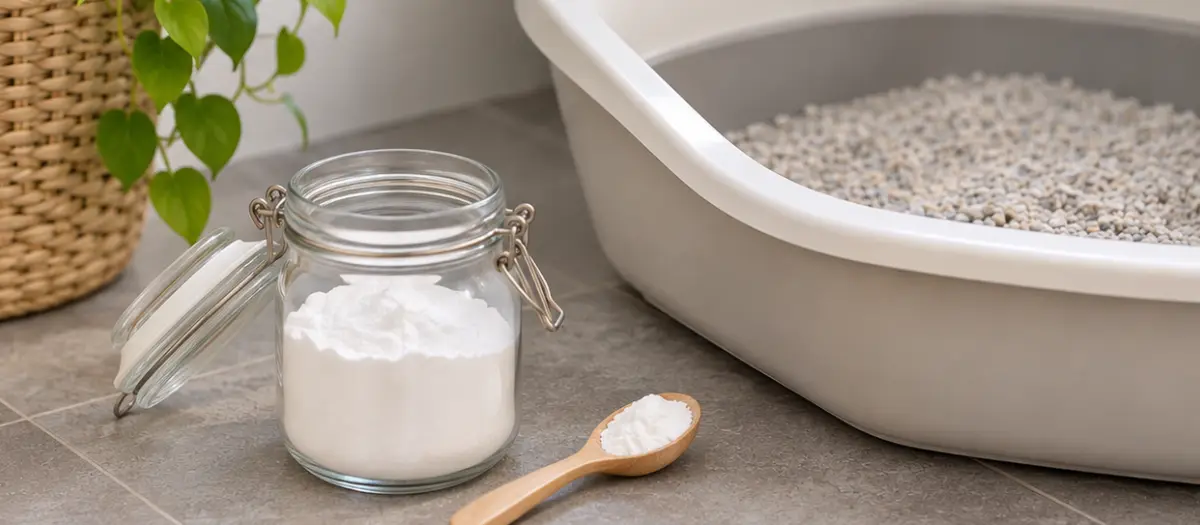
Quick answer: A cat litter deodoriser can take the edge off smell between cleans, but it can't replace scooping. Start with an unscented one, because International Cat Care warns that scented products can put a scent-sensitive cat off the tray. Our top pick is plain bicarb soda, used in a thin layer.
A deodoriser works best on top of a good routine, not instead of one. This guide compares four products on Amazon Australia. For the causes of a smelly box and the cleaning routine that fixes it, start with our litter box smell guide. For the box itself, see our best cat litter box guide, and for tidy waste handling, our Litter Genie guide.
Quick picks
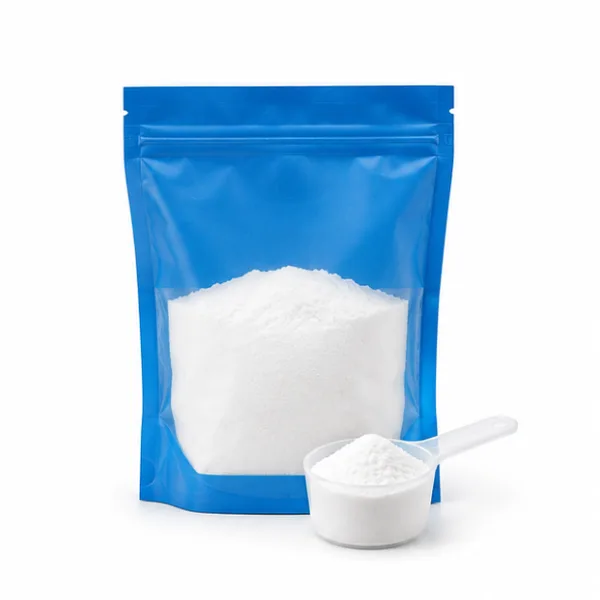
Edlyn Bi-Carb Soda, 2 kg
Plain bicarbonate of soda in a 2 kg bag, no added scent
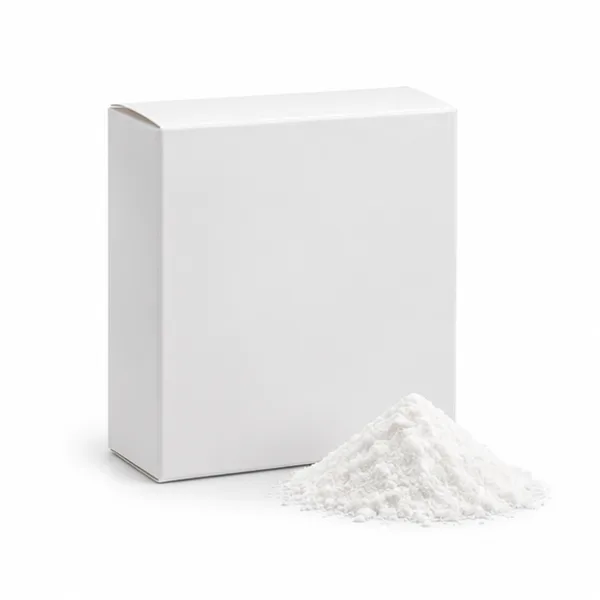
Arm & Hammer Baking Soda, 6.12 kg
The same idea in a much larger bag, for many refreshes
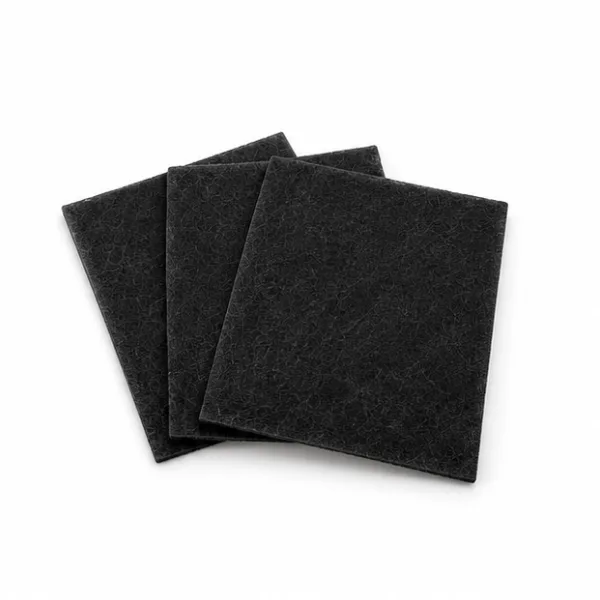
HMF Activated Carbon Filter, pack of 10
Cut-to-size carbon mats for boxes with a filter slot
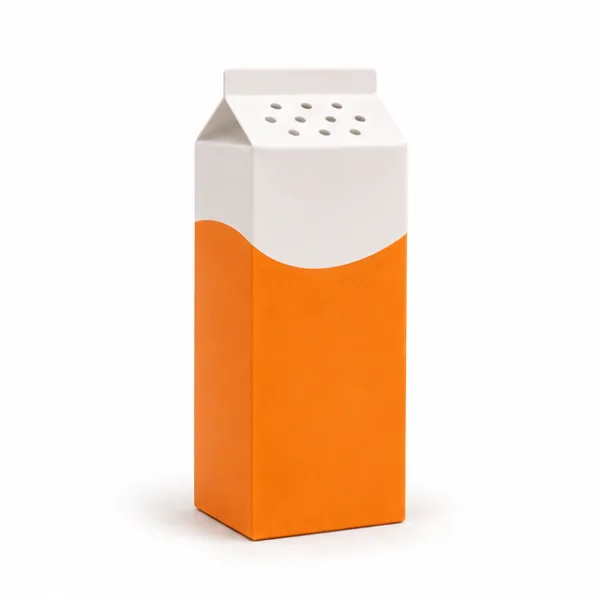
Arm & Hammer Cat Litter Deodorizer Double Duty, 6 pack
A baking soda powder made for litter, but cedar scented
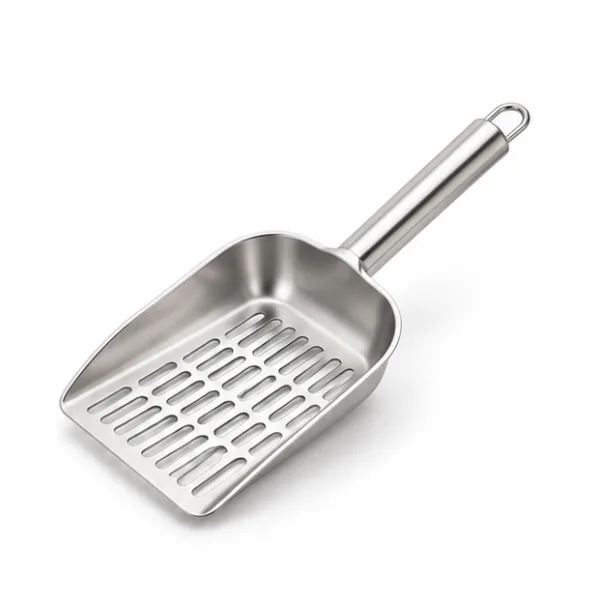
Stainless steel litter scoop
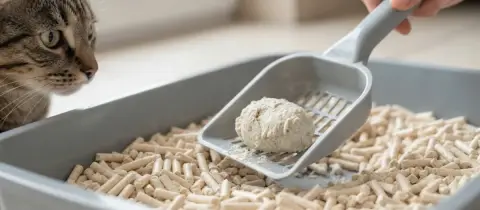
Scooping often does more for smell than any additive.
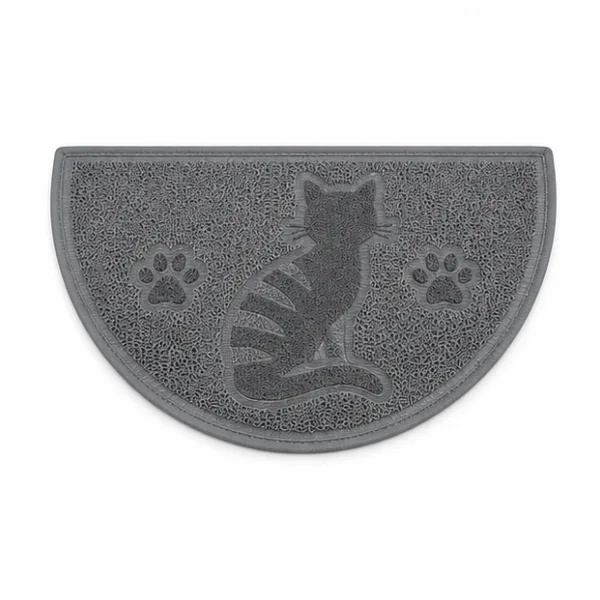
Litter mat
A mat catches litter that leaves the tray, so the area around it stays fresher.
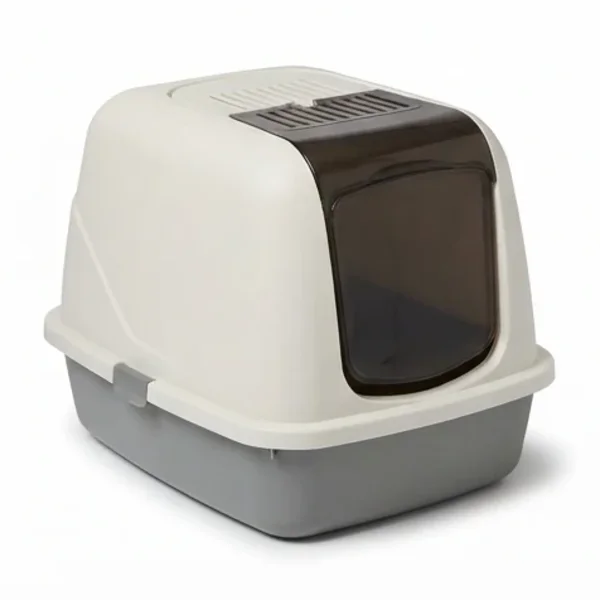
Hooded litter box
A roomy box that's easy to wash is the base of a fresh-smelling station.
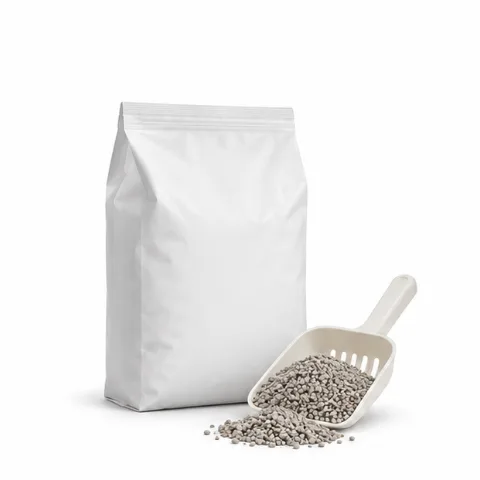
Clumping cat litter
Good clumping makes daily scooping quicker, which does the most for smell.
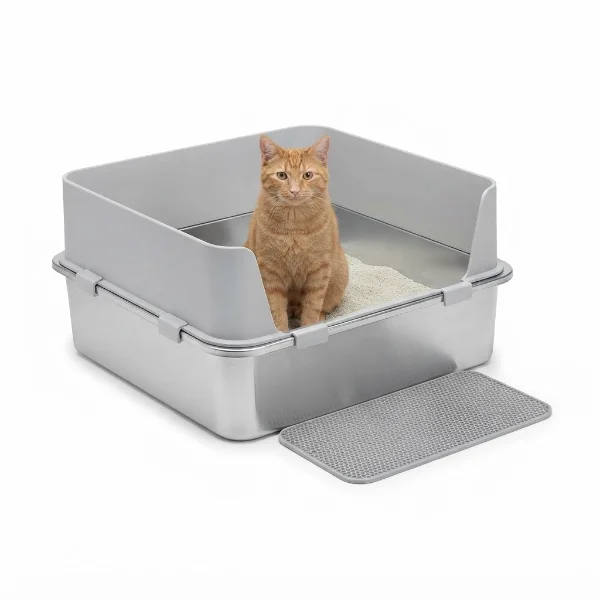
Stainless steel litter box
The surface is smooth, which can make washing easier.
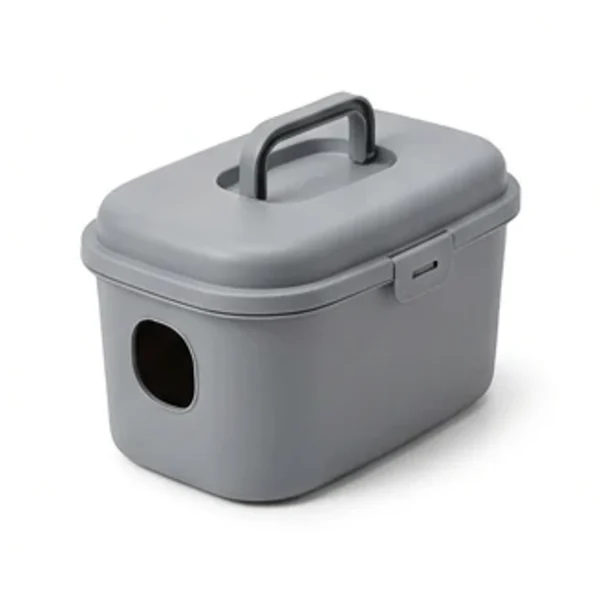
Portable travel litter box
A spare tray for trips, so a second box is always handy.
Pictures are illustrations, not the actual products.
The first three have no added scent. The fourth is scented, so read its "skip it if" line before you buy.
Do cat litter deodorisers work?
They can help a little. A deodoriser such as bicarb soda or activated carbon absorbs or neutralises some of the smell between cleans, but it doesn't remove the cause. Urine and faeces left in the tray keep smelling. Think of it as a finishing touch after scooping, not a fix.
The brand claims you will see are worth treating with care. The Arm & Hammer Double Duty listing says internal lab results show lower odour than litter alone, and that control lasts up to 9 days. Those are the brand's claims, and your cat, litter and tray size will change what you notice. Scooping at least daily, and washing the tray with mild detergent, does more than any powder. RSPCA Australia's knowledgebase (updated 30 May 2024) says to remove faeces and urine daily.
If the smell is strong even when the tray is clean, the cause is usually something else, so see the next sections and our litter box smell guide.
Is baking soda safe in a cat litter box?
A thin layer of plain baking soda is widely used in litter boxes, but we found no vet body that has published guidance on it; Arm & Hammer, which sells it, says it is safe as a litter deodoriser when used as directed. The cautions are about amount and dust: don't let a cat eat it, and keep the layer light. Check with your vet if your cat has breathing problems.
We couldn't find a vet body that gives a safe amount in spoons, so we don't give one. Arm & Hammer's own page (read 2 November 2026) describes covering the bottom of the pan before adding litter, or sprinkling a little on top after a thorough clean. It also says not to let cats or dogs eat straight baking soda, and to call your vet if you think your cat swallowed some. Signs it lists include vomiting and diarrhoea. Keep the bag closed and out of paws.
Bicarb soda from the baking aisle isn't made for litter. The Edlyn listing describes it for baking cakes and muffins and says nothing about cats. A thin layer still works as a deodoriser, but stop and call your vet if your cat reacts.
Our picks in detail
1. Edlyn Bi-Carb Soda, 2 kg: best overall (unscented)
Plain bicarbonate of soda in a 2 kg bag, with no scent listed. The listing describes it for baking and says it's an Australian product, so it isn't made for litter. As a deodoriser, use it sparingly: a thin layer under or mixed into the litter, then keep the bag closed and out of your cat's reach. The listing gives no litter instructions, so the amount is up to you and your vet.
- Pros: no added scent; simple; a 2 kg bag lasts a good while; easy to find an alternative if you run out
- Cons: not made for litter, so there are no cat directions; dust if you use too much
- Best for: cat owners who want an unscented option and a light touch
- Skip it if: you want a product with its own litter directions, or your cat has breathing problems and your vet advises against powders
2. Arm & Hammer Baking Soda, 6.12 kg: best big pack (unscented)
The same plain baking soda idea in a much larger bag. The listing says it's for baking, cleaning and deodorising, and calls it free of harsh chemicals. It lists a 6.12 kg size. The brand field in the listing details shows a different name, so check the pack when it arrives. It isn't made for cat litter.
- Pros: unscented; large pack for regular refreshes; also useful around the house
- Cons: it's a lot of powder to store, and the listing's brand details look inconsistent; not made for litter
- Best for: homes that go through a lot of deodoriser, or have several trays
- Skip it if: you want to try a deodoriser just once, or have limited storage
3. HMF Activated Carbon Filter, pack of 10: best for filtered hooded boxes
Ten square carbon mats, each 125 x 125 x 5 mm. The listing says they suit compost bins and cat litter boxes with a filter insert, and that you can cut them to size. It also says they aren't washable and should be replaced every two to three months. They don't go in the litter, so they suit a hooded box with a filter slot. Some cats dislike hooded boxes, so offer an open one too and watch your cat.
- Pros: no scent; cut to fit; ten mats supply a long time at the listed replacement schedule
- Cons: needs a box with a filter slot; made for compost bins as well as litter trays; not washable
- Best for: owners of a filtered hooded box
- Skip it if: you use an open tray, or your cat avoids covered boxes. Our cat litter box guide compares hooded boxes, including one with a filter.
4. Arm & Hammer Cat Litter Deodorizer Double Duty, 6 pack: best made-for-litter powder (scented)
A baking soda powder made for cat litter. The listing says it works with scented, unscented, clay, scoopable and natural litters, and that you sprinkle it into the box. The scent is listed as cedar. The listing says it is safe for daily use when used as directed, which is the brand's claim. The pack size is a little unclear: the title says 30 oz, 6 pack, while the details list 180 g and 5.1 kg, so check what arrives.
Scented products can put a scent-sensitive cat off the tray (International Cat Care), so this is a try-with-care pick.
- Pros: made for litter, with directions; works with different litter types, per the listing; six packs
- Cons: it's scented (cedar), and some cats avoid scented boxes; the listing's pack sizes don't match each other
- Best for: a cat that is already comfortable with scented litter
- Skip it if: your cat is sensitive to smells or has ever avoided the box
Scented or unscented litter deodoriser?
Unscented, first. International Cat Care (updated 26 September 2025) says scented litters, deodorants and strong disinfectants can put a scent-sensitive cat off using the tray. RSPCA Australia also recommends starting with unscented litter. A cat that avoids the tray gives you a much bigger problem than a mild smell.
Your nose and your cat's nose are very different. A perfume that smells pleasant to you may be strong to a cat. If you do try a scented powder, change one thing at a time, watch whether your cat still uses the box, and stop if they hesitate or go elsewhere. Keep a second, plain tray available. We left out essential oil and lavender litter products, because we don't recommend essential oils in any form around cats.
A cat that suddenly stops using the tray, or strains or passes small amounts, should see a vet (see the box below and our cat peeing outside the litter box guide).
What can I put in cat litter for the smell?
The simple options are a thin layer of plain bicarb soda, an activated carbon filter in a box that has a filter slot, and a better routine. Switching to a litter that clumps well, and scooping more often, usually matters more than any additive.
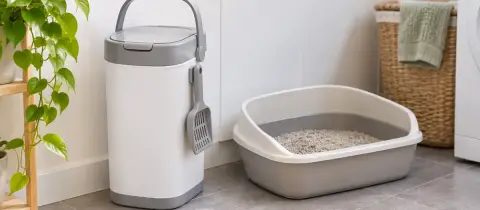
Activated carbon works differently from bicarb soda: it sits in a filter and absorbs smell from air passing through. It isn't mixed into litter. A bin or a sealed disposal pail also reduces the smell of the waste once it's scooped. Our Litter Genie guide covers that, and our stainless steel litter box guide covers trays that don't hold on to odour as much as scratched plastic. A mat at the door catches loose litter, which is covered in our litter mat guide, and a good scoop (see our litter scoop guide) makes daily cleaning quicker.
How do I use a cat litter deodoriser?
Follow the pack. In general, scoop first, then either put a thin layer of powder on the bottom of the clean tray before the litter, or sprinkle a light dusting over the litter. Keep litter depth at about 3 to 4 cm, as RSPCA Australia recommends, and don't pile powder on top. For how often to do a full litter change, see how often to change cat litter.
Ways to keep it sensible:
- Scoop at least daily, then add a very light sprinkle if you want one.
- Don't let the cat use the box while powder dust is in the air. Let it settle first.
- Carbon filters aren't poured in. Cut the mat to fit the filter slot, per the HMF listing, and replace it on the maker's schedule.
- Keep every deodoriser out of reach of cats and kittens when it's not in the tray.
- Watch your cat for a few days. Stop if they avoid the box, sneeze, or seem bothered.
Results vary, so give any change a fair go before judging it, but don't keep using a product your cat dislikes.
Cat litter deodorisers compared
Details from each Amazon Australia listing, checked on 2 Nov 2026.
| Product | Type | Scent | Pack | Use |
|---|---|---|---|---|
| Edlyn Bi-Carb Soda | Powder | None listed | 2 kg bag | Baking; used as a thin layer |
| Arm & Hammer Baking Soda | Powder | None listed | 6.12 kg bag | Baking, cleaning, deodorising |
| HMF Activated Carbon Filter | Carbon mat | None listed | 10 mats, 125 x 125 x 5 mm | Cut to fit a filter slot |
| Arm & Hammer Double Duty | Powder | Cedar | 6 pack | Sprinkled into the litter |
How we chose
We searched Amazon Australia for cat litter deodorisers, then shortlisted products that met all of these checks:
- Well rated: a strong average rating with plenty of buyer reviews.
- No red flags: no pattern of poor reviews, safety complaints or listing problems.
- Available on Amazon Australia when we checked.
- Scented or unscented: the listing makes clear whether the product has a scent, and unscented options come first.
- Type: powder or filter, so you can match it to your box.
- How to use: the listing, or a named source, explains how it's used.
These are researched picks, not products we've personally used. We compared the specifications and features shown on each Amazon Australia listing, checked on 2 Nov 2026. We didn't accept payment from any brand, and no brand saw this page before it was published.
Left out this time: essential oil and lavender litter products (we don't recommend essential oils in any form around cats), plug-in fresheners and ozone gadgets.
When to see a vet
A change in smell or toileting can be a health sign. A sudden stronger smell, a cat that avoids the tray, or one that goes outside it, can be more consistent with a medical problem than a litter problem. International Cat Care advises contacting your vet if soiling indoors becomes regular. See our cat peeing outside the litter box guide.
Go to a vet urgently if your cat is trying to pass urine but can't, or passes just small amounts.
Call your vet if your cat swallows deodoriser powder, or starts vomiting, has diarrhoea, or has trouble breathing after you add one.
Frequently asked questions
Will a deodoriser fix a smelly litter box on its own?
They can lessen smell between cleans, but they don't remove the cause. Urine and faeces still smell if they stay in the tray. Scoop daily and wash the tray regularly, then treat a deodoriser as an extra. Brand claims about days of control are the brand's own, so results will vary.
Is it safe to sprinkle baking soda in a cat litter box?
A thin layer is widely used, and Arm & Hammer, which sells it, says baking soda is safe as a litter deodoriser when used as directed, though we found no vet body guidance. Don't let your cat eat it, keep dust down, and call your vet if your cat swallows some or has trouble breathing. We found no vet-body amount, so keep to a thin layer.
What is the safest thing to put in cat litter for smell?
Plain bicarb soda in a thin layer is the simplest option. An activated carbon filter helps in a box with a filter slot. The bigger fixes are daily scooping, a good clumping litter and washing the tray weekly with mild detergent, which does more than any powder.
Is scented litter deodoriser bad for cats?
Unscented first. International Cat Care says scented litters, deodorants and strong disinfectants can put a scent-sensitive cat off the tray. If you try a scented powder, change one thing at a time and watch whether your cat keeps using the box. Stop if they avoid it.
How much litter deodoriser should I use?
Follow the directions on the pack. Usually you scoop first, then put a thin layer of powder on the bottom of the tray or a light dusting on top, with litter about 3 to 4 cm deep. Keep powder out of your cat's reach, and let dust settle before they use the box.
Why does my cat's litter smell so bad?
Often it's tray size, litter type, how often you scoop or where the tray sits. Our litter box smell guide walks through each. A sudden change in smell, or a cat that avoids the tray, can be a health sign, so talk to your vet.
Are activated carbon filters safe for cats?
The HMF listing says the carbon mats are for filter inserts and can be cut to size. They sit in the box's filter slot, not in the litter, so your cat shouldn't be handling them. Check that the filter is fixed in place, and replace it on the maker's schedule.
Related guides
- Pet odour eliminators
- How often to change cat litter
- Best cat litter box
- Low-dust cat litter: unscented picks
- Best cat litter mat
- Best cat litter scoop
- Best Litter Genie and litter bins
- How to stop litter box smell
- Cat peeing outside the litter box
- Best litter box enclosure
Sources
- International Cat Care: Soiling indoors (updated 26 September 2025)
- RSPCA Australia knowledgebase: How do I encourage my cat to use a litter tray? (updated 30 May 2024)
- Arm & Hammer: Baking soda and pets (brand page, read 2 November 2026)
- Product details from each linked Amazon Australia listing, checked on 2 Nov 2026.
This guide provides general information and isn't a substitute for veterinary advice. If you're concerned about your cat's toileting or breathing, speak with your vet.