Research guide. WhiskerFinds may earn a commission from links, at no extra cost to you.
Quick answer: The best cat litter for most homes is a clumping clay litter, because it forms firm lumps that are easy to scoop. Our top pick is SANICAT clumping litter. Tofu, pine and crystal suit particular needs, and the best litter is always the one your cat uses reliably.
Litter comes in five main types, and the right one depends on your cat, your home and how much dust or scent you can live with. This guide compares five litters on Amazon Australia, one from each main type, and explains how to switch without upsetting your cat. For deeper dives, see our tofu cat litter guide and our kitten litter guide. For recycled paper pellets, see our paper cat litter guide.
Quick picks
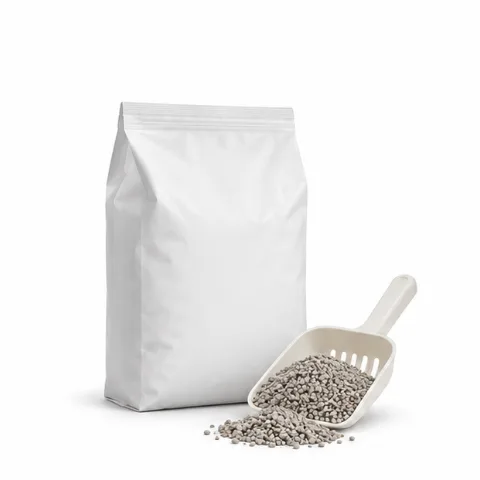
SANICAT Clumping Cat Litter, 10 L
Coarse bentonite clumping litter, listed as dust free, with a Marseille soap scent
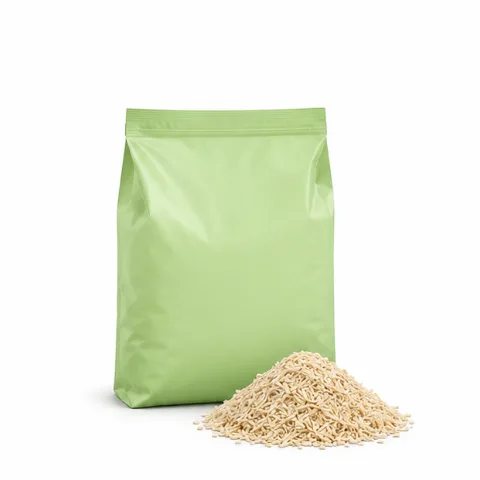
almo nature plant-based cat litter, 2.27 kg
Shredded plant-based litter, unscented, listed as lightweight
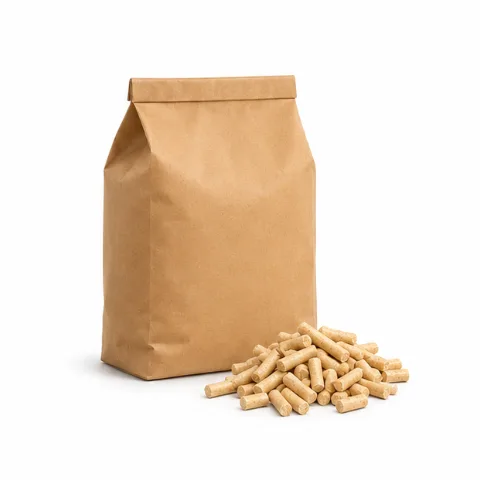
Feline First Pine Wood Kitty Litter, 5 kg
Pine wood granules with a natural scent and a low-dust claim
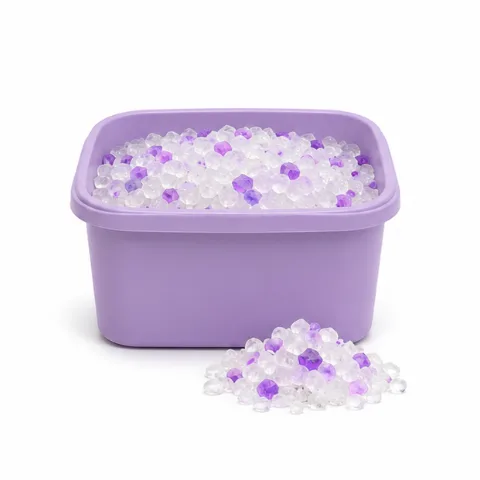
Arquivet Silica Crystal Cat Litter, 3.8 L
Silica crystals in a 3.8 L bag, lavender scented
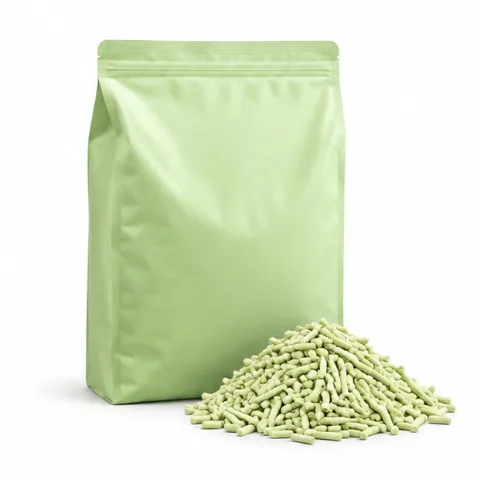
Kungfu Cat Super Premium Tofu Cat Litter, 6.5 kg
Fine 1.5 mm granules, listed as fast clumping, green tea scent
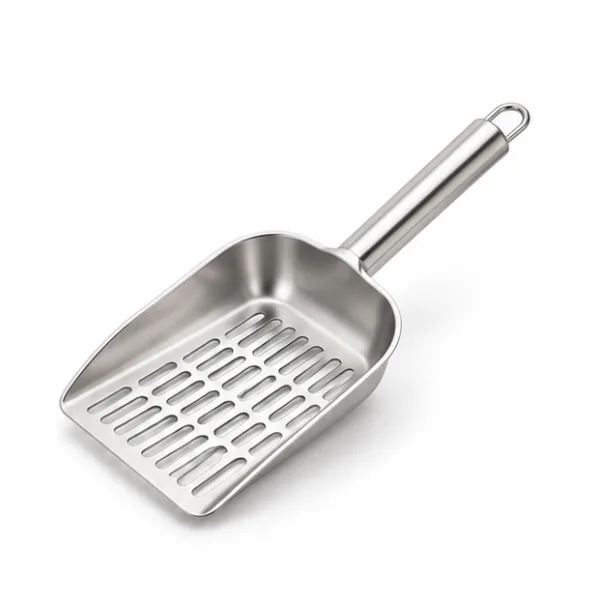
Fine stainless steel litter scoop
The right scoop makes daily clean-ups easier, whatever litter you use.
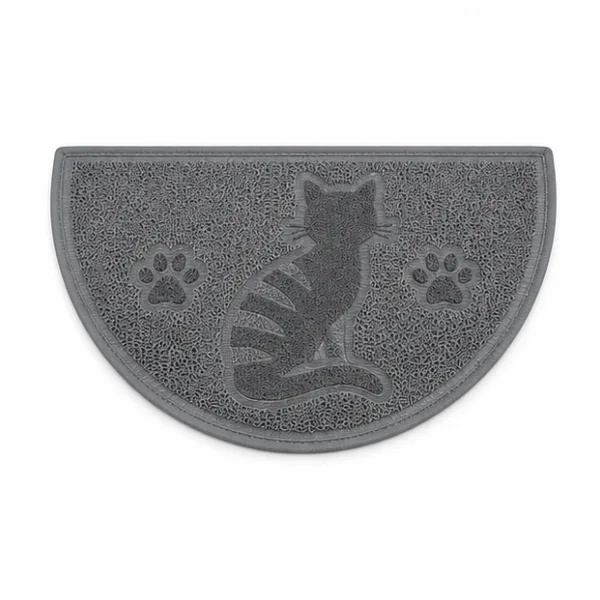
Lukamoo XL litter mat
A mat catches stray grains from your cat's paws, which is handy when you're trying a new litter.
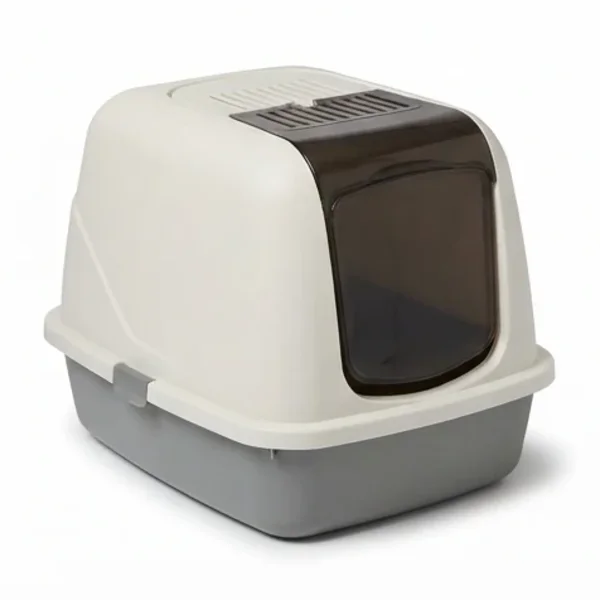
Amazon Basics hooded litter box
A litter is only as good as the tray it sits in, and a hooded box is one option for keeping scatter down.
Nature's Miracle cat stain and odour eliminator
An enzyme cleaner for any accidents while your cat adjusts to a new litter.
Arm & Hammer cat litter deodorizer
A sprinkle-on extra for the tray between changes, though it doesn't replace daily scooping.
Neakasa M1 Plus automatic litter box
For owners who want the scooping done for them, as long as the litter you choose suits the box.
Pictures are illustrations, not the actual products.
Three of the five picks carry a scent, and some cats avoid scented litter, so the unscented almo nature and the natural-scent pine are the gentler starting points if your cat is fussy. Pet shops, supermarkets and vets also sell litter, so you can buy a small bag locally to trial a type first.
Which type of cat litter is best?
No single type wins for every cat. Clumping clay is the easiest to scoop, tofu and pine are plant-based and lighter, paper is a soft non-clumping choice, and crystal absorbs a lot but feels different underfoot. Choose by your cat's habits first, then by dust, scent and weight.
International Cat Care (page read 6 November 2026) says cats usually like a fine, sand-like texture and unscented litter, and that pellets can be uncomfortable to stand on, especially for cats with arthritis (International Cat Care). PetMD (published 30 March 2023) also notes cats tend to prefer an unscented, medium-fine clumping litter, and suggests low-dust litter for cats with allergies or asthma (PetMD). That tells us what many cats like, not what yours will accept, so watch your own cat.
| Type | Odour | Dust | Tracking | Kittens | Automatic boxes |
|---|---|---|---|---|---|
| Clumping clay | Scoop lumps to keep smell down | Varies; our pick is listed as dust free | Coarse grains may travel on paws | Not for very young kittens (see below) | Check the box's manual |
| Tofu | Plant-based, scent varies | Listings say low | Fine granules; listing says low tracking | Not for very young kittens (clumping) | Check the box's manual |
| Pine | Natural pine scent | Listing says low | Pellets and sawdust can scatter | Ask your vet | Check the box's manual |
| Paper | Mild | Usually soft | Light pellets can scatter | A non-clumping option for young kittens | Check the box's manual |
| Crystal | Absorbent, may be scented | Varies | Larger crystals can scatter | Non-clumping, but check with your vet | Some boxes don't accept crystal |
Never flush any of them. Our tofu litter guide explains why, citing a Western Sydney University article on Toxoplasma and blocked pipes. Where a box is involved, our automatic litter box guide covers which litters suit which machine.
Clumping or non-clumping cat litter?
Clumping litter is easier for adult cats and owners: urine forms a lump you scoop out, so you top up rather than tip out the whole tray. Non-clumping litter is usually suggested for very young kittens who may taste or swallow litter, then you can move to clumping gradually.
Our kitten litter guide sets out the sources: RSPCA Victoria says clumping litter suits adult cats, and Found Animals suggests non-clumping litter for kittens under about four months. There is no strong evidence either way, so it is a sensible precaution. If a kitten or cat keeps eating litter, call your vet. For clay and mineral picks compared on granule size and bag weight, see our clumping cat litter guide.
Our picks in detail
1. SANICAT Clumping Cat Litter, 10 L: best clumping clay
A coarse-grained clumping litter that the listing describes as 100% natural bentonite, in a 10 L (8.4 kg) bag. It says the litter does not generate dust and uses active oxygen to neutralise odours, which are the maker's claims. It has a Marseille soap scent. The listing suggests a 5 cm layer, removing lumps regularly and topping up, and says the whole tray can last up to a month with good care. The packaging is described as FSC certified paper. It tells you not to dispose of used litter down the toilet, which matches our advice.
- Pros: firm clumping for easy scooping; listed as dust free; clear fill depth and care instructions; described as for cats of all ages
- Cons: scented, and some cats avoid scented litter; the material field says silica gel while the description says bentonite, so check the pack; clay is heavy to carry; not for very young kittens (see our kitten litter guide)
- Best for: adult cats and owners who want simple scooping
- Skip it if: your cat dislikes scented litter, you have a young kitten, or you can't lift 8.4 kg
2. almo nature plant-based cat litter, 2.27 kg: best plant-based
A shredded, plant-based litter that is unscented. The listing says it is non-clay and non-silica, absorbs liquid in seconds and forms thin, flat clumps on the surface. It says one bag lasts about 4 weeks, and gives an example of about 500 g a week for a 4 kg cat using a 30 by 40 cm (12 by 16 in) tray. The listing says the clumps can be flushed or composted. We don't recommend flushing: our tofu litter guide explains why. The title also calls it robot friendly, a claim to check against your automatic box's manual.
- Pros: unscented; light bag; shredded texture; plant-based
- Cons: the title says non-clumping while the bullets and description say clumping, so the listing is unclear; the flushing claim shouldn't be followed; a 2.27 kg bag is small for a multi-cat home
- Best for: scent-sensitive cats and owners who want a small bag to trial
- Skip it if: you need a big bag, or want a litter with a clear clumping description
3. Feline First Pine Wood Kitty Litter, 5 kg: best pine pellets
A pure pine wood litter with a natural scent. The listing says it is free from chemicals and ink, low in dust, quick to absorb and forms easy-to-scoop clumps, and that it naturally neutralises smells without artificial fragrance. It also says the low dust suits households with allergies or respiratory sensitivities, which is the brand's claim, so talk to your doctor if that matters for you. The title says 5 kg and pack of 2, while the item weight says 10 kg and the bullets say the information is per pack.
- Pros: natural pine scent with no artificial fragrance, per the listing; low dust, per the listing; plant-based
- Cons: the pack size is confusing (5 kg per pack or 10 kg in total), so check the listing before ordering; the listing has no description section; International Cat Care says hard pellets can be uncomfortable underfoot, so some cats may dislike the texture
- Best for: owners who prefer a natural, fragrance-free pine litter
- Skip it if: your cat has arthritis or dislikes pellets, or you want exact pack details
4. Arquivet Silica Crystal Cat Litter, 3.8 L: best crystal
A silica crystal litter in a 3.8 L bag that weighs 1.6 kg. The listing says it has high absorbency, helps absorb odours and eliminate bacteria, which are the maker's claims. You fill the tray with the contents of a bag and remove solids regularly. It is lavender scented, so it isn't a choice for cats that avoid scent. The listing doesn't say whether it clumps, which is typical of crystal litters, so scoop solids daily and check the pack.
- Pros: light for its volume; lists clear use instructions; a small bag to trial
- Cons: lavender scented, and some cats avoid scented litter; the listing is short and doesn't state clumping or dust; crystals can feel different underfoot; some automatic boxes don't accept crystal litter
- Best for: cat owners who want to try crystal litter and have a cat comfortable with scent
- Skip it if: your cat dislikes scent, you have a kitten, or your cat eats litter
5. Kungfu Cat Super Premium Tofu Cat Litter, 6.5 kg: best tofu
A tofu litter in a 6.5 kg (17.5 L) bag with fine 1.5 mm granules, scented green tea. The listing says it clumps in about 1.5 seconds, is dust free and low tracking, and absorbs up to 5 times its weight. These are the brand's figures. It says it is flushable, which we don't recommend. The material field says corn while the title and description say tofu and corn starch. For more tofu litters, see our tofu cat litter guide. For Pidan's tofu and mixed blends, see our Pidan cat litter guide.
- Pros: fine granules; plant-based, per the listing; clumping with low tracking claimed; a mid-size bag
- Cons: green tea scented, and some cats avoid scented litter; the flushing claim shouldn't be followed; the material field conflicts with the description; tofu litter needs dry storage in humid weather
- Best for: owners wanting a lighter, plant-based clumping litter
- Skip it if: your cat dislikes scent, you live somewhere hot and humid without dry storage, or you have a young kitten
Best cat litter for odour
The biggest odour control is not the litter, it is scooping. Remove solids and clumps daily, top up the litter and wash the tray regularly. A litter that clumps firmly or absorbs well helps, but the brand's odour claims are only claims, and our litter box smell guide covers the routine that matters.
Among our picks, SANICAT claims active oxygen neutralises odours, Kungfu Cat claims a powerful deodorising formula and Arquivet says its silica absorbs odours. These are the makers' words. A strong scent can mask smell for you but may put your cat off, which International Cat Care says can lead a scent-sensitive cat to avoid the tray. If you want help beyond scooping, see our litter deodoriser guide.
Is crystal cat litter safe?
We couldn't find a vet or welfare source that calls silica crystal litter unsafe, and none we opened says it is proven safe either. Treat it like any litter: follow the pack, watch your cat, and don't use it with kittens or cats who eat litter unless your vet says it's fine.
PetMD (published 30 March 2023) lists a silica crystal litter among its picks and notes that many crystal litters feel rough on paws, which is worth knowing if your cat is picky about texture (PetMD). Some automatic litter boxes don't accept crystal litter, so check the maker's list first. Also keep in mind that the Arquivet listing is lavender scented. If your cat stops using the tray after you change litter, go back to the old one and see your vet if it continues. For the full type page, including which automatic boxes accept crystals, see our crystal cat litter guide.
Cat litter compared
Details from each Amazon Australia listing, checked on 5 Nov 2026.
| Litter | Type | Size | Clumping | Scent |
|---|---|---|---|---|
| SANICAT | Bentonite clay | 10 L, 8.4 kg | Yes | Marseille soap |
| almo nature | Plant-based, shredded | 2.27 kg (5 lb) | Conflicting | Unscented |
| Feline First | Pine wood | 5 kg (pack of 2 listed) | Says fast clumping | Natural |
| Arquivet | Silica crystal | 3.8 L, 1.6 kg | Not stated | Lavender |
| Kungfu Cat | Tofu and corn | 6.5 kg, 17.5 L | Yes | Green tea |
Choose by situation
| Your situation | What to look for | Our pick |
|---|---|---|
| Easy scooping | Firm clumps | SANICAT |
| Fussy cat or scent-sensitive | Unscented | almo nature |
| Allergies or dust worry | A low-dust claim | Feline First or Kungfu Cat |
| Light bag to carry | Plant-based or pine | almo nature, Feline First or Kungfu Cat |
| Small bag to trial | A smaller pack | almo nature or Arquivet |
| Young kitten | Non-clumping | See our kitten litter guide |
| Automatic box | The maker's approved litters | See our automatic litter box guide |
How we chose
We searched Amazon Australia for cat litters across the main types, then shortlisted ones that met all of these checks:
- Well rated: a strong average rating with plenty of buyer reviews.
- No red flags: no pattern of poor reviews, safety complaints or listing problems.
- Available on Amazon Australia when we checked.
- Litter type and weight or volume stated on the listing.
- Clumping or not stated, or at least described.
- Dust or scent stated where the listing gives it.
These are researched picks, not products we've personally tried. We compared the specifications and features shown on each Amazon Australia listing, checked on 5 Nov 2026. We didn't accept payment from any brand, and no brand saw this page before it was published.
Left out this time: litters with unclear ingredients, and very heavy bulk packs with listing problems.
How to switch cat litter
Change slowly. International Cat Care suggests blending the new litter into the old over about a week, or putting a second tray with the new litter beside the old and letting your cat choose (International Cat Care, page read 6 November 2026). If your cat avoids the tray, go back a step. Every cat is different, so there's no fixed timeline.
Our tofu litter guide adds VCA Animal Hospitals advice to keep the old litter available if your cat won't adjust. Keep the tray in the same quiet spot, scoop daily, and keep it clean with an unscented cleaner. A mat under the tray catches stray grains: see our litter mat guide and litter scoop guide.
When to get help
A male cat straining to pee with little or nothing coming out is an emergency. It can be a urinary blockage, which the University of Illinois veterinary college calls a true emergency. Go to a vet straight away.
Book a vet check if your cat strains, passes blood in the urine, pees more or less than usual, or starts toileting outside the tray. These can have medical causes, so don't assume the litter is to blame. If you changed litter just before it began, go back to the old one and tell your vet. See our guide to cats peeing outside the litter box.
Frequently asked questions
Which cat litter do vets recommend?
There's no single vet-approved brand. Vet and welfare sources tend to suggest a fine, unscented litter that your cat likes, scooped daily. International Cat Care advises unscented, sand-like litter. Our top pick is SANICAT, but choose by your cat's preferences and see your vet if toileting changes.
Is clumping or non-clumping litter better?
Clumping litter is easier to scoop for adult cats. Non-clumping is usually suggested for very young kittens, who may taste or swallow litter, then you can switch gradually. There's no strong evidence either way, so watch your own cat and talk to your vet about a kitten that eats litter.
What is the best cat litter for automatic litter boxes?
It depends on the box, so check the maker's manual or listing for approved litters. Some boxes accept clumping clay and tofu but not crystal. Introduce any automatic box slowly and keep a normal tray available. Our automatic litter box guide compares large-cat models. Our litter for automatic litter boxes guide lists what each maker allows.
Is crystal cat litter safe for cats?
We couldn't find a source that calls it unsafe or proves it safe. Follow the pack, avoid it for kittens or cats that eat litter unless your vet agrees, and watch for any change in toileting. Some cats dislike the texture or the scent, and some boxes don't accept crystal.
What is the golden rule for litter boxes?
One tray per cat plus one extra, in separate places. International Cat Care gives this guide, and our litter box guide sets out the matching RSPCA Australia advice, so one cat needs two trays. That guide also covers sizes, placement and which box type suits your cat.
How often should I change cat litter?
Scoop solids and clumps daily, as our odour section says. How often you empty and wash the whole tray depends on the litter and how many cats use it. The SANICAT listing says a tray can last up to a month with good care, but check your own pack and change sooner if it smells or stays damp. Our how often to change cat litter guide sets out the routine by litter type.
Can I flush cat litter?
No. Don't flush cat litter, even if a pack calls it flushable. Our tofu litter guide cites a Western Sydney University article on Toxoplasma and blocked pipes. Bag used litter and put it in the general rubbish bin. The almo nature and Kungfu Cat listings make flushing claims, which are the makers' words.
Is scented litter bad for cats?
It can be a problem for some cats. International Cat Care says cats usually prefer unscented litter, and a strong scent may put a scent-sensitive cat off the tray. Three of our five picks are scented, so start with an unscented one if your cat is fussy, and watch how your cat responds.
Related guides
- How often to change cat litter
- Litter for automatic litter boxes
- Best clumping cat litter
- Crystal cat litter
- Pidan cat litter guide
- Best paper cat litter
- Cat litter tray liners
- Best tofu cat litter
- Low-dust cat litter: dust-free and unscented picks
- Best litter for kittens
- Best cat litter boxes
- Best cat litter mat
- Best cat litter scoop
- Best cat litter deodoriser
- Best automatic litter box
- Litter box smell: causes and fixes
- Why is my cat peeing outside the litter box?
Sources
- International Cat Care, Soiling indoors, updated 26 September 2025 (https://icatcare.org/articles/soiling-indoors), page read 6 November 2026
- PetMD, Best cat litter, published 30 March 2023 (https://www.petmd.com/cat/general-health/best-cat-litter), page read 6 November 2026
- University of Illinois College of Veterinary Medicine, Blocked cats: an emergency for male cats (https://vetmed.illinois.edu/pet-health-columns/blocked-cats-an-emergency-for-male-cats/), as cited on our tofu litter guide
- Product details from each linked Amazon Australia listing, checked on 5 Nov 2026.
This guide provides general information and isn't a substitute for veterinary advice. If you're concerned about your cat's toileting, speak with your vet.