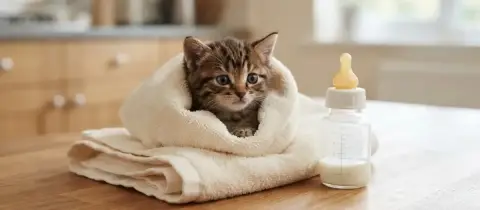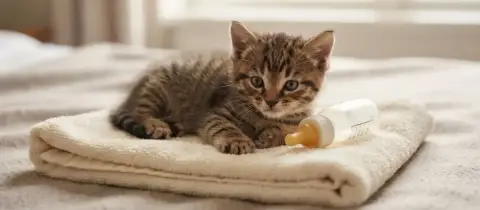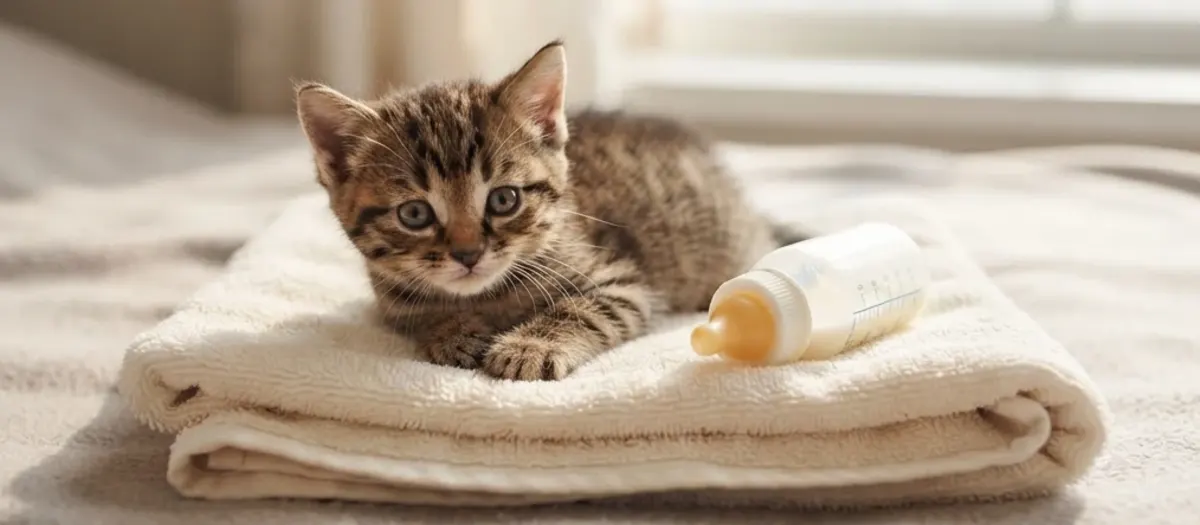
Quick answer: Bottle feeding a kitten means giving warm kitten milk replacer, never cow's milk, from a small bottle while the kitten lies on its tummy with its head level. Let it suck at its own pace and never squeeze milk in. Follow the label and your vet for amounts. A cold, weak or non-sucking kitten needs a vet the same day.
Hand-rearing is demanding, and the first days matter most. This guide covers the method, the numbers by age, toileting and weight checks, and the signs that mean a vet. If you're still choosing a formula, our kitten milk replacer guide compares the options.
Quick picks
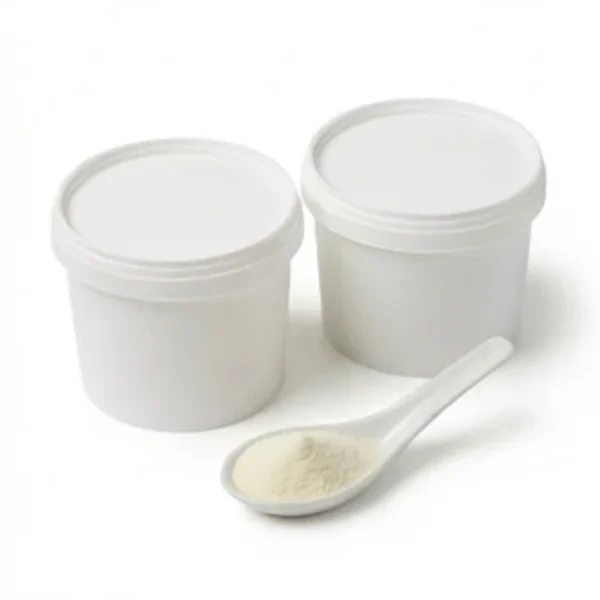
Wombaroo Cat Milk Replacer, 2 x 215 g
Powder formulated to match queen's milk, with extra taurine; you mix it fresh.
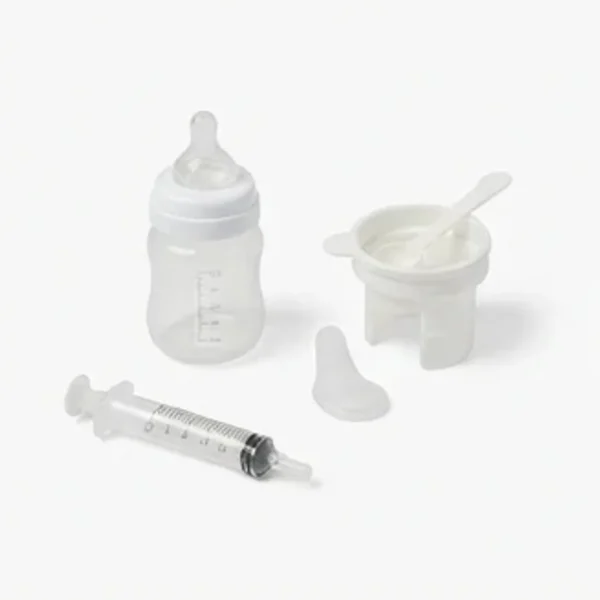
OCTKITE nursing kit
A 50 ml bottle with 1, 3, 5 and 10 ml syringes; check teat flow every feed.
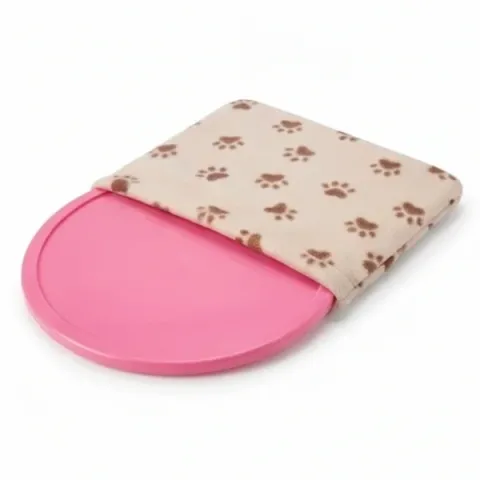
SnuggleSafe microwave heat pad
A heat source for under half the box, so the kitten can always move off it.
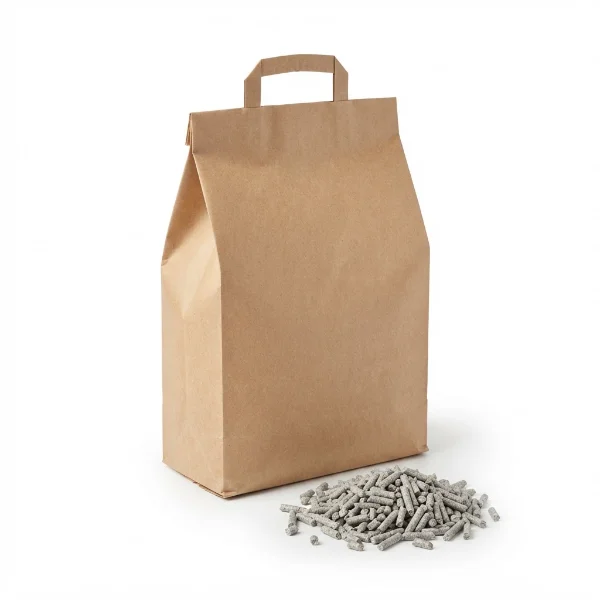
Breeders Choice recycled paper cat litter
A litter popular for kittens; a tray makes sense from about three weeks.
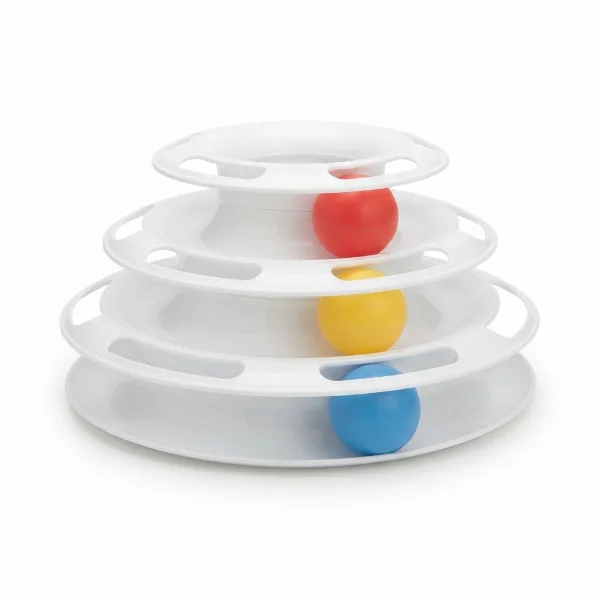
Petstages Tower of Tracks
A simple ball-track toy for a kitten that's up and playing.
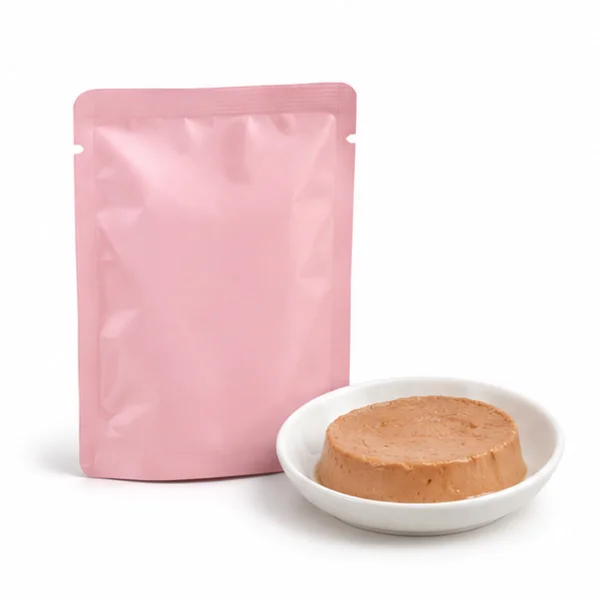
Royal Canin Kitten loaf (pate), 12 x 85 g
A soft kitten pate for when solids start; ask your vet when your kitten is ready.
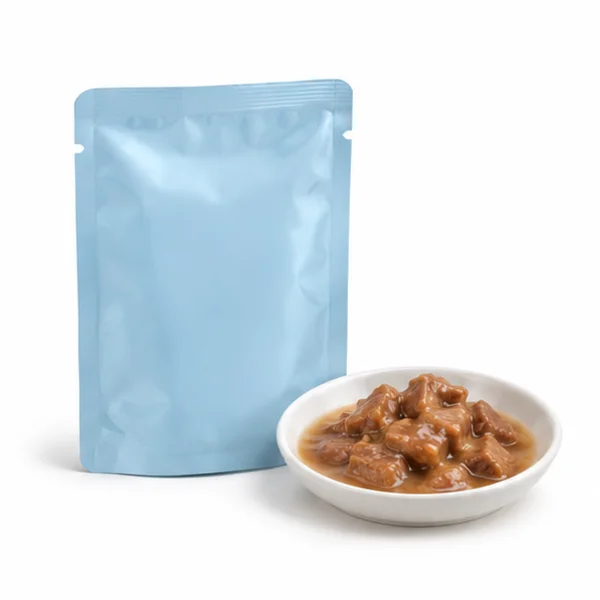
Royal Canin Kitten thin slices in gravy
A kitten wet food in pouches, a common choice when you start offering solids.
Breeders Choice recycled paper cat litter
A litter popular for kittens.
Petstages Tower of Tracks
A simple ball-track toy for a kitten that's up and playing.
SnuggleSafe microwave heat pad
A heat source for the kitten's box.
Royal Canin Kitten loaf (pate), 12 x 85 g
A soft kitten pate to offer when weaning starts, mixed with replacer at first.
Pictures are illustrations, not the actual products.
More detail is in Useful gear below. These help with the routine; they don't replace your vet.
How do you bottle feed a kitten step by step?
Warm the kitten first, warm the formula, then feed with the kitten on its tummy and its head level. Let it suck at its own pace, stop when it turns away, then help it toilet and weigh it. VCA Animal Hospitals gives the same basics: a neutral head position, formula at about body temperature, and a slow-dripping teat.
- Check the kitten is warm. VCA says a cold kitten won't feed well, so warm it gently before any milk (see the warmth section below).
- Wash your hands and use a clean, sterilised bottle and teat.
- Mix the formula as the label says, with the water the label calls for, and warm it to about 38°C. A drop on the inside of your wrist should feel comfortably warm, not hot.
- Check the teat flow. Held upside down, the milk should come out one drop at a time. VCA warns that a fast flow can lead to aspiration (milk in the lungs), pneumonia and death.
- Settle the kitten on its tummy on a towel, head level, then offer the teat and let the kitten latch and suck.
- Keep the bottle angled so the teat stays full of milk and the kitten isn't swallowing air.
- Stop when the kitten turns its head away or the tummy looks round and full. Don't push a few more millilitres in.
- Help the kitten toilet, weigh it and write it down.
Throw away any formula left in the bottle after a feed, and wash and sterilise the kit before the next one. VCA says to clean bottles and teats and boil them between uses. Our kitten milk replacer guide covers how long made-up formula keeps.
How much milk does a kitten need, and how often?
Newborns need small feeds around the clock: VCA says every 2 to 4 hours in the first week, then every 4 to 6 hours until weaning. Amounts rise with weight. The table below uses VCA's figures and is a guide only; your formula's label and your vet override it.
| Age | How often (VCA) | How much |
|---|---|---|
| First week | Every 2 to 4 hours, day and night | About 180 ml per kg of body weight a day in total, split across the feeds |
| Week 2 until weaning | Every 4 to 6 hours | The same daily total by weight, in fewer feeds |
| From 3 to 4 weeks | Weaning may begin | Less milk as solid food goes up |
The amount in each feed comes from your formula's label, because brands differ in strength. VCA warns that overfeeding and feeding too fast can cause regurgitation, aspiration, bloating and diarrhoea, so smaller feeds more often are the careful choice.
VCA also gives a daily total of about 180 ml per kg of body weight, including the replacer, and says to follow the replacer label for the amount in each feed. If your kitten's weight is between rows, use the label, not the nearest row. Smaller, more frequent feeds are safer than big ones.
What position should a kitten be in for bottle feeding?
Tummy down, with the head level or very slightly raised, like a kitten nursing from its mother. Never cradle it on its back like a human baby. VCA says to hold the kitten horizontally with a neutral head, and flags aspiration as the main danger of bottle feeding.
On its back, milk can more easily go the wrong way, which is the aspiration risk VCA warns about. Don't tilt the head right back either. If a kitten is wriggling or struggling, stop, let it settle, and try again. A kitten that fights the bottle every time, or cannot suck, needs a vet check rather than a firmer grip.
Never squeeze the bottle to push milk in, and don't press the teat to force flow, even if a kit's instructions suggest it. Let the kitten set the speed. If milk is coming too fast, the teat hole is too big and the teat needs replacing. Our kitten feeding bottle guide explains how to judge teat flow.
What can I feed a kitten if I have no formula?
Get a kitten milk replacer as soon as you can. Cow's milk is not suitable, and neither are plant milks or adult cat milk drinks. For an emergency stopgap until you can buy formula, ring a vet or a rescue group, who can tell you what to do for that particular kitten.
VCA says commercial kitten milk replacers are better than cow's milk or homemade mixtures, because cow's milk has less protein, fat, calories and taurine than a mother cat's milk and more lactose. We haven't found a vet source we can cite for a home-made recipe, so we don't print one. Vet clinics and pet shops usually stock kitten formula. Our cat milk guide explains how the milk drinks sold for adult cats differ from a true replacer.
How warm should kitten formula be, and how do you keep the kitten warm?
Warm the formula to about 38°C (100°F), as VCA says, without overheating it. Never feed a cold kitten: VCA says a chilled kitten won't eat well, so warm it up first. If a kitten feels cold or limp, it needs a vet the same day, not a bottle.
Cold formula, fast feeding and overfeeding can each cause regurgitation, aspiration, bloating and diarrhoea, according to VCA. Too-hot formula can scald the mouth, and with powders like Wombaroo the listing says very hot water can make the milk curdle.
For warmth, a heat source must always leave room for the kitten to move away. A pad under half of a box, with a towel over it, lets the kitten choose. Never put a kitten on the heat with no way off, and check it often. Our pet heat pad guide covers safe options.
How do you help a kitten wee and poo after a feed?
After each feed, gently stroke the kitten's rear end with a warm, damp cloth or cotton ball until it wees and poos. VCA says kittens can't go on their own until about three weeks old, and a vet can show you the technique. No wee or poo despite stimulation needs a vet.
Stroke the area between the anus and the genitals, using light, short strokes. Use a fresh, clean damp cloth each time, and dry the kitten afterwards so it doesn't get chilled. Keep going until the kitten has finished, which might take a minute or two.
How do I know my kitten is getting enough milk?
Weigh your kitten daily on kitchen scales and write the number down. A kitten that is getting enough is content between feeds, quiet, warm and putting on weight steadily. VCA says kittens gain about 100 g a week over the first six months, and at least 7 g a day.
VCA says to weigh daily for the first four weeks, then weekly from week five. Use the same scales at the same time of day, ideally before a feed. Constant crying, a flat or hollow tummy, or a kitten that feels floppy can mean it isn't getting enough, or that something else is wrong. A day with no gain, or any loss, is a reason to ring the vet that day. Don't try to fix it by feeding more than the label says, because overfeeding causes its own problems.
When do kittens stop bottle feeding and start solids?
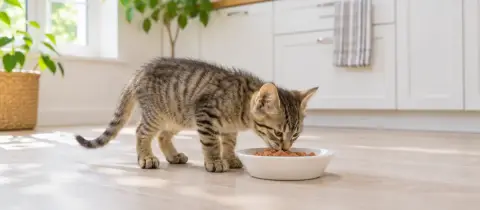
Weaning can start from about 3 to 4 weeks old. VCA says milk replacer should be the kitten's only food until then. Start by offering a little kitten food mixed with replacer on a shallow saucer, and keep bottle feeds going while the kitten learns to eat.
Don't stop bottles suddenly. Cut feeds one at a time as the kitten eats more, and keep weighing to confirm the weight still climbs. Our kitten food guide explains what to offer next. Weaning is gradual. RSPCA Australia says kittens with their mother ideally keep drinking milk until about eight weeks, so don't rush the last bottles.
Should I take kittens that seem to have no mother?
Not straight away. RSPCA NSW says kittens under four weeks have the best chance of survival with their mother, so don't assume she has gone for good. Watch from a distance, and take them in only if they're in danger or injured, or if she hasn't come back after about 3 to 6 hours.
RSPCA NSW (page read 25 November 2026) says shelters receive thousands of kittens in kitten season and might not be able to take yours, and suggests your local vet for advice. Whatever you do, get any kitten found alone checked by a vet or rescue group soon. A vet can check its age and hydration, talk through whether it is likely to have had its mother's first milk, and teach you to feed it.
If it's after hours and the kitten is cold, weak or limp, go to an emergency vet. Warm it a little on the way, wrapped in a towel with your body heat, never on a hot surface.
Useful gear
You need very little: a formula, a bottle and somewhere warm. Here is what we've researched for each.
- Wombaroo Cat Milk Replacer, 2 x 215 g: the listing says it is formulated to match queen's milk, with whey protein and extra taurine, for orphaned kittens or when the mother's milk is limited. It's a powder you mix fresh. See our kitten milk replacer guide.
- OCTKITE nursing kit: a 50 ml bottle with 1 ml, 3 ml, 5 ml and 10 ml syringes for measuring, and the listing says the teats come pre-pierced. Check the flow before every feed. See our kitten feeding bottle guide.
- A heat source: see our pet heat pad guide, and always leave room for the kitten to move off the heat.
When to see a vet
Ring a vet today if a kitten you're feeding has any of these:
- feels cold or limp, or is very weak
- won't suck or swallow
- milk from the nose, coughing, or noisy or fast breathing after a feed
- no weight gain in a day, or any weight loss
- diarrhoea, vomiting or a bloated tummy
- no wee or poo despite stimulation
- constant crying
- pale gums
- fleas on a very young kitten, which can cause anaemia (see our kitten flea treatment guide)
- any kitten found without its mother that hasn't yet been checked by a vet (age, hydration, and whether it is likely to have had its mother's first milk)
Out of hours, go to an emergency vet. Don't wait until morning with a cold, floppy or struggling-to-breathe kitten.
Frequently asked questions
What do I do if milk comes out of the kitten's nose?
Stop feeding straight away, keep the kitten's head level or slightly down, and wipe its face. Then ring your vet. Milk in the nose or a cough can mean milk has reached the lungs, which VCA says can cause aspiration pneumonia. Don't carry on with the feed, and watch the breathing closely.
How much should a newborn kitten weigh?
VCA says kittens normally weigh between 80 and 120 g at birth. After that the trend matters more than any single number: weigh at the same time each day and look for steady gain. A kitten well under that range, or one that isn't gaining, needs a vet check rather than bigger feeds.
Is a syringe easier than a bottle?
Not safer. The danger with both is fast flow, because milk that comes too quickly can get into the lungs. Whichever you use, let the kitten suck at its own pace and never push the plunger or squeeze. Syringes are handy for measuring amounts. Ask your vet to watch you feed before you rely on either.
When can a bottle-fed kitten start using a litter tray?
VCA says kittens can't wee or poo on their own until about three weeks old, so that is the earliest a tray makes sense. Offer a shallow tray then, and keep helping after feeds until your kitten is going by itself. Our kitten litter guide explains which litter suits young kittens.
How long does each feed take?
There's no set time, because kittens differ. Let your kitten drink until it stops sucking or turns away, which can take a few minutes for a young kitten. Don't hurry it. If it takes a very long time, falls asleep on the teat, or drinks almost nothing, tell your vet.
How often should I feed a kitten overnight?
Yes, very young kittens need night feeds, because the gaps in the feeding section above run around the clock. Set an alarm for the first weeks. The gap lengthens as your kitten grows and starts solids, and your vet can set a schedule for its age and weight, so ask before you stretch it.
What if my kitten won't take the bottle?
A kitten that won't suck, won't swallow or turns away every time needs a vet the same day, because it can be unwell or too cold. Don't force milk in. First check that it's warm and that the teat flows as a slow drip. If it still refuses, ring your vet.
Related guides
- Kitten milk replacer: the best formula for orphaned kittens
- Kitten feeding bottles: the best bottles, teats and syringe kits
- Kitten flea treatment: what's safe at each age and weight
- Best kitten collars
- Best cat milk
- Best kitten food
- Best pet heat pads
- Best litter for kittens
- Kitten proofing your home
Sources
- VCA Animal Hospitals: Feeding Orphaned Kittens, page updated 4 February 2025, read 25 November 2026
- RSPCA NSW: I found kittens! What should I do?, page dated 12 January 2026, read 25 November 2026
- RSPCA Australia Knowledgebase: How do I care for newborn kittens and their mother?, read 25 November 2026
This guide provides general information and isn't a substitute for veterinary advice. If you're concerned about your kitten's feeding, weight or health, speak with your vet.