Kitten milk replacer: the best kitten formula for orphaned and hand-raised kittens
By Anish PuriUpdated 25 Nov 202614 min readResearched, not tested by us
Research guide. WhiskerFinds may earn a commission from links, at no extra cost to you.
Quick answer: A kitten milk replacer is a complete formula for kittens that can't feed from their mother. Wombaroo Cat Milk Replacer is our top pick because it is made only for kittens. "Cat milk" drinks are lactose-free treats for weaned cats and must never replace formula. A kitten that is cold, weak or not sucking needs a vet today.
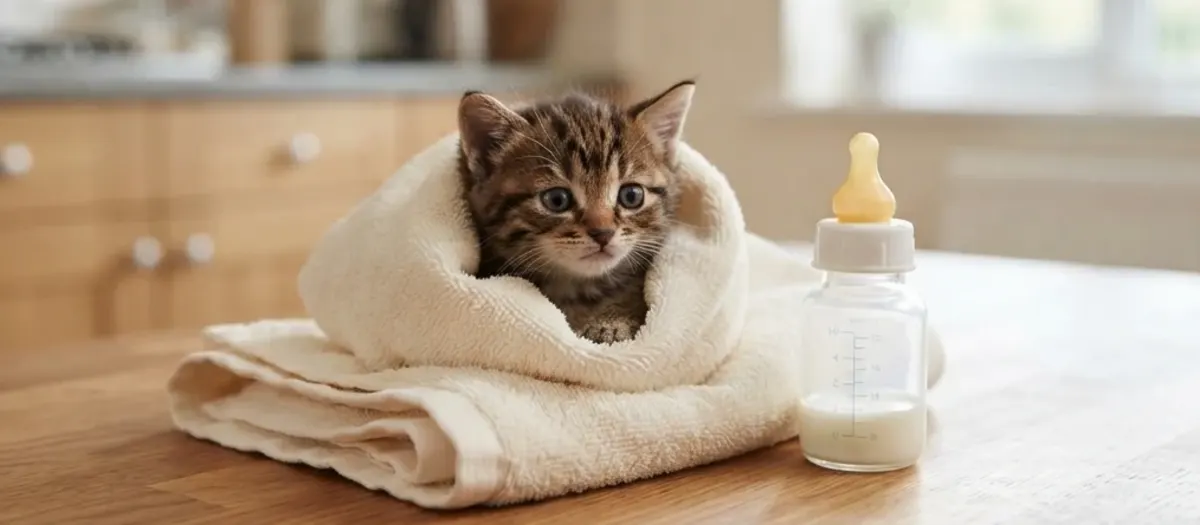
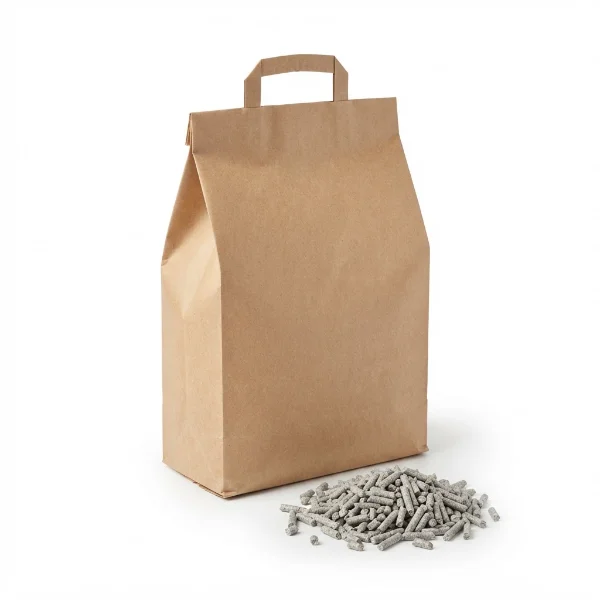
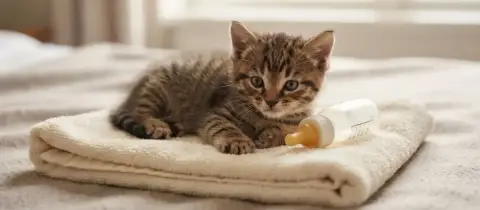
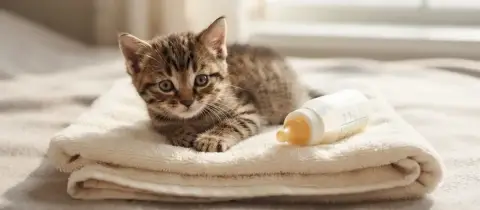
Illustration, not the actual product
Our top pickWombaroo Cat Milk Replacer powder, 2 x 215 g
Found a litter with no mum, or a kitten that isn't getting enough milk? This page compares the formulas and milk products on Amazon Australia that suit that job, shows how they differ, and explains how to mix and store a powder. It sits beside our full how-to, bottle feeding a kitten, which covers position, amounts and toileting.
The honest picture of the range: only one powder here is made specifically for kittens (Wombaroo). The two Di-Vetelact tubs are all-species powders, and the Whiskas pick is a drink for weaned cats, not a formula. If you're also after a drink for an adult cat, see our cat milk guide.
Quick picks
Our top pickBest overall
Wombaroo Cat Milk Replacer powder, 2 x 215 g
The only kitten-specific powder here, with a mixing rate on the listing
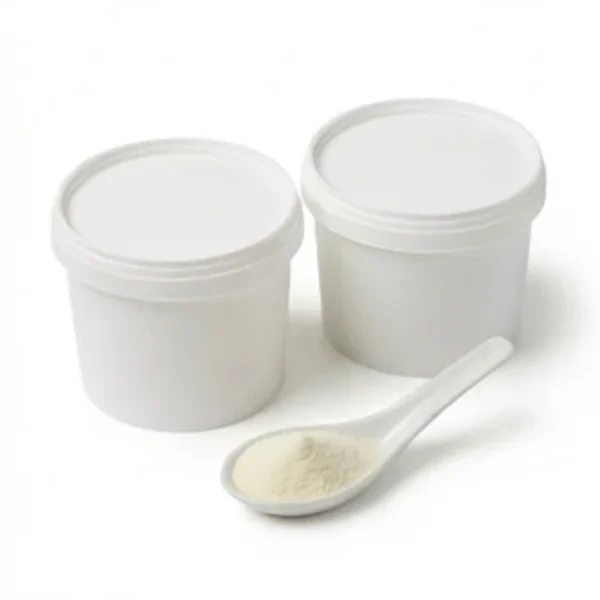
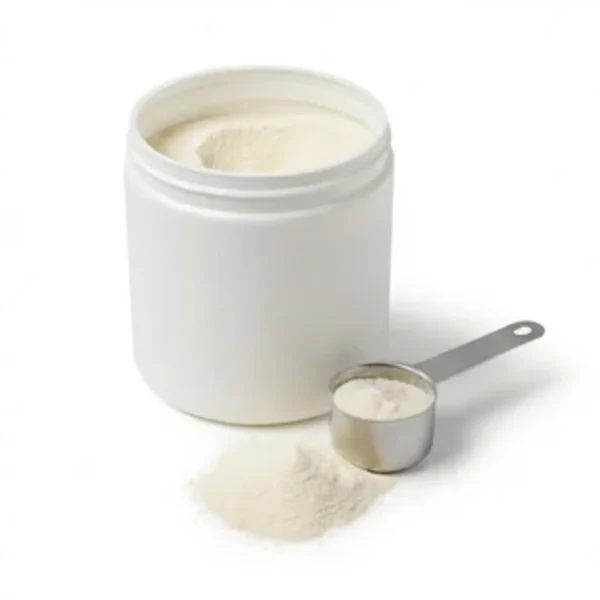
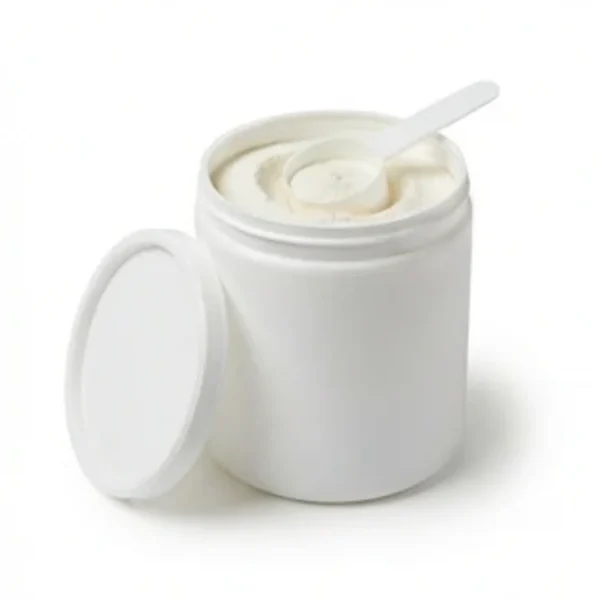
Pictures are illustrations, not the actual products.
Replacers and milk drinks compared
Details from each Amazon Australia listing, checked on 25 Nov 2026. "Not stated" means the listing doesn't say.
Swipe sideways to see every column
Product
Type
Pack
Made for
Mixing rate on the listing
Wombaroo Cat Milk Replacer
Powder, complete replacer
2 x 215 g (430 g)
Orphaned kittens, or when mother's milk is limited
1 level scoop (6.5 g) with 25 ml warm water makes 30 ml; 215 g with 850 ml makes 1 litre
Di-Vetelact 375 g
Powder, low lactose supplement
375 g
Orphaned and early weaned animals, kittens among many species
Not stated; daily amount varies by weight, check the label
Di-Vetelact 850 g
Not clear on this listing (title says 850 g, a data field says "liquid"); the brand's other tubs are powders
850 g
"Animals" in the title; kittens not named
Not stated; serve by weight and age
Whiskas Milk Plus
Ready-to-drink, lactose free
8 x 1 L
Kitten and adult cat, as a drink
None, pour and serve
OCTKITE kit
Bottle and syringe kit, no milk
50 ml bottle, 4 syringes, 4 teats
Newborn kittens and puppies
Not applicable
What is the difference between a kitten milk replacer and cat milk?
A replacer is a powder you mix up as the kitten's only food. A cat milk drink is a lactose-free treat poured from a carton. VCA Animal Hospitals recommends a commercial kitten milk replacer for orphaned kittens, and says it should be the only food until about 3 to 4 weeks of age, when weaning may begin (VCA Animal Hospitals, "Feeding Orphaned Kittens", page read 25 November 2026).
The Wombaroo listing says it is formulated to match the composition of queen's milk, with whey protein and extra taurine. The Whiskas listing says lactose free, with calcium, taurine and thiamine, and gives no sign it is a complete food for an unweaned kitten. Treat it as a drink for a weaned kitten or adult cat, and see our kitten food guide for what a weaned kitten eats.
Our picks in detail
1. Wombaroo Cat Milk Replacer powder, 2 x 215 g: best overall
The only powder here made for kittens. The listing says it is formulated to match the composition of queen's milk, with whey protein and elevated taurine, and gives a full mixing method and storage times (see this page). The directions say to use it for orphaned kittens or when mother's milk is limited. The pack is two 215 g boxes, 430 g in all.
The listing says newborns that missed the mother's first milk "may benefit from" a colostrum supplement from the same maker. That is the maker's suggestion, and a vet should guide it. Its data fields call the product "wet" and a "veterinary diet", but the directions describe a powder to mix, and it is a retail milk replacer, not a prescription food.
Pros: kitten-specific; mixing rate by scoop and by pack on the listing; storage and freezing guidance on the listing
Cons: powder must be mixed fresh with pre-boiled warm water; made-up milk keeps only one day in the fridge
Best for: an orphaned or under-fed kitten that needs a cat-specific formula
Skip it if: you only want a treat drink for a weaned kitten or adult cat (see pick 4), or you want one small box rather than two
2. Di-Vetelact Low Lactose milk replacer powder, 375 g: best small tub for mixed households
An all-species powder in a small tub. The listing calls it a low lactose supplement and says the lactose is converted to glucose and galactose, which it calls "95 percent lactose-free". It describes it as suitable for orphaned and early weaned animals, with kittens and puppies among the species, along with lambs, rabbits and others.
The listing gives no kitten feeding table. It says daily amounts vary by weight, from 30 ml to 9 litres across animals, and to check the label. So read the kitten mixing rate off the tub, and ask your vet to confirm it. Amazon's "target species" field says rabbit; the description lists kittens.
Pros: kittens named in the description; a small tub suits short top-up feeds; useful if you also raise other young animals
Cons: an all-species powder, so the kitten rate has to come from the label; the listing gives no kitten feeding table
Best for: carers who also raise other young animals, or a short stint of top-up feeds
Skip it if: you want a formula made only for kittens (pick 1)
The same brand in a bigger tub, for a litter or a rescue getting through more than a small tub. Our caution: this listing says almost nothing. The text is one line ("Nutritional Milk for Animals"), and its data fields are wrong, since they say liquid, cod and dog. All the listing adds is to refrigerate after opening and serve by the pet's weight and age.
Treat the tub label as the only reliable source for the kitten mixing rate, and compare it with the 375 g listing's description above. For a big rescue there is also a Di-Vetelact 5 kg bucket, which our cat milk guide also covers.
Pros: more powder per tub for a litter; same maker as pick 2
Cons: the listing text is one line, doesn't name kittens and its data fields contradict it, so rely on the tub label; no kitten feeding table
Best for: a litter, or a rescue going through more than a small tub
Skip it if: you want full label detail before you buy
4. Whiskas Kitten and Adult Milk Plus, lactose free, 8 x 1 L: best milk drink for weaned kittens (not a milk replacer)
Not a milk replacer, and not for a newborn. The listing says lactose free, with calcium, taurine and thiamine, and says it is made in Australia. It lists the age range as kitten but gives no minimum age, so check the carton before you pour any for a young kitten. Its pack is eight 1 litre cartons, 8 litres in all.
Think of it like the treats on our cat treats guide: an occasional extra, not a meal, and not a replacement for water or kitten food.
Pros: lactose free; ready to pour; made in Australia per the listing
Cons: eight 1 litre cartons is a lot for one kitten; the listing gives no minimum age
Best for: a weaned kitten or adult cat as an occasional drink
Skip it if: the kitten is not yet weaned, because this is a treat drink and must not stand in for a milk replacer
5. OCTKITE nursing kit, 50 ml bottle and syringes: best bottle to go with the formula
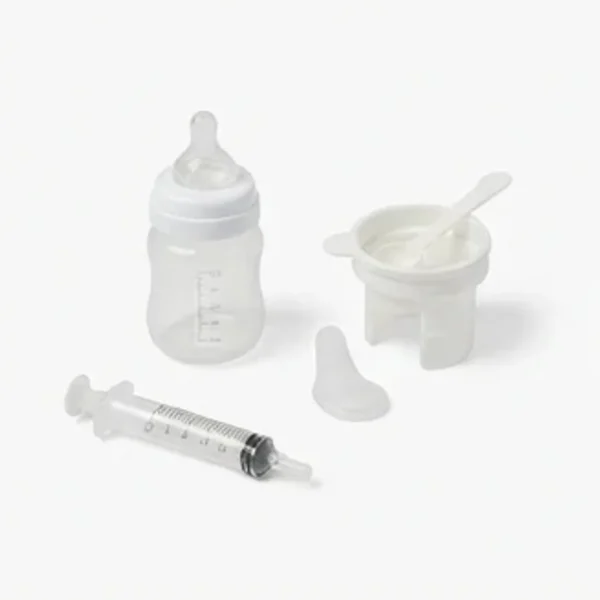
A formula is no use without a way to feed it. The listing says the kit has a 50 ml bottle, four syringes (10, 5, 3 and 1 ml), four silicone teats with pre-pierced holes, cleaning brushes, a funnel, a measuring cup and a storage container. The listing says the teats are heat resistant for sterilising.
Whatever the kit, VCA's advice is the rule: milk should drip slowly from the teat, and the kitten should lie horizontally and suck at its own pace. Never squeeze milk into its mouth. Our kitten feeding bottle guide compares this kit with four others.
Pros: everything in one box; teats already pierced; syringes down to 1 ml
Cons: imported, so check the delivery details on Amazon before you order; unknown brand and a patchy listing that doesn't state teat sizes
Best for: anyone buying formula who has no bottle
Skip it if: you already have a kitten bottle and teats
Can kittens drink cow's milk?
No. VCA says a commercial kitten replacer is better than cow's milk or homemade mixtures, because cow's milk has less than half the protein of a queen's milk and is lower in calories, fat and taurine but higher in lactose (page read 25 November 2026).
If it's the middle of the night and you can't get formula, ring a vet or your local rescue group for advice on the gap. Don't start improvising with milk from the fridge or a recipe from a forum.
How do you mix and store kitten milk replacer?
Follow the tub label first. For Wombaroo, the listing gives the rate in the comparison table above, with these steps: add about half the water to the powder and mix to a paste, then add the rest and mix well. Pre-boil the water so it is sterile. Water that is too hot can make the milk curdle, and water that is too cold makes the powder hard to mix.
On storage, the Wombaroo listing says made-up milk keeps in the fridge for up to a day, or freezes for up to 2 weeks in small portions such as ice cube trays, and that thawed milk left over should be thrown out. VCA agrees on the short window: make no more than you will use within 24 hours, keep it refrigerated, and throw out formula left at room temperature after 1 hour.
Temperature matters too. VCA says to warm formula to about 38°C without overheating, and that cold formula, fast feeding and overfeeding can cause regurgitation, aspiration, bloating and diarrhoea. The same page says the teat should let milk out one drop at a time, because faster flow can lead to aspiration, pneumonia or death. Clean bottles and teats after every feed and boil them between uses, as VCA describes. Our kitten feeding bottle guide compares bottles and teats.
The same page says kittens should stay with their mother and littermates until at least eight to nine weeks, which is a reason to keep littermates together if you can.
Vet clinics and pet shops stock kitten formulas, and farm and produce stores often stock all-species powders. A vet can also tell you which formula suits the kitten in front of you and check its age and hydration. Wherever you buy, check that the tub names kittens on its label.
Choose by situation
Swipe sideways to see every column
Your situation
What to look for
Our pick
Found a newborn or very young kitten
A vet visit first, then a kitten-specific powder
Wombaroo (1), after the vet check
Mother has too little milk
A replacer to top up as a vet advises
Wombaroo (1)
Short stint of top-up feeds, and you also raise other animals
A small all-species tub with kittens listed
Di-Vetelact 375 g (2)
Raising a litter
A bigger tub, with the label in hand
Di-Vetelact 850 g (3), or the 5 kg tub below
Weaned kitten that wants a drink
A lactose-free treat drink, in small amounts
Whiskas Milk Plus (4)
No bottle yet
A kit with pre-pierced teats
OCTKITE (5)
How we chose
We searched Amazon Australia for kitten milk replacers and kitten milk drinks, then shortlisted those that met all of these checks:
Well rated: a strong average rating with plenty of buyer reviews.
No red flags: no pattern of poor reviews, safety complaints or listing problems.
Available on Amazon Australia when we checked.
Kittens named on the listing, or the gap disclosed in the cons where a listing doesn't name them (the 850 g Di-Vetelact).
Mixing information checked: on the listing for Wombaroo; the Di-Vetelact listings send you to the tub label, and we say so.
Replacer or drink stated clearly, so nobody feeds a treat drink to an unweaned kitten.
Where a listing is thin or its data fields contradict its text, we say so in the cons. These are researched picks, not products we've personally tested. We compared the specifications and features on each Amazon Australia listing, checked on 25 Nov 2026, and we didn't accept payment from any brand.
Left out this time: a dry weaning food sold as a mother and baby cat food, a goats' milk powder written for puppies, lactose-reduced treat drinks with unclear pack sizes or age fields, and replacers that showed as unavailable when we checked.
When to see a vet
See a vet today for any kitten that feels cold or limp, won't suck or swallow, isn't gaining weight or loses weight from one day to the next, or hasn't been checked since it was found without its mother. A vet can check its age and hydration, and work out what it needs. Don't feed a cold kitten; warm it gently first and ring your vet.
Milk coming from the nose, coughing, or noisy or fast breathing after a feed
Diarrhoea, vomiting or a bloated tummy
No wee or poo after stimulating the kitten following a feed
Constant crying or pale gums
Fleas on a very young kitten can be serious, so see our kitten flea treatment guide and ask your vet first. Found a kitten and not sure what to do? Ring a vet clinic or a rescue group for advice before you do anything else. See also our bottle feeding guide.
Frequently asked questions
Can I make my own kitten formula?
We don't give a recipe. VCA recommends a commercial kitten replacer over cow's milk and homemade mixtures. If you can't get a replacer today, ring a vet or rescue group for advice about the gap, and get a proper formula as soon as you can.
Do I use the same mixing rate for Di-Vetelact as Wombaroo?
No. The two are different products. Wombaroo's listing gives its own rate, and Di-Vetelact's listing says to check the label because amounts vary by animal and weight. Use each tub's label for that product, and ask your vet to confirm the amount.
Can I give a weaned kitten the Whiskas milk every day?
Treat it as an occasional drink, not a daily food. The listing doesn't state a minimum age, so check the carton, and ask your vet how it fits your kitten's diet. Fresh water and kitten food should come first.
How do I know the kitten is getting enough formula?
Weigh it daily on kitchen scales. VCA says kittens should gain at least 7 grams a day. If yours isn't gaining or is losing weight, it needs a vet, because the label can't judge that for you. Our bottle feeding guide has the full weight routine.
Do kittens that missed the first milk need anything extra?
Possibly. The Cat Protection Society of NSW says colostrum, the first milk, carries antibodies, and kittens that miss it have weaker immune systems. The Wombaroo listing mentions a colostrum supplement. Ask your vet whether it's needed.
Can I keep leftover made-up formula?
Only briefly. The Wombaroo listing says up to a day in the fridge, or 2 weeks frozen in small portions, and VCA says to throw out formula left at room temperature after 1 hour. Throw out any thawed milk the kitten doesn't finish, and wash the utensils.
What do I feed once the kitten stops formula?
Kitten food, introduced gradually while the bottle feeds taper off. Our kitten food guide compares wet and dry options, and our cat bowls guide covers shallow dishes for a kitten learning to eat.
Product details from each linked Amazon Australia listing, checked on 25 Nov 2026.
This guide provides general information and isn't a substitute for veterinary advice. If you're concerned about your kitten's feeding or health, speak with your vet.