By Anish PuriUpdated 2 Nov 202614 min readResearched, not tested by us
Research guide. WhiskerFinds may earn a commission from links, at no extra cost to you.
Quick answer: A retractable dog lead can suit a calm, well-mannered dog in a quiet, open space, but it gives less control than a fixed lead. If you choose one, pick a flat tape model with a weight limit that fits your dog. Our top pick is the flexi New Classic tape lead.
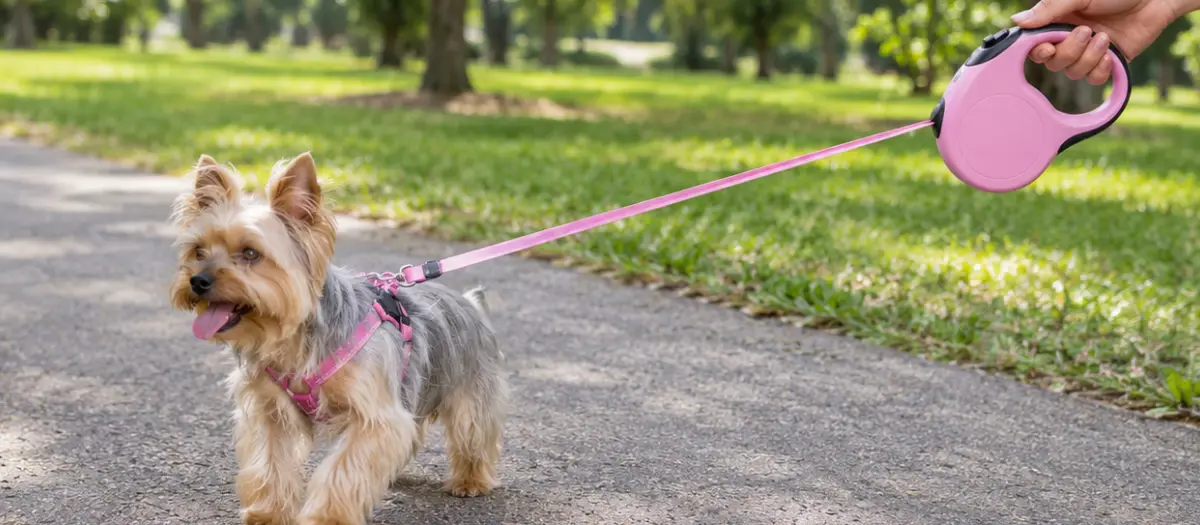
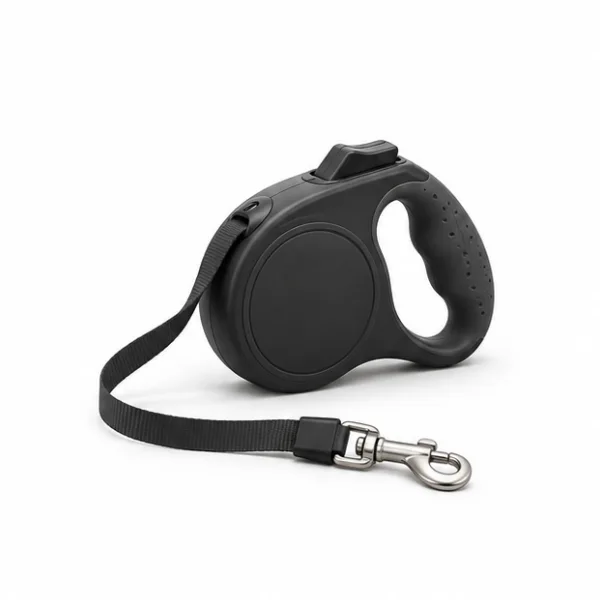
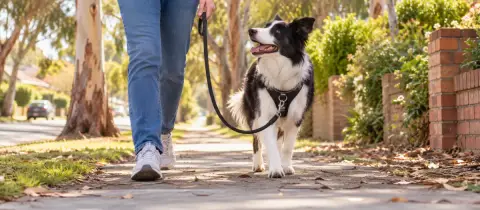
Illustration, not the actual product
Our top pickflexi New Classic tape lead, small, 5 m
Retractable leads let your dog roam a few metres and then reel back in. They also come with real risks, so this guide is honest about both sides before it compares four options on Amazon Australia. For everyday walking, start with our dog lead guide.
Quick picks
Our top pickBest overall
flexi New Classic tape lead, small, 5 m
Flat 5 m tape with a braking system and reflective tape, listed for dogs up to 15 kg
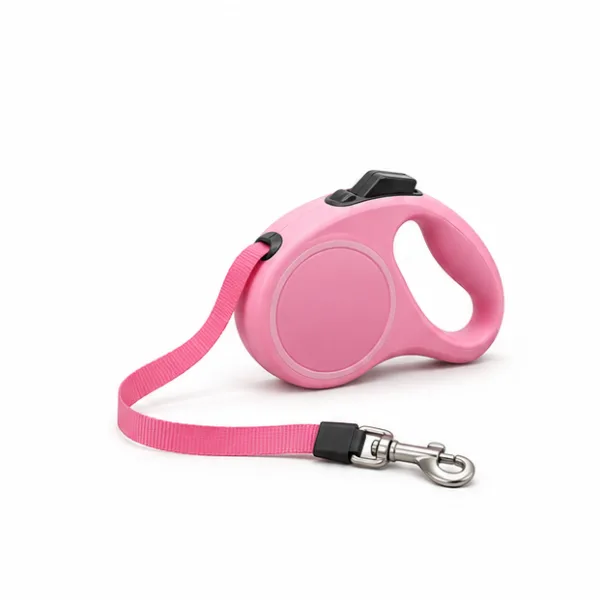
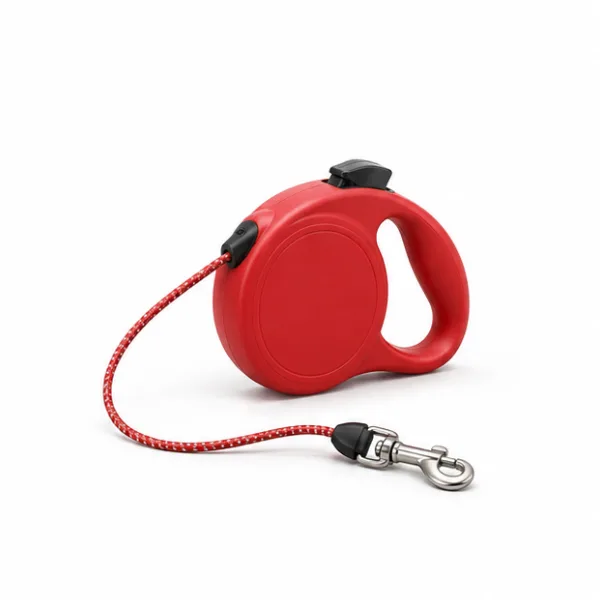
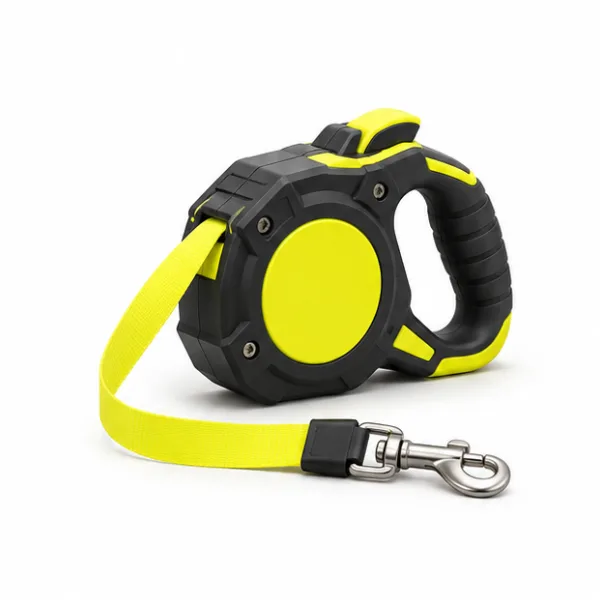
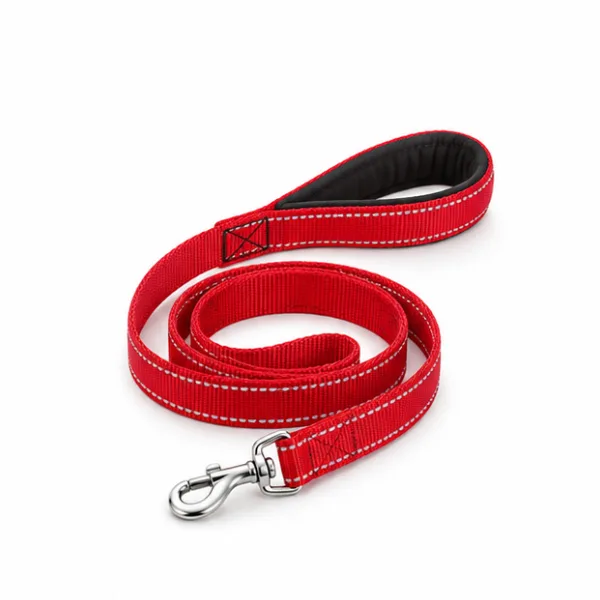
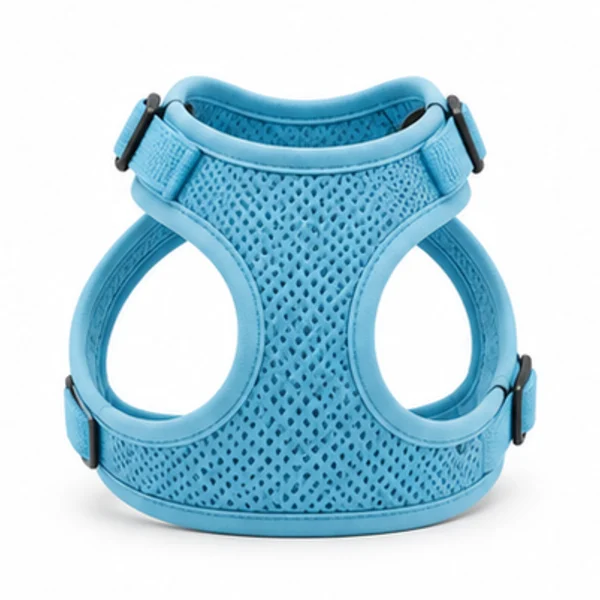
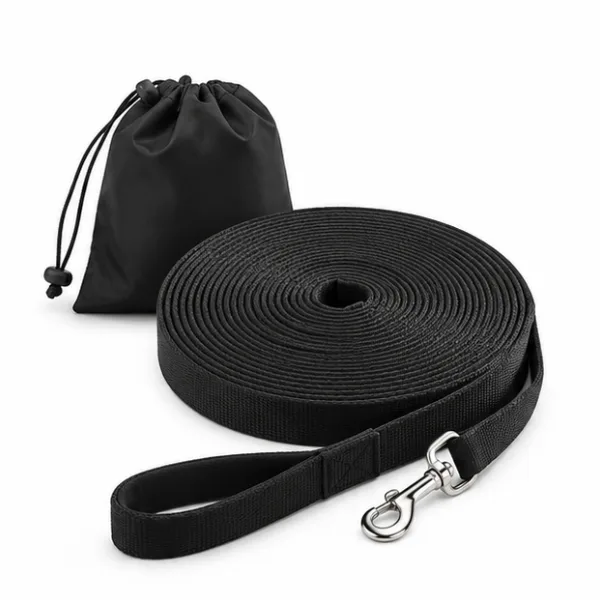
Pictures are illustrations, not the actual products.
Not sure which type suits you? The sections below cover tape and cord, sizing and when to leave the retractable at home.
Are retractable dog leads safe?
They can be used safely in the right place with the right dog, but they carry more risk than a fixed lead. Trainers and animal welfare groups point to burns and cuts from the cord, less control near traffic, and mechanisms that can fail. Keep them for open, quiet spaces.
MSPCA-Angell, a US animal welfare group, advises against retractable leads in most situations. It says the thin cord can injure you if you grab it, the cord and inner workings can't be checked for wear, and the cord can snap under force. It adds that the lead is hard to shorten fast near traffic, and that leads can tangle when dogs meet, which can raise the chance of a scuffle (MSPCA-Angell, page read 2 November 2026).
Kiwi Canine, a New Zealand retailer, takes a softer line. It says they suit open, safe areas like parks or beaches, for dogs with good lead manners. It lists busy streets, reactive or untrained dogs, tight spaces and cliffs or water as places to avoid (Kiwi Canine, page read 2 November 2026).
Our plain advice: use a fixed lead near roads and in busy places. Dogs need to be on a lead in public places unless you're in a signed off-lead area, and the rules differ by state and council, so check yours. A retractable that is locked at a short length can behave like a fixed lead, if the lock holds. If you want your hands free for the walk, a hands-free dog lead is another option, and a double dog lead suits two dogs.
Never clip a retractable or long lead to a head collar: VCA Animal Hospitals warns the sudden force can injure the neck (see our dog head collar guide).
Retractable lead safety checklist
These habits cut the risks the sources above describe:
Lock the length near roads and in crowds. Or swap to a fixed lead.
Keep fingers, legs and the cord apart. Never wrap the cord around your hand and never grab it to stop your dog. If it tangles around a limb, calm your dog first, then untangle.
Hold the handle firmly. A dropped handle can clatter after your dog, and some dogs bolt when that happens.
Check before every walk. Look for fraying on the tape or cord, make sure it reels in smoothly, and test that the lock holds.
Clip to a harness for a dog that bolts. A sudden stop at the end of a long lead puts a lot of force on a collar. See our no-pull harness guide.
Keep dogs away from each other on retractables. Two dogs and two long leads tangle fast.
Replace it when it wears. If the tape frays or the brake sticks, retire it.
Our picks in detail
1. flexi New Classic tape lead, small, 5 m: best overall
A flat tape retractable in the small size. The listing says it has a 5 m tape, a comfortable braking system, reflective tape for visibility and a chrome hook, and that it is made in Germany. It is expandable with an LED lighting system, per the listing. We like it as a first pick because tape is easier to see than cord, and 5 m is a sensible reach for most walks.
Pros: flat tape; reflective tape per the listing; brake system; 5 m is a manageable length
Cons: the listing shows two weight limits, 15 kg in the title and bullets and 12 kg in the size chart in the description, so confirm the figure with the maker; still gives less control than a fixed lead
Best for: small, calm dogs on quiet paths and in open parks
Skip it if: your dog pulls hard or lunges, or you walk near roads
2. flexi New Classic cord lead, small, 8 m: best cord lead
The same New Classic range with a thin cord and a longer 8 m reach. The listing highlights a one hand disengageable brake, a stop-and-go button, an ergonomic soft handle and a sturdy carabiner. It says it is made in Germany and has protective tape with reflective parts. Choose it if you want the extra length and are comfortable keeping your hands clear.
Pros: 8 m reach; one hand brake per the listing; soft handle
Cons: cord carries a higher burn and cut risk than flat tape and is harder to see; the listing gives 12 kg in the title and 20 kg in a bullet, and calls the line both a cord and a strap, so check before you buy; 8 m is a lot of line to manage
Best for: small, calm dogs in wide open spaces where an extra-long reach is useful
Skip it if: your dog tends to dart off, you walk near people, bikes or other dogs, or you'd prefer tape
3. flexi Giant Professional tape, large, 10 m: best for big dogs
A large-size tape retractable listed for dogs up to 50 kg. The listing says it has a robust neon tape, neon colour printing and a soft grip, and calls it easy to handle. A strong, big dog puts far more force on the lead and on your hand than a small one, so this is a pick for a dog with good manners, not a dog that bolts. The 10 m length is very long, so keep it for big, empty spaces.
Pros: high weight limit; bright neon tape is easy to see; soft grip
Cons: the listing says 10 m in the title but 8 m in a bullet, so check the length; a heavy dog pulling on a retractable can be hard to hold; a lot of line to manage
Best for: large, calm dogs with reliable manners in big, open spaces
Skip it if: your large dog pulls, lunges or bolts, or you can't hold their full strength at the end of a long line
4. KONG Terrain retractable leash, medium, 5 m: best with a soft grip
A medium retractable with a wide, flat black nylon tape that retracts up to 5 m. The listing says it supports dogs up to 30 kg, has a soft grip handle inside and out, brake and lock buttons, and a 2 year manufacturer warranty. The listing stresses a wide, flat belt rather than a thin round cord.
Pros: wide flat tape; soft grip handle; separate brake and lock buttons per the listing; warranty per the listing
Cons: like any retractable, the lock and spring mechanism can wear or slip, and you can't see inside it, so test the lock before every walk; gives less control than a fixed lead
Best for: a medium dog with good lead manners who likes a bit of room on quiet trails
Skip it if: your dog lunges or pulls hard, or you'd rather not rely on a lock
Tape or cord retractable lead?
Tape is the easier choice for most people. A flat tape is wider and easier to see, so you notice it sooner and it is less likely to slice into skin than a thin cord. A cord is lighter but thin, and thin cord is the part that causes burns and cuts when it wraps around a leg or finger.
Both types still reel out quickly and still need care. If you choose a cord, we'd treat it as a tool for a small, calm dog in open space and keep your hands clear. Our top two picks show the difference: the flexi tape lead and the flexi cord lead, same brand and same sizes. Kiwi Canine describes the thin cord as the hazard if it wraps around a limb, and notes that long lines are generally safer (Kiwi Canine, page read 2 November 2026). If your aim is recall training, a plain long dog lead is usually a better fit.
What size retractable lead do I need?
Match the weight limit to your dog's weight, not their size or breed. Choose a model listed for a limit above your dog's weight, then pick a length that suits where you walk. Longer isn't better: 5 m is plenty for most walks, and a shorter reach gives you more control.
Weight limits come from each listing and vary by brand, so read the exact figure. Here are our four picks side by side, from their Amazon Australia listings checked on 2 Nov 2026.
Two of these listings give two different weight figures. When that happens, follow the lower number and check the maker's size chart.
Are retractable leads bad for training?
They can be. Many trainers say a retractable teaches a dog that pulling gets it more room, which makes loose-lead walking harder to teach. If your dog is still learning to walk nicely, a fixed lead or a longer training line is a better tool.
MSPCA-Angell says the lead can teach a dog to pull instead of focusing on its handler, and that holding the handle makes it harder to use treats (MSPCA-Angell, page read 2 November 2026). Kiwi Canine makes a similar point about pulling extending a dog's range. If your dog already pulls, a well-fitted harness and a fixed lead are the safer start; our no-pull harness guide has options.
Can I use a retractable lead with a harness?
Yes, and a harness is a better choice than a collar for most dogs on a retractable. It spreads the force across the chest instead of the neck if your dog hits the end of the line. Clip the lead to a well-fitted harness, and keep a collar with ID on as well.
For a dog that bolts or lunges, avoid clipping a retractable to a collar alone. If your dog pulls hard even in a harness, a retractable isn't the right lead. Compare options in our no-pull harness guide and collar guide.
How do I lock a retractable lead?
On most retractables, you press and hold the brake button to stop the tape or cord at its current length, and release it to let it move again. Some models also have a lock button that holds the length without your thumb. Check your maker's instructions, because buttons differ.
Practise at home before you head out. Learn where your thumb sits, then try locking and unlocking with one hand while your dog is relaxed. Test the lock with a firm, steady tug before every walk, as the mechanism can't be checked for wear from the outside. If it slips, stop using that lead.
How we chose
We searched Amazon Australia for retractable dog leads and shortlisted ones that met all of these checks:
Well rated: a strong average rating with plenty of buyer reviews.
No red flags: no pattern of poor reviews, safety complaints or listing problems.
Available on Amazon Australia when we checked.
Tape or cord clearly stated, with a flat tape preferred.
A stated length on the listing.
A stated weight limit on the listing.
A lock and brake described on the listing.
These are researched picks, not products we've personally tested. We compared the specifications and features shown on each Amazon Australia listing, checked on 2 Nov 2026. We didn't accept payment from any brand, and no brand saw this page before it was published.
Left out this time: unbranded retractable leads without a stated weight limit.
Setting up a retractable lead safely
Take a couple of minutes at home first. Clip the lead to a harness, pull out a short length, and practise locking and unlocking while your dog stands beside you. Reward your dog for staying close so the reel doesn't become a signal to charge ahead.
Start in a fenced or quiet open area, letting out a little line at first. Keep the lead short whenever you pass other people, dogs, bikes or roads, and walk back toward your dog rather than yanking the line in. Always check what lead rules apply at your local park.
Looking after your retractable lead
Wipe the tape or cord with a damp cloth and let it dry before it retracts, so dirt and damp don't sit inside the case. Keep it out of hot cars. Check the tape for fraying and cuts, and listen for a grinding or sticking reel. If the brake or lock ever feels loose, replace the lead rather than repair it.
When to get help
See your vet if your dog yelps, limps, holds their head or neck stiffly, or seems sore after hitting the end of a lead. A sudden stop at speed can strain the neck, and a vet can check your dog over.
If you've been cut or burned by the cord, clean and treat the wound, and see a doctor for anything deep or if fingers feel numb. MSPCA-Angell notes the thin cord can injure you if you grab it and can snap under force (MSPCA-Angell, page read 2 November 2026). If your dog pulls hard or lunges on every walk, a qualified, reward-based trainer can help, and a retractable lead is not a fix for it.
Frequently asked questions
Why don't vets like retractable leashes?
Vets and trainers raise a few concerns. The thin cord can burn or cut people and dogs, the lead is hard to shorten fast near traffic, and the mechanism can fail. It can also encourage pulling. Used carefully in a quiet open space, with a calm dog, the risks are lower.
Is a retractable leash good for dogs?
It can suit a calm, trained dog in a safe, open area, because it gives a bit more room than a short lead. It is a poor fit for dogs that pull, lunge or bolt, and for busy streets. For most daily walks, a fixed lead is the safer choice.
Is tape or cord better for a retractable leash?
Tape, for most people. You can see a flat tape from a few metres away, and it spreads the load over a wider surface if it touches skin. A cord is lighter and reels further, but it is the type most often blamed for burns and cuts. Whichever you choose, lock it short near roads and never grab the line.
What is the best retractable dog lead?
For most people, our top pick is the flexi New Classic tape lead in small, listed for dogs up to 15 kg in its title, though its size chart says 12 kg, so follow the lower figure. Larger dogs need a model with a higher listed limit, such as the flexi Giant Professional for dogs up to 50 kg. Match the weight limit to your dog.
Can a retractable lead be used near roads?
We'd say no. A retractable gives less control and is hard to shorten fast, which matters most near traffic. Use a fixed lead, or lock the retractable at a short length and stay alert. In busy places and near roads, a short fixed lead is the better tool.
Will a retractable lead teach my dog to pull?
It can. Trainers say that when pulling gives a dog more room, the dog may learn to keep pulling. If your dog is still learning to walk nicely, use a fixed lead and a well-fitted harness, and bring in a reward-based trainer if pulling continues.
What if my retractable lead's lock fails?
Stop using the lead and replace it. A lock that slips can leave you without control when you need it most. Check the lock before every walk, and keep your dog on a fixed lead near roads so a failure can't cause harm.
Product details from each linked Amazon Australia listing, checked on 2 Nov 2026.
This guide provides general information and isn't a substitute for veterinary advice. If you're concerned about your dog's walking or training, speak with your vet.