Cat cone: soft, plastic and donut cones after surgery
By Anish PuriUpdated 4 Nov 202616 min readResearched, not tested by us
Research guide. WhiskerFinds may earn a commission from links, at no extra cost to you.
Quick answer: The best cat cone is the one your vet says will stop your cat reaching the wound, and that fits with two fingers under the neck. For many cats, a soft cone like our top pick, the H HIDREAM soft collar, is easier to live with than hard plastic, if the wound is on the upper body.
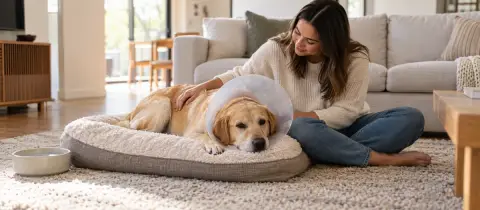
A cat cone (the "cone of shame", or Elizabethan collar) sits around your cat's neck so they can't lick, chew or scratch a wound or stitches. This guide compares soft, plastic and donut styles, with real neck sizes from four Amazon Australia listings, and covers fitting, food and the litter tray. Eating from a cone is easier with a raised cat bowl, and if you also need a cone for a dog, see our dog cone guide.
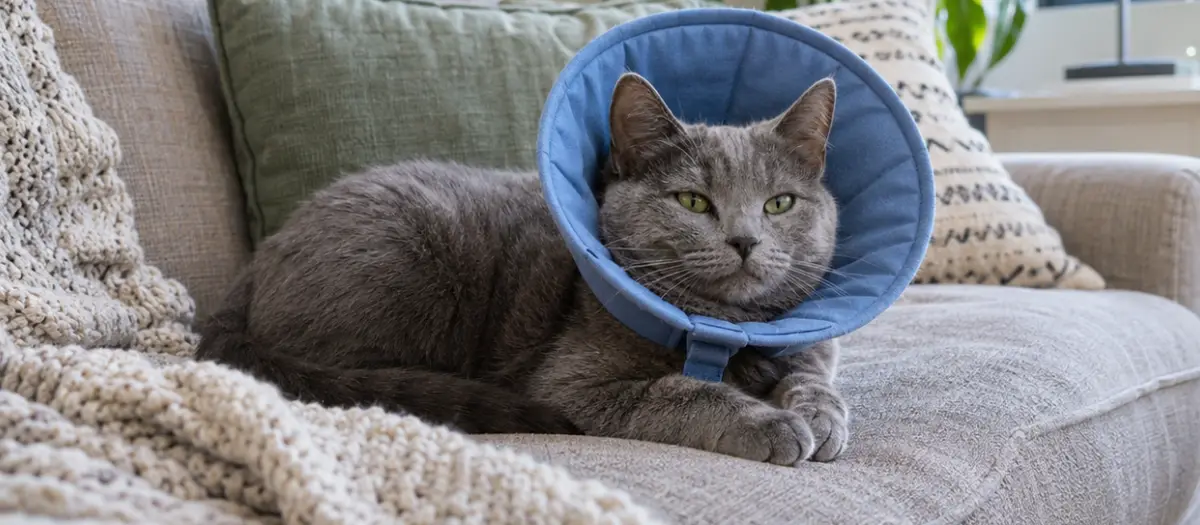
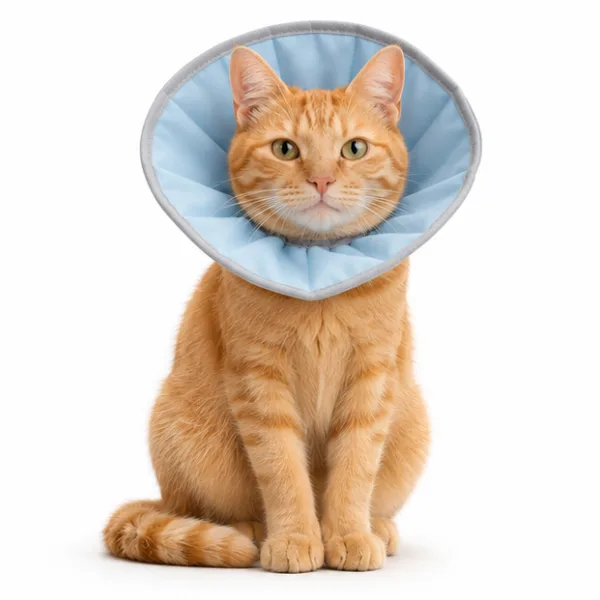
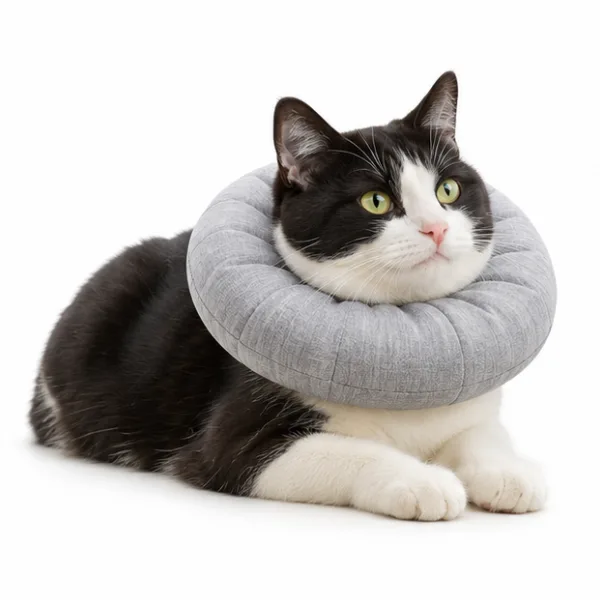
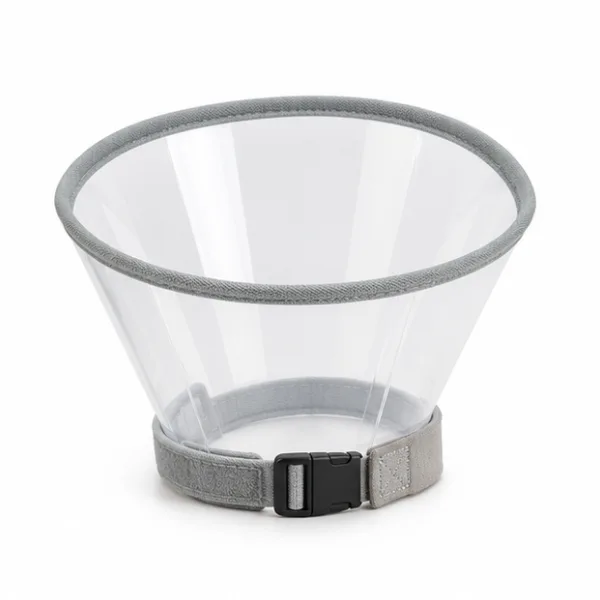
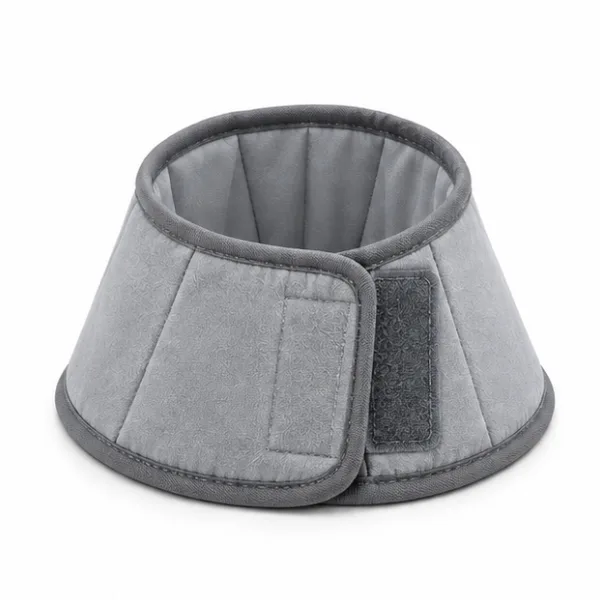
Pictures are illustrations, not the actual products.
Vets and pet shops sell cones too. Your vet may send your cat home with a plastic one, and it's worth asking before you buy another.
Which one suits you?
Match the cone to where the wound is and how your cat copes. Your vet knows the wound, so use this table to start the conversation, not to overrule them.
Swipe sideways to see every column
Situation
Type to consider
Our pick
Wound on the neck, chest or upper body, cat dislikes hard plastic
The best cone is the one that stops your cat reaching the wound while still letting them eat, drink and move. Fit matters more than style. Your vet will often supply a plastic cone after desexing, and a soft or donut cone only works if the wound is somewhere it can cover.
VCA Animal Hospitals lists traditional plastic cones, soft fabric cones, donut-shaped collars and recovery suits as the options, and says to ask your vet about alternatives if your cat won't tolerate the cone (VCA Animal Hospitals, "Elizabethan collars in cats", updated 20 September 2023, page read 4 November 2026). It doesn't rank them, so we won't either. Two of the soft listings below say plainly that they may not help with wounds on the paws.
A soft, light cone in a purple flower print. The listing gives the L size as a neck of 19.8 to 31.8 cm (7.8 to 12.5 in) with a 33 cm (13 in) diameter, for cats it describes as about 5 to 8 kg (11 to 18 lb), and a weight of about 130 g (4.5 oz). It closes with a buckle and an adjustable elastic. The listing says it is made of waterproof PP cotton, doesn't make a noise when worn, and lets a cat eat, drink and play.
The listing is honest that it may not be much use for paw wounds, so check where the wound is before you order. It also lists the collar for nail trimming and brushing, which is a handy second use.
Pros: soft and light; buckle and adjustable elastic; the listing says it is waterproof; the listing says cats can eat and drink in it
Cons: the listing says it may not help with front or back paw wounds; the weight guide in the listing is worded unclearly, so measure the neck instead; just the L size is described here
Best for: a cat with an upper body wound who fights a hard plastic cone
Skip it if: the wound is on a paw, or your cat is a very small kitten under the listed neck size
A soft, round donut-style collar in a dragonfruit design. The listing describes size S as 19 x 19 x 4.6 cm (7.5 x 7.5 x 1.8 in), for a neck of 13 to 20 cm (5 to 8 in) and cats under about 3 kg (7 lb). It pulls on and adjusts with a stretchy string, and the listing says there are two sizes. It says the soft fabric means less resistance than plastic cones and that cats can eat, drink and play.
The listing does not say this stops a cat reaching every wound. It says it may not be much use for lower body wounds such as the front and back paws, so a donut may not suit every wound, and your vet decides. The listing's material line says plastic, which doesn't match the soft fabric description, so we can't confirm what it is made of.
Pros: soft and light; adjustable inner; the listing says cats can eat and drink in it
Cons: the listing says it may not help with lower body wounds; listed as not water resistant; the material details in the listing conflict; the size S is for small cats only
Best for: a small cat or kitten with an upper body wound, if your vet agrees a donut is enough
Skip it if: the wound is on the paws or hindquarters, or your cat is flexible enough to reach round a donut
3. Supet adjustable cat e-collar: best structured cone
A more traditional cone shape made from PVC with a soft fabric edge. The listing says it suits dogs and cats of different sizes, comes with a size chart, and advises ordering the next size up if your pet's measurement is close to the maximum. It closes with hook and loop, per the listing's text, though the product details list a button and snap, so check the photos. A large size on the listing gives a neck of 52 cm (20.5 in), so choose a small size for a cat.
A structured cone is closer in shape to the plastic cone a vet may hand out. The listing doesn't say whether a cat can eat or drink in it, so use the bowl tips below.
Pros: firmer shape; soft fabric edge; size chart; the listing says it is easy to clean
Cons: the listing is aimed at dogs as well, so choose your size carefully; the fastening details conflict; the listing doesn't say whether cats can eat in it; not water resistant
Best for: a cat who gets soft collars off, or a wound that a donut won't cover
Skip it if: your cat hates stiff collars, or you can't confirm the size from the chart
4. Agape soft cone for cats and small dogs: best lightweight soft cone
A soft cone made with an EVA lining, ribbed fabric and a reflective trim. The listing gives a weight of about 54 g (1.9 oz), a neck of 30 cm (12 in), and says it is water repellent and washable. It closes with a drawstring and buttons, and the listing says the cord is adjustable. The listing says the cone is deep enough to protect more than inflatable and petal collars, which is the brand's claim.
The brand makes it for puppies, small dogs and cats, but this listing gives one neck size, 30 cm (12 in), which suits an average to larger adult cat rather than a kitten. The listing doesn't say whether a cat can eat and drink in it. Measure the neck before you order, as the listing asks.
Pros: very light; reflective trim; water repellent, per the listing; washable; deeper than a donut, per the listing
Cons: sold for dogs and cats, so sizing needs care; one size shown here; the listing doesn't say whether a cat can eat and drink in it
Best for: an adult cat with a neck close to 30 cm who needs more depth than a donut
Skip it if: your cat's neck is well under 30 cm, such as a kitten, or you need a firm barrier
Soft, plastic or donut: which works for cats?
Plastic is the firmest barrier, soft cones are often easier to sleep and eat in, and the donut listing here says it suits upper body wounds only. Which one works depends on where the wound is and how flexible your cat is, so let your vet choose.
Plastic: the Cat Protection Society of NSW describes a hard, lightweight plastic collar that can make eating and drinking hard, with some cats unable to eat or drink without help (Cat Protection Society of NSW, "Elizabethan collars" factsheet, page read 4 November 2026).
Soft cone: the listings for our soft picks say cats eat, drink and play in them. That's the makers' claim, so watch how your own cat copes on day one.
Donut: the ANWA listing says it may not be much use for lower body wounds such as the front and back paws.
Are cones necessary for cats?
Often yes, but not always. A cone stops a cat licking or chewing at a wound or stitches, and that can reopen the wound or cause infection. Whether your cat needs one depends on the wound, so ask your vet instead of guessing.
The Cat Protection Society of NSW lists damaged or removed stitches and a reopened wound among the reasons to phone your vet straight away. Some wounds are covered or protected another way, and your vet will say so.
What can I use instead of a cone for my cat?
Ask your vet first. Alternatives include a soft cone, a donut collar, or a recovery suit that covers the body. VCA Animal Hospitals names recovery suits as an option. A suit suits some wounds and not others, and a cat in a suit still needs the toilet, so your vet should show you how it works.
Don't improvise with a sock, a towel or a child's clothing. A homemade cover can slip, trap moisture on a wound or get chewed through. For dogs, our dog recovery suit guide explains how the suits work, and a cat suit follows the same idea, but sizing and fit are different, so get vet advice for your cat.
Is it okay for a cat to sleep with a cone on?
Yes, and the cone usually stays on while they sleep. A cat can lick a wound the moment you look away, so most vets want the cone on day and night. VCA Animal Hospitals says taking it off is generally not advised, though your vet may allow short breaks under close supervision.
A soft cone can feel more like a pillow, which some cats prefer. Check that your cat can lie down and rest their head comfortably, and that the collar isn't pressing on their neck.
Can I leave my cat home alone with a cone?
Watch your cat closely for the first day or so before leaving them alone, and keep them indoors. Cats can get stuck, bump into things or not eat in a cone, and a quiet single room with food, water and a tray is easier to check on than the whole house.
VCA Animal Hospitals says a cone limits vision and can catch on plants or block movement, so a coned cat shouldn't go outside unless supervised. If you must be out for a long stretch, ask your vet whether it is safe for your cat and wound.
How long does a cat wear a cone?
Your vet decides. The Cat Protection Society of NSW says it is usually a matter of days up to a fortnight, and rarely several weeks, while VCA Animal Hospitals says to keep it on until the wound has fully healed and to follow your vet's instructions. Results vary from cat to cat.
Never take it off because the cat looks fine, or after a set number of days. A wound can look healed on the outside while the stitches or tissue underneath still need protection. Book the recheck if your vet asked for one, and let them say when it can come off.
Cat cones compared
Details from each Amazon Australia listing, checked on 4 Nov 2026. Sizes are in centimetres first, converted from the inches the listings give.
We searched Amazon Australia for cat cones and recovery collars, then shortlisted ones that met all of these checks:
Well rated: a strong average rating with plenty of buyer reviews.
No red flags: no pattern of poor reviews, safety complaints or listing problems.
Available on Amazon Australia when we checked.
Cone type is clear, so you know whether it is soft, donut or structured.
Neck sizes stated, with a size or a size chart, converted to centimetres.
Closure stated, so you know how it fastens and adjusts.
Eating and drinking: whether the listing says the cat can eat and drink in it.
These are researched picks, not products we've personally tested. We compared the specifications and features shown on each Amazon Australia listing, checked on 4 Nov 2026. We didn't accept payment from any brand, and no brand saw this page before it was published.
Left out this time: cones with a pattern of poor fit, and cones with no size chart.
How to fit and measure a cat cone
Measure your cat's neck with a soft tape, then match it to the size chart. Fit the cone so you can slip two fingers between it and the neck. The collar shouldn't restrict breathing or swallowing, and it shouldn't be loose enough to slide off.
VCA Animal Hospitals gives the two-finger check and says to look at the neck daily for irritation or rubbing, and to adjust or change the size if needed. If your cat is between sizes, go by the listing's size chart. The Supet listing advises the next size up when a measurement is close to the maximum.
Ask your vet to show you how to fit and remove the cone. Check that your cat can turn their head, and that the cone doesn't hide the wound so you can't see it. Plastic cones should clear the floor when your cat lowers their head to the bowl.
Eating, drinking and the litter tray in a cone
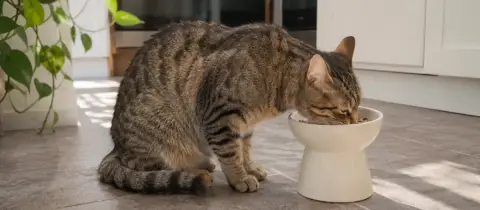
Most cats manage a properly fitted cone, but some need help for the first day or two. Raise the bowls so the cone clears the floor, use a bowl narrower than the cone's rim, and put it on a rubber mat so it doesn't slide.
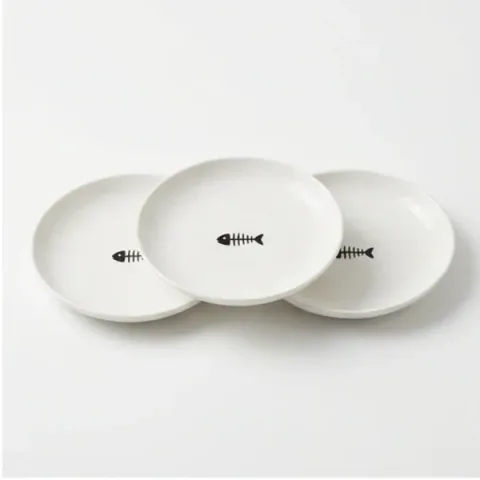
The Cat Protection Society of NSW suggests a bowl narrower than the collar rim, raised so the cone doesn't hit the floor, on a rubber mat with plenty of room. VCA Animal Hospitals says some cats prefer a plate or saucer. A shallow, wide dish or one of our raised cat bowls can both help.
Water: put a bowl or two where your cat rests, or use a cat water fountain if they're used to it.
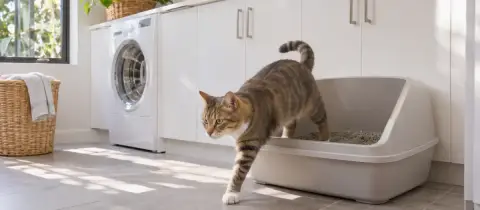
Litter tray: use a low-sided tray (see our cat litter box guide) and check your cat can get in and out with the cone on. Take the lid off a covered tray for now, and ask your vet what litter to use on a fresh wound.
Keep it small: a single quiet room with food, water, a bed and a tray makes it easier for your cat to find things.
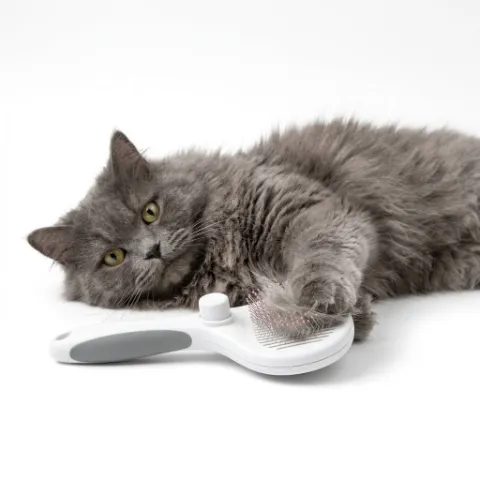
Grooming: a coned cat can't groom, so a gentle brush each day helps. Our cat brushes guide has options, and our cat hair clippers guide explains which mats need a groomer.
No appetite: some cats refuse food at first. The Cat Protection Society of NSW lists refusing food or water, or not urinating for 24 hours, as reasons to phone your vet straight away.
If you're tempted to take the cone off to help them eat, ask your vet first. Never remove it without their say-so.
When to see a vet
Call your vet straight away if your cat refuses food or water, hasn't passed urine for 24 hours, or the stitches are damaged or have come out. The Cat Protection Society of NSW lists these among its reasons to phone, and adds wound reopening, heavy bleeding and signs of infection.
Also call if the wound looks red, swollen or has discharge, if you can't refit the cone properly, or if your cat seems very distressed. VCA Animal Hospitals says to contact your vet if you cannot refit the collar properly, and to ask about alternatives if your cat won't tolerate it.
Don't remove the cone early or change the type without asking your vet. Keep your cat indoors while it is on.
Frequently asked questions
Which cat cone is best after desexing?
The best cone is the one your vet says suits the wound and that fits with two fingers under the neck. Soft cones are often easier for cats to eat and sleep in, while a firmer cone covers more. Our top pick is the H HIDREAM soft waterproof collar, if the wound is on the upper body.
Is a cone or donut better for cats?
Neither is better for every cat. A donut is softer, but the ANWA listing says it may not suit lower body wounds, while a deeper cone covers more of the body. Which one your cat needs depends on where the wound is and how flexible they are, so your vet decides.
Does my cat really need a cone after surgery?
Often, yes. A cone stops a cat licking or chewing a wound or stitches, which can reopen it or let infection in. Not every wound needs one, and some are protected another way, so ask your vet instead of guessing.
Is a recovery suit a good cone alternative for cats?
Ask your vet about a soft cone, a donut collar or a recovery suit. VCA Animal Hospitals lists recovery suits as an option. Don't improvise with a sock or towel, as it can slip or trap moisture on the wound. Use an alternative only after your vet agrees.
Should my cat keep the cone on at night?
Yes, and it should usually stay on while they sleep, as a cat can lick a wound the moment you look away. VCA Animal Hospitals says removing it is generally not advised, though your vet may allow brief supervised breaks. Check your cat can lie down comfortably.
Can my cat be home alone in a cone while I'm at work?
Watch your cat closely for the first day before leaving them alone, and keep them indoors in a quiet room with food, water and a low-sided tray. A cone limits vision and can catch on things, so if you'll be out for long, ask your vet whether it is safe.
Can I take the cone off my cat after 7 days?
Not unless your vet says so. The Cat Protection Society of NSW says it is usually days up to a fortnight, and rarely several weeks, while VCA Animal Hospitals says until the wound has fully healed. Don't take it off after a set number of days.
How do I measure my cat for a cone?
Wrap a soft tape around the neck where the collar will sit, snug but not tight, and match it to the listing's size chart. Then check you can slip two fingers under the fitted cone. If your cat is between sizes, check the maker's advice, and ask your vet to check the fit.
Product details from each linked Amazon Australia listing, checked on 4 Nov 2026.
This guide provides general information and isn't a substitute for veterinary advice. If you're concerned about your cat's wound or recovery, speak with your vet.