Door scratch protectors for dogs: clear guards compared
By Anish PuriUpdated 18 Nov 202613 min readResearched, not tested by us
Research guide. WhiskerFinds may earn a commission from links, at no extra cost to you.
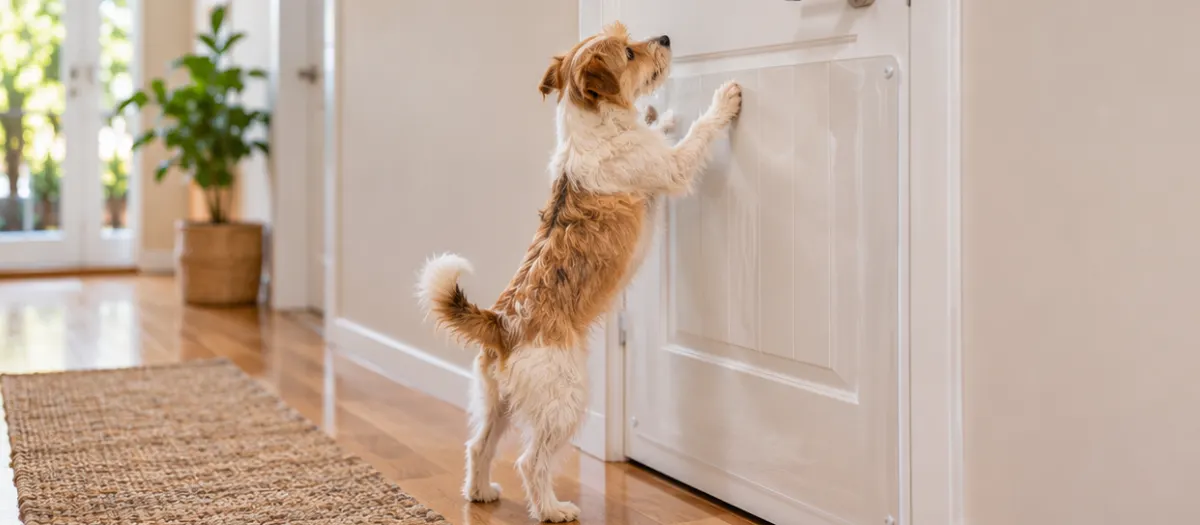
Quick answer: A door scratch protector is a clear sheet or roll that covers the part of a house door your dog paws, and for most doors the Uross 43 cm vinyl roll is our top pick. It protects the paint, not your dog, and it doesn't treat the reason for the scratching. Measure where your dog scratches before you buy.
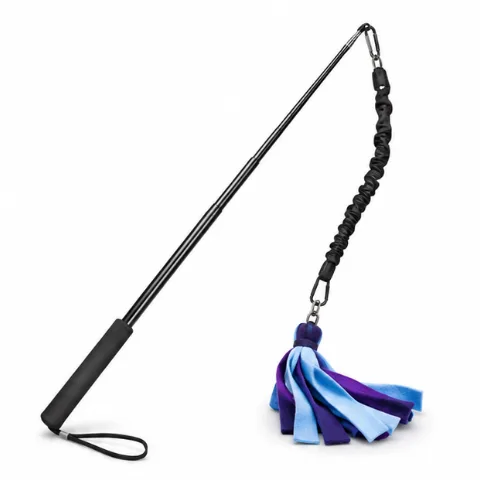
Illustration, not the actual product
Our top pickUross door protector, 43 cm x 500 cm vinyl roll
This guide is about house doors. If you're after car door protection, our dog car seat covers guide is the better place to start. Here we compare six clear guards on Amazon Australia by size in centimetres, thickness and how they fix to the door.
If the scratching only happens when you're out, a guard saves the paint but doesn't help your dog, so read the section below on scratching when you're out and our separation anxiety guide first.
Quick picks
Our top pickBest overall
Uross door protector, 43 cm x 500 cm vinyl roll
Wide enough that two strips cover an 82 cm door, cut to size
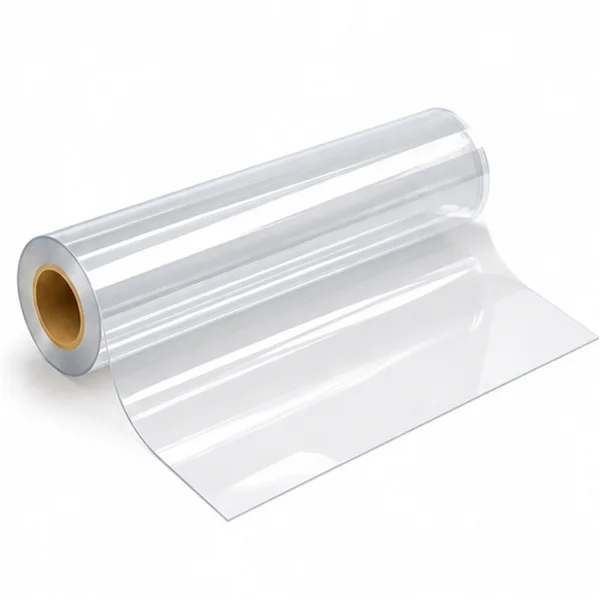
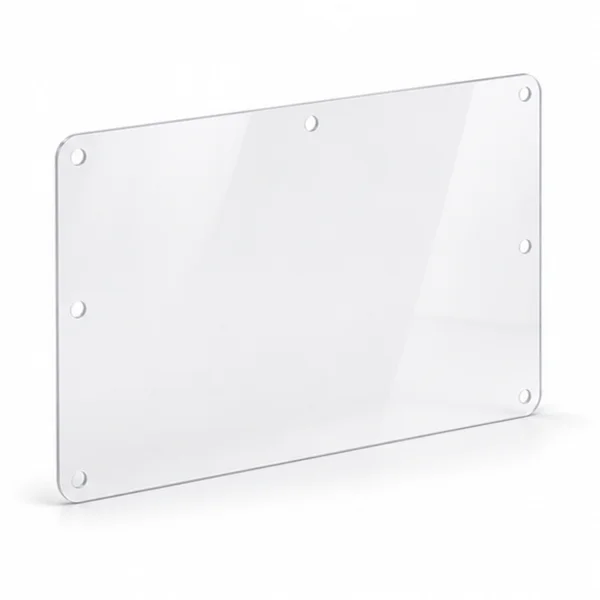
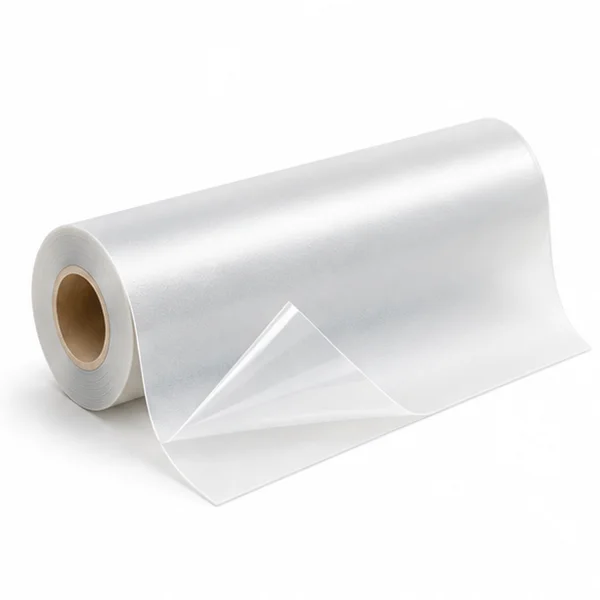
Pictures are illustrations, not the actual products.
Door scratch protectors compared
Details from each Amazon Australia listing, checked on 18 Nov 2026. "Not stated" means the listing doesn't say. The last column is our arithmetic against a door 82 cm wide.
Swipe sideways to see every column
Pick
Form
Size (cm)
Thickness
Fixing
Covers an 82 cm door width?
Uross
Roll
43 x 500
Not stated
Adhesive back
Two strips side by side
PETFECT
Sheet
90 x 60
0.8 mm
Adhesive dots
No, one sheet covers the scratch zone
Gimars
Roll
45 x 500
Not stated
Adhesive back
Two strips side by side
Dictien
Roll
30 x 500
0.13 mm
Adhesive back; 40 fastening buttons included
Three strips
CHUANGSEED
Roll
21 x 500
Not stated
Adhesive back
No, edges only
LAMINET
Sheet
About 91 x 41 (36 x 16 in)
0.030 gauge, about 0.76 mm
8 pairs of hook-and-loop coins
No
Does scratching when you're out mean separation anxiety?
It can. Look at when it happens. Scratching or chewing at doors and frames only when you've left is more consistent with distress about being alone than with boredom, and the ASPCA says dogs with separation anxiety may chew door frames and window sills and dig at doorways, usually only when their person is away (ASPCA, "Separation Anxiety", page read 18 November 2026).
Escape attempts can be intense. The ASPCA warns they can break teeth, scrape paws and damage nails, so a guard won't make that situation safer for your dog. It also says scolding or punishing makes anxiety worse.
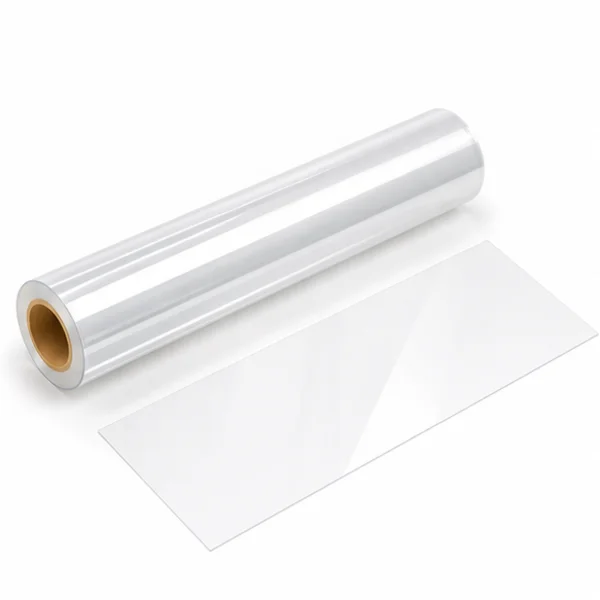
A roll of transparent vinyl, 43 cm wide and 5 m long, that you cut to size and stick on. At 43 cm it's wide enough that two strips cover an 82 cm door, so it works for the whole lower half or just the scratch zone. The listing says it's wear-resistant and leaves no residue when removed, and it also names doors as a use. The same family comes in a 30 cm x 500 cm roll and a longer 43 cm x 800 cm roll.
Pros: wide roll cut to any size; two strips cover the door width; longer and narrower options in the same family
Cons: thickness not stated; adhesive back, so paint condition matters; the listing's own advice against worn surfaces
Best for: covering the lower half of a door edge to edge
Skip it if: the paint is old or flaking
2. PETFECT door scratch protector, 90 x 60 cm polycarbonate: best rigid-style sheet
A single clear sheet of 0.8 mm polycarbonate, 90 x 60 cm, which the listing calls more flexible than hard plastic. It's fixed with double-sided adhesive dots, with instructions included, and the listing says it suits wood, metal, plastic and glass doors. Fit it at paw height. Turned so the 60 cm side runs across the door, it covers the scratch zone but not the full width of an 82 cm door.
Pros: 0.8 mm thickness stated; dot fixing means less contact with the door; suits wood, metal, plastic and glass doors per the listing
Cons: imported, so check the delivery details on Amazon before you order; one sheet doesn't cover a full door width
Best for: a dog that digs hard at one spot
Skip it if: you want a cut-to-size roll for a whole door
3. Gimars anti scratch protector, 45 cm x 500 cm roll: best roll for sofas and doors
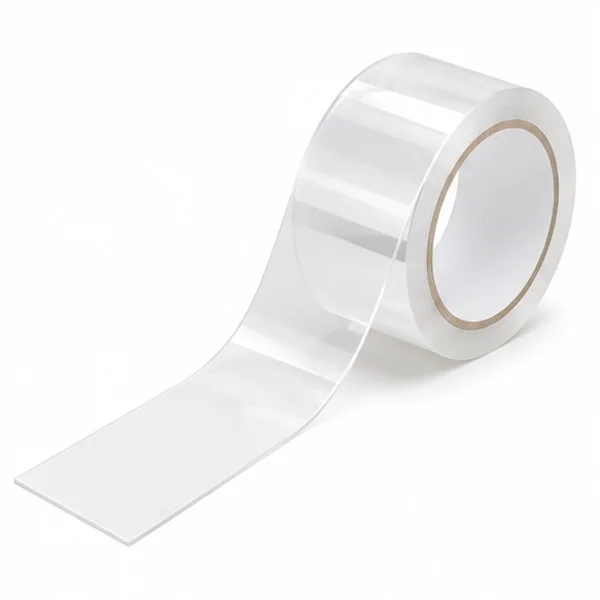
A transparent self-adhesive roll, 45 cm wide and 5 m long, that the listing names for doors, sofas and walls. It includes a smoothing scraper to push out air bubbles, plus 50 twist pins, which are for fabric and don't matter on a door. The listing says it peels off without residue and isn't suitable for leather or faux leather.
It's the closest rival to the Uross roll, and a good second choice if you also have a cat or a sofa to protect. See our couch scratcher guide for cats.
Pros: wide roll; scraper included; also usable on other furniture
Cons: the listing is written for cats; thickness not stated; adhesive back
Best for: a household with a scratching cat and dog
Skip it if: the door paint is fragile
4. Dictien scratch protector, 30 x 500 cm, 0.13 mm: best thicker roll
A narrower roll with a thickness on the label: 0.13 mm, which the listing contrasts with other brands at 0.05 mm (the maker's comparison). It's PET and acrylic, wipes clean with a damp cloth, and comes with 40 fastening buttons. The listing is written for cats and furniture, but the film works the same way on a door.
Pros: thickness stated; wipes clean; cut to size
Cons: imported, so check the delivery details on Amazon before you order; narrow; the listing doesn't say how to fix the buttons to a door
Best for: a chosen scratch zone where you want a thicker film
Skip it if: you want one wide strip
5. CHUANGSEED door scratch protection, 21 cm x 5 m: best narrow strip for edges
A 21 cm wide, 5 m long self-adhesive strip for door edges, around handles and along trim. The listing says it peels and sticks, removes without residue, and suits wood, metal and trim. The listing's dimension field is wrong, so go by 21 cm x 5 m.
A narrow 21 cm strip covers a scratch zone, not a whole door, and the listing doesn't state a thickness.
Pros: narrow strip for edges and handles; long roll; cut to size
Cons: imported, so check the delivery details on Amazon before you order; narrow; listing details inconsistent; thickness not stated
Best for: edges, trim and around a handle
Skip it if: you want to cover a whole door
6. LAMINET Deluxe Dog Scratch Shield, about 91 x 41 cm: best no-adhesive option
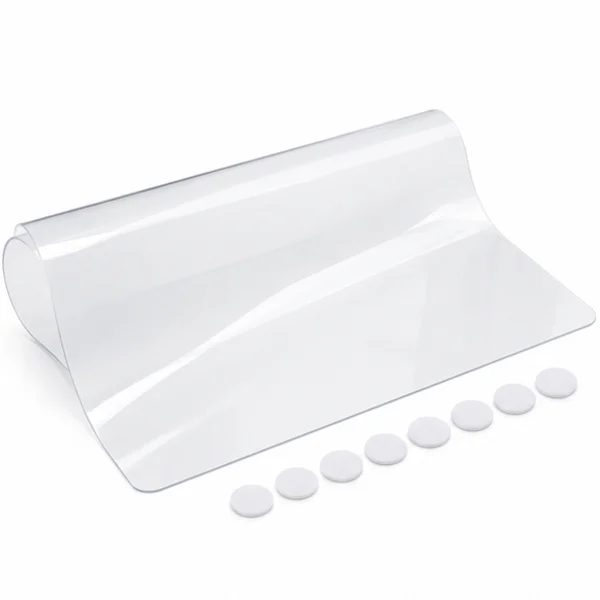
The only guard here with no glue or tape. The listing says it's a 36 x 16 inch (about 91 x 41 cm) sheet of flexible clear vinyl, 0.030 gauge (about 0.76 mm), with 8 pairs of hook-and-loop coins to hold it. It trims with scissors, and the listing says it suits wood, sliding patio and storm doors.
Pros: hook-and-loop fixing; stated thickness; made in the USA per the listing
Cons: imported, so check the delivery details on Amazon before you order; new to Amazon Australia, so check recent feedback; one sheet doesn't cover a whole door
Best for: renters who don't want glue across the paint
Skip it if: you want an established local listing
What should you do first, depending on when your dog scratches?
Start with the pattern, then pick the tool. Note when the scratching happens, which door it targets and what else your dog is doing at the time, because the same behaviour can have different causes. Our table is a starting point, not a diagnosis, and a vet can work out what's behind a change.
The best guard is the one that covers where your dog actually scratches without covering the whole door. Clear vinyl rolls suit most doors because you can cut them to size, while a rigid-style sheet gives a firmer surface for dogs that dig hard. We'd start with a roll.
Watch where your dog scratches for a day. Claws usually land low, at paw height, and often near the handle side. Measure from the floor to that spot, add some margin, and compare it against the sizes above. Most Australian internal doors are about 82 cm wide and 204 cm tall, but measure yours.
What size door scratch protector do you need?
Cover the scratch zone with some margin, not the whole door. A strip 43 to 45 cm wide covers about half an 82 cm door, so two side by side run edge to edge. The 60 cm sheet and the 41 cm shield cover the area behind the handle, which is where many dogs dig.
Height matters as much as width, and it depends on your dog's size and whether it stands up against the door. Look where the highest scratch marks are, and cut the guard to start a little above them.
A sliding door is a different shape. The lower glass panel is what gets scratched, so measure the panel, and leave a gap at the track and frame. See our dog door for a sliding door guide if your dog wants to come and go.
How do you fit a door guard without wrecking the paint?
Clean the door, let it dry, and test the fixing on a hidden spot first. A guard's adhesive can lift paint that is old, flaking or badly prepared, and the Uross listing itself says it doesn't recommend its roll on worn furniture. The "no residue" lines on several listings are the makers' claims, not ours.
Swipe sideways to see every column
Fixing
How it holds
Paint risk
Good for
Picks
Adhesive back
Peel and stick
Highest on old or flaking paint
Sound, well-painted doors
Uross, Gimars, Dictien, CHUANGSEED
Adhesive dots
Double-sided dots under a rigid sheet
Lower, only the dots touch the door
Smooth painted or glass doors
PETFECT
Hook-and-loop coins
Coins on the door and on the sheet
The coin faces still stick to the door
Renters who prefer no full-surface glue
LAMINET
Self-adhesive steel plate
Peel and stick
Permanent-feeling, test on a hidden spot first
Hiding marks that are already there
None on this page
If you rent, check your tenancy agreement, ask your landlord or agent, and remember that taking a guard off can lift paint whatever the fixing. Photograph the door beforehand. Where paint is fragile, hook-and-loop or leaving the guard off and managing access with a gate may suit better.
Is your dog chewing the guard's edges?
Check the edges every few days. A chewed corner of plastic is a signal to remove the guard, because swallowed plastic can cause problems for your dog and your vet can advise if a piece goes missing.
Clear scratch film and protector sheets are also sold in pet shops, hardware shops and some homeware shops, usually in a small number of sizes. Wherever you buy, check the width in cm against your door and ask whether the fixing suits your paint.
Choose by situation
Swipe sideways to see every column
Your situation
What to look for
Our pick
A typical painted internal door
A 43 to 45 cm wide roll
Uross (1) or Gimars (3)
Whole lower door, longest roll
Length in cm, not just width
Uross, 43 cm x 800 cm listing
A dog that digs hard at the handle zone
A thick sheet
PETFECT (2)
Edges and the area around a handle
A narrow strip
CHUANGSEED (5)
Thicker film in a narrow width
A stated thickness
Dictien (4)
Rental, no glue on the door
Hook-and-loop fixing
LAMINET (6)
Door already scratched
Fill and repaint, or a steel plate over the marks
See the fixing table
Old or flaking paint
Test first; consider a gate instead
Hook-and-loop, or no guard
How we chose
We searched Amazon Australia for door scratch protectors, dog door guards and clear scratch film, then shortlisted those that met all of these checks:
Well rated: a strong average rating with plenty of buyer reviews.
No red flags: no pattern of poor reviews, safety complaints or listing problems.
Available on Amazon Australia when we checked.
Made for doors, or clearly usable on one, with the size in cm stated on the listing.
A stated fixing method (adhesive, dots or hook-and-loop).
Honest about limits, such as surfaces the maker says not to use it on.
Where a listing is imported or missing a detail, we say so in the cons. These are researched picks, not products we've personally tested. We compared the specifications and features on each Amazon Australia listing, checked on 18 Nov 2026, and we didn't accept payment from any brand.
Left out this time: sticky deterrent tapes that dogs' paws touch, car door and sill protectors, sandpaper-style sheets, and listings with no clear size or maker information.
Book a vet visit if the scratching is new, only happens when you're out, comes with panting, drooling, pacing, barking or toileting indoors, or if your dog is hurting their nails, paws or teeth on the door. These can have many causes, and a vet can check for pain or illness, then refer you to a qualified, reward-based behaviour professional. A guard won't treat any of them. See our separation anxiety guide.
Go to a vet or emergency clinic straight away if your dog has swallowed a piece of plastic or film and is vomiting, off their food or in pain.
Frequently asked questions
What can I put on my door so my dog doesn't wreck the paint?
A clear guard over the scratch zone protects the paint, and a gate or closed door can stop access altogether. A guard doesn't change why your dog scratches. Pair it with exercise, enrichment and our chewing guide, and see a vet if it only happens when you're out.
How do I fix dog scratches on a door?
Light scratches in paint can be filled, sanded smooth and repainted, and deeper gouges in timber need wood filler first. Repair the door before fitting a guard, because a guard over damaged paint can lift more of it when removed. Ask a paint or hardware shop for the right product for your door.
Can I use a door protector on a glass or sliding door?
Often, yes. The PETFECT listing names glass doors and the LAMINET listing names sliding patio doors. Measure the lower glass panel, leave a gap at the frame and track so the door still slides, and test the fixing first. Adhesive dots or hook-and-loop coins tend to be easier to remove from glass than full adhesive.
Do door protectors work for cats too?
Yes, for claw damage. Several of these rolls are written for cats and furniture, and the same film protects doors from either animal. A guard doesn't give a cat anything to scratch instead, so add a post as our cat scratcher for couch guide describes.
Will a door protector stick to a painted door?
It depends on the paint. Sound, well-cured paint holds a guard better than old, chalky or flaking paint, and the Uross listing warns against worn surfaces. Clean the door, test a hidden spot for a few days, and choose hook-and-loop or dots where paint is fragile.
Should I trim my dog's nails to reduce door damage?
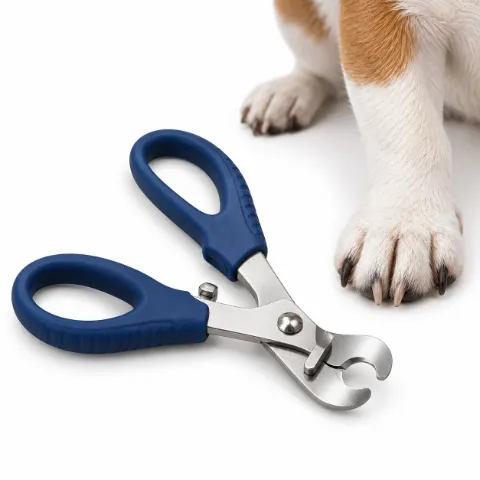
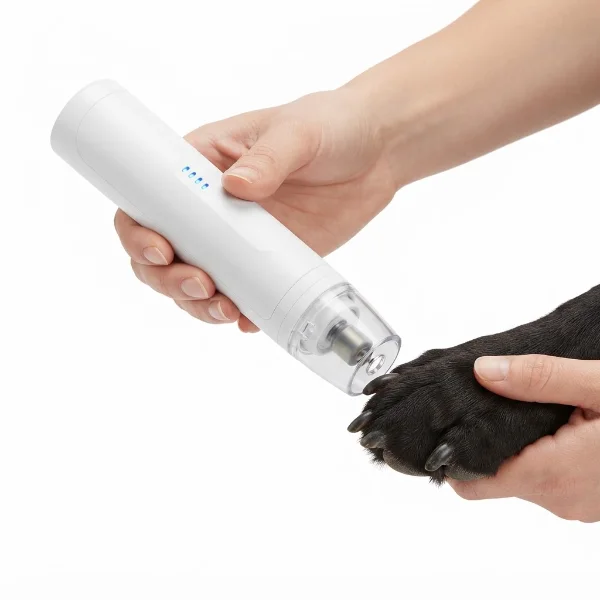
Keeping nails short helps, as long nails dig in and scratch deeper. VCA says most dogs need a trim about once a month. Our nail clippers guide compares tools, and a vet or groomer can show you how if you're unsure about the quick.
Why does my dog scratch the door at night?
Common reasons are needing the toilet, noises outside, wanting to join you or being unable to settle. The pattern matters: a new habit, or scratching with panting, pacing or other changes, is worth mentioning to your vet. Check the toilet routine, the sleeping spot and the exercise your dog gets in the evening.
Can I use a door protector on a car door?
These are made for house doors, walls and furniture, and none of the listings mentions a car. For a dog that scratches car doors, a seat cover with door flaps is the better tool, and our dog car seat covers guide compares them.
Product details from each linked Amazon Australia listing, checked on 18 Nov 2026.
This guide provides general information and isn't a substitute for veterinary advice. If you're concerned about your dog's scratching, anxiety or behaviour, speak with your vet.