Research guide. WhiskerFinds may earn a commission from links, at no extra cost to you.
Quick answer: A dog door for a sliding door comes in three types. Renters and no-cut jobs suit an insert panel in the door track (our pick: VEVOR). A glazier can fit a pet door into new glass for a permanent job. A fly screen flap is the simplest option but only works with the glass door open. For a security door with a dog door, a lockable flap can go into the security screen. Whichever you choose, pick one that locks.
Sliding doors are the hardest doors to fit a pet flap into, because most of the door is glass. This guide compares the three ways to do it, shows who each one suits, and lists three products on Amazon Australia. For the wider picture, see our guide on how to install a dog door.
Quick picks
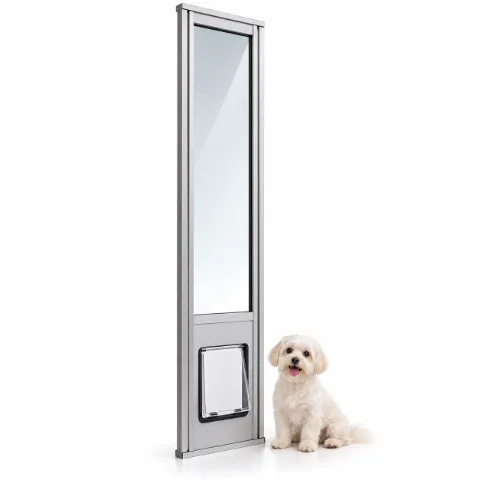
VEVOR Dog Door for Sliding Glass Door, Medium
Panel that slides into the door track with no cutting, lockable flap
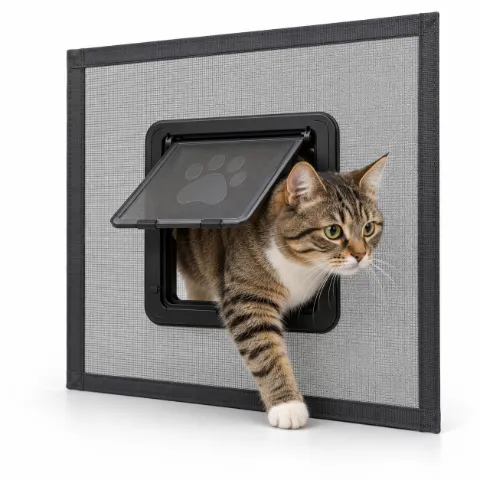
"Dog Door Screen" Lockable Pet Door, Small
Screw-in flap with two sliding locks and magnets
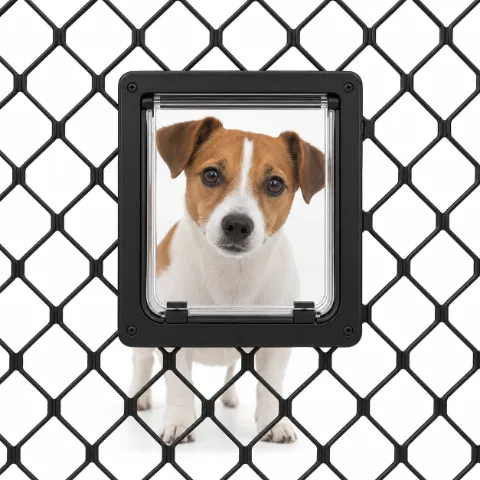
Petway Small Pet Door for Security Screen Doors and Flyscreens
Ultra-slim so a sliding screen can still slide; Australian origin per the listing
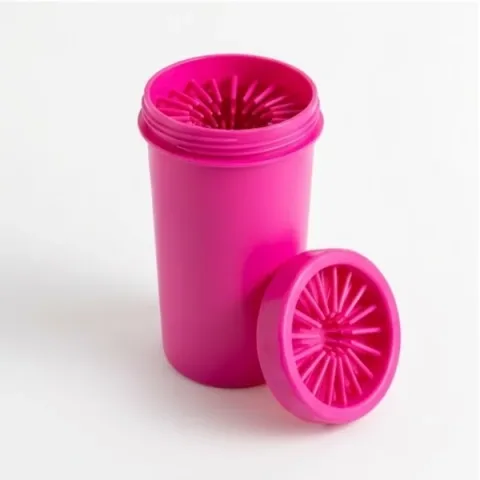
Dexas MudBuster paw washer
Helps with muddy paws before they reach the floor.
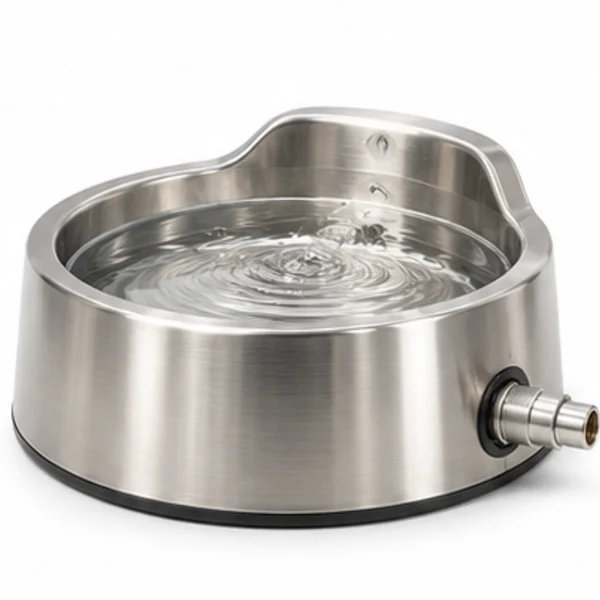
PETIMI automatic water dispenser
Keeps fresh water out in the garden for a dog who comes and goes.
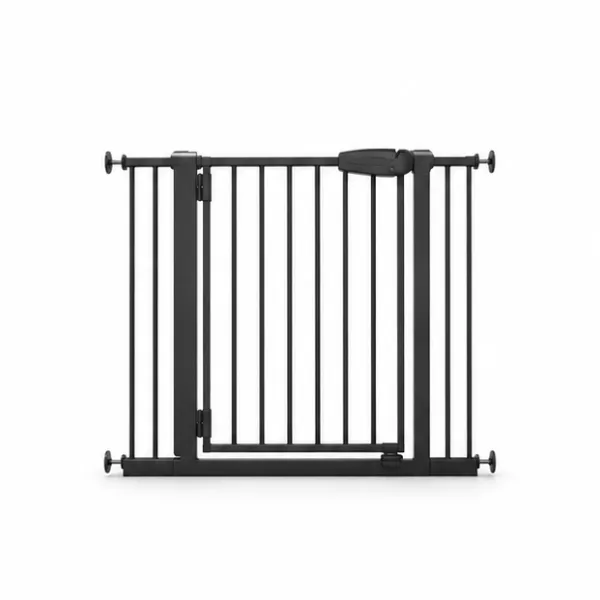
Dreambaby Chelsea auto-close safety gate
Lets you close off a room or a stretch of hallway when the dog door isn't wanted.
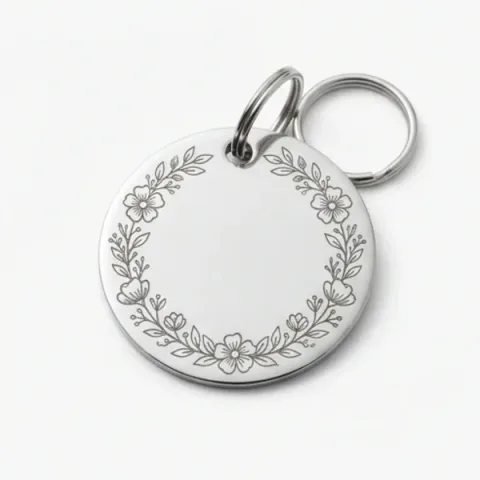
Meow the Woof engraved stainless dog tag
A dog who can let themselves out should always wear ID.
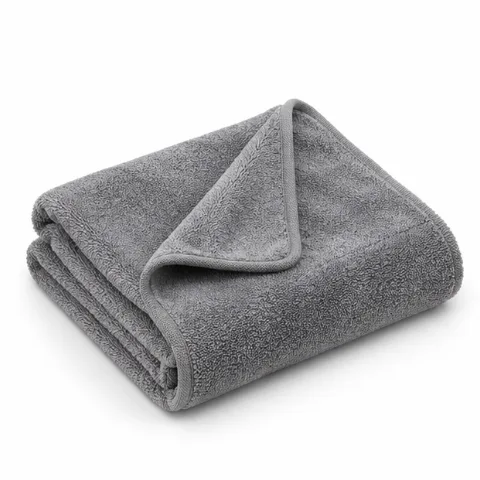
Lucky Paws Dog Towel, Extra Large 140 x 70 cm
A big towel to keep by the door for wet or muddy dogs coming back inside.
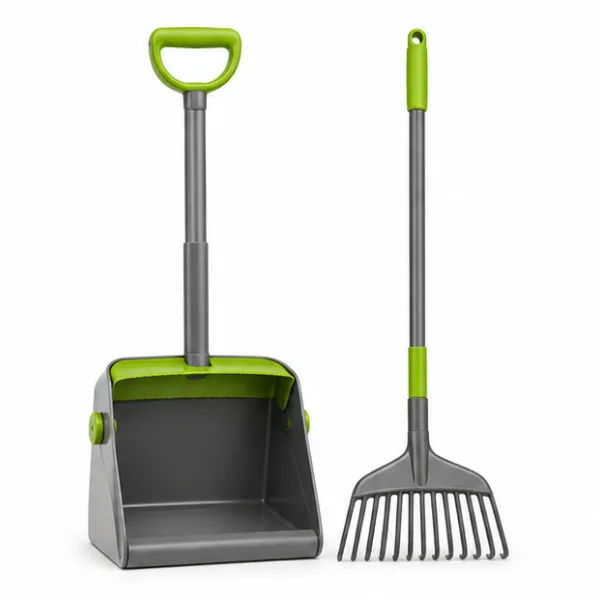
Arm & Hammer Swivel Bin and Rake Pooper Scooper
A dog with free garden access still needs the yard cleaned up regularly.
Pictures are illustrations, not the actual products.
Fitting a pet door into the glass itself is a glazier's job, so there's no single product pick for that option. We explain why below.
Dog door for a sliding door: what are your options?
You have three choices: an insert panel that replaces the usual gap in the track, a pet door set into the glass by a glazier, or a flap fitted into the sliding fly screen. They differ mainly in whether anything gets cut, whether a renter can use them, and whether they work when the glass door is shut.
| Option | Cutting? | Renter friendly? | Works with the glass door shut? | Best for |
|---|---|---|---|---|
| Insert panel | No | Often, check your lease | Yes | Renters and quick, removable fixes |
| Glass-fitted pet door | Yes, new glass is made | No, needs consent | Yes | Owners who want a neat, permanent job |
| Fly screen flap | Small cut in the mesh or a clamp fit | Sometimes, check your lease | No, the glass door must be open | Warm weather, small dogs and cats |
Can renters fit a dog door in a sliding door?
Renters generally need the landlord's or agent's written consent before making changes such as cutting a pet door, and the rules differ by state, so check yours. NSW's page says tenants can make changes if the lease allows it or the landlord agrees in writing (NSW Government, Making changes to a rental property).
Removable options, such as an insert panel that sits in the track or a clamp-fit screen flap, are often the renter-friendly choice because nothing is cut from the building. You still need to check your lease and ask first.
Our picks in detail
1. VEVOR Dog Door for Sliding Glass Door, Medium: best insert panel
A panel with an aluminium frame and a tempered glass section, with a pet flap built in. The listing says the flap is 209.6 x 311.2 mm and suits small dogs and cats, and that the panel adjusts to door heights of 1927 to 2049 mm. It's described as lockable, and the listing says it slides into the patio door track without tools and is "perfect for renters".
- Pros: no cutting; adjusts across a stated height range; lockable per the listing; works with the glass door shut
- Cons: the flap suits small dogs and cats only; it takes up part of the doorway width; you need to check your track height is within the range
- Best for: renters and owners of small dogs or cats who want a removable fix
- Skip it if: you have a medium or large dog, or your door is outside 1927 to 2049 mm
2. "Dog Door Screen" Lockable Pet Door for Screens, Small: best for the sliding fly screen
A flap for screen doors, windows and screen areas. The listing gives the outer size as 9.4 x 11.4 in and the flap opening as 8 x 10 in (about 20 x 25 cm), for cats, small dogs and puppies. It has two sliding locks at the bottom, magnets that close the flap, an ABS plastic frame, and screws included.
- Pros: sliding locks; magnetic closing; simple screw-in fit
- Cons: only helps when the glass door is open; the opening suits small pets only; fitting into mesh means cutting the screen
- Best for: small dogs and cats with a standard sliding fly screen
- Skip it if: you rent and can't alter the screen, or your dog is bigger than the opening
3. Petway Small Pet Door for Security Screen Doors and Flyscreens: best for sliding security screens
The listing gives Australia as the country of origin and says it's made for diamond mesh and stainless steel security screens as well as flyscreens. It's described as ultra-slim, so a sliding screen door can still slide, with a 4-way lock with clips and a clamp-fit DIY install. The small size has a 240 mm high by 190 mm wide opening, and the listing shows medium and large sizes too.
- Pros: made for diamond mesh and stainless steel security screens, per the listing; slim enough for sliding screens; 4-way lock per the listing; clamp fit
- Cons: only works with the glass door open; the small size suits small pets; check your screen type matches before ordering
- Best for: homes with a sliding security screen or diamond mesh screen
- Skip it if: you have no screen door, or you want something that works with the glass shut
Insert panels: pros and cons
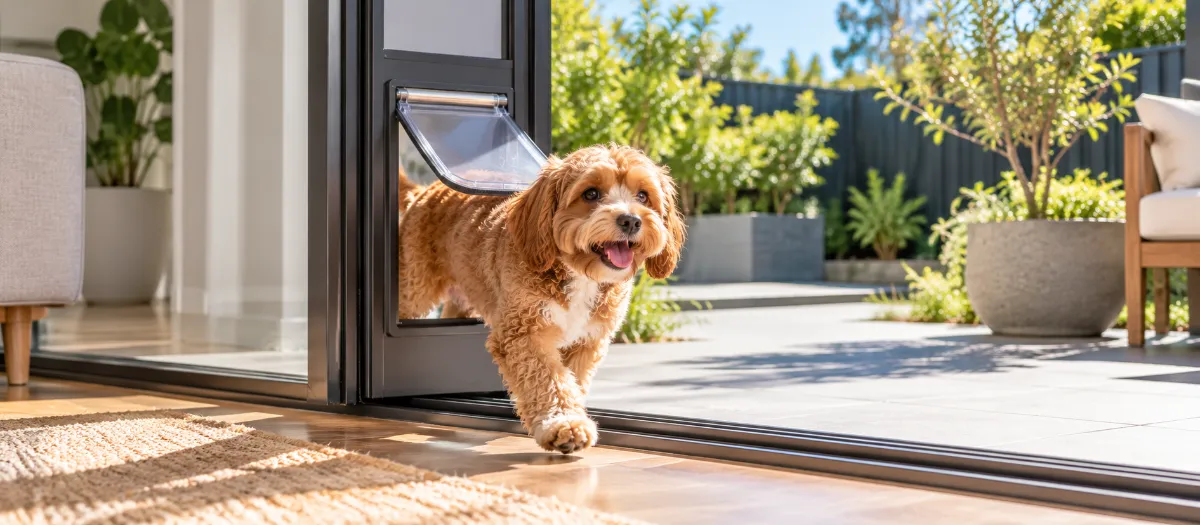
An insert panel is a framed panel with a pet flap in it. It slides into the door track and is adjusted to fit the door height. Nothing is cut, so it can be removed when you move out.
Pros: no cutting; adjustable to the door height; can be taken with you; works with the glass door shut.
Cons:
- It takes up part of the doorway width.
- You need to check your door height against the panel's range before buying.
- It may stop your door's own lock reaching its catch. PetSafe's installation guide has you fit the lock to the sliding door, the fixed door or the lower track, and says homes with security systems should contact their provider first because sensors may need to move (PetSafe support).
Before you buy, work out how your sliding door will still lock once the panel is in. Choose a panel with its own lock, and lock it when you're out and at night.
Glass-fitted pet doors: what to know first
A pet door in a glass door needs a glazier. Toughened (tempered) glass can't be cut after it's made, so the pane is usually replaced with new glass made with the hole already in it. Viridian, an Australian glass maker, says trying to cut or alter toughened glass will almost certainly break it (Viridian Glass). Viridian's October 2025 explainer lists "cannot be further cut or processed" as a defining feature of toughened glass (Viridian Glass, 21 October 2025).
That's why we don't list a single product for this option. The glazier makes the panel and you pick a flap designed for glass. For cats, one example is the Cat Mate glass-door flap in our best cat door guide. Ask the glazier to confirm which flap suits the hole they'll cut, and get a quote before ordering.
Never try to cut or drill glass yourself. It can shatter and cause serious injury.
Pros: a neat, permanent look; works with the door shut; sits in the glass rather than the track.
Cons: needs a glazier and usually new glass; not removable; renters need written consent first.
Fly screen and security screen flaps
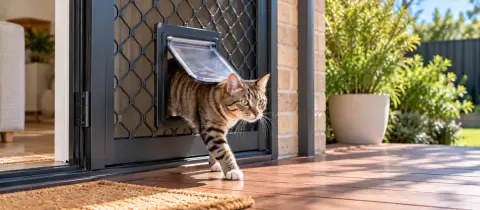
A flap fitted into the sliding fly screen or security screen is the simplest option, but it only works when the glass door behind it is open. That suits warm weather and small dogs or cats. When the glass door is shut, the flap is no use, and the glass door shouldn't be left open if no one is home.
Check which kind of screen you have. Fly screen mesh and diamond mesh or stainless steel security screens need different fittings, and a sliding screen needs a flap slim enough that the screen can still slide. The two screen picks below cover these cases. If you only need a flap for a cat, see our cat door for screen doors guide.
Pros: no cutting of glass; can suit renters if it clamps on; quick to fit.
Cons: only works with the glass door open; mesh can be damaged by a dog that pushes hard; small openings suit small pets only.
Can you get a security door with a dog door?
Yes. There are two routes. You can buy a security screen door that already has a pet door built into it, or you can have a lockable pet door fitted into the mesh panel of the security door you already own. The Petway pick in this guide is made for the second route: the listing says it suits diamond mesh and stainless steel security screens, and it has a 4-way lock.
The Petway listing describes a clamp-fit DIY install. If a fitting means cutting steel or diamond mesh, ask the door's supplier or a screen door company before you cut anything. If you're buying a new security door, ask for the pet door to be included at the order stage.
A security screen with a flap in it still only helps when the glass door behind it is open. Lock the flap when you're out and at night.
Which dog door for a sliding door suits large dogs?
For large dogs, an insert panel with a large flap, or a glass-fitted door in a bigger size, is the usual route. Screen flaps tend to suit only small dogs and cats. The VEVOR panel in this guide has a flap the listing describes as suited to small dogs and cats, so it isn't a large dog option.
Choose a size that fits your dog's measurements, not a bigger door than needed. If you have a big dog, start with our large dog door guide, which looks at wall and door fitted options.
How to size a dog door
Measure your dog while they stand comfortably. PetSafe's sliding door sizing advice is to measure the width of your dog's chest and their height from the ground to the highest point of their back above the shoulders, then compare with the maker's chart. If you're between two sizes, PetSafe says to choose the larger, and to use your largest dog's measurements if you have several (PetSafe support).
The flap top should sit a little above the shoulder and the opening should be wide enough for the widest point of your dog. Always follow the size chart for the specific product. Note the step-over height too, because small or older dogs find a high step harder.
Dog doors for sliding doors compared
Details from each Amazon Australia listing, checked on 22 Oct 2026.
| Product | Type | Pet opening | Fits |
|---|---|---|---|
| VEVOR Dog Door for Sliding Glass Door, Medium | Insert panel | 209.6 x 311.2 mm flap | Door heights 1927 to 2049 mm |
| "Dog Door Screen" Lockable, Small | Screen flap | 8 x 10 in (about 20 x 25 cm) | Screen doors, windows and screen areas |
| Petway Small Pet Door | Security screen flap | 240 x 190 mm (S size) | Diamond mesh, stainless security screens, flyscreens |
How we chose
We searched Amazon Australia for dog doors for sliding doors, then shortlisted products that met all of these checks:
- Well rated: a strong average rating with plenty of buyer reviews.
- No red flags: no pattern of poor reviews, safety complaints or listing problems.
- Available on Amazon Australia when we checked.
- Fits the stated door height or screen type on the listing.
- Lockable, with a lock described on the listing.
- Pet opening size stated on the listing.
These are researched picks, not products we've personally tested. We compared the specifications and features shown on each Amazon Australia listing, checked on 22 Oct 2026. We didn't accept payment from any brand, and no brand saw this page before it was published.
Left out this time: insert panels that didn't pass our well rated check, and inserts with no stated height range.
Training your dog to use a sliding door pet flap
Teach your dog with rewards, never by pushing them through. Prop the flap open at first, call your dog through from the other side, and reward them with a treat. Build up to a closed flap slowly. Some dogs take a short while and some take longer, so go at your dog's pace.
For more on fitting and settling your dog in, see our how to install a dog door guide. Never let your pet use a door that opens onto a road, a pool area or an unfenced yard, and lock the flap when you're out and at night.
An open flap can also let in neighbourhood cats or wildlife. For a flap that opens only for your own pet, a cat door with a microchip or magnetic key can help, covered in our cat door guide. Fit the smallest door your dog fits through, not a bigger one.
When to get help
Call a glazier for anything involving glass, and a licensed electrician if a wall may hide wiring. If you rent, ask your landlord or agent before any change, as rules vary by state.
Talk to your vet if your pet is hurt by a flap or won't settle after the door goes in.
Frequently asked questions
Can you put a dog door in a sliding glass door?
Yes, but not by cutting the glass yourself. A glazier usually supplies new glass made with the hole already in it, because toughened glass can't be cut after it's made. If you'd rather not touch the glass, an insert panel in the track avoids cutting altogether.
Are sliding door dog door inserts safe?
They can be, when sized and fitted to the door height, locked when you're out and checked for gaps. Choose a size that fits your dog and never leave a pet with a door that opens onto a road, pool area or unfenced yard.
Can I lock a sliding door with a pet door insert?
It depends on the insert and your door. A panel can sit where your usual latch reaches, so check how the door will still lock before buying. Choose one with its own lock, and ask the maker or your security provider if you have sensors.
Do sliding door dog doors let bugs in?
A screen flap is part of the screen, and the "Dog Door Screen" listing says its magnets close the flap, though a small gap is possible. For inserts, check the listing for seals and look for gaps at the door edges once fitted.
What's the best dog door for renters?
Rules vary by state, so check yours, but a removable insert panel is often the renter-friendly choice because nothing is cut. Still check your lease and get written consent from the landlord or agent first. See can renters fit a dog door.
How do I install a dog door insert?
Measure the height of your door track, choose a panel that covers it, fit the panel into the track and adjust it to the height. Then fit its lock. Follow the maker's instructions for your model, as steps differ by brand. Our installation guide has the general steps.
Can you put a doggy door in a sliding screen door?
Yes, if the flap is slim enough for the screen to keep sliding and made for your mesh type. The Petway pick is made for sliding security screens and flyscreens, per its listing. It only works with the glass door open; see screen flaps for the details.
Can dog doors be locked?
Many can. Each pick here is lockable per its listing: the VEVOR panel has a lock, the "Dog Door Screen" flap has two sliding locks, and the Petway flap has a 4-way lock. Lock the flap when you're out and at night.
Related guides
- Cat flaps for windows and glass
- Small dog doors
- How to install a dog door: glass, walls and security screens
- Best cat door for screen doors
- Best cat door: microchip or magnetic
- Best large dog door
- Dogs
- Best picks
Sources
- NSW Government: Making changes to a rental property, read 22 October 2026
- Viridian Glass: How we process glass, read 22 October 2026
- Viridian Glass: Toughened vs heat strengthened glass, 21 October 2025, read 22 October 2026
- PetSafe support: How to determine which size PetSafe Sliding Glass Door (1 piece) is needed, read 22 October 2026
- PetSafe support: How to install the PetSafe Sliding Glass Pet Door (1 piece), read 22 October 2026
- Product details from each linked Amazon Australia listing, checked on 22 Oct 2026.
This guide provides general information and isn't a substitute for veterinary advice. If you're concerned about your pet's safety or your home, speak with your vet.