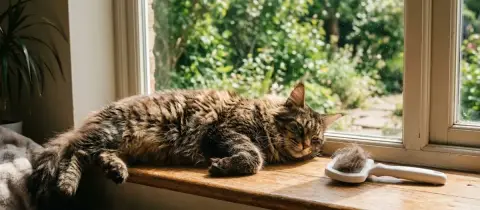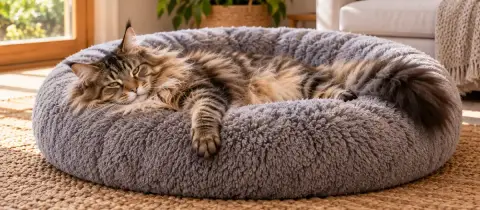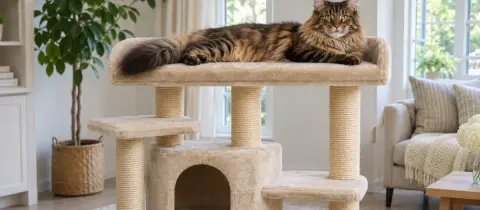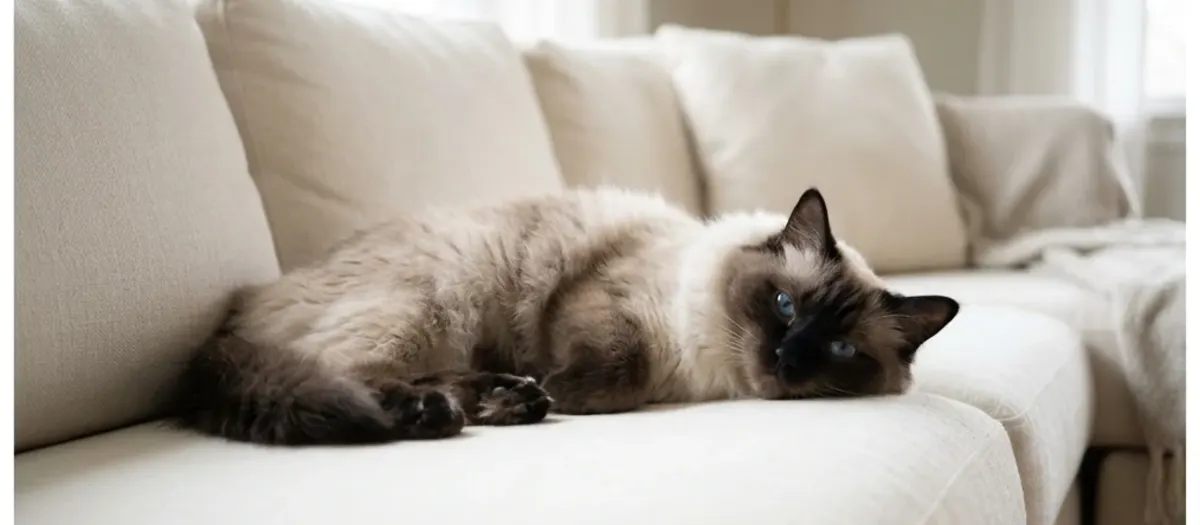
Quick answer: The ragdoll cat is a large, semi-longhaired breed with blue eyes and a famously relaxed, people-loving nature. Adults commonly weigh about 4.5 to 9 kg, with males bigger, and many live into their teens. They suit calm homes where someone is around, and they need regular brushing and heart checks.
Ragdolls are gentle, fluffy and slow to mature, so it pays to know what you're signing up for before you fall for those blue eyes. This guide covers size, colours, lifespan, personality, health and the gear that actually fits a cat this big.
Ragdoll cat at a glance
Cat registries describe the breed in broadly similar terms. Individual cats vary, so treat these as typical ranges, not promises.
| Ragdoll | |
|---|---|
| Size category | Large |
| Weight | Females roughly 4.5 to 7 kg, males roughly 6 to 9 kg |
| Time to full size | Often around 3 to 4 years |
| Lifespan | Commonly about 12 to 15 years, sometimes longer |
| Coat and shedding | Semi-longhair, silky, little woolly undercoat; sheds, with heavier seasonal shedding |
| Eyes | Blue |
| Energy | Low to moderate |
| Good with kids and other pets | Often, when introductions are gentle and the home is calm |
| Grooming needs | A few brushing sessions a week, daily when the coat is shedding |
How big do ragdolls get?
Ragdolls are one of the larger pedigree cats. The Cat Fanciers' Association says a mature male can reach or pass 9 kg (20 lb), with females usually smaller. Females are commonly quoted at about 4.5 to 7 kg. They grow slowly, and many don't reach full size and coat until about three to four years old.
Weight is only half the story. Their length and fluffy coat make them look even bigger, which matters when you choose a carrier, bed or litter box. A healthy ragdoll should have a visible waist and ribs you can feel without pressing hard. Big does not mean overweight, and extra kilos strain joints and the heart. Your vet can score your cat's body condition at each check.
What colours and patterns do ragdolls come in?
Ragdolls are born white and develop their markings over the first weeks and months. Their eyes are always blue. The coat comes in two parts: a colour (the darker "points" on the face, ears, legs and tail) and a pattern.
Colours commonly include seal (deep brown), blue (soft grey), chocolate and lilac. Red and cream versions exist, as do tortoiseshell mixes of those shades.
Patterns are usually described as:
- Colourpoint: darker points with a lighter body and no white.
- Mitted: colourpoint with white front paws (the "mittens"), white back legs and often a white chin.
- Bicolour: white legs, belly and an inverted "V" on the face.
The Cat Fanciers' Association also accepts a mostly white "van" pattern.
Some cats also have lynx (tabby-striped) points. Which patterns count as official varies between registries, so check the standard for the one you're dealing with. Colour has no known link to personality, and a cat's final shade often deepens as they age.
What is a ragdoll's personality and temperament like?
Ragdolls are typically gentle, affectionate and sociable. Many follow their people from room to room, greet visitors at the door and happily go limp when picked up, which is where the name comes from. They are often quieter than some breeds, with soft voices and a laid-back approach to life.
That is a tendency, not a guarantee. Some ragdolls are livelier, some are shy, and early handling and a calm home make a big difference. They generally prefer company to long stretches alone, and they can get lonely and bored without it. Don't assume a ragdoll will tolerate rough handling just because of the breed's reputation. They still need to feel safe, and they still have claws and a limit. A cat that goes limp when held may simply be freezing, so watch their body language.
How long do ragdolls live?
Ragdolls are commonly quoted as living about 12 to 15 years, and some reach their late teens with good care. Ask your vet what to expect for your cat. Lifespan depends on genetics, weight, dental health, diet and whether the cat lives indoors. Keeping them lean, brushing their teeth, keeping up with vet checks and screening for heart disease all help you catch problems early.
Cats from parents screened for inherited heart disease may have better odds, but screening reduces risk rather than removing it. It's worth asking about health testing for both parents, plus a vet check, whichever way you find your cat.
Are ragdoll cats hypoallergenic?
No. No cat breed is truly hypoallergenic. The main cat allergen, Fel d 1, comes from saliva and skin glands and is spread through the coat, so every cat produces it. Some people react less to certain individual cats, but that can't be predicted by breed, and a long coat doesn't make a ragdoll safe for allergy sufferers.
If you or someone in your home has allergies, spend real time with the specific cat before committing, and see our guides on living with a cat allergy and allergies in cats.
Ragdoll or Birman: which is the better fit?
Both are blue-eyed, semi-longhaired, colourpointed and affectionate, which is why people mix them up. The main differences:
- Size: ragdolls are generally larger and heavier. Birmans are medium to large.
- Markings: Birmans have white "gloves" on all four paws, and their white feet are a defining trait. Ragdolls have more pattern variety.
- Personality: both are gentle. Ragdolls are often described as more floppy and docile, Birmans as a little more playful and interactive, though individuals differ.
- Coat: both are fairly low-maintenance for semi-longhairs, but a ragdoll's larger frame means more fur to brush.
If you want the biggest, floppiest lap cat, look at ragdolls. If you'd prefer something slightly smaller with a touch more spark, a Birman may suit better. Meet adult cats of each if you can.
How do you groom a ragdoll?
Their silky coat tangles less than many longhairs because there's little woolly undercoat, but it still mats behind the ears, under the legs and around the belly and britches. The Cat Fanciers' Association says combing once or twice a week is usually enough. Step up to daily during heavy seasonal shedding, using a wide-toothed comb and a soft brush. Start young and keep sessions short and calm, with a treat afterwards.
Also trim nails every few weeks and build a teeth-cleaning habit early. Our guide to how to groom a cat walks through the basics, and cat brushes covers what suits a semi-longhair.
Common ragdoll health problems
Responsible breeders and vets look out for several conditions in the breed. Not every ragdoll will have them, and none can be diagnosed from a description online.
- Hypertrophic cardiomyopathy (HCM): a thickening of the heart muscle and the best-known health concern in ragdolls. A specific gene variant has been linked to HCM in the breed. A gene test can show whether a cat carries it, but it doesn't catch every case, so vets also use heart ultrasound scans. Ask for the parents' results.
- Urinary and kidney problems: like any cat, a ragdoll can develop urinary or kidney problems, so plenty of fresh water and a litter box that suits their size are worth having. Straining or passing little urine needs a vet straight away.
- Obesity: a calm, low-energy cat can gain weight easily, which stresses joints and the heart.
- Dental disease: common in cats generally, so regular checks and tooth care matter.
HCM can be silent for years. Some cats show no signs until the disease is advanced, so regular vet checks and, where your vet recommends it, a heart scan are worth it for any ragdoll.
Is a ragdoll right for you?
A ragdoll may suit you if:
- You're home often, or have another friendly pet for company.
- You'd enjoy a quiet, affectionate cat that follows you around.
- You're happy to brush regularly and keep up with vet checks.
- You can keep your cat safely indoors or in an enclosed outdoor space.
A ragdoll may not suit you if:
- Your household is very chaotic or loud, or your cat would be alone for long days.
- You want a very independent, active, climbing-all-day cat.
- You're not able to commit to brushing, screening and regular vet care.
- Anyone at home has a serious cat allergy.
Ragdolls often do well in homes with respectful children and cats or dogs that are introduced gradually. Supervise younger kids, because a cat that tolerates being carried like a toy still deserves to be handled gently.
Caring for a ragdoll in Australian weather
A thick, silky coat and a big body mean ragdolls feel the heat. In summer, keep the house cool, give plenty of fresh water (a cat water fountain encourages drinking), provide shade and consider a cat cooling mat. Our guide on keeping your cat cool in summer has more. Heatstroke is an emergency.
Ragdolls are best kept indoors, which protects them from heat, cars, wildlife and ticks. Some places, including the ACT and some councils, require cats to be contained, and a friendly cat that trusts everyone can be especially vulnerable outside. A catio or window catio lets them enjoy fresh air safely. Check cat curfew rules in your area.
If you live in a tick area, talk to your vet about preventive treatment suitable for cats, and see our paralysis ticks page. Never use dog flea or tick products on cats.
Gear that fits a ragdoll
A ragdoll's size means ordinary cat gear is often too small. Match gear to an adult cat of up to about 9 kg, not to the kitten you bring home.
- Cat tree: look for a sturdy, wide-based tree with big perches. See cat trees for large cats and tall cat trees. Check the stated weight limit against a heavy male.
- Bed: pick a roomy bed that lets them stretch. See cat beds for large cats or an elevated cat bed.
- Litter box: a long, high-sided box helps. See litter boxes for large cats.
- Brush and comb: choose a soft slicker brush plus a wide-toothed comb for the britches and belly. See cat brushes.
- Carrier: choose one tall and long enough for an adult to turn around in. See cat carriers.
- Harness: measure around the chest behind the front legs, and choose an escape-proof design for supervised outdoor time. See cat harnesses.
- Nail clippers and teeth care: see cat nail clippers and cat toothbrushes.
- Scratcher: go tall enough for a full stretch. See tall cat scratching posts.
When to see a vet
Book a vet visit promptly if your ragdoll:
- Breathes fast or with an open mouth, even when resting, or seems unusually tired. Fast resting breathing can be a sign of heart trouble, so see a vet urgently.
- Suddenly drags or cannot use a back leg, cries out or has cold, painful hind legs. This can be a medical emergency linked to heart disease, so go to a vet immediately.
- Strains in the litter box, passes little or no urine, or cries while toileting. A blocked cat is an emergency, especially a male.
- Stops eating for a day or more, vomits repeatedly, or has ongoing diarrhoea.
- Loses weight, drinks much more than usual, or has bad breath, drooling or trouble chewing.
- Shows signs of heatstroke such as panting, drooling or collapse. Cool them gently and head to the vet.
Ask your vet about heart checks for your ragdoll, even if they seem well. See our guide on how to clean a cat's teeth too.
Frequently asked questions
Do ragdoll cats like to be picked up?
Many tolerate or enjoy it and relax into your arms, but not all do. Pick up your cat with support under the chest and hindquarters, never by the front legs. If they stiffen, wriggle or go very still, put them down. Let them choose when they're held.
Can ragdolls be left alone?
An adult ragdoll can cope with a normal working day if they have food, water, a clean litter box and things to do. They generally prefer company, though, and long absences can lead to boredom or stress. A second cat, interactive toys and a pet camera can help.
Are ragdoll cats good with other pets?
Often, yes. Their relaxed nature helps them accept other cats and calm dogs, but introductions should still be slow. See our guide to introducing a kitten to an older cat for a step-by-step approach, and give each pet its own space.
Do ragdolls shed a lot?
They shed moderately, with heavier shedding in seasonal changes. With little undercoat, their fur tends to be less prone to matting than some longhairs, but you'll still find it on furniture. Regular brushing and a pet hair remover keep it under control.
Are ragdolls indoor cats?
They're best kept indoors or in a secure enclosure. Their trusting nature and lack of street smarts make them vulnerable to cars and other animals, and the Australian outdoors adds ticks, heat and snakes. Give them plenty of enrichment to keep them happy inside.
Do ragdolls need a special diet?
There's no breed-specific diet, but they need complete, balanced food suited to their life stage. Because they can gain weight easily, measure portions and keep an eye on treats. See our guides to wet cat food and how many treats a cat can have, and ask your vet about the right amount.
Are ragdolls good for first-time owners?
They can be, thanks to their gentle nature, but the grooming, vet screening and size of the cat are real commitments. If you do your research and meet the cat first, a ragdoll can be a rewarding first pet.
Related guides
- Ragdoll cat food
- Best brush for ragdolls
- Maine Coon guide
- How to groom a cat
- Cat trees for large cats
- Keeping your cat cool in summer
- Cat allergies in the home
- Cat enrichment ideas
- All cat guides
Sources
- Cat Fanciers' Association, Ragdoll breed profile and standard: https://cfa.org/breed/ragdoll/ (page read 25 November 2026)
- Cornell Feline Health Center, Hypertrophic cardiomyopathy: https://www.vet.cornell.edu/departments-centers-and-institutes/cornell-feline-health-center/health-information/feline-health-topics/hypertrophic-cardiomyopathy (page read 25 November 2026)
This guide provides general information and isn't a substitute for veterinary advice. If you're concerned about your cat's health, speak with your vet.