British Shorthair cat food: wet and dry picks for a stocky breed
By Anish PuriUpdated 27 Nov 202616 min readResearched, not tested by us
Research guide. WhiskerFinds may earn a commission from links, at no extra cost to you.
Quick answer: The best British Shorthair cat food is a complete and balanced food for your cat's life stage, fed in measured portions. No cat needs a breed formula, but our top pick is Royal Canin British Shorthair in Gravy, a wet food for adults over 12 months. Watch the portions, because this stocky breed can put on weight.
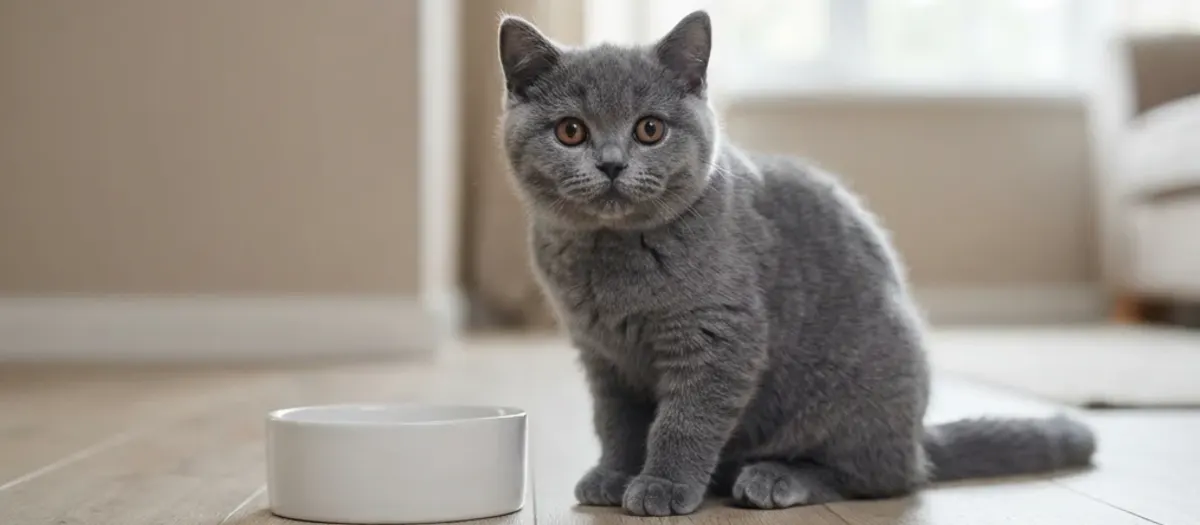
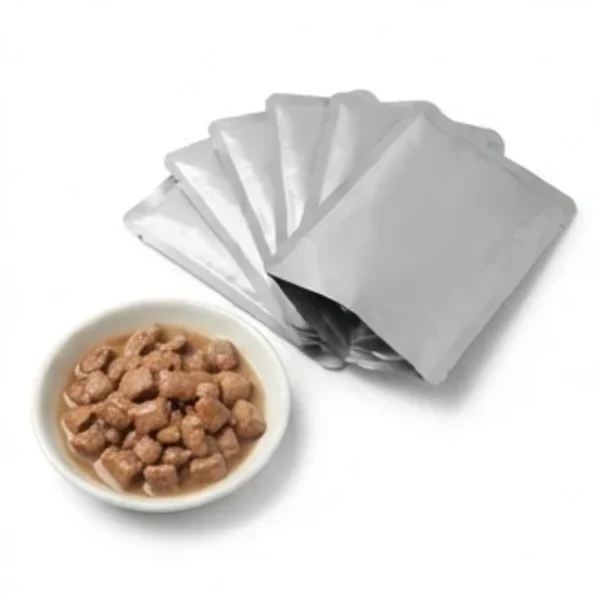
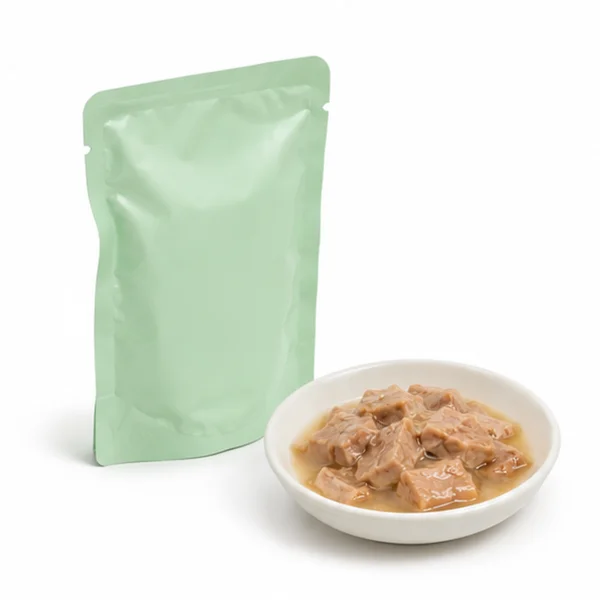
Illustration, not the actual product
Our top pickRoyal Canin British Shorthair in Gravy, 12 x 85 g
British Shorthairs are calm, solid cats, and that combination is why food choice here is mostly about weight. This guide compares six wet and dry foods on protein, fat, fibre and pack size as printed on the listings. It also covers kittens, portions and a simple way to check your cat's shape. For other big breeds, see our Maine Coon cat guide, Maine Coon cat food guide and ragdoll cat food guide, and for general picks see our Royal Canin cat food guide.
Quick picks
Our top pickBest overall
Royal Canin British Shorthair in Gravy, 12 x 85 g
Breed wet food for adults over 12 months, to pair with dry food
Pictures are illustrations, not the actual products.
Do British Shorthairs need special food?
No. A British Shorthair needs a complete and balanced food that states the right life stage on the pack, and Cornell's Feline Health Center says to check that label line (Cornell Feline Health Center, "Feeding Your Cat", page read 27 November 2026). A breed formula is an optional extra: a kibble shaped for the breed and the maker's own nutrient choices. The one breed fact that changes what you buy is weight.
What is a British Shorthair like, and why does it matter for food?
The Cat Fanciers' Association describes the breed as stocky and sturdy with a short, very dense coat, calm and quiet, and slow to mature. It says males may grow as large as 17 pounds (about 7.7 kg), females are somewhat smaller, and full size arrives at around three years, with the breed standard allowing three to five years for full development (Cat Fanciers' Association, British Shorthair breed page, read 27 November 2026). The PDSA calls them a fairly relaxed, inactive breed and gives a lifespan of 14 to 18 years (PDSA, British Shorthair breed information, read 27 November 2026).
What that means at the bowl:
Calm and fairly inactive. Cornell calls obesity the most common nutrition-related problem in cats, so portions matter more than brand.
Slow maturity. Kitten food runs to 12 months on the label, but your cat will keep filling out for longer. Follow the label stage and your vet's advice, not the cat's final size.
Heart and kidney screening. Cornell lists British Shorthairs among breeds where hypertrophic cardiomyopathy is more prevalent, and says British Shorthairs are less often affected by polycystic kidney disease than Persians (Cornell Feline Health Center, hypertrophic cardiomyopathy; polycystic kidney disease). Cornell's HCM page doesn't say diet prevents it, so no food here is a heart or kidney measure. Ask your breeder about screening and your vet about checks.
Our picks in detail
1. Royal Canin British Shorthair in Gravy, 12 x 85 g: best overall
The wet half of the breed range. The listing says it's for adult British Shorthairs over 12 months, calls it a complement to the breed's dry formula and says it helps support a healthy urinary system, which is the maker's claim. It contains fish. The listing is thin: it gives no protein or fat figures and the ingredients are broad terms such as meat and animal derivatives, so we can't compare it in the table.
Pros: made for the breed's life stage; wet food adds water to the day; pairs with the breed dry food
Cons: no analysis on the listing and generic ingredient wording; 12 small pouches go quickly
Best for: adult British Shorthairs over 12 months, as the wet part of the day's food
Skip it if: your cat is under 12 months, or you want a food with a full printed analysis
2. Royal Canin British Shorthair Adult dry, 10 kg: best breed dry food for multi-cat homes
The breed kibble, in the 10 kg bag we've linked. The listing says it's for adult cats over 12 months, with chicken flavour, an exclusive kibble design, and L-carnitine and taurine among the additives. It claims muscle, joint, heart and dental support, which are the maker's claims and not things we can promise. Ingredients include rice and maize.
Pros: full analysis on the listing (34% protein, 19% fat, 5.3% crude fibre); a stated life stage; a large bag that suits a multi-cat home
Cons: 10 kg is a big upfront buy and needs airtight storage once open; one flavour; 19% fat is above Fit 32
Best for: homes with two or more British Shorthairs, or an owner with an airtight container
Skip it if: you have one cat (a 10 kg bag will sit open for months), or your cat is under 12 months or needs to lose weight
3. Royal Canin Fit 32 adult dry, 2 kg: best everyday dry in a small bag
A lower-fat dry food from the same maker: 15% fat against 19% on the breed formula, per the listings. The listing says it's a balanced and complete feed for adults from 1 to 7 years, with a donut-shaped kibble. The ingredients include rice, maize and wheat. A 400 g bag of the same food is also listed if you'd like a trial size first.
Pros: lower fat than the breed formula; a 2 kg bag suits one cat; full analysis on the listing
Cons: not breed-specific; contains wheat; 2 kg goes quickly for a large cat
Best for: one-cat homes that want less fat than the breed formula
Skip it if: your cat is over 7, or you want the breed kibble shape
4. Royal Canin Digest Sensitive in Gravy, 12 x 85 g: best wet food for a sensitive stomach
Thin slices in gravy for adult cats. The listing says it's for cats with food-related stomach sensitivity, is highly digestible and helps maintain ideal weight, all maker claims. Directions say to serve at room temperature, refrigerate leftovers and follow the feeding guidelines for both wet and dry food. The allergen field says fish. We cover it in depth in our sensitive stomach cat food guide and Royal Canin guide.
Pros: a low-fat wet food (4% on the listing); full analysis printed; pairs with dry food
Cons: contains fish; broad ingredient wording; small pouches for a large cat
Best for: adults that get soft stools on richer foods
Skip it if: the upset is new, lasts more than a day or two, or comes with vomiting or weight loss (see your vet first)
5. Royal Canin Kitten (Second Age) dry, 4 kg: best for British Shorthair kittens
A kitten dry food for the second growth phase. The listing says it's for kittens from 4 to 12 months, with highly digestible proteins, fibre and prebiotics, and gives 36% protein, 18% fat and 2.2% crude fibre. It contains fish oil.
Pros: a clear kitten stage; full analysis on the listing; 4 kg lasts a growing kitten a while
Cons: 4 kg is a large bag for one kitten; not the breed kitten formula
Best for: kittens from 4 to 12 months
Skip it if: your kitten is under 4 months (see our kitten food guide)
6. Felix As Good As It Looks Favourites Selection, 60 x 85 g: best value wet food
A big box of adult wet food in chunks and jelly from another maker. The listing says it provides 100% of an adult cat's daily needs when fed to the pack guide, and that feeding should be adjusted to keep your cat at a lean, healthy weight. Felix suggests three to four pouches a day for an average 4 kg adult cat; a British Shorthair is often bigger, so follow the pack guide for your cat's ideal weight and check with your vet. The listing also says cats can be sensitive to diet changes and a slow transition helps.
Pros: a non-Royal Canin option; feeding guide on the listing; a variety box
Cons: 60 pouches is a big commitment if your cat won't eat it; the flavour fields disagree (one says chicken, beef and lamb, another chicken, beef and salmon), so check the pack
Best for: adding wet food to the day without buying a premium range
Skip it if: your cat needs a sensitive-stomach food or you want a single protein
British Shorthair cat foods compared
Figures are the analysis printed on each Amazon Australia listing, checked on 27 Nov 2026. "Not listed" means the listing doesn't give it.
Swipe sideways to see every column
Food
Type
Pack
Life stage per listing
Protein
Fat
Crude fibre
British Shorthair in Gravy
Wet
12 x 85 g
Adult, over 12 months
Not listed
Not listed
Not listed
British Shorthair Adult
Dry
10 kg
Adult, over 12 months
34%
19%
5.3%
Fit 32
Dry
2 kg
Adult, 1 to 7 years
32%
15%
4%
Digest Sensitive in Gravy
Wet
12 x 85 g
Adult
9.5%
4%
0.5%
Kitten (Second Age)
Dry
4 kg
Kitten, 4 to 12 months
36%
18%
2.2%
Felix Favourites Selection
Wet
60 x 85 g
Adult
Not listed
Not listed
Not listed
Wet and dry percentages can't be compared directly, because wet food is mostly water. Cornell says canned food has at least 75% moisture and dry food 6 to 10%, so a wet food will always show lower protein and fat on paper.
Wet or dry for a British Shorthair?
Either works if it's complete and balanced, and many owners feed both. Wet food carries far more water, which Cornell notes makes it a good water source; dry is easier to measure and keeps in the bowl longer. Count both toward the day's total. Always keep fresh water out.
How can you tell if your British Shorthair is carrying extra weight?
Feel along the ribs just behind the front legs. VCA says ribs that feel like the back of your hand suggest a good body condition, while ribs covered by the fleshy part of your palm suggest extra weight (VCA Animal Hospitals, "Obesity in Cats", page read 27 November 2026). A thick coat hides a lot, so use your hands, not your eyes, and weigh your cat on the same scales each month.
VCA says cats are overweight at 10 to 20% above ideal weight and obese above 20%, and that obesity raises the risk of diabetes, heart disease, high blood pressure and arthritis. It also warns against simply cutting back the current food, and advises working with your vet on a set portion and a plan. Limit treats to about 10% of daily calories, as our cat treats guide explains.
What should you feed a British Shorthair kitten?
A kitten needs a food that states a kitten life stage. For kittens from 4 to 12 months, the Royal Canin Kitten pick below fits that range. A 12-week-old kitten is about 3 months, so it's younger than that listing's range: stay on the food your breeder used until your vet says otherwise, and see our kitten food guide for the earlier stage. The switch to adult food follows the label stage and your vet, not the cat's size.
We searched Amazon Australia for British Shorthair and adult cat foods and shortlisted foods that met all of these checks:
Well rated: a strong average rating with plenty of buyer reviews.
No red flags: no pattern of poor reviews, safety complaints or listing problems.
Available on Amazon Australia when we checked.
Life stage stated on the listing, with the analysis printed where the listing gives it.
Pack size in grams or kilograms, so you can work out how long a bag will last.
Maker claims attributed: heart, joint, urinary and weight claims are written as "the listing says" and never as something a food does for your cat.
These are researched picks, not products we've personally tried. We compared the specifications and features on each Amazon Australia listing, checked on 27 Nov 2026, and we didn't accept payment from any brand.
Left out this time: prescription and veterinary diets (your vet may prescribe one if your cat needs it), a richer adult dry food at the top of the fat range, a dental food whose directions say to serve as your vet directs, and a few pouch listings too thin to compare. Royal Canin also makes the breed dry food in 2 kg and 4 kg bags, which pet shops and vet clinics sell.
Where else can you buy cat food?
Breed formulas, kitten foods and sensitive-stomach foods are also sold at pet shops and vet clinics, which can help with a size or stage. Whichever way you buy, check the life stage and best before date on the pack.
When to see a vet
Book a vet visit if you can't feel your cat's ribs, your cat is gaining weight steadily, or you want to start any weight-loss plan (a vet should set it, because simply cutting back the usual food can leave a cat short of nutrients). Also book for drinking or weeing more than usual, vomiting or diarrhoea that doesn't settle, or a cat that goes off food for more than a day. Our cat vomiting guide has more on when to ring.
Go to a vet or emergency clinic straight away if your cat has fast or open-mouth breathing, sudden weakness or a sudden problem with the back legs, or stops eating altogether, especially if overweight. For a possible poisoning, call the Animal Poisons Helpline on 1300 869 738 (24/7). Our what can cats eat guide covers foods to avoid.
Frequently asked questions
Is a 10 kg bag too big for one cat?
Usually, yes. A single cat can take months to finish 10 kg, and food loses freshness once opened. Keep it sealed in an airtight container, check the best before date, and choose the 2 kg Fit 32 or a smaller bag if you have one cat.
How much should a British Shorthair eat?
Follow the pack's guide for your cat's ideal weight, then adjust with your vet. The right amount depends on the food, age, activity and whether your cat is desexed. Weigh the food on kitchen scales, count treats in the total, and recheck your cat's weight every month.
Are British Shorthairs prone to getting fat?
They can be. Cornell calls obesity the most common nutrition-related problem in cats, and the PDSA describes the breed as relaxed and inactive. Measured portions, play and a monthly weigh-in help, and a vet can set a safe plan if your cat has gained.
Can I mix the breed pouches with another dry food?
Yes, if both are complete and balanced for your cat's life stage. Count both toward the day's total so you don't overfeed, and change foods slowly. The Royal Canin pouch listing calls itself a complement to the breed's dry food, but it doesn't have to be paired with it.
When do I switch a British Shorthair to adult food?
Follow the stage printed on the pack and ask your vet. The Royal Canin Kitten listing covers 4 to 12 months and the breed adult food starts at over 12 months. The breed keeps maturing for up to three to five years, so size alone isn't the signal.
How do I switch my British Shorthair to a new food?
Go gradually over about a week. Tufts' veterinary nutrition team suggests starting with about 10% new food and reaching 100% by around day 7, and slowing down if the stool goes loose (Tufts Cummings School, Petfoodology, page read 27 November 2026). See your vet if your cat keeps vomiting, has watery diarrhoea or stops eating.
Can I feed my British Shorthair a grain-free food?
Ask your vet before choosing one. The label stage and a complete and balanced food are the first things to check, and none of the picks here is sold as grain free. Our grain free cat food guide goes through the question.
Product details from each linked Amazon Australia listing, checked on 27 Nov 2026.
This guide provides general information and isn't a substitute for veterinary advice. If you're concerned about your cat's diet or weight, speak with your vet.