Urinary cat food: the best non-prescription wet and dry picks
By Anish PuriUpdated 25 Nov 202615 min readResearched, not tested by us
Research guide. WhiskerFinds may earn a commission from links, at no extra cost to you.
Quick answer: Non-prescription urinary cat food is a maintenance food for healthy adult cats, and our top pick is Purina Pro Plan Urinary Tract Health wet food because wet meals add water. These foods don't treat or dissolve anything. A cat with urinary signs needs a vet first.
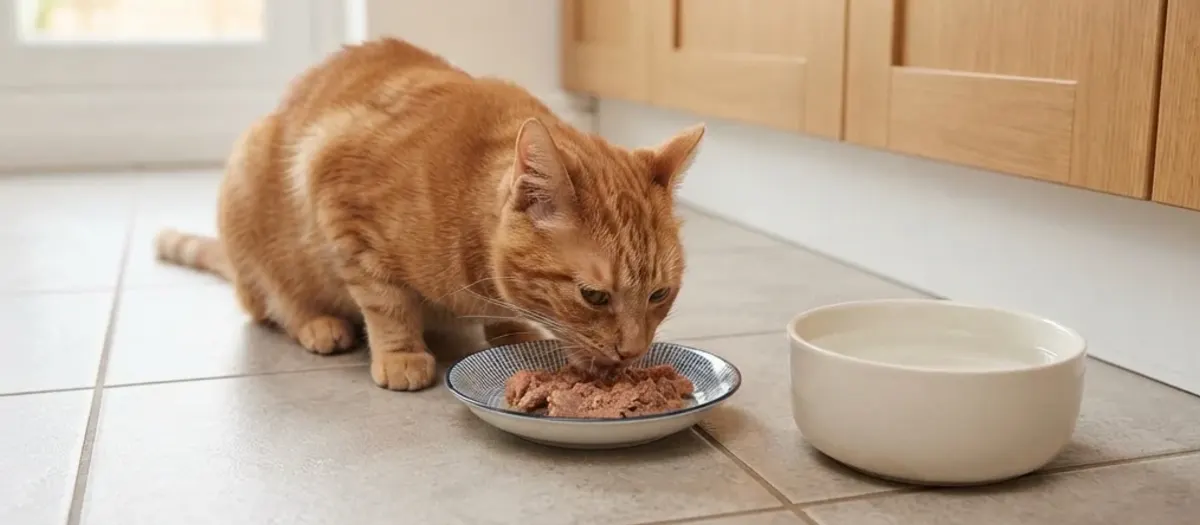
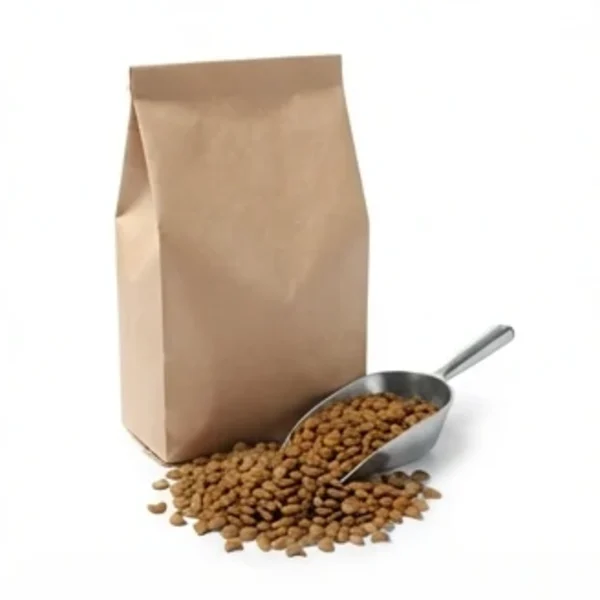
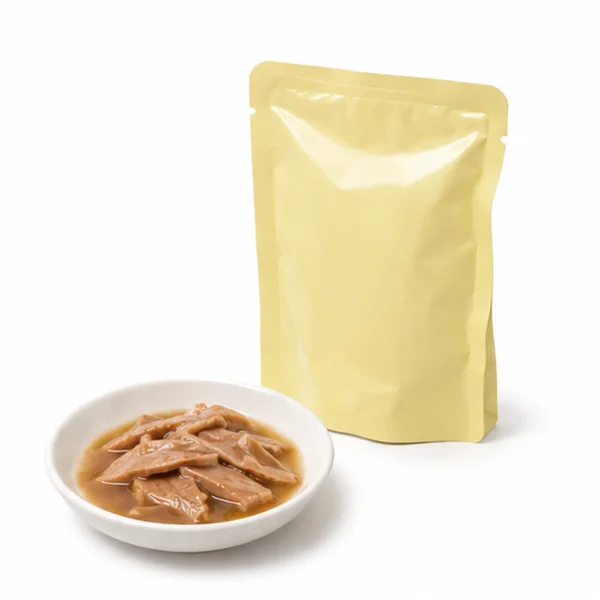
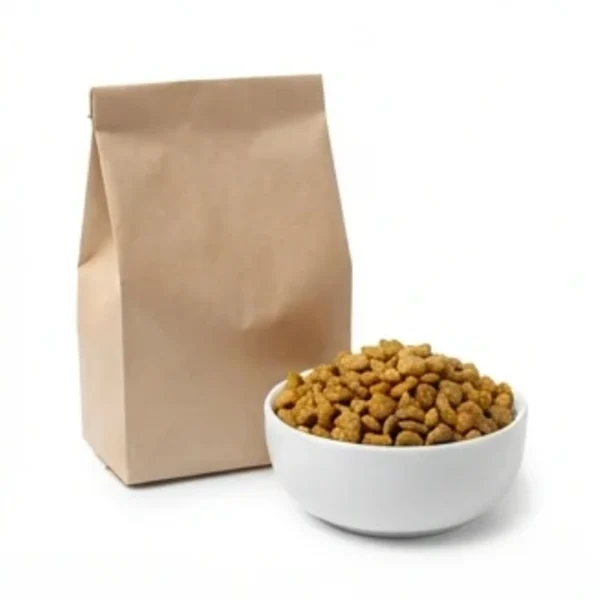
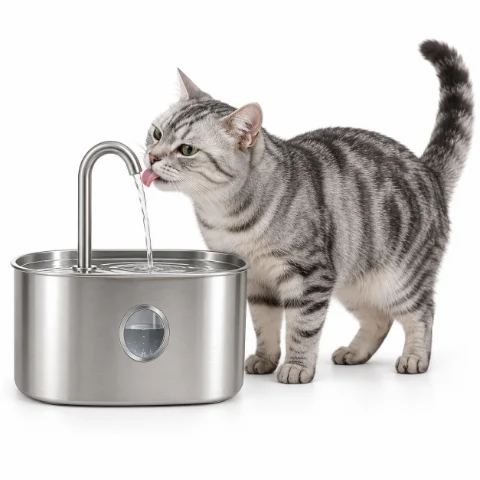
Illustration, not the actual product
Our top pickPurina Pro Plan Urinary Tract Health wet food, chicken in gravy, 24 x 85 g
If your cat is straining, going often or weeing outside the tray, skip the shopping and read our cat UTI guide first. This page is for the cat that has had a clean bill of health and an owner who wants a sensible everyday food. It compares six non-prescription urinary care foods from Purina, Hill's and Royal Canin by form, pack size and what each listing says, and explains how they differ from the vet-only diets.
Two honest limits up front. Amazon Australia's listings give very few nutrient numbers for these foods, so the tables use what they do give. And none of these foods is a vet diet: if your cat has been diagnosed with crystals or stones, your vet chooses the food.
Quick picks
Our top pickBest overall
Purina Pro Plan Urinary Tract Health wet food, chicken in gravy, 24 x 85 g
A wet meal adds water, and the listing says it lowers urinary pH with low magnesium
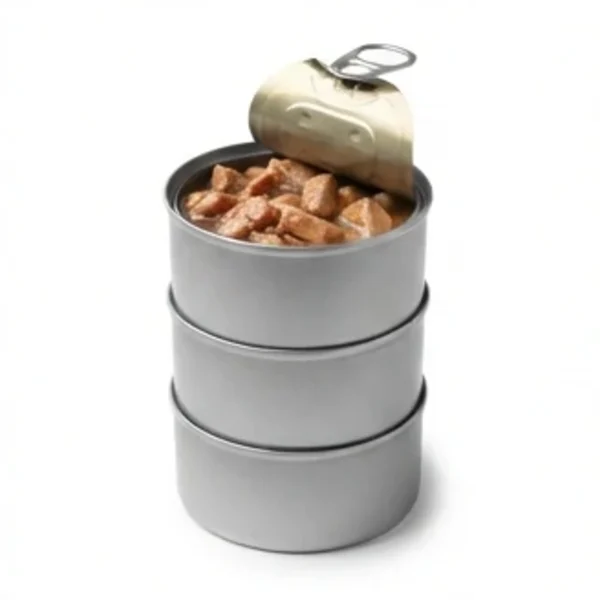
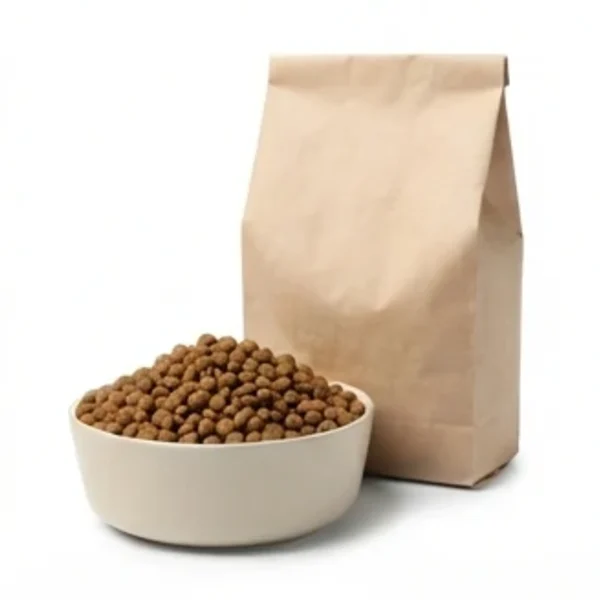
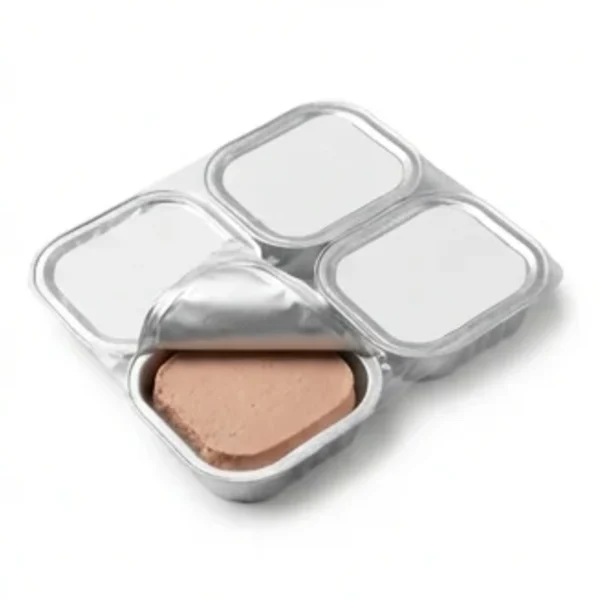
Pictures are illustrations, not the actual products.
Urinary cat food compared
Details from each Amazon Australia listing, checked on 25 Nov 2026. "Not stated" means the listing doesn't say. Numbers are the listing's own analysis, not ours.
So treat one of these as a sensible default for a cat that is well, not as protection or treatment. The listings use wording such as "supports urinary health" and "formulated to maintain urinary tract health", and that is a maker's claim about a healthy cat. Cornell also warns that urinary acidifiers shouldn't be added to these diets, because over-acidifying can cause problems, and that a vet should guide diet decisions. So don't add anything to the bowl.
Our picks in detail
1. Purina Pro Plan Urinary Tract Health wet food, chicken in gravy: best overall
A wet meal is the easiest way to get water into a cat, so a wet urinary food leads the page. The listing says the food is formulated to maintain urinary tract health, reduces urinary pH and provides low dietary magnesium, with real chicken and chunks in gravy. It comes as 24 pull-top cans of 85 g.
The listing is a little inconsistent on origin: one field says USA and the can size is given as 3 oz, while the maker's text says Australian made. Check the can you receive.
Pros: wet format adds moisture; stated urinary purpose; 24 cans keep a household going
Cons: one flavour and texture, so a fussy cat can leave you with a lot of cans; the listing's origin details disagree, so check the pack
Best for: a healthy adult cat whose owner wants a urinary care food that also adds water
Skip it if: your cat has a diagnosed urinary condition (ask your vet which diet), is a kitten, or refuses chunks in gravy
2. Hill's Science Diet Adult Urinary Hairball Control dry food: best dry
Dry food for cats that mostly eat kibble and also bring up hairballs. The listing says it supports the urinary system with an optimal level of magnesium, uses a natural fibre blend to reduce hairballs, and has no artificial colours, flavours or preservatives. It is chicken only, in a 3.17 kg bag.
If you haven't fed Hill's before, the 1.58 kg bag of the same Urinary Hairball Control food is the sensible size to trial. For more on hairballs, see our cat hairball remedies guide.
Pros: two jobs in one food; smaller bag available; chicken recipe with no artificial colours, flavours or preservatives, per the listing
Cons: dry food adds no moisture; chicken only
Best for: adult cats that eat mostly kibble and have hairballs
Skip it if: your cat drinks very little and will eat wet food (a wet pick adds more water), or your vet has prescribed a urinary diet
3. Hill's Science Diet Adult Urinary Hairball Control wet food: best wet for hairball-prone cats
The wet partner of pick 2, in a savoury chicken entree. The listing says it supports urinary health and reduces hairballs in healthy cats, with an optimal level of magnesium, a natural fibre blend, and no artificial flavours or preservatives. It's 24 cans of 82 g, a touch smaller than the usual 85 g.
Pros: wet format; pairs with the Hill's dry; the listing states it is for healthy cats
Cons: cans are slightly smaller than 85 g, so check feeding amounts against the pack; 24 of one flavour
Best for: pairing with the Hill's dry, or cats that prefer Hill's wet food
Skip it if: you want pouches, or your cat isn't a healthy adult
4. Royal Canin Urinary Care Adult dry food: best Royal Canin dry
The retail formula for owners already in the Royal Canin range. The listing says it is for healthy adult cats from 1 to 7 years, with balanced levels of dietary minerals, and that it acts to decrease urine pH. It lists protein 33%, fat 13% and fibre 5%. It's a 2 kg bag.
The listing's own fields are muddled (it lists the form as powder, which is wrong for kibble), so go by the title and description. This is not Urinary S/O, which is the vet-only diet.
Pros: retail formula from a familiar range; nutrient figures on the listing; Royal Canin pouches pair with it
Cons: dry only at this listing; muddled listing fields
Best for: owners who already feed Royal Canin and want the retail urinary formula
Skip it if: you're after the vet-only Urinary S/O (that needs a vet), or your cat is under 12 months or over 7
5. Royal Canin Urinary Care thin slices in gravy: best pouch
Pouches for cats that won't eat from a can, or to pair with pick 4. The listing says thin slices in gravy for adults from 1 to 7 years, supports urinary health, and helps maintain a healthy weight. Its analysis lists protein 9.3%, fat 3% and moisture 82%, and it says to refrigerate once opened and use within 24 hours. The allergen field names crab, although the ingredient list doesn't, so check the pouch if your cat avoids seafood. It is also a pick in our Royal Canin cat food guide.
Pros: the highest stated moisture on the page; suits cats that prefer slices in gravy; pairs with the Royal Canin dry
Cons: a pack of 12 goes quickly; the listing's allergen field names crab, which the ingredient list doesn't show, so check the pack if your cat is sensitive to seafood
Best for: cats that only eat pouches
Skip it if: you want a bulk pack, or your cat is a kitten or over 7
6. Purina ONE Adult Urinary Care dry food: best small dry bag
A small, simple kibble. The listing says low magnesium supports low urinary pH, chicken is the first ingredient and it has vitamins A and E. It gives a manufacturer address in New South Wales but doesn't state a country of origin, so check the bag if that matters to you. Its analysis gives a magnesium maximum of 0.12%, protein minimum 34% and fat minimum 14%, and a feeding guide by cat weight. It's a 1.4 kg bag, which suits a single cat.
Pros: the clearest numbers of the dry picks; small bag to trial; feeding guide on the listing
Cons: dry food adds no moisture; 1.4 kg runs out quickly with two cats
Best for: a one-cat household that wants to trial a urinary kibble
Skip it if: your cat drinks little and will eat wet food, or has a diagnosed urinary condition
Urinary care food or a vet diet: what's the difference?
Retail urinary care foods are for healthy adult cats and you can buy them off the shelf. Vet diets, such as Royal Canin Veterinary Urinary S/O and Hill's Prescription Diet c/d, are prescribed after a diagnosis, for a specific job. We don't pick or link vet diets, because the right one depends on what your vet finds.
Cornell says a vet may prescribe a special diet to dissolve struvite stones, that it works for that stone type only and not for calcium oxalate stones, and that vets guide the choice. International Cat Care likewise says a special diet may be part of treatment once the cause is known, and that diet changes should be discussed with your veterinary team first (International Cat Care, "Feline Lower Urinary Tract Disease", updated 28 November 2025, page read 25 November 2026). Some Amazon listings carry a "veterinary diet" label in a data field on ordinary retail foods. Ignore it: the foods below are retail foods. If you're after the Royal Canin range in general, see our Royal Canin cat food guide.
Is wet or dry urinary food better?
Wet food is the better starting point for most cats, because it adds water to a meal. International Cat Care says feeding tinned or sachet food instead of dry may help with urinary problems, lists a dry diet as a risk factor, and says more water intake is needed in all cases. Cornell adds that cats drinking less are more likely to develop urinary problems and that fresh water should always be available.
That doesn't make dry food wrong. Many cats eat mostly kibble, and a urinary kibble with extra water stations beats an ordinary kibble with none. If you want to feed both wet and dry, ask your vet first and follow each pack's feeding guide for the amounts. Our wet cat food guide and dry cat food guide cover the wider range, and a cat water fountain is a simple way to nudge drinking.
Who should not buy a urinary care food?
Kittens, cats with a diagnosed urinary condition, and cats showing any urinary signs should skip these foods until a vet has weighed in. The listings describe these as foods for healthy adult cats, and Royal Canin's two list ages 1 to 7. A kitten needs a growth food; see our kitten food guide. Older cats have their own needs, covered in our senior cat food guide, and an indoor cat that needs weight advice should read our indoor cat food guide.
Cornell also notes that a change of food can bring back idiopathic cystitis in some cats, so once a food suits your cat, keep it consistent. Switch only for a reason, ideally with your vet's advice.
How do you choose between brands?
Start from the pack, not the front label. The WSAVA Global Nutrition Committee points out that the ingredient list doesn't show ingredient quality and can mislead, and offers a "Selecting a Pet Food" tool that highlights the more useful parts of a label (WSAVA, "Nutrition Guidelines", page read 25 November 2026). Check these on any pack you're considering:
The life stage matches your cat (adult, not kitten).
It says it is a complete diet for that life stage.
The feeding guide gives amounts by body weight, and you can follow it.
You know the maker's contact details, in case you need to ask a question.
Choose by situation
Swipe sideways to see every column
Your situation
What to look for
Our pick
Healthy adult, owner wants more moisture
A wet urinary care food
Pro Plan wet (1)
Mostly kibble, sheds hair
Urinary kibble with fibre for hairballs
Hill's dry (2)
Likes Hill's, wants a wet meal
Same brand, wet format
Hill's wet (3)
Already feeds Royal Canin
The retail Urinary Care, not Urinary S/O
Royal Canin dry (4), pouches (5)
Only eats pouches
A pouch with gravy
Royal Canin pouches (5)
Wants a small bag to trial
A small kibble bag
Purina ONE (6), or Hill's 1.58 kg
Kitten
Kitten food
None here; see our kitten guide
Cat with urinary signs or a diagnosis
A vet's advice and diet
None here; see your vet
How we chose
We searched Amazon Australia for non-prescription urinary care cat foods, then shortlisted those that met all of these checks:
Well rated: a strong average rating with plenty of buyer reviews.
No red flags: no pattern of poor reviews, safety complaints or listing problems.
Available on Amazon Australia when we checked.
A retail food, not a prescription or veterinary diet, with a stated purpose of urinary tract health.
For adult cats, as the listing says.
Pack size, form and life stage stated on the listing.
Where a listing has a limit or a data slip, we say so in the cons. These are researched picks, not products we've used ourselves. We compared the specifications and features on each Amazon Australia listing, checked on 25 Nov 2026, and we didn't accept payment from any brand.
Left out this time: all vet diets and prescription diets, urinary treats, a dental food that mentions urinary care in passing, and ordinary foods that only matched the search.
Where else can you buy urinary cat food?
Pet shops and vet clinics sell non-prescription urinary care foods, and the clinic can tell you whether one suits your cat. Whichever you pick, check the life stage and pack size on the bag, and if you aren't sure, ask the vet. Our cat water bowl guide and water fountain guide cover the drinking side.
When to see a vet
Straight away, any hour: a cat that keeps straining and passes little or no urine, especially a male cat, needs a vet straight away because a blocked urethra is life-threatening. Cornell calls an obstruction an absolute emergency needing immediate treatment, and International Cat Care says a cat trying and failing to wee needs to be seen immediately. Crying in the tray, vomiting, hiding or lethargy along with urinary signs are also urgent. Don't wait to see if a new food helps.
Within a day: blood in the urine, weeing more often, weeing outside the tray, licking the genital area a lot, or strong-smelling urine. Our cat UTI guide lists the signs and causes, and our peeing outside the litter box guide covers behaviour and medical reasons.
Soon: signs that come back after treatment, an older cat drinking or weeing more than usual, or any cat with kidney disease or diabetes showing urinary signs. Never give human pain relief or leftover antibiotics. A urinary care food doesn't treat any of this.
Frequently asked questions
Can I give urinary cat food to a kitten?
No. These listings describe foods for healthy adult cats, and Royal Canin's two give an age of 1 to 7 years. Kittens need a growth food. If a kitten has urinary signs, call a vet. See our kitten food guide for suitable foods.
Can urinary cat food dissolve crystals or stones?
The foods on this page can't. Cornell says a vet may prescribe a special diet to dissolve struvite stones, that this works only for struvite and not calcium oxalate, and that a vet guides the choice. If you've seen crystals on a urine test, ask your vet which food to use, and read our cat UTI guide.
Can I mix a urinary food with my cat's usual food?
Ask your vet first. Cornell notes that food changes can bring back idiopathic cystitis in some cats, so consistency matters. Don't add supplements or home remedies on your own either, because over-acidifying the urine can cause problems. Follow each pack's feeding guide so the total amount stays right.
How can I get my cat to drink more?
Offer fresh water at all times, as Cornell advises, and try a few bowls in different spots, wide shallow bowls or a fountain. Wet food adds water too. Whatever you try, a cat that suddenly drinks far more than usual should see a vet. Our water bowl guide and fountain guide compare options.
Is Royal Canin Urinary Care the same as Urinary S/O?
No. Urinary Care is the retail formula for healthy adults, and Urinary S/O is a veterinary diet that a vet prescribes after a diagnosis. We don't recommend vet diets, because the right one depends on the cat. See our Royal Canin cat food guide for the retail range.
My cat keeps peeing outside the tray. Could the food be the cause?
Possibly not. Weeing outside the tray can come from a medical problem, stress or something about the tray, and a vet can help work out which. Switching food won't answer that. See our peeing outside the litter box guide and book a vet check.
Does my older or indoor cat need a different food?
They may. Older cats and indoor cats have formulas aimed at them, and a cat that is gaining or losing weight needs a vet's plan rather than a new bag. Our senior cat food guide and indoor cat food guide compare those foods, and our grain free cat food guide explains what grain free does and doesn't mean.
Product details from each linked Amazon Australia listing, checked on 25 Nov 2026.
This guide provides general information and isn't a substitute for veterinary advice. If you're concerned about your cat's urinary health, speak with your vet.