Quick answer: A cat UTI can show as straining, small frequent wees, crying in the tray, blood in the urine or peeing outside the tray. Many of these cases aren't a bacterial infection, and only a vet can tell. A cat, especially a male, that strains and passes little or no urine needs a vet straight away.
If your cat is making lots of trips to the tray, the first job is to work out whether this is an emergency. This guide covers the signs, the causes, what a vet checks and what you can do at home. If the problem is mainly accidents around the house, our guide to why a cat pees outside the litter box covers the non-medical causes too.
Quick picks
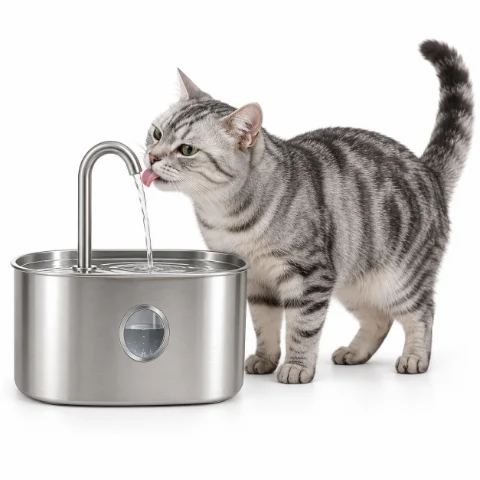
OMIPAWZ 3.2 L stainless steel fountain
Moving water suits some cats, and gives a second drinking spot
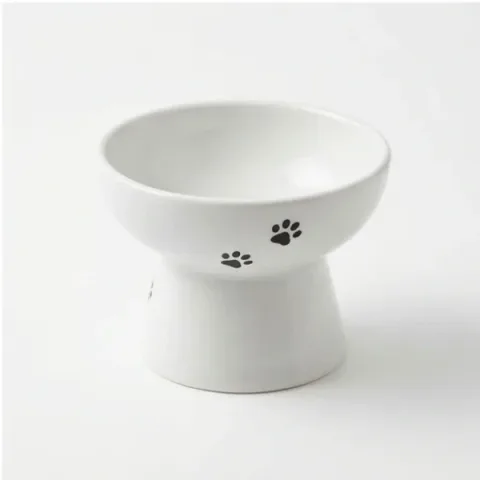
necoichi Happy Dining Cat Water Bowl with stem, Regular
A roomy bowl keeps whiskers from touching the sides
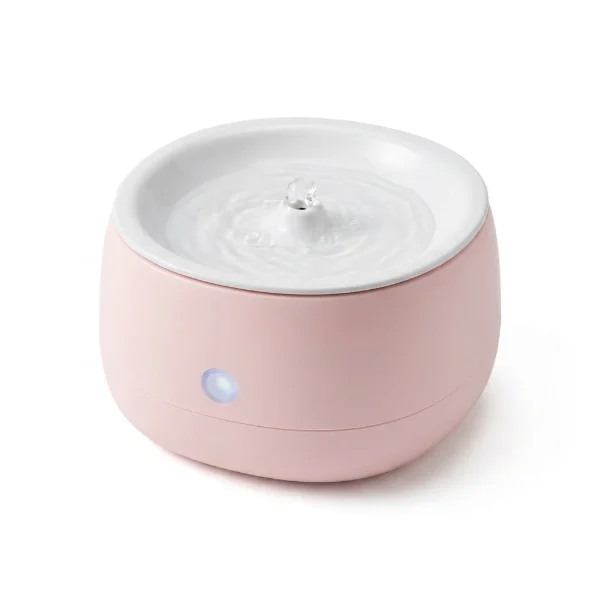
Catit Pixi fountain
Another running-water option, so water is in more than one spot
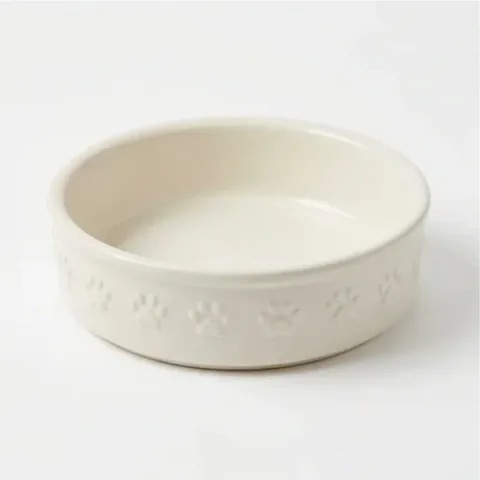
Mason Cash Cat Saucer, stoneware, 13 cm
A shallow dish for drinking, kept away from the food bowl

Scream Rectangle Litter Tray, 50 x 35 x 14 cm
One more tray than cats, in a quiet spot
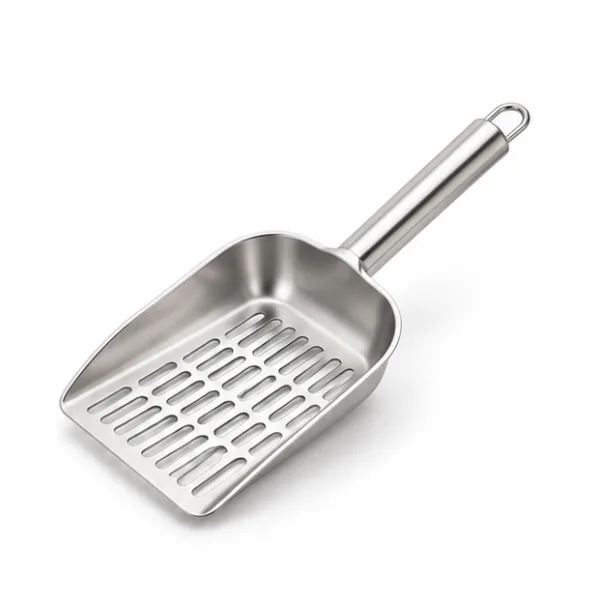
Fine stainless steel cat litter scoop
Clean trays matter; scoop often so your cat keeps using them
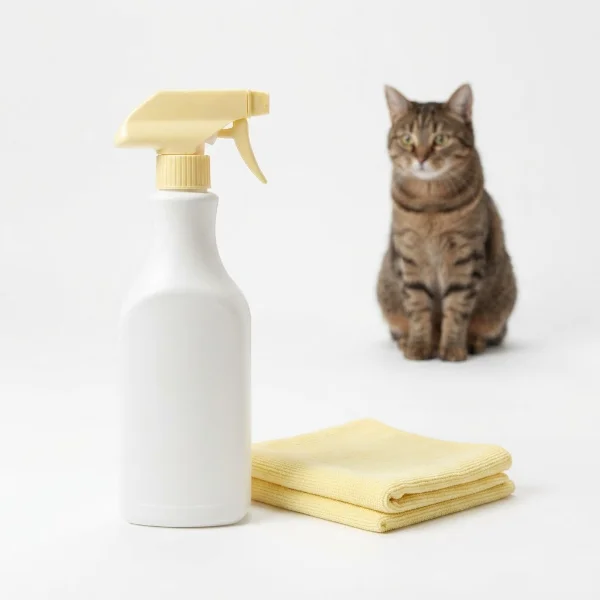
Nature's Miracle Advanced Cat Stain and Odour Eliminator, 946 ml
A proper cleaner so the spot doesn't keep drawing your cat back
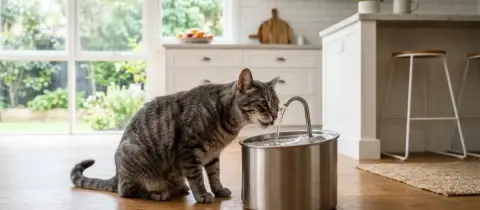
A stainless steel cat water fountain
Moving water suits some cats, and it gives a second drinking spot away from the food bowl.
A wide, shallow cat water bowl on a stem
A roomy bowl keeps whiskers from touching the sides, which some cats prefer.
An enzyme cleaner for cat urine
Accidents outside the tray need a proper cleaner so the spot doesn't keep drawing your cat back.
Catit Pixi fountain
A small running-water option, handy for putting water in more than one spot.
Mason Cash Cat Saucer, stoneware, 13 cm
A wide, shallow dish for drinking, kept away from the food bowl.
Scream Rectangle Litter Tray, 50 x 35 x 14 cm
An extra, easy-to-reach tray, as Cornell suggests one more tray than the number of cats.
Fine stainless steel cat litter scoop
Clean trays in quiet spots help, so scoop often.
Pictures are illustrations, not the actual products.
The "You may also like" cards at the end of the row cover the rest. These support your vet's plan; they don't treat a urinary problem.
What are the signs of a UTI in a cat?
Cats with a urinary problem may strain in the tray, go more often, pass small amounts, cry while peeing, lick under the tail or leave blood in the urine. They may also pee outside the tray. These signs overlap between causes, so a vet needs to work out which one it is.
International Cat Care (updated 28 November 2025) lists straining, frequent small urinations, blood in the urine (sometimes only found on testing), peeing outside the tray and overgrooming of the belly or genitals. It adds behaviour changes such as irritability, quietness or avoiding the tray (International Cat Care).
"UTI" is the phrase most people search, but vets usually talk about feline lower urinary tract disease (FLUTD). That is a group of problems affecting the bladder and urethra with the same signs, and a true bacterial infection is only one of them. International Cat Care says bacterial infection is relatively uncommon in cats and is seen more often in older cats or those with conditions such as kidney disease or diabetes (International Cat Care).
| What you see | What it may be consistent with | How quickly to act |
|---|---|---|
| Repeated trips, straining, little or no urine, crying in the tray | A blocked urethra, most often in male cats | Vet straight away, any hour |
| Vomiting, hiding, lethargy or a painful belly with urinary signs | A blockage or kidney involvement | Vet straight away, any hour |
| Blood-tinged urine | Bladder inflammation, stones or infection | Vet within a day |
| Peeing more often or outside the tray | Pain from any lower urinary cause, or a stress trigger | Vet within a day |
| Licking the genital area, strong-smelling urine | Irritation or infection | Vet within a day |
| Signs that return after treatment | Ongoing inflammation or stones | Vet soon |
Why is my cat peeing blood?
Blood in a cat's urine can come from bladder inflammation, stones or crystals, an infection or, less often, a tumour. It isn't something to watch and wait on. Book a vet within a day, and go straight away if your cat is also straining or passing very little.
Blood isn't always easy to see. The University of Illinois vet college lists small amounts of bloody urine among the signs of a blocked male cat, together with straining, crying and peeing outside the tray (University of Illinois, 10 July 2025). If you see pink or red spots on a pale litter or on the floor, note when it started and how often your cat goes.
Is a cat UTI an emergency, and how do I know if my cat is blocked?
A cat that keeps trying to pee and passes little or nothing may have a blocked urethra, which is life-threatening. It happens almost only in male cats. Go to a vet straight away, any hour, and don't wait to see whether it passes.
International Cat Care says a cat trying and failing to pass urine, or passing only tiny amounts, is an emergency (International Cat Care). Its urethral obstruction page adds that it can be fatal within two to three days without treatment, and Cornell Feline Health Center puts it sooner, saying death may occur in less than 24 to 48 hours. Either way, go now. International Cat Care lists agitation, licking the genital area, refusing food, low mood and vomiting as signs (International Cat Care, updated 26 September 2025; Cornell Feline Health Center). The University of Illinois explains why: the bladder overfills and pressure can back up to the kidneys, and the build-up of toxins and salts can disturb the heart's rhythm. It says an emergency hospital is best placed to treat it, but your regular vet is the alternative if there isn't one nearby.
Straining in the tray can be a cat trying to pee or to poo, and it can be hard to tell the two apart. If you can't tell which it is, treat it as urgent. After hours, ring your clinic for its emergency number or go to the nearest emergency vet.
What causes urinary problems in cats?
The main causes are bladder inflammation with no known cause (idiopathic cystitis), stones or crystals, urethral plugs, bacterial infection and, less often, tumours or birth defects. Stress often plays a part. A vet can tell them apart with a urine test and sometimes imaging.
- Idiopathic cystitis (FIC): International Cat Care says that in around 60 to 70% of cats with these signs no specific underlying disease is found (International Cat Care). Its page on the condition says stress plays a very important role, and conflict with another cat in the home is the most common stressor. It isn't a bacterial infection and shouldn't be given antibiotics (International Cat Care, updated 28 November 2025).
- Crystals and stones: Cornell Feline Health Center names struvite and calcium oxalate as the main types. Stones and plugs made of minerals, cells and protein are the usual cause of blockage (Cornell Feline Health Center, updated October 2016). International Cat Care puts bladder stones at around 10 to 15% of cases.
- Bacterial infection: less common, as above. Merck says a vet needs to rule it out before settling on idiopathic cystitis.
- Other: tumours, mostly in older cats, and birth defects.
How does a vet diagnose and treat a cat UTI?
A vet takes a history, examines your cat and tests the urine. Depending on what turns up, they may add X-rays, an ultrasound or blood tests. Treatment depends on the cause, so it can range from pain relief and more water to stone removal or unblocking a blocked cat.
Cornell says the physical exam and urinalysis come first, and a urine culture, bloodwork and imaging follow if they don't explain it. International Cat Care says urine can be collected from the tray or taken directly from the bladder with a fine needle. It says most FLUTD cases don't need antibiotics, and all cases benefit from more water and more frequent urination, with wet food preferred over dry.
A blocked cat is usually sedated or anaesthetised so a vet can clear the blockage with a catheter, then empty the bladder. International Cat Care says the outlook is good with prompt treatment and prevention of repeat blockages. Merck says that because the cause is unknown, treatment aims to reduce how often and how severe episodes are.
Can a cat UTI go away on its own, and can I treat it at home?
Some mild episodes ease by themselves, but you can't tell at home whether yours is mild or the start of a blockage. Don't wait it out and don't treat it yourself. A cat with urinary signs needs a vet check and a urine test.
Merck and International Cat Care both say episodes of cystitis often settle within days, and they often come back. That is a reason to see a vet, not a reason to wait: a cat that looks better can still have stones, and a male cat can block. Never give human pain relief, and don't use leftover antibiotics. They can be unsuitable or harmful, and most FLUTD cases don't need antibiotics at all.
What you can do alongside your vet is support the routine described in the next section. Our cat peeing outside the litter box guide covers keeping a diary of when, where and how much your cat goes, which is useful to take along.
Does food or water intake help prevent urinary problems coming back?
More water in the diet and a calmer home help many cats, and vet sources agree on both. Wet food adds moisture, and fresh water in several spots encourages drinking. None of this treats a current problem, and any diet change should be agreed with your vet first.
Greater water intake produces larger volumes of more dilute urine, which International Cat Care says helps prevent relapses of idiopathic cystitis and can reduce the risk of new stones forming in cats that have had them (International Cat Care, updated 26 September 2025). It suggests wet food, wide shallow bowls, running water, several bowls placed away from food and on each level of the home. Cornell adds a healthy weight, small frequent meals, one more litter tray than the number of cats and clean trays in quiet spots. Stress counts too: International Cat Care lists daily play, hiding places up high and synthetic feline pheromones. See our cat enrichment ideas and Feliway guide, where the evidence is mixed.
Are male cats, older cats or indoor cats more at risk?
Male cats are at higher risk of a blockage because, as Merck notes, their urethra is longer and narrower. Overall, urinary signs are more common in middle-aged, overweight, indoor cats with little exercise or low water intake, but they can happen at any age.
Cornell lists male sex, middle age, being overweight, little exercise, indoor litter trays, limited outdoor access, low water intake, multi-cat homes and big changes such as moving. International Cat Care adds neutered cats and cats fed dry diets. The University of Illinois says blockages are most often seen in young male cats aged 1 to 5. Bacterial infection, in contrast, is more often seen in older cats and those with kidney disease or diabetes, which is why an older cat that is weeing or drinking more than usual deserves a check.
Useful guides
These are routine helpers, not treatments. None of them treats a urinary problem, and your vet comes first.
- Cat water fountains and cat water bowls: some cats drink more from moving water or a wide, shallow bowl.
- Best wet cat food: wet food adds moisture to the diet.
- Urinary cat food: non-prescription maintenance foods for healthy adult cats, once your vet is happy. A cat with a diagnosed urinary condition needs the diet your vet chooses.
- Cat litter boxes and an enzyme cleaner for cat urine: an extra, easy-to-reach tray and a proper cleaner for accidents.
- Senior cat food, indoor cat food and grain free cat food: our other cat food guides. None of these foods treats a urinary problem.
Pet shops and vet clinics also sell these product types.
When to see a vet
Straight away, any hour:
- A cat that keeps straining and passes little or no urine, especially a male cat, needs a vet straight away because a blocked urethra is life-threatening. Repeated trips to the tray and crying in the tray are part of the same picture. International Cat Care and the University of Illinois both say to go to a vet immediately
- Vomiting, hiding, lethargy, weakness or a painful belly along with urinary signs
Within a day: blood in the urine, peeing more often, peeing outside the tray, a lot of licking of the genital area, or strong-smelling urine.
Soon: signs that come back after treatment, an older cat drinking or weeing more than usual, or any cat with kidney disease or diabetes showing urinary signs.
Never give human pain relief or leftover antibiotics. Ask your vet before giving anything.
Frequently asked questions
Can stress cause a UTI in cats?
Stress can trigger idiopathic cystitis, the most common cause of urinary signs, though it isn't a bacterial infection. International Cat Care says conflict with another cat is the most common stressor, and that cats spending a lot of time indoors are also prone to stress. A vet still needs to rule out stones and infection first.
Do female cats get urinary problems too?
Yes. Females get the same lower urinary signs, including cystitis, stones and infection. Blockage is the difference: International Cat Care says it occurs almost exclusively in male cats because of their narrow urethra. A female with straining, blood or accidents still needs a vet check within a day.
Can I give my cat cranberry or D-mannose?
Neither is a treatment, and we can't point you to a vet source that recommends them for cats: the Merck page we read doesn't mention cranberry or D-mannose. Most urinary cases in cats aren't bacterial infections anyway, as International Cat Care explains. Ask your vet before giving any supplement, and don't use one in place of a check.
How do I collect a urine sample?
Ask your clinic before you try, because they can tell you what to use and how to avoid contaminating it. A fresh sample helps the test, so tell the clinic when your cat last went. International Cat Care says samples may come from the tray or directly from the bladder.
Will my cat need a special diet?
Possibly, depending on the cause. Cornell says struvite stones can sometimes be dissolved with a special diet, while calcium oxalate stones can't. Those are vet-chosen diets, so don't swap foods yourself. Retail urinary foods in our urinary cat food guide are for healthy cats.
How often do urinary problems come back?
They often do. Merck says about half of cats with cystitis have another episode within a year, and International Cat Care says recurrence is common. More water, a calm home and a vet follow-up help, and results vary. Ask your vet what signs to act on.
Is it a UTI if my cat is straining in the tray?
Not necessarily. A cat can strain to pee or to poo, and the two are easy to confuse. Straining to pee can also come from bladder inflammation, stones or a blockage, and only a vet can tell which. If you aren't sure, treat it as urgent and call your vet or an emergency clinic.
Related guides
- Why is my cat peeing outside the litter box?
- Urinary cat food
- Best senior cat food
- Best indoor cat food
- Grain free cat food
- Best wet cat food
- Best cat water fountains
- Best cat water bowls
- Best enzyme cleaner for cat urine
- Best cat litter box and tray
- Cat spraying: why cats mark indoors
- Cat enrichment ideas
- How we research
- All our cat guides
Sources
- International Cat Care, Feline lower urinary tract disease, updated 28 November 2025 (https://icatcare.org/articles/feline-lower-urinary-tract-disease)
- International Cat Care, Feline idiopathic cystitis (FIC) in cats, updated 28 November 2025 (https://icatcare.org/articles/feline-idiopathic-cystitis-fic-in-cats)
- International Cat Care, Urethral obstruction in cats, updated 26 September 2025 (https://icatcare.org/articles/urethral-obstruction-in-cats)
- International Cat Care, How to encourage your cat to drink, updated 26 September 2025 (https://icatcare.org/articles/how-to-encourage-your-cat-to-drink)
- Cornell Feline Health Center, Feline lower urinary tract disease, updated October 2016, page read 25 November 2026 (https://www.vet.cornell.edu/departments-centers-and-institutes/cornell-feline-health-center/health-information/feline-health-topics/feline-lower-urinary-tract-disease)
- Merck Veterinary Manual (pet owner version), Noninfectious diseases of the urinary system of cats, updated July 2026, page read 25 November 2026 (https://www.merckvetmanual.com/cat-owners/kidney-and-urinary-tract-disorders-of-cats/noninfectious-diseases-of-the-urinary-system-of-cats)
- University of Illinois College of Veterinary Medicine, Blocked cats: an emergency for male cats, 10 July 2025 (https://vetmed.illinois.edu/pet-health-columns/blocked-cats-an-emergency-for-male-cats/)
This guide provides general information and isn't a substitute for veterinary advice. If you're concerned about your cat's urinary health, speak with your vet.