Quick answer: Cat spraying is a cat marking a vertical surface with a small squirt of urine, usually triggered by stress, another cat's scent or not being desexed, and it's different from peeing. Book a vet check first, because pain or urinary problems can look similar. Then reduce triggers, clean marks with an enzyme cleaner and never punish.
Finding a damp patch on the wall or the back of the couch is frustrating, and it usually isn't spite. This guide covers how to tell spraying from a tray problem, why cats do it, what to change at home and what deterrents can and can't do. If your cat is leaving puddles on the floor, start with our guide to a cat peeing outside the litter box.
Quick picks

Vansky 51 LED UV torch, 395 nm
Lights up dried pet urine in a dark room; never shine it in eyes
Nature's Miracle Advanced Cat Stain and Odour Eliminator, 946 ml
An enzyme cleaner made for cat urine; clean the whole area

Urine Off Cat and Kitten Odour and Stain Remover, 946 ml
Made for cat urine, the next step once you've found the spot
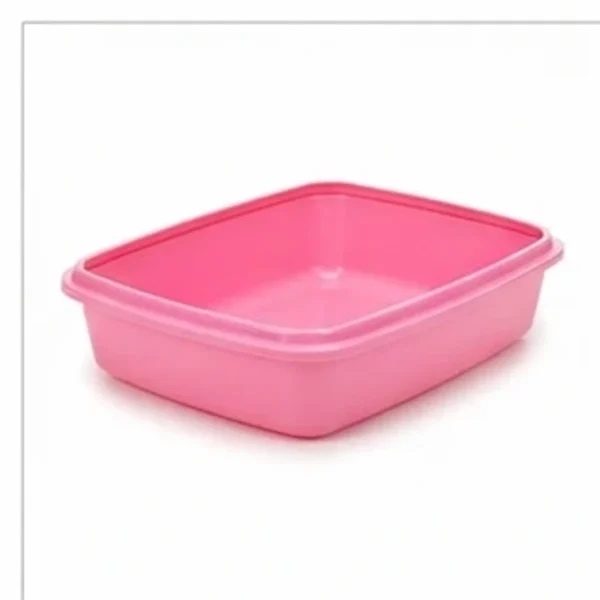
Scream Rectangle Litter Tray, 50 x 35 x 14 cm
One tray per cat plus one, spread around the home

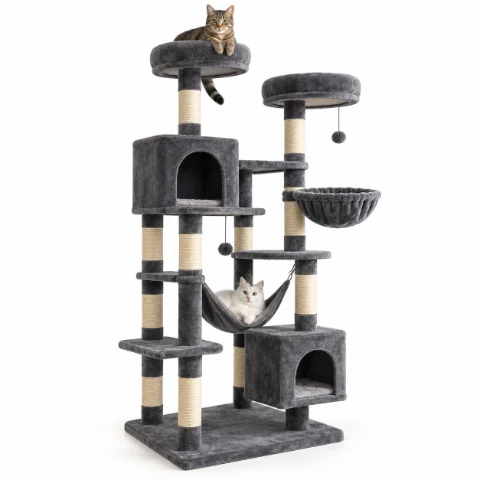
Feandrea 206 cm Cat Tree
Spreads perches so cats aren't guarding one spot
Nature's Miracle Advanced Cat Stain and Odour Eliminator, 946 ml
An enzyme cleaner for cat urine, for the whole marked area.
Urine Off Cat and Kitten Odour and Stain Remover, 946 ml
Another option made for cat urine.
Scream Rectangle Litter Tray, 50 x 35 x 14 cm
An extra tray helps in a multi-cat home, where VCA suggests one per cat plus one.
Feandrea 206 cm Cat Tree
More high places mean cats aren't guarding one spot.
Pictures are illustrations, not the actual products.
More detail is in Useful gear for finding and cleaning marks below. These help with the routine and clean-up; they don't stop spraying alone, and they don't replace your vet.
What is cat spraying, and how is it different from peeing?
Spraying is a form of marking. A cat backs up to a vertical surface, raises its tail, often quivers it, treads with the back feet and sends a small stream of urine backwards. Peeing outside the tray is different: the cat squats and empties the bladder. RSPCA Australia says marking can also happen on flat surfaces (RSPCA Australia Knowledgebase, updated 30 May 2024, page read 23 November 2026).
VCA Animal Hospitals adds that sprayed marks tend to turn up near doorways and on windows (VCA Animal Hospitals).
| Spraying | Peeing outside the tray | |
|---|---|---|
| Posture | Standing, backing up, tail raised and often quivering, little or no crouch | Squatting |
| Surface | Mostly vertical: walls, doors, curtains, furniture sides | Mostly flat: floors, beds, carpet, sinks |
| Amount | A small squirt | Usually a larger puddle |
| Where | Doorways, windows, new or shared items | Often away from the tray, or near it |
| Tray still used? | Often yes | Often not, or not reliably |
| What to do first | Vet check, then look at triggers | Vet check, then look at the tray, litter and location |
Most cats don't fit one column perfectly, so look at the pattern across a few days. If you can't tell which one you're seeing, say so to your vet.
Why do cats spray indoors?
Spraying is normal cat communication, and indoors it usually has a trigger. RSPCA Australia lists another cat's scent, stress, anxiety, frustration and changes such as a new household member or a move. VCA adds outdoor cats seen through the window, conflict between cats at home and new objects or changed scents.
International Cat Care describes urine marking as a chemical signal cats use to communicate with other cats (International Cat Care, updated 26 September 2025). Use the table to match what you notice with a first change.
| What you notice | What to change | Our guide |
|---|---|---|
| Marks near windows or the front door, and a stray or neighbour's cat is about | Block the view, keep outdoor cats away from the glass | Frosted window film |
| Spraying started after a new cat arrived | Slow the introductions, give each cat its own resources | Introducing a kitten to an older cat |
| Cats share trays, bowls or beds and tension shows | One more tray than cats, spread around the home | Litter boxes |
| A move, new baby, visitors or builders | Keep meals and play on schedule, give a quiet room | Cat enrichment |
| Entire (not desexed) cat | Ask your vet about desexing | Below |
| Sudden onset, especially in an older cat | Vet check before anything else | The vet box below |
Why is my desexed cat still spraying?
Desexing often reduces spraying, but it doesn't always end it. VCA says about 10% of desexed males and 5% of desexed females keep spraying. RSPCA Australia says entire males mark the most, yet desexed males and females can too, so a desexed cat spraying isn't unusual.
If your cat isn't desexed, ask your vet about it. RSPCA Australia recommends desexing at or before four months of age, and says cats can breed from about four months (RSPCA Australia, 17 June 2021). Desexing won't undo a long habit overnight, and results vary, so keep working on triggers and cleaning too.
Do female cats spray?
Yes. Females can spray, whether or not they're desexed, although RSPCA Australia says entire males mark most. A female cat in heat may also urinate more or spray, according to VCA (VCA Animal Hospitals); our cat in heat guide covers that. The triggers and fixes are the same as for males, and a vet check still comes first.
Could it be a medical problem?
Yes, so see your vet before assuming it's behaviour. RSPCA Australia says urinary tract disease, kidney disease and diabetes can all cause urinating in the wrong place, and VCA says a cat that suddenly starts marking should be examined. A vet can work out what's going on.
A urinary blockage is different, and it's an emergency. A cat, especially a male, straining, crying or passing little or no urine needs a vet straight away, day or night; a urinary blockage is an emergency and can be fatal (RSPCA Australia). Don't wait to see if it passes. Other changes that need a call to the vet are in the box further down.
How do I stop my cat spraying?
Work out the trigger, then change it. Reduce what your cat sees and smells, give each cat enough resources, keep the routine steady and never punish. Cleaning alone rarely stops it, according to VCA, because a cat may simply re-mark the spot. Results vary, so watch how your cat responds over time.
Outdoor cats at the window. VCA lists outdoor cats seen through the window as a common trigger. Block the view with opaque coverings and keep windows closed if outside scent is coming in. Frosted film on the lower glass also does this job; the window film guide is written for dogs that bark, but the same film works when a cat sprays at the sight of the neighbour's cat.
Resources in a multi-cat home. VCA suggests one tray per cat plus one, all clean and appealing. RSPCA Australia says to put trays in different places. Spread bowls, beds and perches too, so cats aren't guarding one spot. Our cat tree guide can help with extra high places.
Keep a routine. VCA lists changes to the routine and frustration, such as an empty bowl or a closed door, as triggers. Regular meals, daily play and a quiet retreat for a stressed cat all help. A wand toy session before dinner gives your cat an outlet, and a cave bed gives a hiding place.
Change what the spot is used for. VCA says most cats don't mark where they eat or rest, so putting a food dish or a bed on the marked spot may help. RSPCA Australia suggests changing the spot's use, such as feeding or play. Clean it first.
Distract, don't scold. If you catch your cat about to spray, VCA suggests a gentle distraction, such as a novel sound or a wand toy. Never scold, frighten or rub its nose in it. VCA says punishment can cause fear and damage trust. VCA also says vet-guided medication can help some cats alongside these changes, so ask your vet if the problem continues.
How do I clean cat spray so they don't mark again?
Use an enzyme cleaner made for cat urine, and clean the whole area, not just the visible wet patch. Cats return to places that smell of urine. Never use ammonia, bleach or vinegar. Our enzyme cleaner guide covers how to use them, and our carpet cleaner guide covers soaked carpet.
Old dried marks can be invisible. A UV torch in a dark room can help you find them, and our UV pet urine detector guide explains how, and what else glows. Remember that cats mark vertical surfaces, so check walls, door frames and skirting boards as well as the floor. Mark spots with painter's tape, clean, then recheck once dry.
Do cat spraying deterrents work?
Deterrents may move the marking, but they don't treat the cause. Sprays that cats dislike can push your cat to mark somewhere else, and none of the sources we opened show that a deterrent stops spraying.
Never use essential-oil sprays: Pet Poison Helpline says cats have difficulty metabolising and eliminating some toxins, including essential oils (Pet Poison Helpline). Treat any deterrent as a short-term tool while you fix the trigger.
Feliway. The maker says its pheromone diffusers and sprays help cats feel calm. VCA says synthetic pheromone products may reduce marking and to ask your vet which suits your cat, and RSPCA Australia also suggests asking your vet. See our Feliway guide.
Calming collars. One maker-funded trial suggests pheromone collars may help, but the evidence is limited, and a collar that doesn't break away is a hanging risk. We explain all of it in our calming collar guide.
Nappies. A cat nappy is a short, supervised stopgap to protect floors and furniture, not a fix. Skin soreness is a risk if it stays on, and a belly band won't catch spray because a cat's urine goes backwards. See our cat nappies guide.
Useful gear for finding and cleaning marks
Gear helps you find and clean marks. It doesn't stop the behaviour, which needs the changes above.
- Vansky 51 LED UV torch, 395 nm: the listing gives 51 LEDs, an aluminium body about 14.5 cm long and a lanyard, and it's designed to light up dried pet urine in a dark room. Never shine it into anyone's eyes, including your cat's, and keep it away from children. It's our pick in the UV torch guide, where four other torches are compared.
- Enzyme cleaners for cat urine: the next step once you've found the spot.
- Cat litter boxes: for the extra tray in a multi-cat home.
When to see a vet
Emergency, go now: a cat, especially a male, straining, crying or passing little or no urine needs a vet straight away, day or night; a urinary blockage is an emergency and can be fatal (RSPCA Australia).
See your vet promptly for:
- blood in the urine
- sudden marking in an older cat, or in a cat that never marked before
- more drinking than usual
- spraying together with lethargy or vomiting
- marking that doesn't improve after the changes above
Not sure whether it's urgent? Phone your vet or an after-hours clinic. For tray problems, see cat peeing outside the litter box.
Frequently asked questions
Does cat spray smell different from normal cat pee?
It often smells strong, but the sources we opened don't give a reliable way to tell the cause by smell. Judge by the pattern instead: a small squirt on a vertical surface, with the tail raised, is more consistent with spraying. If you're unsure, ask your vet to check.
Can a cat spray without lifting its tail?
The classic posture is backing up with the tail raised and often quivering. RSPCA Australia says marking can also happen on flat surfaces, so posture and surface vary. If you can't tell whether it's spraying or a tray problem, describe what you see to your vet, ideally with a short phone video.
Will getting another cat make my cat spray?
It can. RSPCA Australia lists another cat's scent as a trigger, and VCA lists conflict between cats at home. Introduce a new cat slowly, give each cat its own tray, bowl and high place, and see our introducing a kitten to an older cat guide.
Why is my cat spraying on my bed or clothes?
The sources we opened don't single out beds or clothes, but RSPCA Australia and VCA both list stress and household changes as triggers, and a puddle on soft bedding can also be a tray or medical problem. A vet should rule out a medical cause first. Clean thoroughly with an enzyme cleaner, and keep the bedroom door closed while you work on the trigger.
How long after desexing does a male cat stop spraying?
There's no fixed timeline, and results vary from cat to cat. VCA says desexing can sometimes resolve marking completely, but about 10% of desexed males keep spraying. Keep working on triggers and cleaning, and ask your vet if it continues.
Can I stop the neighbour's cat making my cat spray?
You can't control the neighbour's cat, but you can make your home less of a stage for it. Block the window view as described above, don't leave pet food outside, and have a friendly word with the neighbour. VCA suggests deterring outdoor cats from getting close to the house. Some councils have cat curfews; check the cat curfew rules for your area.
Does vinegar stop cats spraying?
We don't recommend it. Vinegar doesn't treat the reason your cat is marking, and our enzyme cleaner guide explains why we skip vinegar and ammonia: the Cornell Feline Health Center says they can smell like urine to a cat and can irritate. Use an enzyme cleaner made for cat urine instead, never bleach, and work on the trigger.
Is cat spray harmful to people?
Treat it as a hygiene matter. Wear gloves when cleaning, ventilate the room, wash your hands afterwards and keep children and pets away from the area until it's clean and dry. If anyone in the home feels unwell, or has a weak immune system, ask a doctor for advice.
Related guides
- Why is my cat peeing outside the litter box?
- Cat in heat: signs, how long it lasts and what helps until desexing
- Cat calming collars: do they work, and are they safe?
- Cat nappies: washable and disposable picks
- UV pet urine detector torches
- Best enzyme cleaner for cat urine
- Does Feliway work? Diffuser vs spray for cats
- Cat curfew rules in Australia
Sources
- RSPCA Australia Knowledgebase, Why is my cat urinating inappropriately?, updated 30 May 2024, page read 23 November 2026.
- VCA Animal Hospitals, Urine Marking and Spraying Behavior in Cats, updated 23 October 2026, page read 23 November 2026.
- RSPCA Australia, New report: early desexing a better choice for our feline friends, 17 June 2021, page read 23 November 2026.
- VCA Animal Hospitals, Estrous Cycles in Cats, updated 13 June 2025, page read 23 November 2026.
- International Cat Care, Soiling indoors, updated 26 September 2025, page read 23 November 2026.
- Pet Poison Helpline, Essential Oils and Cats, page read 23 November 2026.
- Cornell Feline Health Center, Feline Behavior Problems: House Soiling, page read 25 November 2026.
This guide provides general information and isn't a substitute for veterinary advice. If you're concerned about your cat's spraying, speak with your vet.