Research guide. WhiskerFinds may earn a commission from links, at no extra cost to you.
Quick answer: A microchip cat feeder is a covered bowl that opens only for the cat it recognises, and the SureFeed Microchip Pet Feeder is our top pick because it reads your cat's implanted chip, so there is nothing to wear. If your cat will wear a quick-release collar, the PETLIBRO RFID feeder adds timed meals from a hopper.
One cat finishes their dinner, then wanders over and finishes the other cat's as well. Or one cat is on a prescription diet and the other cat thinks that bowl is a bonus. A bowl that only opens for the right cat solves it without separate rooms and closed doors. It is a mealtime tool, not a diet plan. If it's the dog raiding the cat's bowl, our dog eating cat food guide explains the risks and how to stop it.
This guide compares four feeders on Amazon Australia: two SureFeed models that read the chip under your cat's skin, and two hopper feeders that open for a collar tag. We cover what each one reads, how much it holds, how it is powered, and which suits which home. If you only need timed meals, start with our automatic cat feeder guide instead.
Quick picks
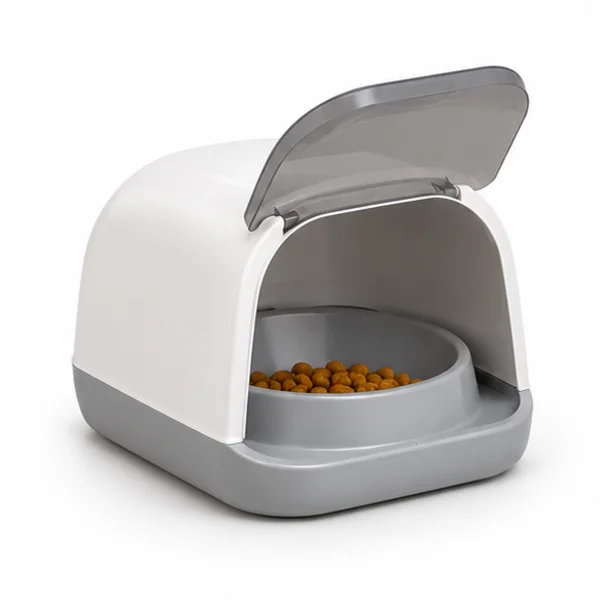
SureFeed Microchip Pet Feeder
Opens for the implanted chip or a collar tag, takes wet or dry food, runs on batteries
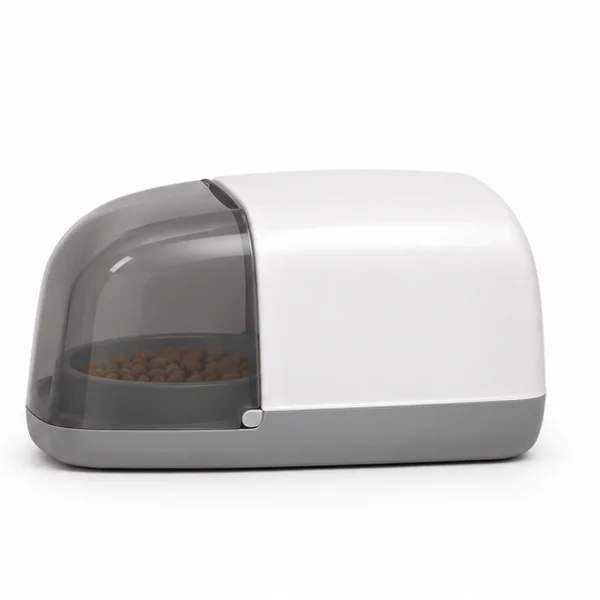
SureFeed Microchip Pet Feeder Connect
Built-in scales and an app log (needs the Sure Petcare Hub)
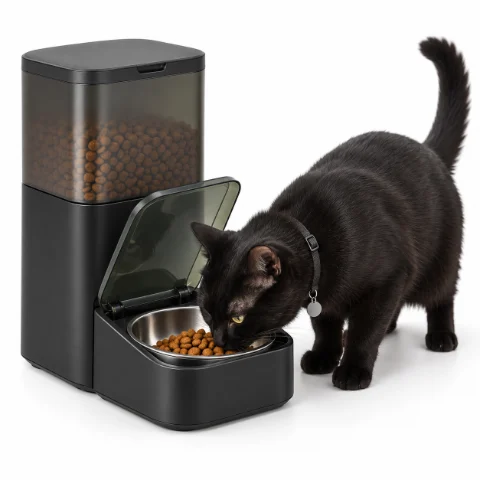
PETLIBRO One RFID Automatic Cat Feeder, 3 L
Timed dry meals and a locking lid in one unit, Australian adapter stated
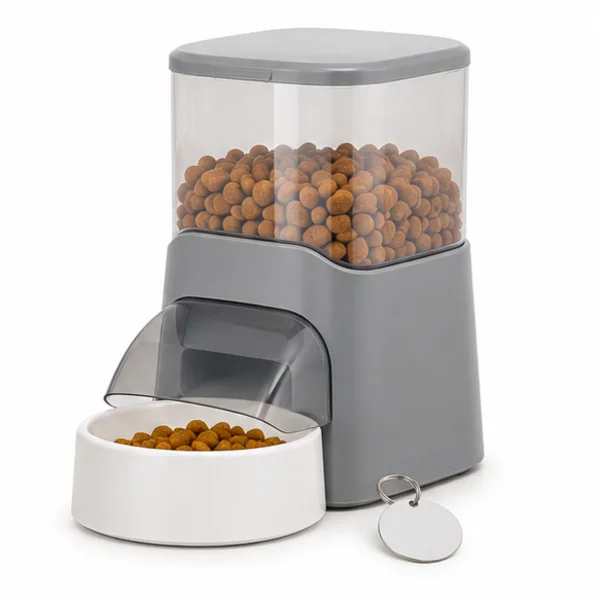
HoneyGuaridan RFID automatic cat feeder (SF35), 4.6 L
The largest hopper here, with a ceramic bowl
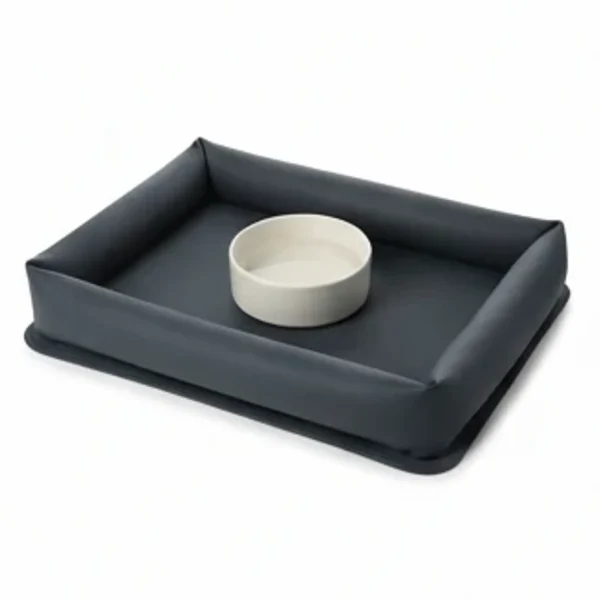
Reopet silicone cat feeding mat
A raised-edge mat that catches spills and keeps the feeding area tidy.
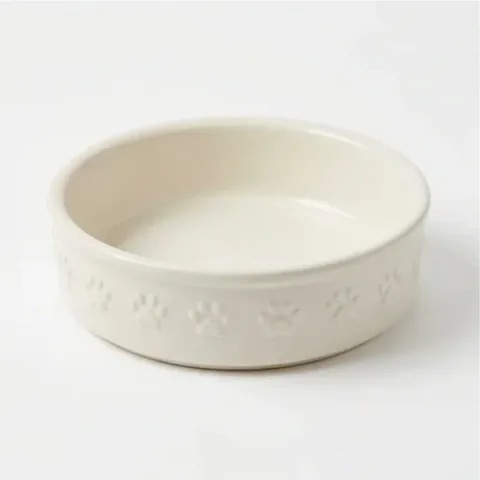
Mason Cash cat saucer
A wide, shallow stoneware dish that's easy to wash and suits cats who prefer a roomy bowl.
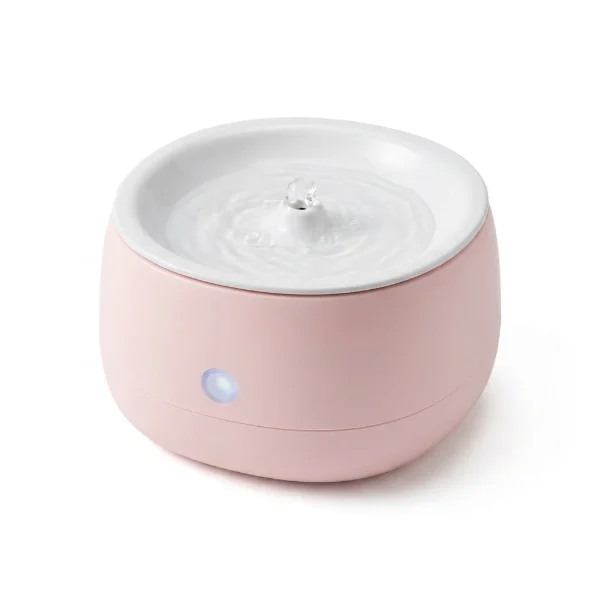
Catit Pixi cat fountain
Moving water can encourage some cats to drink, and it sits neatly beside the feeder.
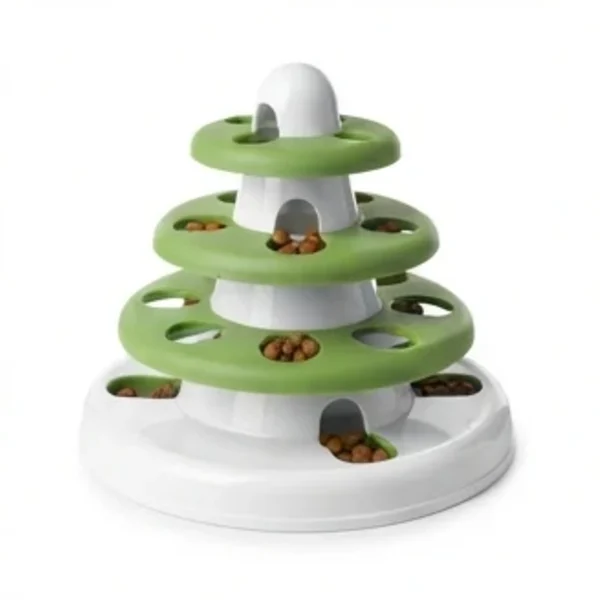
Catit Senses 2.0 Food Tree
A puzzle feeder that lets you offer a small amount of the day's dry food as a bit of play.
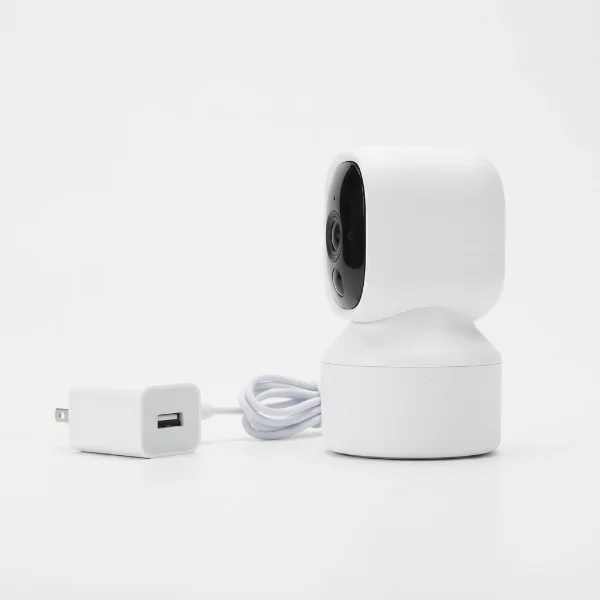
Tapo C200 pan and tilt camera
Lets you check in on the feeder and see which cat is using it while you're out.
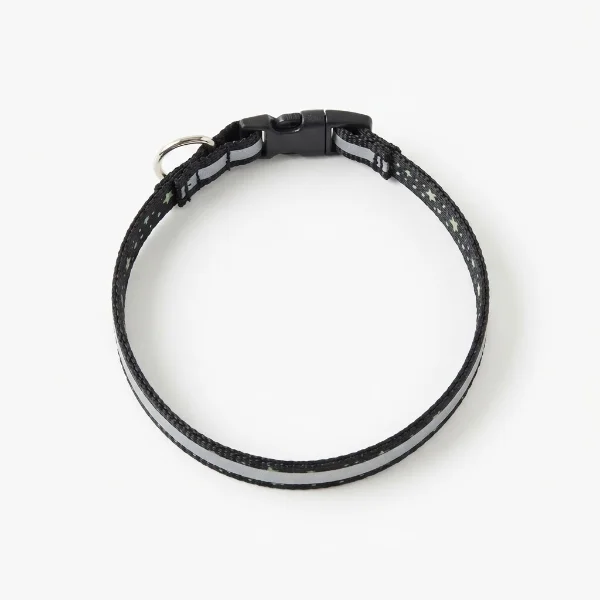
Rogz Glowcat Safeloc breakaway collar
A breakaway collar for the cat who wears the feeder's tag, so it releases if it snags.
Pictures are illustrations, not the actual products.
Microchip cat feeders compared
Details from each Amazon Australia listing, checked on 18 Nov 2026. Where a figure comes from the maker's own website instead, the table says "maker". "Not listed" means we couldn't find it.
| Feeder | Recognises | Capacity | Power | App | Wet food | Warranty on listing | Size (cm) |
|---|---|---|---|---|---|---|---|
| SureFeed | Implanted chip or its own tag | About 400 ml bowl | 4 x C batteries (maker), not included | None | Yes | 3 years | 20 x 23 x 32 (maker) |
| SureFeed Connect | Implanted chip or its own tag (maker) | About 400 ml bowl (maker) | Batteries, about 6 months (maker) | Yes, Hub needed | Yes | Not listed (maker: 3 years) | Not listed |
| PETLIBRO One | Its own tag only | 3 L hopper | Australian adapter, 3 x D backup | Yes, no hub | No | Not listed | Not listed |
| HoneyGuaridan | Its own tag only | 4.6 L hopper | 5 V cord, 4 x AA or lithium | Yes, no hub | No | 1 year | Not listed |
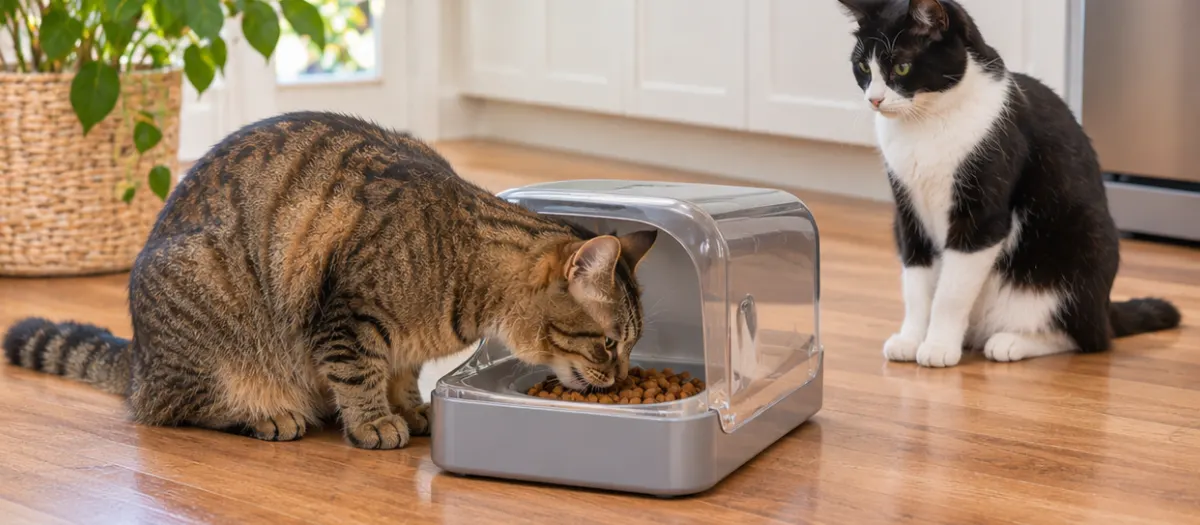
One feeder protects the cat or cats registered to it. The SureFeed stores 32 IDs, but every registered cat can open that same bowl, so a cat who needs separate food needs their own feeder.
Microchip reader or collar tag: which should you choose?
Choose a chip reader if you'd rather your cat wear nothing extra, and a collar tag if you want timed meals from a hopper. The SureFeed models open for the chip your cat already has, or for the included tag if you'd prefer. The PETLIBRO and HoneyGuaridan open only for their own tag, so your cat needs a collar every day.
If you go the tag route, use a quick-release (breakaway) cat collar, the same advice as on our automatic cat feeders page and in our cat collar guide. A tag that hangs from a normal collar is a snagging risk for a climbing cat.
| Chip reader (SureFeed) | Collar-tag hopper (PETLIBRO, HoneyGuaridan) | |
|---|---|---|
| Cat wears a collar | Not needed | Every day |
| Timed meals | No, you fill the bowl | Yes, from a hopper |
| Wet food | Yes | No, dry only |
| Power | Batteries only | Mains with backup, or batteries |
| In a power cut | Keeps working | Schedules run on backup batteries, Wi-Fi off |
| Another cat's tag | Register as many as you like (32) | PETLIBRO: one tag per feeder. HoneyGuaridan: one tag included |
Our picks in detail
1. SureFeed Microchip Pet Feeder: best overall
The one to pick if one cat steals food and you don't want a collar involved. The listing says it opens for your cat's implanted microchip or for the included RFID collar tag, and closes when your cat moves away. It lists 9-digit (Avid Secure), 10-digit (FDX-A) and 15-digit (FDX-B) chips, stores 32 IDs and holds about 400 ml (13.5 fl oz) of wet or dry food. The lid closes onto a neoprene lip, which the listing says helps keep food moist. The box has one single bowl, one split bowl, one mat and one tag.
It needs batteries (not included). Sure Petcare says 4 C cells and about 6 months of life, and that a flashing indicator tells you when to change them (Sure Petcare (AU), "The SureFeed Microchip Pet Feeder", page read 18 November 2026). With no plug to worry about, it also keeps working in a power cut. It is a covered bowl, not a dispenser: you fill it.
- Pros: reads the implanted chip, nothing to wear; wet or dry food; batteries only, so no plug to check; three-year warranty on the listing
- Cons: about 400 ml per fill; no timed portions; no app; keep spare batteries on hand
- Best for: the cat whose food is being stolen, with nothing to wear on the collar
- Skip it if: you want timed meals from a hopper, or more than 400 ml between refills
2. SureFeed Microchip Pet Feeder Connect: best for tracking grams eaten
The same chip-reading idea with built-in scales and an app. The listing says it weighs food, shows how much, how often and when your cat eats, and reads the microchip. Sure Petcare adds a 400 ml bowl, portions guided to within 1 g and about 6 months of battery life; the listing itself gives no capacity or battery figure (Sure Petcare (AU), "The SureFeed Microchip Pet Feeder Connect", page read 18 November 2026).
Needs the Sure Petcare Hub (sold separately): the maker says the feeder can't be linked to the app without it, and portion weights are set in the app, so treat the Hub as part of the cost. A sudden change in how much your cat eats is worth a vet visit rather than a feeder tweak.
- Pros: the only pick that weighs food and logs it for each cat; wet or dry food; opens for the implanted chip
- Cons: the app needs the separate Hub; capacity, battery life and the three-year warranty come from the maker's page, not the listing
- Best for: a cat on a diet or prescription food where you need to know grams eaten
- Skip it if: you don't want a hub and an app
3. PETLIBRO One RFID Automatic Cat Feeder, 3 L: best hopper feeder with a collar tag
A timed hopper that also locks the bowl, so portion control and food stealing are handled in one unit. The listing says the lid opens when the paired PETLIBRO collar tag is recognised, one tag per feeder, and that it does not read implanted microchips or other brands' tags. You schedule up to 10 meals a day in the app. We already cover it on our automatic cat feeders page, including the adjustable lid speed.
The listing says it comes with an Australian power adapter and USB-C cable, takes 3 D alkaline batteries as backup (not included; saved schedules keep running, Wi-Fi doesn't), supports 2.4 and 5 GHz Wi-Fi and suits dry kibble from 2 to 15 mm in regular shapes. The listing also says core features, including RFID access, scheduling and basic feeding records, need no subscription, and that "Petlibro Care" plans are optional extras.
- Pros: timed meals and a locking lid; Australian adapter stated; backup batteries; no subscription for core features per the listing
- Cons: dry food only; needs a collar every day; its own tag only, so one cat per feeder
- Best for: portion control and food stealing in one unit, for a cat that will wear a quick-release collar
- Skip it if: your cat won't wear a collar or you feed wet food
4. HoneyGuaridan RFID automatic cat feeder (SF35), 4.6 L: best for a big hopper
The largest hopper of the tag feeders, with a ceramic bowl. The listing says a lightweight collar tag is included, the lid speed is adjustable, and the app (2.4 and 5 GHz) builds a daily plan and logs which cat ate, when and for how long, with low-food and low-battery alerts. It holds 4.6 L (19 cups) and uses a five-layer seal with a desiccant pouch. The sister listing for the same model says dry food and 1 to 10 meals a day.
Power has three modes on the listing: a 5 V braided cord, 4 AA batteries (not included; it dispenses on schedule with no Wi-Fi) or a lithium battery (not included; Wi-Fi works). The listing doesn't say which wall plug ships with it, its 5 V supply suggests a USB-style adapter, and a sister listing's model code ends in UK, so check the plug or plan to use a USB wall adapter you already own. It is also a newer brand on Amazon Australia than SureFeed or PETLIBRO, with a one-year warranty.
- Pros: biggest hopper here; ceramic bowl; per-day plans and a log of which cat ate; works on AA batteries in a power cut
- Cons: wall plug not stated on the listing; one-year warranty; newer brand; dry food only
- Best for: the biggest hopper of the collar-tag feeders, with a ceramic bowl
- Skip it if: you want a chip reader or a stated Australian plug
Add-ons for the SureFeed
The rear cover appears above. One more extra fits the SureFeed.
- SureFeed Mat and Bowl Set, blue: a spare single bowl, split bowl and mat, handy so one set can be in the wash. The listing says each bowl has an integrated seal on the top edge to help reduce odours, and it comes in four colours.
How do you train a cat to use the feeder?
Go slowly and let your cat set the pace. Sure Petcare's training mode closes the lid in stages, and its support page says to take your time and not move on until your cat is confident with the current lid position. It gives no set timeframe, so we don't either; cats vary a lot (Sure Petcare support, "Microchip Pet Feeder", page read 18 November 2026).
The steps for the SureFeed, in short:
- With the lid closed, press the Fn button once. The lid opens and stays open after your cat eats.
- Put your cat's favourite food in the bowl and set the feeder in its usual spot.
- When your cat is eating happily, press Fn again. The lid closes a little and opens fully when your cat comes to eat.
- Press Fn for each further step only once your cat is relaxed at the current one. There are two more partial positions before the lid closes fully.
- The last press closes the lid fully and the feeder is in daily use.
The HoneyGuaridan listing says the lid opening speed can be adjusted for a nervous cat, and our automatic cat feeders page records the same for the PETLIBRO, which is their version of the same idea. While your cat is learning, keep meals in the feeder but never force it. If your cat won't eat from it, go back a step and offer that meal in a plain bowl so no meal is missed; a cat that hasn't eaten for a day needs a vet (see the box below).
Where should the feeder go in a multi-cat home?
Put each feeder in its own quiet spot, out of sight of the other cats. International Cat Care says ideally there are two or three feeding and watering areas per cat, that cats generally don't want to share bowls or be watched while they eat, and that spots should be away from litter trays, doorways and busy areas (International Cat Care, "Feeding your cat or kitten", updated 26 September 2025, page read 18 November 2026).
A feeder fixes who can eat from which bowl. It doesn't fix a cat who feels watched, so a feeder in a corridor where the other cat sits and stares may still cause stress. If you feed wet food from the SureFeed, a spot out of direct sun helps, because the lid seals but isn't a fridge.
Can another cat still get in?
Sometimes, yes. A determined cat can reach in from behind while the lid is open, which is what the SureFeed Feeder Rear Cover is for. The listing says it clips onto the back of both SureFeed feeders so persistent pets can't get at the food from behind. It is hand wash only.
Choose by situation
| Your situation | What to look for | Our pick |
|---|---|---|
| One cat steals food and won't wear a collar | Chip reader | SureFeed |
| One cat on a prescription diet, you want grams eaten | Scales and a log | SureFeed Connect |
| Portion control and stealing together | Hopper with a locking lid | PETLIBRO One |
| Biggest hopper, ceramic bowl | Large hopper | HoneyGuaridan |
| Wet food | A bowl, not a hopper | SureFeed or Connect |
| Power cuts | Battery only, or backup batteries | SureFeed (batteries only), or PETLIBRO and HoneyGuaridan on backup |
| A dog raids the cat's bowl | Chip reader plus rear cover | SureFeed and the rear cover |
| You want a hopper that reads the implant | Not a pick | See "Left out this time" in How we chose |
How we chose
We searched Amazon Australia for microchip and RFID cat feeders, then shortlisted those that met all of these checks:
- Well rated: a strong average rating with plenty of buyer reviews.
- No red flags: no pattern of poor reviews, safety complaints or listing problems.
- Available on Amazon Australia when we checked.
- Recognises one cat by implanted chip or by a collar tag, so it can lock out another cat.
- Power stated on the listing or, for the Connect, on the maker's page (batteries, adapter or both), with the plug noted where the listing gives it.
- Capacity stated in ml or litres on the listing or, for the Connect, on the maker's page.
Where a listing is missing a detail, or the brand is newer, we say so in the cons. These are researched picks, not products we've personally tested. We compared the specifications and features on each Amazon Australia listing, checked on 18 Nov 2026, and we didn't accept payment from any brand.
Left out this time: unbranded chip-style feeders with no brand record, timed feeders that open for any cat, cat flaps that carry "microchip" in the name, and third-party bowl sets. We also left out a hopper feeder that reads implanted chips, because the listing we found gave no plug details.
Will a microchip feeder work with my cat's chip?
The answer lives in your cat's chip number, so check the length on the registry paperwork. Most Australian cats carry an ISO FDX-B chip: the Australian Veterinary Association's policy says only ISO FDX-B chips should be used in companion animals, with readers also able to read older FDX-A chips (AVA, "Electronic identification of animals", ratified 8 April 2016, page read 18 November 2026). The SureFeed listing names FDX-B as its 15-digit type, alongside 9-digit (Avid Secure) and 10-digit (FDX-A) chips.
Sure Petcare says its feeder works with identification microchips worldwide, but we can't check that for your cat, so treat it as the maker's claim. If your cat's number is unusual, the included collar tag is the backup.
Where else can you buy a microchip feeder?
Some pet shops and vet clinics stock chip-reading feeders, often the SureFeed range, and can show you the lid movement before you commit. Ask them about your cat's chip type too. Wherever you buy, check what is in the box, whether batteries are included and the warranty.
When to see a vet
Book a vet visit if your cat suddenly eats much more or much less, loses weight, vomits repeatedly, drinks more than usual or goes off their food after the feeder arrives. These can have many causes, and a vet can work out which; a feeder won't fix them. A cat on a prescription diet should keep to what the vet advises, so ask before changing portions.
Go to a vet or emergency clinic straight away if your cat is tangled in or chewing a collar, has swallowed part of a tag or feeder, or has not eaten at all for a day. Cats can become seriously ill when they stop eating. Our cat collar guide covers breakaway collars.
Frequently asked questions
Do microchip cat feeders work with Australian microchips?
Usually, yes. Most Australian cats have an ISO FDX-B chip, the type the AVA says should be used in companion animals, and the SureFeed listing names FDX-B (15 digits) along with 9- and 10-digit types. Check your cat's chip number against the registry paperwork. If your cat's chip isn't read, the SureFeed's collar tag is the fallback. A collar tag still needs a quick-release collar.
Can two cats share one microchip feeder?
You can register both, since the SureFeed stores 32 IDs, but then both cats can open it, so it protects nothing. The point is one feeder per protected cat. If both cats need their own food, buy two feeders and place them well apart, out of sight of each other.
Do I need a microchip feeder if my cat isn't microchipped?
No. The SureFeed also opens for the RFID collar tag in the box, and the PETLIBRO and HoneyGuaridan only use their own tags, so a chip isn't needed. Your cat would need to wear a quick-release collar. If your cat isn't chipped yet, ask your vet about it.
Can a microchip feeder dispense timed meals?
The SureFeed models don't. They are covered bowls you fill, not dispensers. For timed dry meals, the PETLIBRO One and HoneyGuaridan hoppers schedule meals and open only for their own collar tag. Neither reads the implanted chip. Our automatic feeder guide covers timed feeders more widely.
Can a small dog use a microchip feeder?
The SureFeed listing gives its target species as cat and dog, for small and medium breeds. A small dog can use it if registered, but a dog who isn't registered may try to reach in from behind, so add the rear cover. A hungry dog may also try to knock the whole feeder over.
How long do the batteries last in a SureFeed feeder?
Sure Petcare says about 6 months on 4 C batteries, and the listing doesn't state a figure. Treat that as a guide, not a promise; it will vary with how often the lid opens. A low-battery indicator flashes when they need changing, so keep spares at home.
Will my cat be scared of the moving lid?
Some cats are wary at first. That is what the training mode is for, since it closes the lid in stages and you only move on when your cat is relaxed. The PETLIBRO and HoneyGuaridan lids have adjustable speed. If your cat stays worried, ask a vet or behaviourist, as it can mean more than a feeder problem.
Does a microchip feeder keep wet food fresh?
Partly. The SureFeed lid closes onto a neoprene lip, which the listing says helps retain moisture and keep food fresher. Don't leave wet food sitting for long, especially in summer, and wash the bowl between meals. The hopper feeders here are for dry food only.
Related guides
- Dog eating cat food: is it bad and how to stop it
- Interior cat doors
- Best automatic cat feeders
- Pet feeders with a camera
- Best cat bowls
- Best cat puzzle feeders for wet food
- Best cat collars
- Best cat door in Australia
- Cat guides
Sources
- Sure Petcare (AU), "The SureFeed Microchip Pet Feeder", page read 18 November 2026 (https://www.surepetcare.com/en-au/pet-feeder/microchip-pet-feeder)
- Sure Petcare (AU), "The SureFeed Microchip Pet Feeder Connect", page read 18 November 2026 (https://www.surepetcare.com/en-au/pet-feeder/microchip-pet-feeder-connect)
- Sure Petcare, "Microchip Pet Feeder, Support", page read 18 November 2026 (https://www.surepetcare.com/en-au/support/microchip-pet-feeder)
- International Cat Care, "Feeding your cat or kitten", updated 26 September 2025, page read 18 November 2026 (https://icatcare.org/advice/feeding-your-cat-or-kitten/)
- Australian Veterinary Association, "Electronic identification of animals", ratified 8 April 2016, page read 18 November 2026 (https://ava.com.au/policy-advocacy/policies/identification-of-animals/electronic-identification-of-animals)
- Product details from each linked Amazon Australia listing, checked on 18 Nov 2026.
This guide provides general information and isn't a substitute for veterinary advice. If you're concerned about your cat's eating, weight or diet, speak with your vet.