Quick answer: To introduce a dog to a cat, go slowly and at the cat's pace: swap scents, let each animal explore alone, then meet through a see-through gate with the dog on a loose lead, then on lead with no barrier. Plan for at least a week, possibly several, and don't leave them alone together until you're certain they tolerate each other.
Most dogs and cats can learn to share a home, but the first meeting sets the tone, and rushing it is the usual mistake. This guide walks through the five stages, what to set up first, the warning signs, and when to bring in a professional. If it's a kitten joining an older cat instead, see our kitten introduction guide.
Quick picks

Carlson Extra Wide Walk Through Pet Gate with Small Pet Door
Steel pressure-mount gate for the see-through stage, with a pet door the cat can pass.

Babelio Gate with Cat Door, 76.2 cm, White
Another gate with a cat door; our guide compares the door sizes in cm.
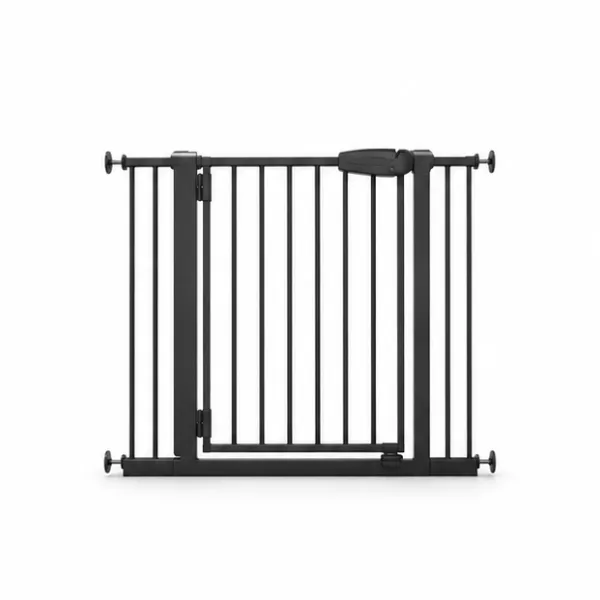
Dreambaby Chelsea Auto-Close Safety Gate (71 to 80 cm)
A standard gate for doors and halls to keep a dog-free room.
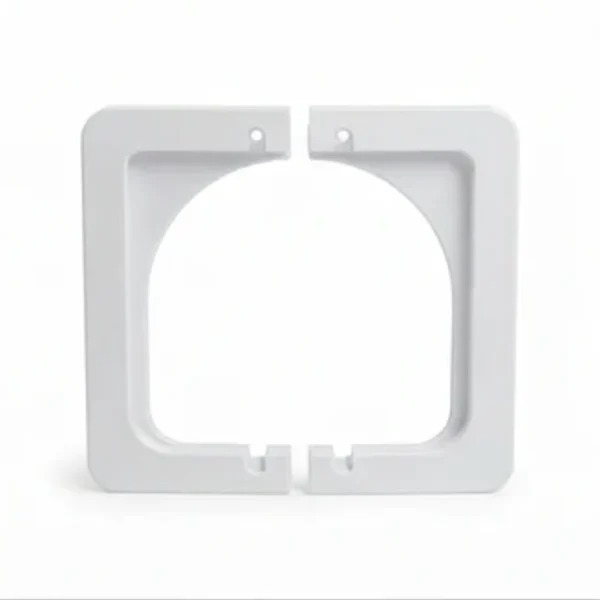
The Kitty Pass Interior Cat Door
Another way to give the cat a room the dog can't enter.
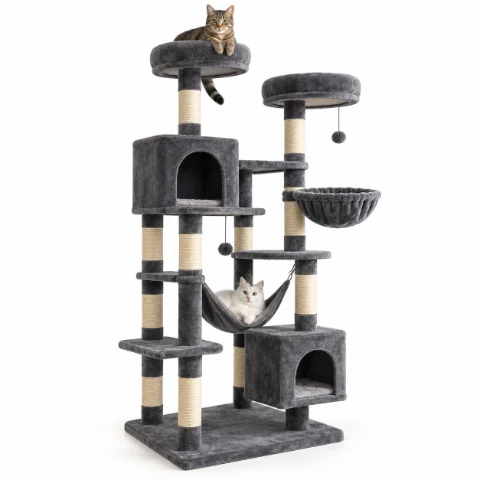
Feandrea 206 cm Cat Tree
Gives the cat a route above dog height, as the escape-route checklist suggests.
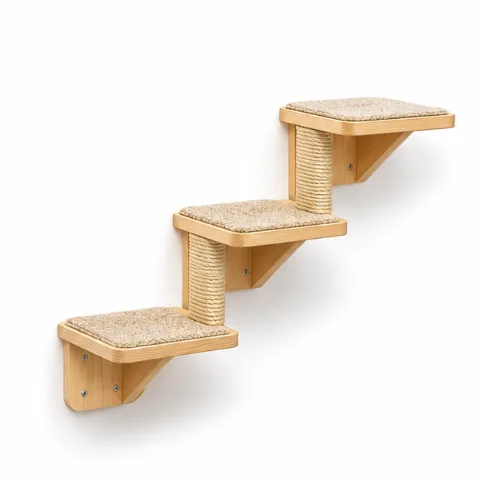
COOLEX 3-in-1 Cat Climbing Wall Steps with Hemp Rope
Wall steps for another way up and out of reach.
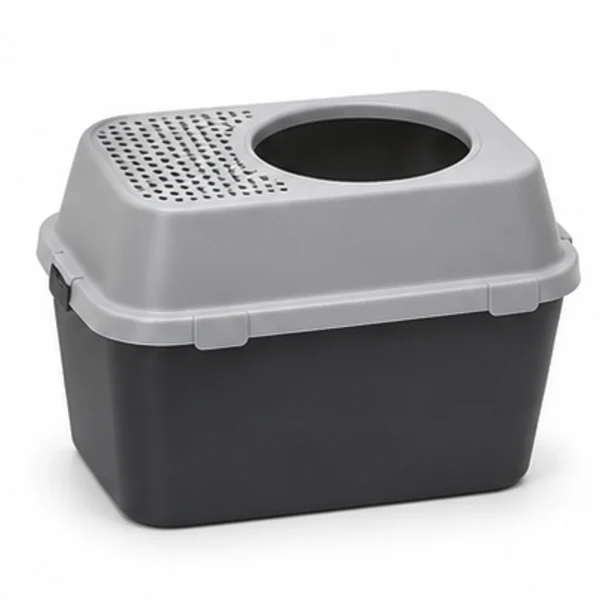
IRIS Top Entry Cat Litter Box
A top-entry box that helps keep the tray away from a dog.
Babelio Gate with Cat Door, 76.2 cm, White
Another gate with a cat door, so the cat can pass while the dog can't.
Dreambaby Chelsea Auto-Close Safety Gate (71 to 80 cm)
A standard gate for doors and halls.
The Kitty Pass Interior Cat Door
Another way to give the cat a dog-free room.
Feandrea 206 cm Cat Tree
A route above dog height for the cat to escape to.
COOLEX 3-in-1 Cat Climbing Wall Steps with Hemp Rope
Wall steps give the cat another way up and out of reach.
IRIS Top Entry Cat Litter Box
A top-entry box that helps keep the tray away from a dog.
Pictures are illustrations, not the actual products.
More detail on the gate is in Useful gear for the gate stage below. Gear supports the slow process; it doesn't replace it.
Can my dog live with a cat?
Some dogs suit cats and some don't. A dog that has lived with cats, settles when asked and can look away from the cat is a good candidate. A dog that stares, stalks or can't calm down needs professional help before any introduction.
RSPCA Australia says some individual dogs aren't suited to living with cats (RSPCA Australia Knowledgebase, updated 30 July 2024, page read 23 November 2026). The ASPCA lists the warning signs that a dog may not live safely with a cat (ASPCA, page read 23 November 2026).
| Green flags | Get professional help first |
|---|---|
| Has lived with cats before | Intense staring at the cat, especially with stalking (slow forward movement, head held low) |
| Settles on a mat or sits and stays on cue | Has badly hurt another animal before |
| Can look away from the cat when you ask | Obsessively chasing or pulling towards small animals on walks |
| Doesn't guard food or toys from other animals | Getting so excited that you can't calm or control it |
| Growling or snapping when approached while it has food, toys or chews |
One or two signs on the right don't mean a dog is dangerous, and a tick in the left column isn't a guarantee. It's a pattern to look at in context. The ASPCA recommends a certified dog behaviour consultant or a veterinary behaviourist if you see signs of fixation. Some dogs bred to chase may find it harder to ignore a moving cat, so go even slower with them.
How do I set up the house before the dog meets the cat?
Give the cat a dog-free retreat before the dog arrives, stocked with everything it needs, and teach the dog to settle on a mat. Move the cat's food, water and litter tray out of any area the dog will use. Doing this early means the cat doesn't link the changes with the newcomer.
RSPCA Australia suggests these preparations (RSPCA Australia Knowledgebase, updated 4 March 2024, page read 23 November 2026):
- Check both animals' health, vaccinations, worming and parasite control are up to date.
- Teach the dog relaxation skills, such as sit-stay and lying on a mat. Our dog training treats guide helps you pick small, soft rewards.
- Set up the cat's retreat with a bed, toys, litter tray, water, food, hiding spots and high resting places.
- Tidy away high-value items such as chews and toys that could spark a scuffle.
RSPCA Australia also says to ask your vet about synthetic pheromone diffusers. They are a possible extra, not a fix. Our Feliway guide and Adaptil guide explain what the makers claim.
Cat escape-route checklist
The cat should always be able to get away, and the dog shouldn't be able to follow. Work through this before day one:
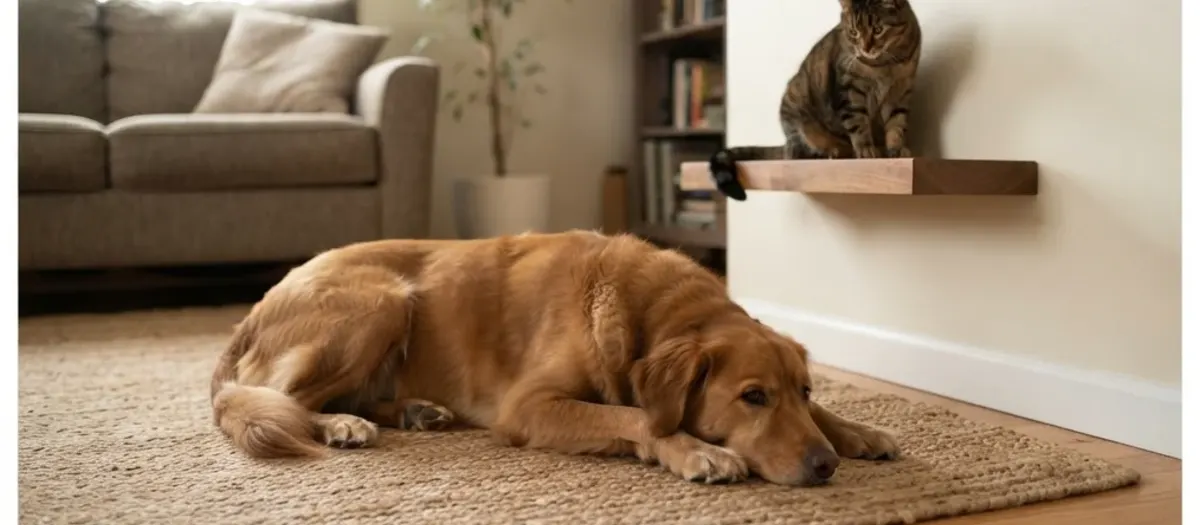
- High places. Cat trees and wall shelves give the cat a route above dog height. See our cat trees guide and cat wall shelves guide.
- A dog-free room. A room the dog can't enter, with the cat's bed, water, food and tray.
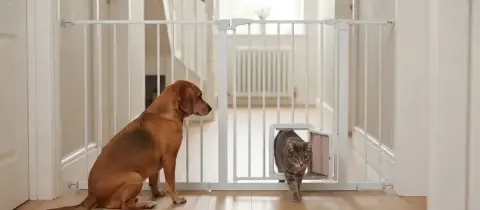
- A gate the cat can pass. A gate with a small cat door lets the cat come and go, as long as the dog can't fit through it. Our pet gates with a cat door guide compares the door sizes in cm.
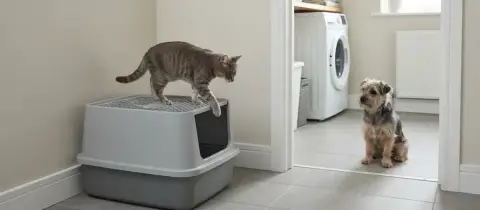
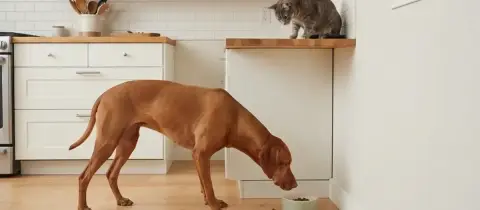
- Food and tray out of reach. Dogs often raid both. Our guides to dogs eating cat food, dogs eating cat poop and dog-proof litter boxes cover this.
- An easy box for an older cat. Don't switch a stiff or older cat to a box that is harder to climb into. Keep its low-entry box and block the dog instead. See our litter boxes for senior cats guide.
How do I introduce a dog to a cat, step by step?
Use five stages and move on only when both animals are calm. RSPCA Australia says to go at each animal's pace, never force contact and supervise every meeting. Expect at least a week and possibly several weeks, and results vary from pair to pair.
| Stage | What you do | Where | Session length | Move on only when | Go back if |
|---|---|---|---|---|---|
| 1. Scent swap | Rub a cloth on one animal and leave it for the other, then swap | Away from the cat's food, litter and hiding places | A few days | Both animals are calm or ignore the scent | Either animal reacts strongly to the cloth |
| 2. Separate exploring | One animal is settled with a treat while the other explores the house, then swap | No direct contact | A few days | Both are relaxed about the other's smell and rooms | Either seems stressed in the other's space |
| 3. Visual contact | Meet through a see-through barrier such as a stair gate. Dog on a harness and loose lead, cat with high escape spots | A room with high platforms, starting far apart | About 5 minutes or less, several times a day | Both stay calm at the barrier | The dog strains, stares or needs holding back, or the cat hisses or hides |
| 4. Supervised contact | Dog on lead, no barrier. Board and thick blanket on hand | Same room, cat able to leave | Short and positive | Both stay calm together on lead | Aggression, over-excitement or a chase attempt |
| 5. Off lead | Dog drags the lead so you can pick it up | Supervised, cat can retreat | Supervised sessions | Calm together for a while, after a few weeks of stage 4 | Any chase or fear |
Stage 1 and 2: scent swap and separate exploring
Rub a clean cloth on one animal and leave it where the other can sniff it, keeping cloths away from the cat's food, litter and hiding places. Then let each animal explore the house while the other is shut away with a treat. The aim is for each to find the other's smell ordinary.
Stage 3: the gate stage
RSPCA Australia describes stair gates as the see-through barrier for visual contact. Put the dog on a harness and a loose lead, with something calming to do such as a puzzle feeder, and start far apart. Reward calm. If you have to hold the dog back, stop the session. The ASPCA also advises keeping the dog on a lead even when a gate blocks the way.
Never crate one animal while the other approaches, and never hold the cat for the dog to sniff. The cat decides whether to come closer.
Stage 4 and 5: lead, then trailing lead
On a lead with no barrier, keep sessions short and positive. Keep a board or pillow to block the view and a thick blanket for emergency handling. RSPCA Australia says not to grab or pull either animal. Only after a few weeks of calm on-lead sessions try off-lead with the lead trailing.
What if a new cat is joining a dog's home?
The same stages apply with the roles flipped. RSPCA Australia says to give the cat a dog-free room with all its resources and high platforms, feed them separately, and let the cat settle first. Crate training the dog makes introductions easier. The cat can hiss early on, and RSPCA says not to punish it.
Is a puppy different from an adult dog?
Not in the steps. A puppy still needs every stage, and its bouncy play can frighten a cat even without any aggression. Keep sessions short, and watch that puppy play stays gentle rather than turning into chasing.
What are the warning signs during an introduction?
Stop and go back a stage if you see hissing, ears back, growling or bared teeth. In the dog, watch for straining towards the cat or excitement you can't settle. In the cat, avoiding the dog, not eating or not using the litter tray can all be stress.
Those signs come from RSPCA Australia. Look at the whole pattern rather than a single sign, and ask your vet if you're unsure.
Loose, bouncy play looks different from fixation: a relaxed dog pauses, looks away and can be called off. The ASPCA's stalking pattern (staring, slow forward movement, head low) is the one to take seriously. Chasing is never fine "because it's play". A cat that is being chased is frightened.
What do I do after a bad meeting?
Block the view, stop, and separate them calmly. RSPCA Australia says to move the aggressor to a neutral area, wait until both are calm (possibly hours later), then restart from stage 2. Never punish either animal. A setback is information about the pace, not a failure.
Use the thick blanket or board rather than your hands, and give the cat extra quiet attention afterwards.
When should I get professional help?
Book your vet, then a veterinary behaviourist or a qualified behaviour professional, if the introduction isn't going well, either animal seems stressed, or the dog shows any of the ASPCA warning signs above. Don't wait for an injury.
RSPCA Australia advises consulting your vet and an appropriately trained veterinary behaviourist, and the ASPCA recommends a certified dog behaviour consultant or veterinary behaviourist for signs of fixation. Some pairs never become friends. RSPCA Australia says many still live together with separate feeding, toilet and sleeping areas, as long as the cat always has a retreat the dog can't reach.
Useful gear for the gate stage
Gear supports the slow process; it doesn't replace it. For stage 3 you need a barrier you can see through:
- Carlson Extra Wide Walk Through Pet Gate with Small Pet Door: a steel pressure-mount gate for openings of 74 to 98 cm (the maker's section gives a narrower range, so measure first), 76 cm tall, with a 25.4 x 17.8 cm pet door so the cat can pass. A small dog may fit through too, so don't rely on the door for those. See our pet gates with a cat door guide for the other sizes.
- Dog gates guide: standard gates for doors, stairs and halls. At the top of stairs, use a hardware-mounted gate.
- Interior cat doors: another way to give the cat a dog-free room.
When to see a vet
Book a vet visit if, after the dog arrives or during introductions:
- your cat stops eating, drinking or using the litter tray, or hides for long stretches
- either animal has been bitten or scratched, or limps after a chase
- your dog stares, stalks or can't settle around the cat
- introductions aren't going well after a steady, slow approach
Ask your vet about a veterinary behaviourist if there are signs of fixation. A male cat straining in the tray or passing no urine needs a vet the same day. See our senior cat litter box guide and pet gates with a cat door guide for setups that keep the cat's resources reachable.
Frequently asked questions
Will my dog hurt my cat?
It can happen, which is why you never leave them alone together until you're certain. A dog that has a history of injuring animals, stalks or can't calm down needs a behaviour professional first. Go slowly, keep the dog on a lead and give the cat escape routes.
How long does it take for a dog and cat to get along?
RSPCA Australia says at least a week, and possibly several weeks, with a few weeks of on-lead sessions before off-lead contact. There's no fixed timeline, and results vary. Some pairs never become friends but can still share a home with separate areas.
Can you introduce a puppy to a cat the same way?
Yes, using the same stages. A puppy's bouncy play can scare a cat, so keep gate and lead sessions short and calm, and reward your puppy for settling. Puppies still need to learn not to chase, and the cat needs a dog-free retreat and high places.
Why is my cat hissing at the new dog?
Hissing, ears back and growling are signs the cat is stressed or warning the dog off. Block the view, separate them calmly and go back to scent swaps. Don't punish the hissing. If the cat also hides, stops eating or avoids the litter tray, ask your vet.
Should I let my dog chase the cat if it looks like play?
No. A cat that is chased is frightened, and chasing can escalate. Stop the session and ask your dog to settle. If your dog can't stop chasing, or fixates on the cat, speak with your vet about a veterinary behaviourist.
Can I leave my dog and cat home alone together?
Not during introductions. The ASPCA says never to leave them loose together unsupervised, and RSPCA Australia says to wait until you're absolutely certain they tolerate each other. Until then, keep them apart with a closed door or a gate when you can't watch, and give the cat a retreat the dog can't reach.
My cat has stopped eating or using the litter tray since the dog arrived. What should I do?
Stress is one possible cause, but illness can look the same, so don't assume. RSPCA Australia says to keep the cat's food, water and tray in a dog-free area so it doesn't avoid them, and slow the introduction. Book a vet visit if your cat still isn't eating or using the tray. A cat that strains or passes little or no urine needs a vet the same day.
Can a dog and cat who don't get along still share a house?
Often, yes. RSPCA Australia says some pairs never become friends but can live together with separate feeding, toilet and sleeping areas and a cat retreat the dog can't reach. Keep supervising, and speak with your vet or a veterinary behaviourist if either animal stays stressed.
Related guides
- Pet gates with a cat door
- Dog-proof litter boxes
- Dog eating cat food
- Dog eating cat poop
- Best dog gates
- Interior cat doors
- How to introduce a kitten to an older cat
- Best cat trees
Sources
- RSPCA Australia Knowledgebase: How should I introduce my new dog or puppy to the family cat?, updated 4 March 2024, read 23 November 2026
- RSPCA Australia Knowledgebase: How should I introduce my new cat or kitten to the family dog?, updated 30 July 2024, read 23 November 2026
- ASPCA: Introducing Dogs to Small Pets and Cats, read 23 November 2026
This guide provides general information and isn't a substitute for veterinary advice. If you're concerned about your dog's or cat's behaviour or health, speak with your vet.