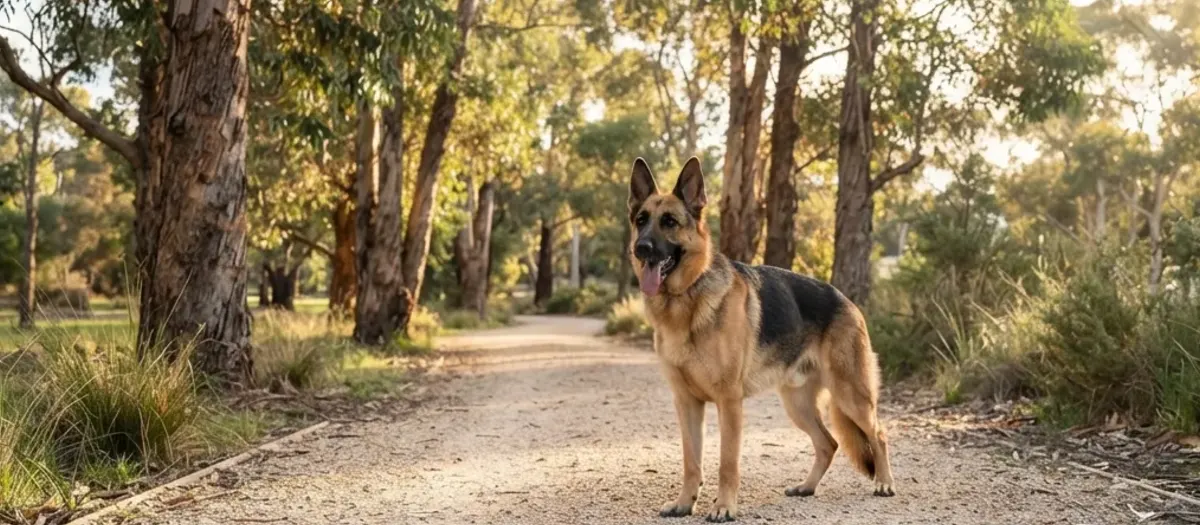
German Shepherd Dog Food: What to Feed From Puppy to Senior
By Anish PuriUpdated 27 Nov 202616 min readResearched, not tested by us
Research guide. WhiskerFinds may earn a commission from links, at no extra cost to you.
Quick answer: The best German shepherd dog food is a complete large-breed food that matches your dog's life stage. For adults aged one to seven, our top pick is Optimum Adult Large Breed in a 15 kg bag. Puppies need a large-breed puppy food, and seniors have their own pick below. Switch gradually.
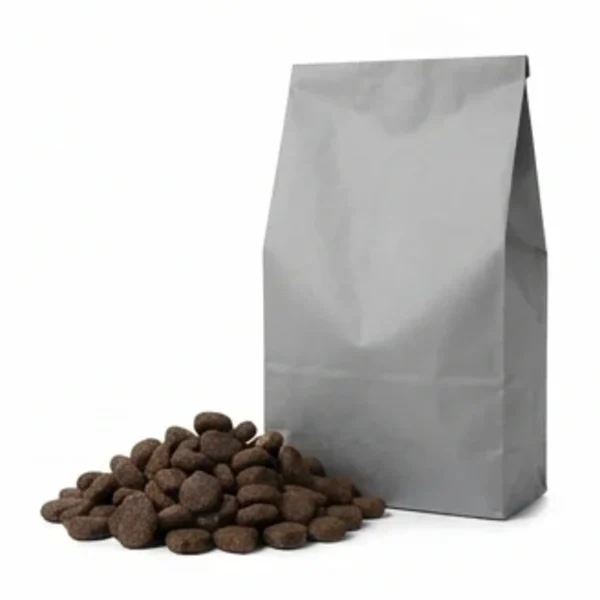
Illustration, not the actual product
Our top pickOptimum Adult Large Breed, chicken, vegetables and rice, 15 kg
German shepherds are big, active dogs with big appetites, so the bag size and the life stage matter as much as the brand. This guide compares four large-breed foods on Amazon Australia, from puppy to senior, and covers the feeding habits vets link with bloat. For general kibble advice, see our dry dog food guide, and for other big breeds, our golden retriever food and labrador food guides.
Quick picks
Our top pickBest overall
Optimum Adult Large Breed, chicken, vegetables and rice, 15 kg
Large-breed adult kibble for dogs aged one to seven, in one big bag
Pictures are illustrations, not the actual products.
How big is a German shepherd?
A German shepherd is a large working breed. The Dogs Victoria breed page gives males 60 to 65 cm at the shoulder and 30 to 40 kg, and females 55 to 60 cm and 22 to 32 kg, with a lifespan of 10 to 13 years on average. VCA Animal Hospitals gives a slightly heavier range of 75 to 95 pounds (about 34 to 43 kg) and 10 to 12 years, so sources differ a little.
VCA rates the breed's shedding at 5 out of 5. Dogs Victoria describes a weather-resistant outer coat over an undercoat and says weekly grooming is enough for the stock coat. For food, the useful numbers are the adult weight range and the 26 to 44 kg "large breed" band that the Royal Canin puppy listing uses.
What should you feed a German shepherd puppy?
Feed a food made for large-breed puppies, because steady growth matters more than fast growth. VCA says large-breed puppies need steady, not rapid, growth, and that excess calcium and extra calories can harm developing bones and joints. It also notes these dogs can take up to two years to reach adult weight, and that treats should stay under about 10% of the day's calories.
In practice, check the pack says it is for large-breed puppies and ask your vet before adding any supplement. Royal Canin Maxi Puppy (pick 2) is the one puppy food on this page. The listing says it is for puppies up to 15 months with a moderate energy level for a long growth period, and VCA's two-year figure is a reason to ask your vet when your own pup should move to adult food. The maker also sells a German shepherd puppy formula through vet clinics and pet shops. Our puppy food guide covers puppy foods more broadly.
Our picks in detail
1. Optimum Adult Large Breed, chicken, vegetables and rice, 15 kg: best overall
A large-breed adult kibble in a big bag. The listing says it is for adult dogs, the listing's size field says large, and the maker's range table gives 1 to 7 years, complete and balanced, no artificial colours or flavours, and made in Australia. The listing also says a blend of zinc and omega 6 supports skin and coat, which is the maker's claim.
Pros: large-breed size on the listing; complete and balanced and Australian made per the maker's table; 15 kg bag
Cons: one flavour, and it is chicken based; the 15 kg bag needs an airtight container
Best for: adult shepherds aged 1 to 7 on a large-breed kibble
Skip it if: your dog is a puppy or a senior, or has to avoid chicken
2. Royal Canin Maxi Puppy 4 kg: best large-breed puppy food in a small bag
A puppy food for large breeds. The listing says it is for puppies aged 2 to 15 months with an expected adult weight of 26 to 44 kg, and that it has a moderate energy level to suit a long growth period. It also lists high quality protein (L.I.P.) and prebiotics (FOS) to support digestion, which are the maker's claims. Ingredients begin with maize, poultry meal and corn gluten feed.
The same food is listed in a 1 kg size on Amazon Australia, which works as a taster for a fussy pup. The listing's diet-type field says "Veterinary Diet", but the title and text describe it as a standard large-breed puppy food, so we've treated it that way.
Pros: made for large-breed puppies per the listing; moderate energy for a long growth period; small bag is easy to store
Cons: 4 kg empties quickly for a growing shepherd pup; maize is the first listed ingredient; poultry based
Best for: shepherd puppies from 2 months until your vet says to move to adult food
Skip it if: your pup must avoid poultry, or you want the best value for months of feeding
3. Purina Supercoat Adult Large Breed Chicken 18 kg: best budget large-breed bag
The biggest bag here, for big adults eating big portions. The listing says it is adult health and maintenance for large breed dogs, with an appropriate protein to fat ratio to help maintain lean body mass, added calcium, glucosamine and no added artificial colours or flavours. Those are the maker's claims. The ingredient list is grouped: meat and meat by-products (chicken, beef) and poultry by-products, then wholegrain wheat, barley, sorghum and corn.
One size field on the listing says medium, while the title and use line say large breed. We went with the title.
Pros: 18 kg bag; large-breed adult use per the title; 7 to 10 day changeover advice on the listing
Cons: the grouped ingredient list makes it hard to know what is in each batch; wheat, chicken and beef are all listed; 18 kg is heavy to lift and store
Best for: big adult shepherds and homes with more than one large dog
Skip it if: your dog has a sensitive tummy history, needs wheat, chicken or beef avoided, or you want named single ingredients
4. Royal Canin Maxi Ageing 8+ 15 kg: best for senior shepherds
A senior food for large breeds. The listing says it is specifically for senior large breed dogs aged eight and over, with an adapted fibre content, sources of glucosamine and chondroitin, and omega 3 fatty acids (EPA and DHA). Ingredients begin with dehydrated poultry protein, rice, animal fats, wheat and maize. These benefits are the maker's claims, and a food is a tool within a routine, not a treatment for stiff joints.
Pros: made for large-breed seniors per the listing; 15 kg bag; joint-related ingredients named
Cons: wheat and maize are listed; poultry based
Best for: large-breed dogs aged eight and over without a vet-set diet
Skip it if: your senior has a diagnosed condition and a vet-set diet, or you want a wheat-free food
What should you feed an adult German shepherd?
Feed a complete adult food sized for a large dog, and feed to your dog's body condition, not just the bag. Our two adult picks are both large-breed kibbles for adult dogs, so they suit a healthy adult on normal exercise.
Follow the pack's guide for your dog's ideal weight and adjust with your vet. Weigh the food rather than scooping, and count treats in the daily total. VCA says extra calories lead to weight gain and raise the risk of bone and joint problems in growing large-breed puppies, and the same logic is sensible for adults: a lean dog puts less load on its joints. VCA's breed page says shepherd puppies should be fed a large-breed growth food, which slows the rate of growth but not the final size. Food is never a guarantee against joint problems, so ask your vet about your own dog.
Is bloat a risk for German shepherds, and how should you feed?
Bloat (gastric dilatation and volvulus, or GDV) is a life-threatening emergency in which the stomach swells and can twist. VCA lists a large, deep-chested build as a risk factor, so it is worth knowing about with any big dog. Neither VCA nor the American Kennel Club names German shepherds in their lists of the most affected breeds, so we don't say they are on one.
VCA's feeding-related risk factors are eating one big meal a day, eating quickly, and exercising right after a large meal or after drinking a lot of water. So the sensible habits are to split the day's food, slow down a fast eater and avoid hard exercise straight after a meal. RSPCA Australia says large or deep-chested dogs at increased risk should be fed at least twice a day. VCA also says some vets suggest a preventive surgery called gastropexy for high-risk dogs. No food prevents bloat.
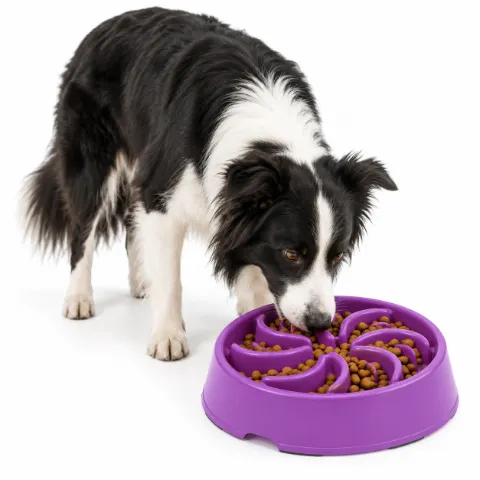
The raised bowl question is unsettled, and VCA doesn't address it, so read our elevated dog bowls guide and ask your vet before raising the bowl.
Signs and what to do are in the vet box below.
Do German shepherds have sensitive stomachs?
Some do, but we couldn't find a source that says the breed as a whole does, so treat each dog as an individual. Loose stools can come from a rushed food change, a new treat, or a health problem. A vet can work out which.
One condition is worth knowing about. The Merck Veterinary Manual says exocrine pancreatic insufficiency (EPI), where the pancreas doesn't make enough digestive enzymes, is most often seen in young adult German shepherds. It says weight loss and loose stools are the most common signs, and many dogs have a big appetite. Diagnosis and treatment are a vet's job, not a food choice, and none of the foods here treat it. See the vet box.
German shepherd dog food compared
Details come from each Amazon Australia listing, checked on 27 Nov 2026. "Not stated" means the listing doesn't say.
How do you switch your German shepherd to a new food?
Change food gradually over at least 7 days. Tufts' Petfoodology suggests starting at 10% new food and reaching 100% by day 7, while some dogs need 4 to 6 weeks. If your dog has mild loose stools but is otherwise well, Tufts says to hold at the last ratio that caused no trouble for a day or two, then carry on.
Call your vet if there is continued vomiting, liquid diarrhoea, or your dog seems painful or flat. The Supercoat listing also says to allow 7 to 10 days.
How we chose
We searched Amazon Australia for large-breed dry dog food and shortlisted foods that met all of these checks:
Well rated: a strong average rating with plenty of buyer reviews.
No red flags: no pattern of poor reviews, safety complaints or listing problems.
Available on Amazon Australia when we checked.
Large-breed fit: the listing or title says large breed or a large adult weight.
Life stage stated on the listing.
Listing facts kept honest: maker claims are attributed to the maker, and where a listing's fields contradict its own title or text, we went with the title and text.
These are researched picks, not products we've personally tried. We compared the specifications and features on each Amazon Australia listing, checked on 27 Nov 2026, and we didn't accept payment from any brand.
Left out this time: breed formulas and a lamb-based large-breed food that didn't pass our Amazon Australia check this time; grain free foods, which most dogs don't need; and prescription gut diets, which are never picks here. Your vet may prescribe one if your dog needs it.
Where else can you buy German shepherd food?
Royal Canin foods and many large-breed kibbles are also sold at vet clinics and pet shops, where staff can help match a recipe to your dog's life stage. Whichever way you buy, check the life stage and the best before date on the bag.
When to see a vet
Go to a vet or emergency clinic straight away if your dog has a swollen, tight belly, retches with nothing coming up, drools heavily, or is restless, struggling to breathe or collapses. These can be signs of bloat, which VCA calls life-threatening. Don't wait to see if it settles. For a possible poisoning, call the Animal Poisons Helpline on 1300 869 738 (24/7). Our KONG recipes guide has the full list of foods dogs shouldn't eat.
Book a vet visit if your dog is losing weight despite a big appetite, has large, pale stools, has ongoing loose stools, is lame or stiff, or has itchy skin or ears that don't settle. The Merck Veterinary Manual says weight loss, loose stools and a big appetite are common with EPI, and only a vet can diagnose it. Also check in before any diet change for a dog with a medical condition. Our dog diarrhoea guide and arthritis guide have more.
Frequently asked questions
What is the best dog food for a German shepherd?
A complete large-breed food that fits your dog's life stage and body condition. In this guide that is Optimum Adult Large Breed for adults, Royal Canin Maxi Puppy for puppies and Royal Canin Maxi Ageing 8+ for seniors. Your vet can say whether your own dog needs something different.
When should a German shepherd puppy switch to adult food?
Ask your vet, because it varies. The Royal Canin listing runs to 15 months, while VCA says large-breed dogs can take up to two years to reach adult weight. When you switch, do it over at least 7 days by mixing the new food in gradually.
How much and how often should I feed a German shepherd?
Follow the pack's guide for your dog's ideal weight and adjust with your vet. VCA lists one big meal a day as a bloat risk factor, so many owners split the day's food into two or more meals. Count treats in the total.
Do German shepherd puppies need calcium supplements?
Not unless your vet says so. VCA says puppies absorb more calcium than adults, so excess can cause bone and tissue problems, and the calcium to phosphorus balance matters. A complete, balanced large-breed puppy food is the main way to meet needs, so ask your vet before adding anything.
Is Royal Canin German Shepherd food worth it?
It's a premium formula built around the breed, sold through vet clinics and pet shops. The breed formulas aren't among our picks this time, so we haven't compared them here. A complete large-breed food that fits your dog's life stage is also a sound choice, and your vet can help you decide. Our Royal Canin dog food guide covers the range.
Is grain free food good for German shepherds?
Most dogs, including shepherds, don't need grain free food. The US FDA has investigated reports of a heart disease called dilated cardiomyopathy (DCM) in dogs on some grain free diets and hasn't established a cause (US FDA, page read 27 November 2026). We haven't picked one here. See our grain free dog food guide and ask your vet.
What is the best food for a senior German shepherd?
A senior or large-breed senior food your vet agrees with, fed to body condition. Royal Canin Maxi Ageing 8+ is our pick, but a senior with a health condition may need a vet-set diet instead. Our senior dog food guide covers more options.
Can I feed my German shepherd wet food?
Yes, many dogs do well on a mix, but count both toward the daily total and change gradually. We haven't compared wet foods here. Our wet dog food guide does, and our dry dog food guide covers more kibble.
Product details from each linked Amazon Australia listing, checked on 27 Nov 2026.
This guide provides general information and isn't a substitute for veterinary advice. If you're concerned about your dog's diet or health, speak with your vet.