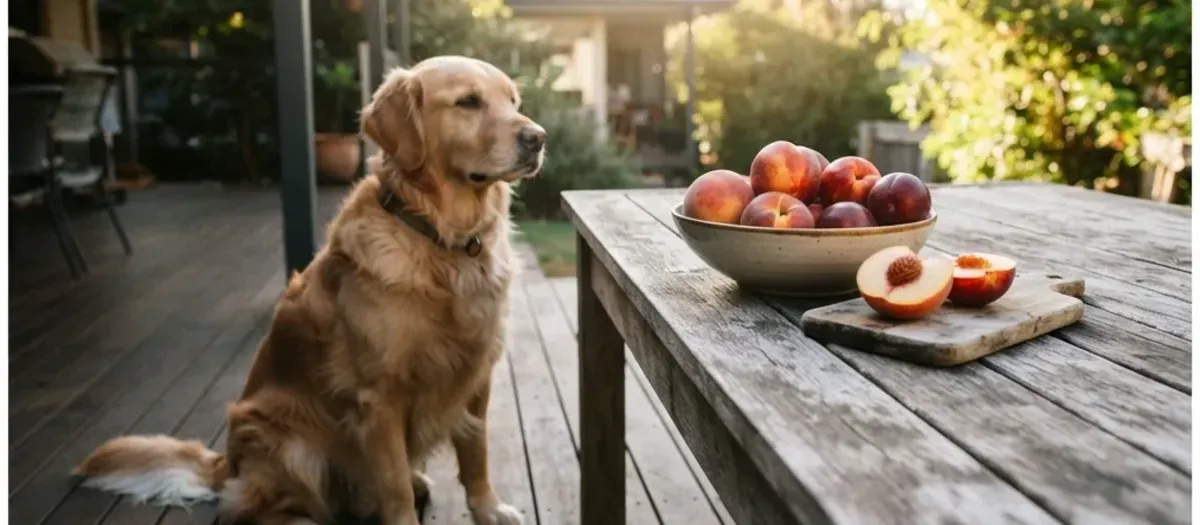
Quick answer: Can dogs eat peaches? Yes, the flesh is fine in small pieces, and the same goes for nectarines. Take out the stone first, because it can choke a dog or block the gut, and stones, leaves and stems carry cyanide compounds. Keep pieces small, skip syrupy tinned fruit, and count peach as a treat.
Peaches, nectarines, plums and apricots all ripen when the backyard tree is dropping fruit and the fruit bowl is full. This guide covers the flesh, the stone, tinned and frozen fruit, and what to do if your dog gets into the windfalls. Our what fruits can dogs eat list covers the rest of the fruit bowl.
Quick picks
homEdge puppy paw and bone silicone moulds, set of 4
Freeze plain mashed peach, stone and skin off, into small paw shapes.
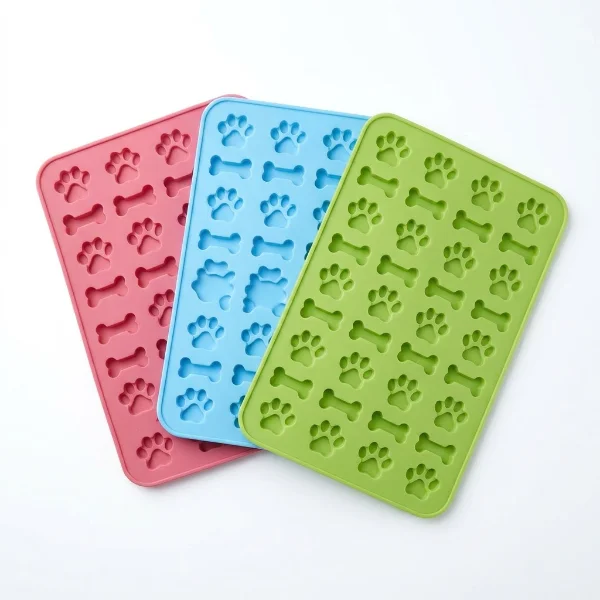
silicone paw and bone moulds
A 3-pack of paw and bone moulds from our frozen dog treats guide.
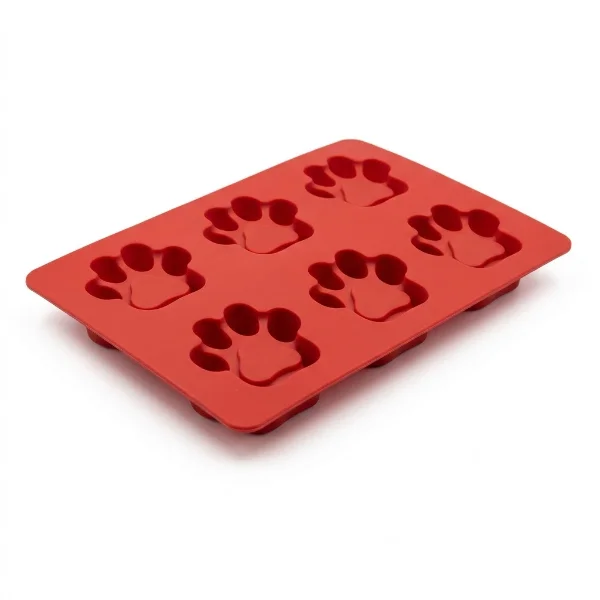
Selecto Bake dog paw print mould
A paw-print mould from our frozen dog treats guide for portioned bites.
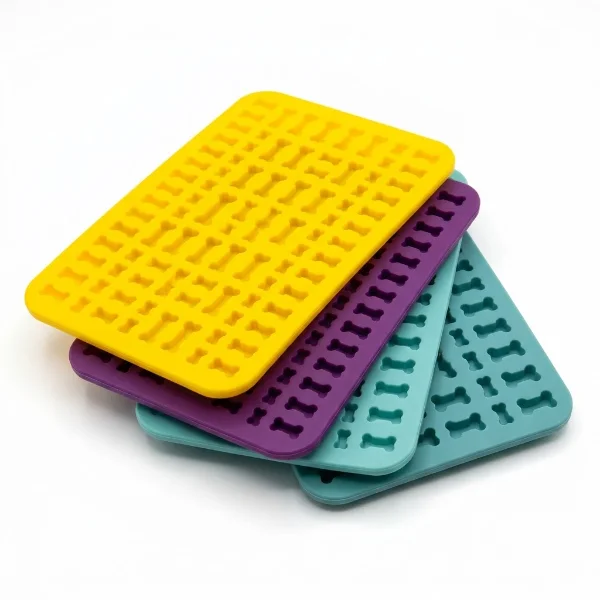
Silicone mini dog bone mould set
Small bone-shaped moulds for tiny frozen portions.
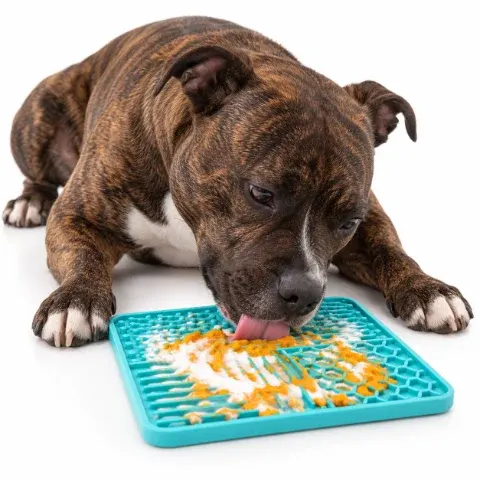
LickiMat Classic Buddy
A lick mat for a thin plain spread; supervised use only.
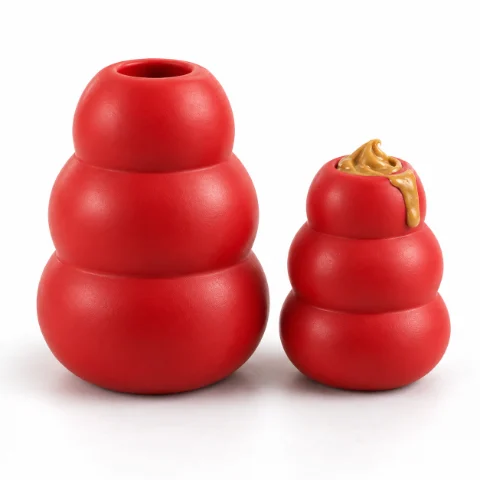
KONG Classic
From our frozen KONG recipes guide; the brand advises supervision.
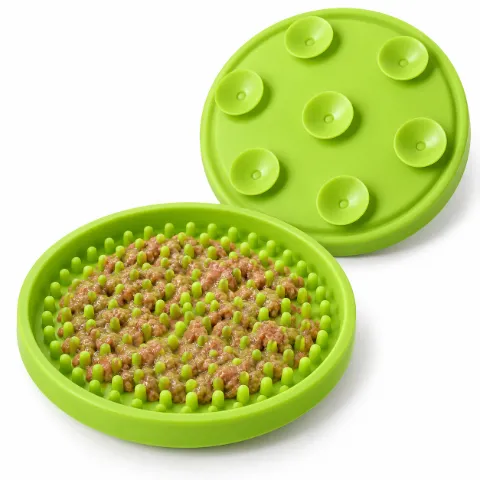
LickiMat UFO
From our frozen KONG and lick mat recipes guide; supervised use only.
silicone paw and bone moulds
A 3-pack of paw and bone moulds for freezing small plain peach bites.
Selecto Bake dog paw print mould
A paw-print mould for portioned frozen bites.
Silicone mini dog bone mould set
Small bone-shaped moulds for tiny portions.
Pictures are illustrations, not the actual products.
More detail on the first is in Useful gear for peach treats below. These help with the routine; they don't replace your vet.
Can dogs eat peaches?
Yes, in moderation. The flesh is fine in small pieces; the stone can choke or block the gut, and stones, leaves and stems carry cyanide compounds (ASPCA, AKC). The AKC says fresh peaches are the ideal option and should be fed in small cubes, with the stem and pit taken out.
The AKC notes peaches are a good source of fibre and vitamin A, but that the sugar can lead to obesity, stomach irritation and possibly diabetes (AKC, updated 5 December 2025). Treats of every kind should stay under about 10% of your dog's daily calories (VCA Animal Hospitals), a limit the AKC and PetMD also give. Dogs with weight or blood sugar problems should have fruit on their vet's say-so.
Can dogs eat peach stones and pits?
No. The stone is a choking hazard and can block the gut, and it contains amygdalin, a compound linked to cyanide. PetMD says a dog would need to chew and swallow many pits for poisoning to develop, but the blockage risk is real, so call your vet if one is swallowed.
The AKC says the pit contains amygdalin and can cause a blockage, and PetMD says to contact your vet immediately if a dog eats one (PetMD, Jennifer Coates, DVM, updated 26 September 2025). One swallowed stone isn't a reason to panic about poisoning, but it is a reason to ring a vet, because it is large and hard and can lodge in the gut.
Signs of a blockage can include repeated vomiting, not eating, a sore or swollen belly, straining or no poo, and low energy. VCA says an obstruction is potentially life-threatening and that time is critical, so call now rather than wait (VCA Animal Hospitals, updated 14 August 2024).
Are peach leaves, stems and branches toxic to dogs?
Yes. The ASPCA lists peach plants as toxic to dogs, with cyanogenic glycosides in the stems, leaves and seeds. It says these parts are particularly toxic when wilting, so pruned branches and fallen leaves left on the lawn are worth bagging up.
The ASPCA lists signs such as brick-red gums, dilated pupils, difficulty breathing, panting and shock (ASPCA, Peach, page read 11 November 2026). PetMD lists vomiting, diarrhoea, lethargy, loss of appetite, red gums and heavy panting as cyanide signs to call about. If your dog has chewed leaves or branches, call your vet or the Animal Poisons Helpline (1300 869 738, 24/7).
Can dogs eat nectarines?
Yes, in moderation. PetMD says nectarines are fine once the stone and stem are removed. Cut the flesh into small pieces, offer a little, and keep it inside the 10% treat limit. The stone carries the same choking and blockage risk as a peach stone, so bin it where your dog can't reach.
Can dogs eat plums?
The flesh can be an occasional treat in small amounts, as long as the pit and stem are out. PetMD says plums are generally safe that way for healthy adult dogs, while the pit and stem are toxic and can choke a dog or block the gut. Call your vet if a pit is swallowed.
PetMD's plum page gives a weight table that runs from one or two small pieces for a dog of roughly 1 to 9 kg up to no more than 10 small pieces for a dog over about 41 kg (PetMD, April Saylor, reviewed by Sandra C. Mitchell, DVM, updated 5 July 2023, page read 25 November 2026). It says prunes, which are dried plums, are higher in sugar, and that their fibre can cause gas or an upset tummy. A dog that sneaks one will probably be fine, but prunes aren't a treat to offer. The ASPCA still lists the plum plant as toxic to dogs, so leaves and branches stay out of reach too.
Can dogs eat apricots?
Take extra care and ask your vet before offering the flesh. The ASPCA lists the apricot plant as toxic to dogs, with cyanide compounds in the stems, leaves and seeds, so every stone must come out. The vet sources we use for peaches and plums give no advice on apricot flesh, so we don't give an amount.
If your vet says a little ripe flesh is fine for your dog, use the same rules as the other stone fruit: stone and stem out, small pieces, inside the 10% treat limit. The same goes for dried apricots: ask your vet first.
Stone fruit at a glance
Cherries and mangoes are stone fruit too, with their own guides.
| Fruit | Stone or seed | Leaves and stems | Flesh | Our guide |
|---|---|---|---|---|
| Peach | Choking and blockage risk; amygdalin (AKC, PetMD) | Toxic, especially wilting (ASPCA) | Fine in small pieces | This page |
| Nectarine | Remove it (PetMD) | Same family, keep out of reach | Fine in small pieces (PetMD) | This page |
| Plum | Pit and stem are toxic and can block the gut (PetMD); seeds carry cyanide compounds (ASPCA) | Toxic, especially wilting (ASPCA) | Small amounts for healthy adults, pit and stem out (PetMD) | This page |
| Apricot | Remove it; seeds carry cyanide compounds (ASPCA) | Toxic, especially wilting (ASPCA) | Our sources don't say; ask your vet | This page |
| Cherry | Pits and stems are the problem | See guide | See guide | Can dogs eat cherries? |
| Mango | Stone is the problem | See guide | See guide | Can dogs eat mango? |
How much peach can a dog have, and how big should the pieces be?
Keep pieces no bigger than about 1.3 cm wide, which is PetMD's limit, and keep peach well inside the 10% treat rule. PetMD gives no weight table for fresh peach, so start with a piece or two and see how your dog's tummy copes.
PetMD says pieces of that size cut choking risk and help keep portions small. Offer a new food on its own and watch for vomiting or diarrhoea. If a smoothie or peach and yoghurt mix goes on a lick mat, PetMD says no more than 2 tablespoons per 4.5 kg of dog, using plain, xylitol-free yoghurt. Dogs that are overweight, diabetic or on a special diet should check with their vet first.
Fallen fruit and backyard trees in summer
If you have a peach, nectarine, plum or apricot tree, the risk peaks in the warm months when fruit drops. Windfalls hide stones in long grass, and pruned branches and wilting leaves are the plant parts the ASPCA flags as most toxic.
A quick checklist for December to February:
- Pick up fallen fruit daily, before your dog finds it.
- Bag pruned branches and leaves and put them in a closed bin, not on the lawn.
- Know your Prunus trees: peach, nectarine, plum and apricot are the trees the ASPCA pages above cover, and cherries have their own guide. Other fruit trees aren't covered by this advice.
- Fence off the tree if your dog is a scavenger.
- Hold stone fruit at barbecues and party platters out of reach.
Useful gear for peach treats
A mould keeps a frozen peach treat small and portioned, and our dog ice cream guide and frozen KONG and lick mat recipes have more dog-safe ideas. This pick is from our own product research.
- homEdge puppy paw and bone silicone moulds, set of 4: freeze plain mashed peach or nectarine flesh, with the stone and skin off, with water or plain yoghurt into small paw shapes, so a hot-day treat is portioned and not a whole fruit. The listing says the silicone is food grade and the moulds suit the freezer and oven; the paw sheet is about 22 x 11 x 2 cm and the bone sheet about 23 x 14.5 x 1.5 cm. More moulds in our frozen dog treats guide.
Choose by situation
| Your situation | What to do | Our guide |
|---|---|---|
| Healthy adult dog | A few small pieces, stone and stem off | This page |
| Dog swallowed a stone | Call your vet now, don't wait for signs | Vet box below |
| Dog chewed leaves or pruned branches | Call your vet or the Animal Poisons Helpline | Vet box below |
| Hot day | Frozen plain peach pieces, one at a time | Dog ice cream |
| Tinned peaches in the pantry | Skip syrup; drained juice-packed pieces only, in small amounts | What fruits can dogs eat? |
| Overweight, diabetic or on a special diet | Ask your vet first | What fruits can dogs eat? |
When to see a vet
Call your vet or the Animal Poisons Helpline (1300 869 738, 24/7) straight away if your dog has swallowed a peach stone or chewed leaves, stems or pruned branches from a stone fruit tree. Don't wait for signs, and don't make your dog vomit at home unless a vet tells you to. Our dog poisoning guide covers what to do in the first hour.
- Repeated vomiting or retching
- Not eating, or low energy
- A sore or swollen belly
- Straining to poo, or no poo at all
- Red gums, heavy panting or trouble breathing
Time matters with a blockage, so call now rather than wait. See our toxic foods list for other foods to keep away from dogs.
Frequently asked questions
Is a peach stone poisonous to dogs?
The stone contains amygdalin, a compound linked to cyanide, but the bigger everyday risk is choking or a gut blockage. PetMD says a dog would need to chew and swallow many pits to be poisoned. Either way, a swallowed stone means a call to your vet.
Can dogs eat tinned peaches or peaches in syrup?
Best avoided. The AKC says canned peaches often contain excess sugars, and PetMD says heavy syrup isn't recommended, with juice-packed fruit the better option. If you do offer tinned peach, drain it and give only a few small pieces occasionally.
Can dogs eat peach skin?
Usually yes. PetMD says most dogs can eat peach skin, but it can be hard to digest, so peel it for sensitive stomachs. Wash the fruit first. If your dog gets loose poo or vomits after peach, stop and ask your vet.
How much peach can I give my dog?
Keep pieces about 1.3 cm or smaller and treats under about 10% of daily calories. PetMD gives no weight table for fresh peach, so start with a piece or two. Smaller dogs need less, and dogs with weight or blood sugar problems should ask their vet first.
Can dogs eat frozen peaches?
Yes, as small pieces of plain peach flesh with the stone and skin off. Give one piece at a time and stay close, because hard frozen lumps get gulped. Avoid a whole frozen peach. Mashed peach in a silicone mould makes a neat portion.
My dog ate a peach stone, what do I do?
Call your vet straight away, even if your dog seems fine. PetMD says to contact your vet immediately, and VCA says time is critical with a blockage. Tell them your dog's size and when it happened. Don't make your dog vomit at home unless a vet tells you to.
What should I do if my dog ate fallen fruit from the garden?
Work out whether any stones or leaves went down too. If your dog swallowed a stone, or chewed leaves, stems or branches from a stone fruit tree, call your vet or the Animal Poisons Helpline (1300 869 738, 24/7) and follow the advice in the vet box above. Pick up windfalls daily from now on.
Can dogs eat peach yoghurt or peach cobbler?
It's safer not to. Cobbler is sugary and fatty, and PetMD says flavoured peach yoghurts can contain xylitol, which is toxic to dogs. Plain xylitol-free yoghurt with a few peach pieces is the better route. If xylitol is possible, call your vet or the Animal Poisons Helpline.
Related guides
- What fruits can dogs eat?
- Can dogs eat cherries?
- Can dogs eat mango?
- Can dogs eat apples?
- Can dogs eat watermelon?
- Dog poisoning: what to do in the first hour
- Dog ice cream: easy dog-safe recipes for hot days
- Frozen KONG and lick mat recipes
- Best frozen dog treats
- All our dog guides
Sources
- American Kennel Club, Can dogs eat peaches? updated 5 December 2025, page read 11 November 2026 (https://www.akc.org/expert-advice/nutrition/can-dogs-eat-peaches/)
- PetMD, Can dogs eat peaches? Benefits, risks and feeding tips, Jennifer Coates, DVM, updated 26 September 2025, page read 11 November 2026 (https://www.petmd.com/dog/nutrition/can-dogs-eat-peaches)
- PetMD, Can dogs eat plums? April Saylor, reviewed by Sandra C. Mitchell, DVM, updated 5 July 2023, page read 25 November 2026 (https://www.petmd.com/dog/nutrition/can-dogs-eat-plums)
- ASPCA, Peach, Plum and Apricot plant pages, page read 11 November 2026 (https://www.aspca.org/pet-care/animal-poison-control/toxic-and-non-toxic-plants/peach, https://www.aspca.org/pet-care/animal-poison-control/toxic-and-non-toxic-plants/plum, https://www.aspca.org/pet-care/animal-poison-control/toxic-and-non-toxic-plants/apricot)
- VCA Animal Hospitals, Ingestion of foreign bodies in dogs, updated 14 August 2024, page read 11 November 2026 (https://vcahospitals.com/know-your-pet/ingestion-of-foreign-bodies-in-dogs)
- VCA Animal Hospitals, Dog treats, updated 26 September 2024, page read 11 November 2026 (https://vcahospitals.com/know-your-pet/dog-treats)
This guide provides general information and isn't a substitute for veterinary advice. If you're concerned about your dog's diet or what they've eaten, speak with your vet.